Ordinary Time Vestments: A Comprehensive Guide
Understanding Ordinary Time in the Liturgical Year
Ordinary Time, also known as the Time After Epiphany and the Time After Pentecost, constitutes the majority of the liturgical year in the Roman Rite of the Catholic Church. It encompasses the periods outside the major liturgical seasons such as Advent, Christmas, Lent, and Easter. This time is dedicated to reflecting on the life of Christ, his teachings, and the ongoing mission of the Church. Ordinary Time is a period of growth, learning, and deepening one's faith through the ordinary events of life.
The Significance of Vestments in Ordinary Time
Vestments play a crucial role in liturgical celebrations, symbolizing the sacred nature of the Mass and the roles of the clergy. During Ordinary Time, the vestments worn by priests, deacons, and other liturgical ministers reflect the season's themes of hope, growth, and the everyday life of the Church. The color and style of these vestments are carefully chosen to align with the readings and prayers of the Mass, enhancing the overall worship experience.
Colors of Ordinary Time Vestments
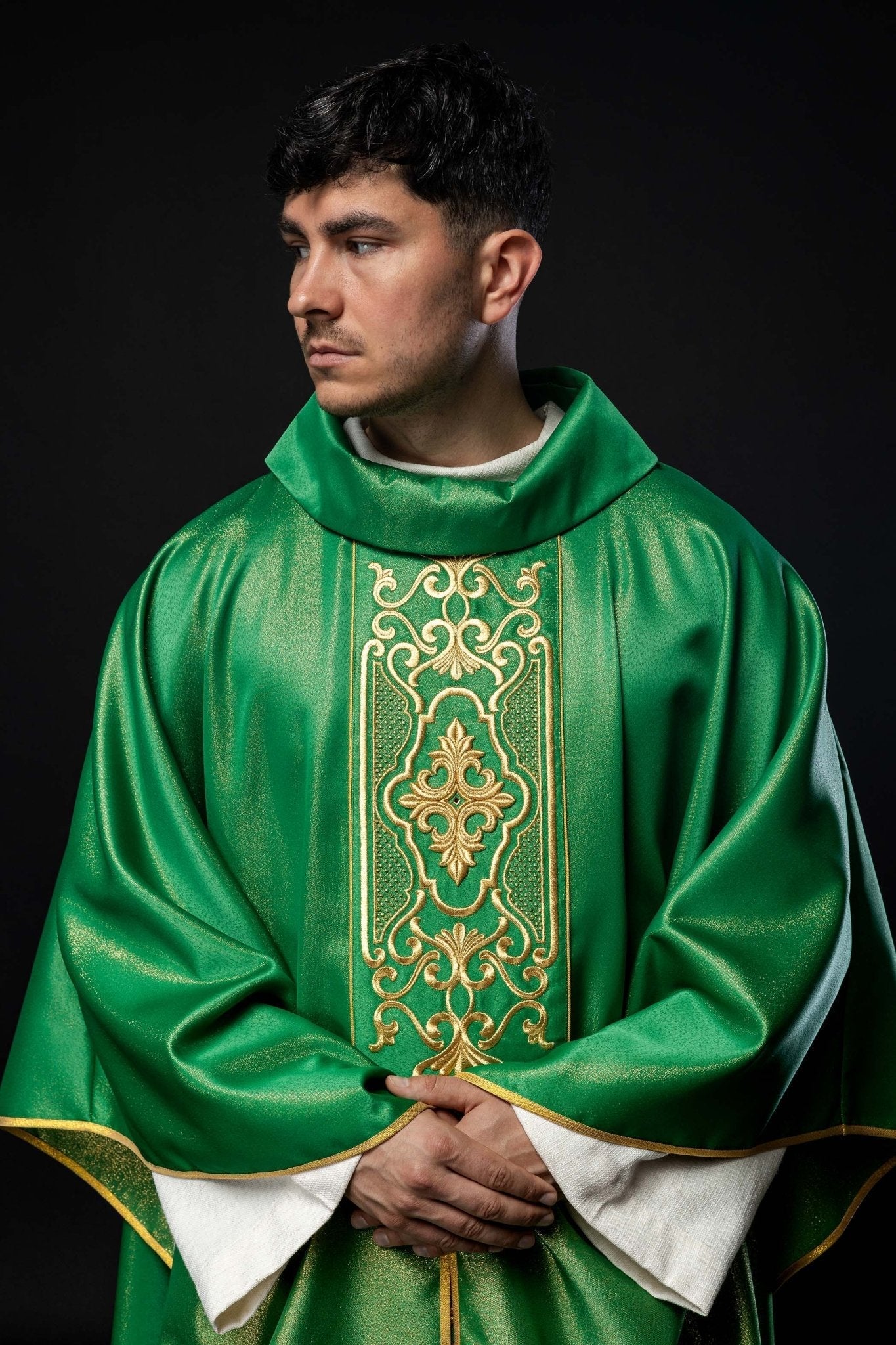
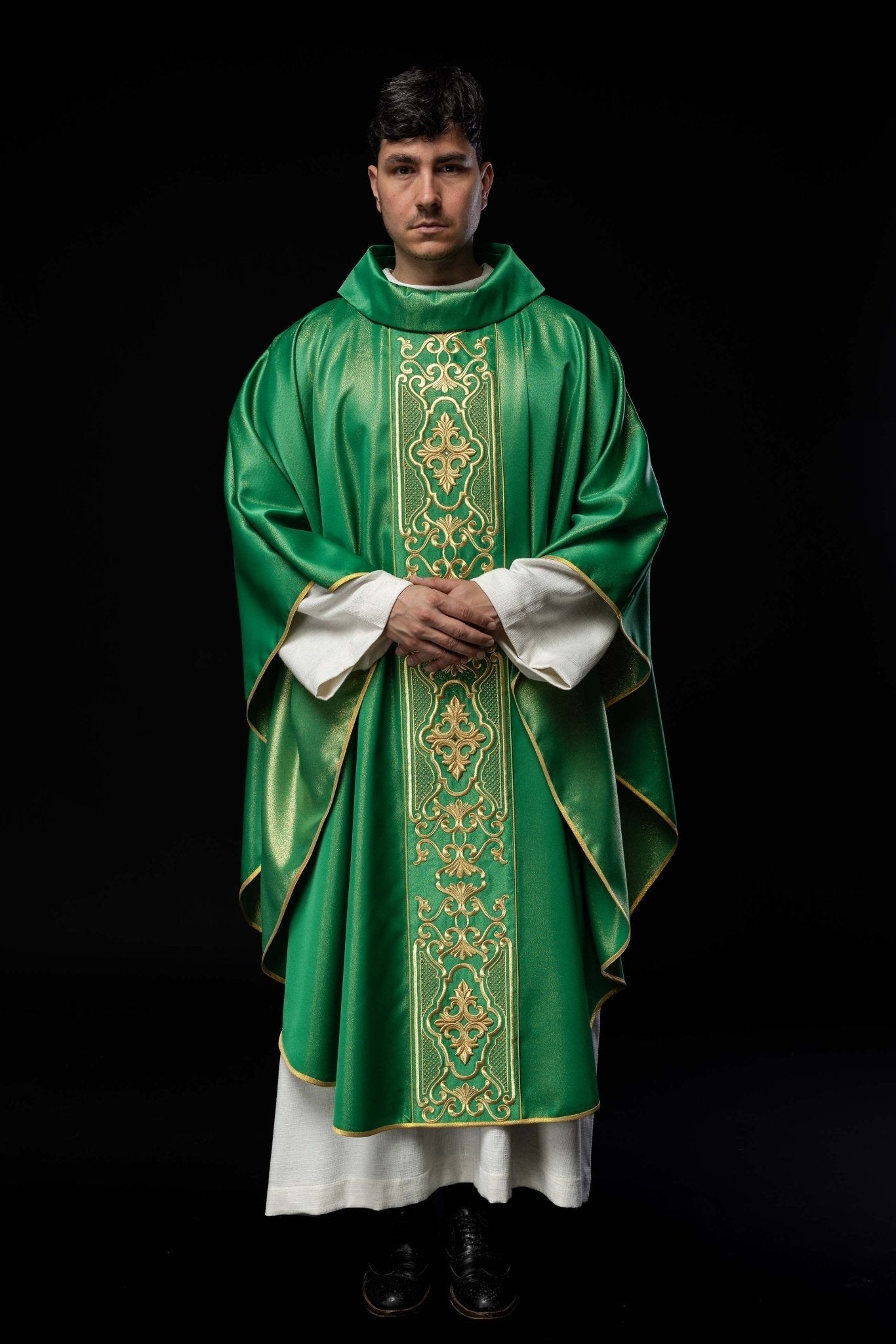
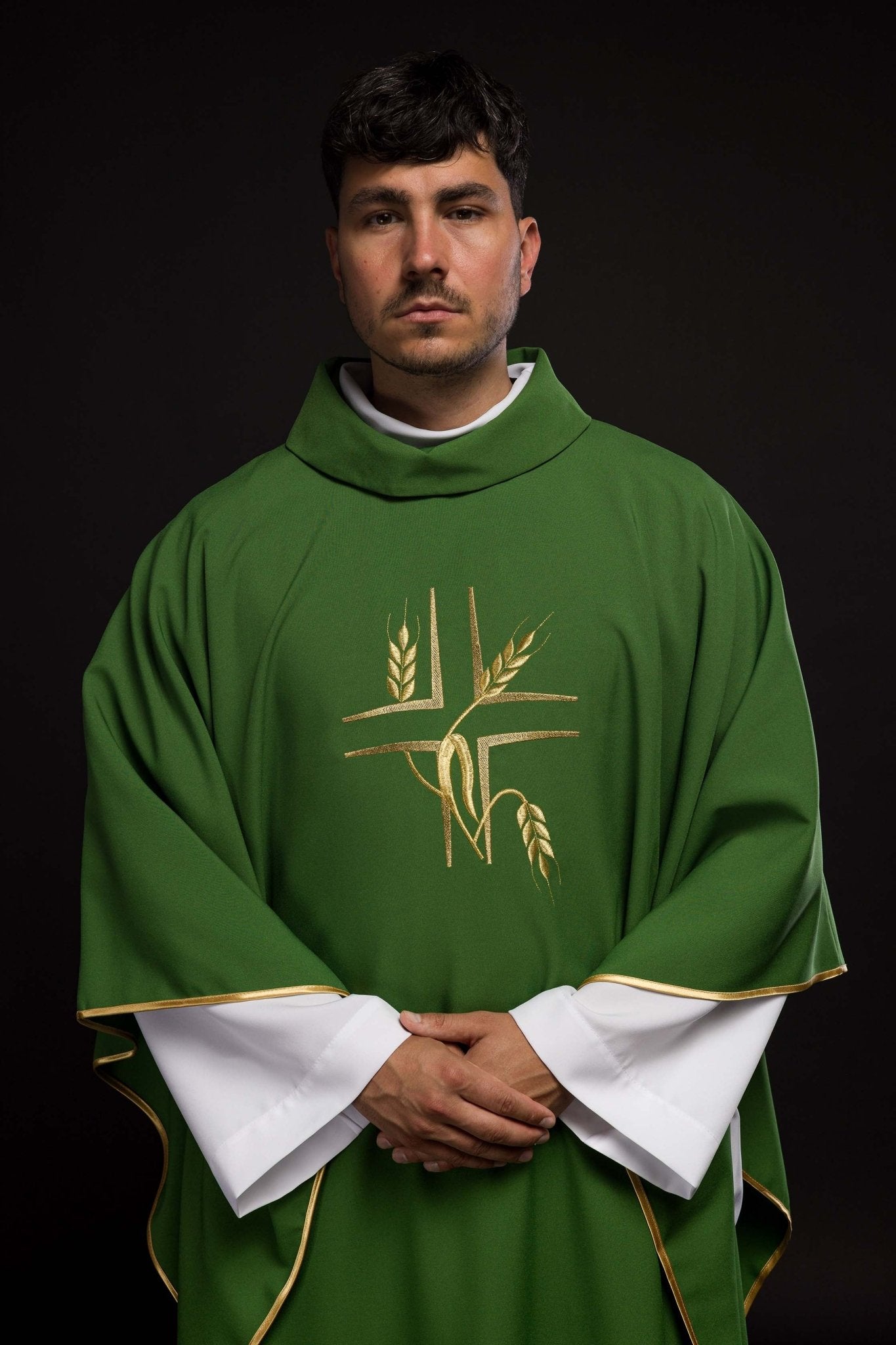
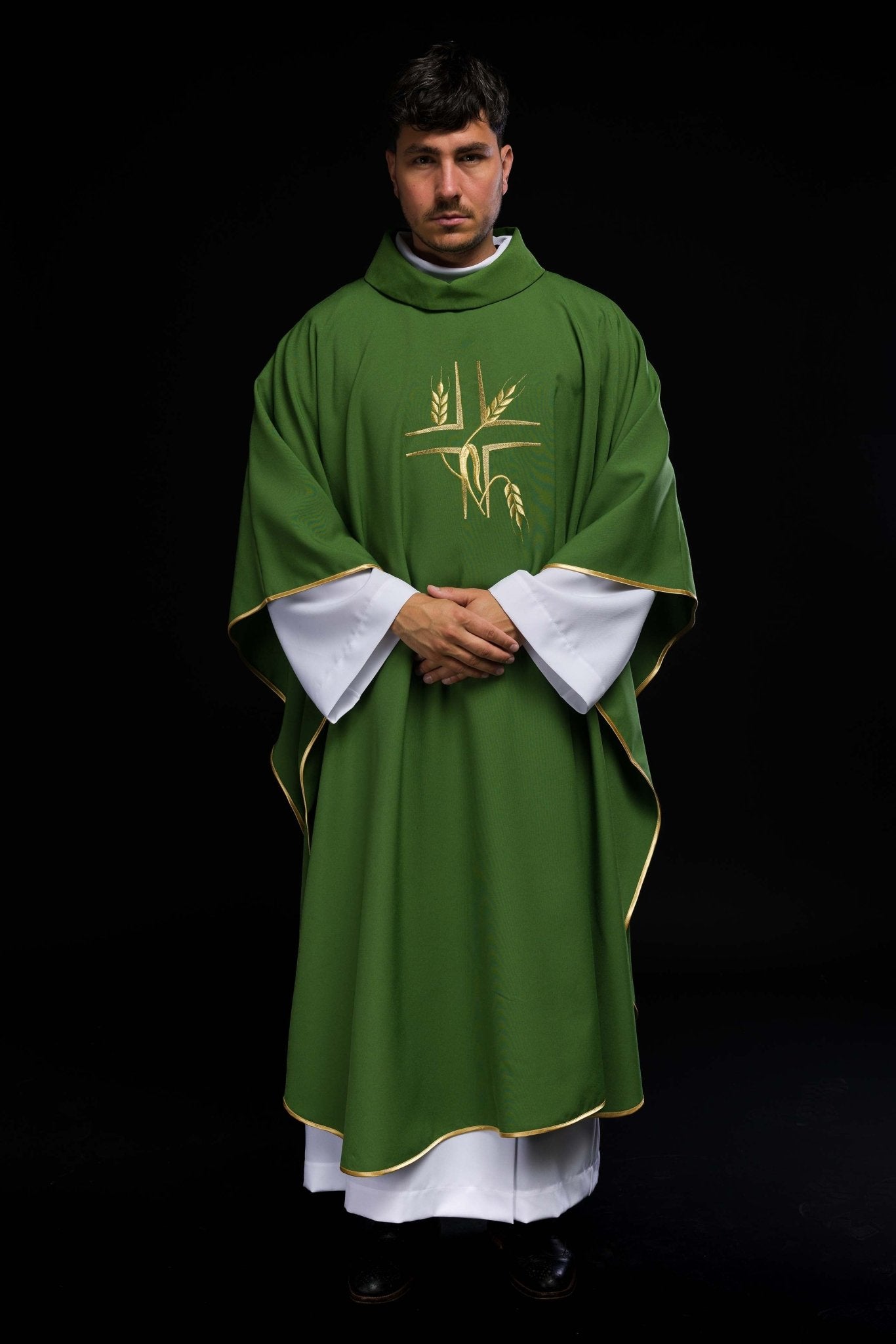
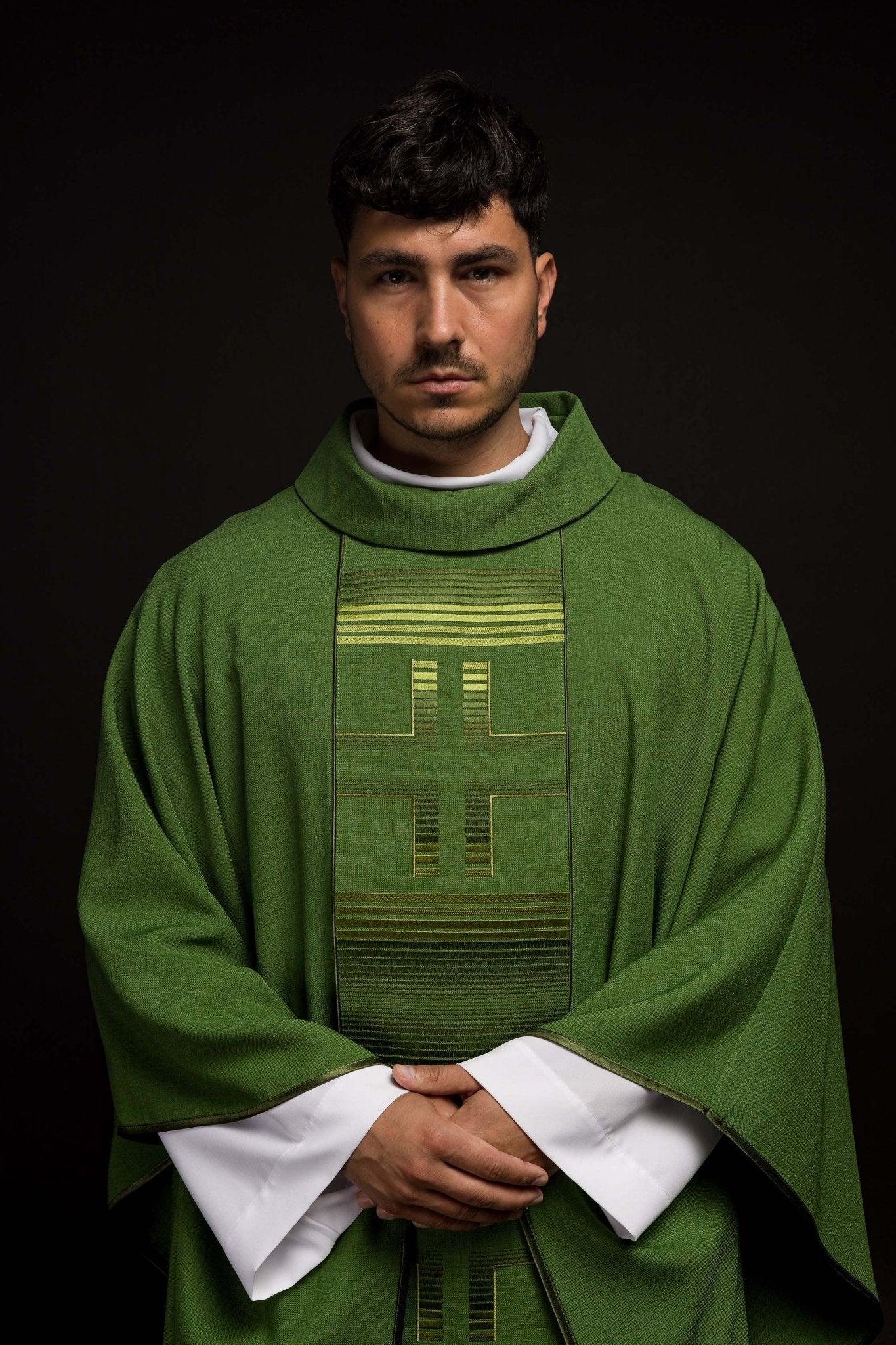
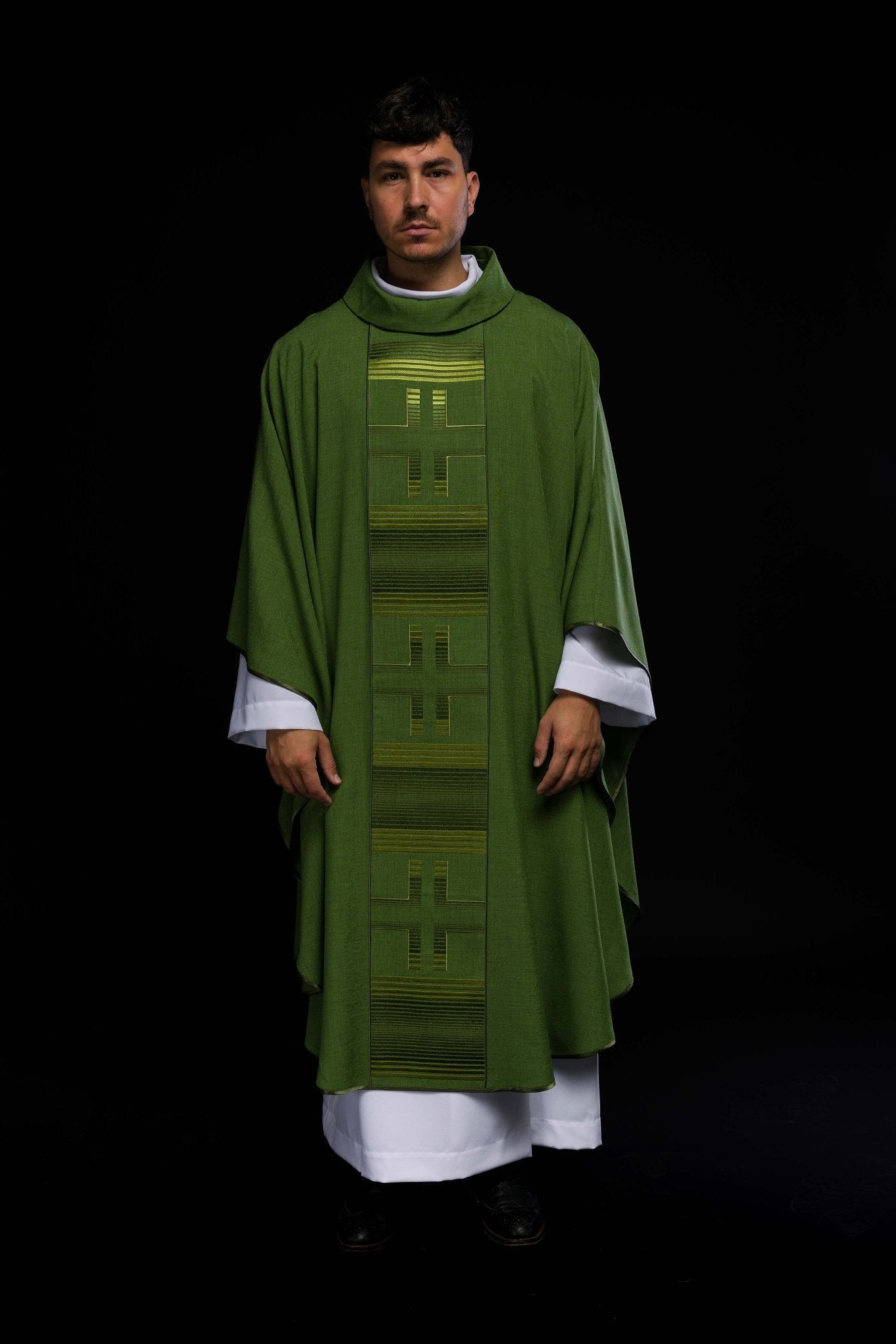
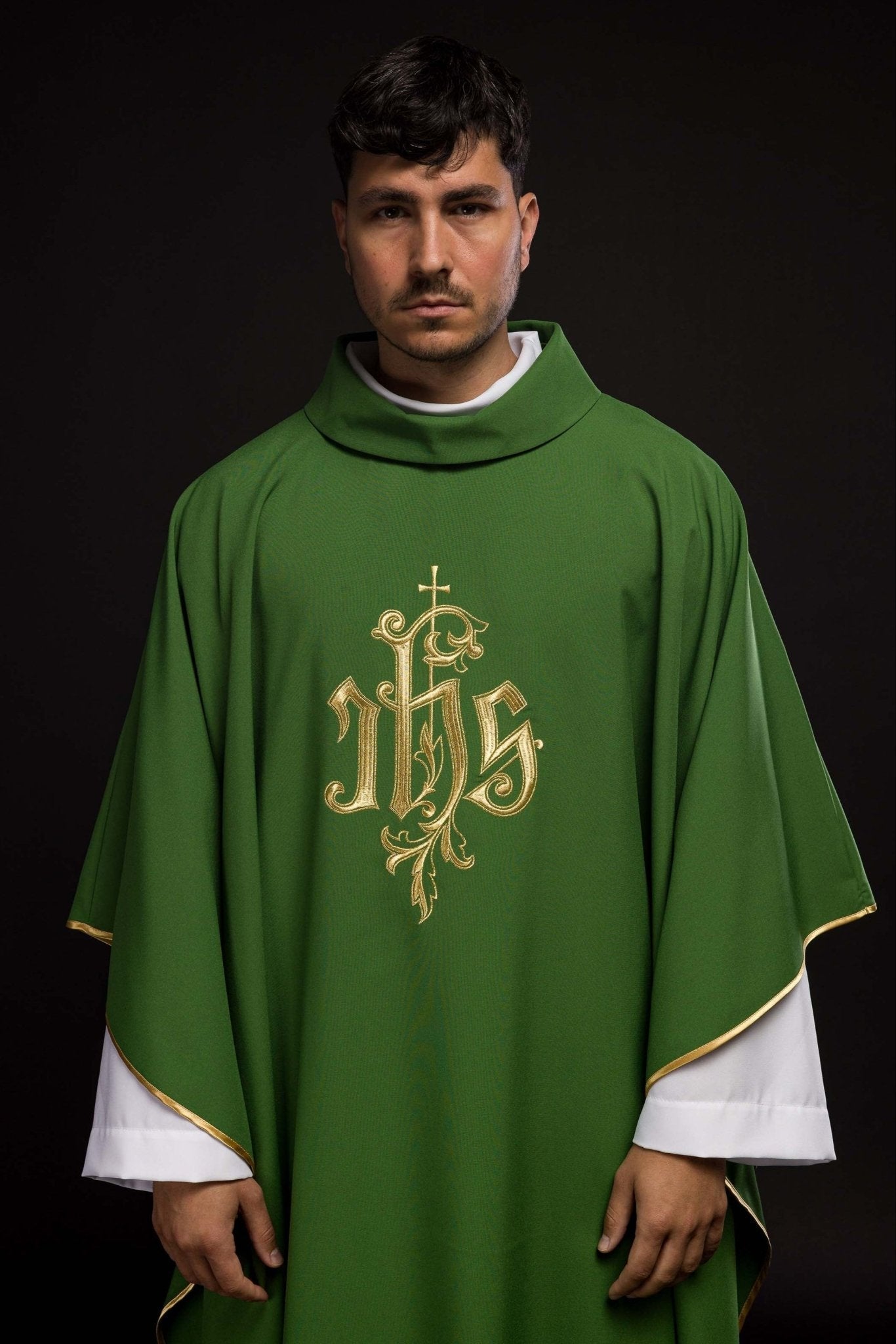
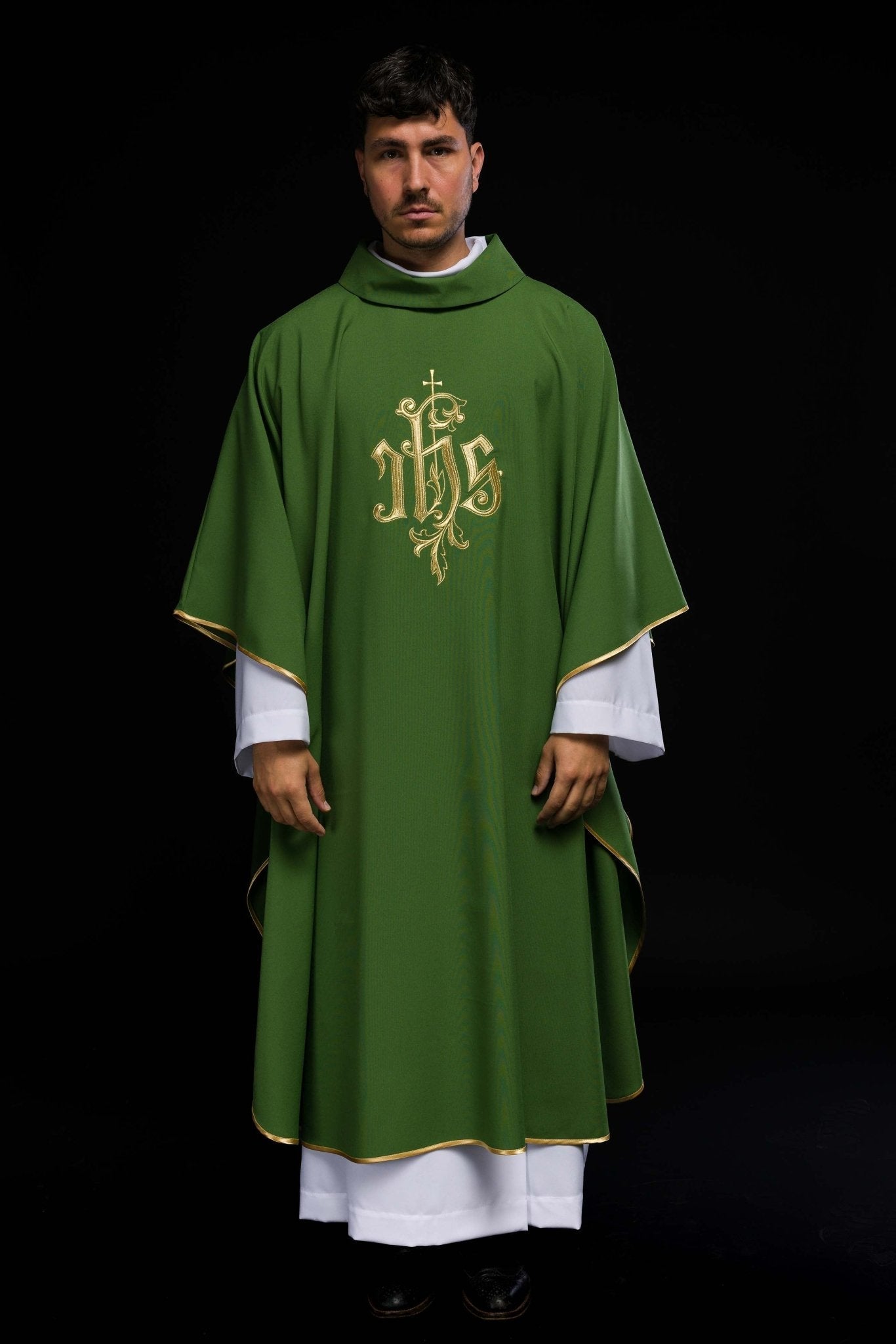
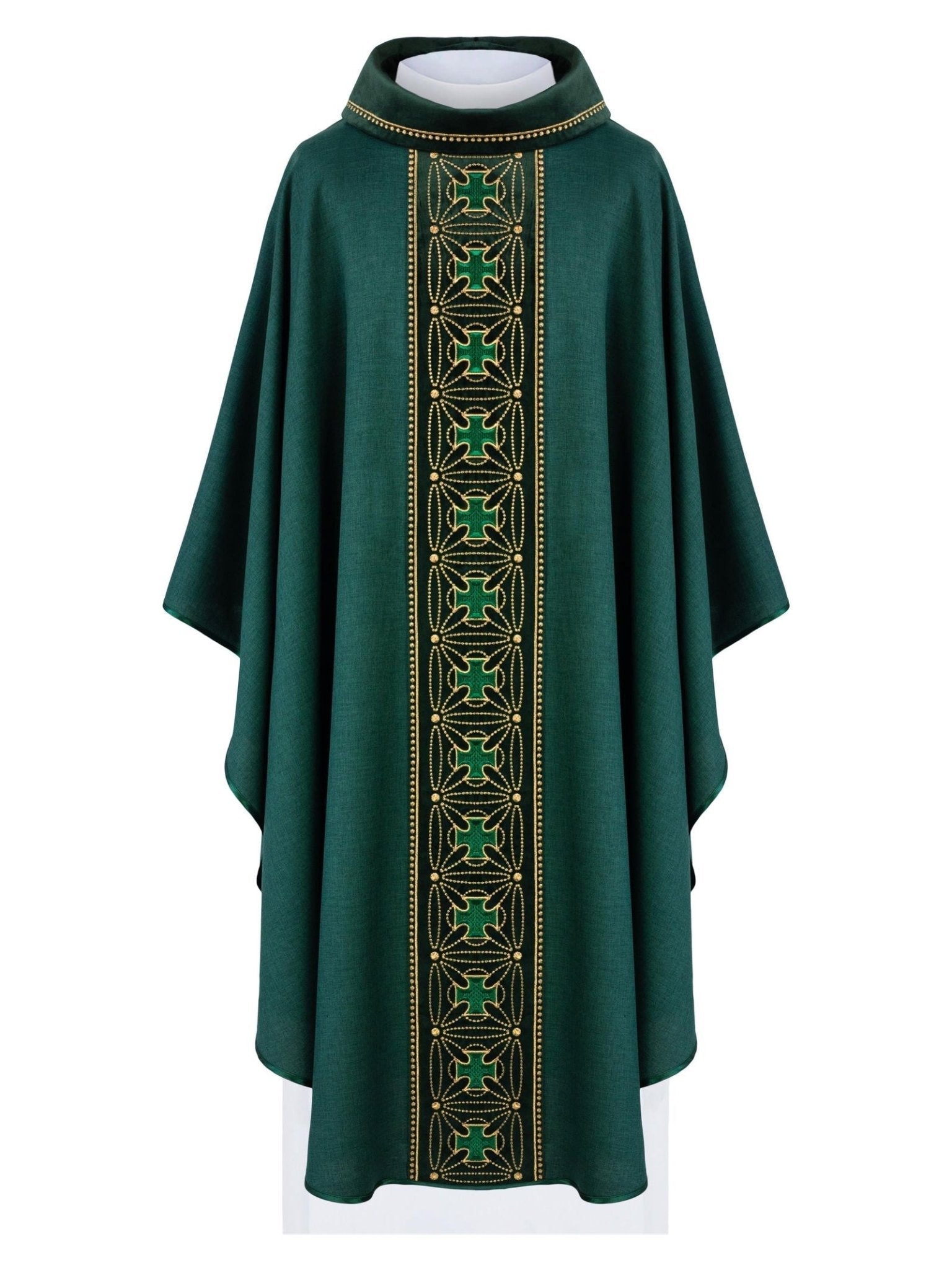
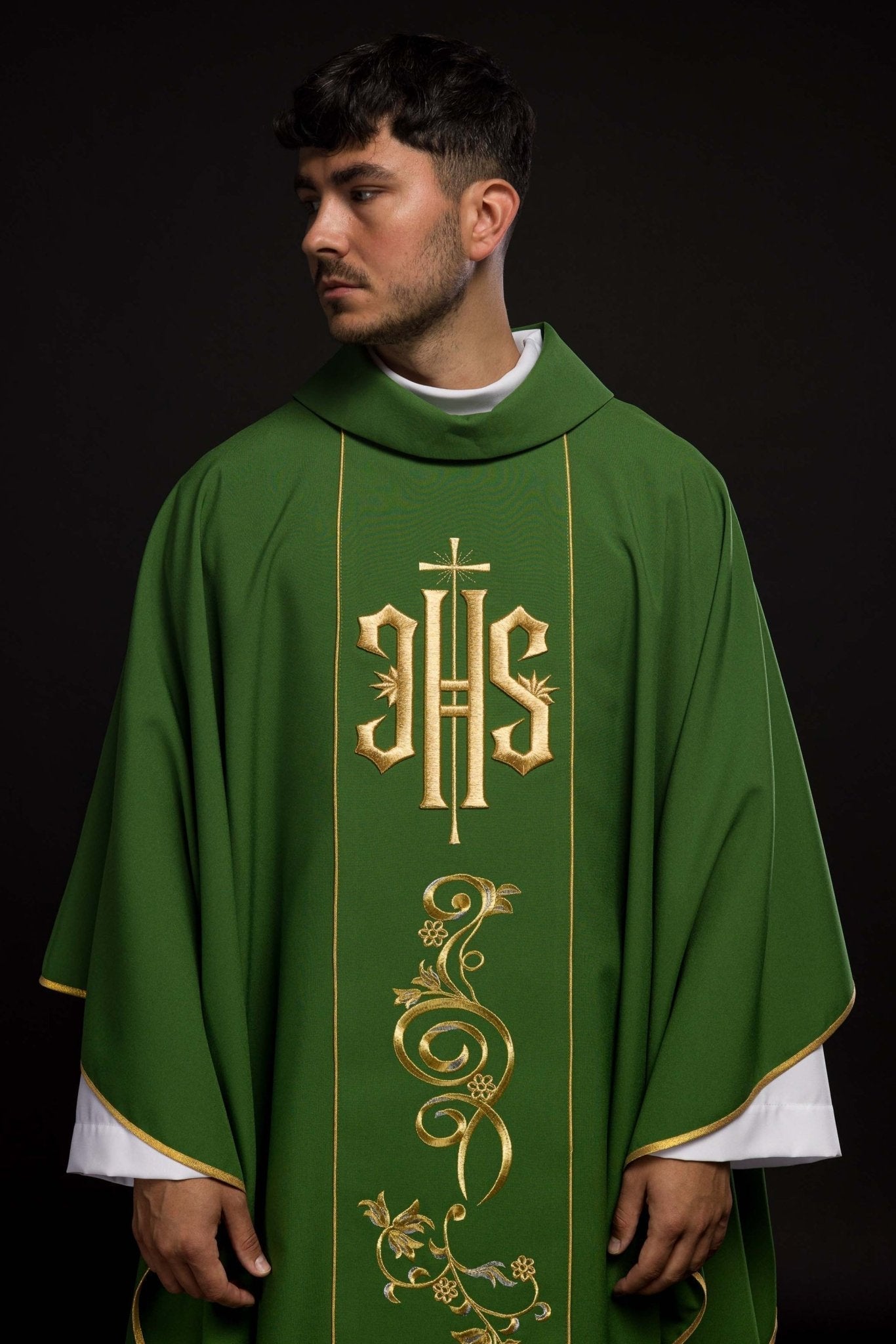
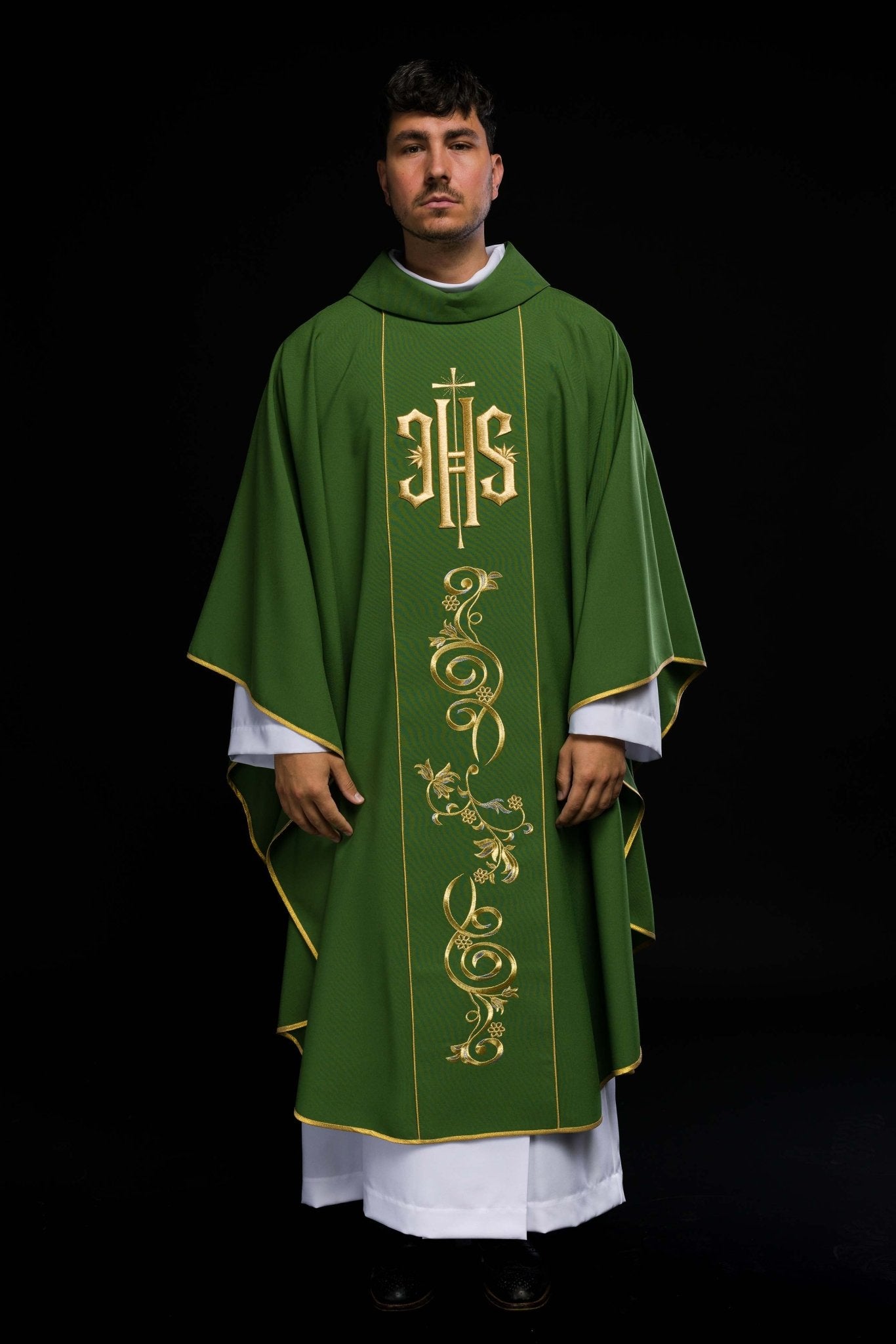
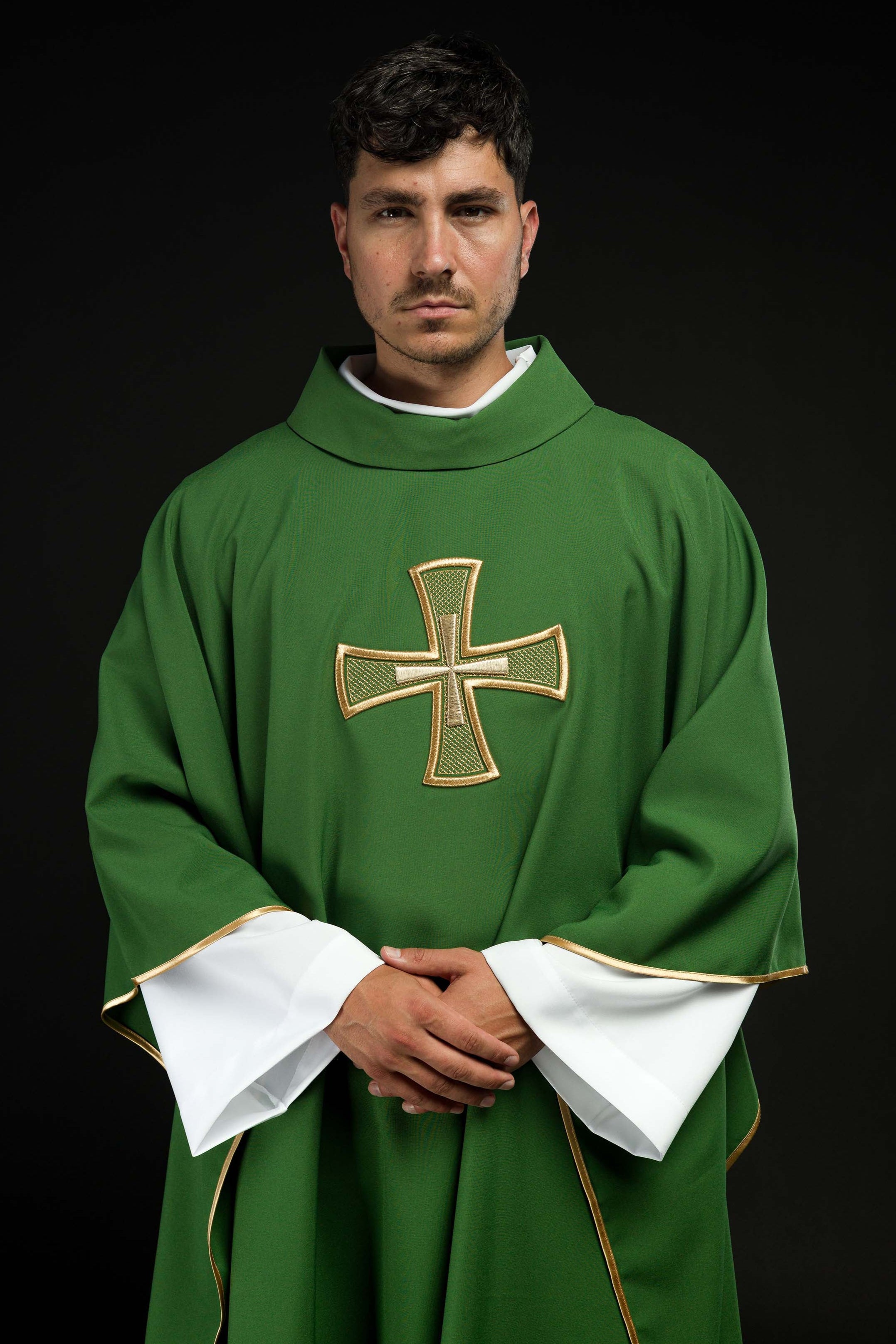
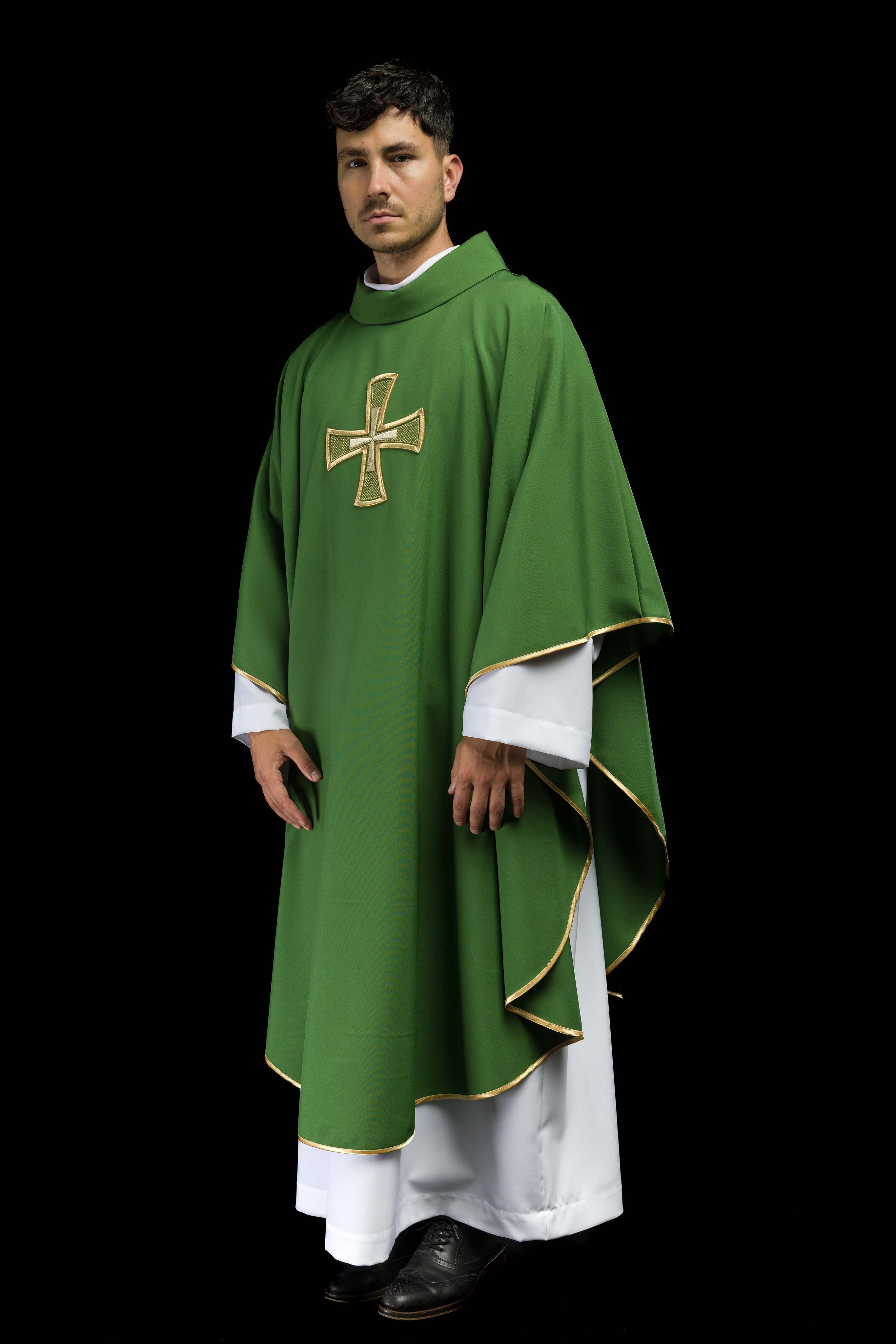
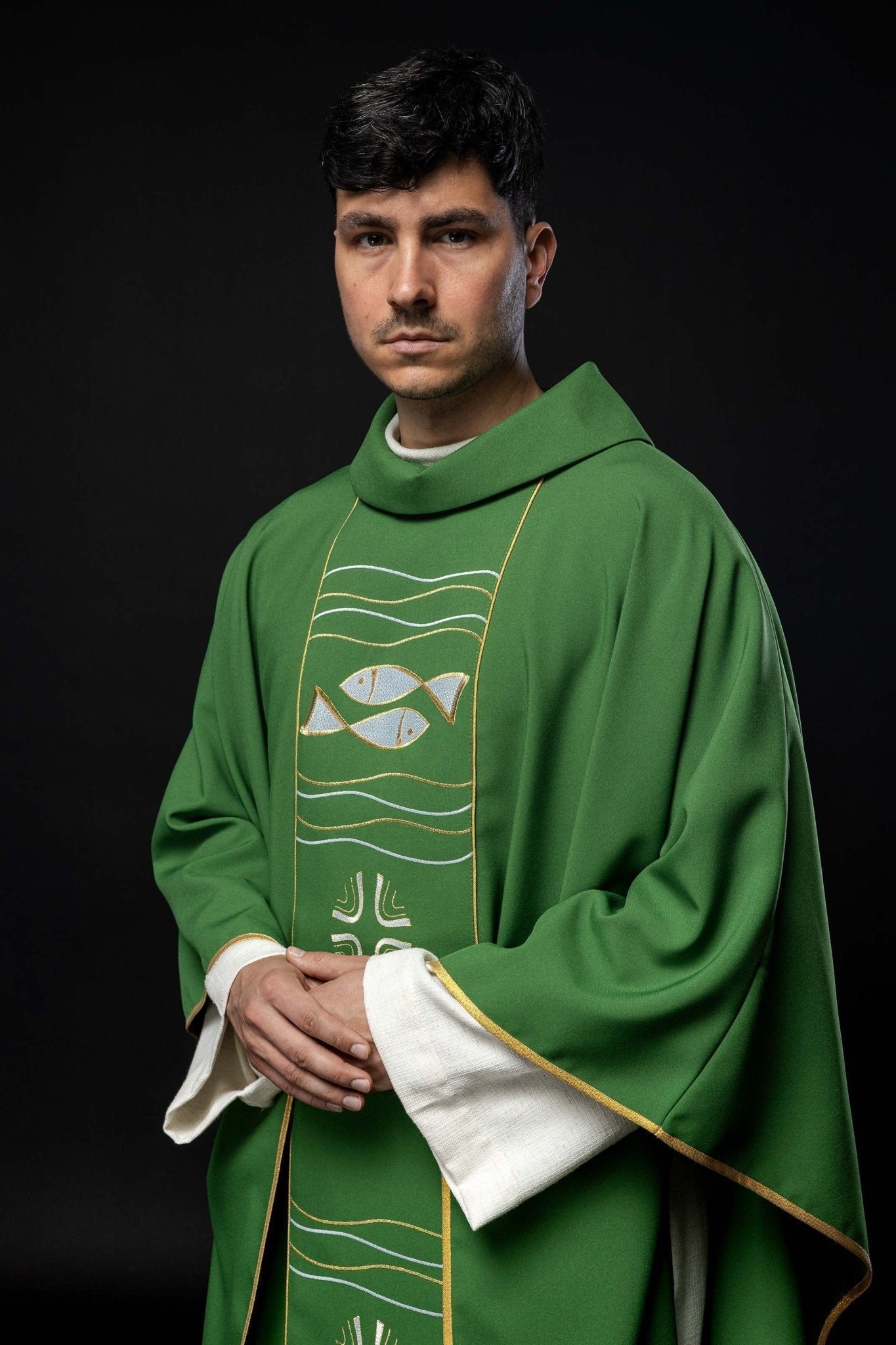
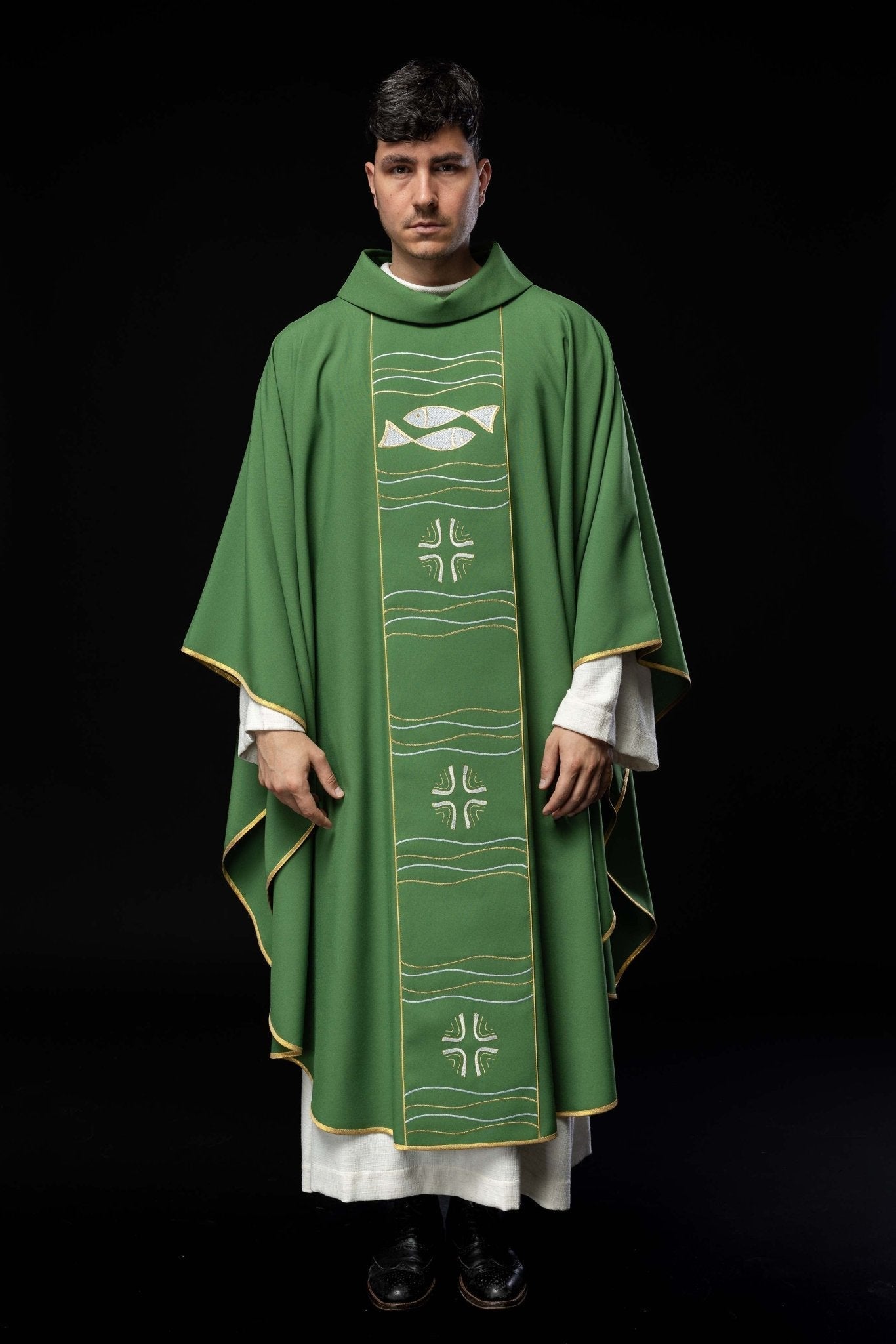
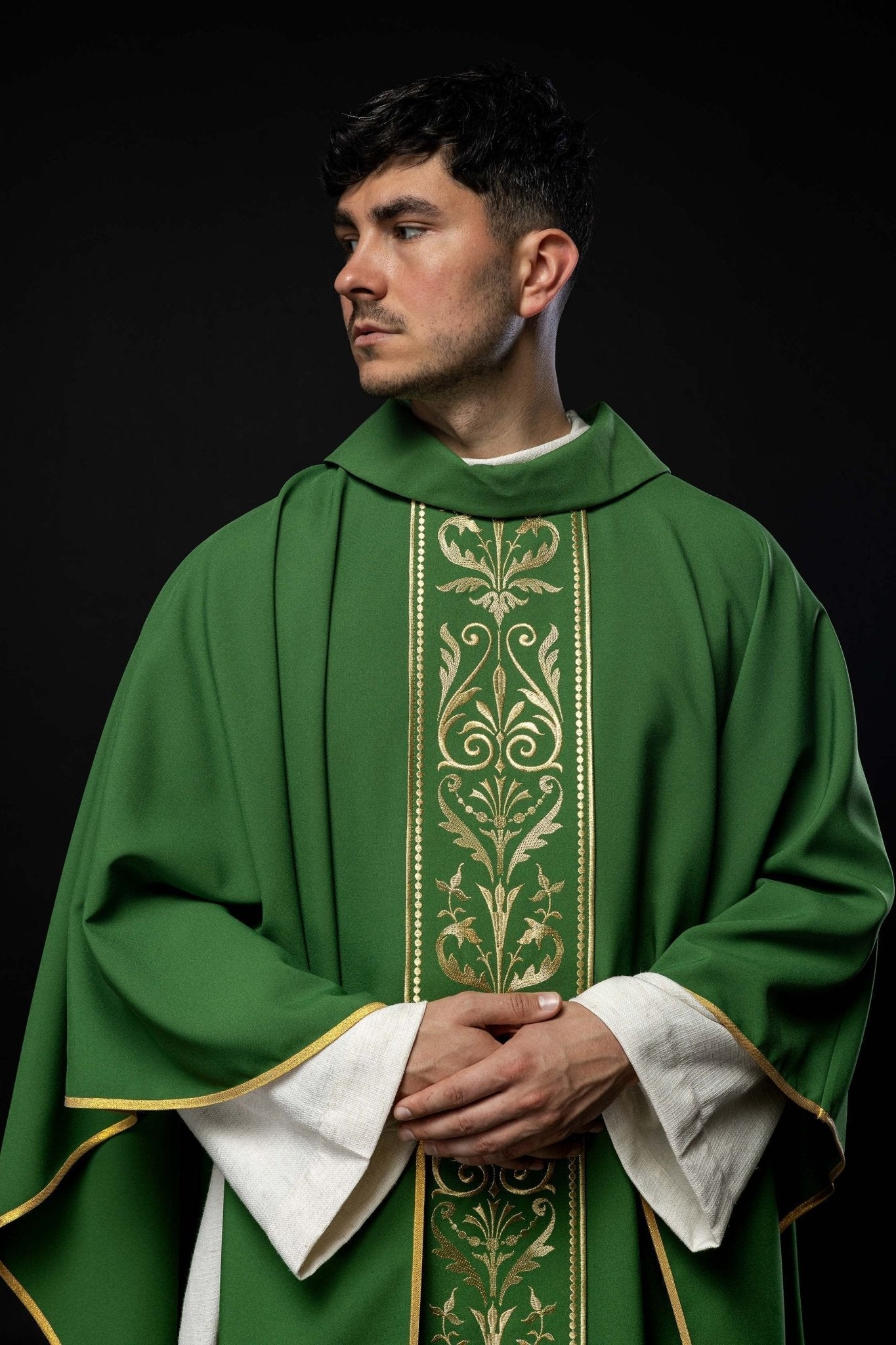
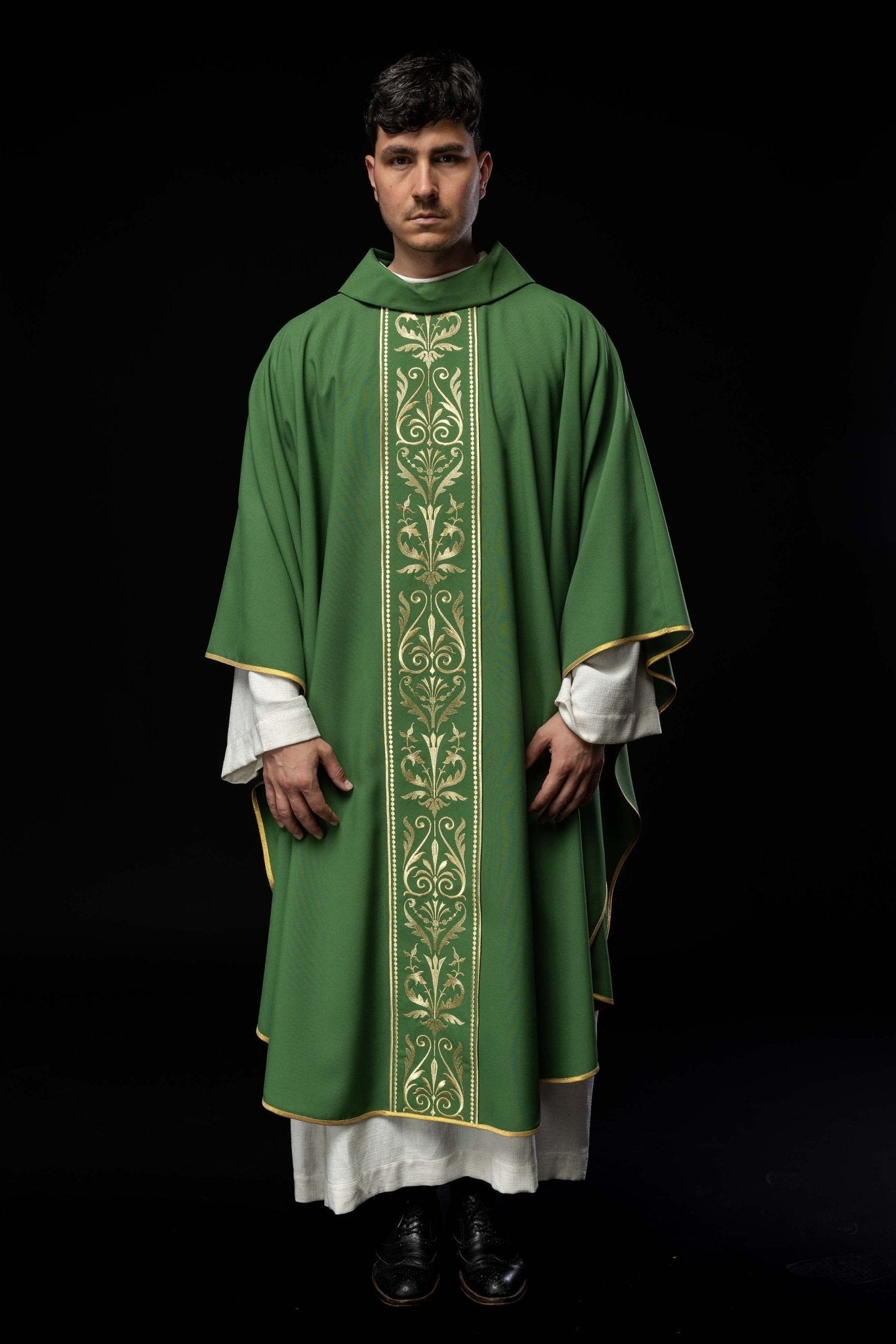
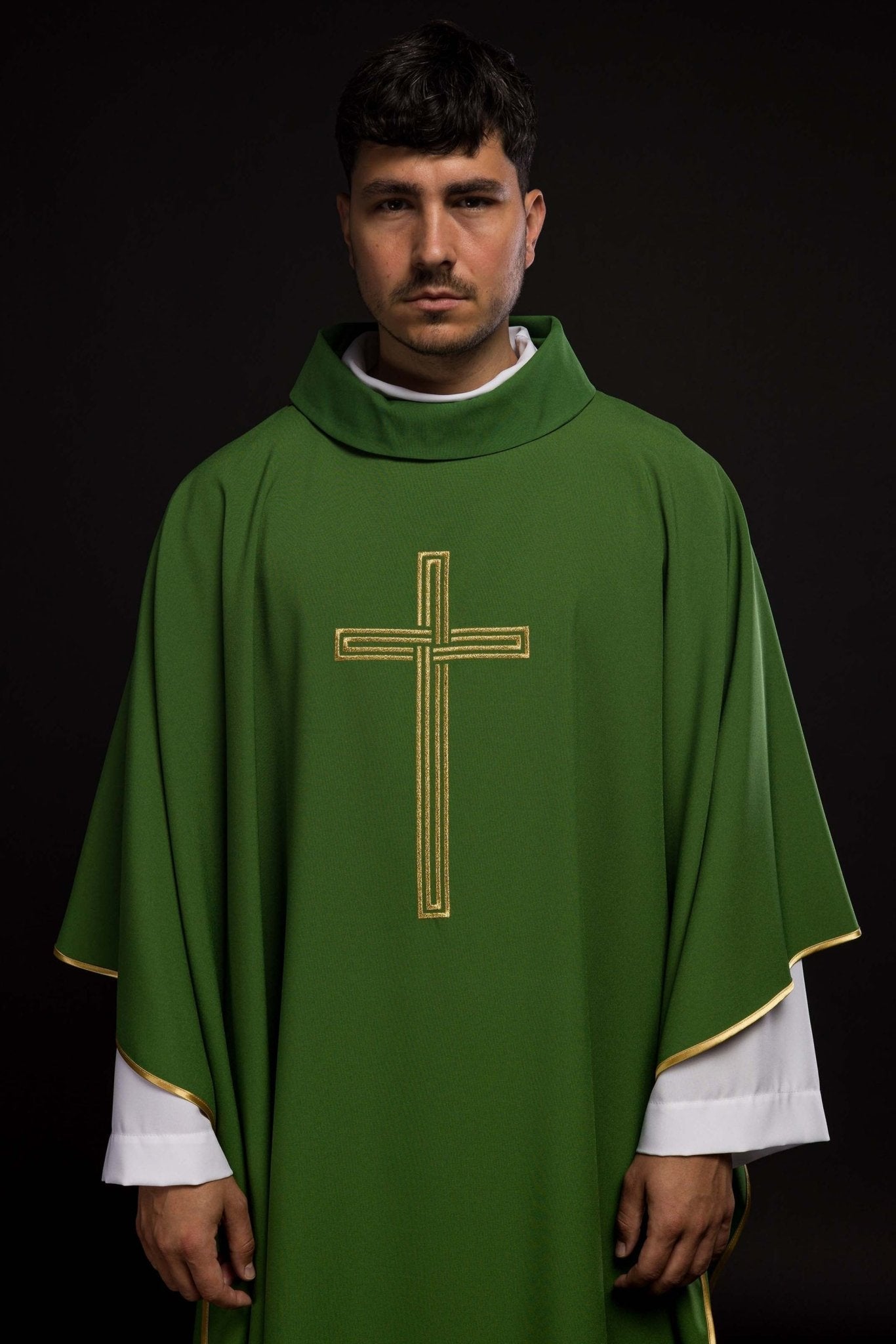
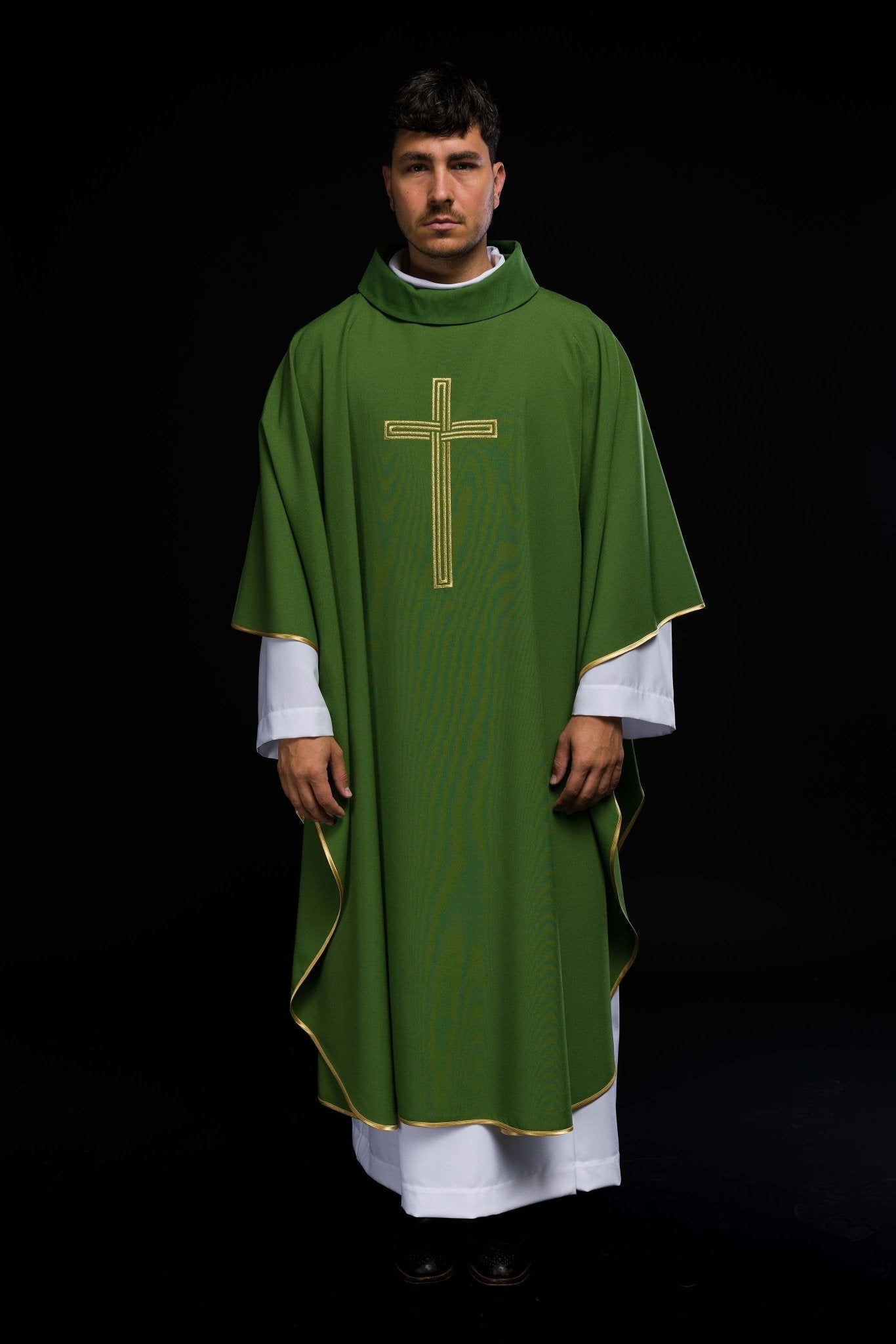
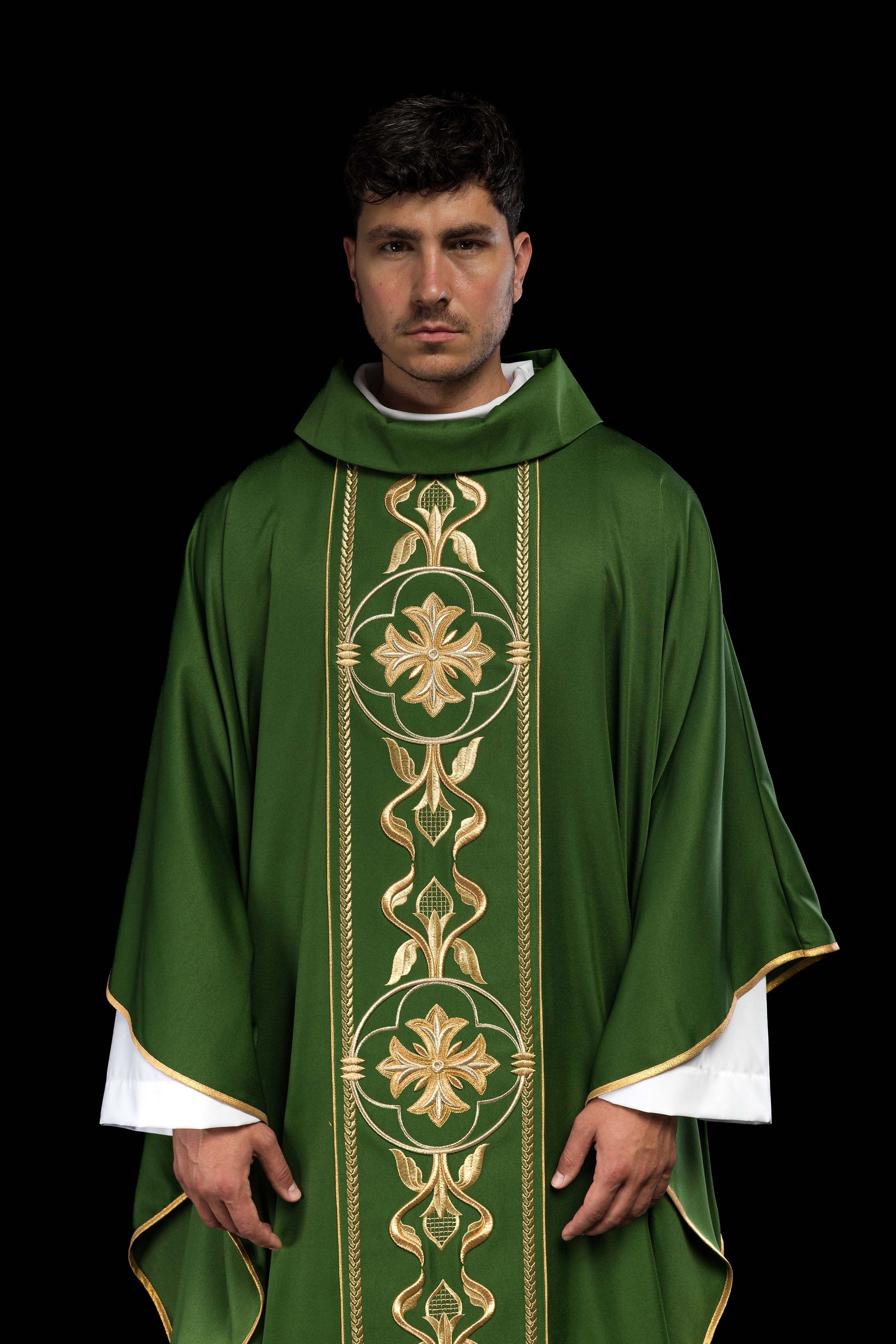
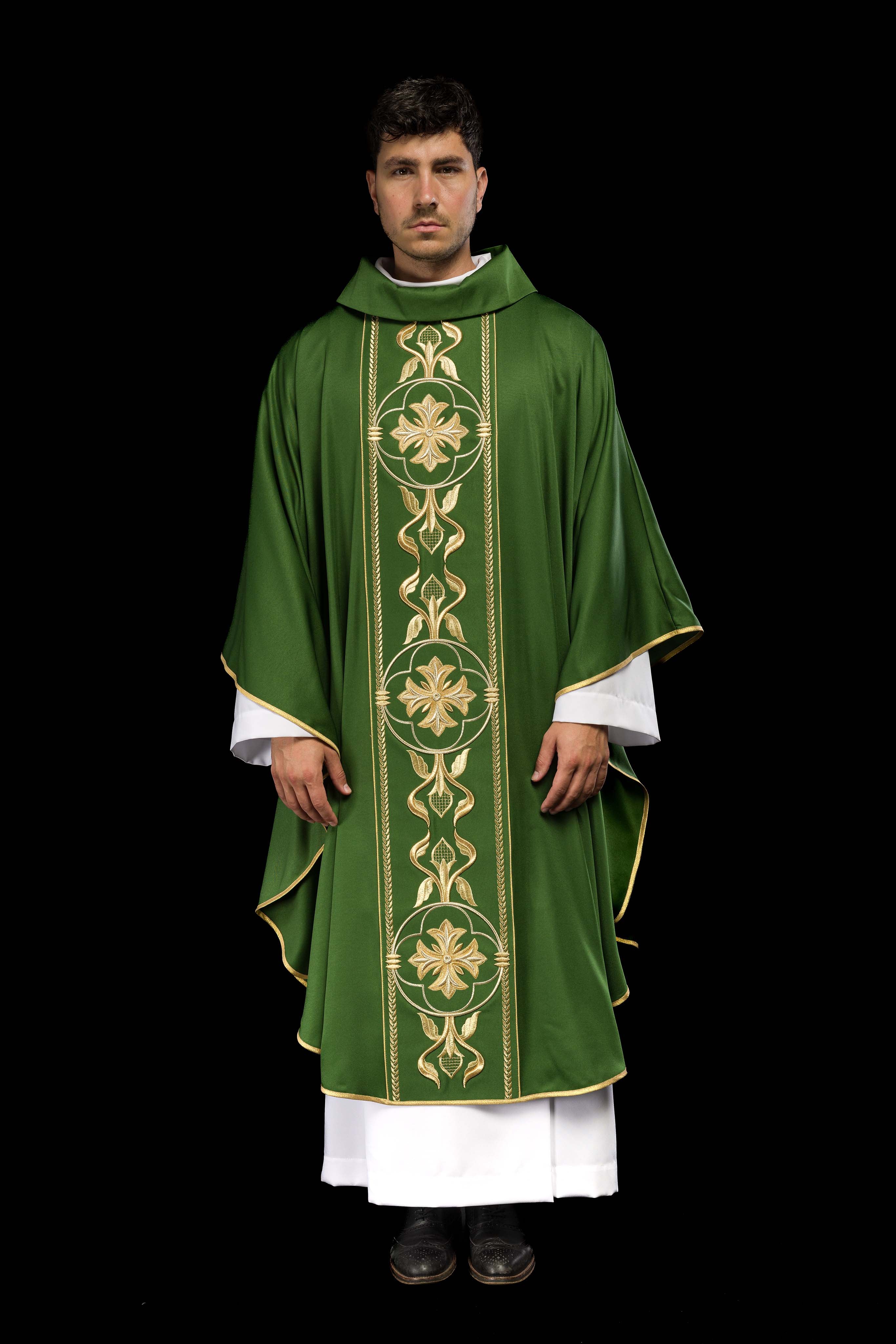
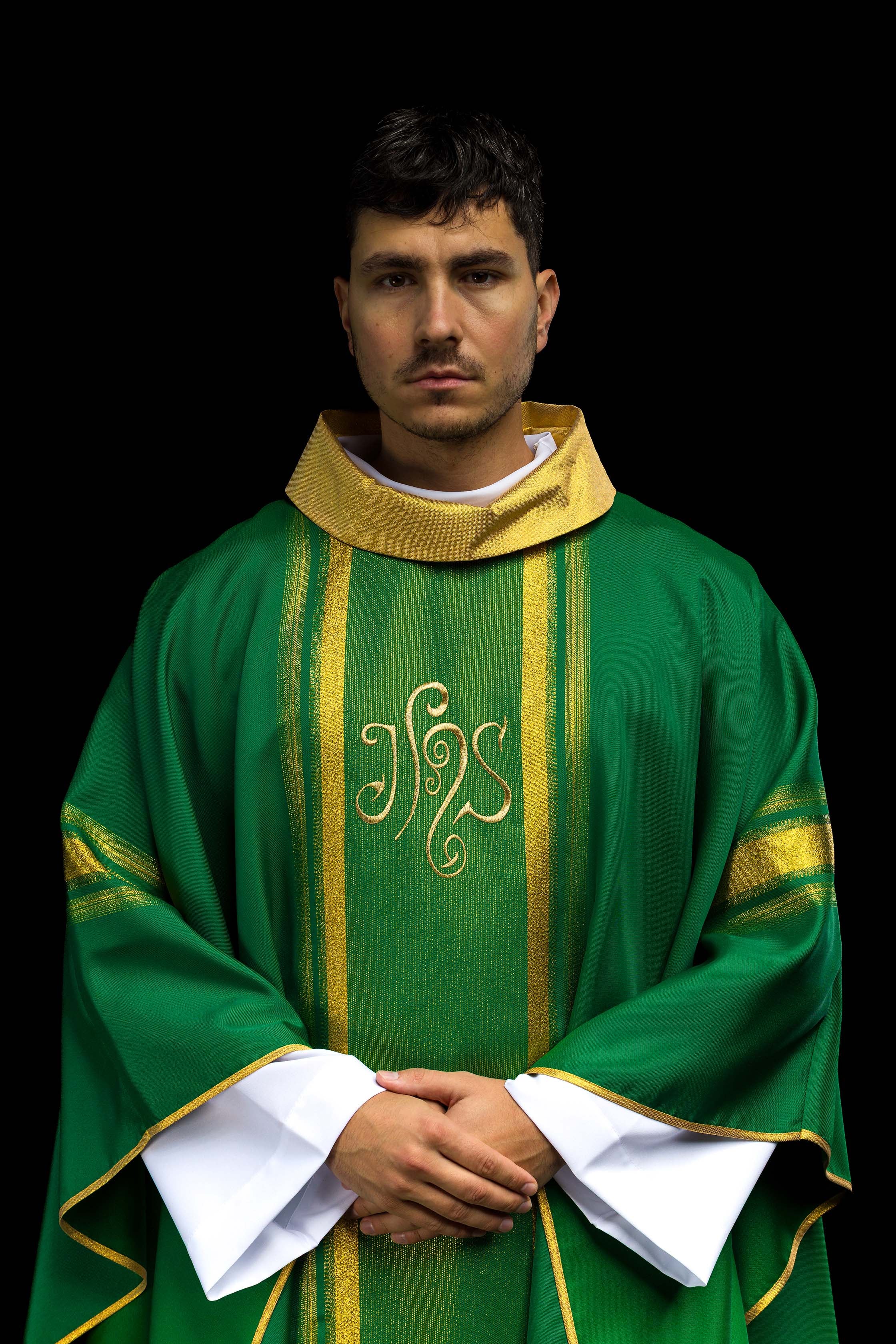
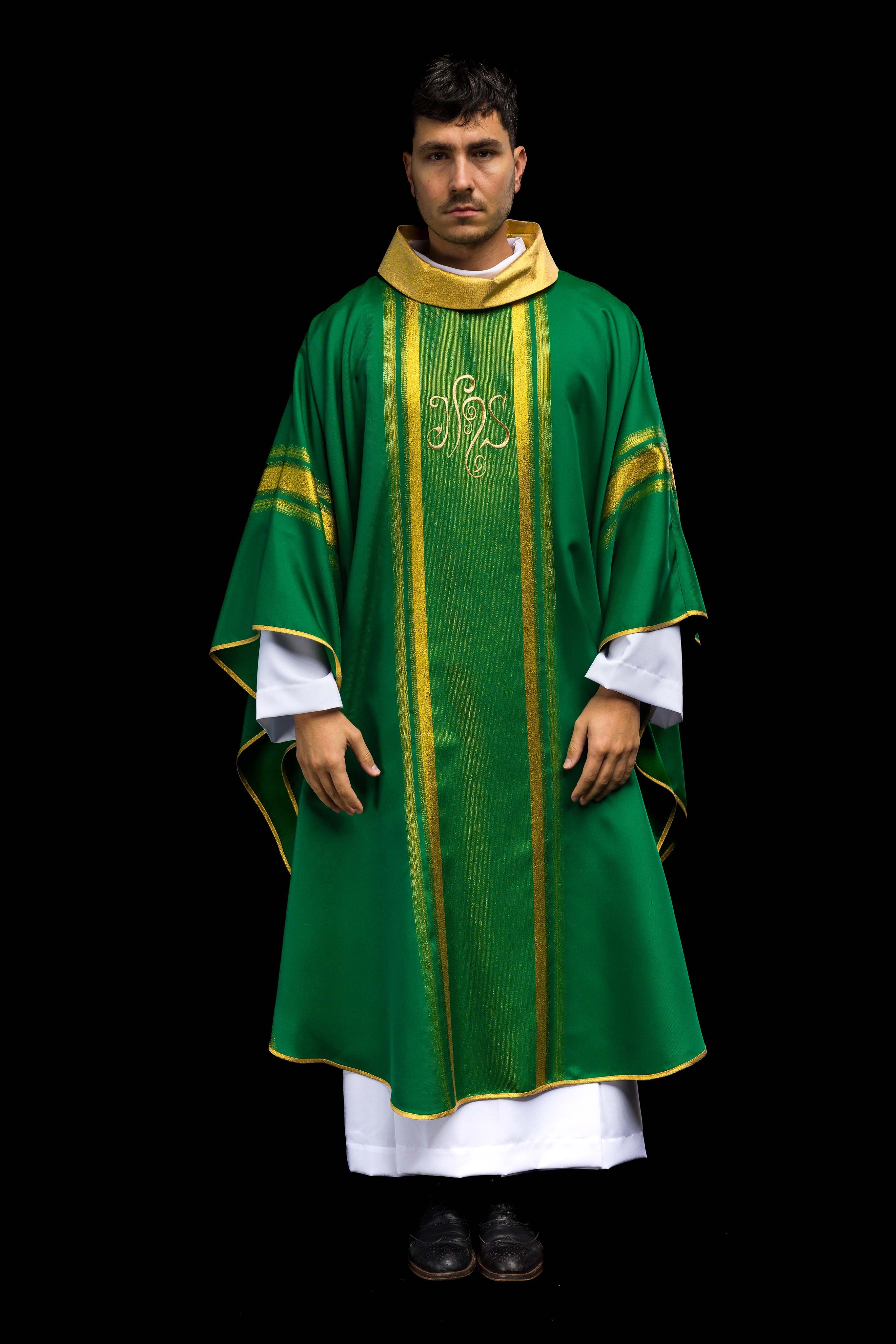
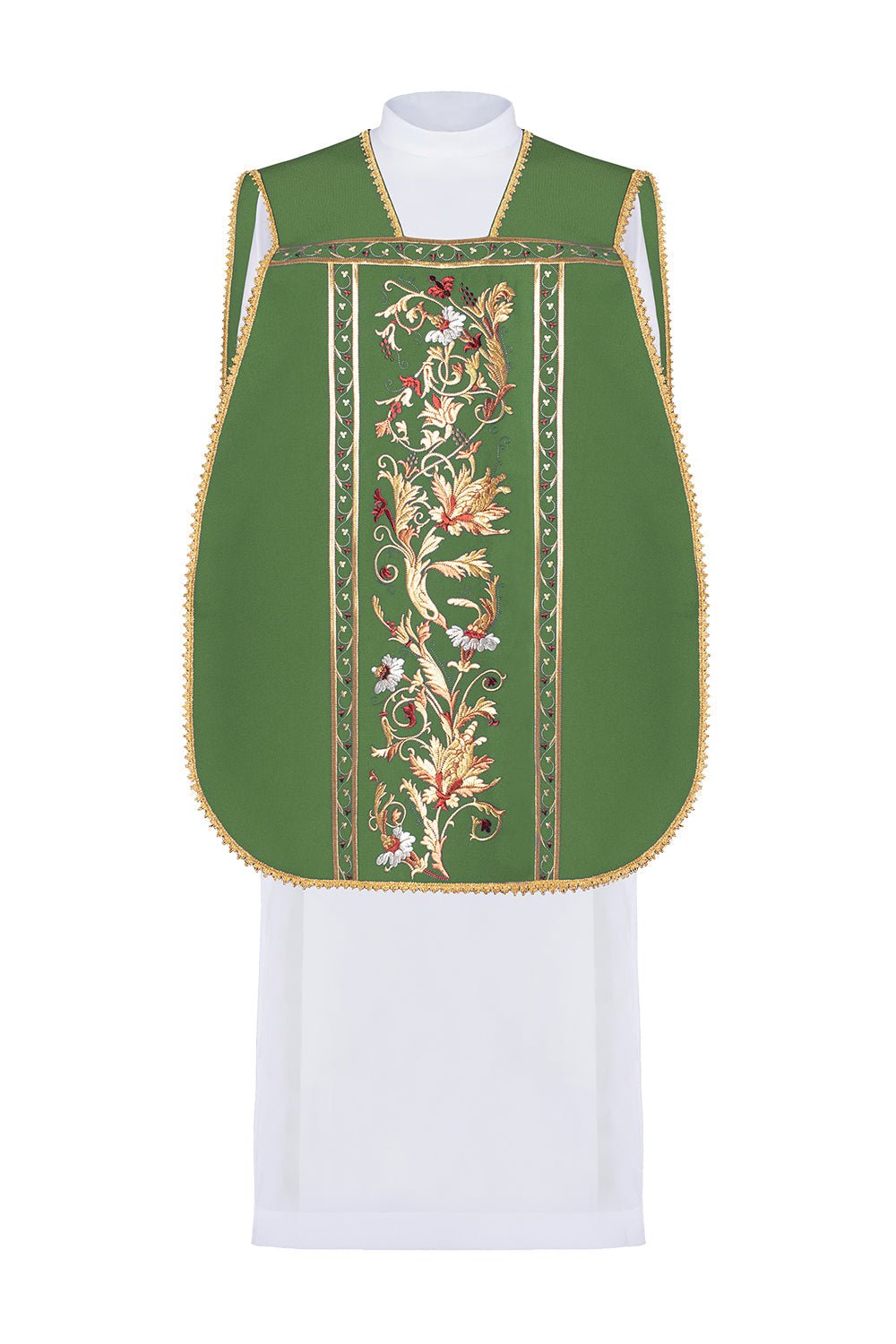
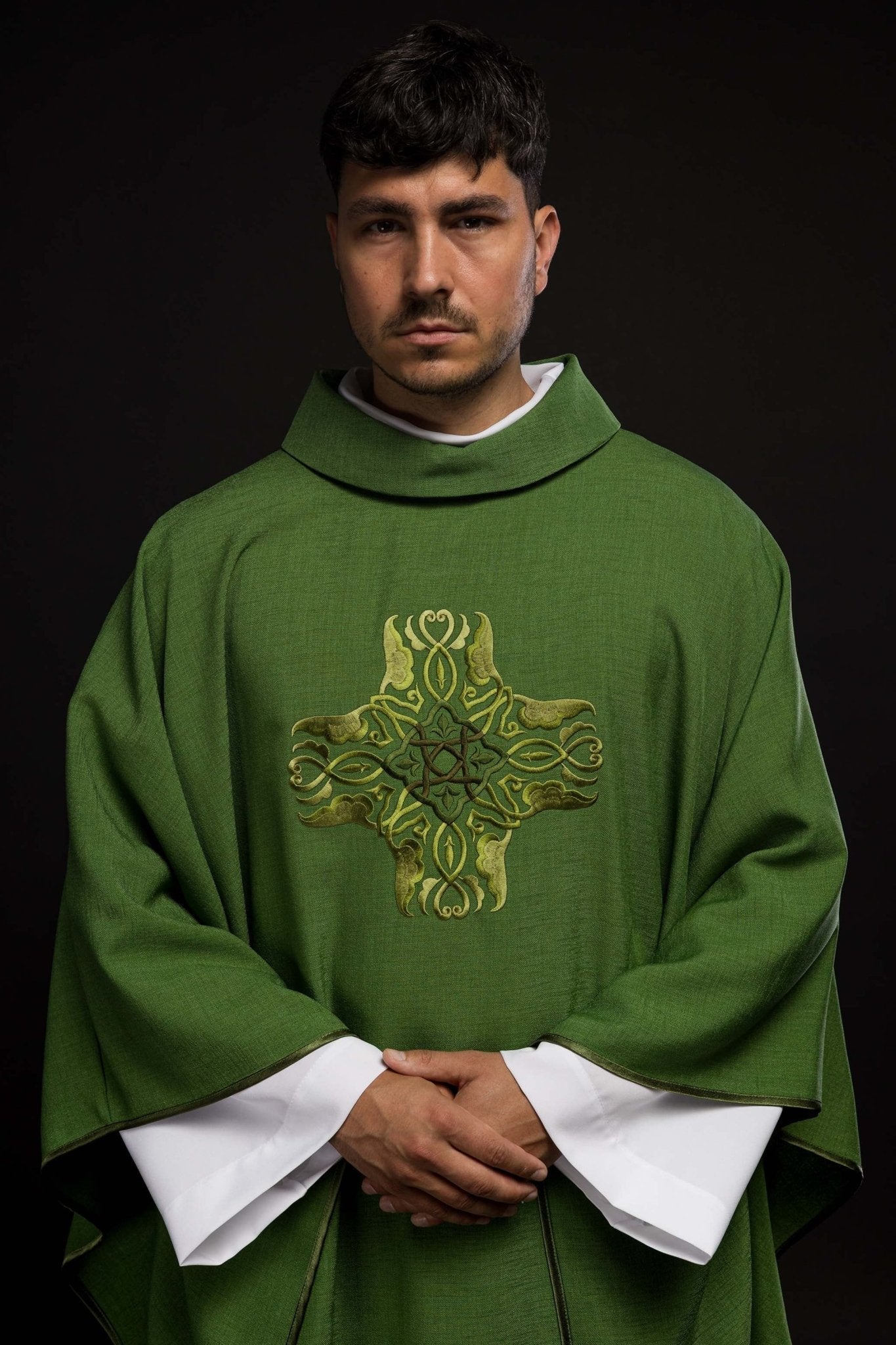
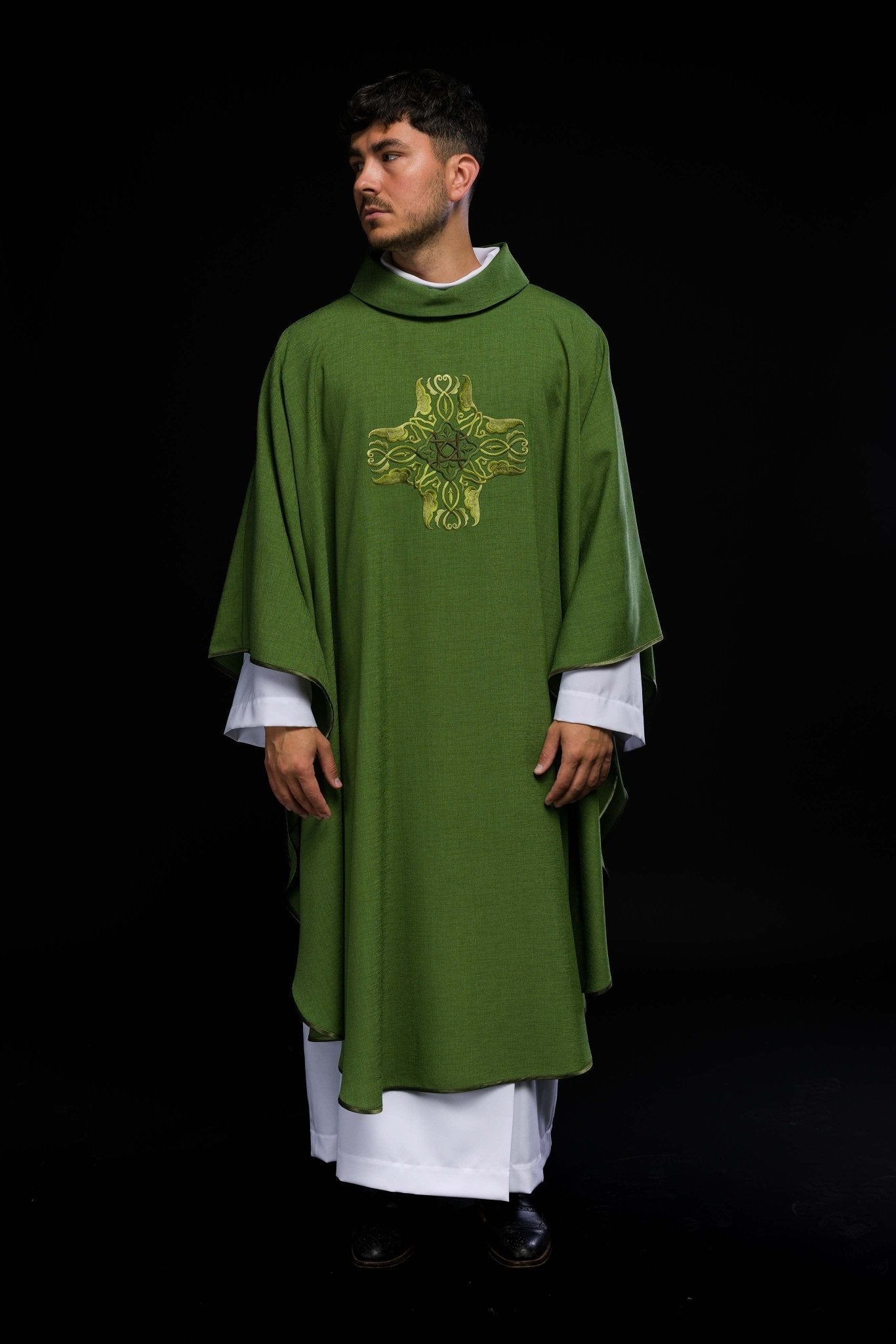
The primary color associated with Ordinary Time is green. Green symbolizes hope, life, and growth, reflecting the ongoing spiritual journey of the faithful. The use of green vestments during Ordinary Time serves as a visual reminder of the Church's mission to nurture and cultivate the seeds of faith in the hearts of believers.
Variations in Green Vestments
While green is the predominant color, there can be variations in the shade and tone of green vestments used during Ordinary Time. Some parishes may opt for a lighter, brighter green to signify new beginnings and freshness, while others may prefer a deeper, richer green to convey a sense of stability and maturity. The choice of green hue often depends on the specific liturgical context and the preferences of the parish.
Types of Vestments Worn During Ordinary Time
Several types of vestments are worn by clergy during Ordinary Time, each with its unique significance and purpose.
Chasubles
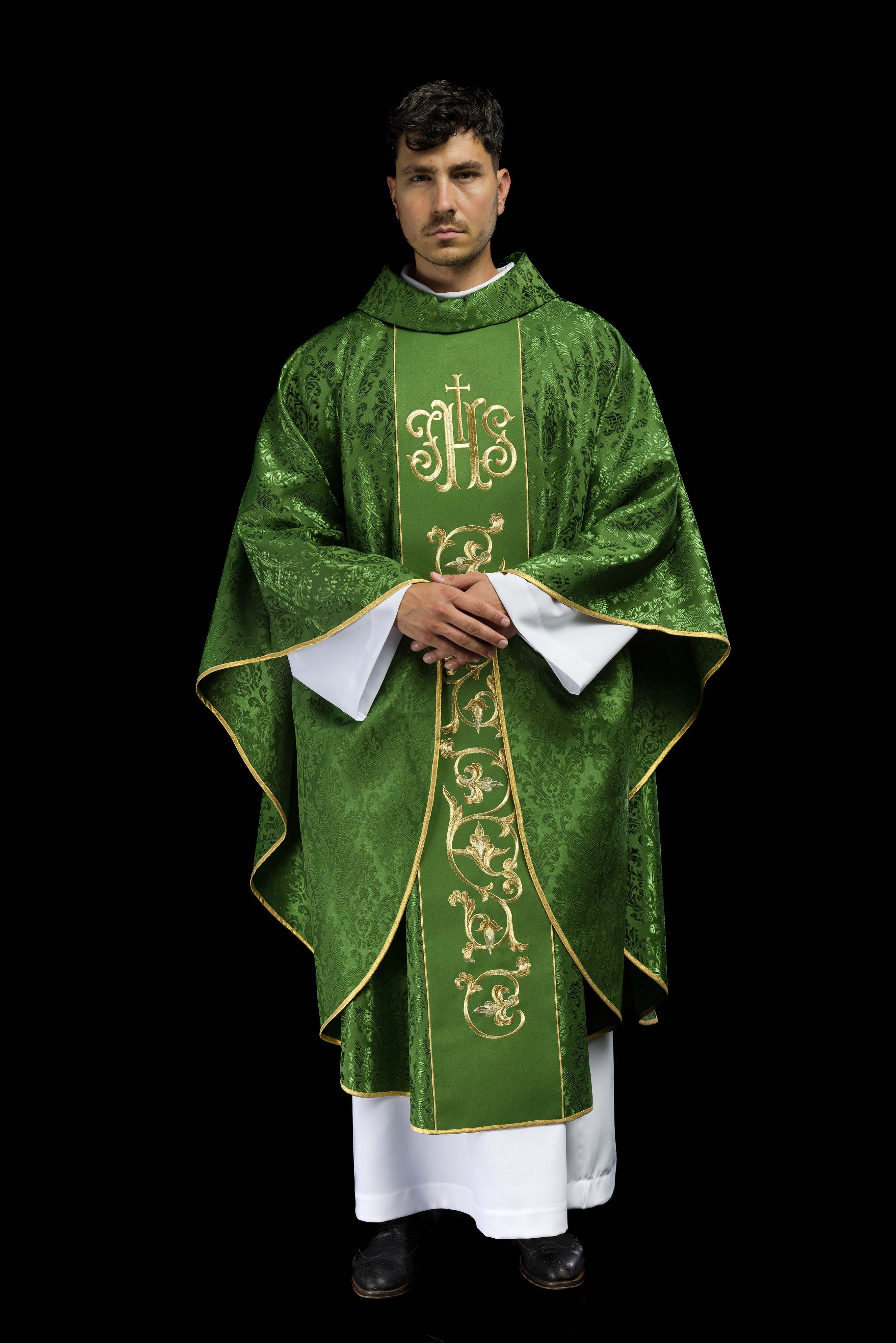
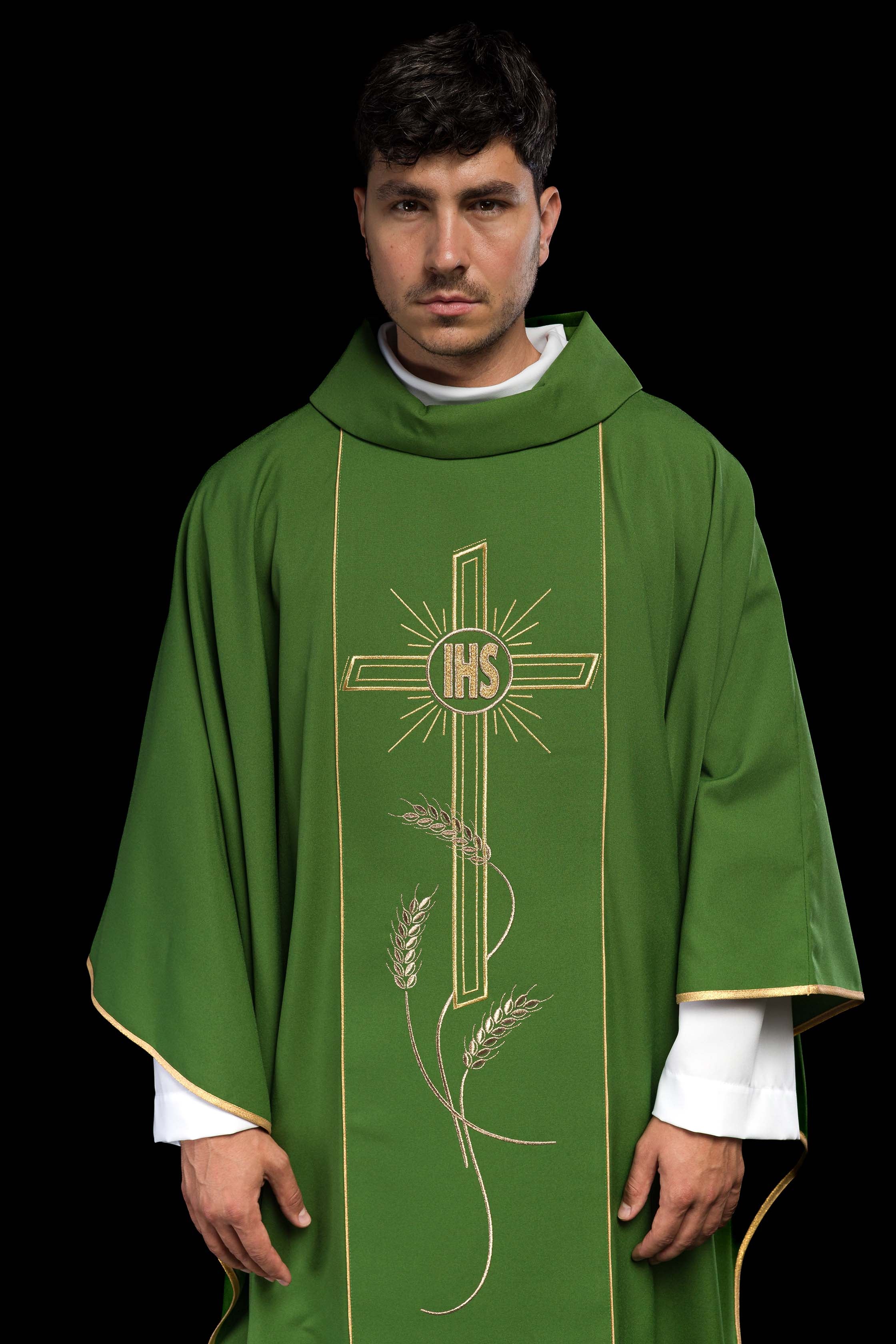
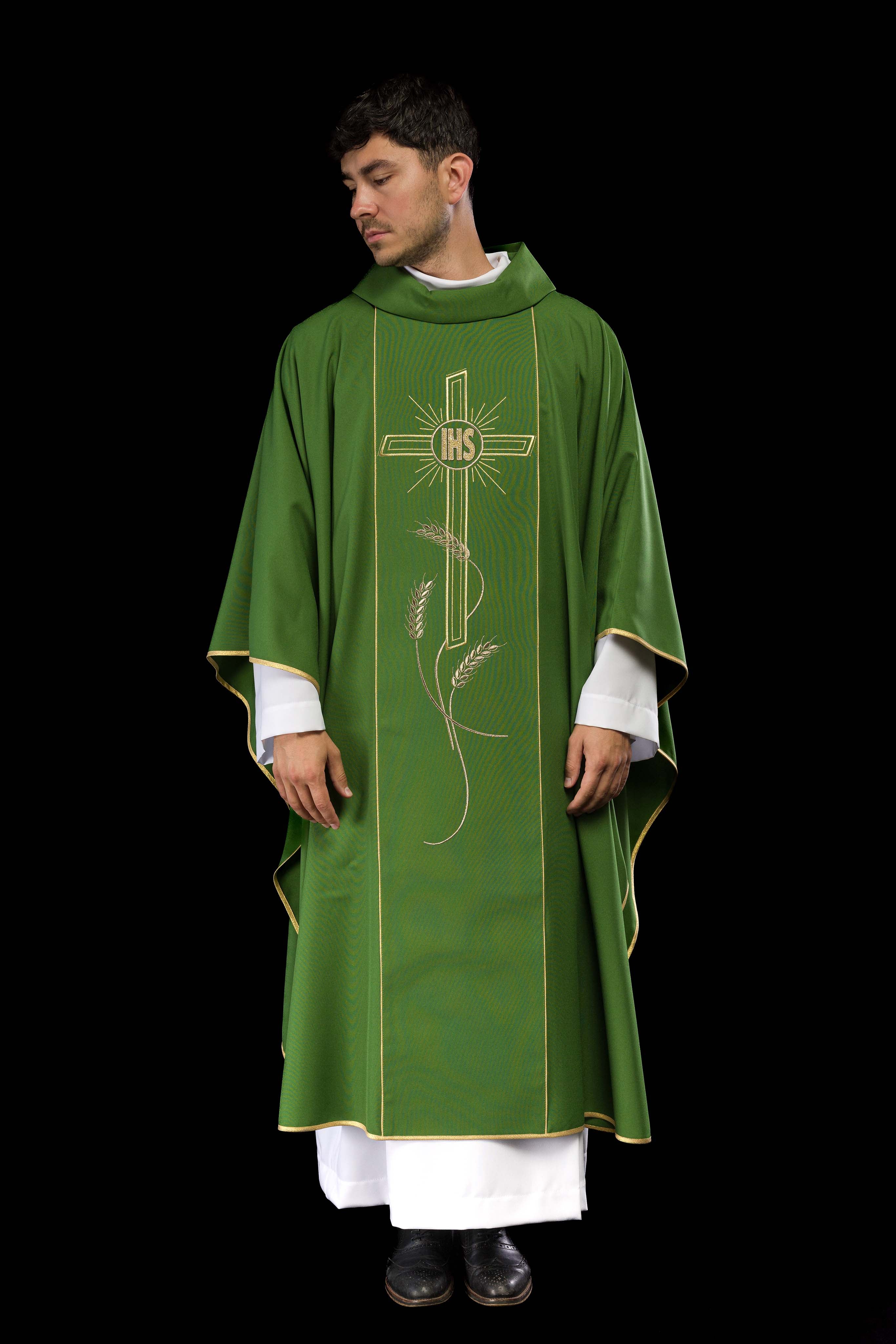
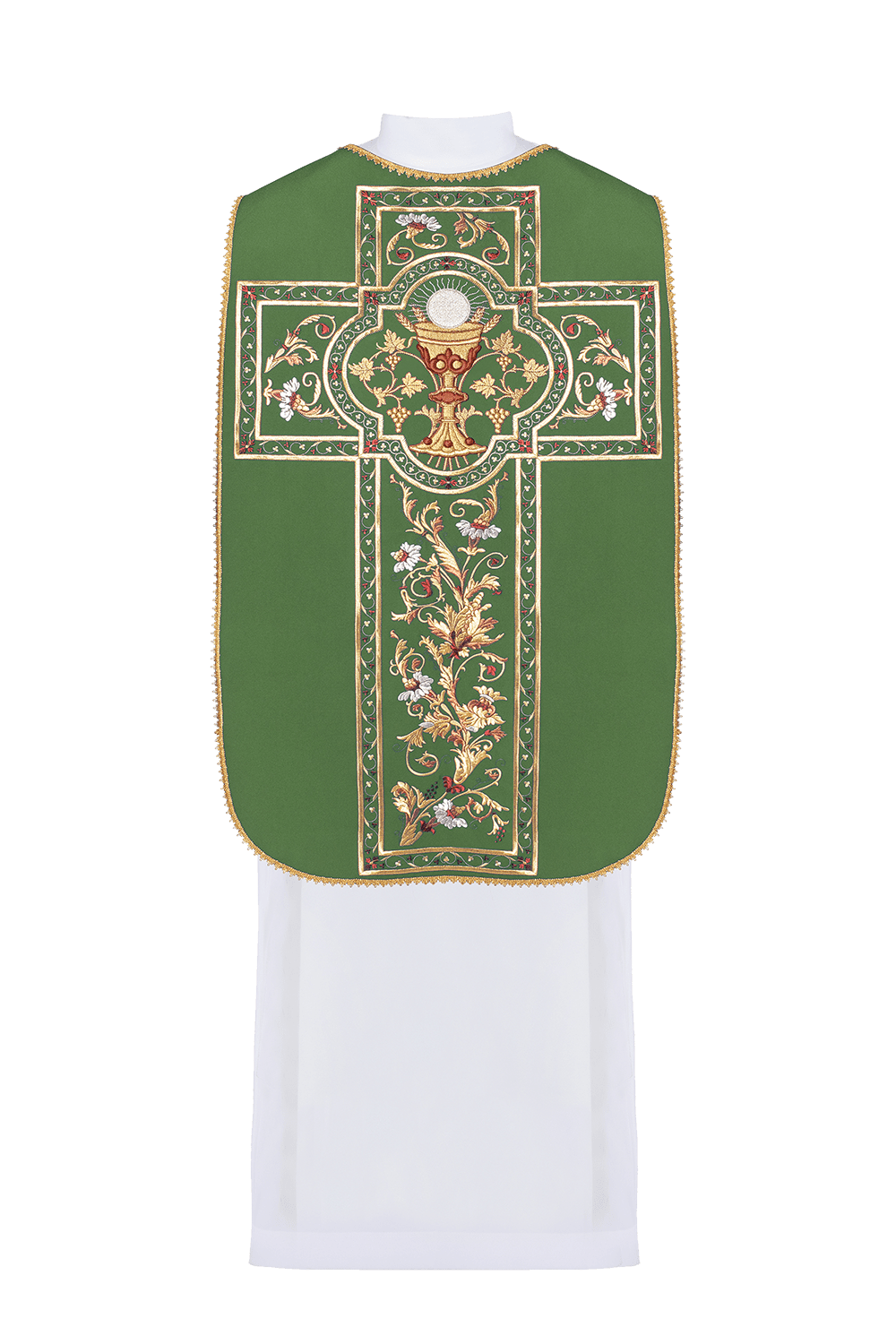
The chasuble is the outermost vestment worn by the priest during Mass. It is a large, sleeveless garment that drapes over the priest's shoulders and body. Chasubles used during Ordinary Time are typically green and may feature various designs, such as crosses, wheat stalks, or other symbols that reflect the themes of growth and abundance.
Stoles
The stole is a long, narrow band of fabric worn around the neck by priests and deacons. Priests wear the stole draped over their shoulders, while deacons wear it diagonally across their body. During Ordinary Time, stoles are typically green and match the color of the chasuble or alb.
Albs
The alb is a long, white tunic worn by priests, deacons, and other liturgical ministers. It symbolizes purity and serves as the foundation for other vestments. Albs are worn throughout the liturgical year, including Ordinary Time.
Dalmatics
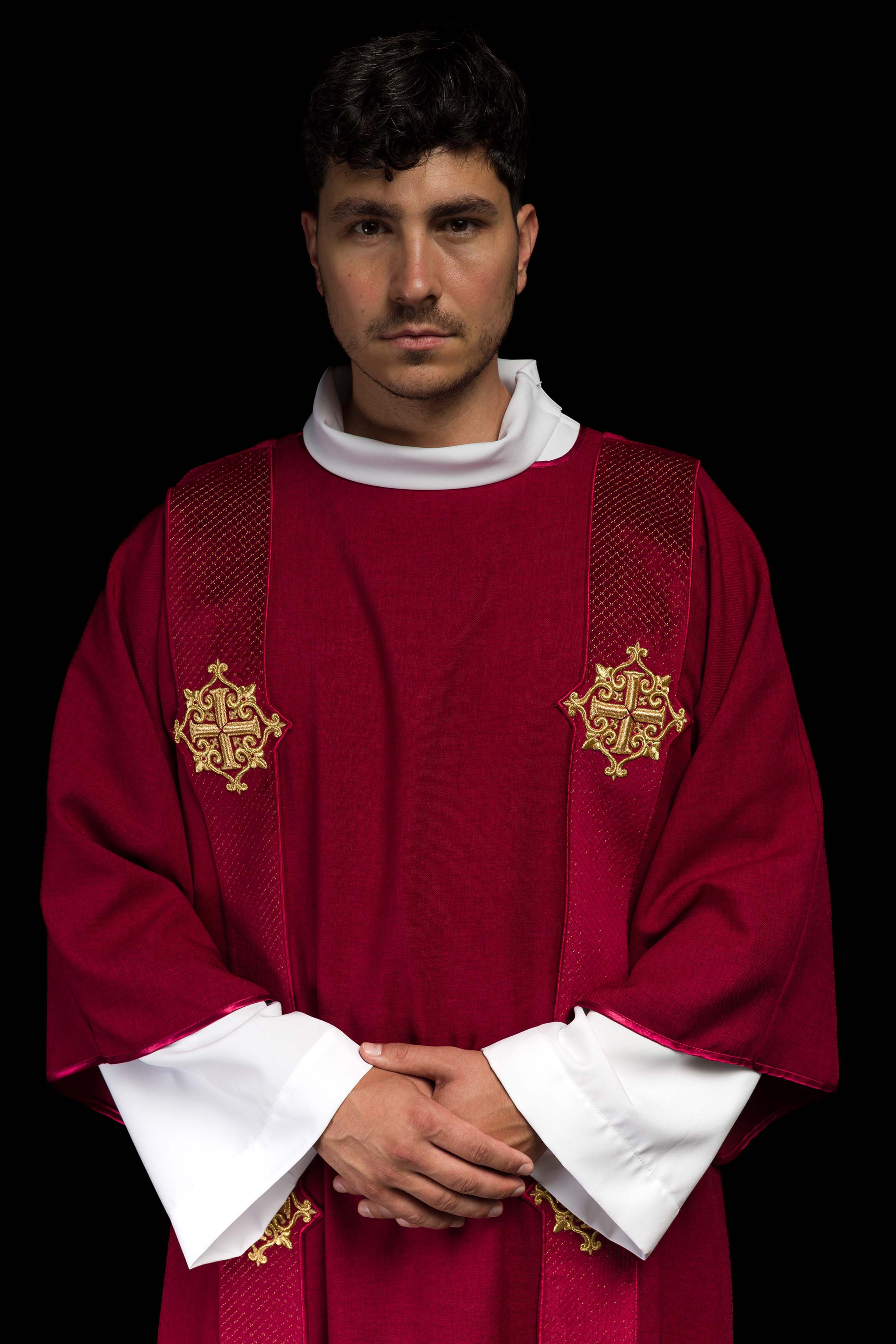
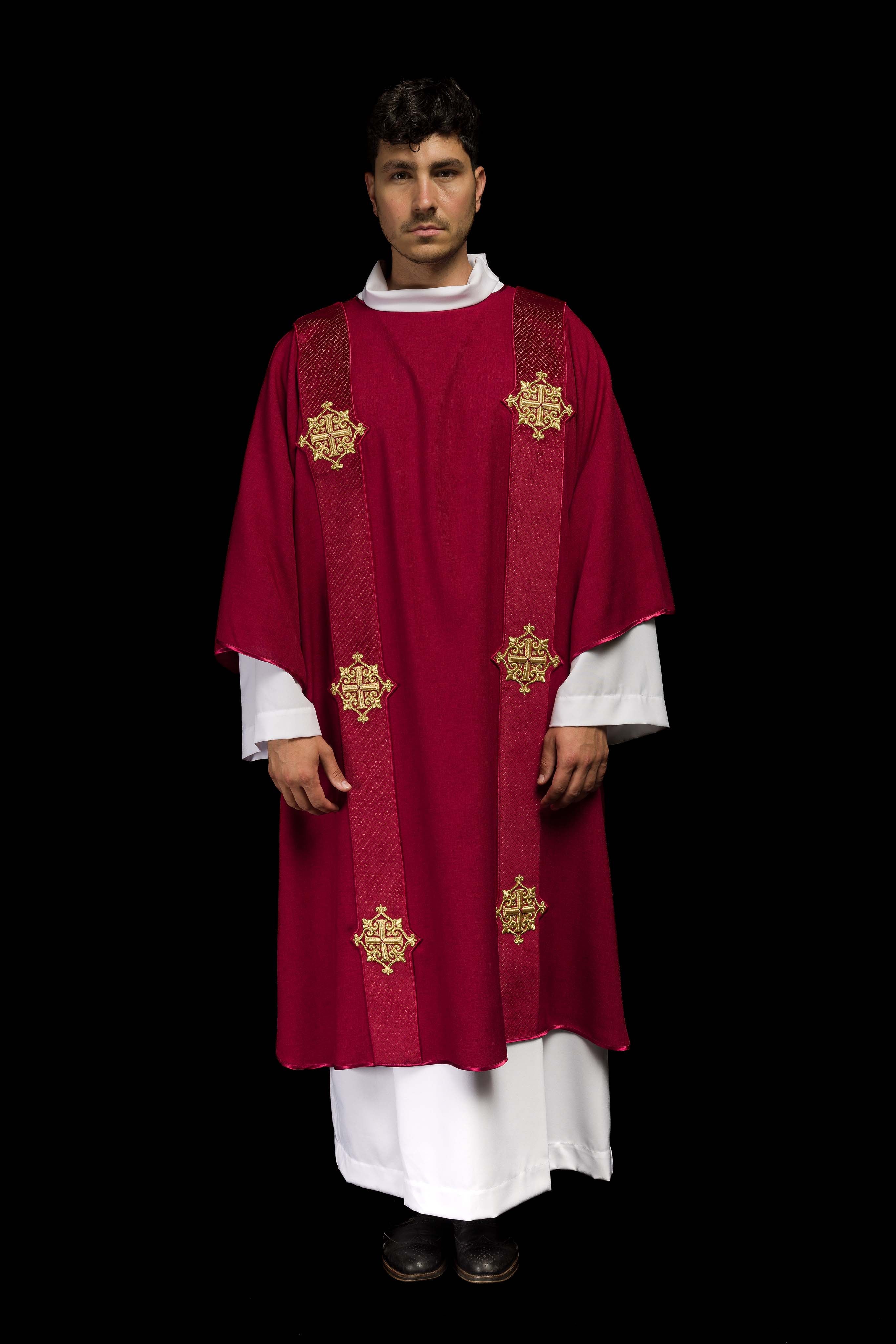
The dalmatic is the outermost vestment worn by deacons during Mass. It is a loose-fitting, sleeved garment that resembles a tunic. Dalmatics used during Ordinary Time are typically green and complement the priest's chasuble.
Materials Used in Ordinary Time Vestments
Ordinary Time vestments are crafted from a variety of materials, each offering unique qualities in terms of appearance, durability, and comfort.
Polyester
Polyester is a synthetic fabric known for its durability, wrinkle resistance, and affordability. Polyester vestments are easy to care for and can withstand frequent use. They are a popular choice for parishes seeking a practical and cost-effective option.
Brocade
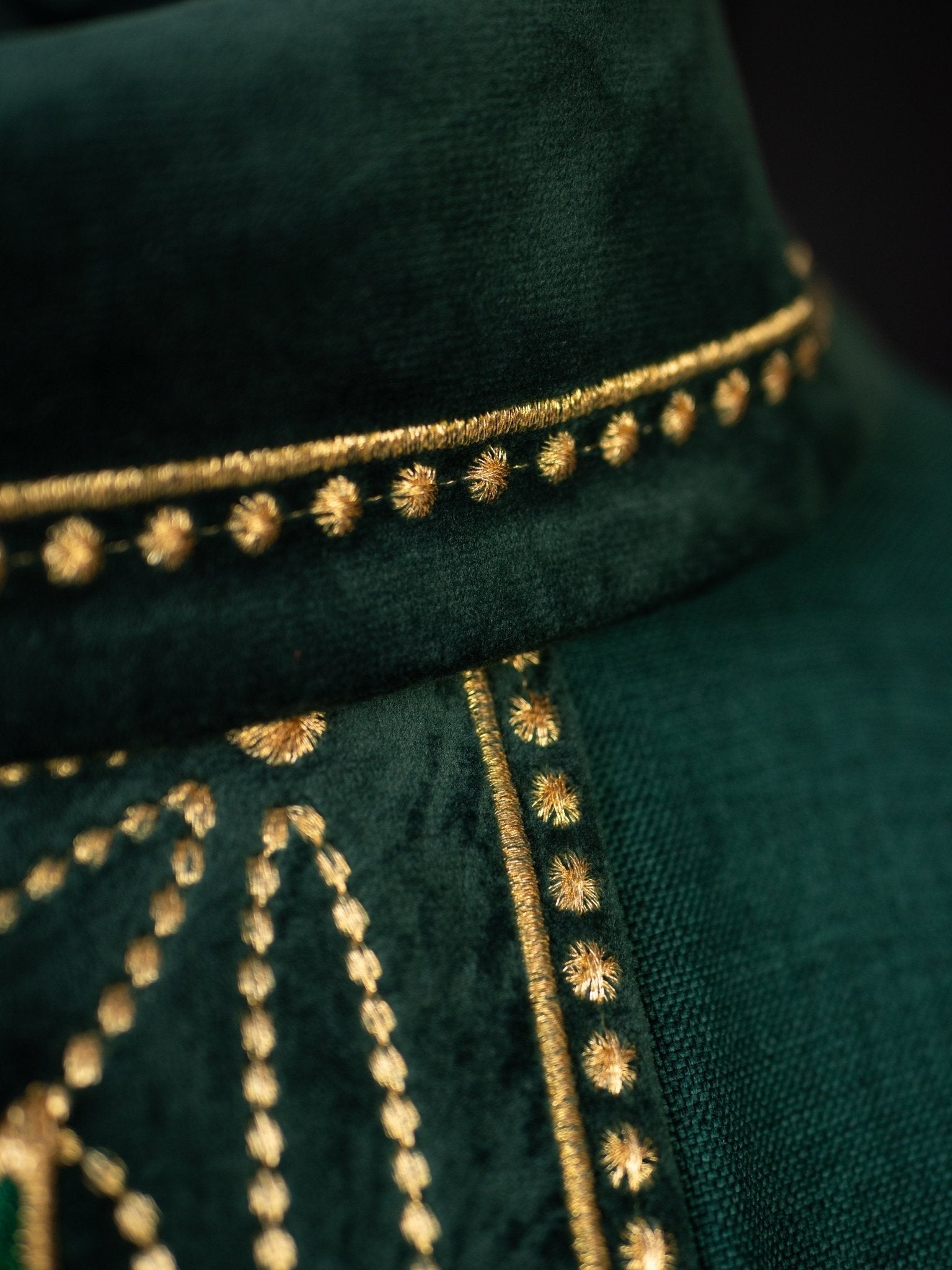
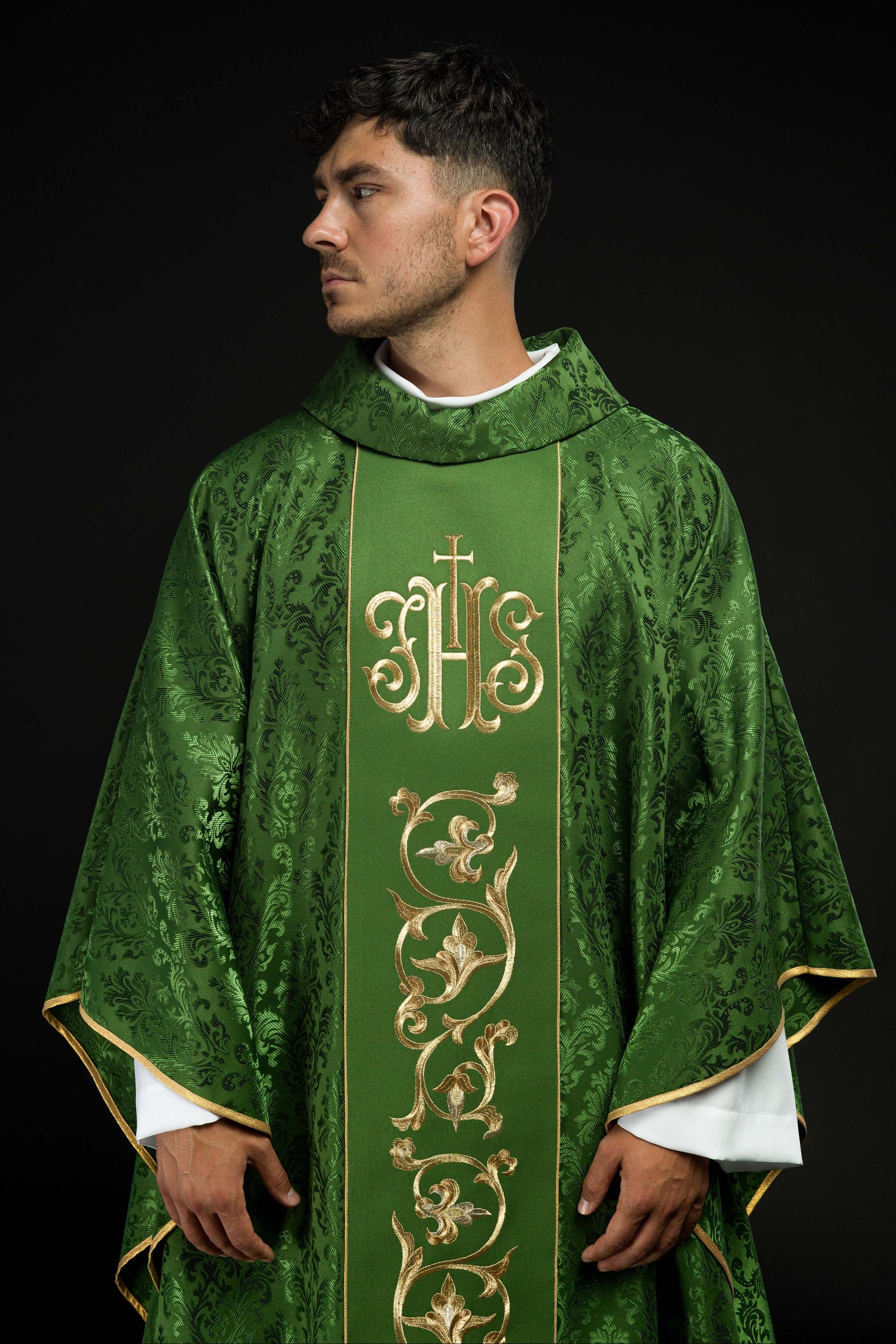
Brocade is a rich, decorative fabric characterized by raised patterns and intricate designs. Brocade vestments are often used for special occasions or solemnities during Ordinary Time, adding a touch of elegance and formality to the liturgy.
Wool
Wool is a natural fiber prized for its warmth, breathability, and luxurious feel. Wool vestments are comfortable to wear and drape beautifully. They are a popular choice for parishes seeking a high-quality, traditional option.
Silk
Silk is a luxurious fabric known for its smooth texture, lustrous sheen, and elegant appearance. Silk vestments are often reserved for special occasions or feast days during Ordinary Time, adding a touch of grandeur to the liturgy.
Designs and Embellishments on Ordinary Time Vestments
Ordinary Time vestments may feature a variety of designs and embellishments, each carrying symbolic meaning and enhancing the visual appeal of the vestment.
Crosses
The cross is a central symbol of Christianity, representing the sacrifice of Jesus Christ and the redemption of humanity. Crosses are frequently incorporated into the designs of Ordinary Time vestments, serving as a constant reminder of Christ's love and the hope of salvation.
Wheat and Grapes
Wheat and grapes are symbols of the Eucharist, representing the body and blood of Christ. These symbols are often featured on Ordinary Time vestments, particularly on chasubles and stoles, to emphasize the importance of the Eucharist in the life of the Church.
Marian Symbols
Marian symbols, such as the fleur-de-lis or the image of the Virgin Mary, may be incorporated into the designs of Ordinary Time vestments, particularly those used during Marian feast days or celebrations. These symbols honor Mary, the Mother of God, and her role in salvation history.
Geometric Patterns
Geometric patterns, such as stripes, squares, or abstract designs, may be used to add visual interest and texture to Ordinary Time vestments. These patterns can be simple and understated or bold and eye-catching, depending on the desired aesthetic.
Choosing the Right Ordinary Time Vestments
Selecting the right Ordinary Time vestments for your parish requires careful consideration of several factors, including the liturgical context, the preferences of the clergy, and the budget of the parish.
Liturgical Context
Consider the specific liturgical celebrations and events that will take place during Ordinary Time. For ordinary Masses, simple and understated vestments may be appropriate, while special occasions or solemnities may call for more elaborate and decorative vestments.
Clergy Preferences
Consult with the clergy to determine their preferences regarding the style, color, and material of Ordinary Time vestments. The clergy's comfort and satisfaction with the vestments are essential for ensuring a reverent and meaningful liturgical experience.