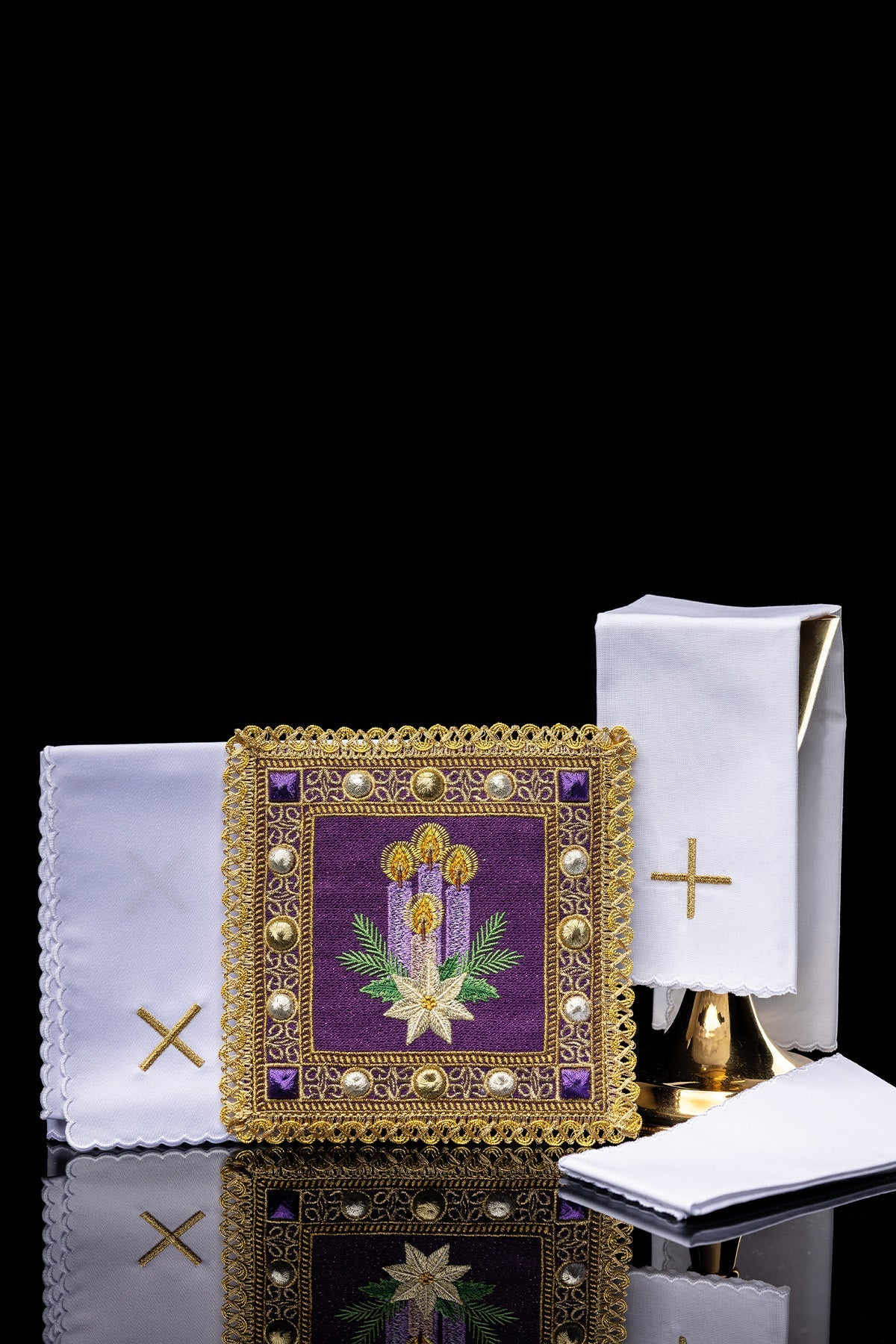
Premium Altar Linens for Churches and Religious Institutions
Elevate Your Worship Space with Exquisite Altar Linens
Altar linens are more than just cloths—they are integral church linens, essential to the sacred rituals and aesthetic of your worship space. At [Your Company Name], we understand the importance of quality, durability, and beauty in every piece. Our collection of altar linens is designed to enhance the reverence and solemnity of your services, providing a tangible connection to tradition and faith on the altar, the central table of worship. Each altar linen is crafted and maintained according to prescribed liturgical guidelines, ensuring proper reverence and adherence to tradition.
Why Choose High-Quality Altar Linens?
Investing in high-quality altar linens is an investment in the overall worship experience. These linens not only contribute to the visual appeal of the altar but also serve a practical purpose in maintaining cleanliness and order. Poorly made or worn linens can detract from the sanctity of the space, while well-maintained, beautiful linens can elevate the atmosphere and inspire a sense of awe and reverence.
-
Durability: High-quality fabrics and construction ensure that your altar linens will withstand regular use and laundering.
-
Aesthetics: Beautifully designed and crafted linens enhance the visual appeal of the altar and the entire worship space.
-
Hygiene: Proper altar linens help to maintain cleanliness and prevent the spread of germs during communion and other services.
-
Tradition: Using appropriate altar linens honors the traditions of the church and demonstrates respect for the sacraments, as many aspects of altar linens are prescribed by Church rubrics or liturgical authorities.
Explore Our Wide Selection of Altar Linens
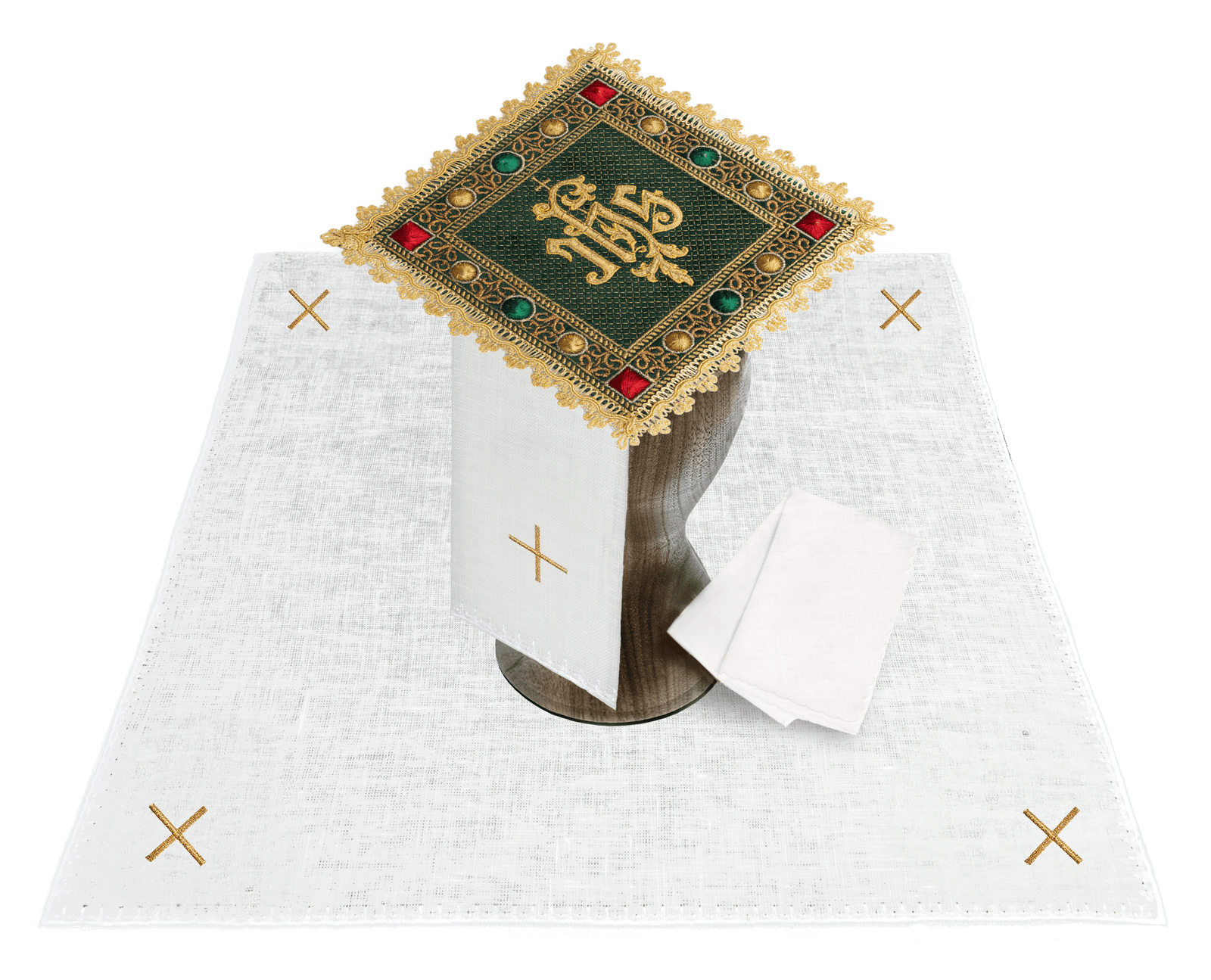
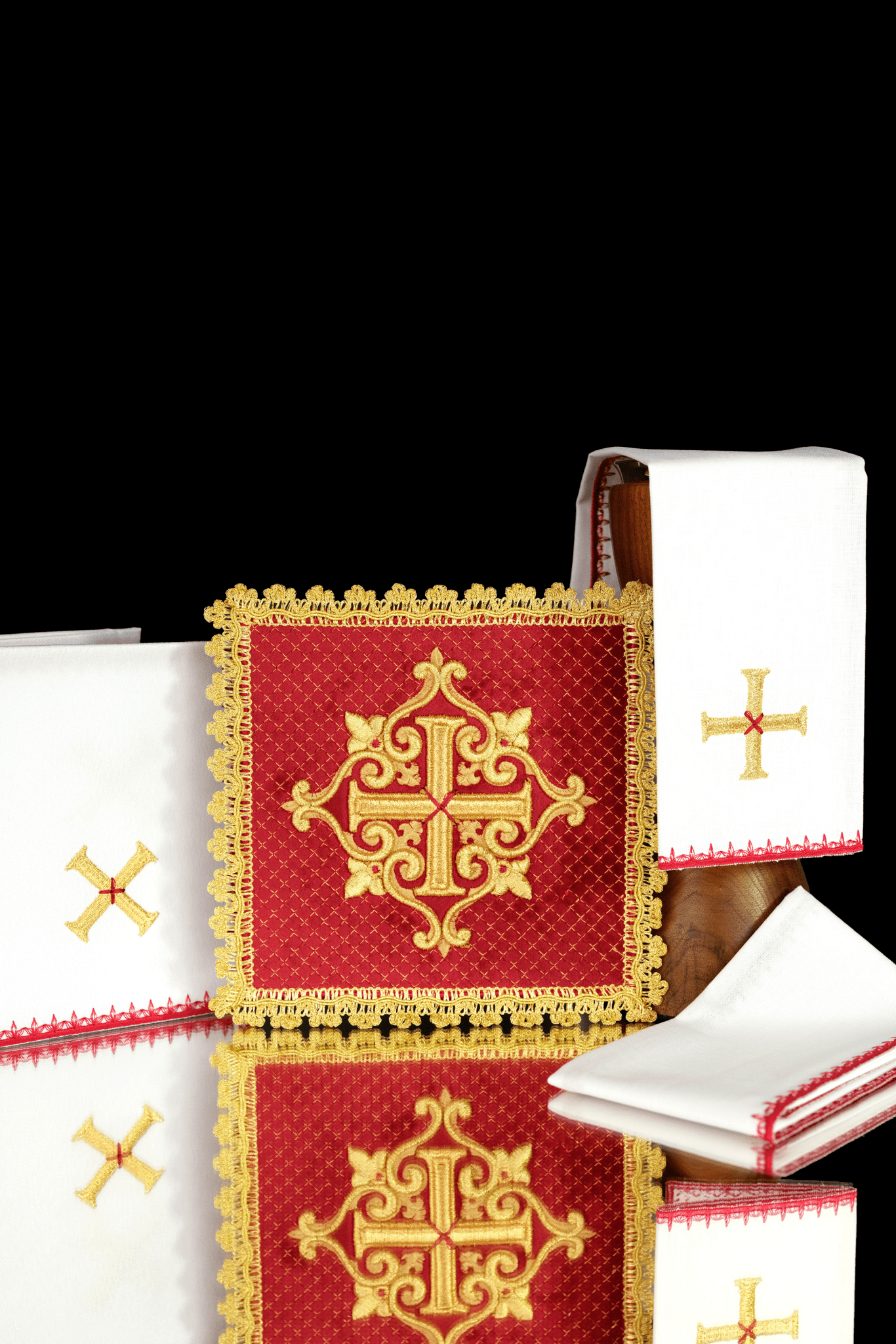
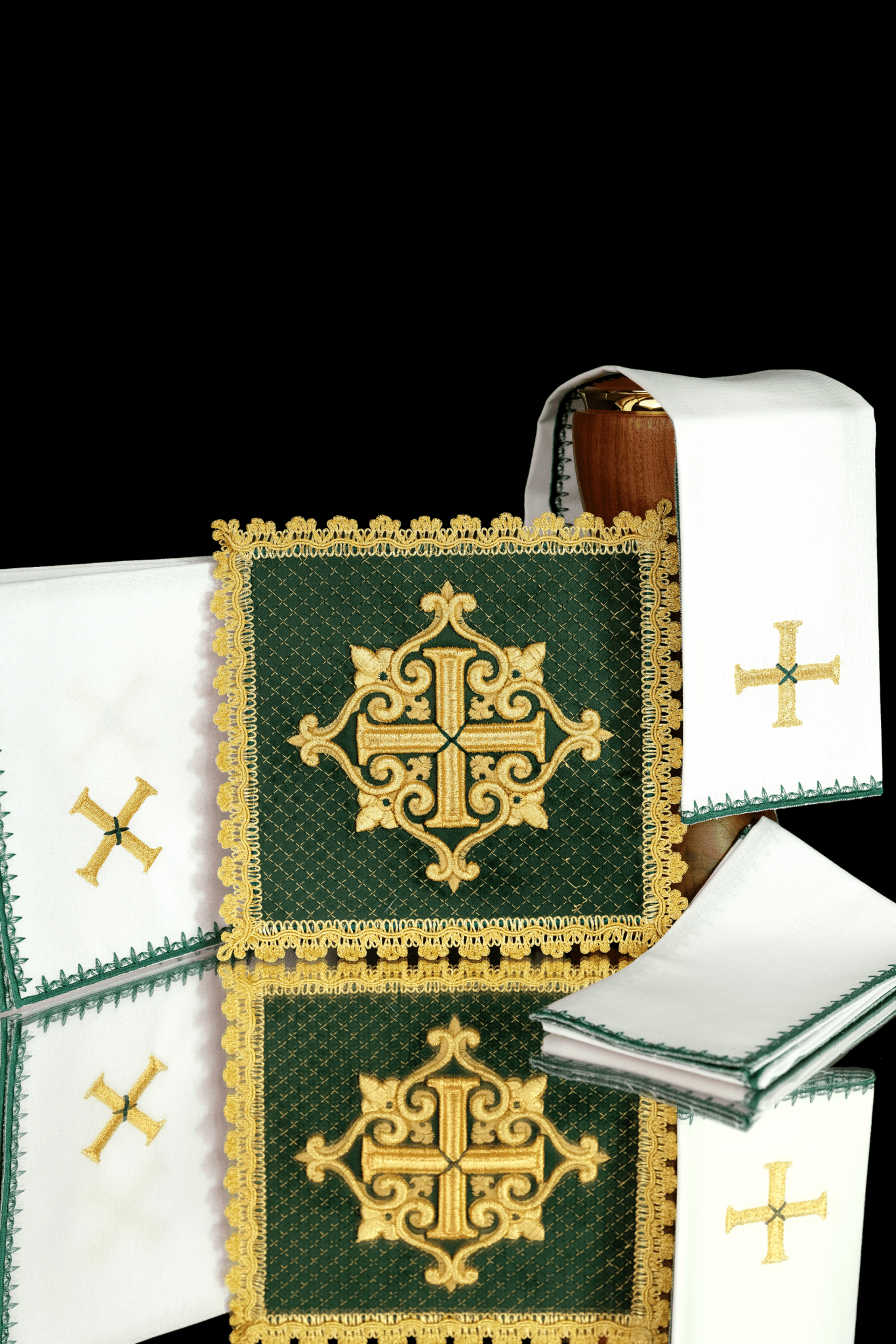
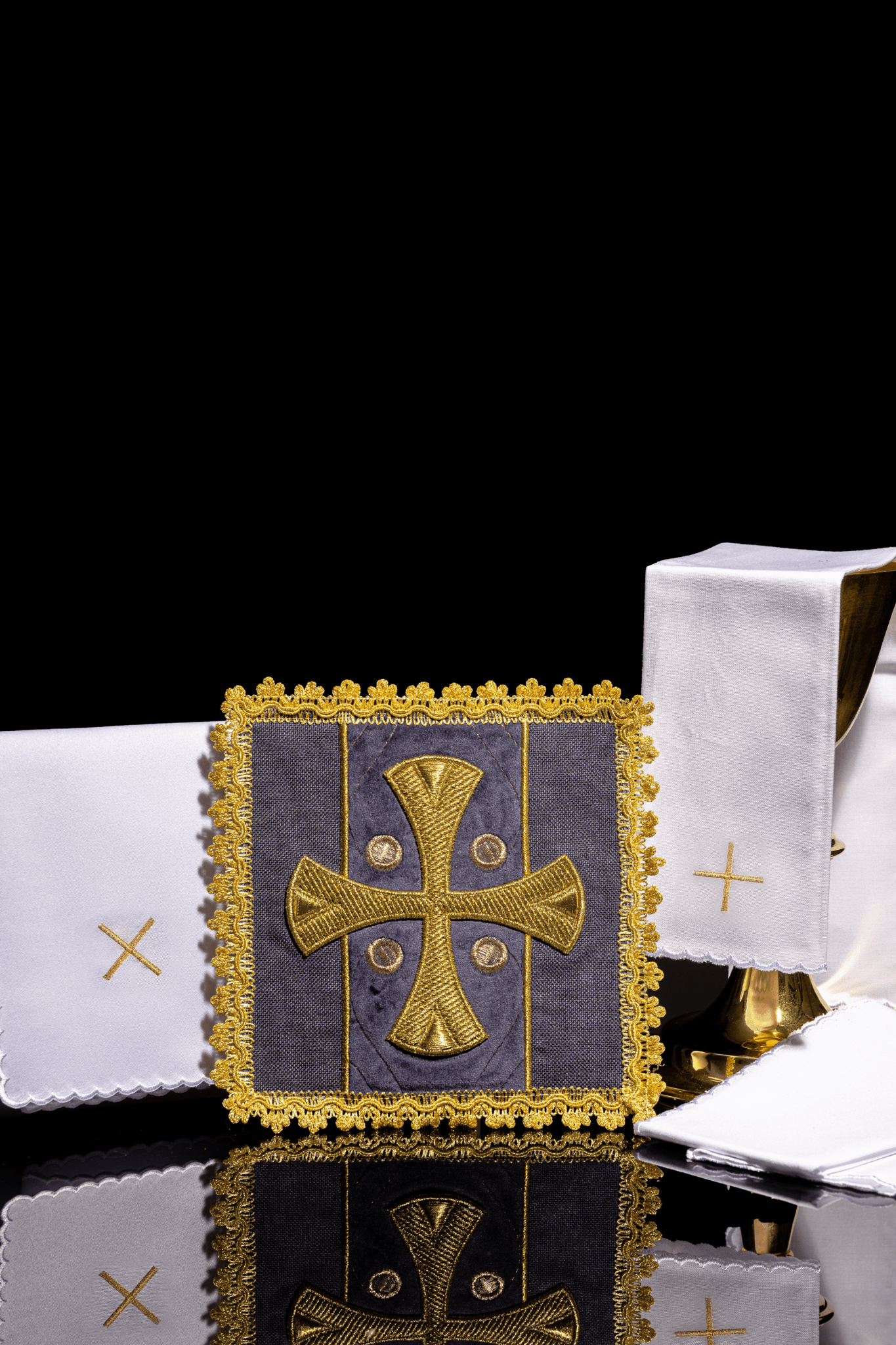
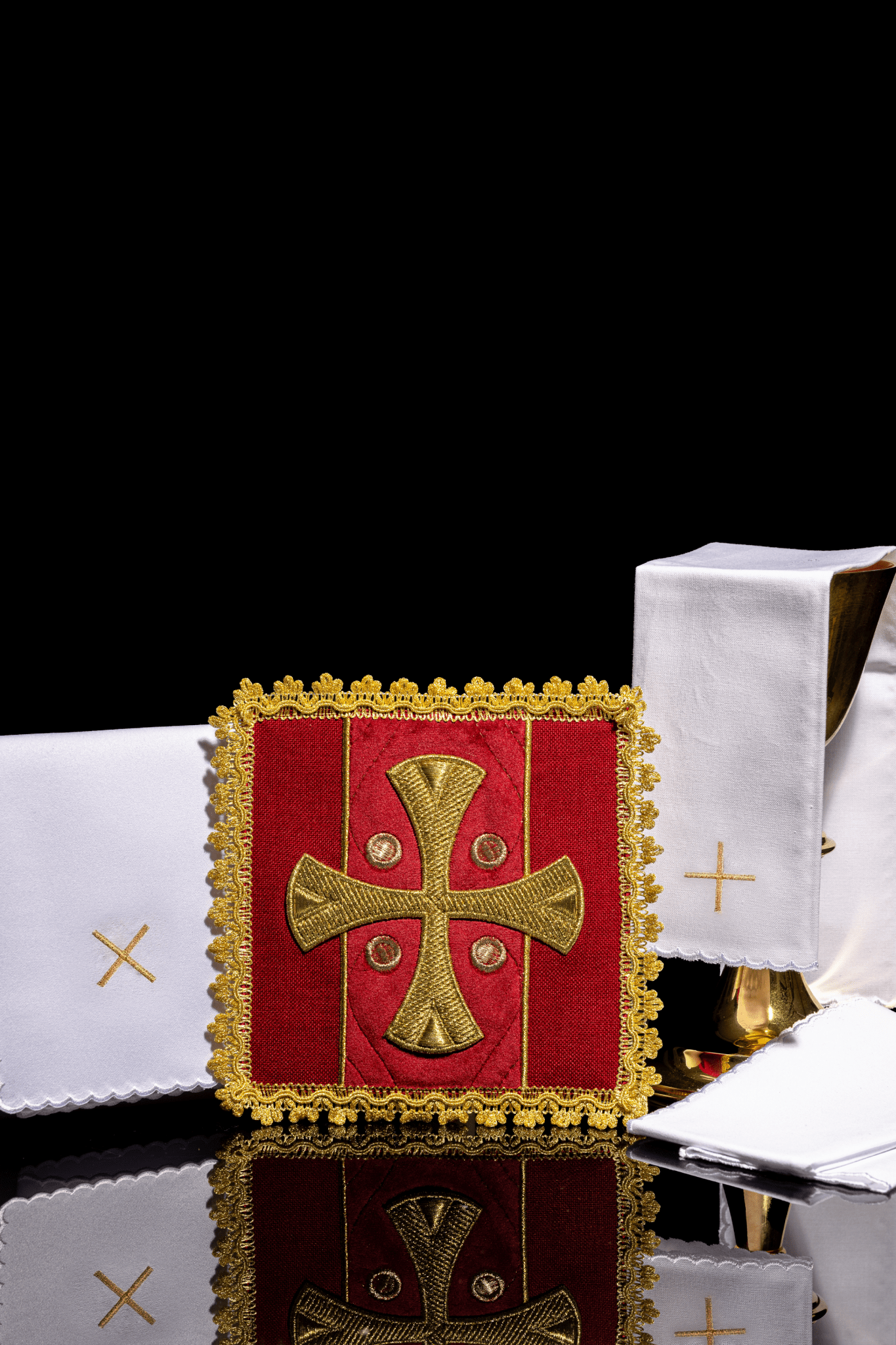
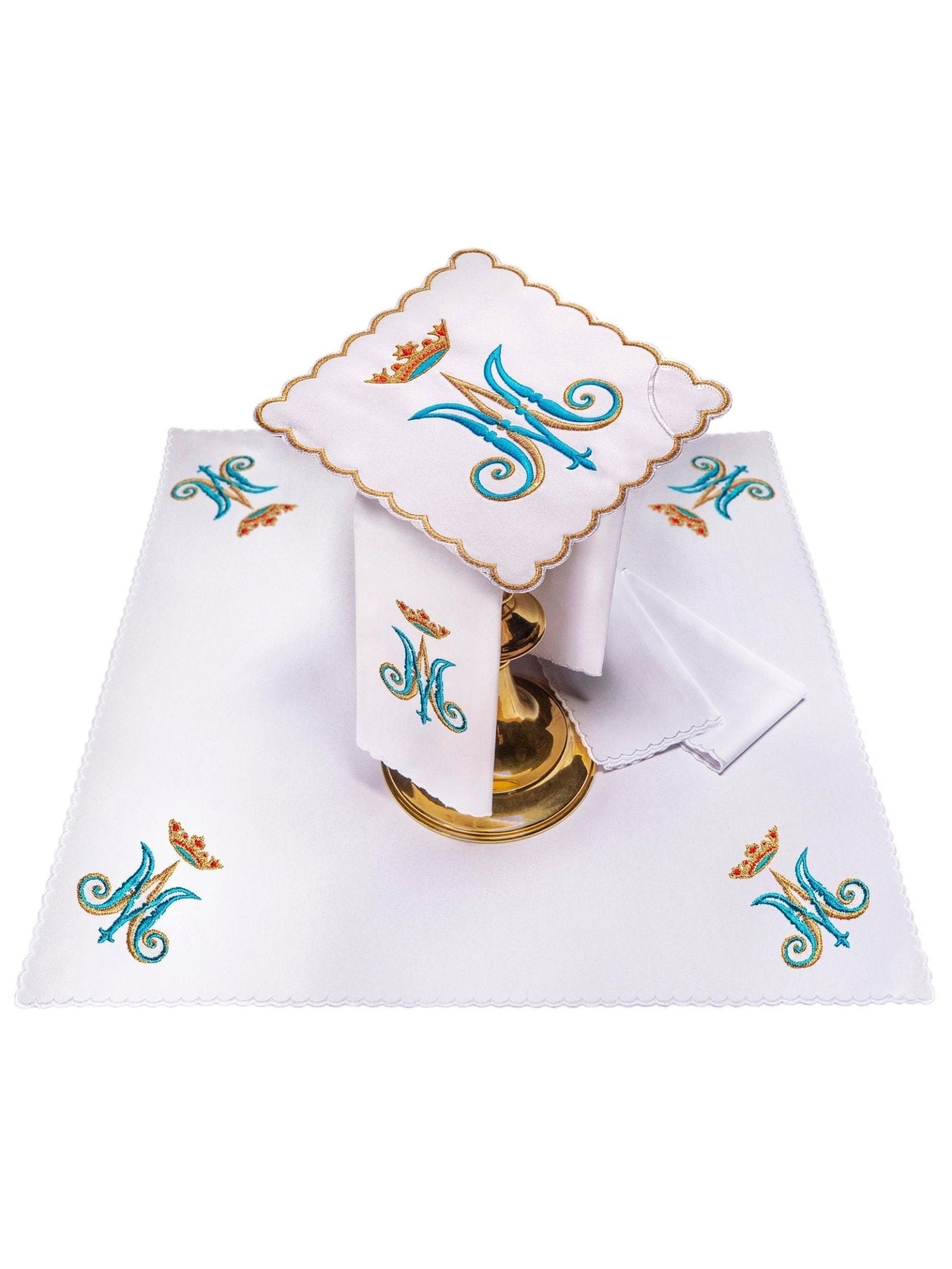
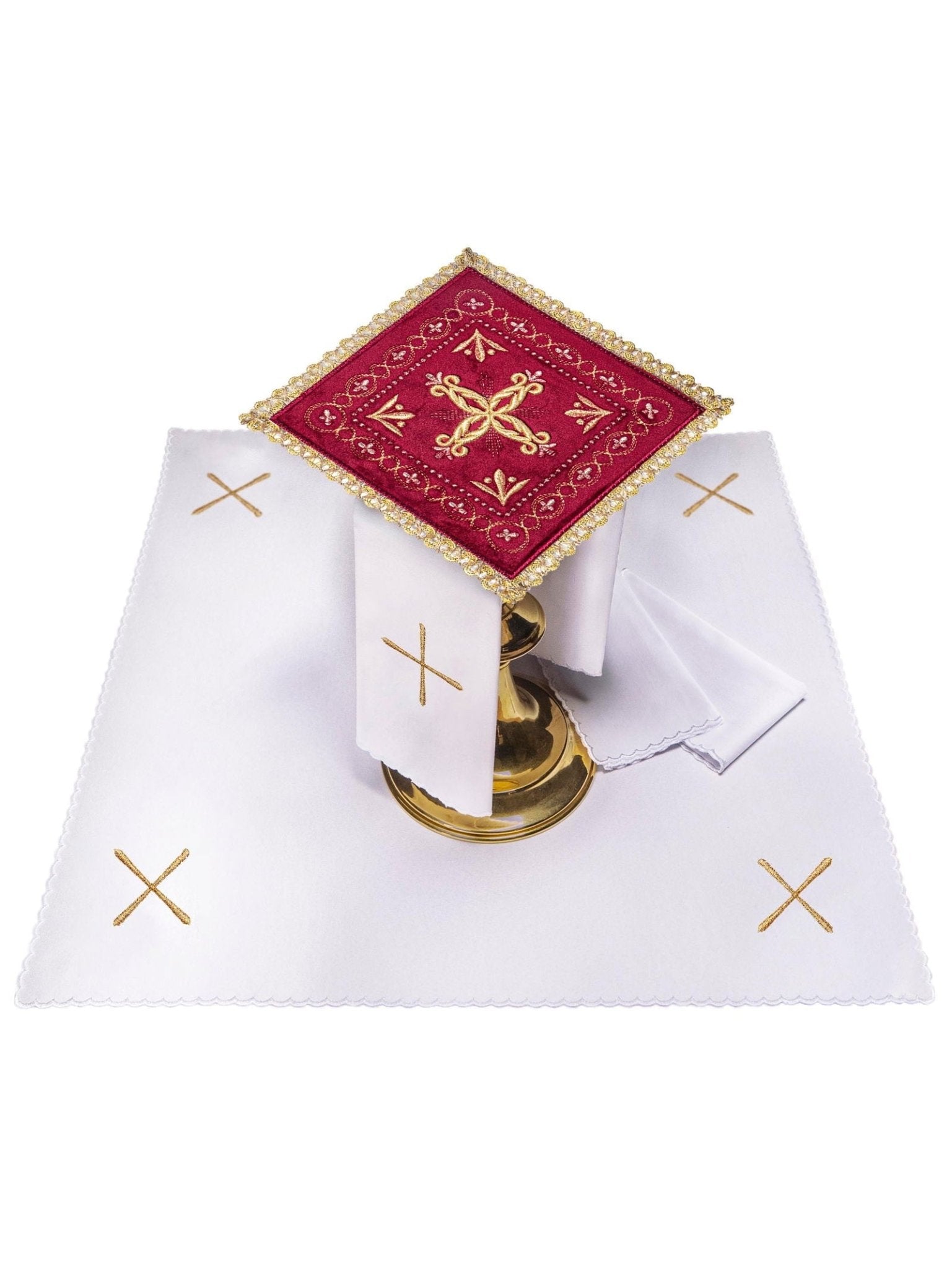
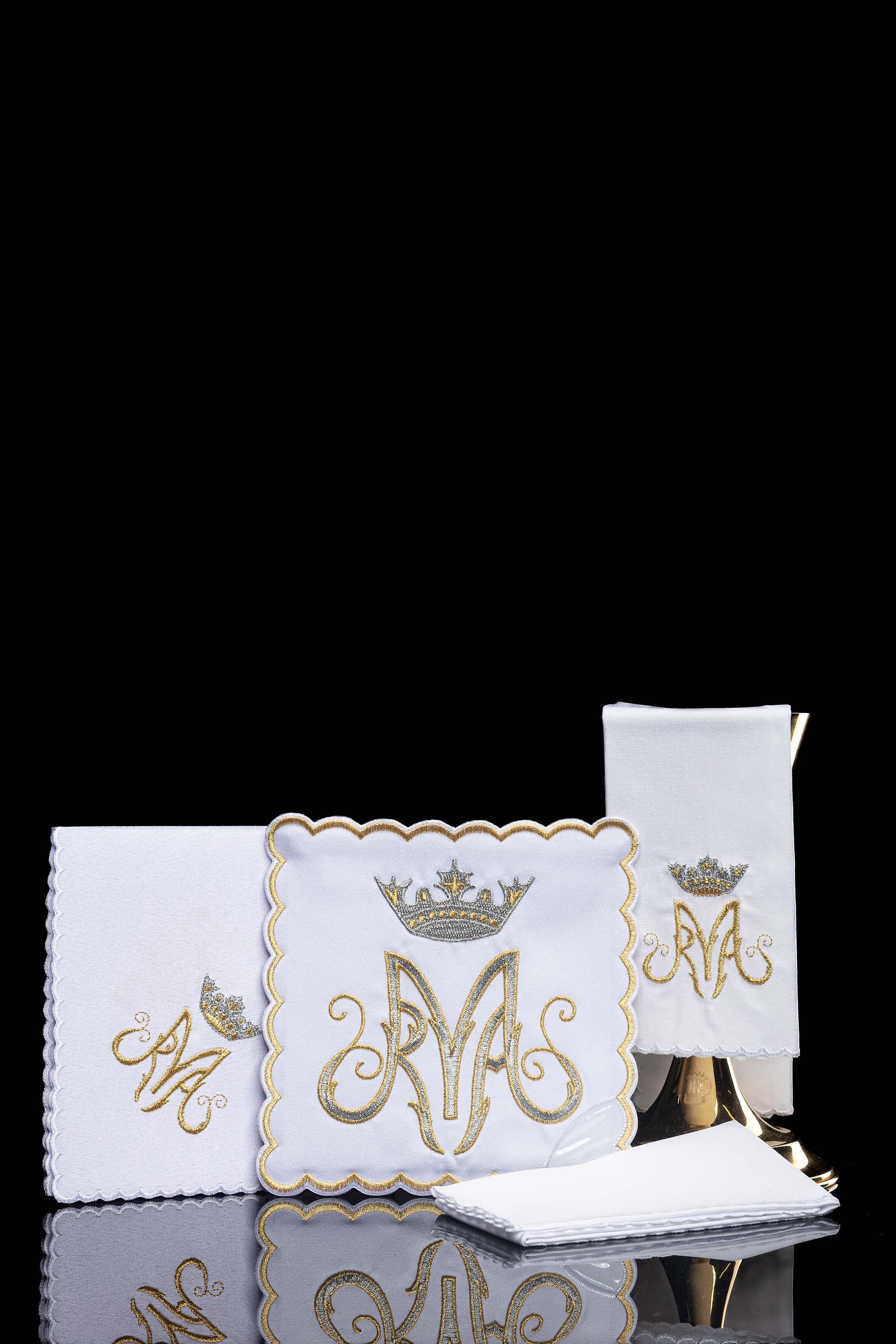
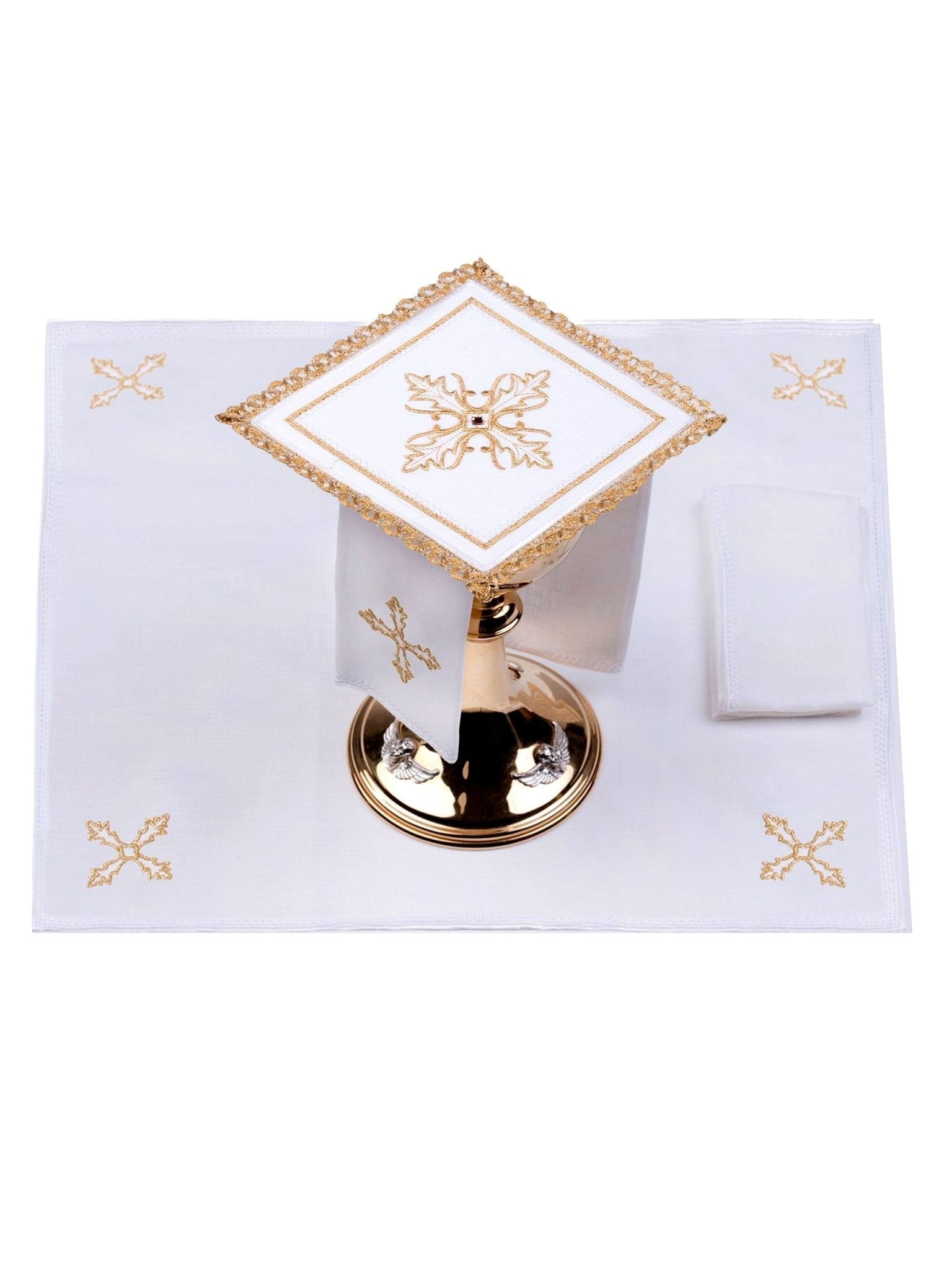
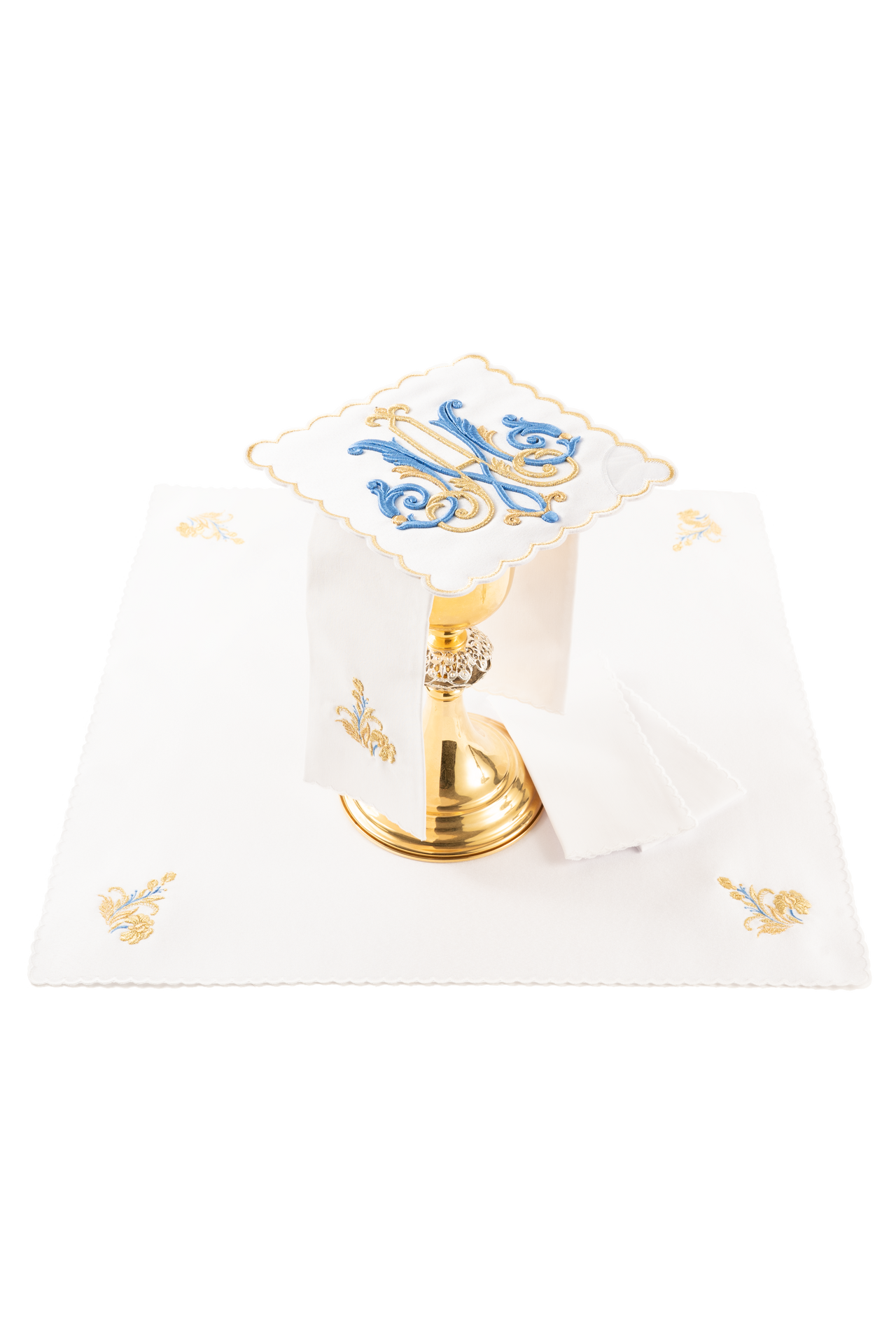
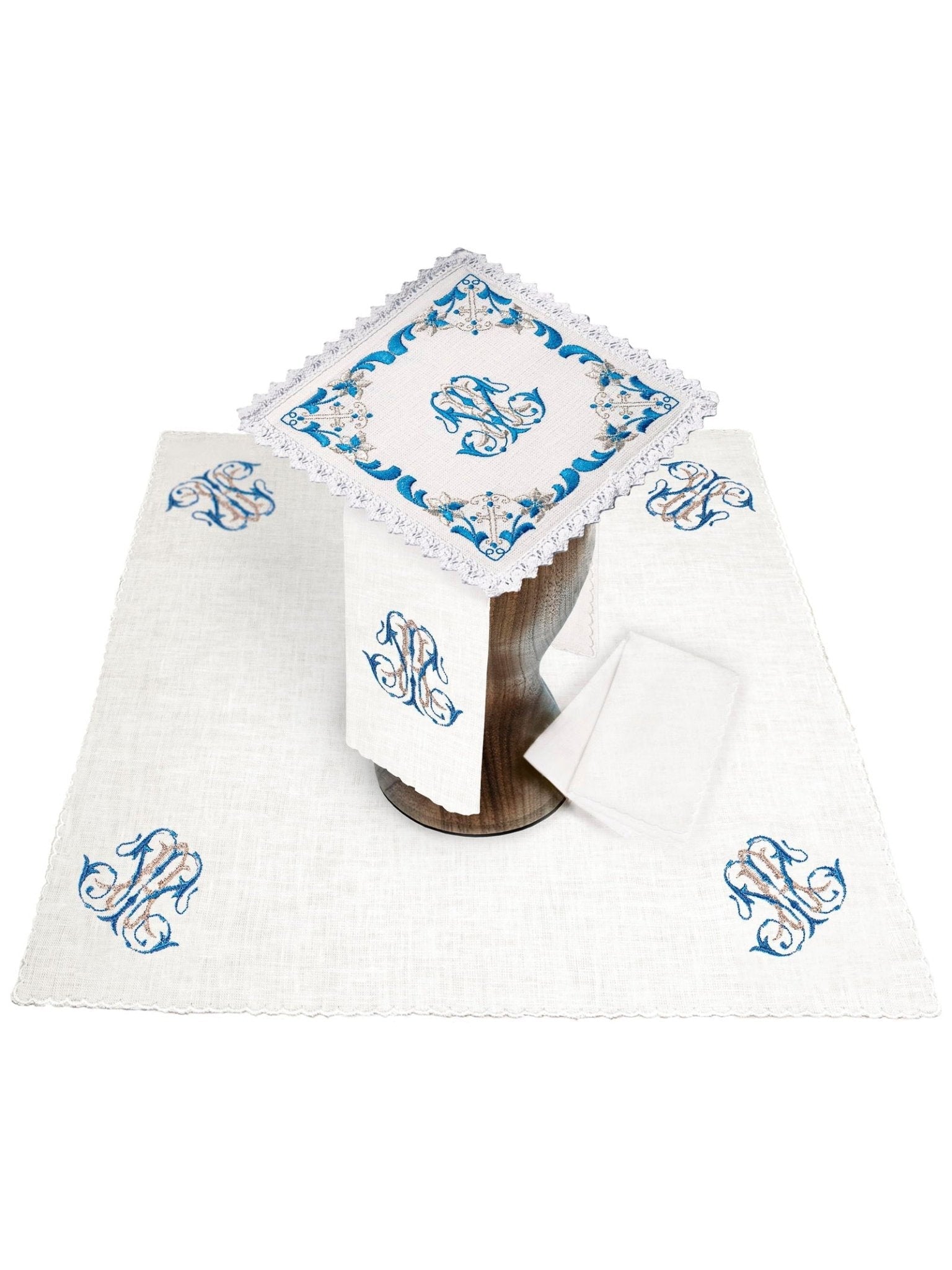
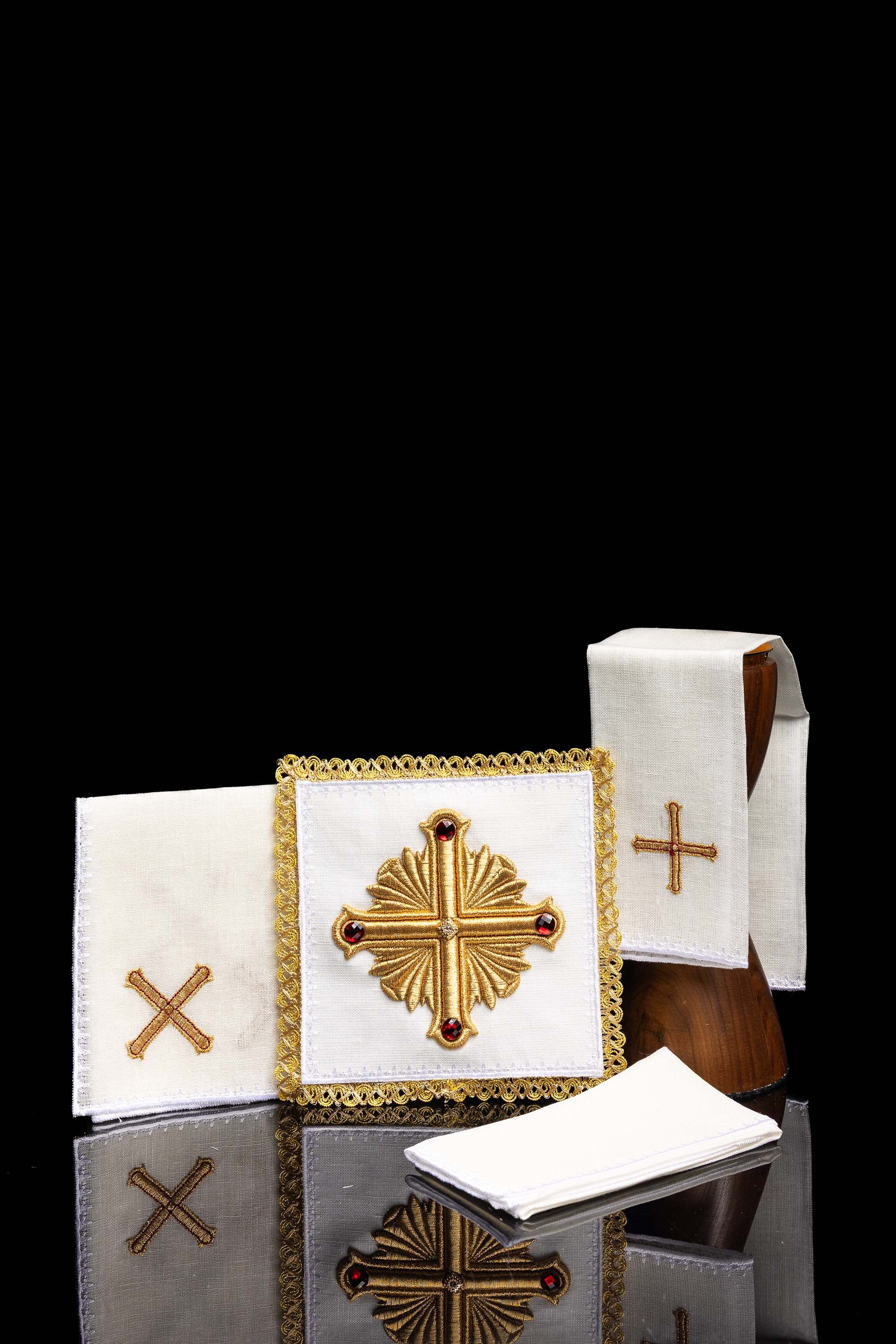
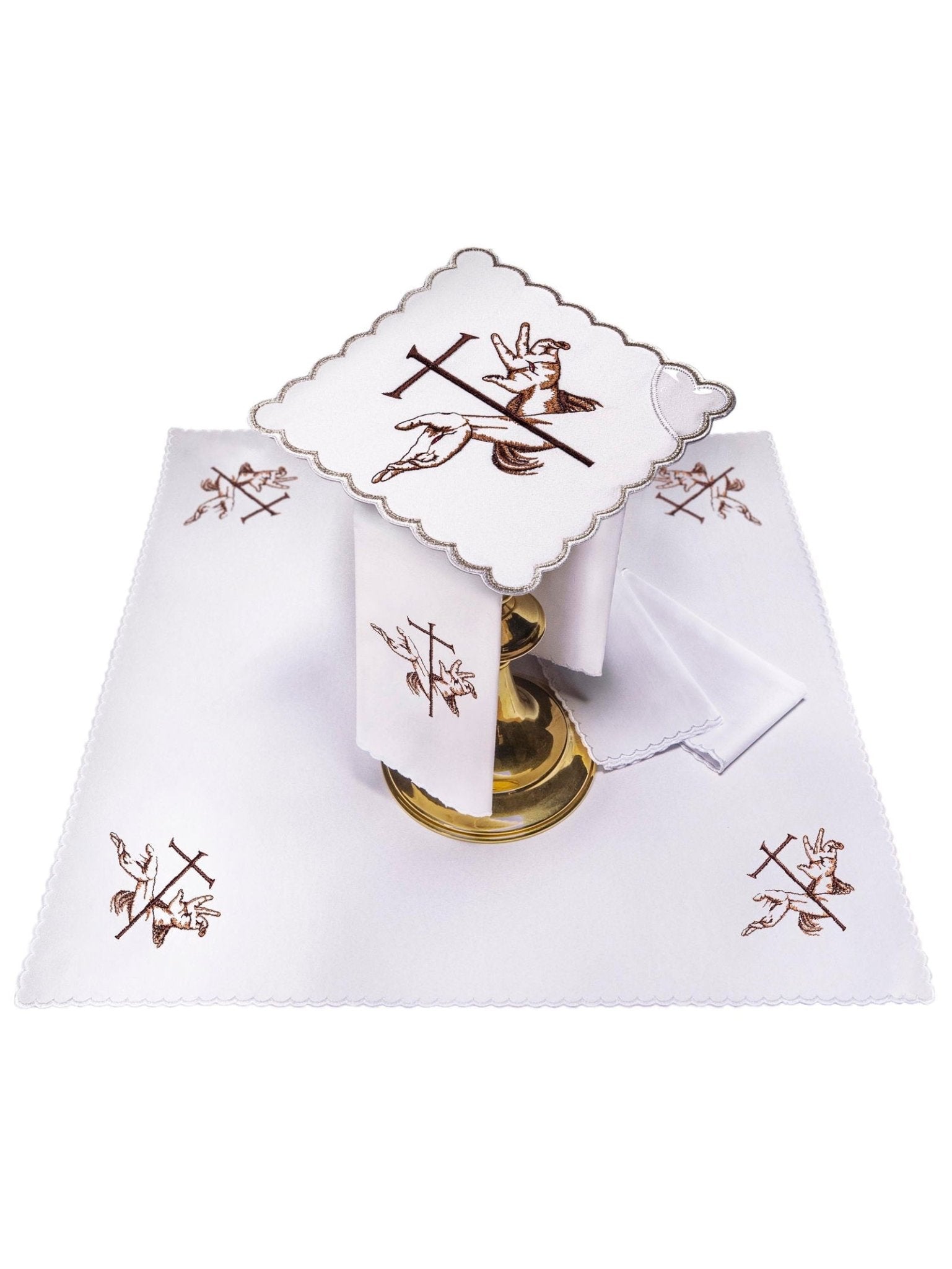
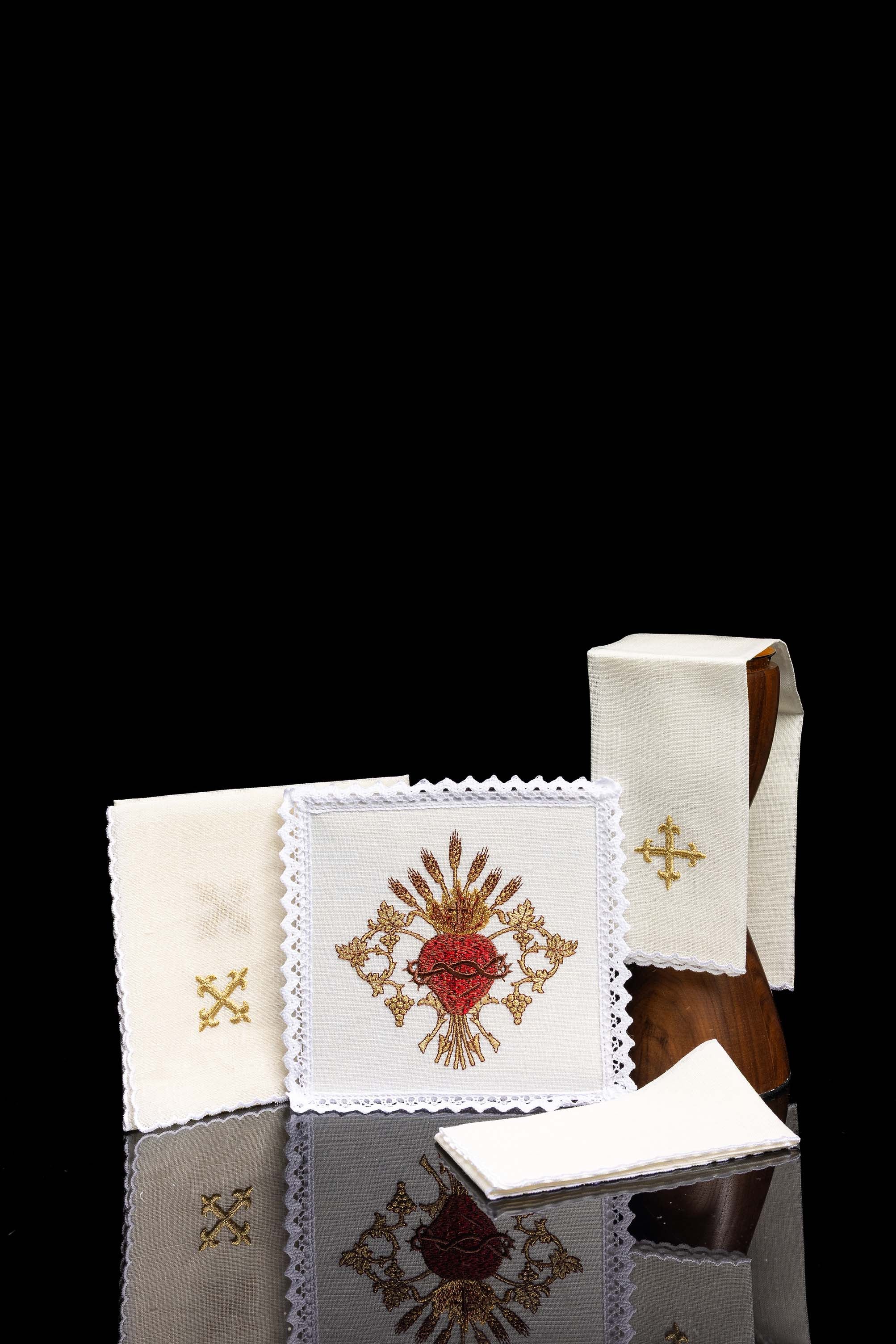
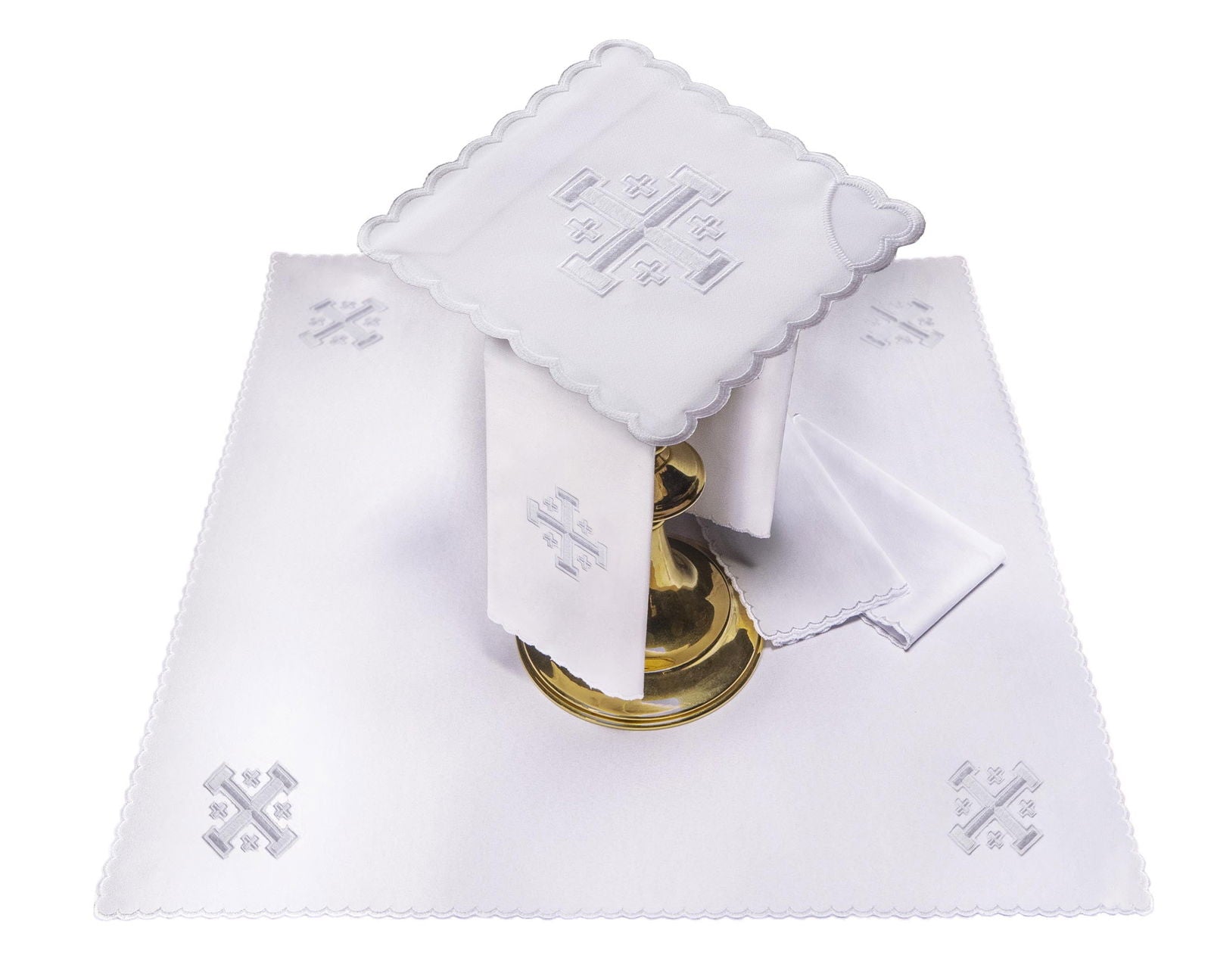
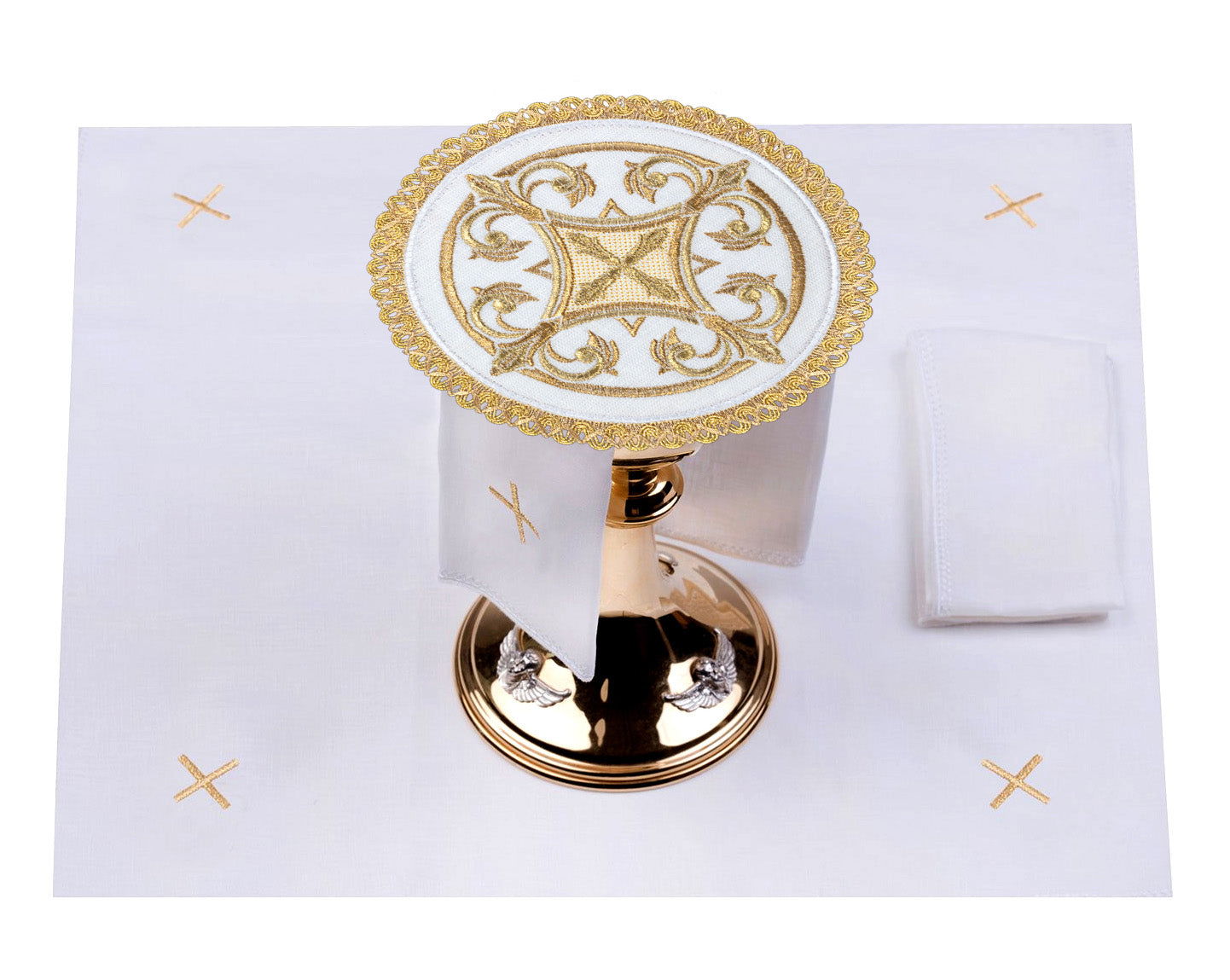
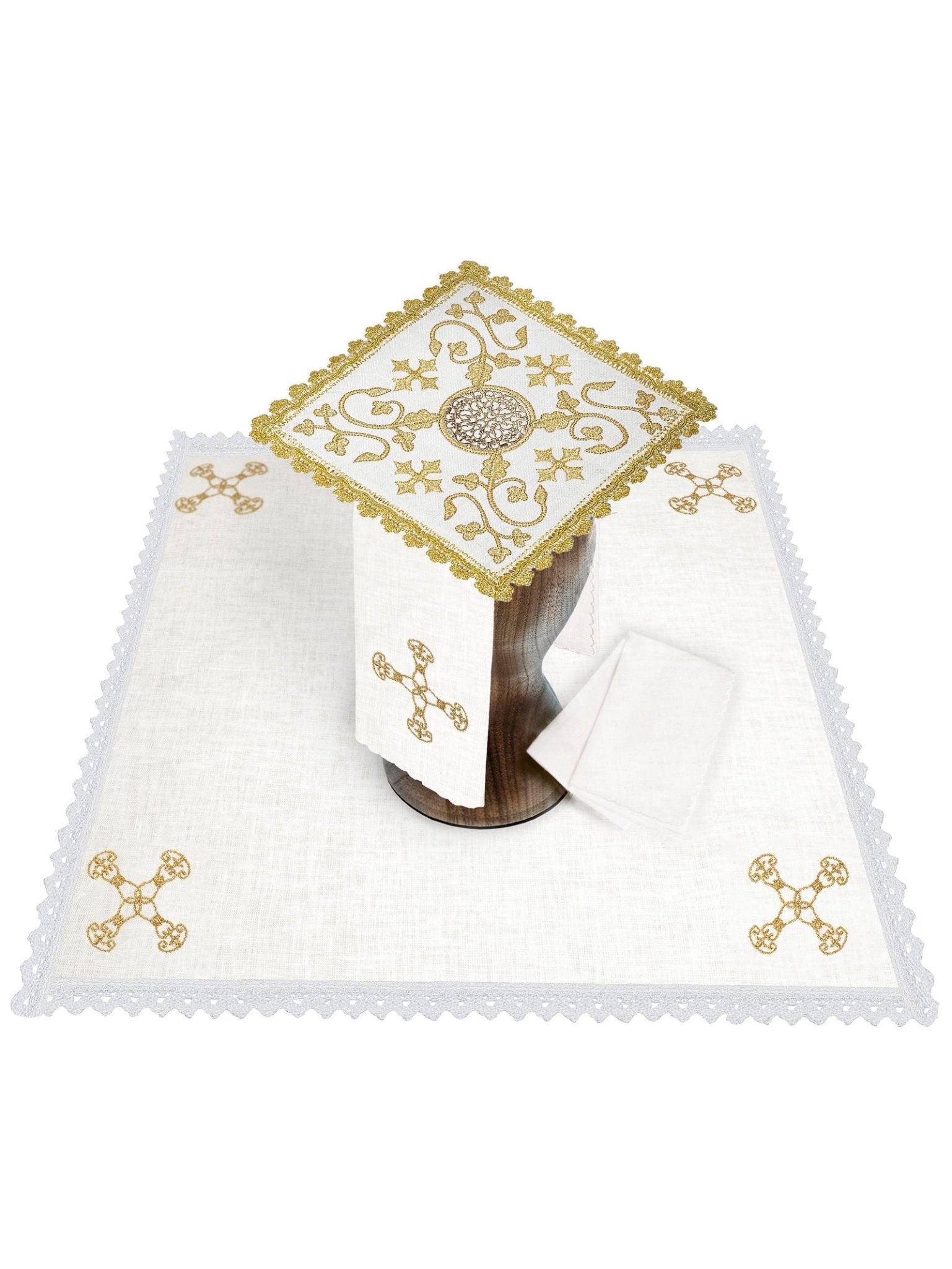
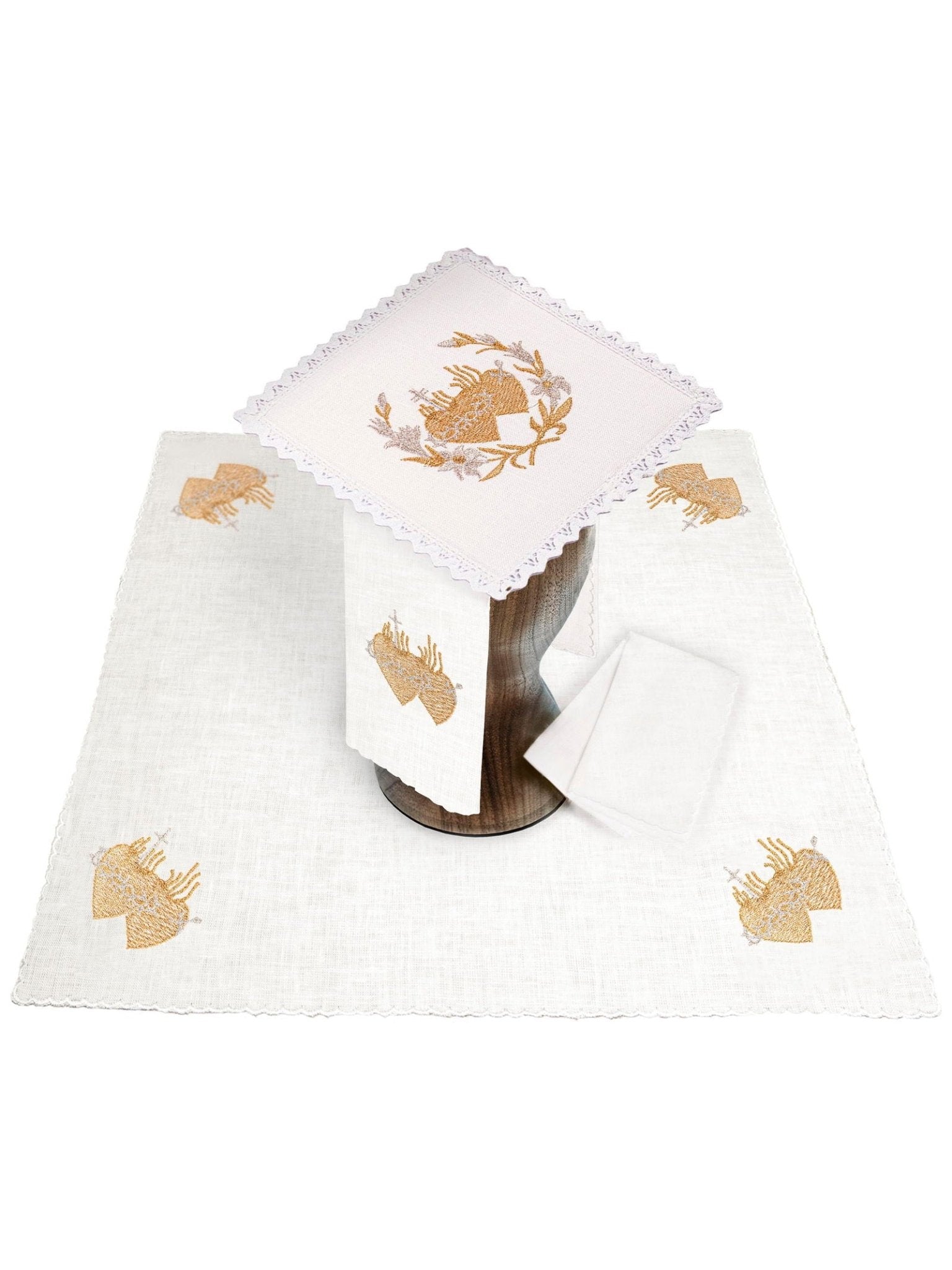
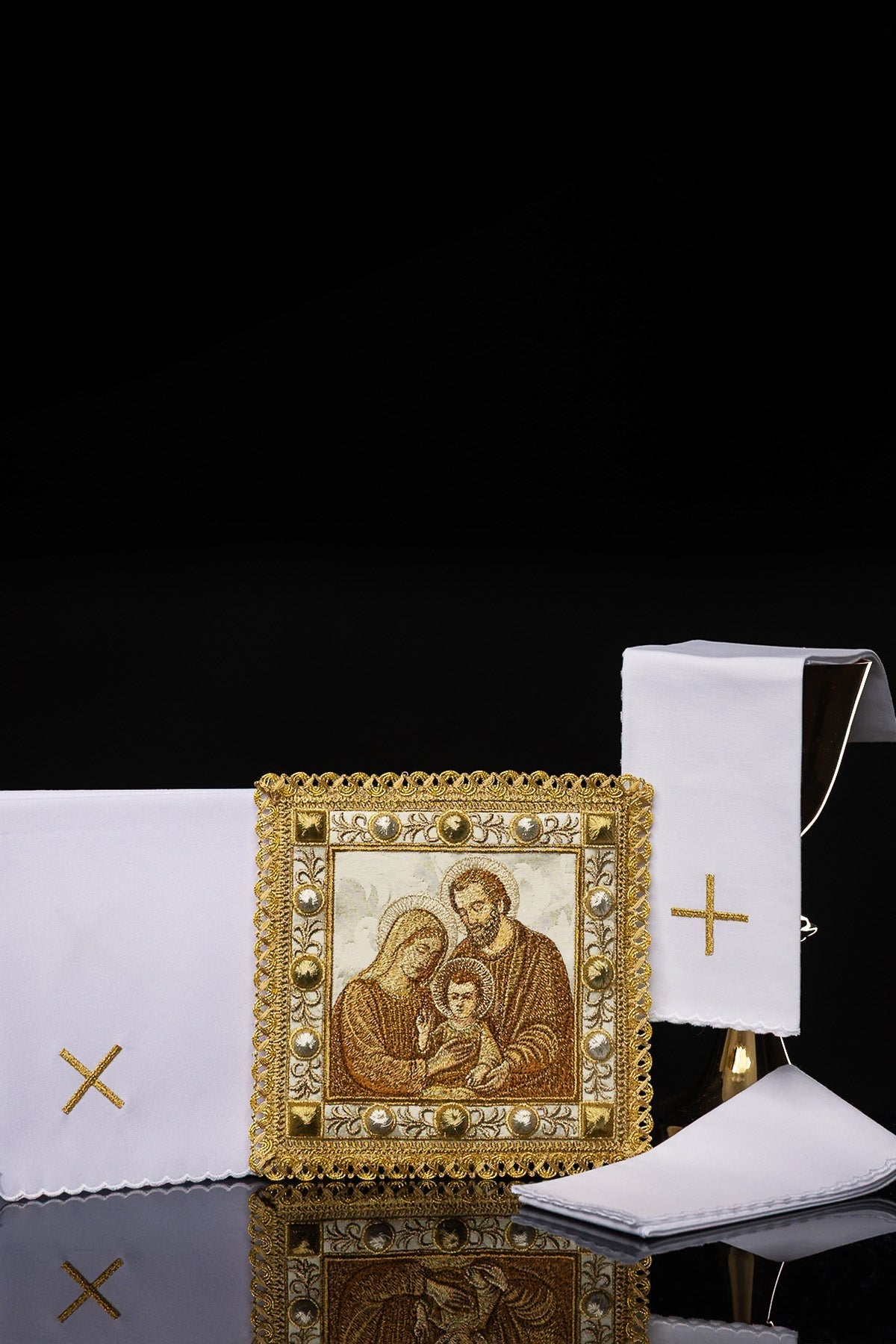
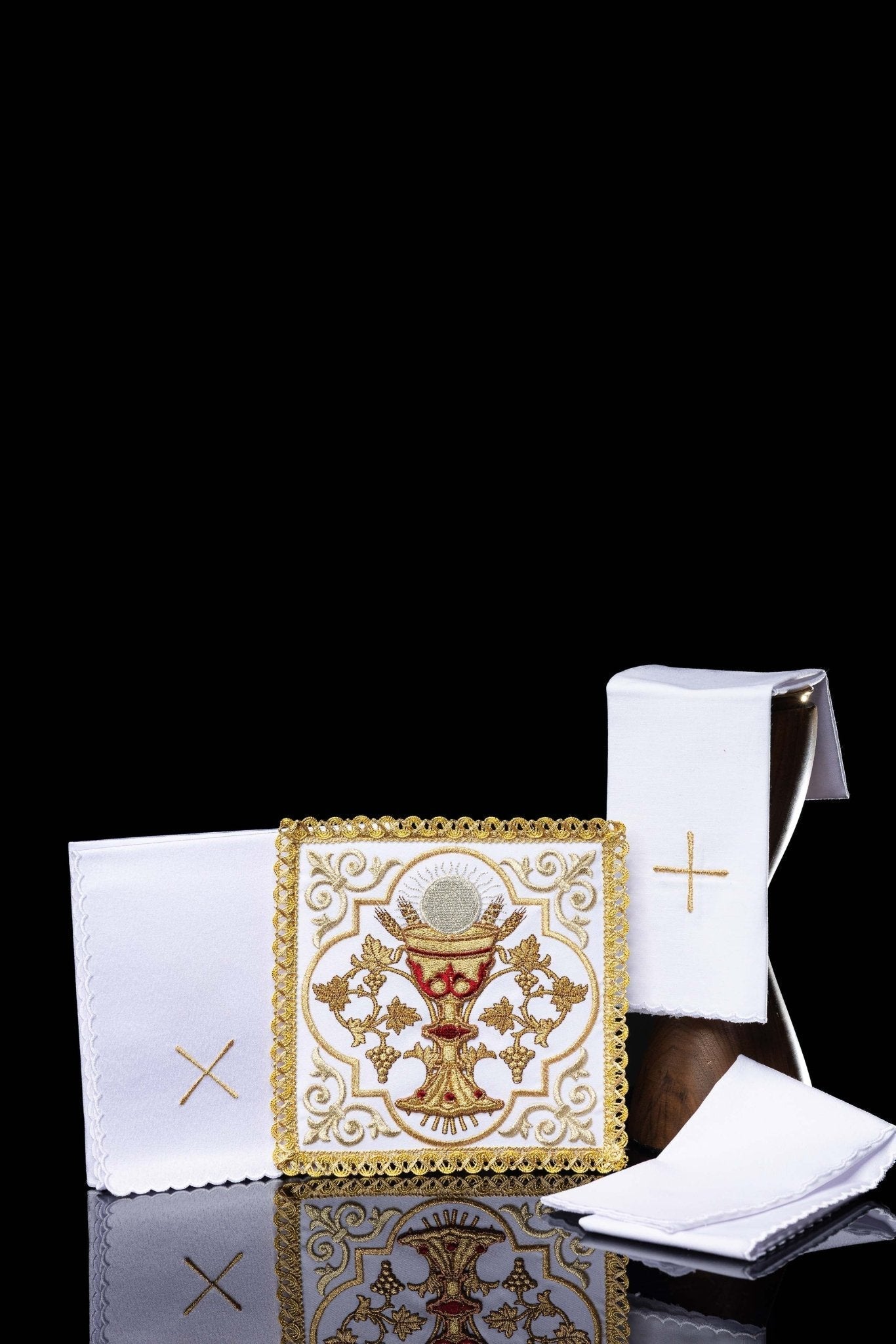
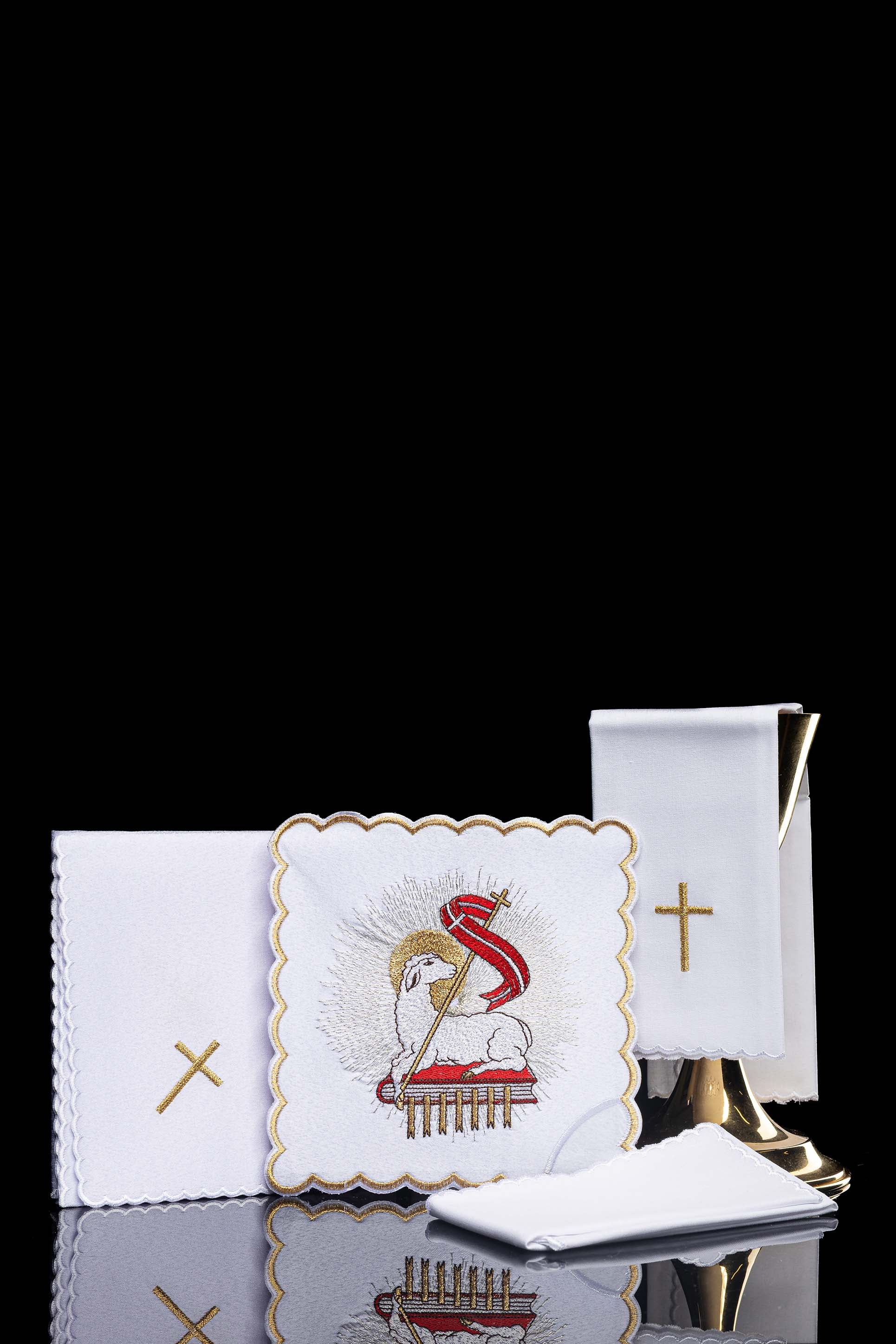
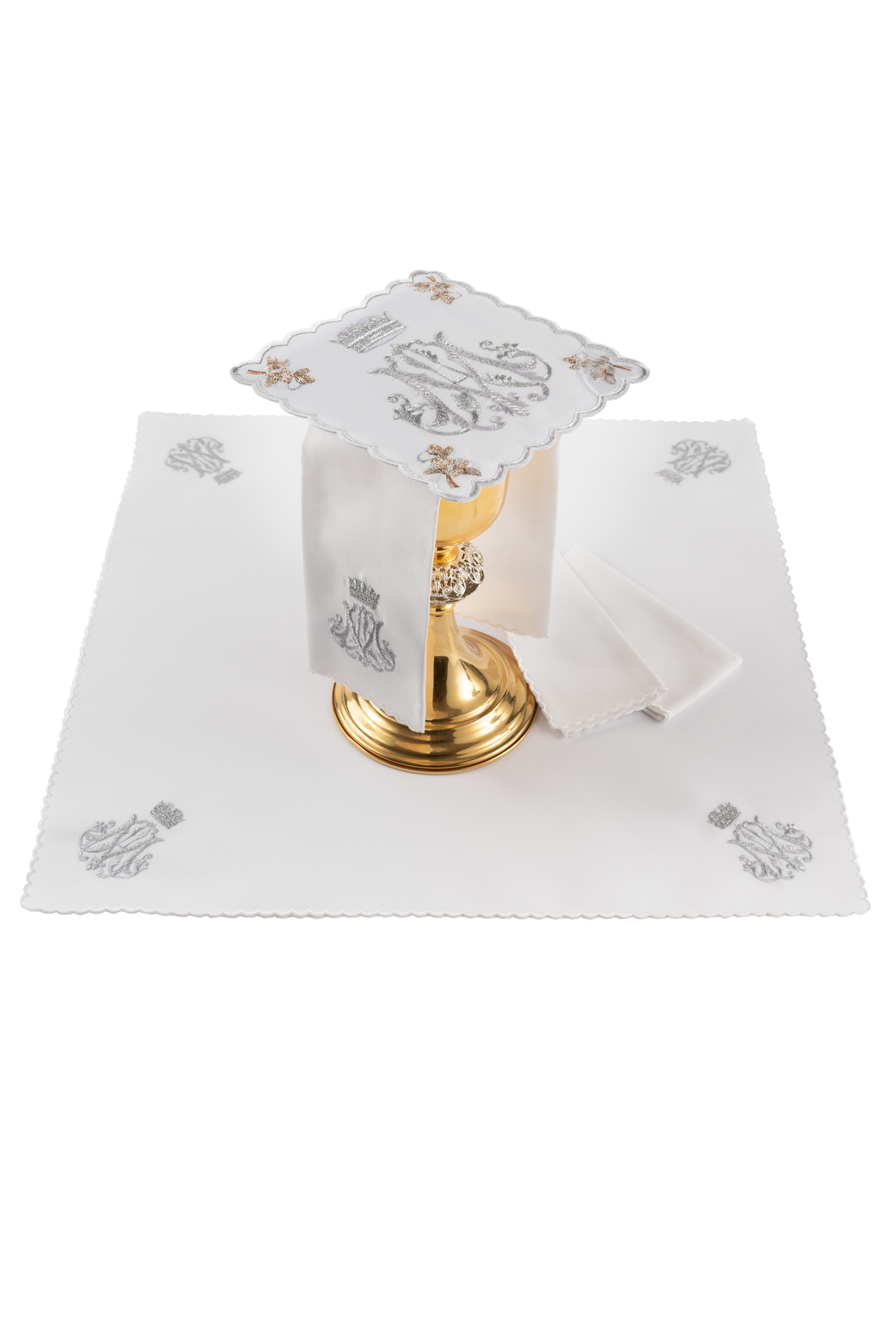
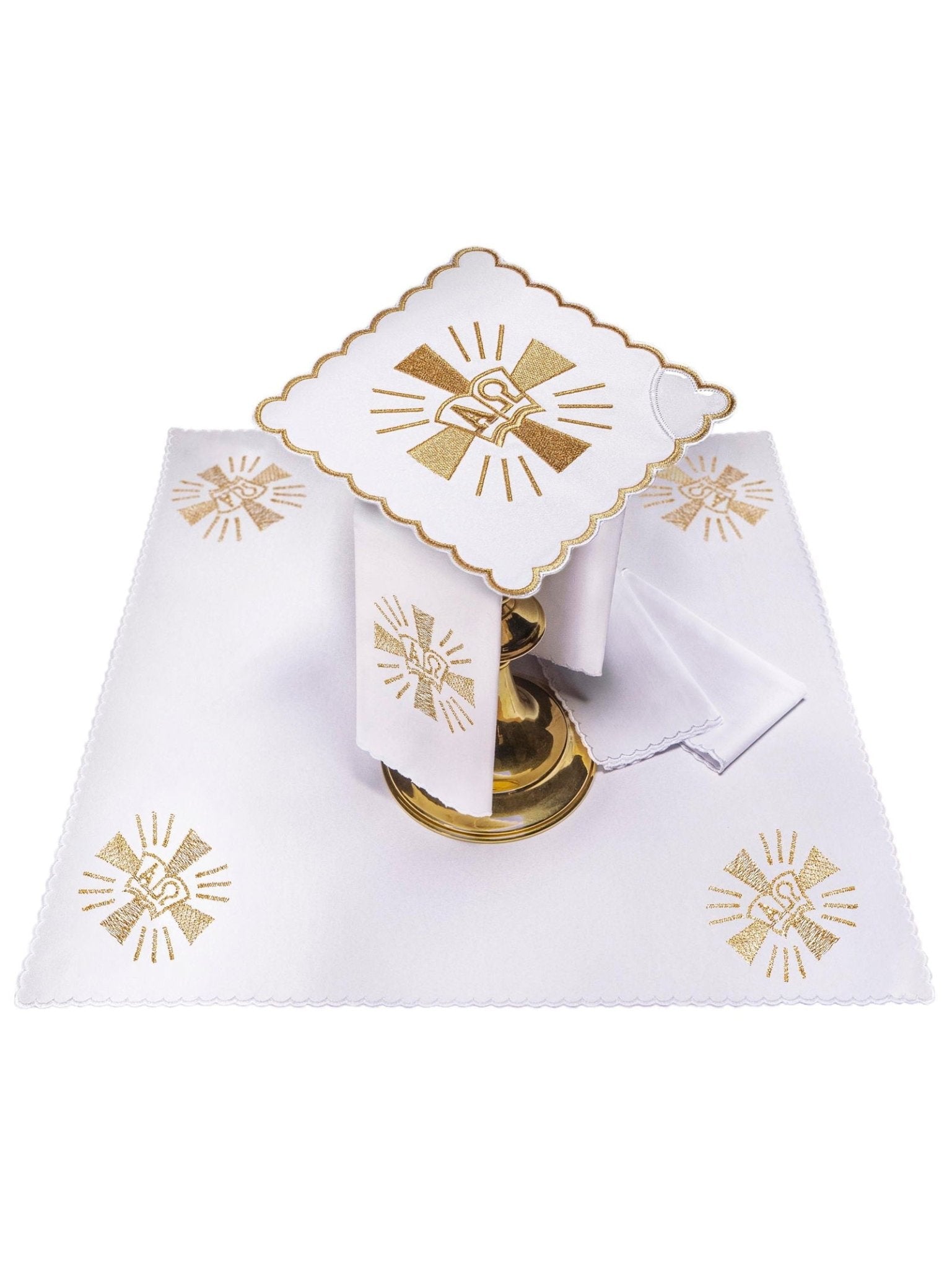
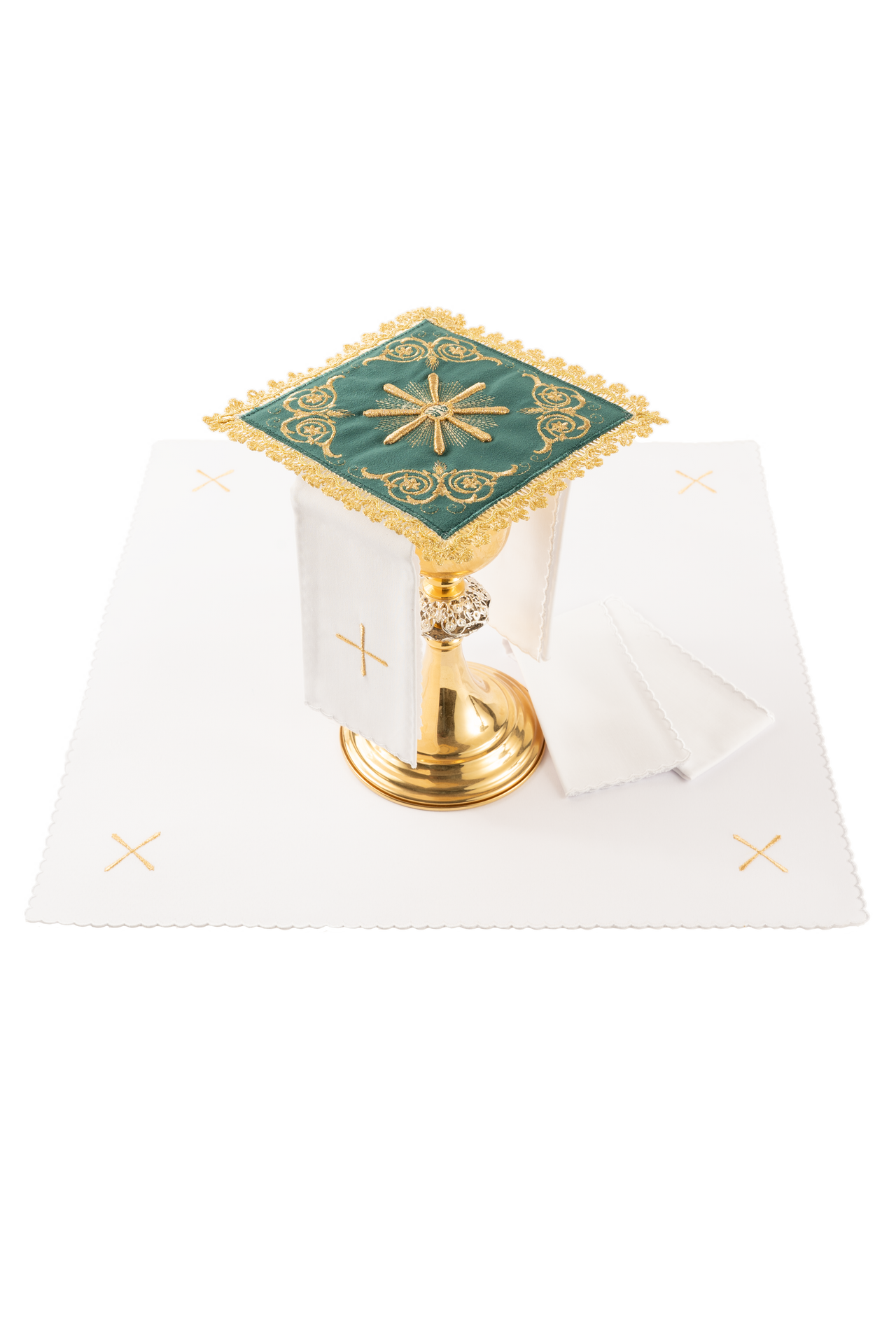
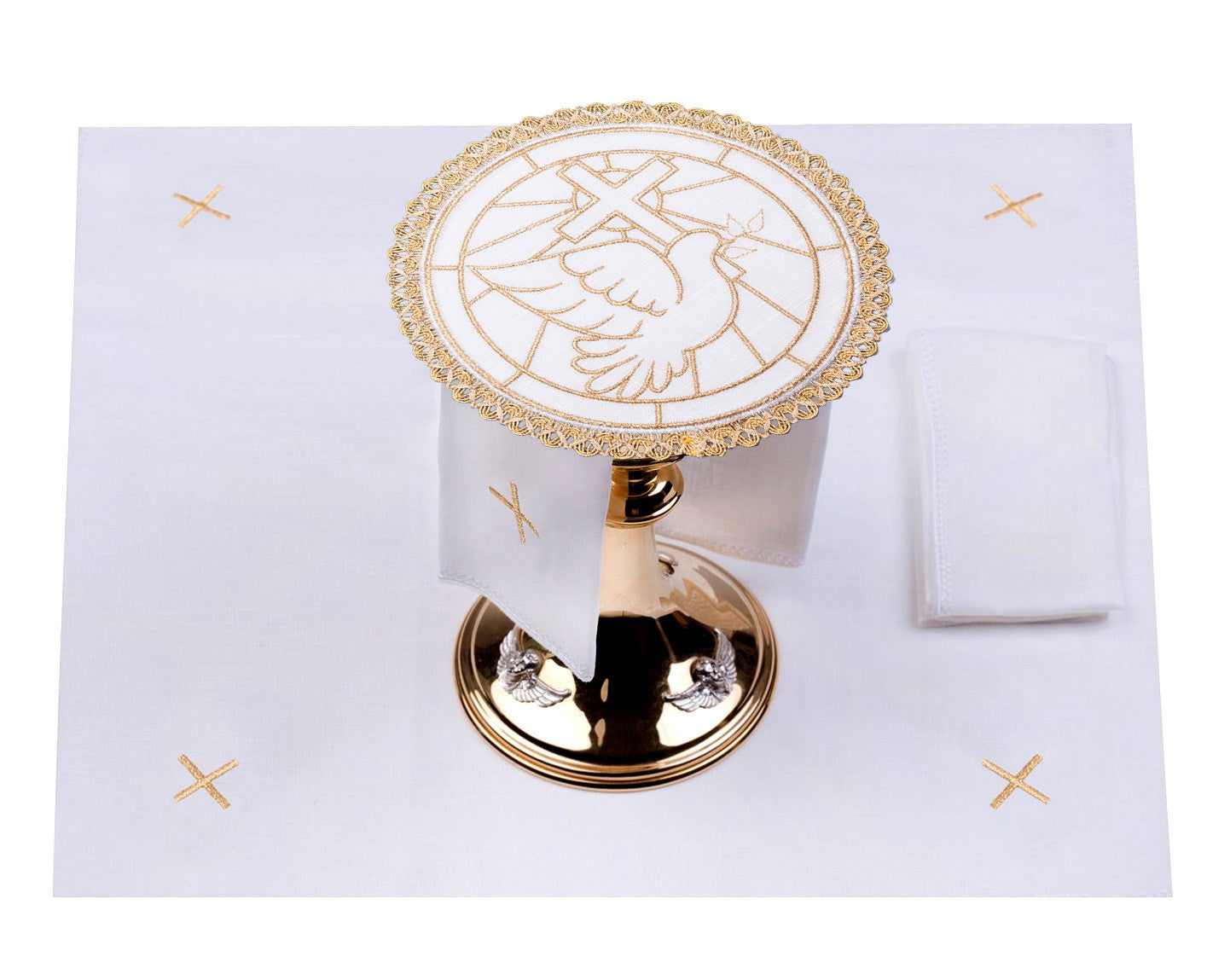
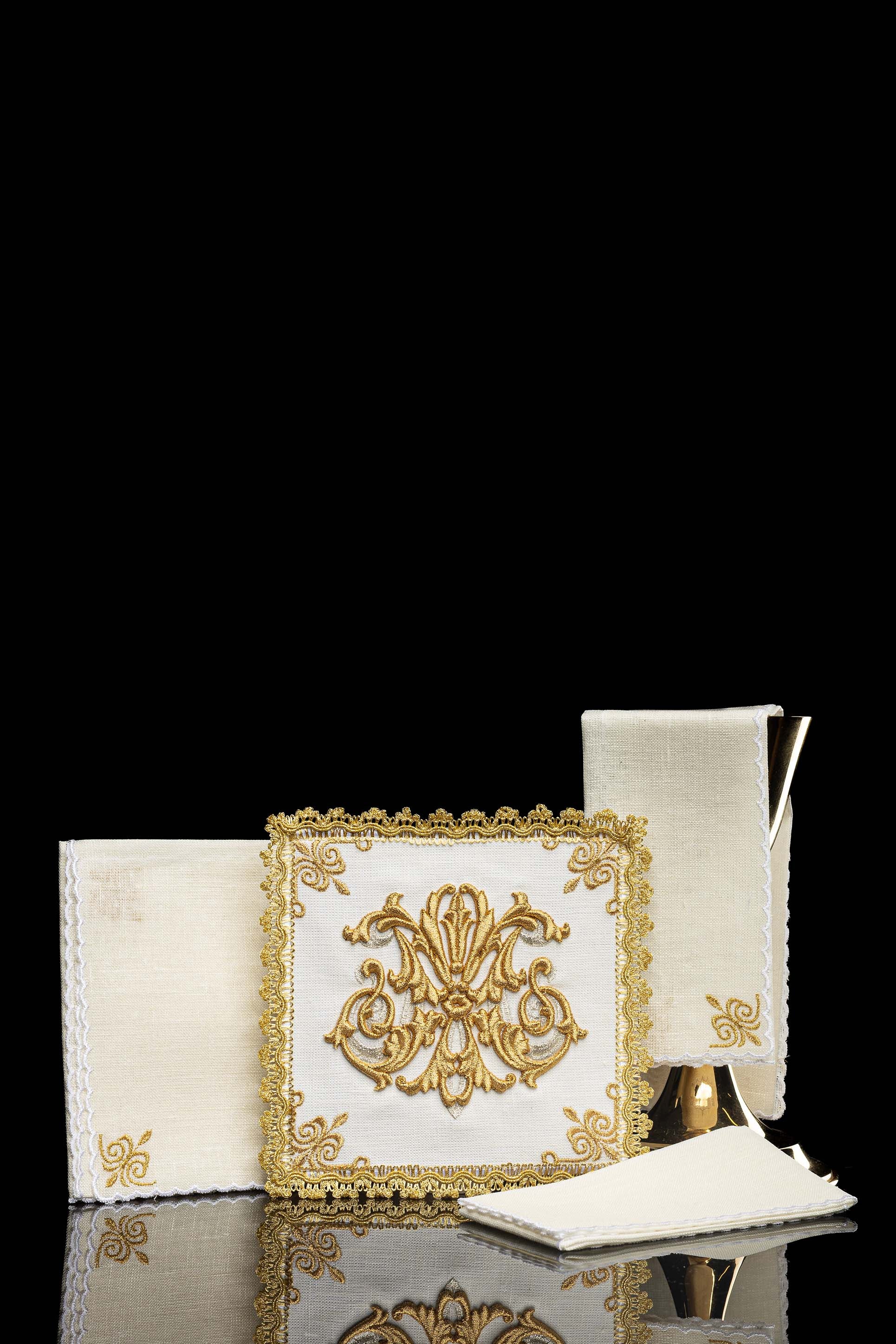
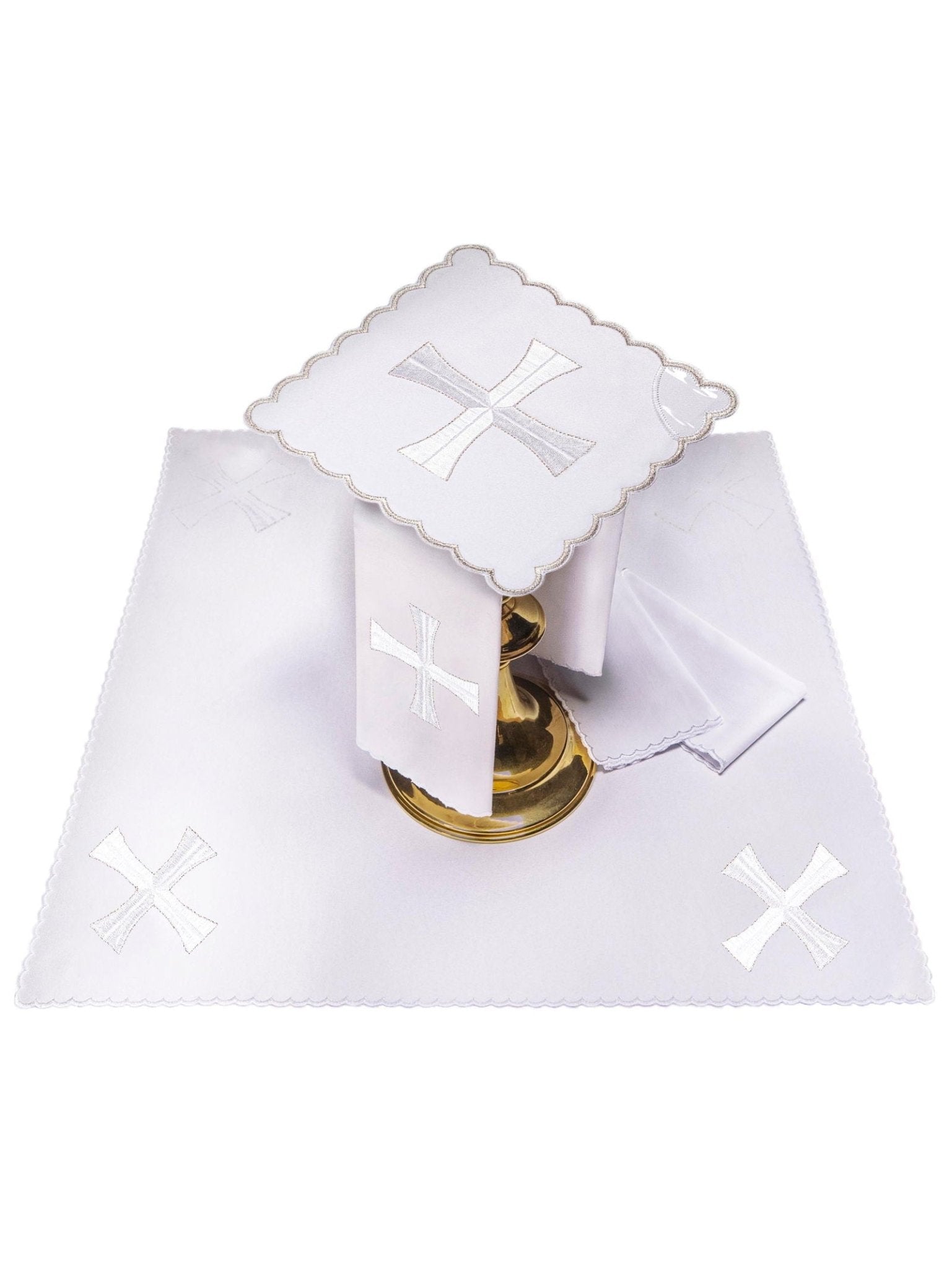
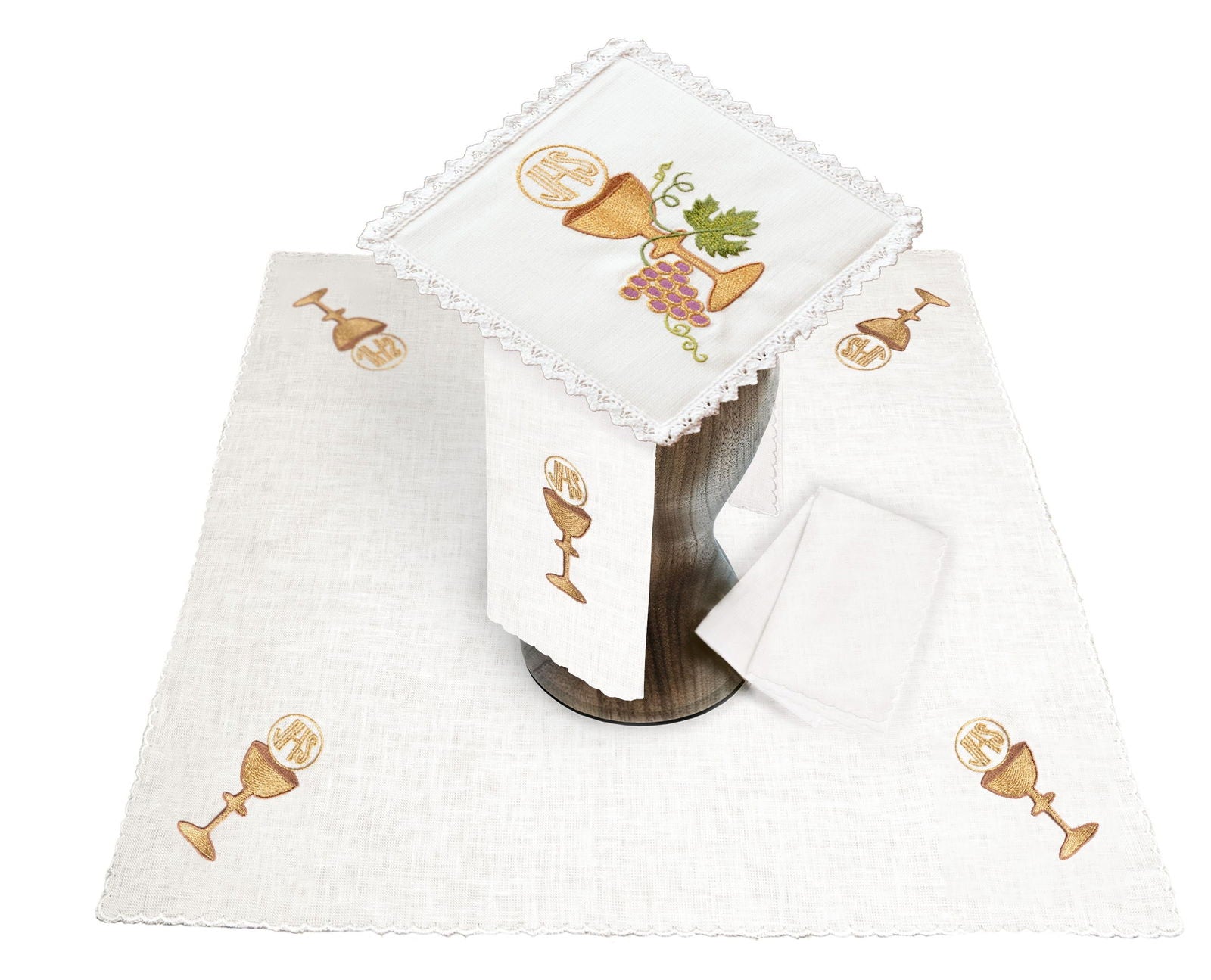
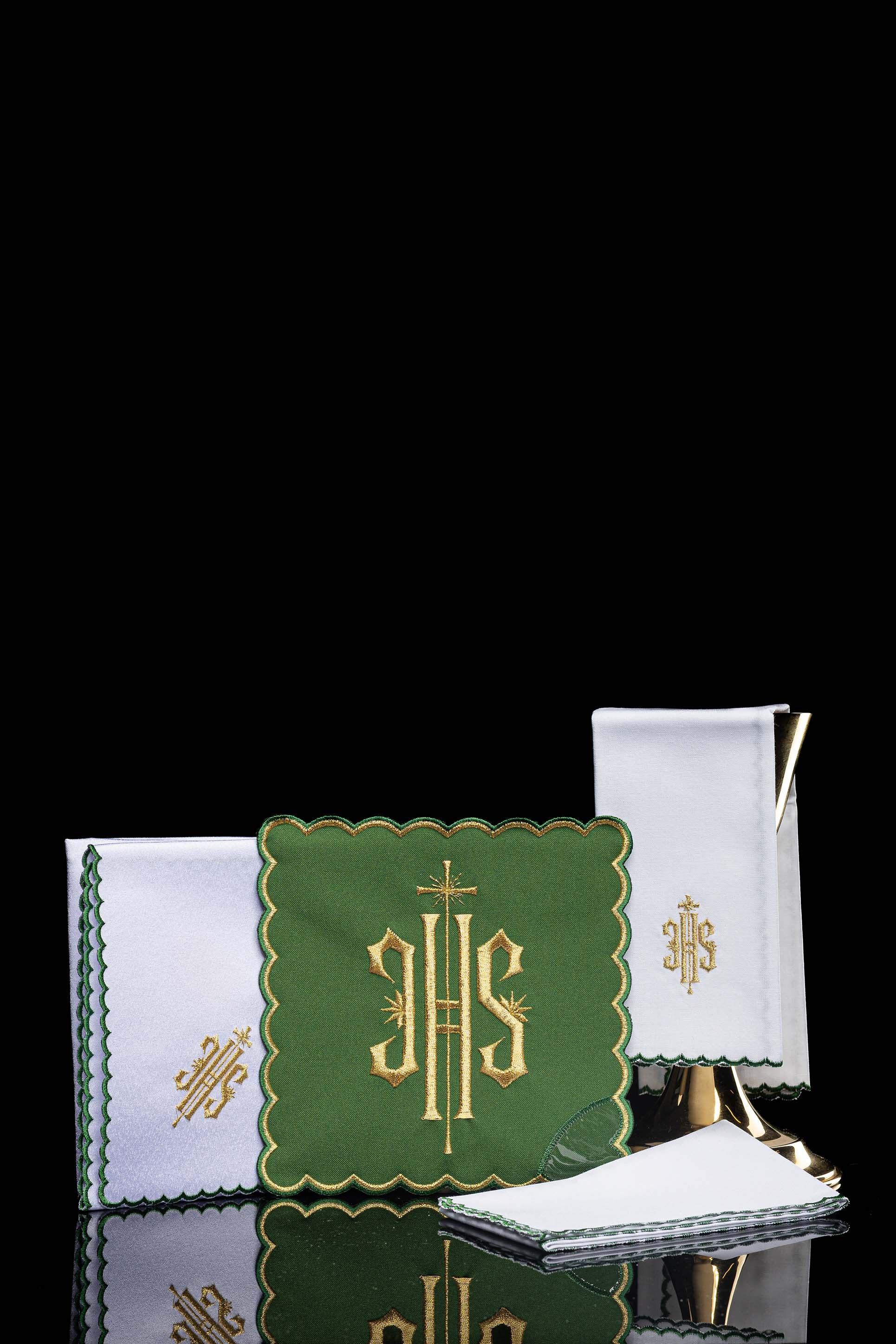
We offer a comprehensive range of altar linens and other church linens to meet the diverse needs of churches and religious institutions. Each item in our collection serves a specific purpose in worship and ceremony. Our collection includes:
-
Altar Cloths: The foundation of your altar setting, available in various sizes, fabrics, and designs.
-
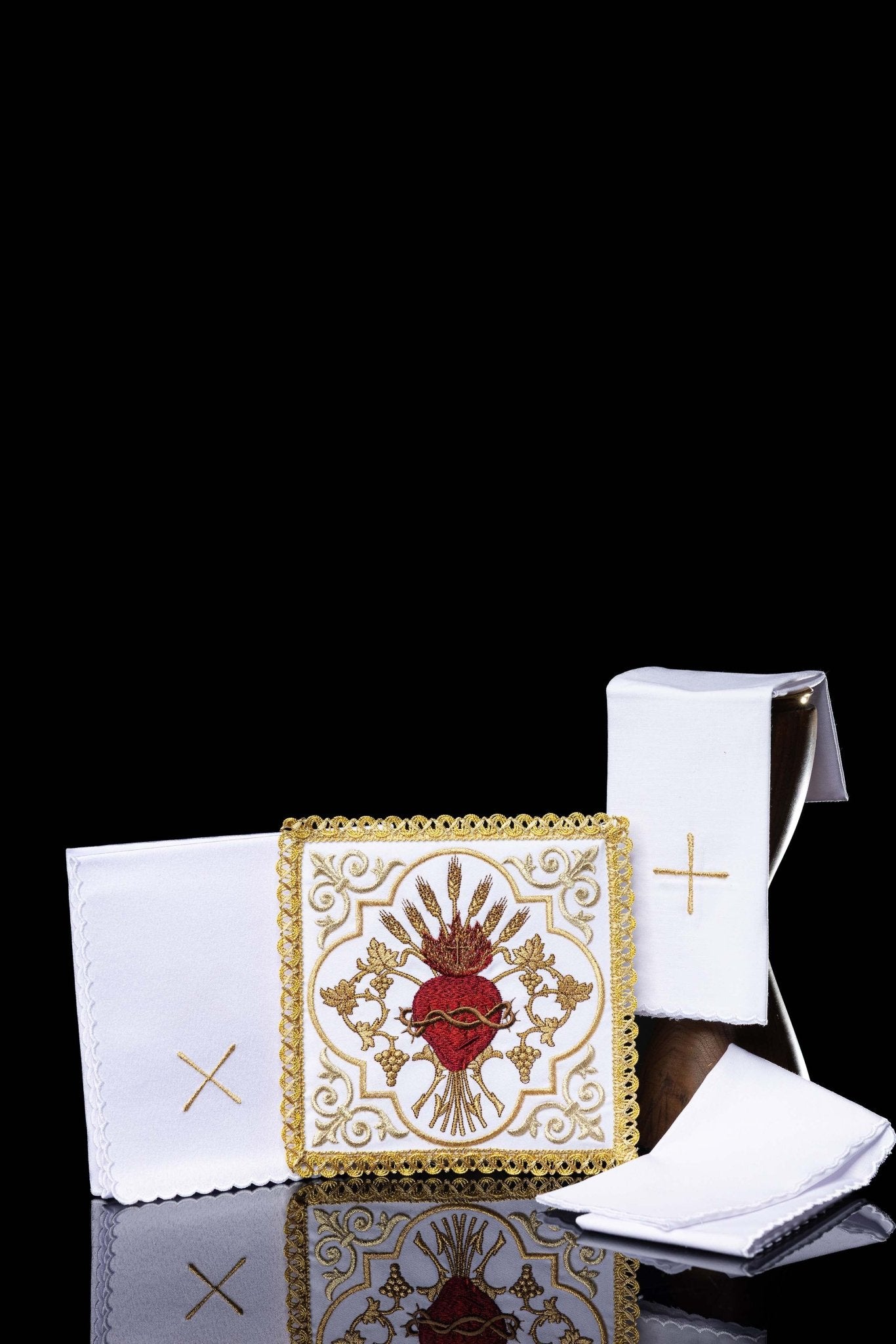
Corporals: Small, square cloths used to protect the consecrated host and chalice.
-
Purificators: Linens used to cleanse the chalice and paten after communion.
-
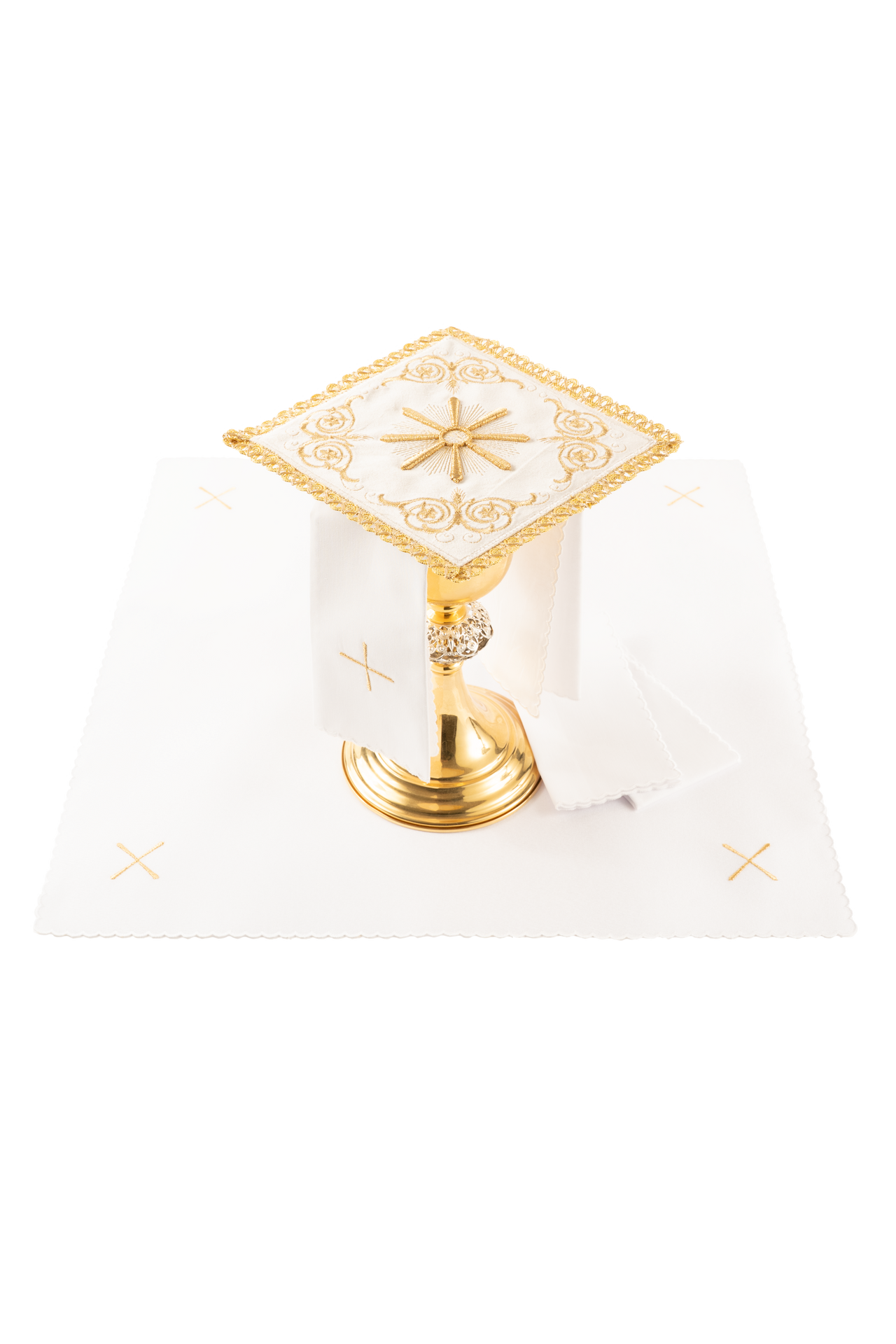
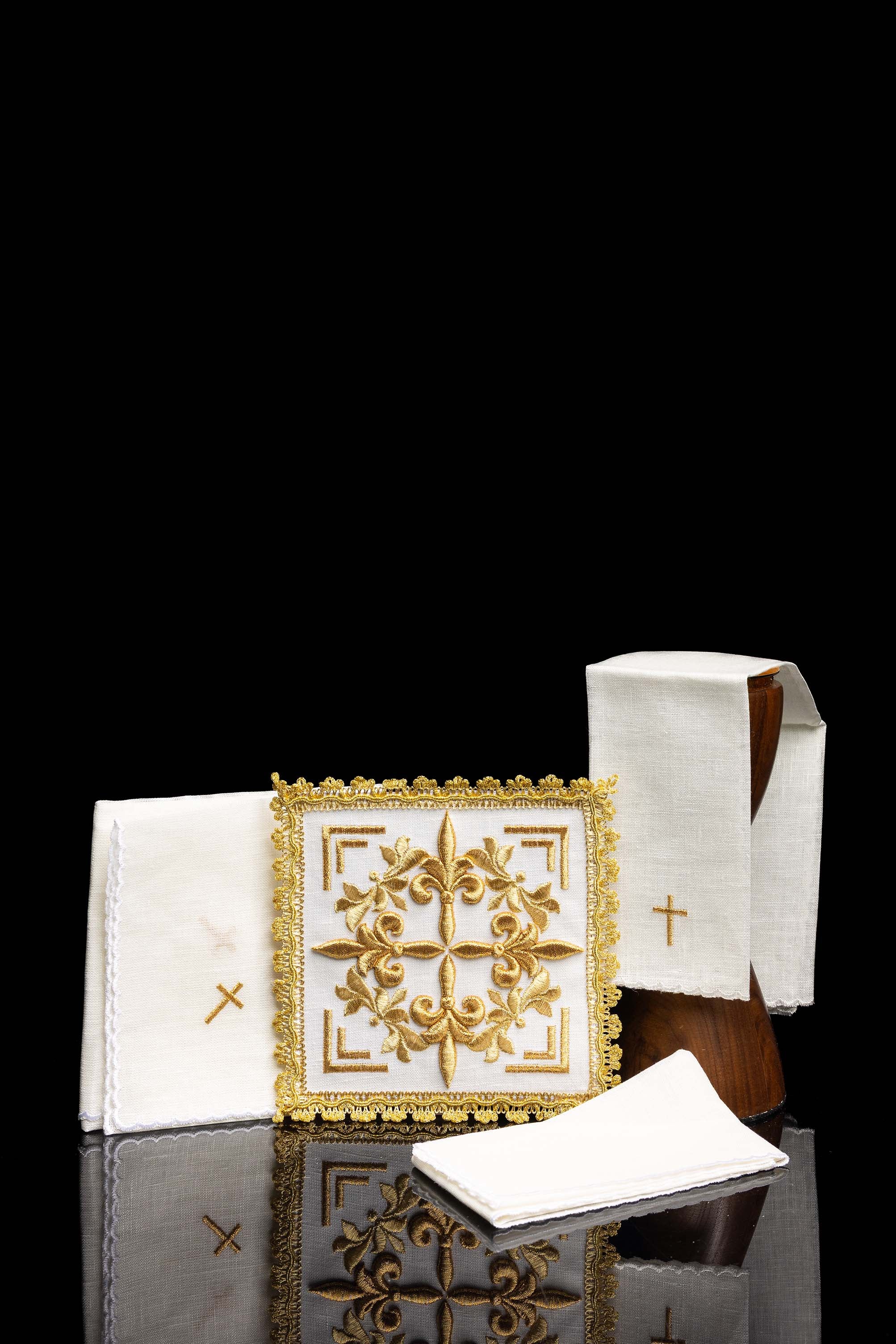
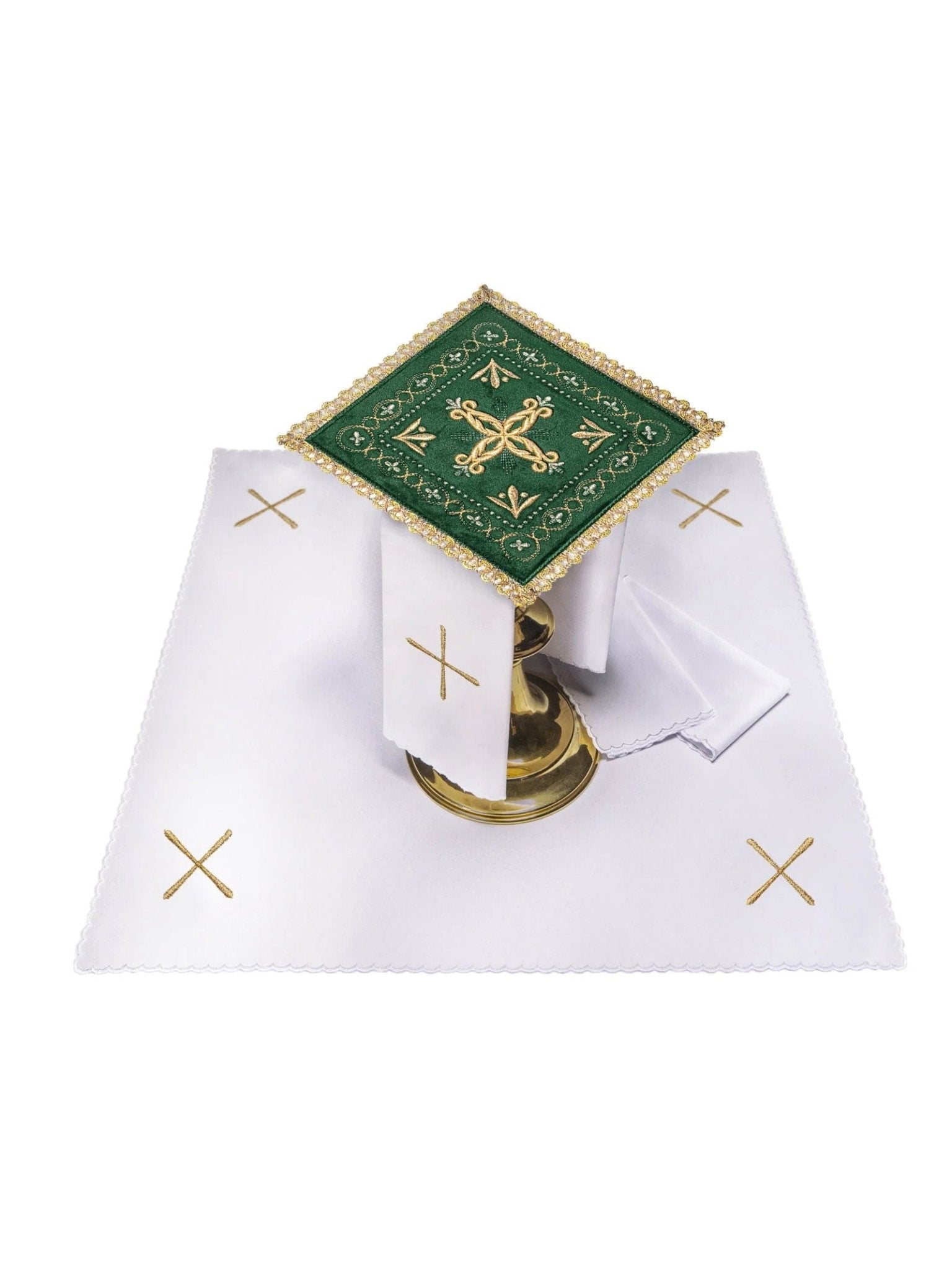
Palls: Stiffened squares of linen used to cover the chalice.
-
Lavabo Towels: Used by the priest to dry his hands during the Lavabo ritual.
-
Altar Frontals: Decorative panels that adorn the front of the altar, often changed according to the liturgical season.
Vestments are another important item used in church services, complementing altar linens and contributing to the reverence of the liturgy.
Altar Cloths: The Foundation of Your Altar Setting
The altar cloth is the most prominent of the altar linens, serving as the foundation for the entire altar setting. It is typically a large, rectangular cloth designed to completely cover the altar table, with careful attention to both the length and width to ensure a proper fit. The altar is properly covered by the cloth, with all edges draped appropriately for reverence and neatness. Embroidery or ornamentation is often placed near the front edge or at the center of the altar cloth, highlighting important religious symbols. The edge of the cloth is usually finished with special techniques or trims to enhance durability and appearance. Altar cloths are available in a variety of sizes, fabrics, and designs to suit the specific needs and aesthetic preferences of your church.
Choosing the Right Altar Cloth
When selecting an altar cloth, consider the following factors:
-
Size: Measure both the length and width of the top of your altar carefully to ensure that the cloth will fit properly. The cloth should drape evenly on all sides.
-
Fabric: Linen and cotton are the most common fabrics for altar cloths, known for their durability, absorbency, and natural beauty. Polyester blends are also available for added wrinkle resistance.
-
Design: Choose a design that complements the overall aesthetic of your worship space. Embroidery is often placed at the center or along the edge of the cloth, with options ranging from simple, unadorned cloths to elaborately embroidered designs featuring religious symbols.
-
Liturgical Season: Consider having different altar cloths for different liturgical seasons, reflecting the changing themes and colors of the church year.
Corporals: Protecting the Sacred Host and Chalice
The corporal is a small, square linen cloth that is placed beneath the chalice and paten on the altar during the consecration of the Eucharist. Its primary purpose is to protect the body of Christ—the Sacred Host—during Mass and to prevent any possible contamination of the consecrated elements. The corporal is prepared according to prescribed liturgical guidelines, ensuring it is reverently handled and properly blessed. Corporals are typically made of white linen and are carefully folded before and after use.
The Significance of the Corporal
The corporal holds a special significance in the liturgy, serving as a sign of reverence and representing the burial cloth of Christ. It is also a memorial of Christ's sacrifice, reminding the faithful of the sacred nature of the Eucharistic celebration. The blessing of the corporal follows a prescribed form in the liturgy, specifically the 'Benedictio corporalium' from the Rituale Romanum. It is treated with great reverence and is always handled with care. After use, the corporal is carefully folded in a specific manner to ensure that any remaining particles of the host or wine are safely contained.
Purificators: Cleansing the Sacred Vessels
Purificators are small, rectangular linen cloths used to cleanse the chalice and paten after communion. The priest uses the purificator to carefully wipe the inside of the chalice and paten, removing any remaining traces of the consecrated wine and bread. Purificators must be properly prepared before each use to ensure reverence and suitability for the liturgy. They are typically made of white linen and are laundered separately from other linens; before being washed, purificators should be rinsed in a sacrarium.
Maintaining Hygiene and Reverence
Priests are responsible for ensuring that purificators are properly prepared and used with reverence during the Eucharist. The use of purificators is essential for maintaining hygiene and demonstrating reverence for the Eucharist. By carefully cleansing the sacred vessels, the priest ensures that no particles of the consecrated elements are left behind, showing respect for the sacredness of the sacrament.
Palls: Covering the Chalice with Dignity
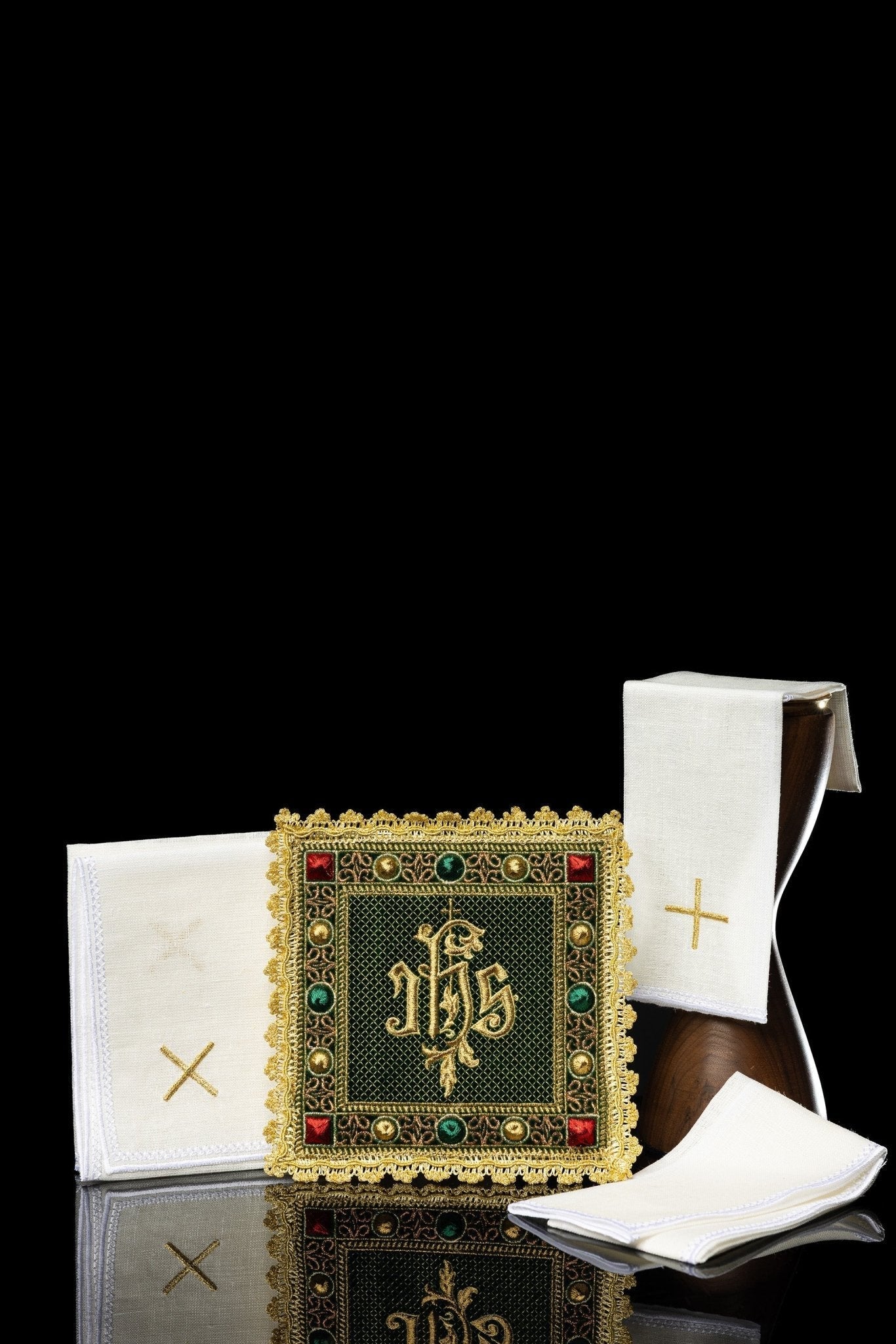
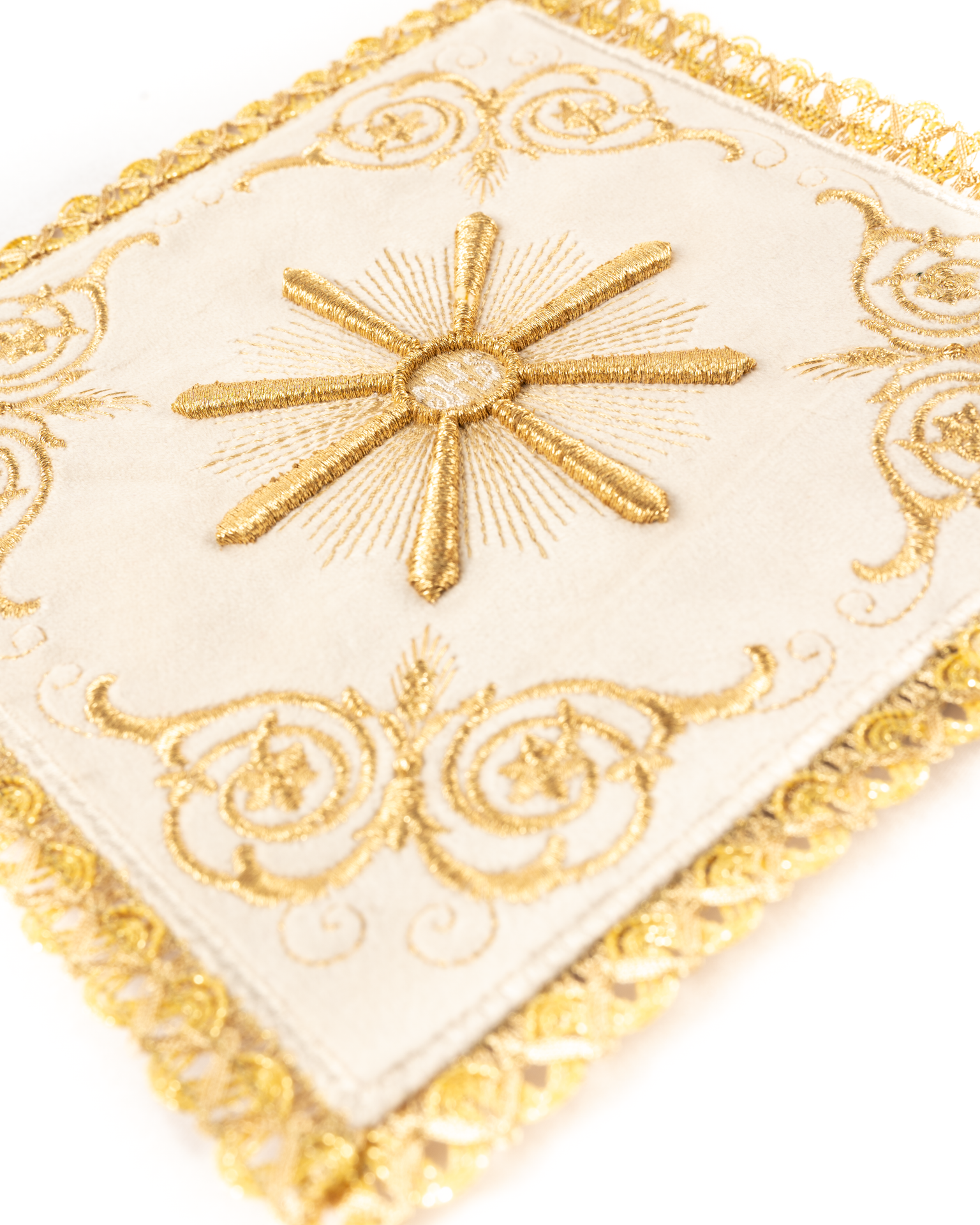
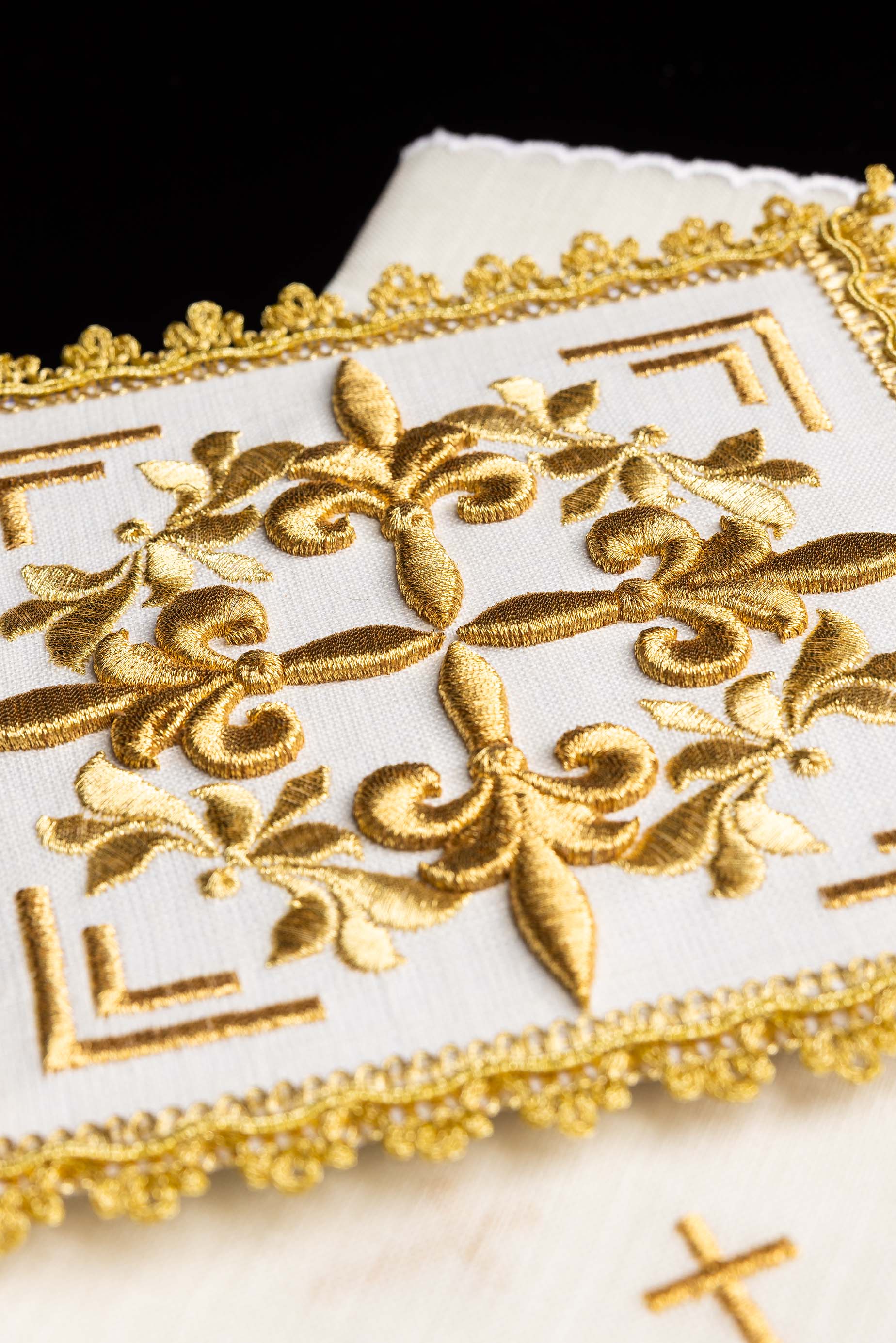
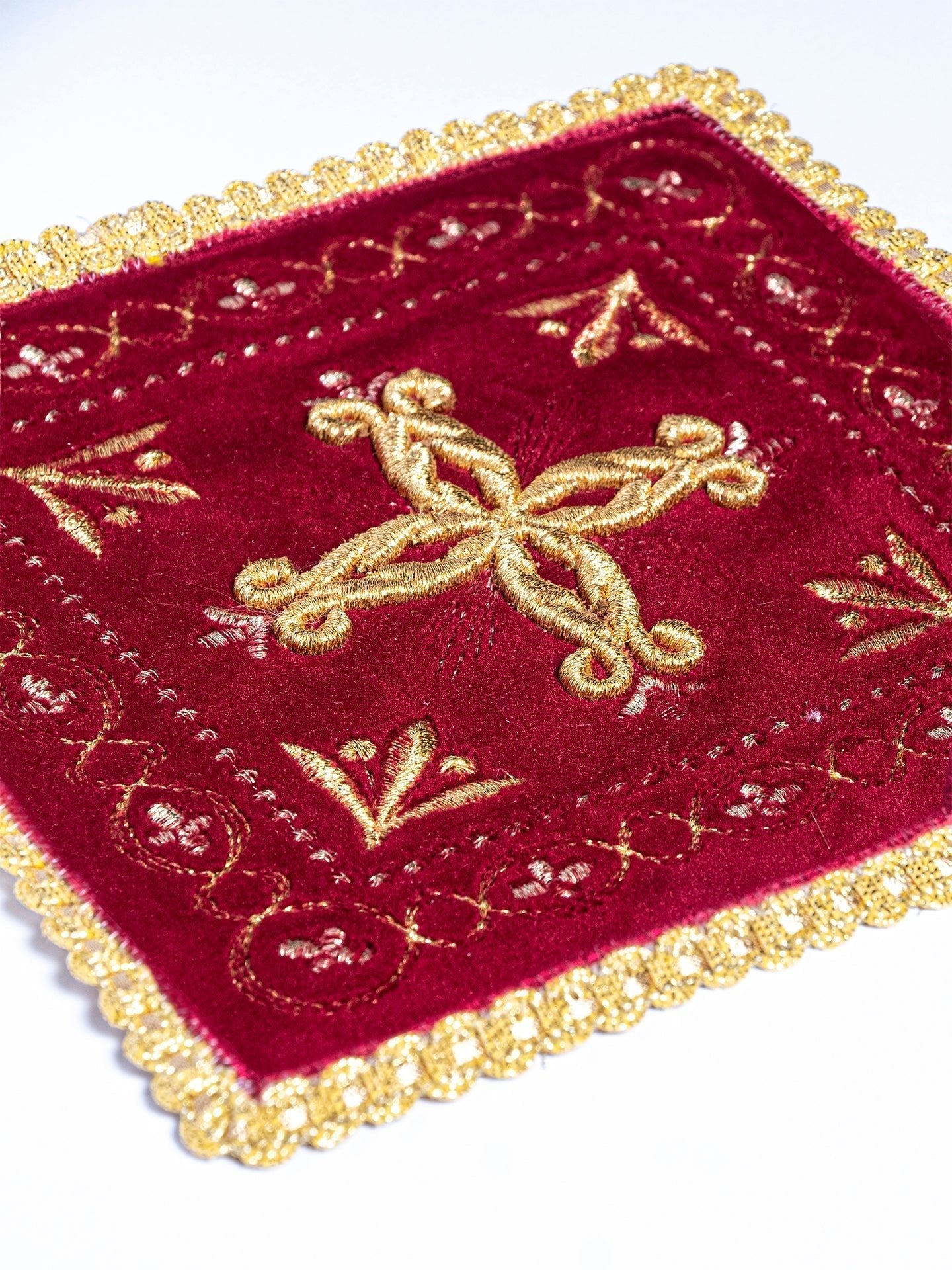
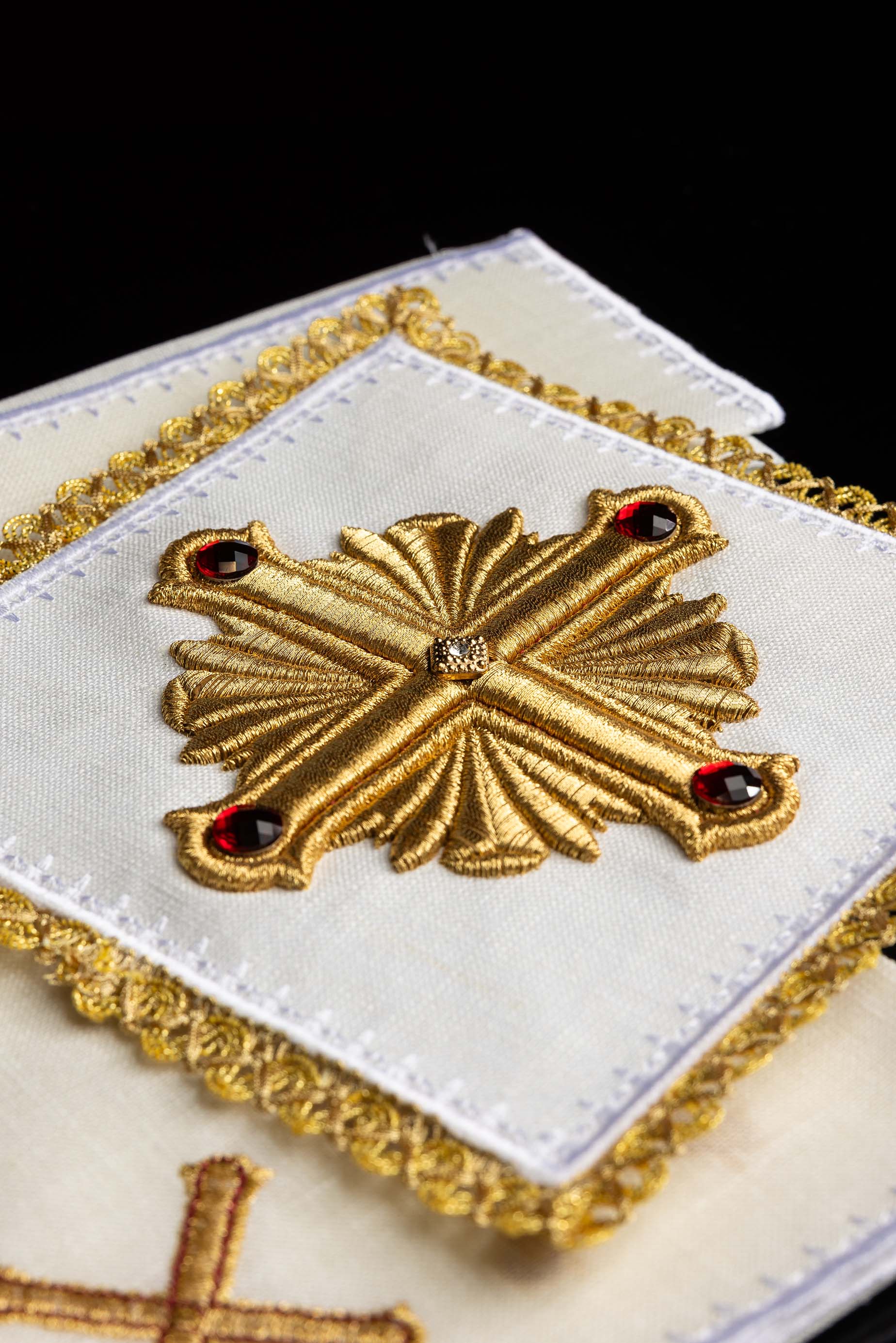
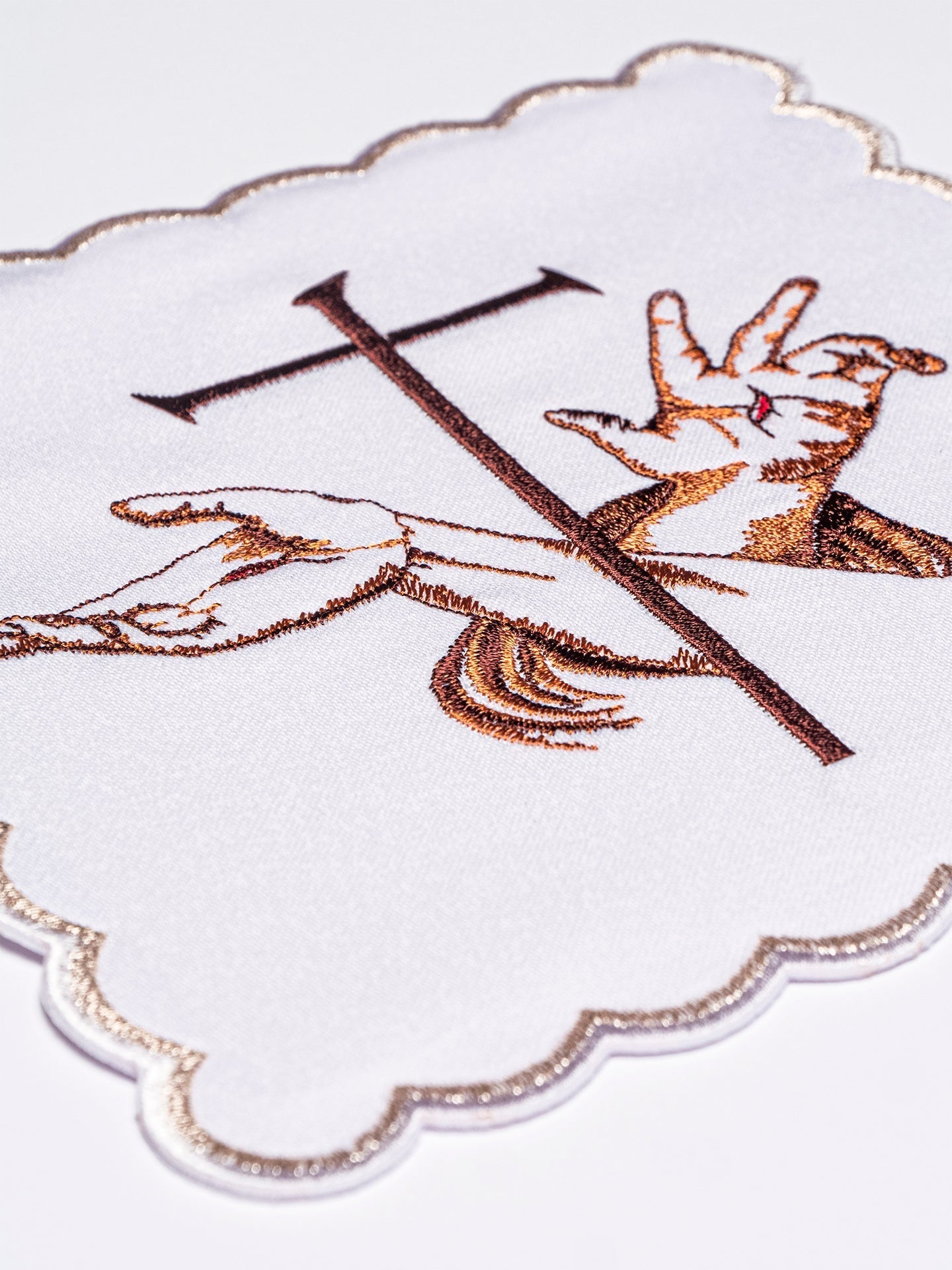
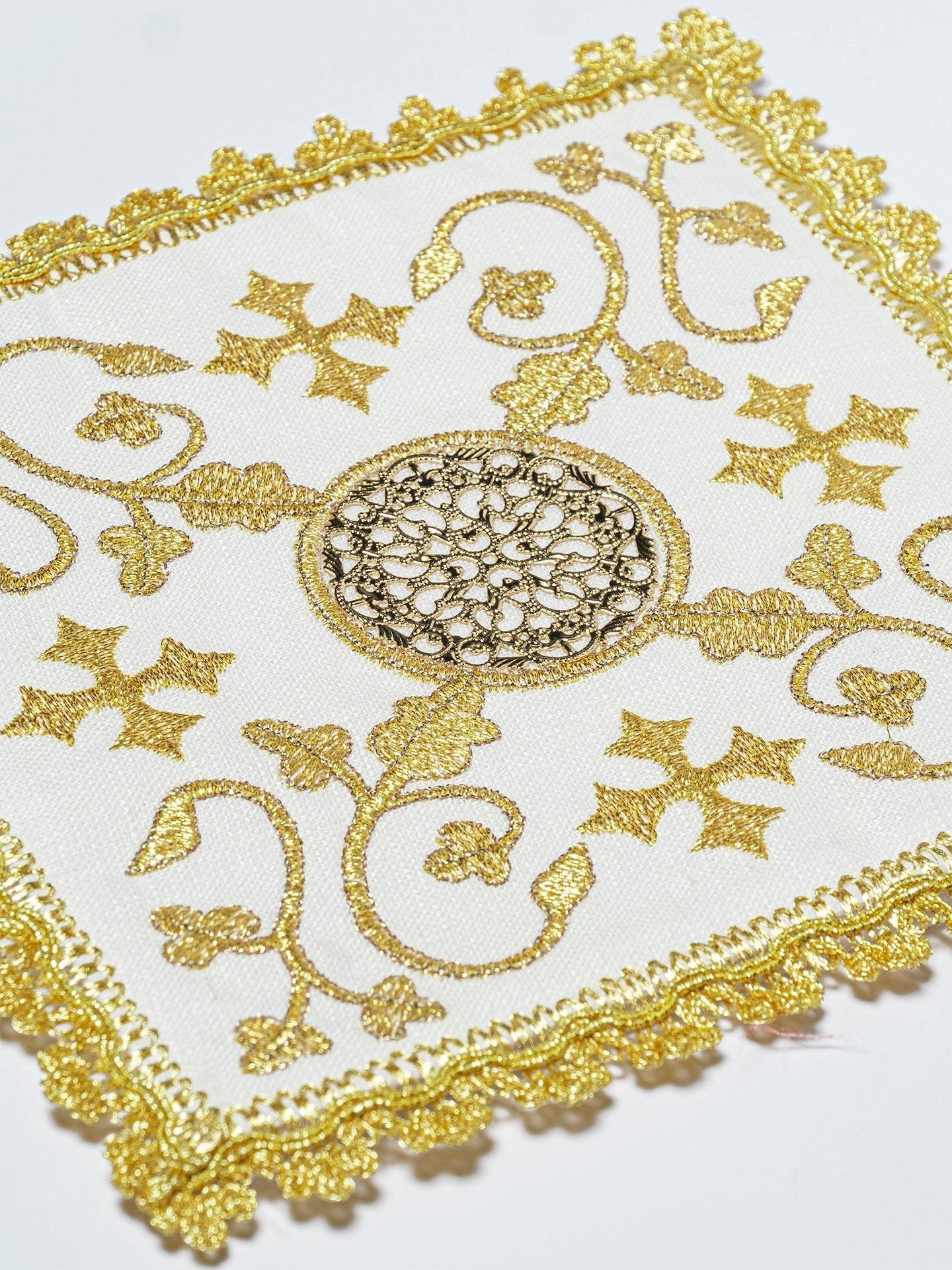
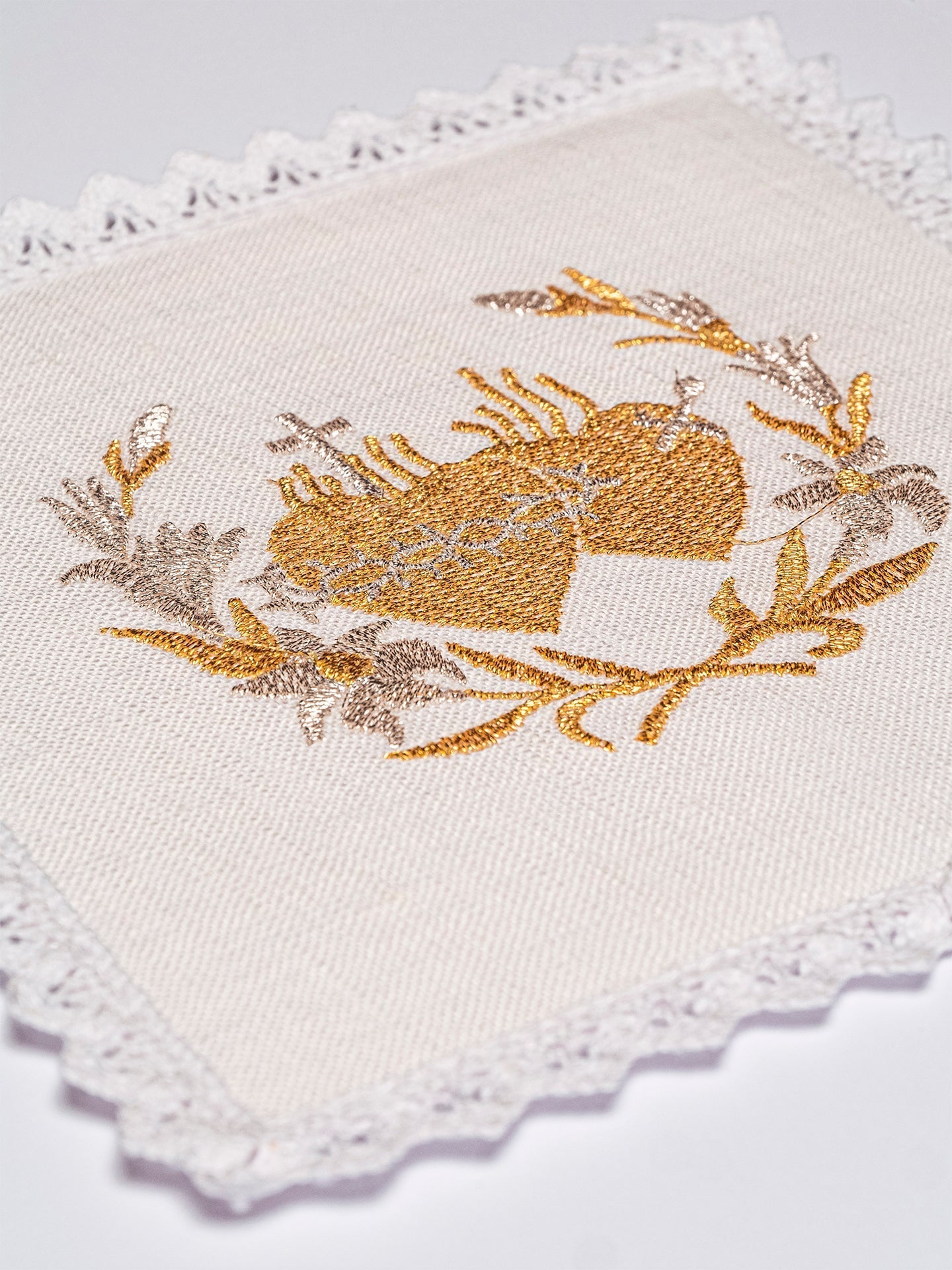
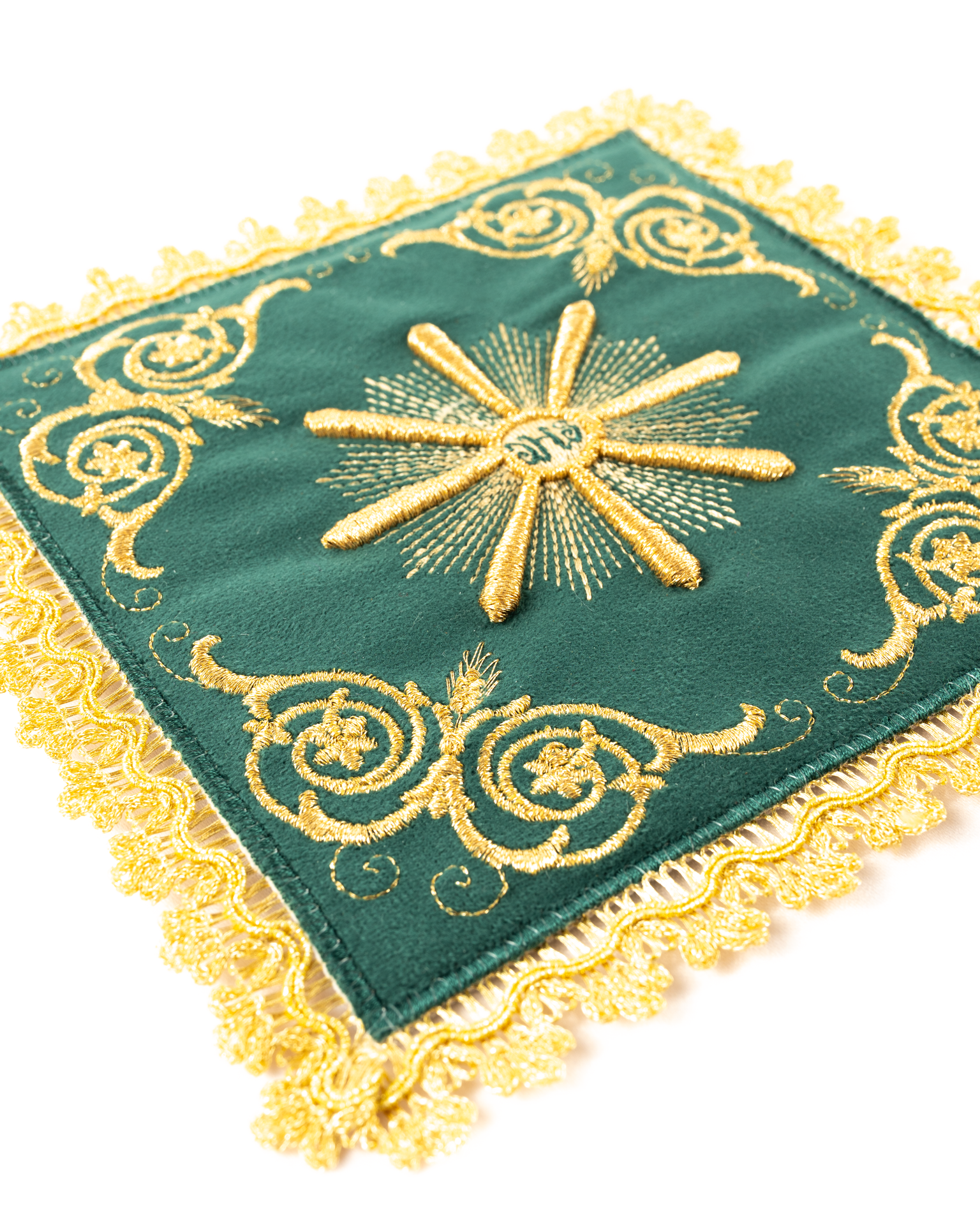
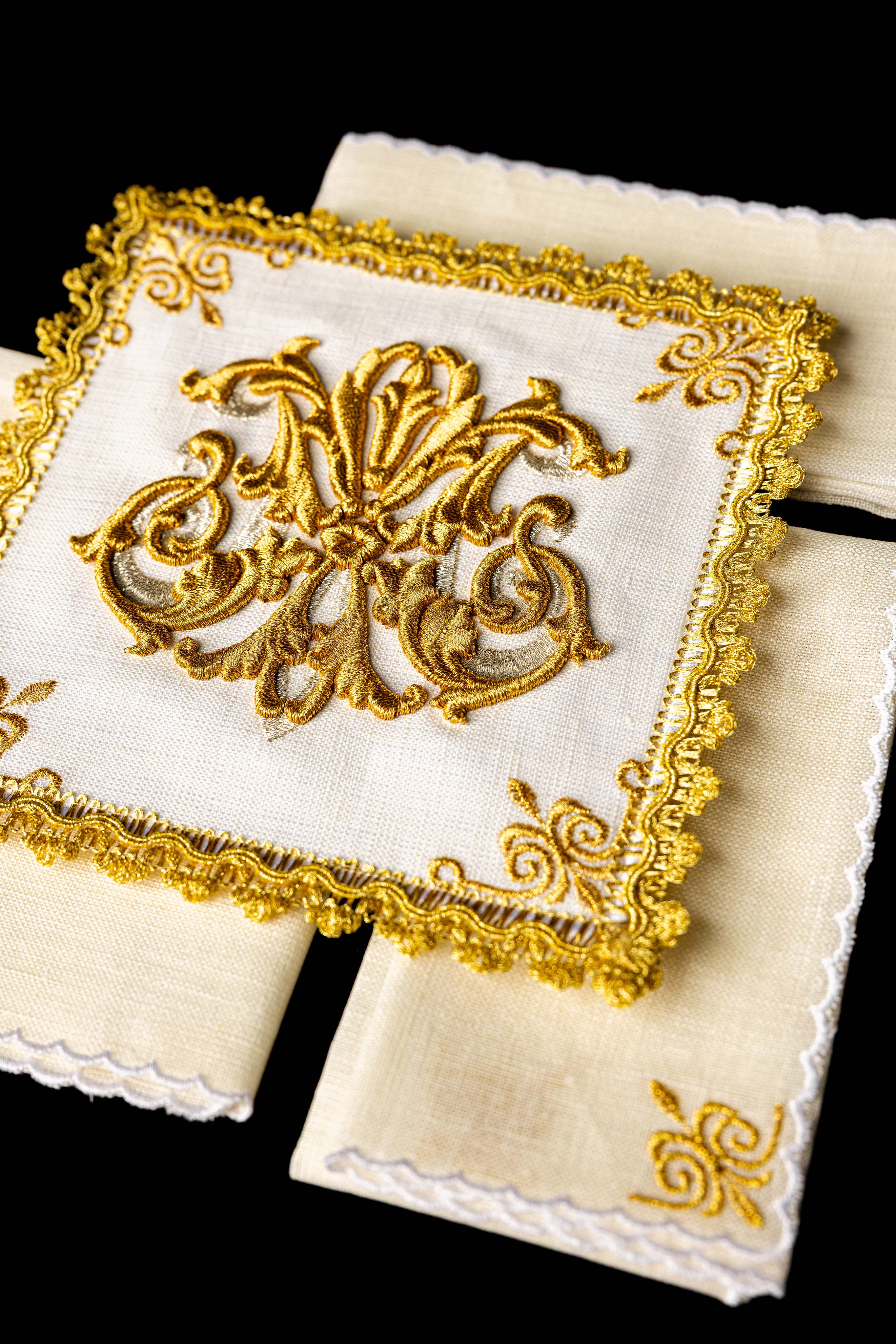
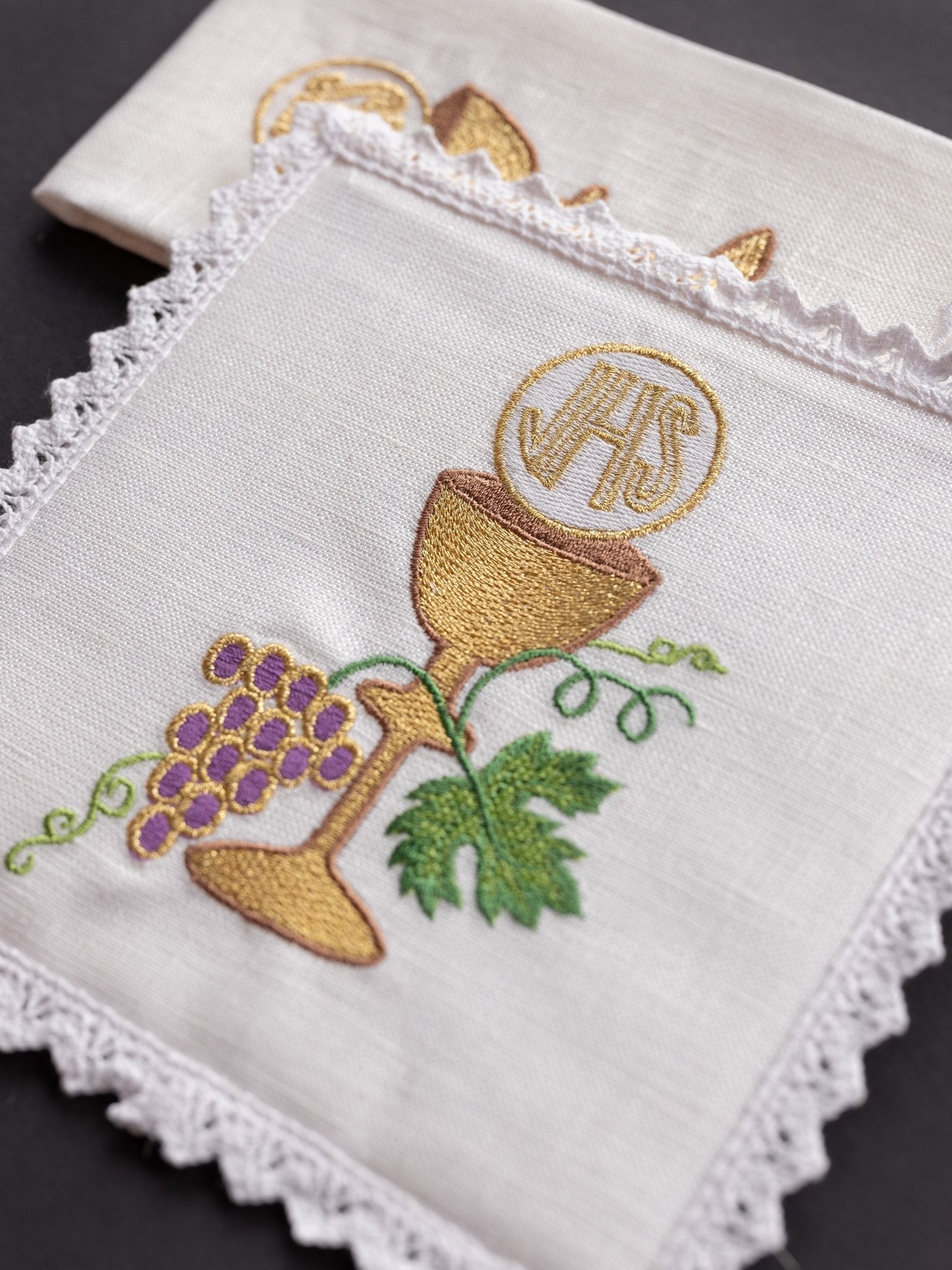
A pall is a stiffened square of linen, often overlaid with cardboard or plastic, used to ensure the chalice is properly covered during Mass. It prevents dust, insects, or other foreign objects from falling into the consecrated wine. The edge of the pall is carefully finished for durability and to maintain a neat appearance. The use and design of the pall are often prescribed by liturgical guidelines, ensuring it meets specific requirements for reverence and function. Palls are often adorned with embroidery or other decorative elements, adding to the visual richness of the altar setting.
Selecting the Right Pall
When choosing a pall, consider the following factors:
-
Size: The pall should be large enough to completely cover the top of the chalice; consider both the width and length to ensure proper fit.
-
Material: The linen should be of high quality and easy to clean.
-
Design: Choose a design that complements the overall aesthetic of your altar linens.
-
Durability: The pall should be sturdy enough to withstand regular use, and a well-finished edge will contribute to its longevity.
Lavabo Towels: A Symbol of Purification
Lavabo towels are small hand towels used by the priest during the Lavabo, the washing of hands, ritual during the Mass. This act symbolizes purification and cleansing of the priest before continuing the Eucharistic Prayer. These towels are typically made of linen or cotton and are often embroidered with a simple cross or other religious symbol. Women and church groups frequently contribute their skills to sewing lavabo towels and other altar linens, fostering community and stewardship within the church.
The Importance of the Lavabo
The Lavabo is a reminder of the need for inner purity and preparation before approaching the altar. By washing his hands, the priest symbolically cleanses himself of any imperfections or distractions, allowing him to focus fully on the sacred task at hand.
Altar Frontals: Adding Liturgical Color and Beauty
Altar frontals are decorative panels that hang on the front of the altar. They may feature a variety of colours, including gold accents and embroidered motifs such as grain or Marian symbols, enhancing both the visual appeal and symbolic meaning of the altar. The center of the frontal is often the focal point for significant religious imagery, such as a cross or Marian emblem. Altar frontals are often changed according to the liturgical season, reflecting the changing themes and colors of the church year. They can be made of a variety of materials, including linen, silk, and velvet, and are often adorned with elaborate embroidery or other decorative elements.
The Liturgical Colors and Their Meanings
The liturgical colors used in altar frontals have specific meanings, representing different aspects of the Christian faith:
-
White: Represents purity, joy, and resurrection. Used during Easter and Christmas seasons.
-
Red: Represents blood, fire, and the Holy Spirit. Used on Pentecost, feasts of martyrs, and Good Friday.
-
Green: Represents hope and life. Used during Ordinary Time.
-
Purple: Represents penance and preparation. Used during Advent and Lent.
-
Rose: Represents joy and anticipation. Used on Gaudete Sunday (Advent) and Laetare Sunday (Lent).
Caring for Your Altar Linens
Proper care is essential for maintaining the beauty and longevity of your altar linens. Follow these guidelines to ensure that your linens remain in excellent condition for years to come:
-
Laundering: Altar linens should be properly prepared before each use. Rinse linens in a sacrarium before being washed separately from other linens, using a mild detergent. Avoid using bleach, as it can damage the fabrics.
-
Ironing: After washing, linens should be neatly ironed while still slightly damp, using a low to medium heat setting. Use a pressing cloth to protect delicate embroidery.
-
Storage: Store altar linens in a clean, dry place, away from direct sunlight. Consider using acid-free tissue paper to protect delicate fabrics.
-
Stain Removal: Treat stains promptly to prevent them from setting. Use a gentle stain remover and avoid harsh chemicals.
By carefully preparing, washing, rinsing, and ironing your altar linens, you are preserving their beauty and sacredness for every liturgical celebration.
The Importance of Quality Fabrics
The choice of fabric is crucial for altar linens. High-quality fabrics not only look and feel better but also offer superior durability and longevity. While the price of premium materials may be higher, their lasting quality and refined appearance make them a worthwhile investment. We primarily use natural fibers like linen and cotton, known for their absorbent qualities, resistance to wear, and timeless elegance.
Linen: A Traditional Choice
Linen has been a favored fabric for altar linens for centuries. Its natural fibers offer a beautiful drape, excellent absorbency, and a crisp, clean appearance. Linen also becomes softer and more luxurious with each washing.
Cotton: A Versatile and Practical Option
Cotton is another popular choice for altar linens, offering a soft, comfortable feel and excellent durability. Cotton is also easy to care for and can be laundered frequently without losing its shape or color.
Embroidery and Design: Adding Beauty and Meaning
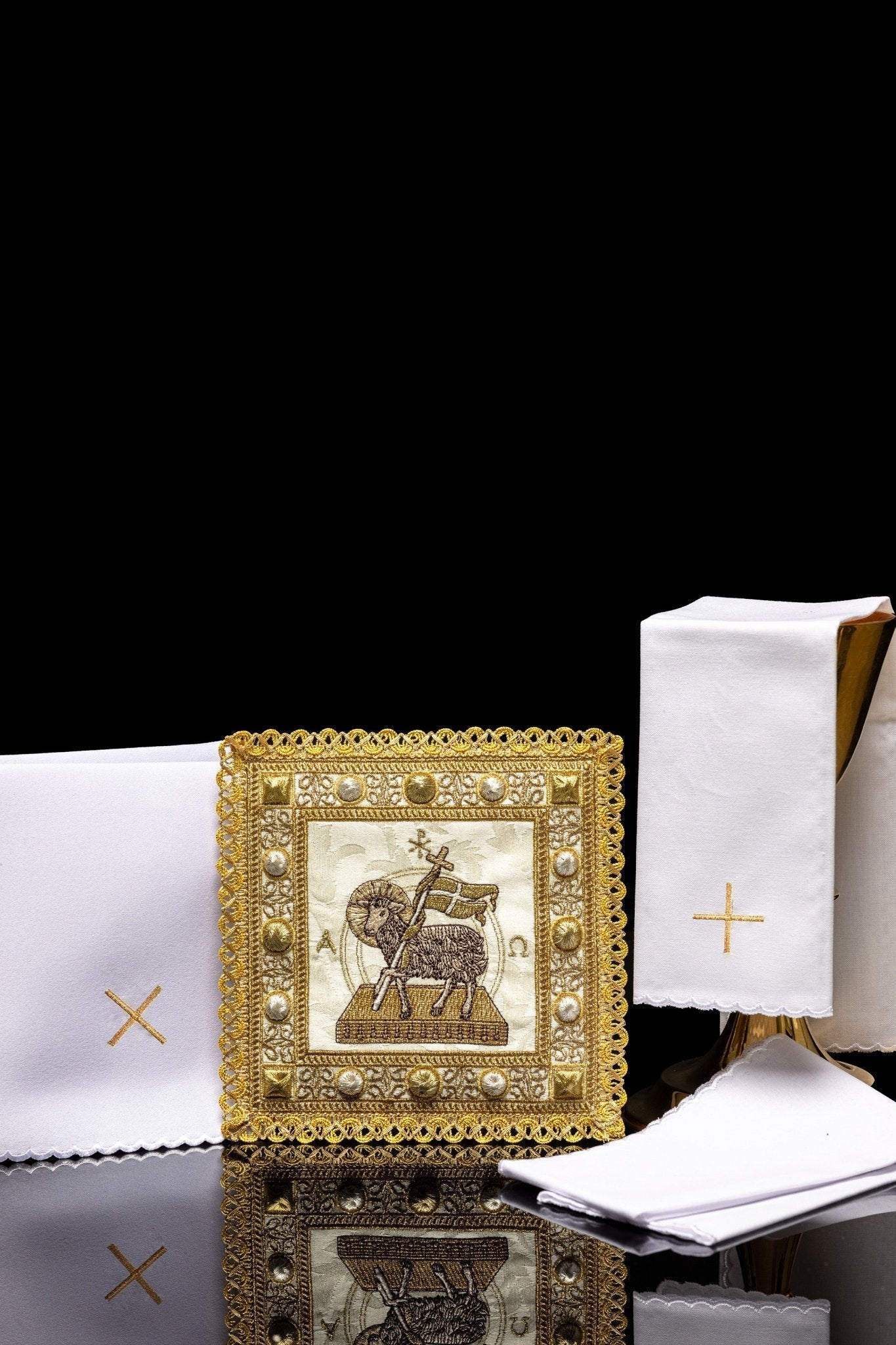
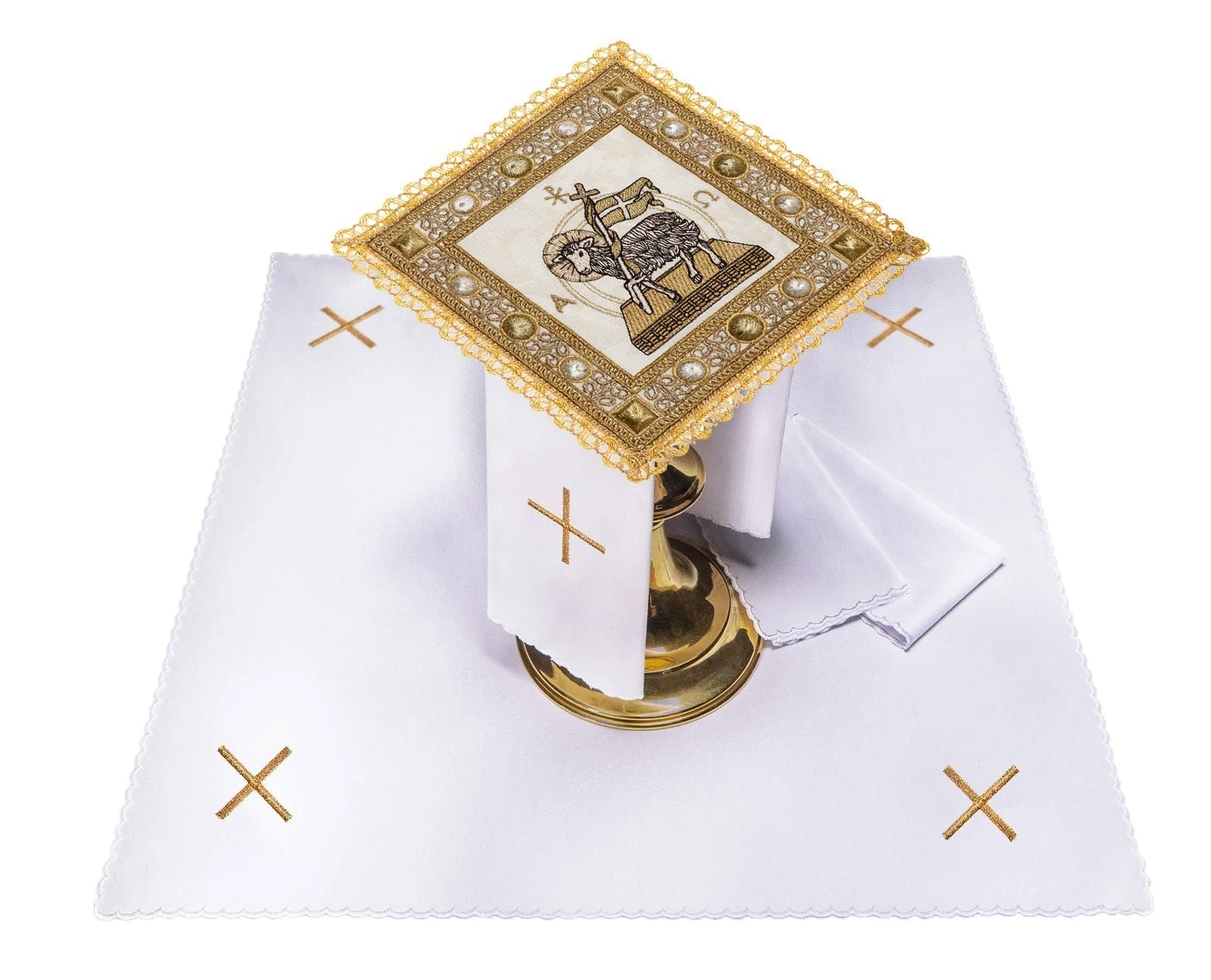
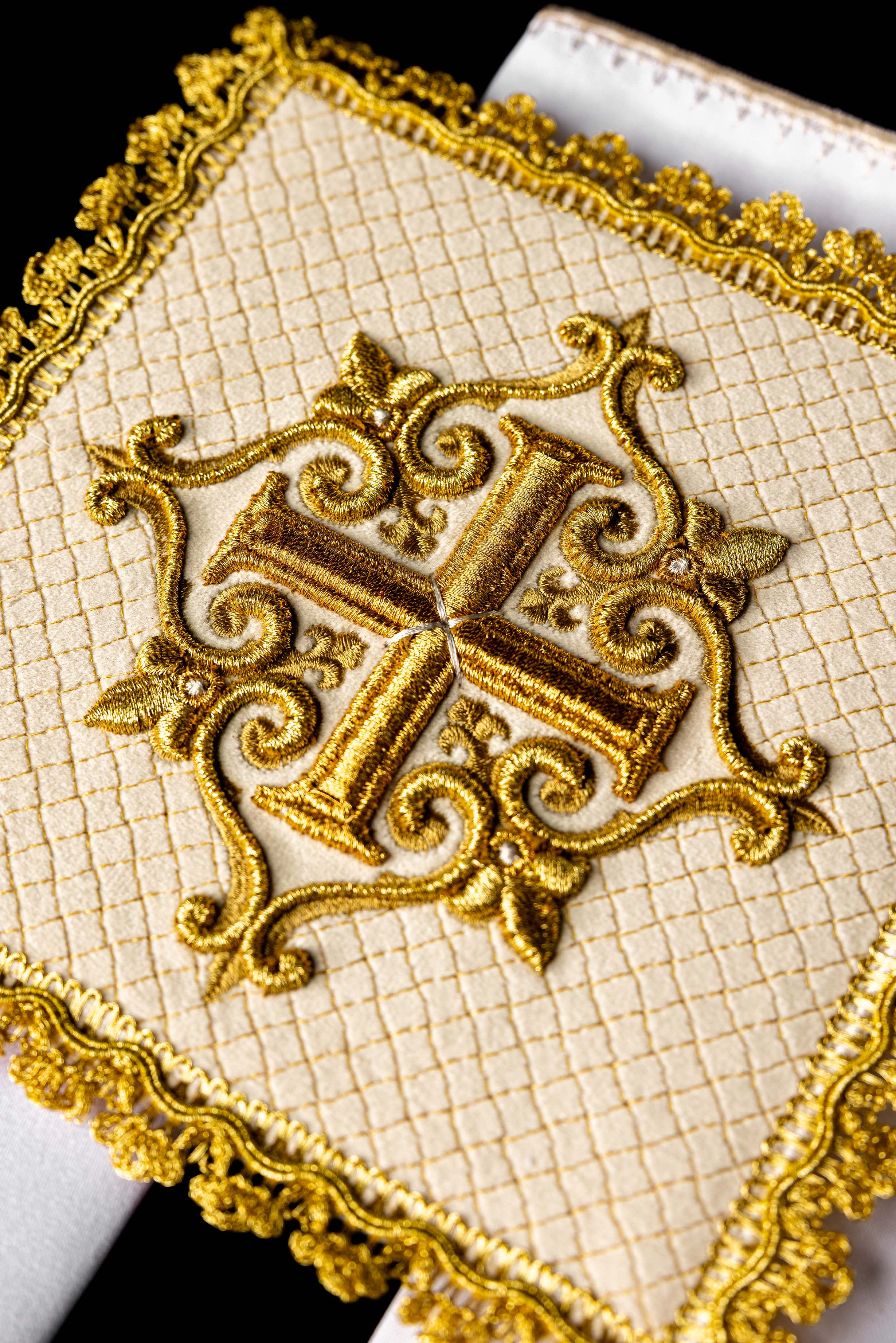
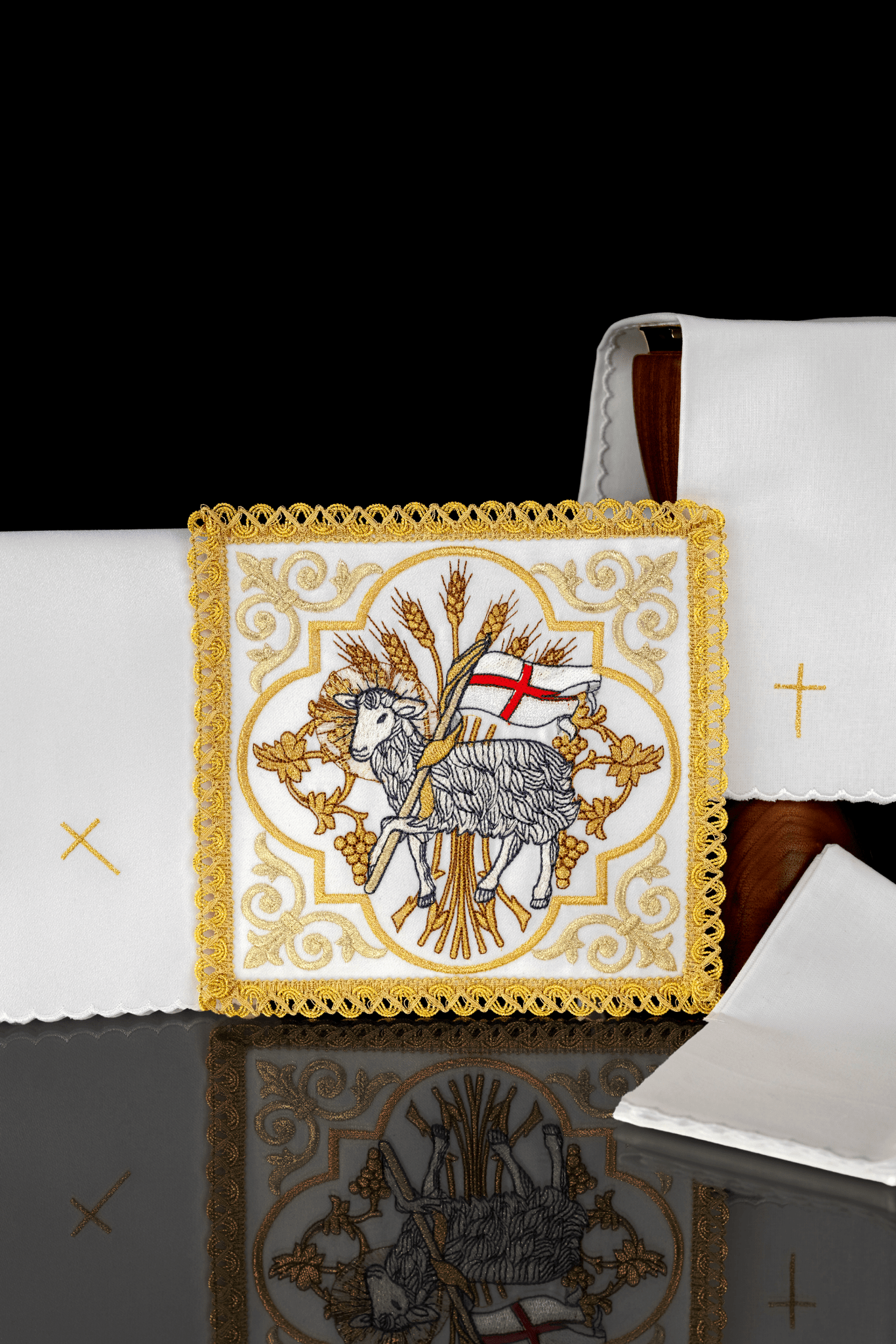
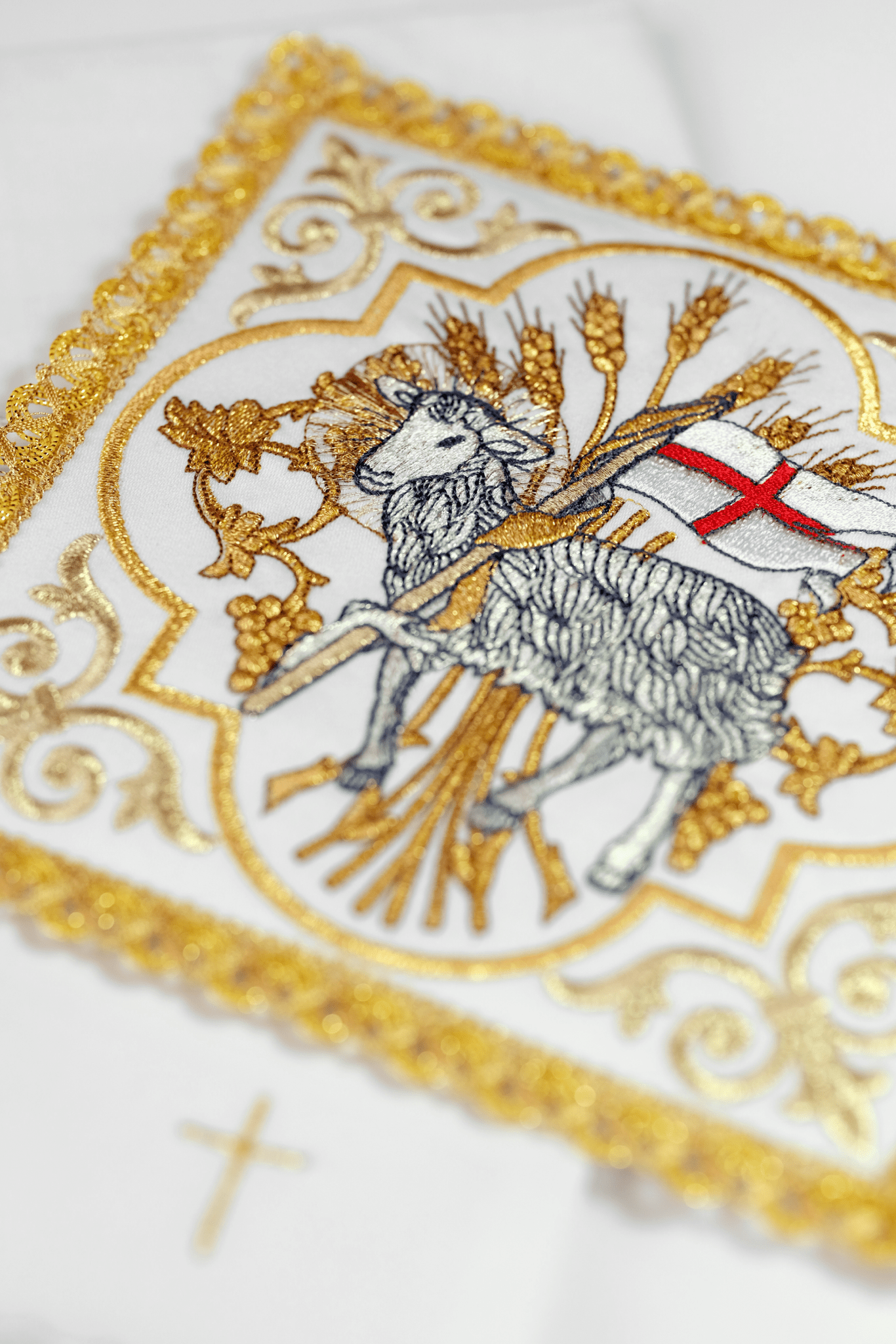
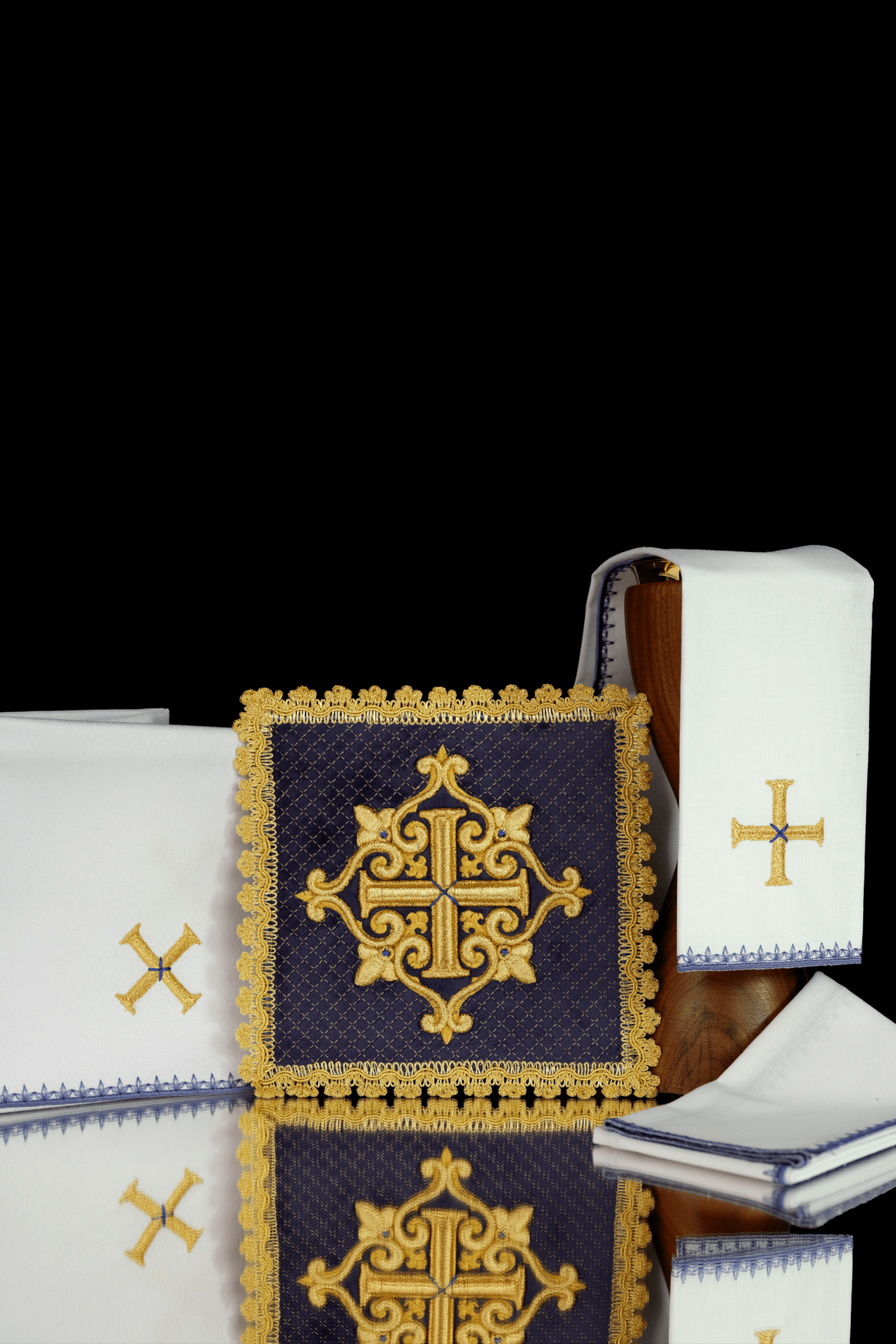
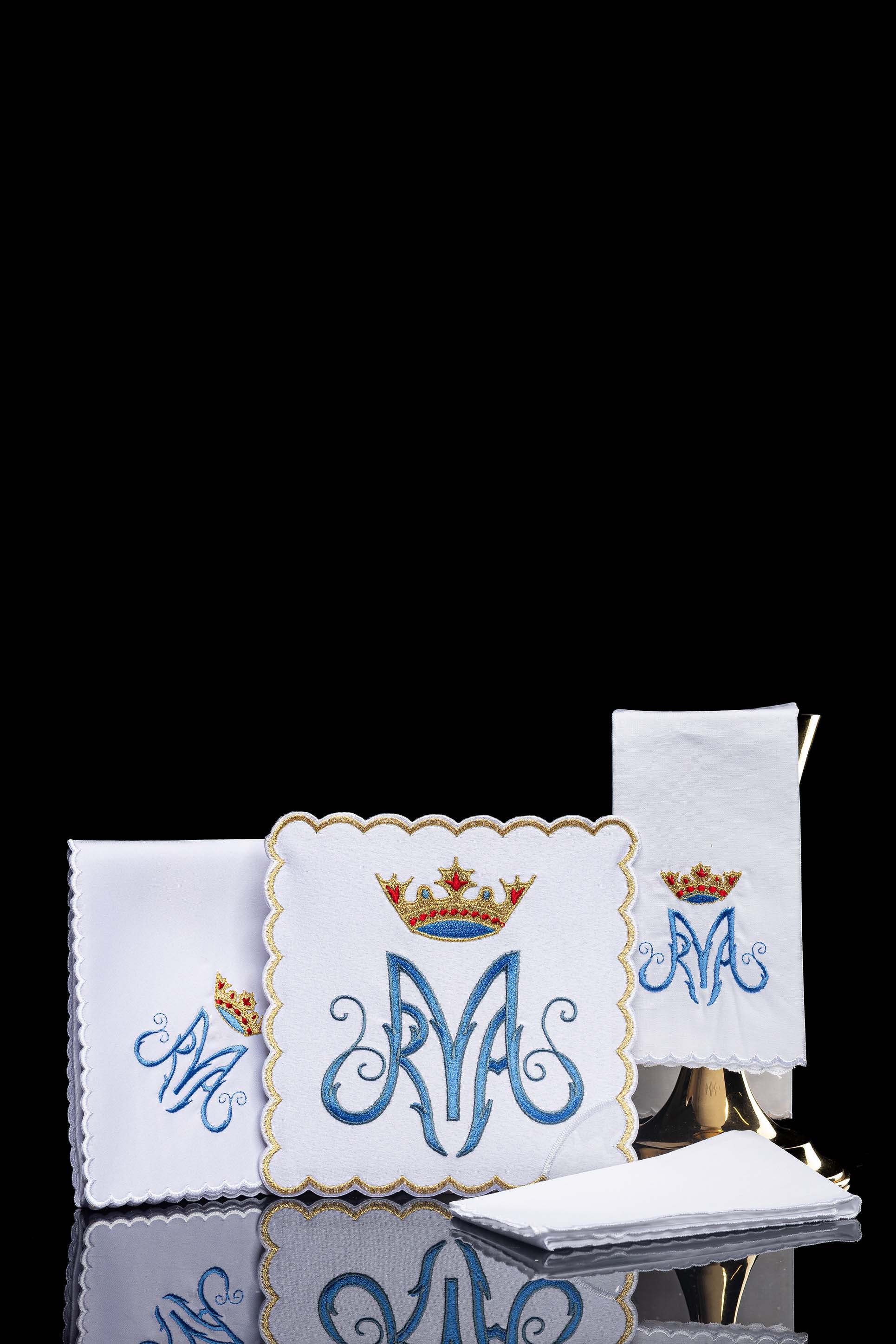
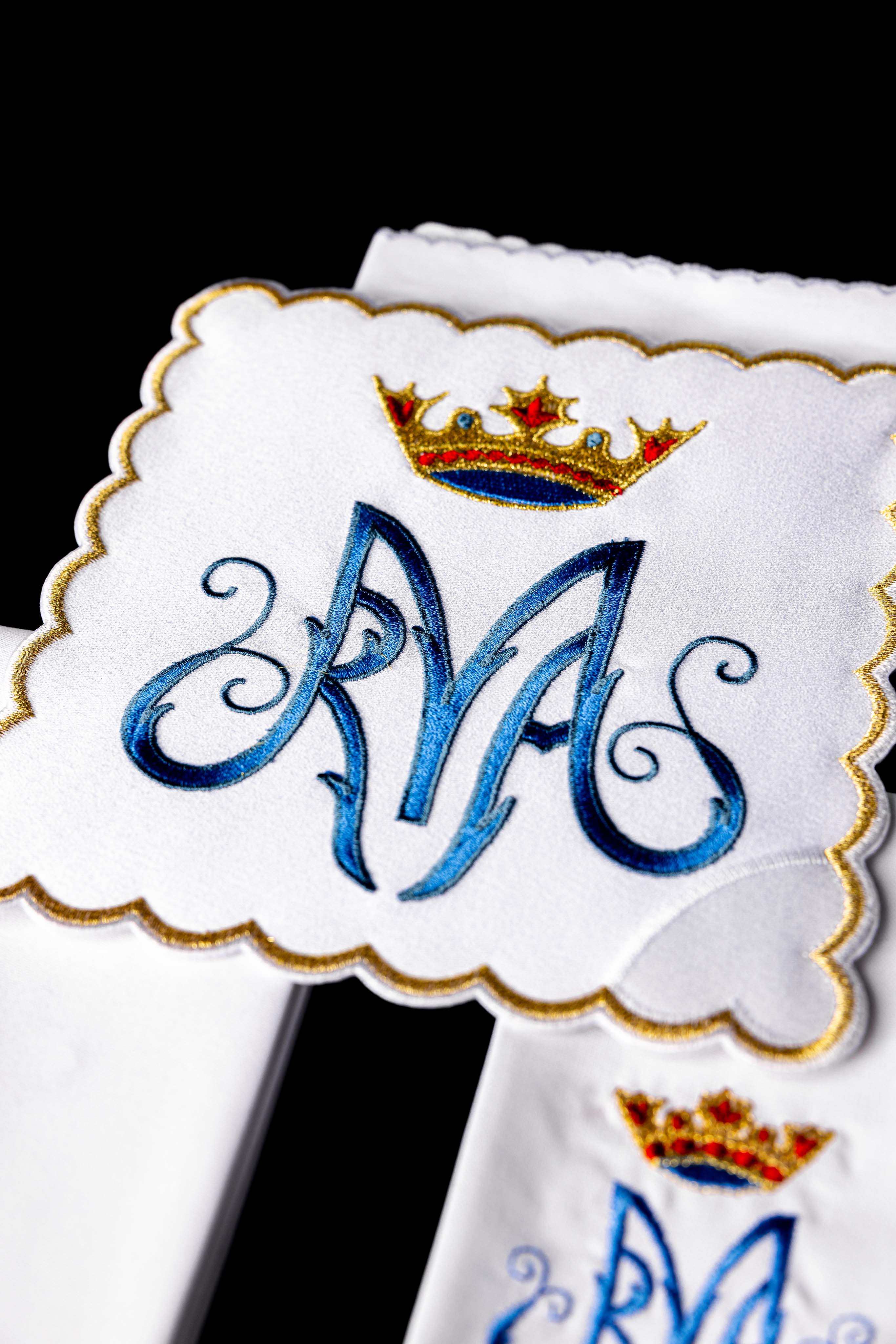
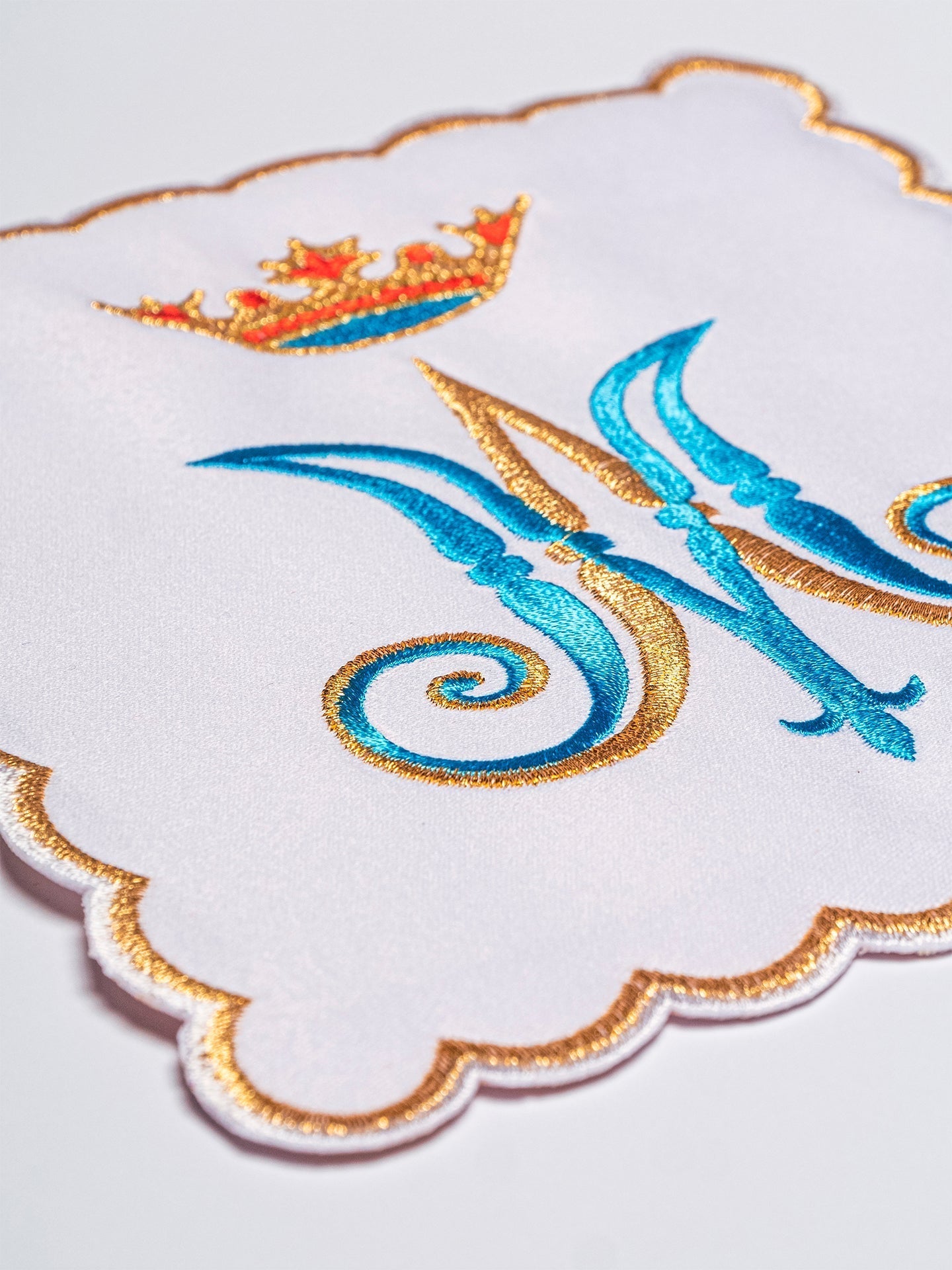
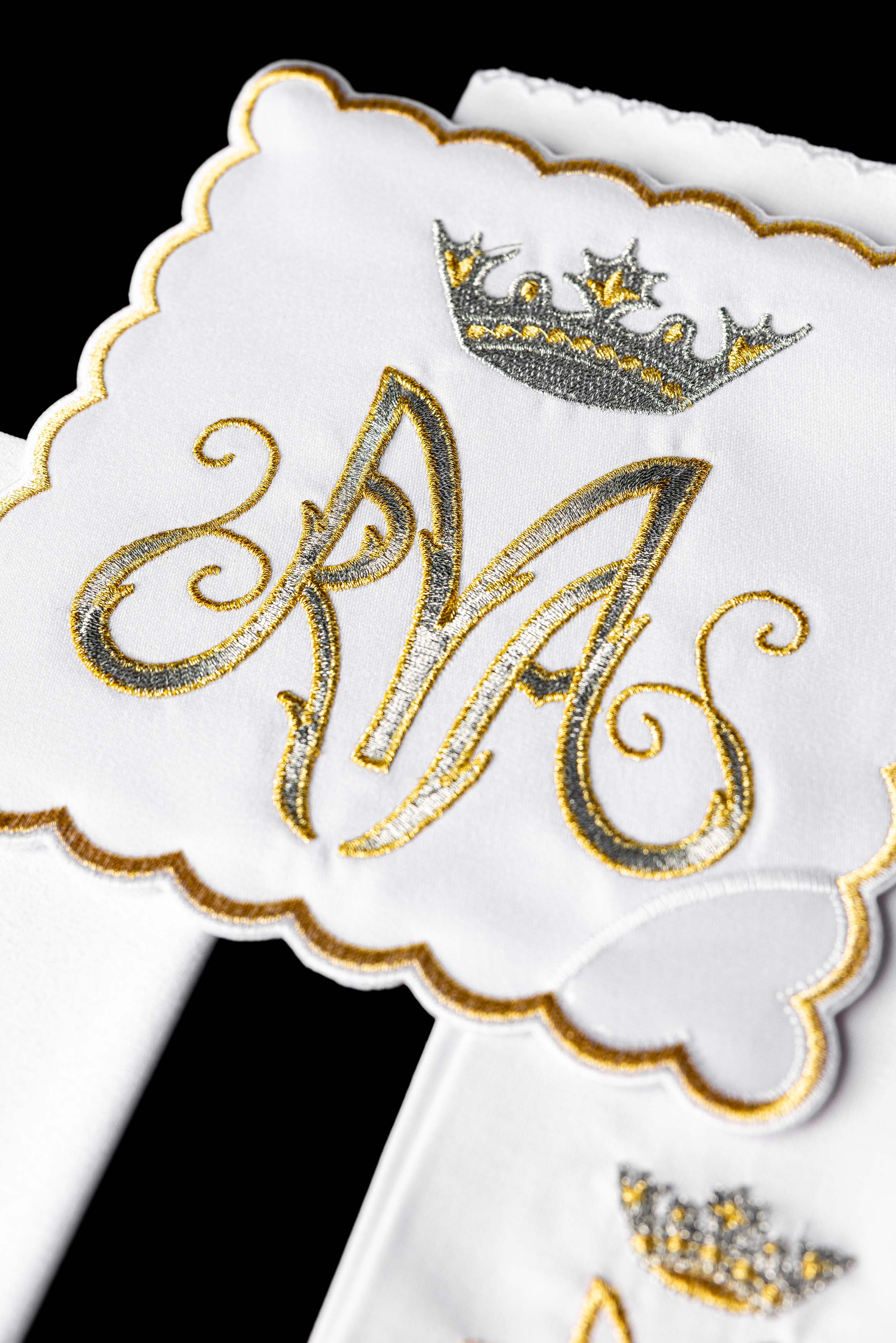
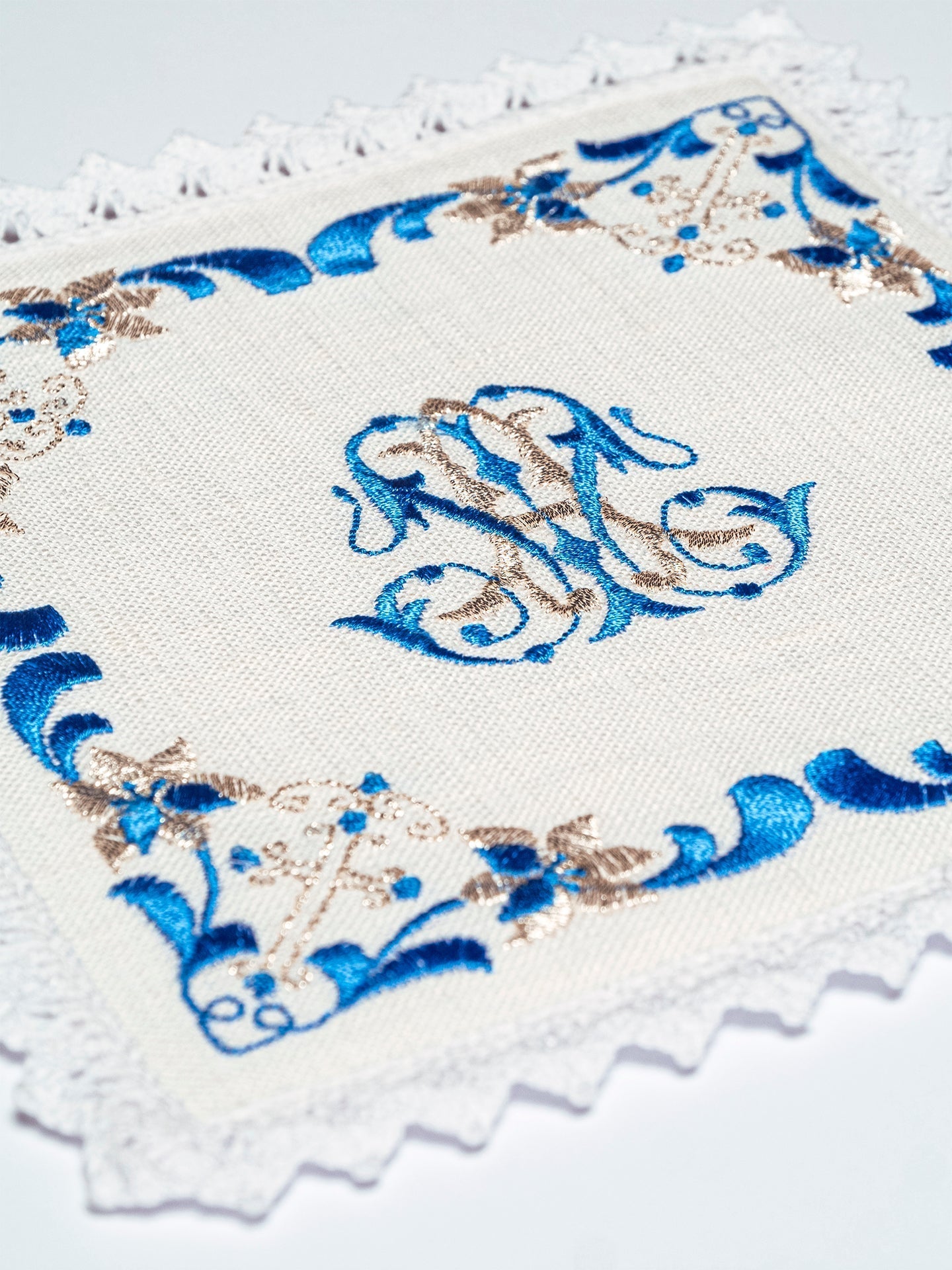
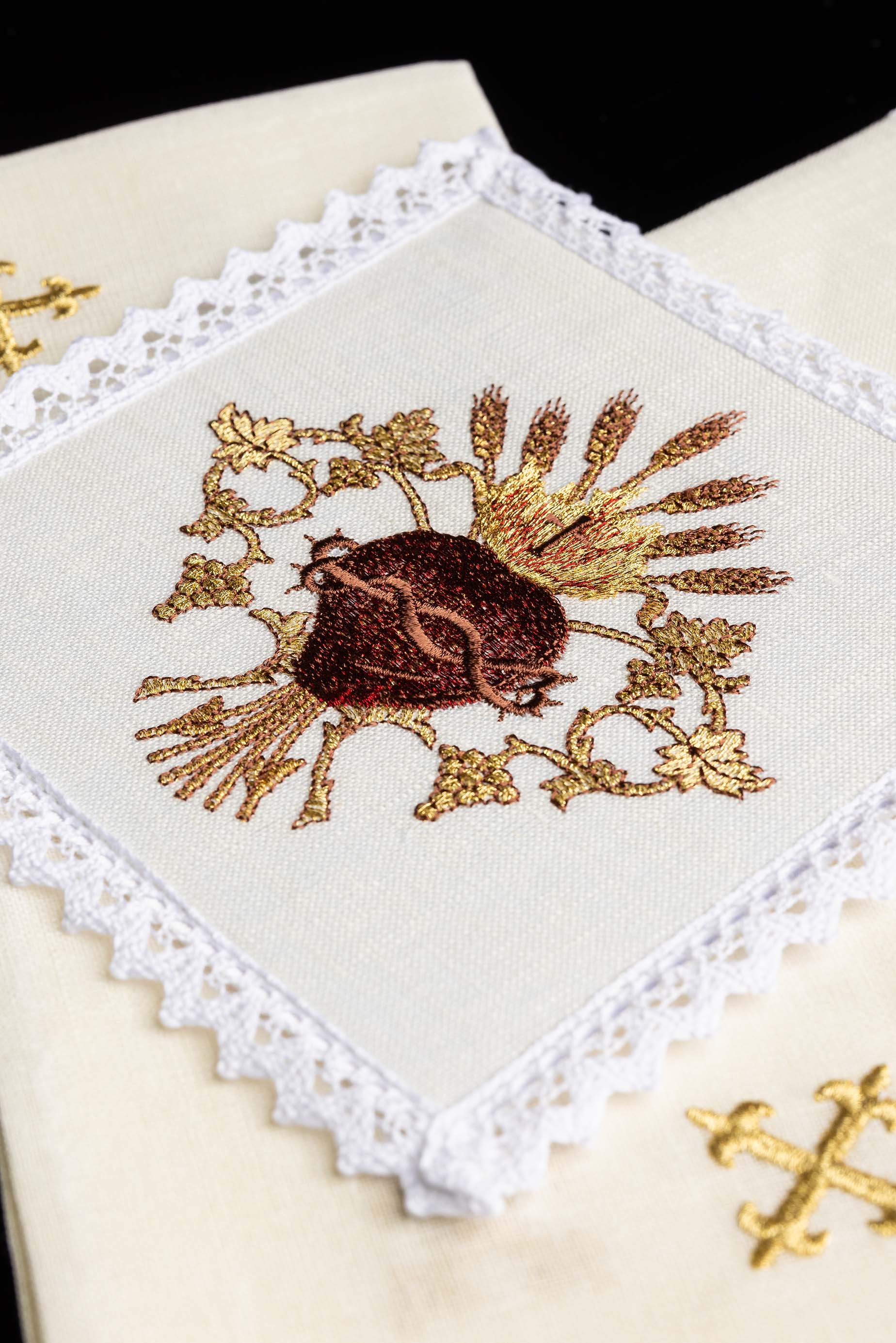
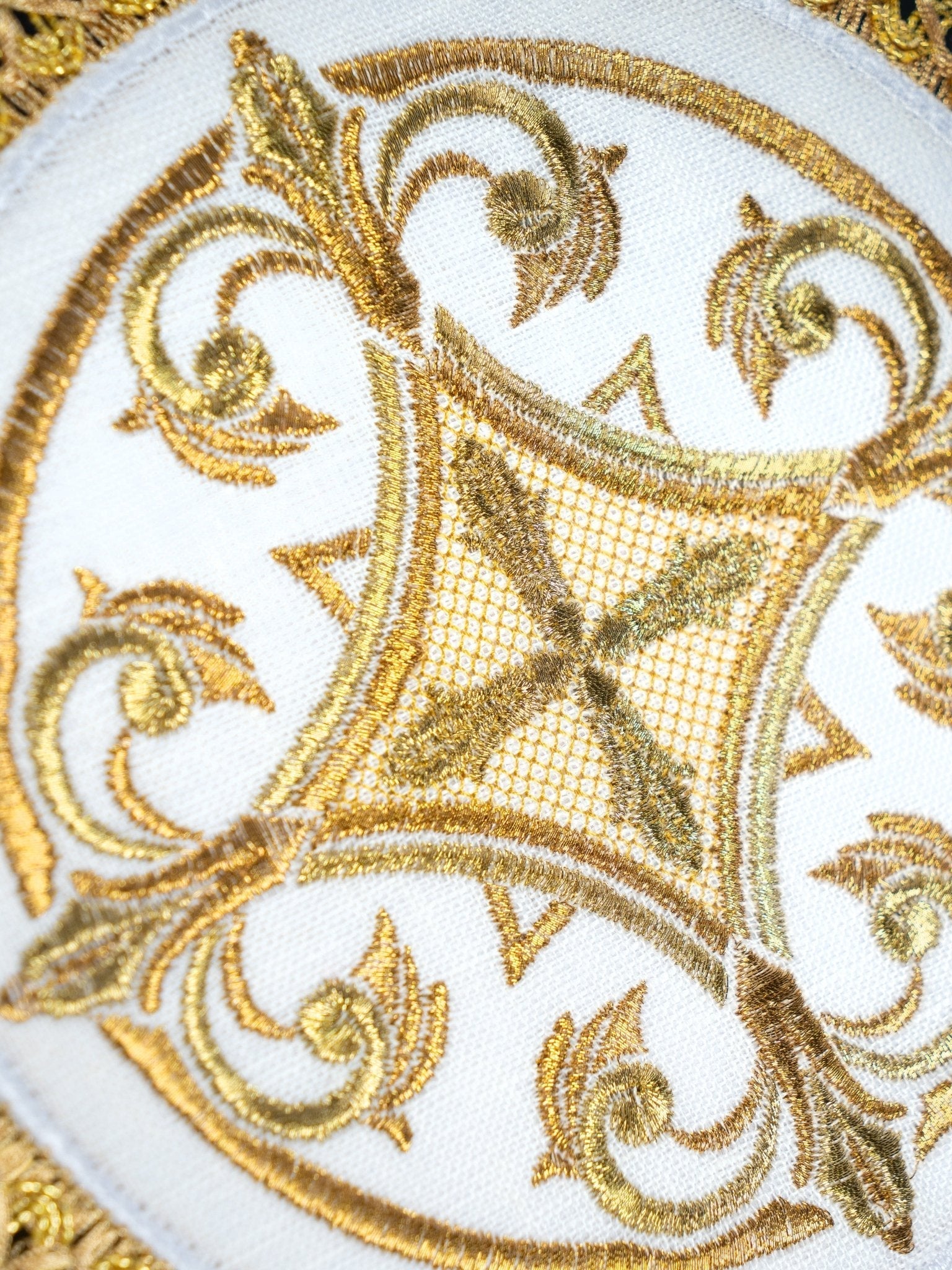
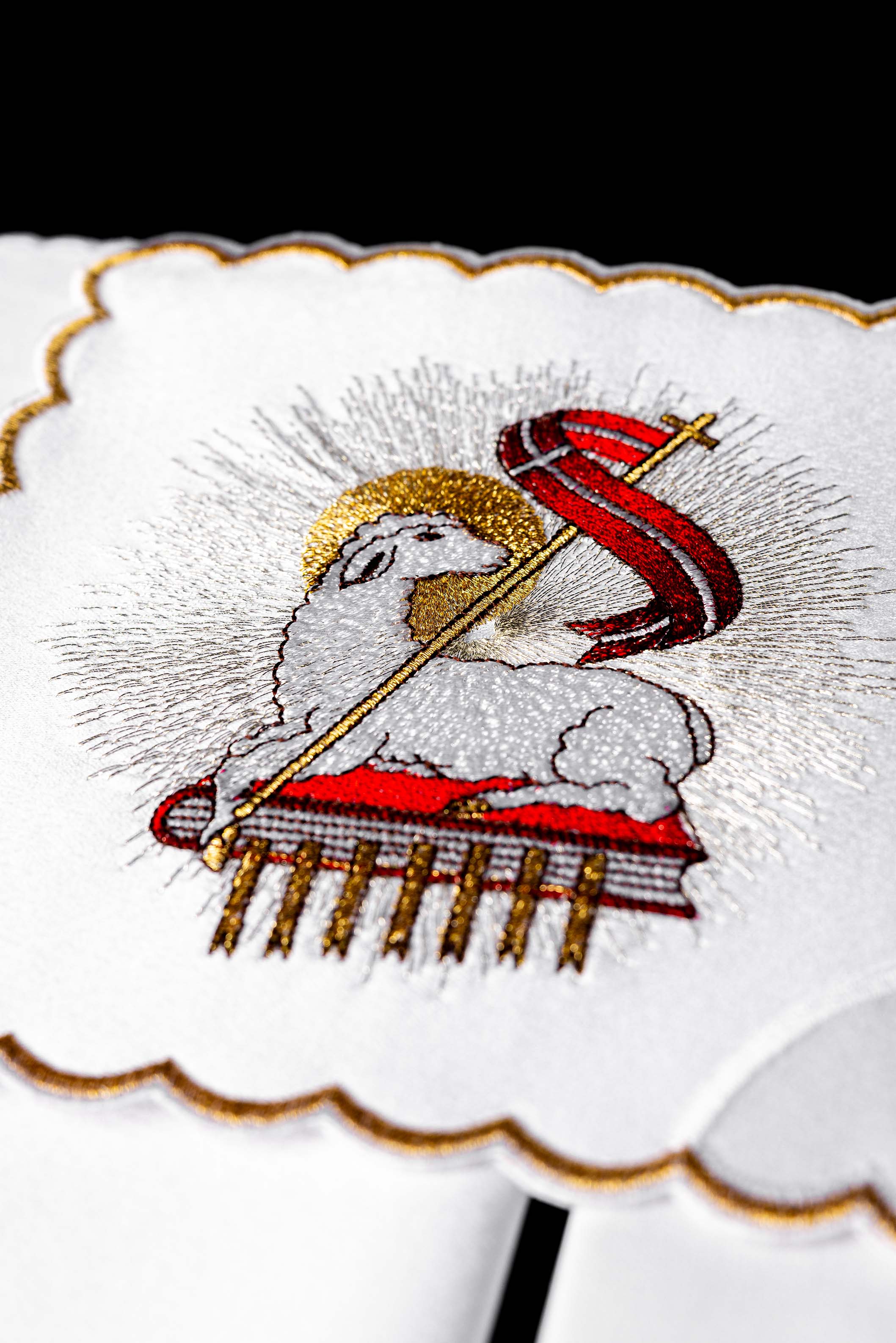
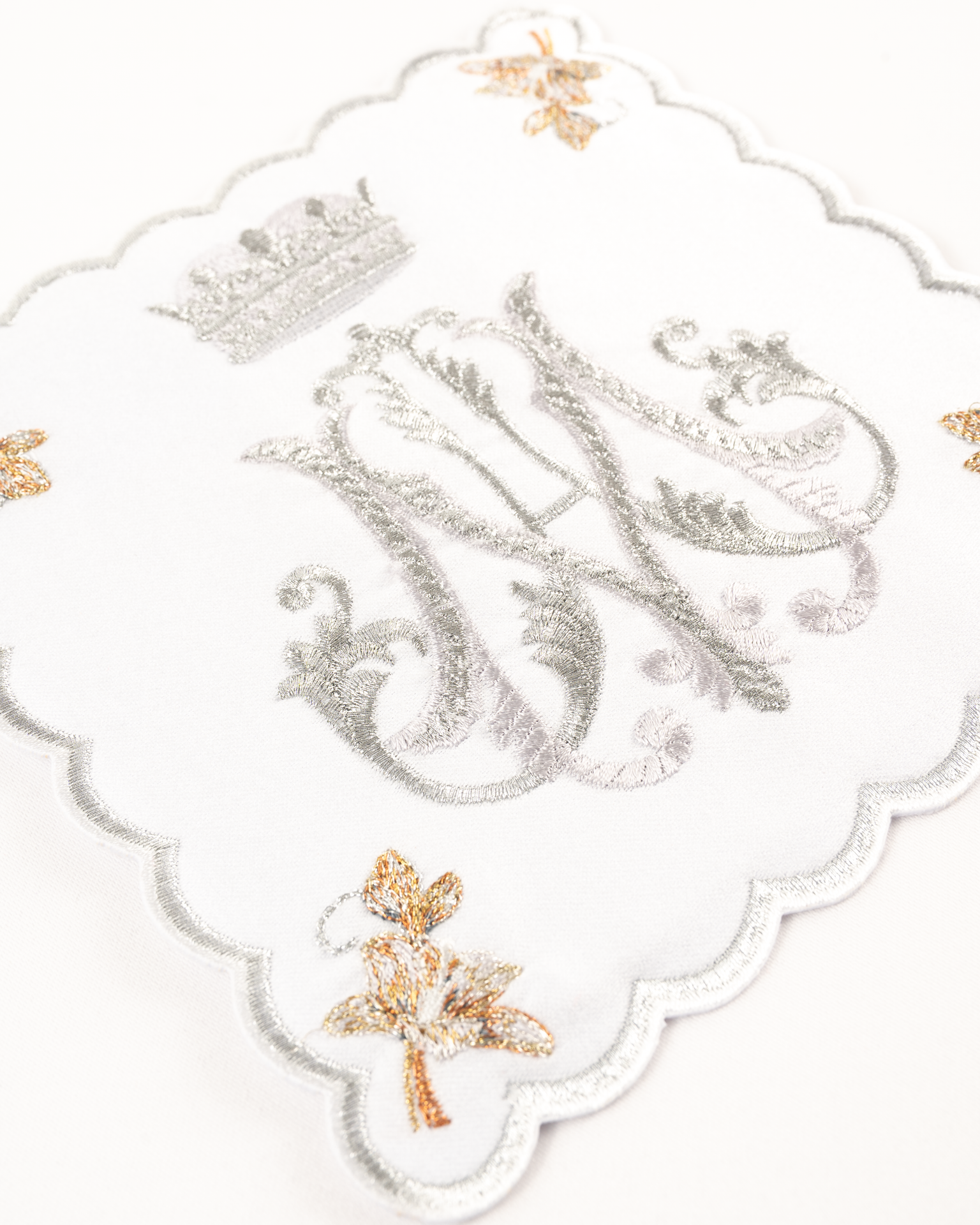
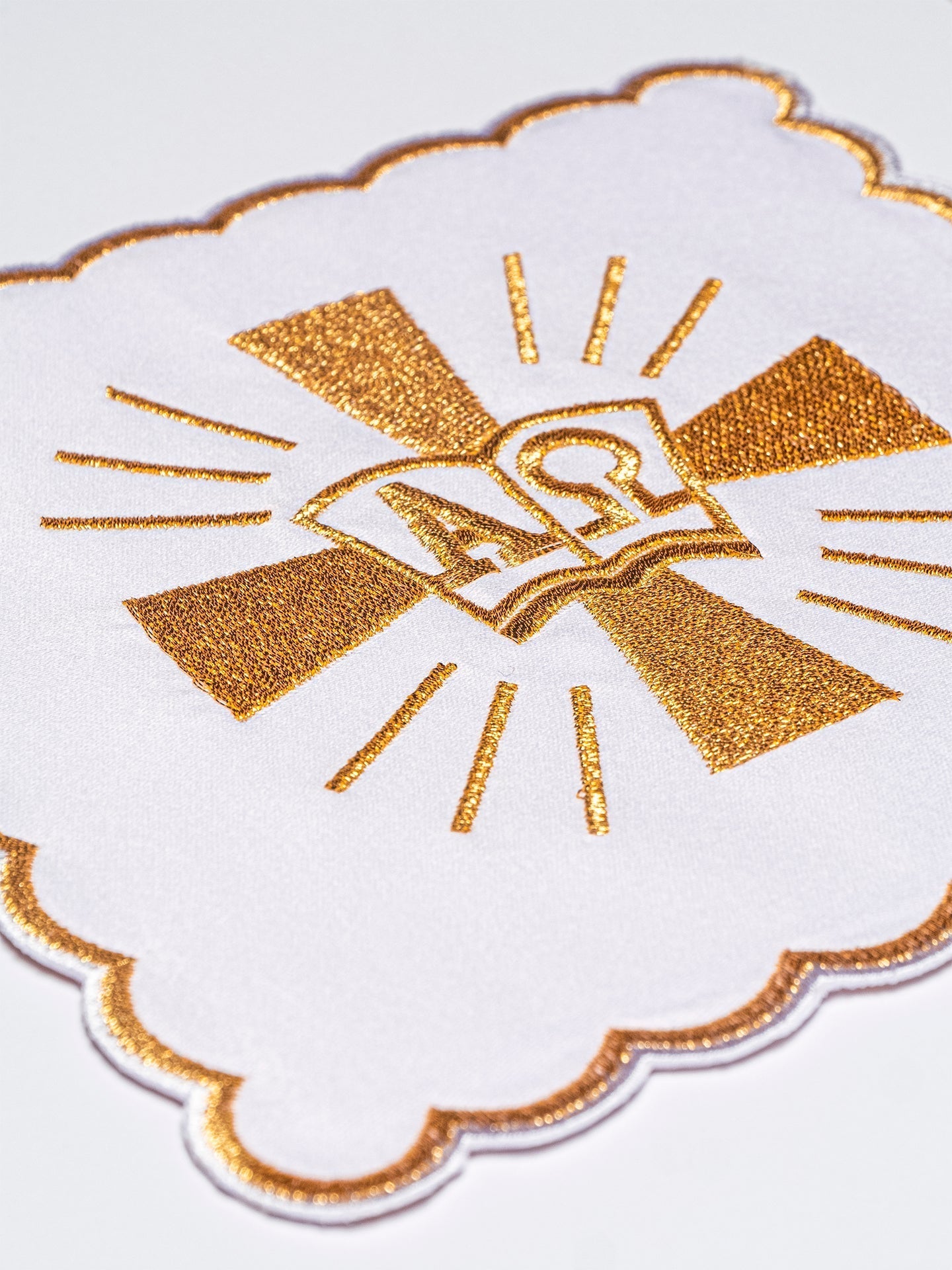
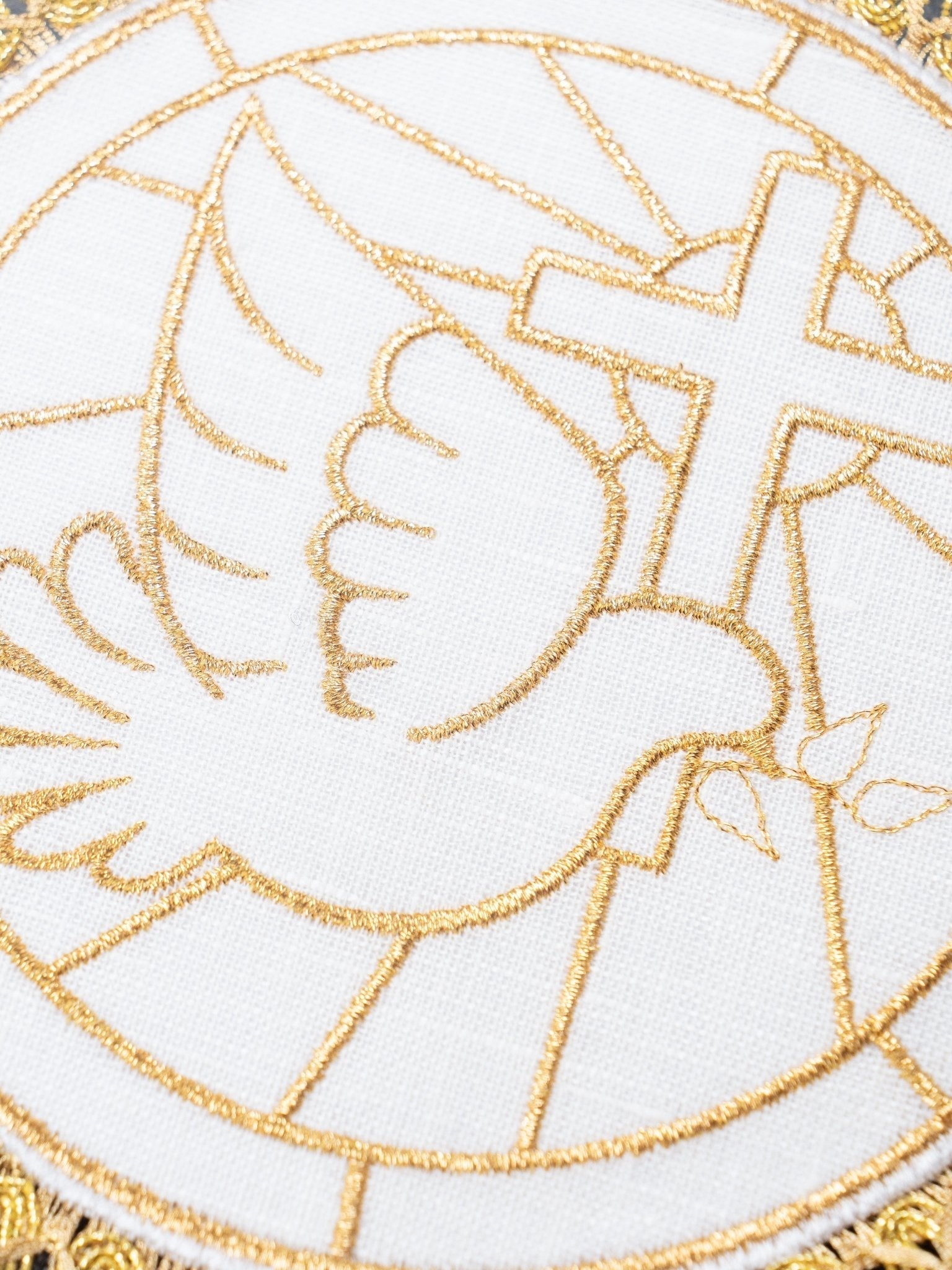
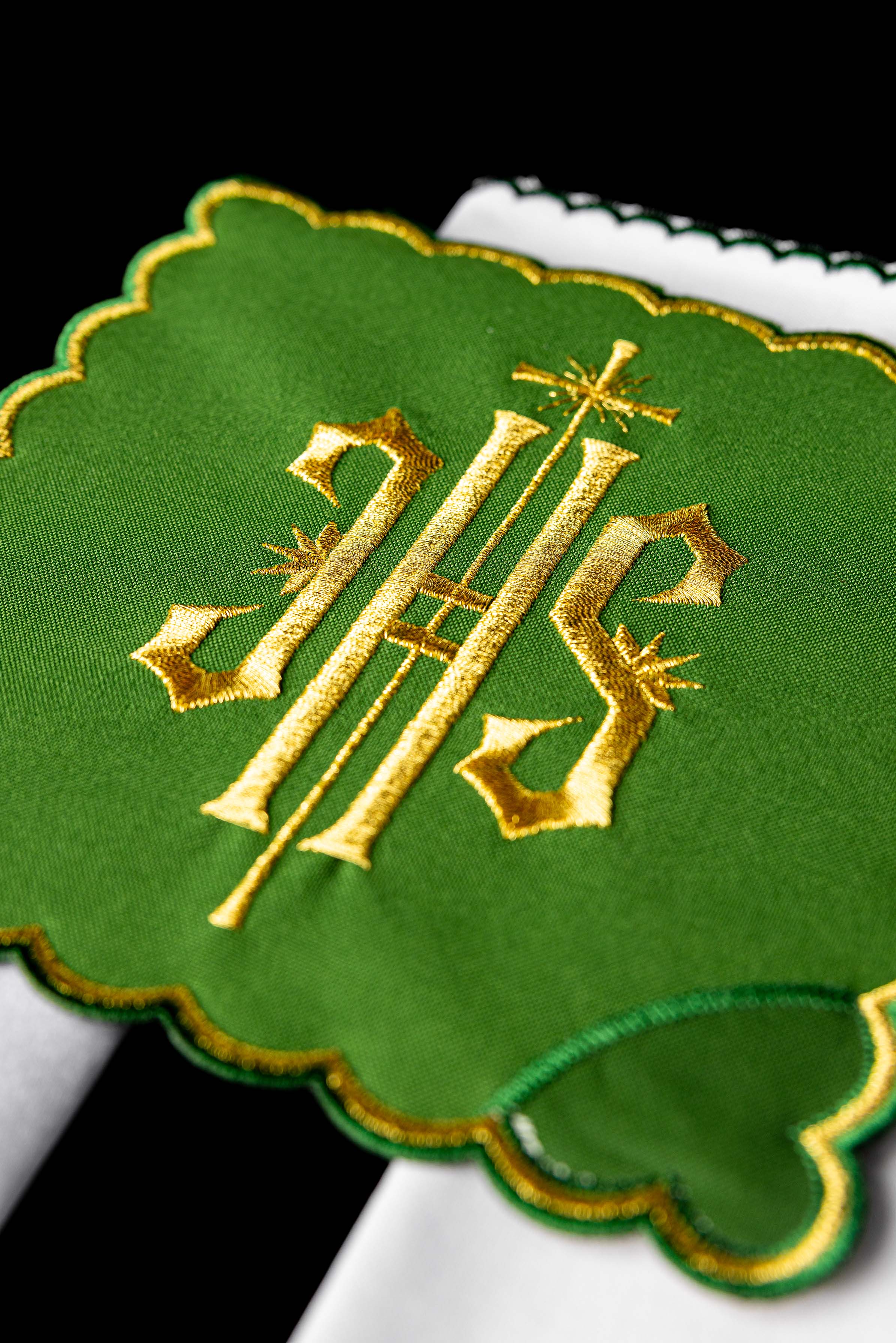
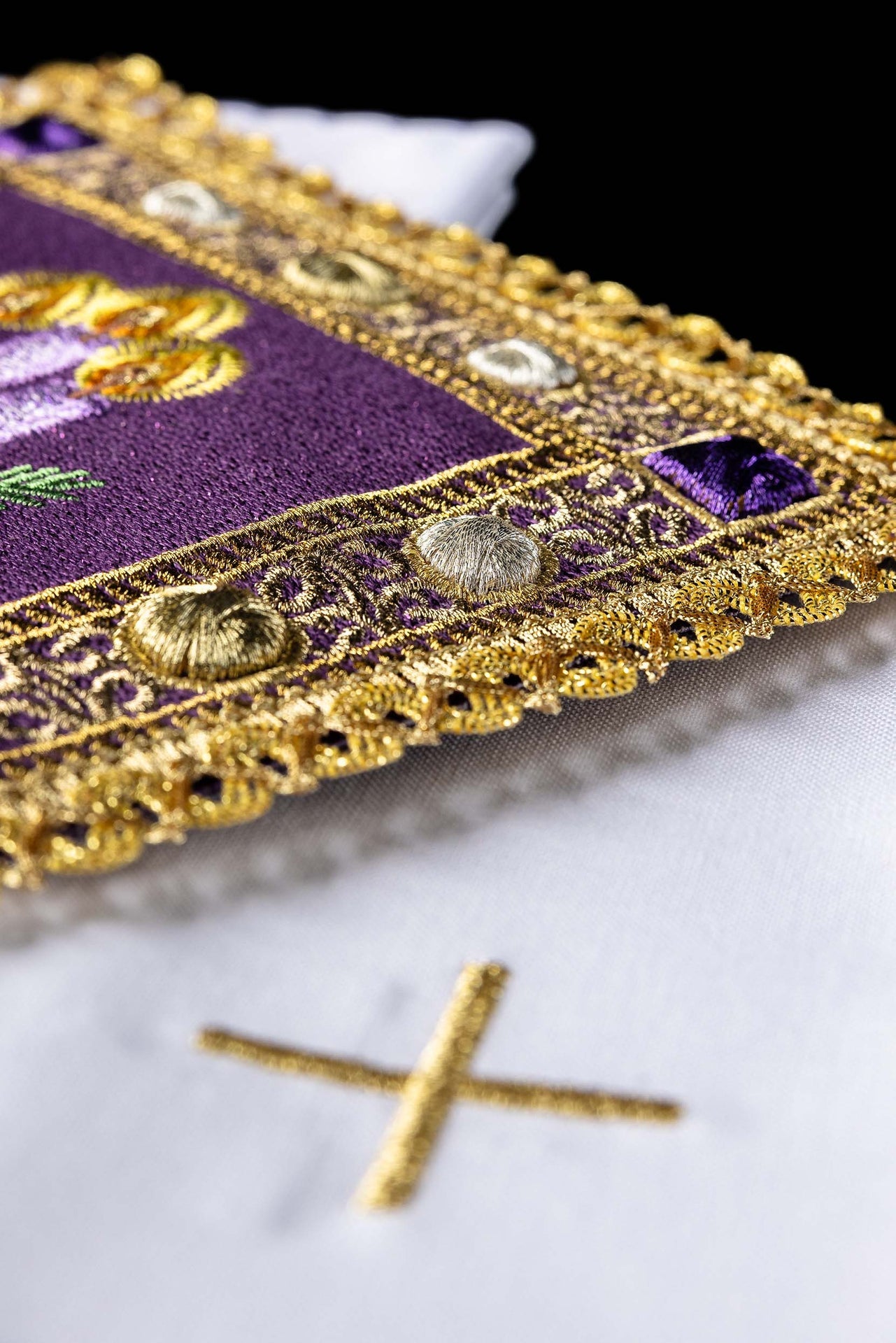
Embroidery and design play a significant role in the aesthetic appeal of altar linens. Embroidery is often placed at the center or along the front edge or edge of altar linens, drawing attention to important symbols and enhancing the visual focus. Designs may incorporate a variety of colours, gold thread, grain motifs symbolizing the Eucharist, or Marian symbols honoring Mary. Intricate embroidery can add a touch of elegance and sophistication to the altar setting, while meaningful symbols can reinforce the spiritual significance of the liturgy.
Common Religious Symbols
Some common religious symbols used in altar linen embroidery include:
-
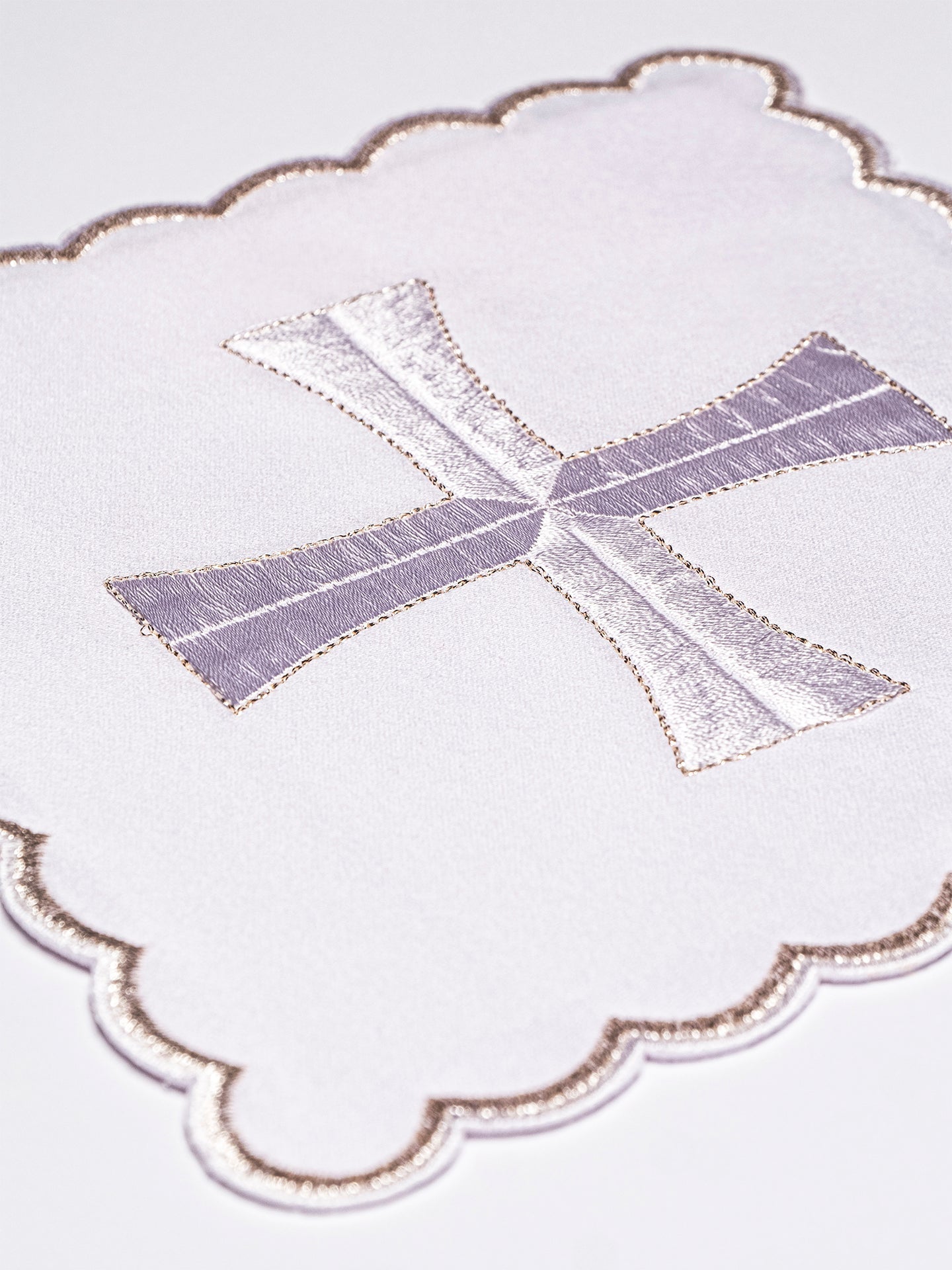
The Cross: The most universal symbol of Christianity, representing the sacrifice of Jesus Christ.
-
The Chi Rho: An ancient symbol representing Christ, formed by the first two letters of the Greek word for Christ.
-
The Lamb of God: A symbol of Jesus Christ as the sacrificial lamb.
-
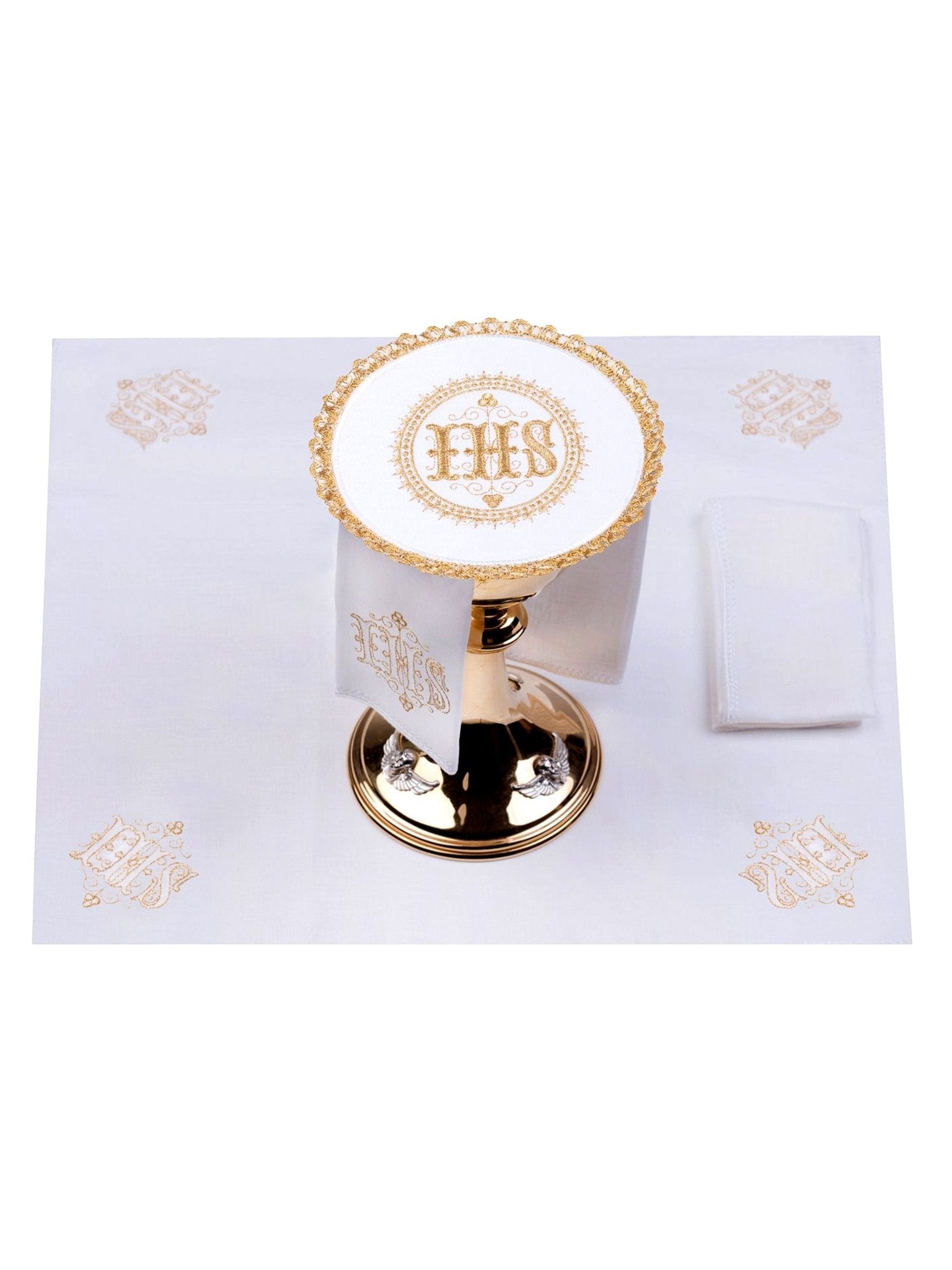
The IHS Monogram: A symbol representing the name of Jesus.
-
The Alpha and Omega: The first and last letters of the Greek alphabet, representing God as the beginning and the end.
-
Marian Symbols: Motifs such as the letter 'M' or images of Mary, reflecting devotion to Mary and often featured in Marian-themed altar cloths and embroidery.
Custom Altar Linens: Creating a Unique Expression of Faith
We offer custom altar linen services to help you create a unique expression of faith for your church. Creating custom altar linens can be a valuable learning experience for church members, as it involves learning new skills and traditions. Our skilled artisans can create bespoke designs featuring your church’s logo, specific religious symbols, or any other design elements that you desire. Custom linens can also be prepared as special gifts for significant church events, ensuring they are handled with reverence and care.
The Benefits of Custom Altar Linens
Custom altar linens offer several benefits:
-
Personalization: Create linens that reflect the unique identity and traditions of your church.
-
Exclusivity: Own linens that are one-of-a-kind and not available anywhere else.
-
Enhanced Aesthetics: Create a cohesive and visually stunning altar setting.
-
Meaningful Expression: Incorporate symbols and designs that hold special significance for your congregation.
-
Opportunities for Learning: Designing and crafting custom linens can foster learning new skills and techniques within your community.
-
Cherished Gifts: Custom altar linens can be given as thoughtful gifts, especially in the context of the Eucharistic celebration, honoring the significance of the bread and wine as sacred gifts.
Partnering with [Your Company Name] for Your Altar Linen Needs
At [Your Company Name], we are dedicated to preserving the tradition and craftsmanship of altar linens, reclaiming skills that might otherwise be lost. Our company began as a small group passionate about this mission, and working with church groups—such as those at St. John Cantius—has been instrumental in fostering community, competence, and creativity in church sewing projects. We understand the importance of these sacred textiles and are committed to helping you create a worship space that is both beautiful and reverent.
Note: To maintain the quality and longevity of your altar linens, it is important to allow them to rest between uses.
Contact Us Today
Browse our online catalog or contact us today to learn more about our collection of altar linens and our custom design services. We are here to help you find the perfect linens to enhance your worship space and honor your faith.