Cinctures
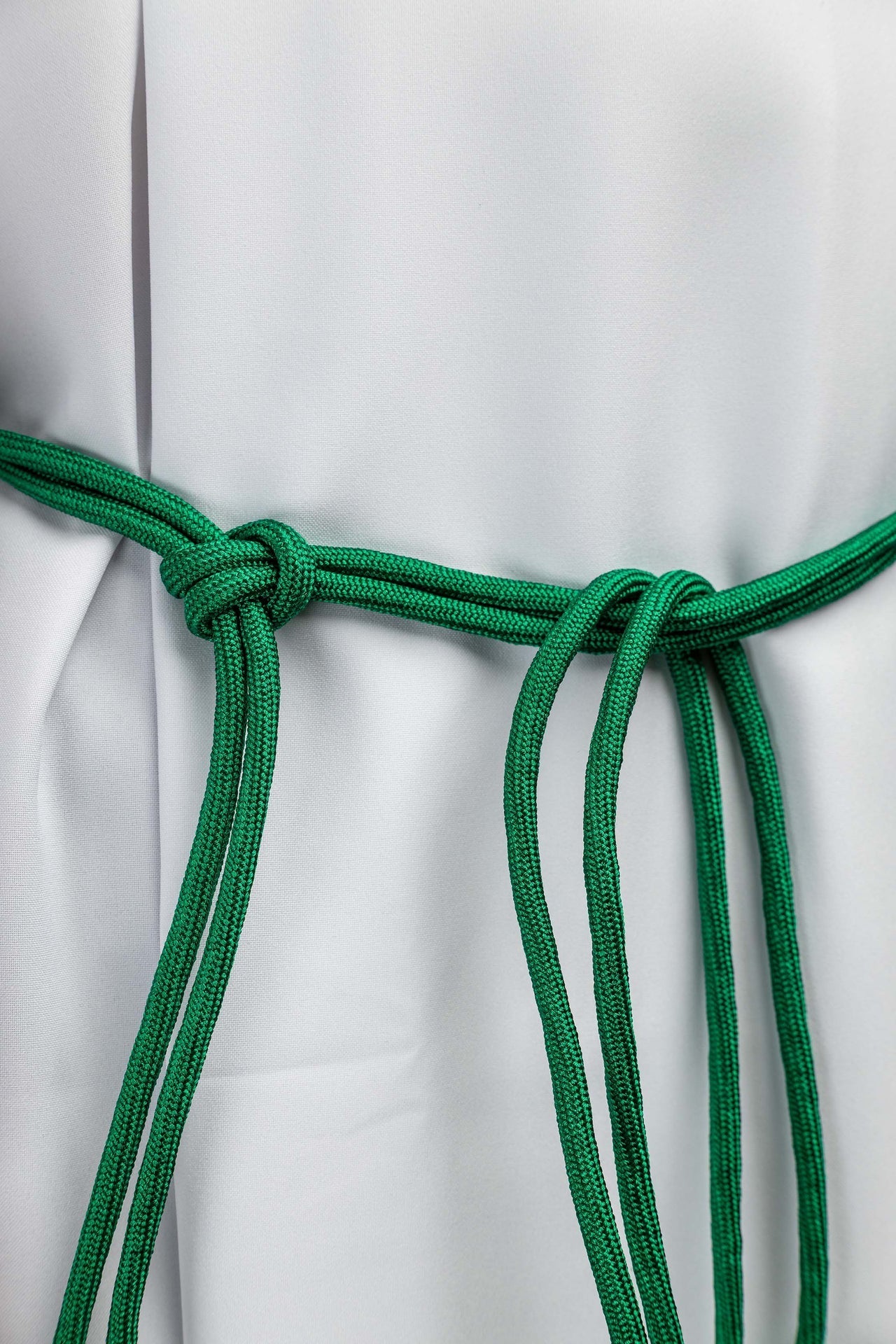
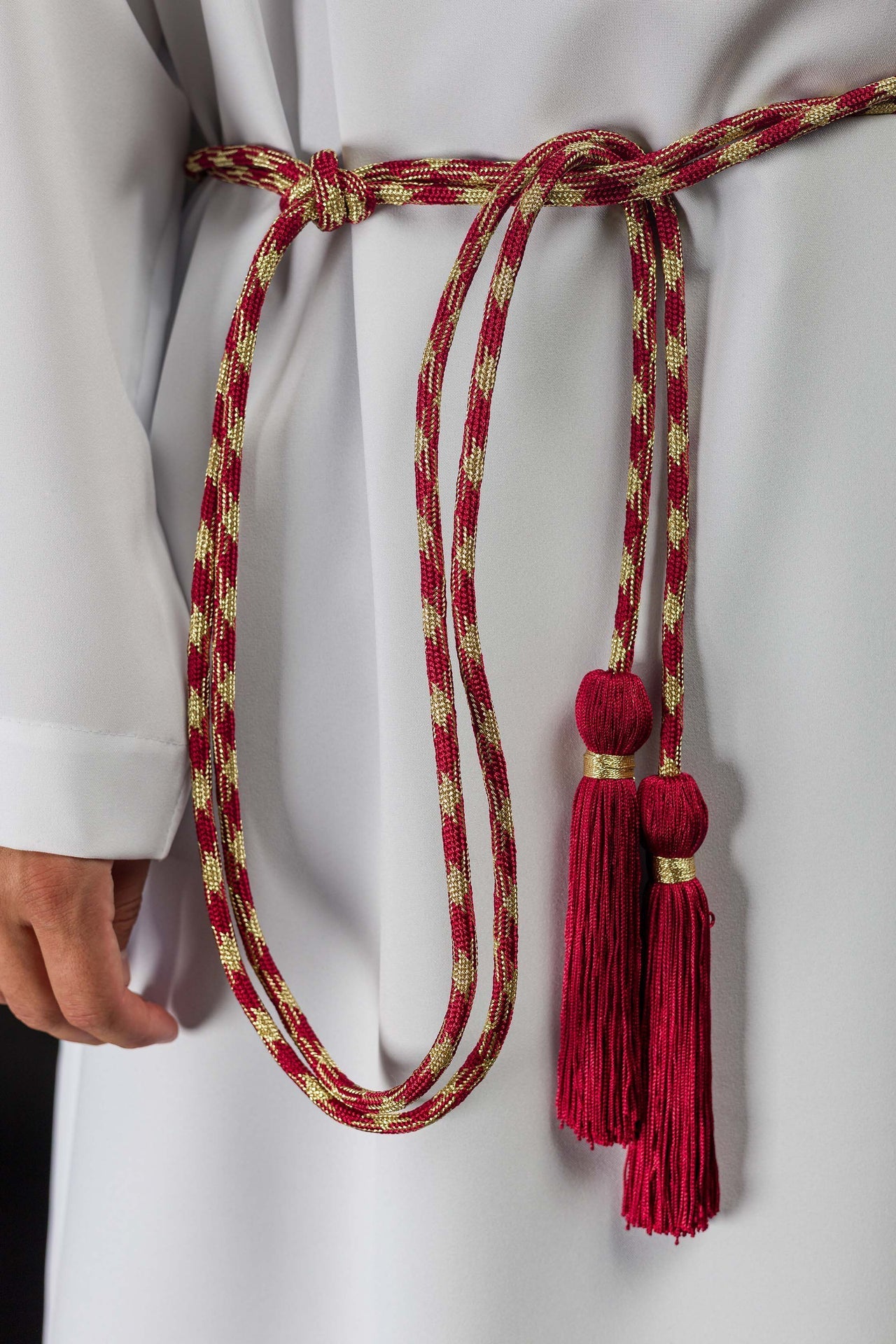
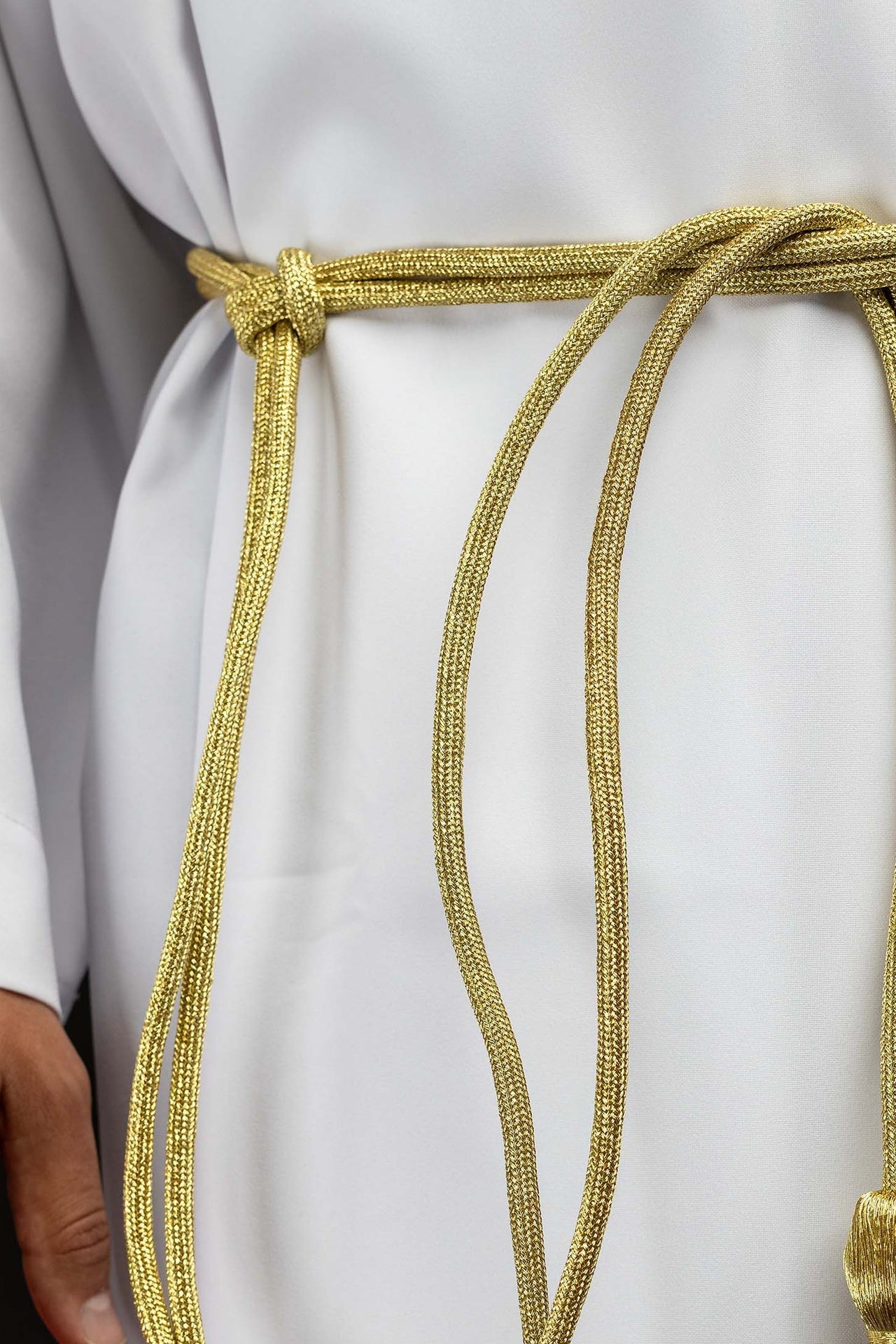
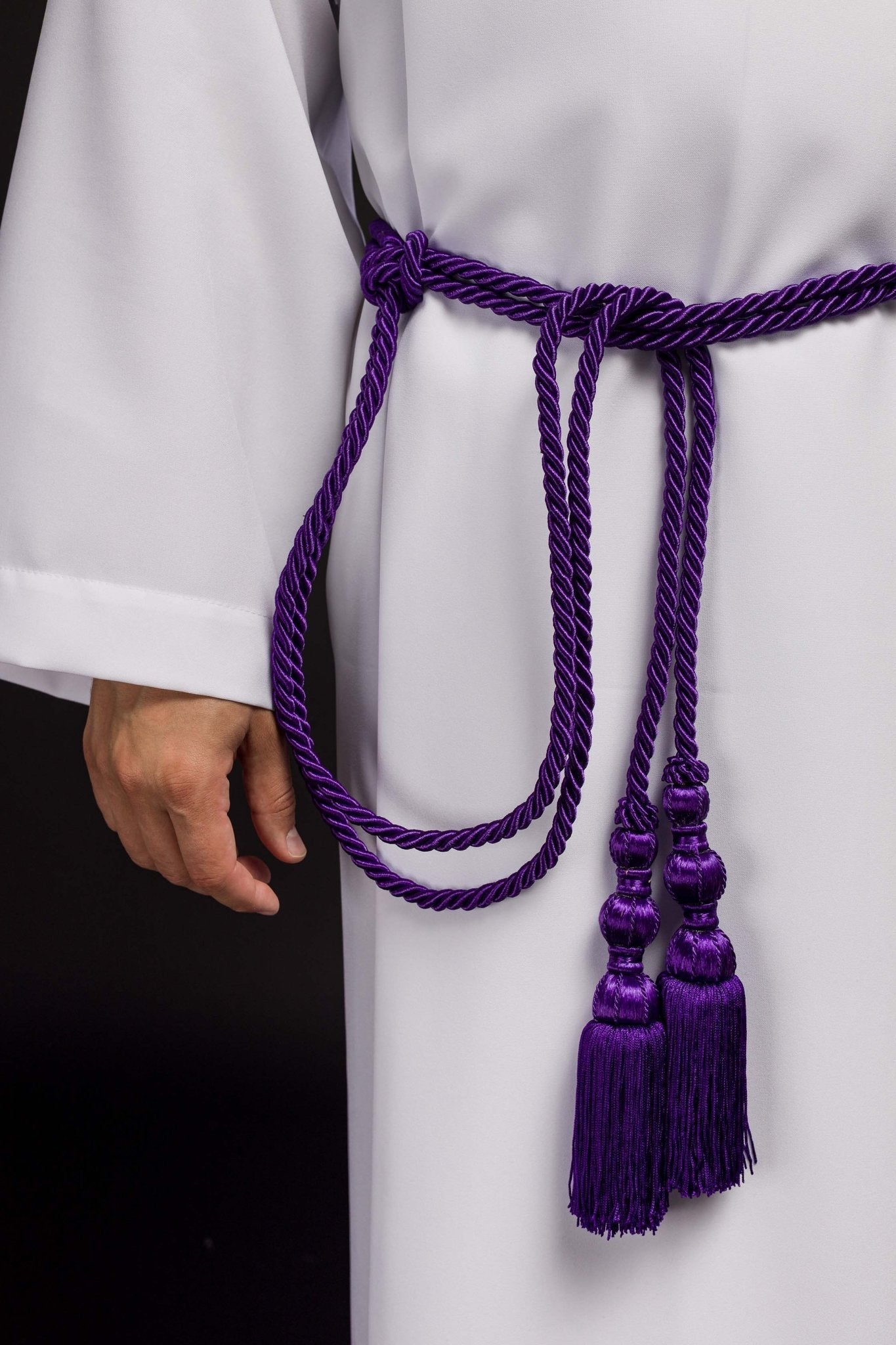
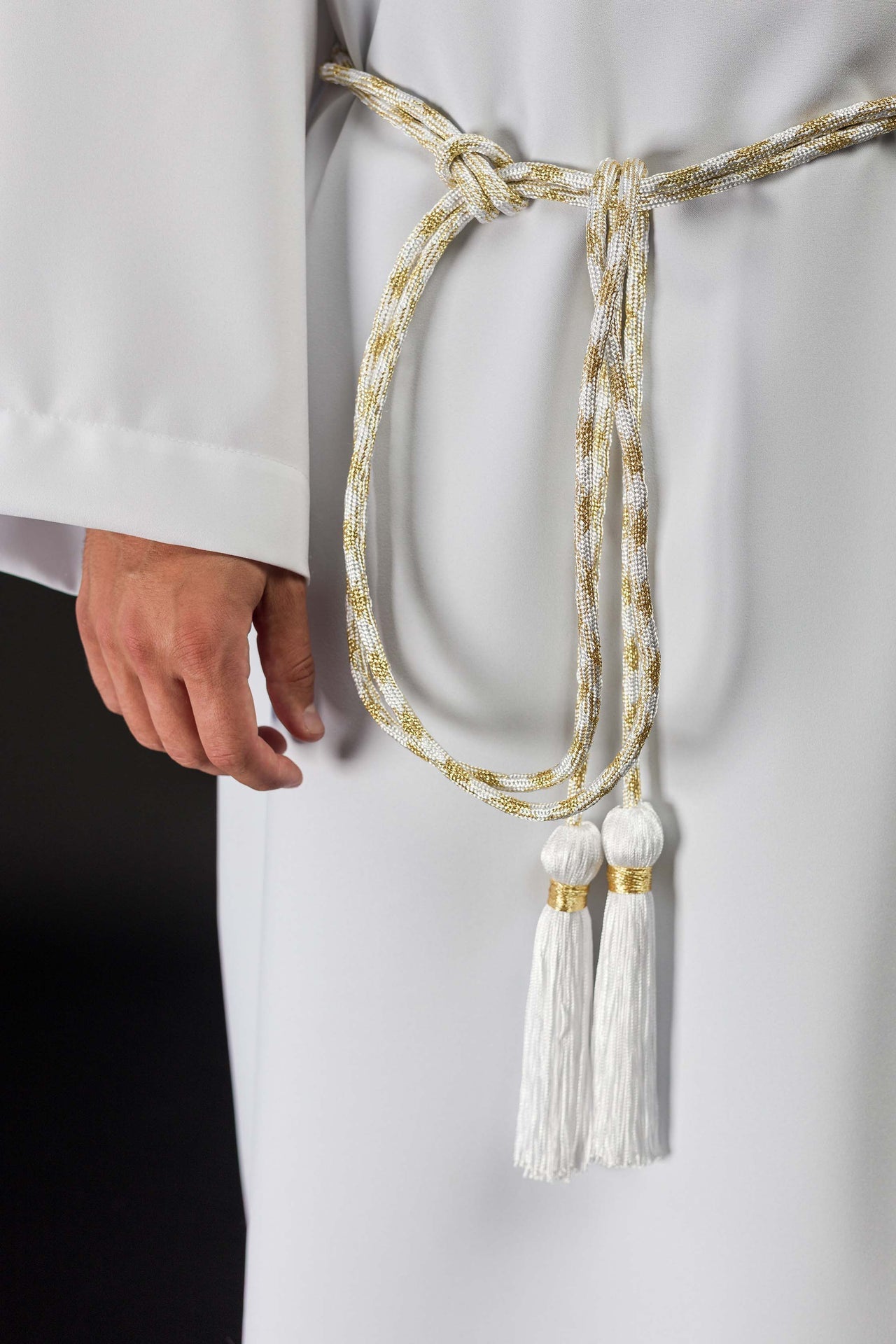
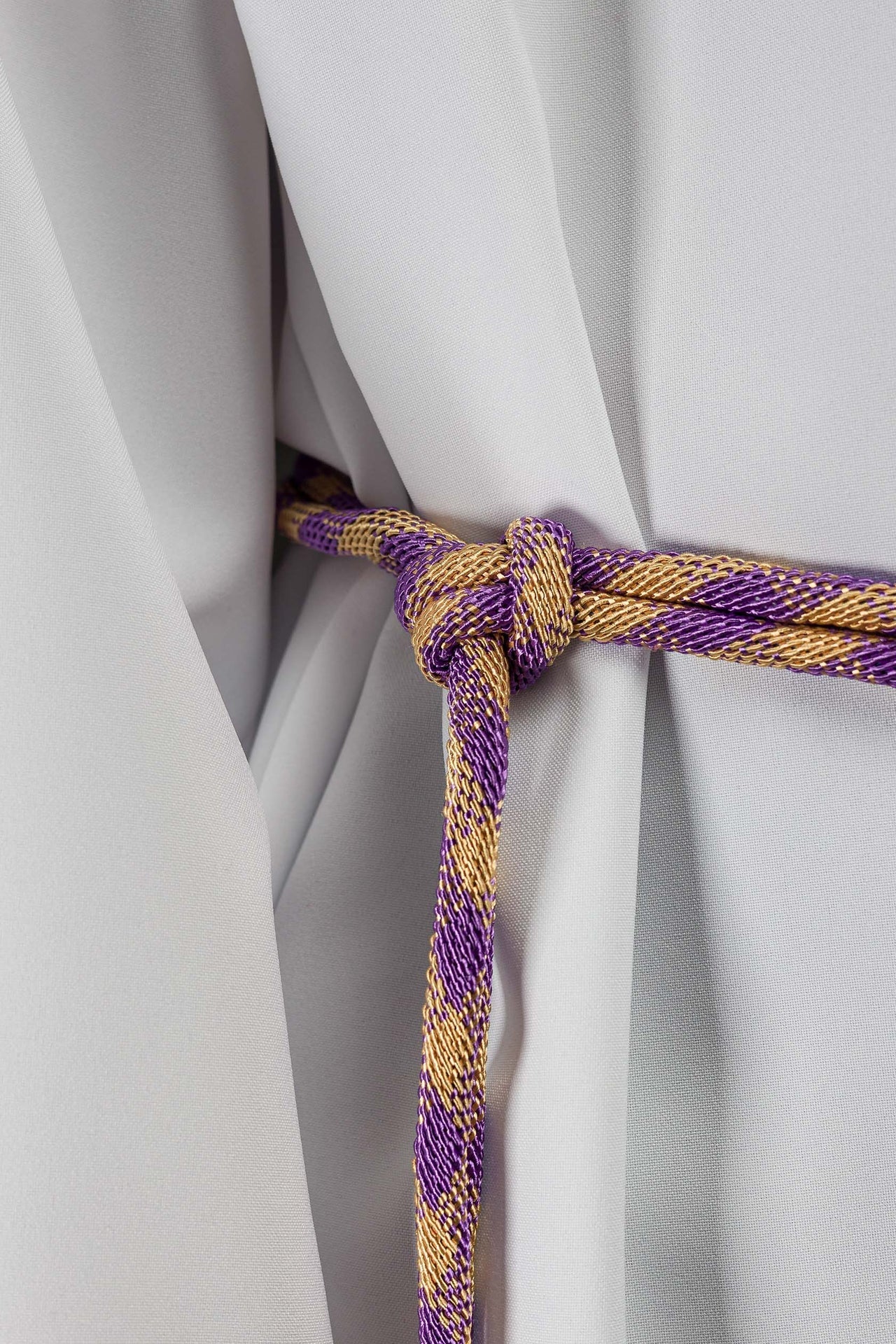
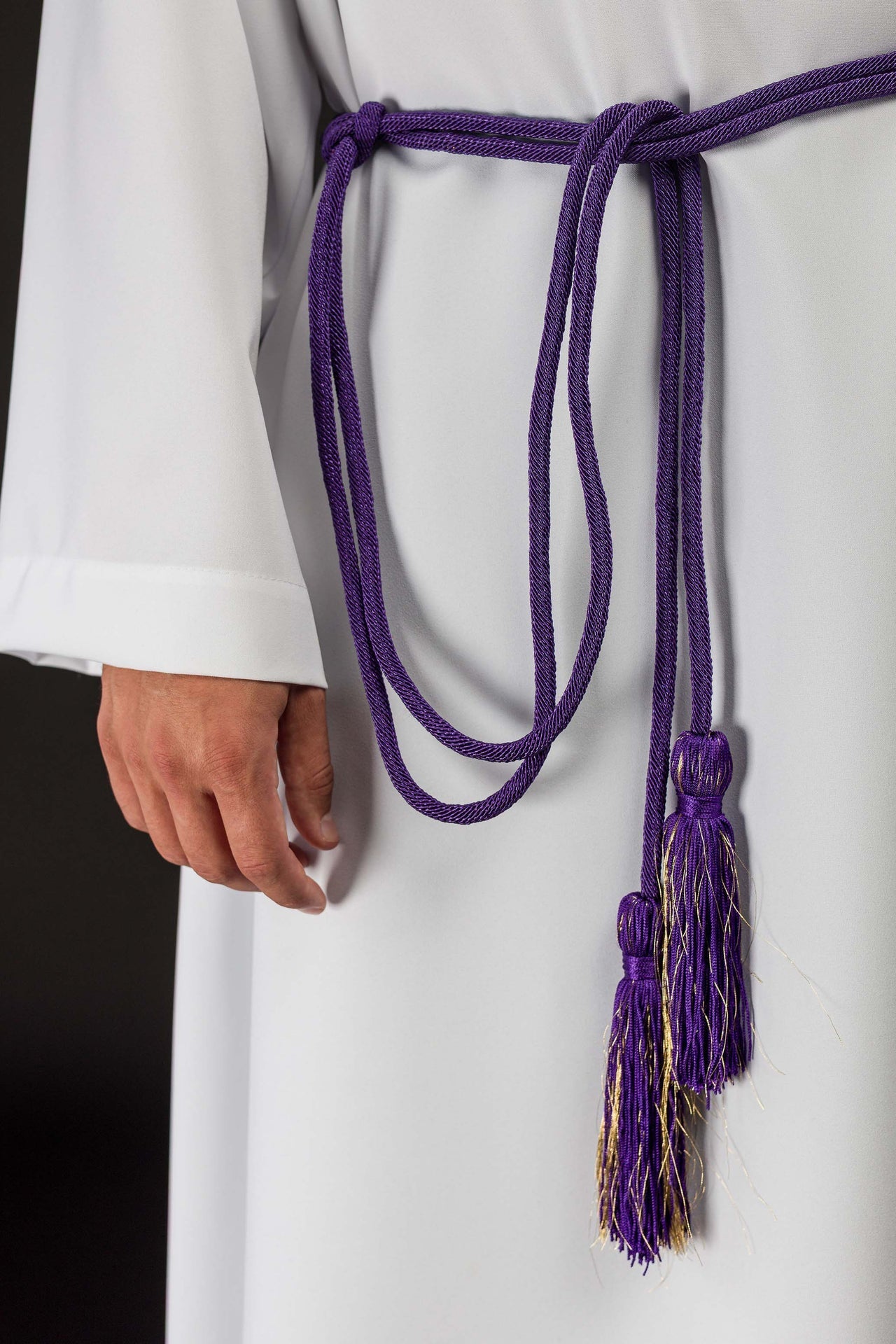
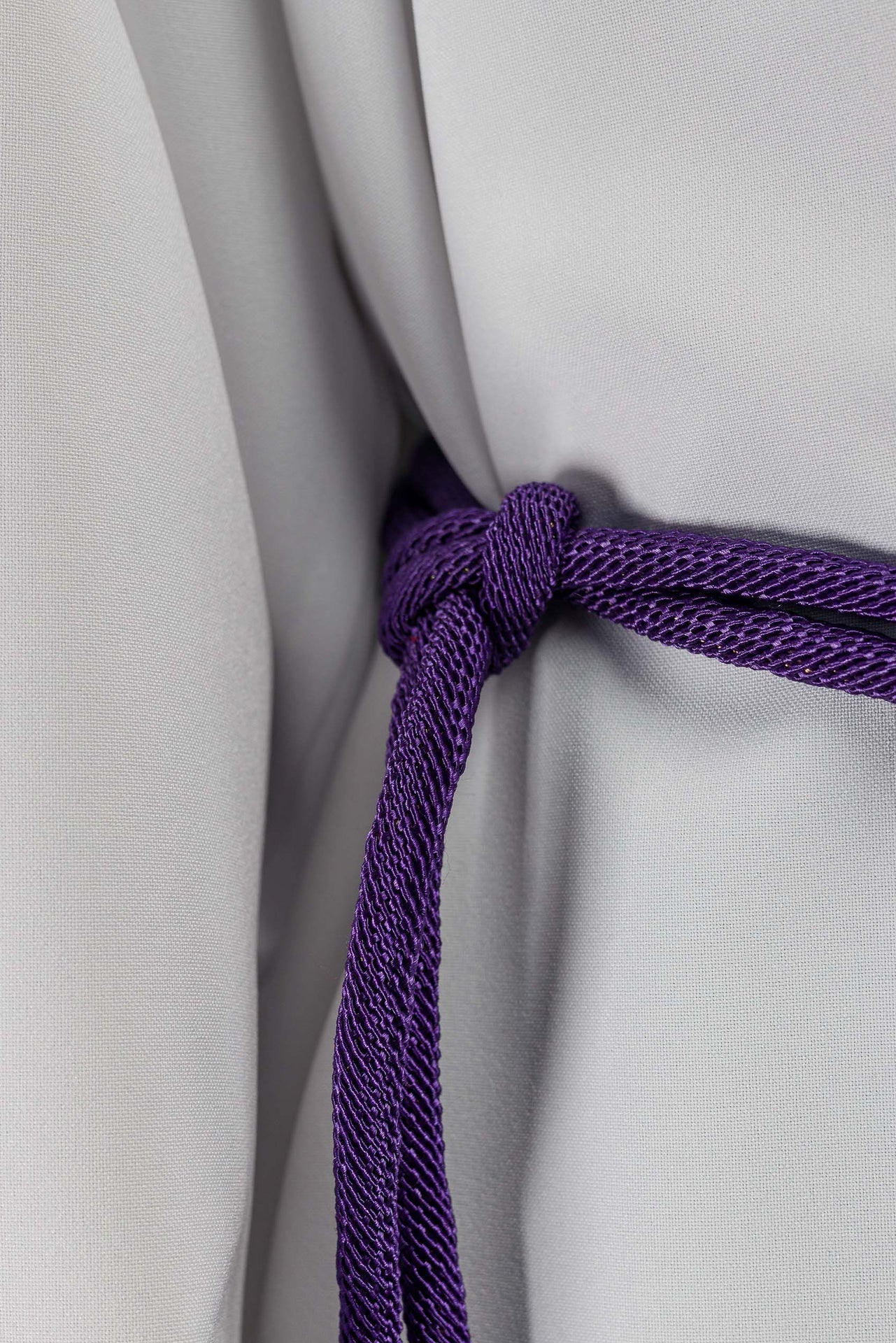
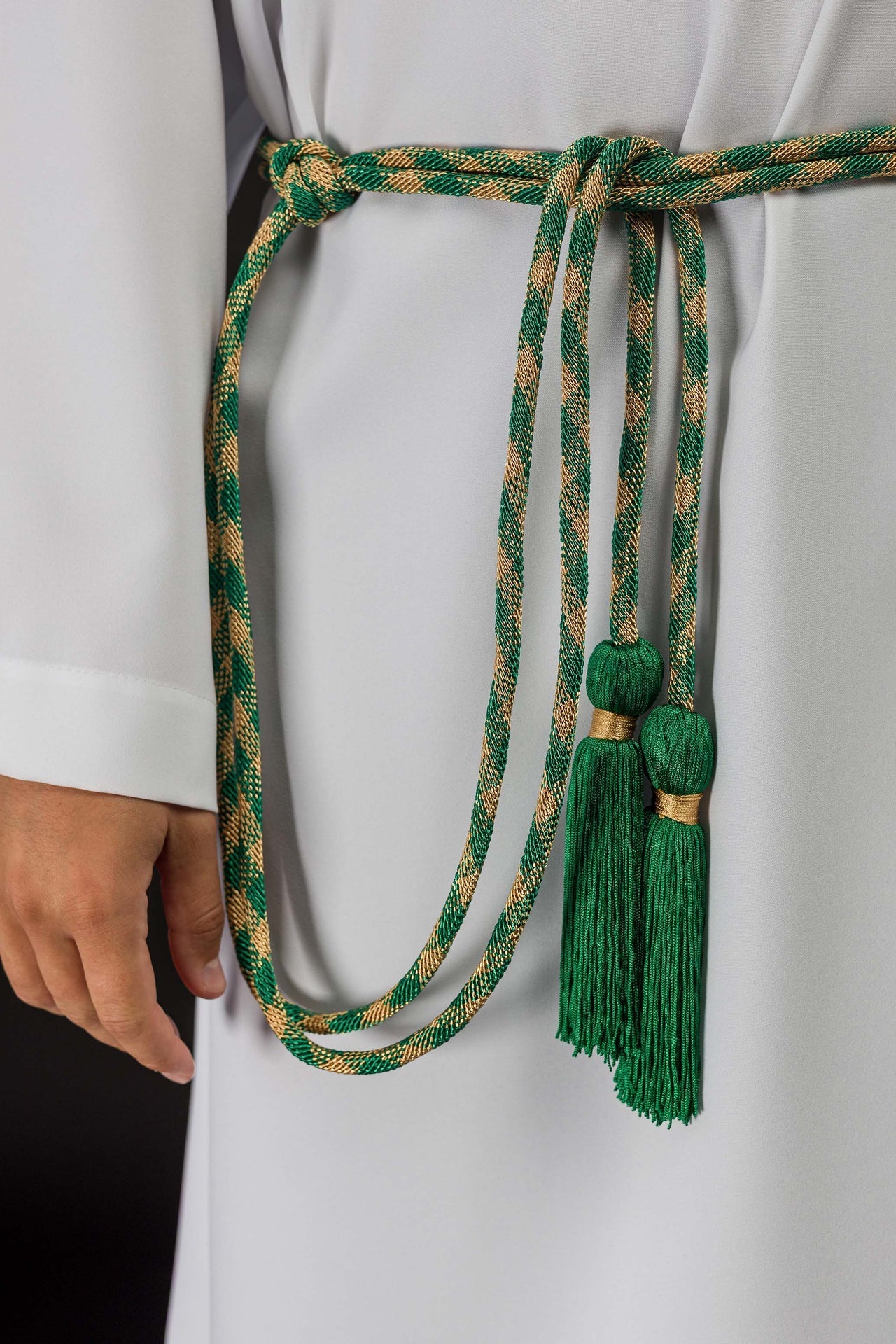
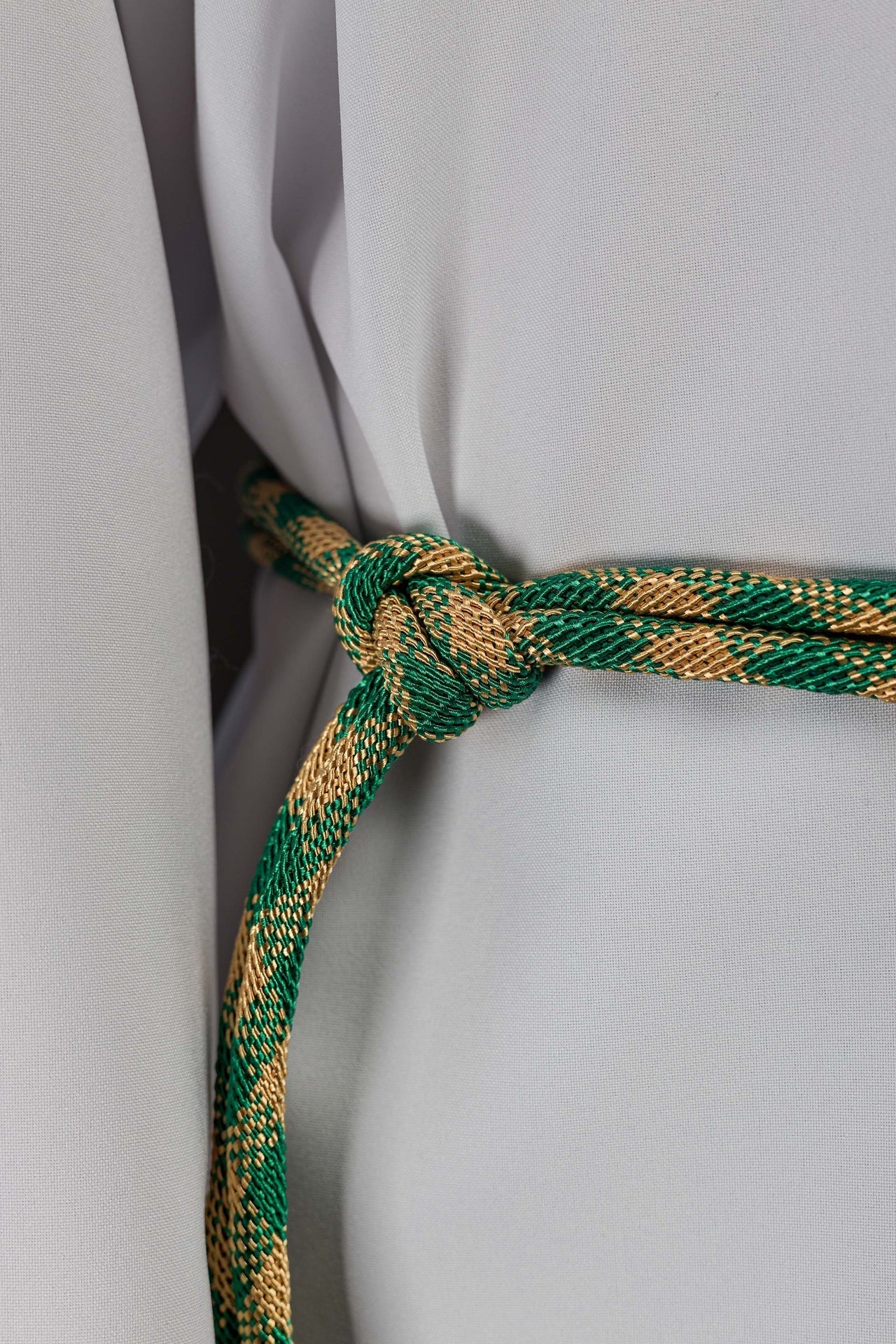
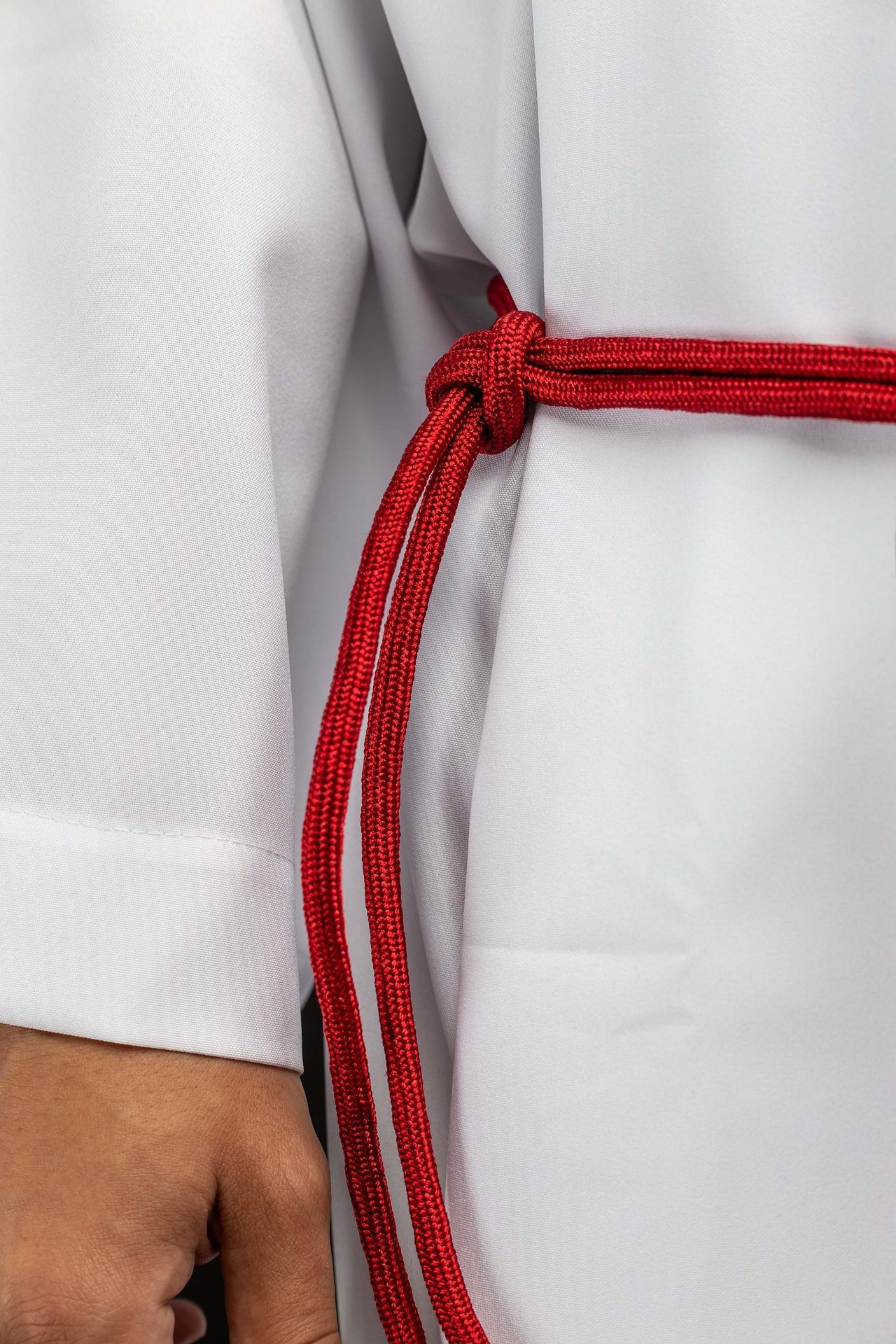
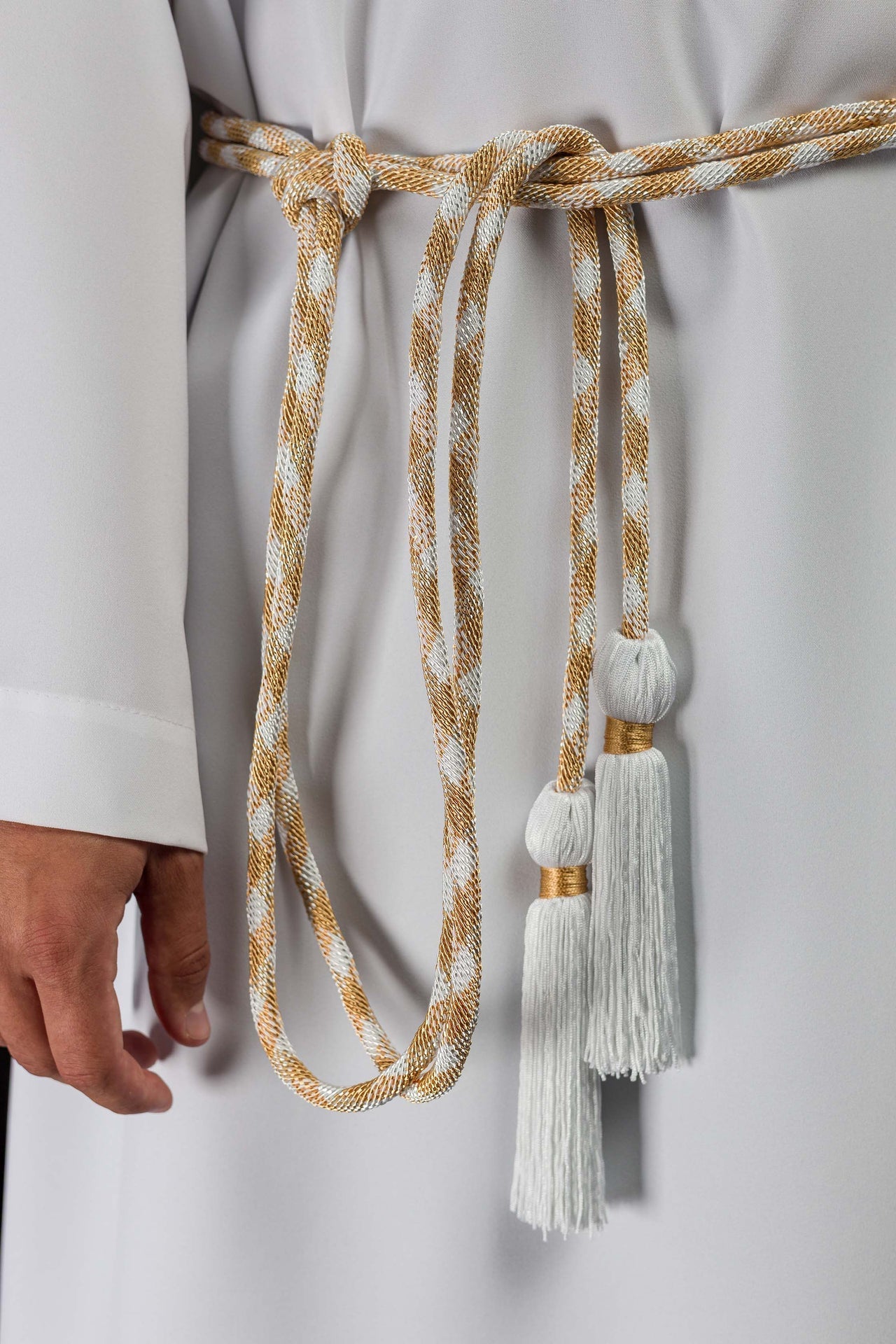
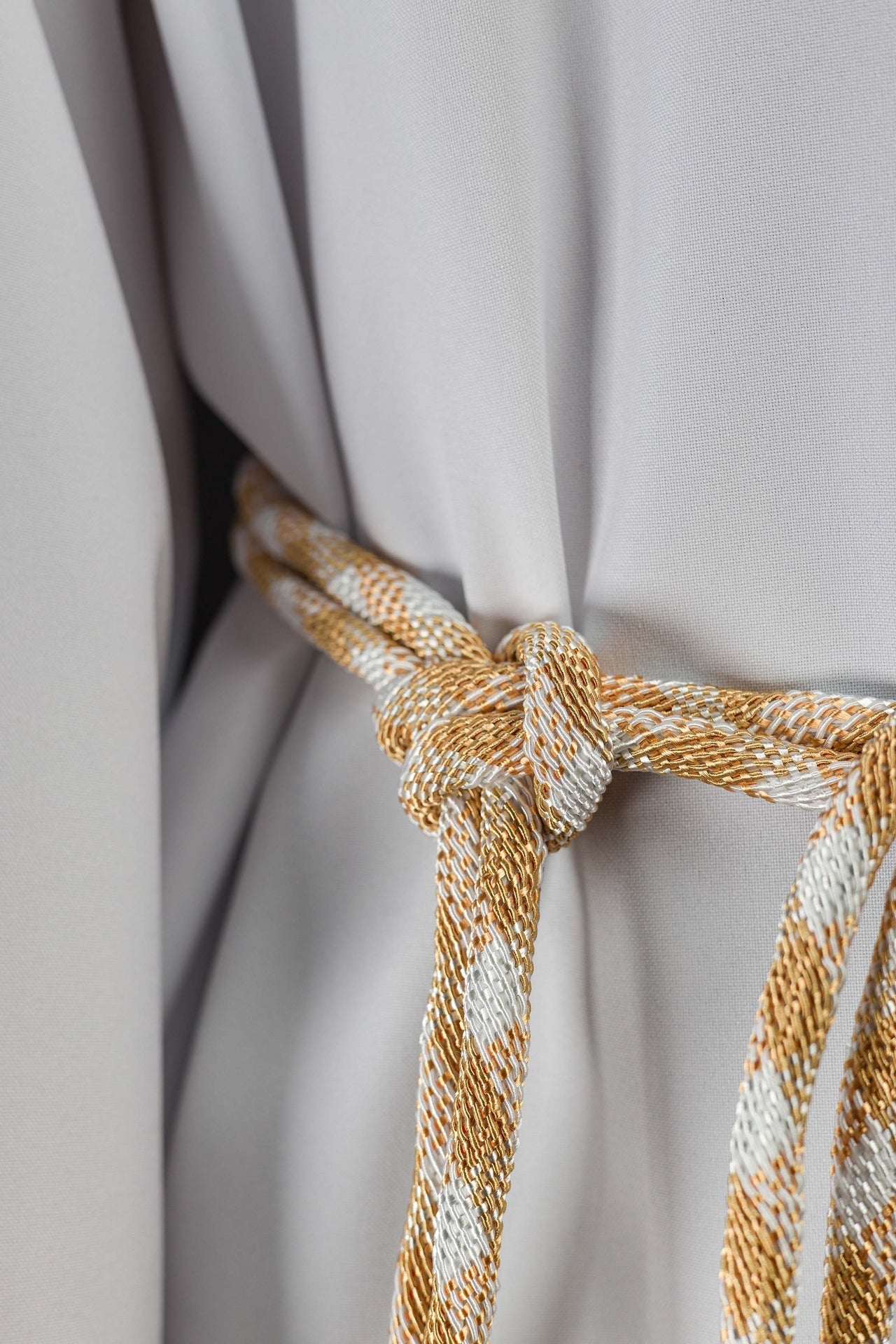
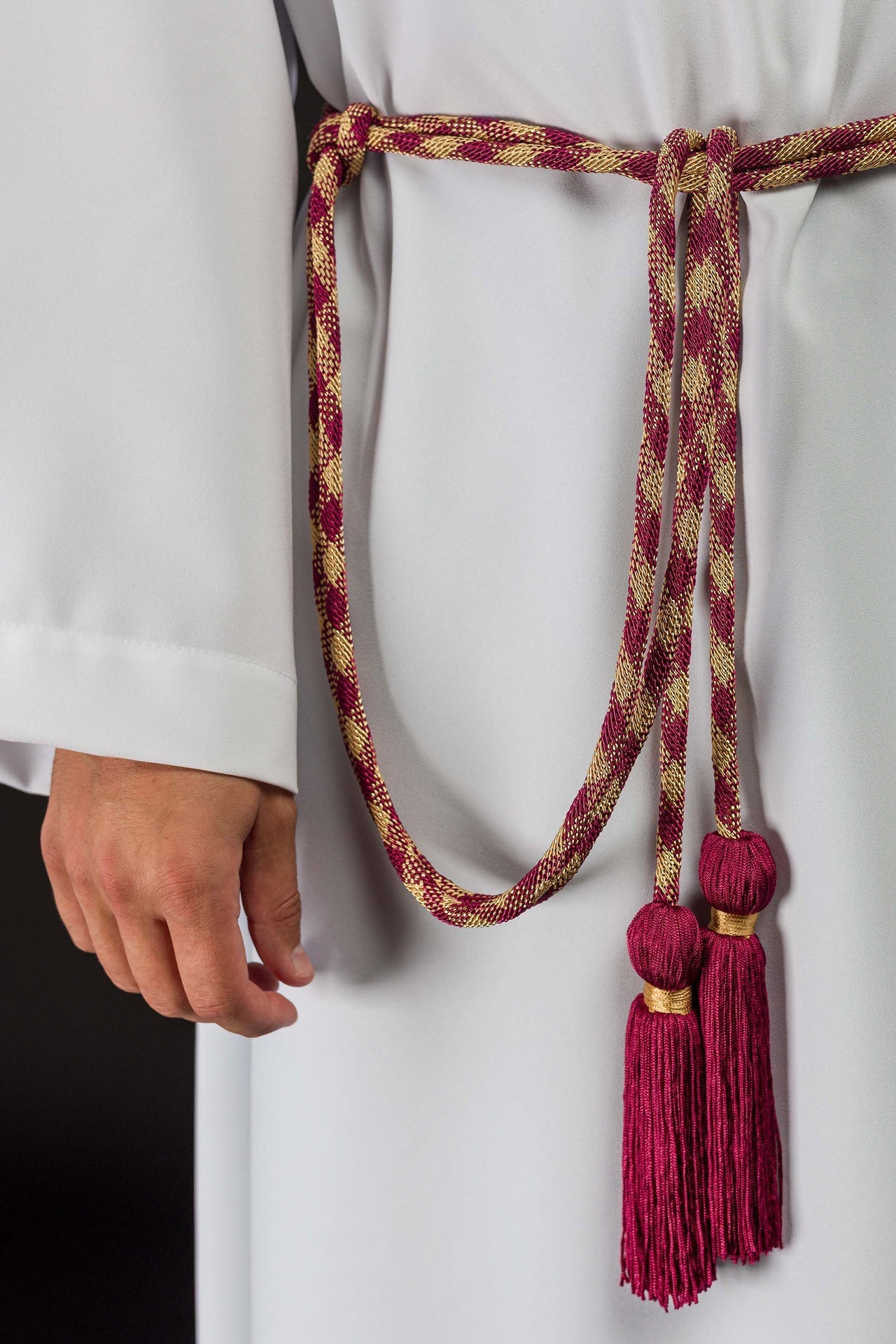
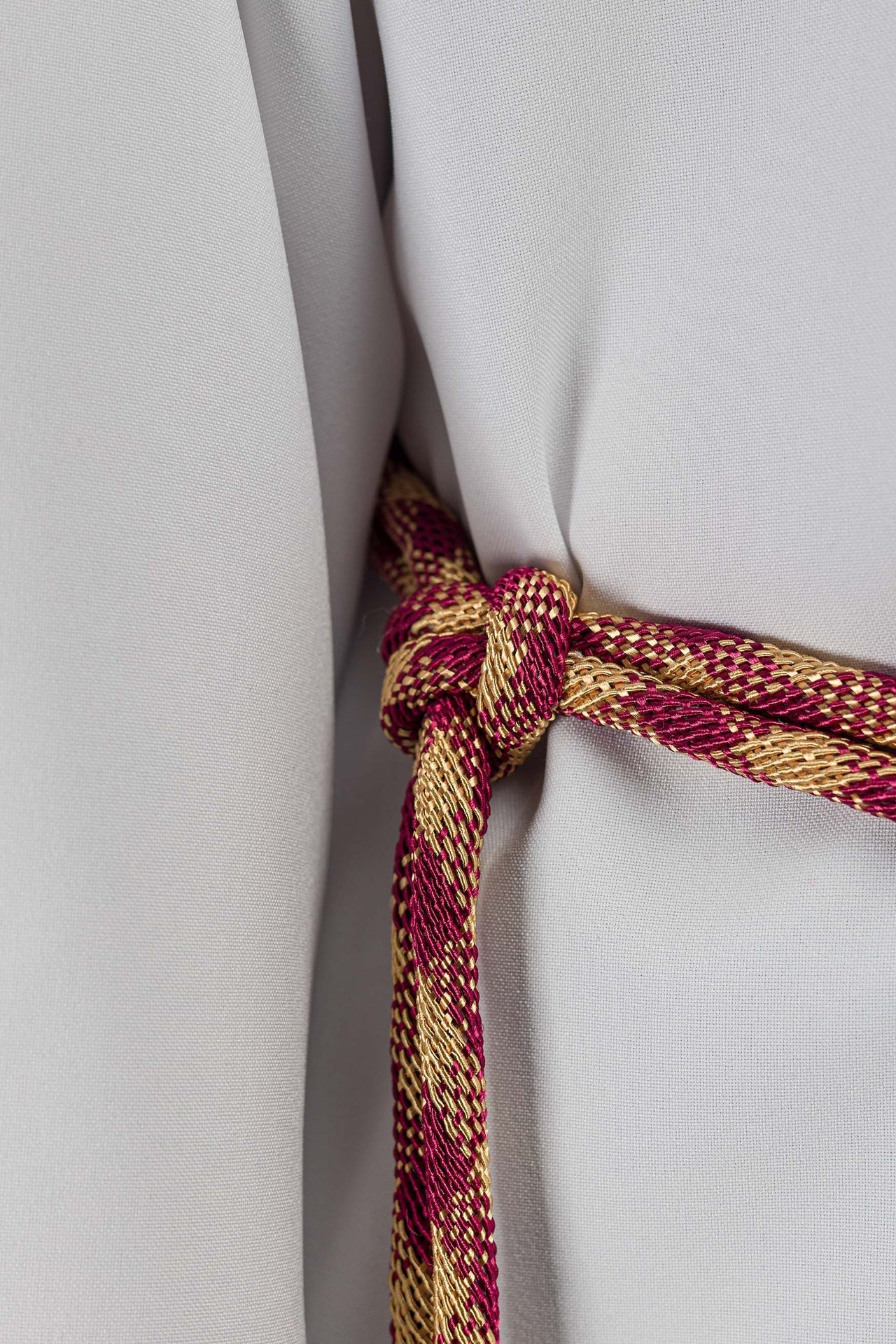
Welcome to our collection of liturgical cinctures — the essential belts and girdles designed to complement clergy vestments. In the liturgical context, it is called a cincture, and it is known by different names in various Christian traditions, such as the Roman Catholic, Anglican, and Protestant churches. It is a liturgical accessory worn around the waist to secure vestments like the alb and cassock, preventing them from becoming tripping hazards during services. All cinctures available here are made from premium materials such as silk, linen, and cotton, and may be custom made to suit your needs. They have both practical and symbolic functions: they symbolize purity and chastity, and are often tied in a way that signifies self-control and virtue. You may wear a cincture if you are clergy, laity, or an altar server; they are often worn by priests, deacons, bishops, and also by lay ministers in the church. When wearing an alb, lay people usually tie the cincture on the right, while deacons often tie it on the left (either side) to accommodate their stole. Cinctures come in two main styles: a rope-like narrow girdle and a broad ribbon of cloth, often referred to as a band cincture. Band cinctures, which are broader and more sash-like, are commonly worn by laity, deacons, and priests in various denominations, often in black for laity and purple for bishops. However, the color or style may vary according to the liturgical season or tradition, and the details of the cincture—such as tassels, knots, or embroidery—reflect the craftsmanship and spiritual meaning of the vestment. In the Roman Catholic Church, cinctures are typically long, rope-like cords with tassled or knotted ends, and their color may vary according to the liturgical season. In various Christian denominations, the color of the cincture can vary according to the liturgical season, further enhancing its symbolic meaning during worship. But regardless of style, the cincture remains a sign of readiness and virtue in the service of the Lord. Let the traditional prayer recited by clergy when donning the cincture—"Gird me, O Lord, with the cincture of purity, and quench in me the fire of concupiscence"—remind you of its spiritual significance. If you are looking for more information, our page provides details on all available options, so consider the right cincture for your needs and pay attention to the details that make each piece unique.
-
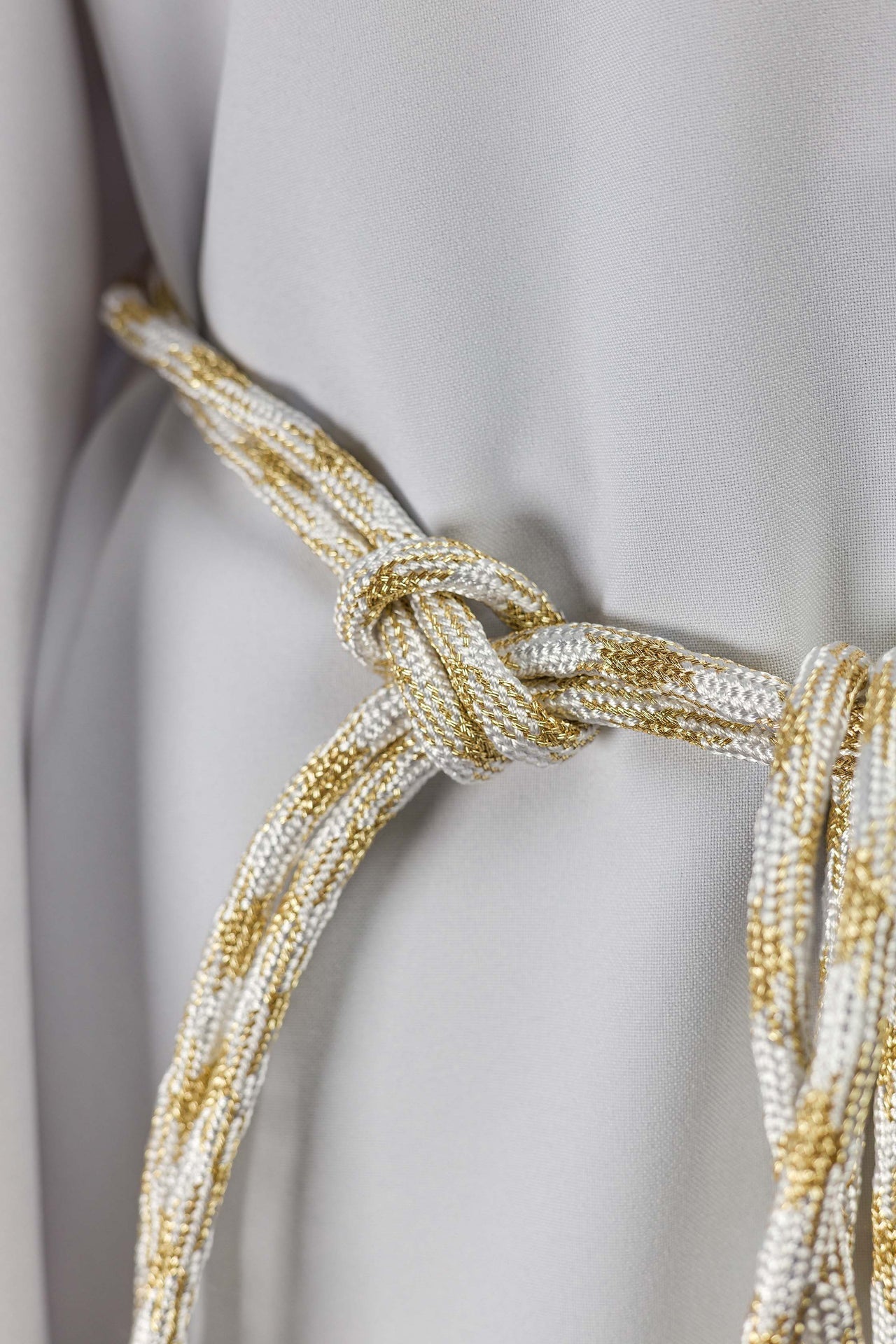
High-quality materials: silk, linen, cotton — hand-finished for a refined look.
-
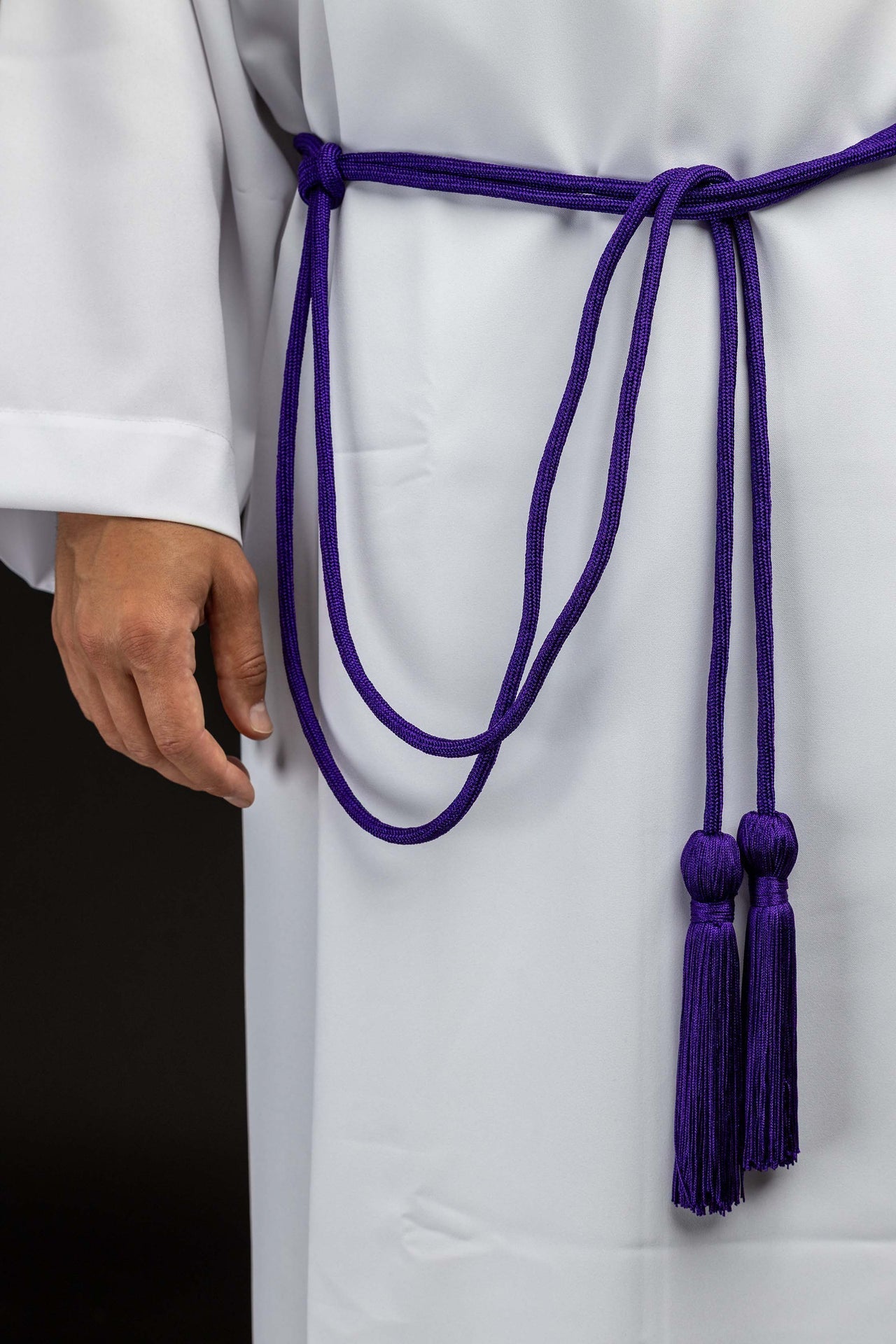
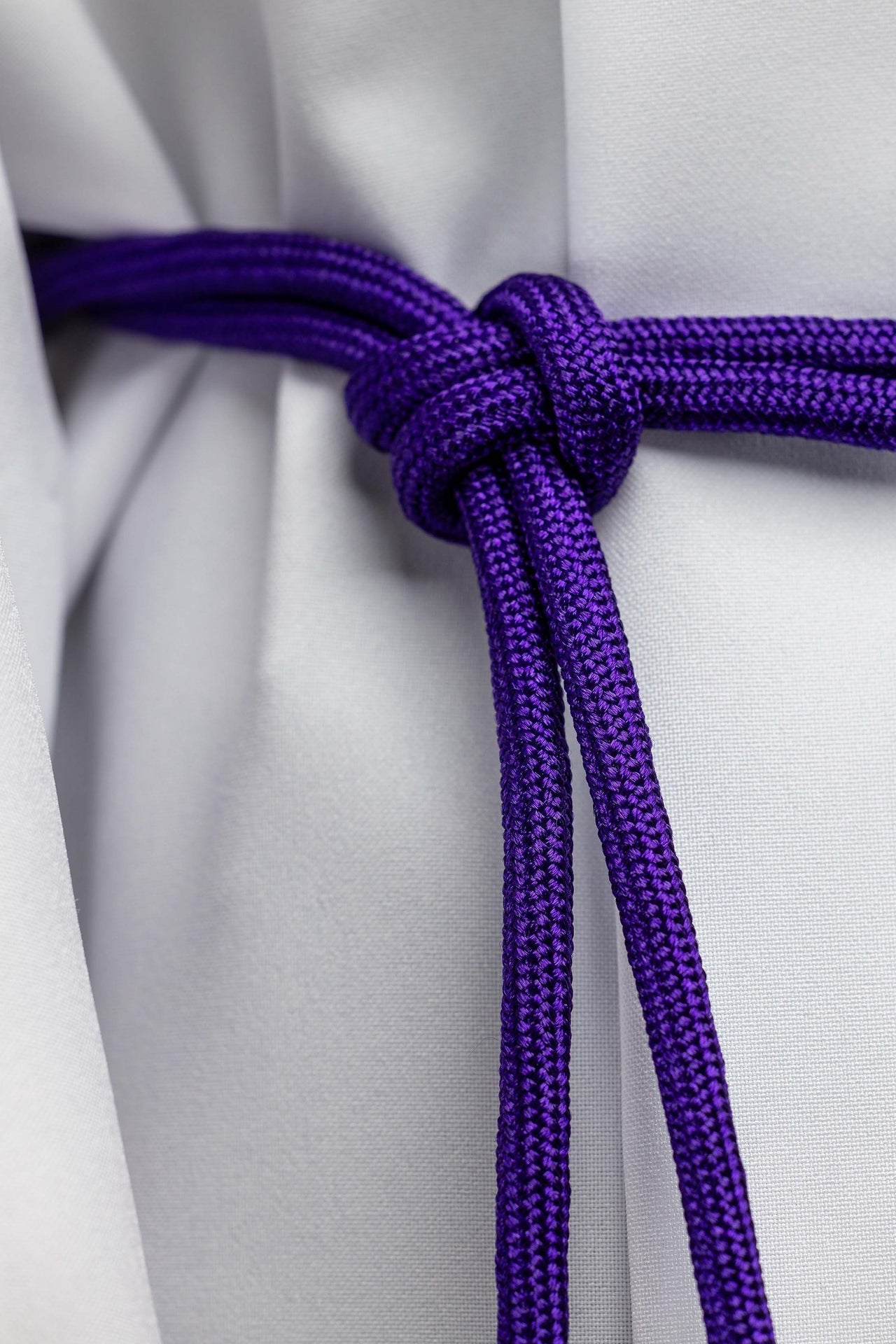
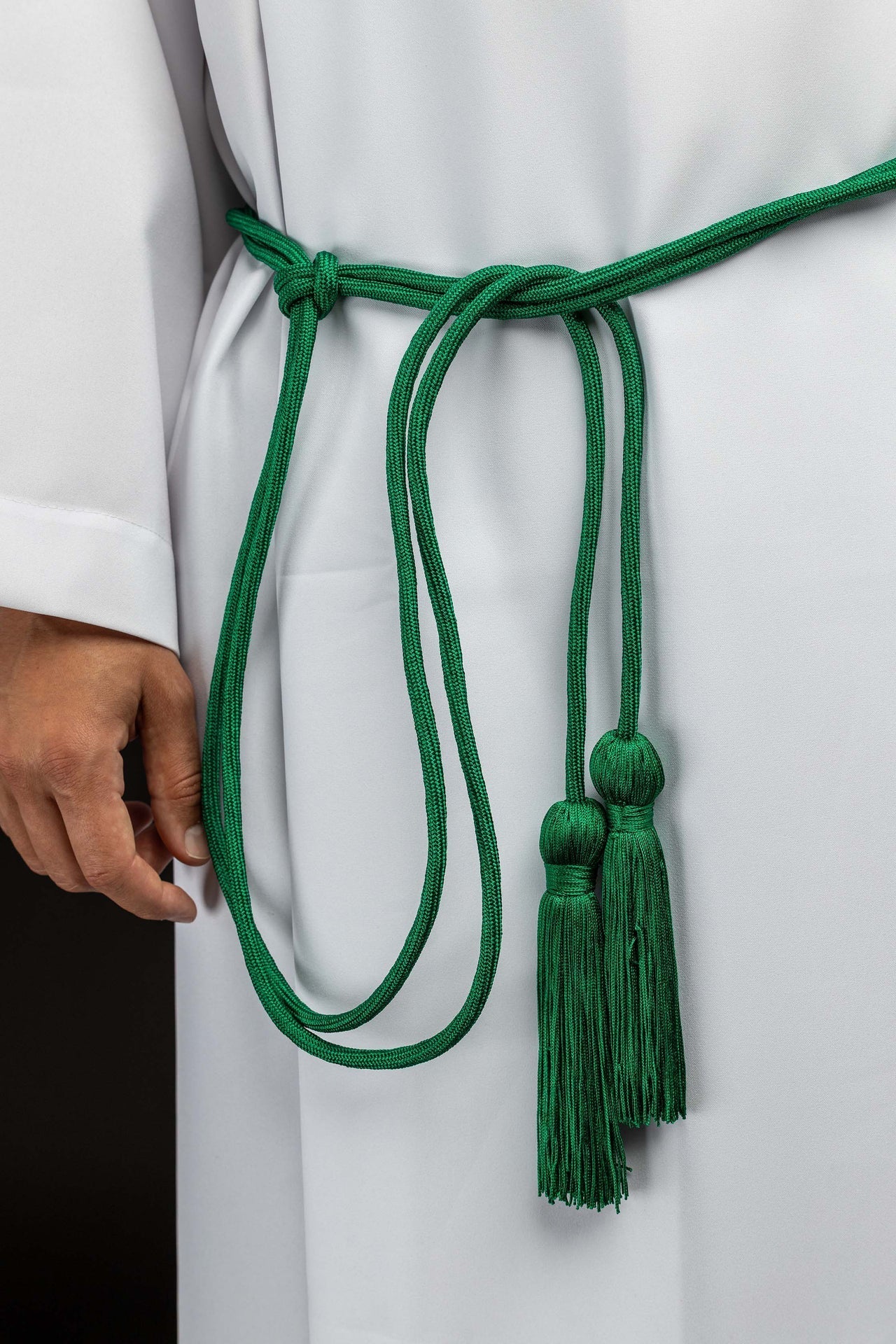
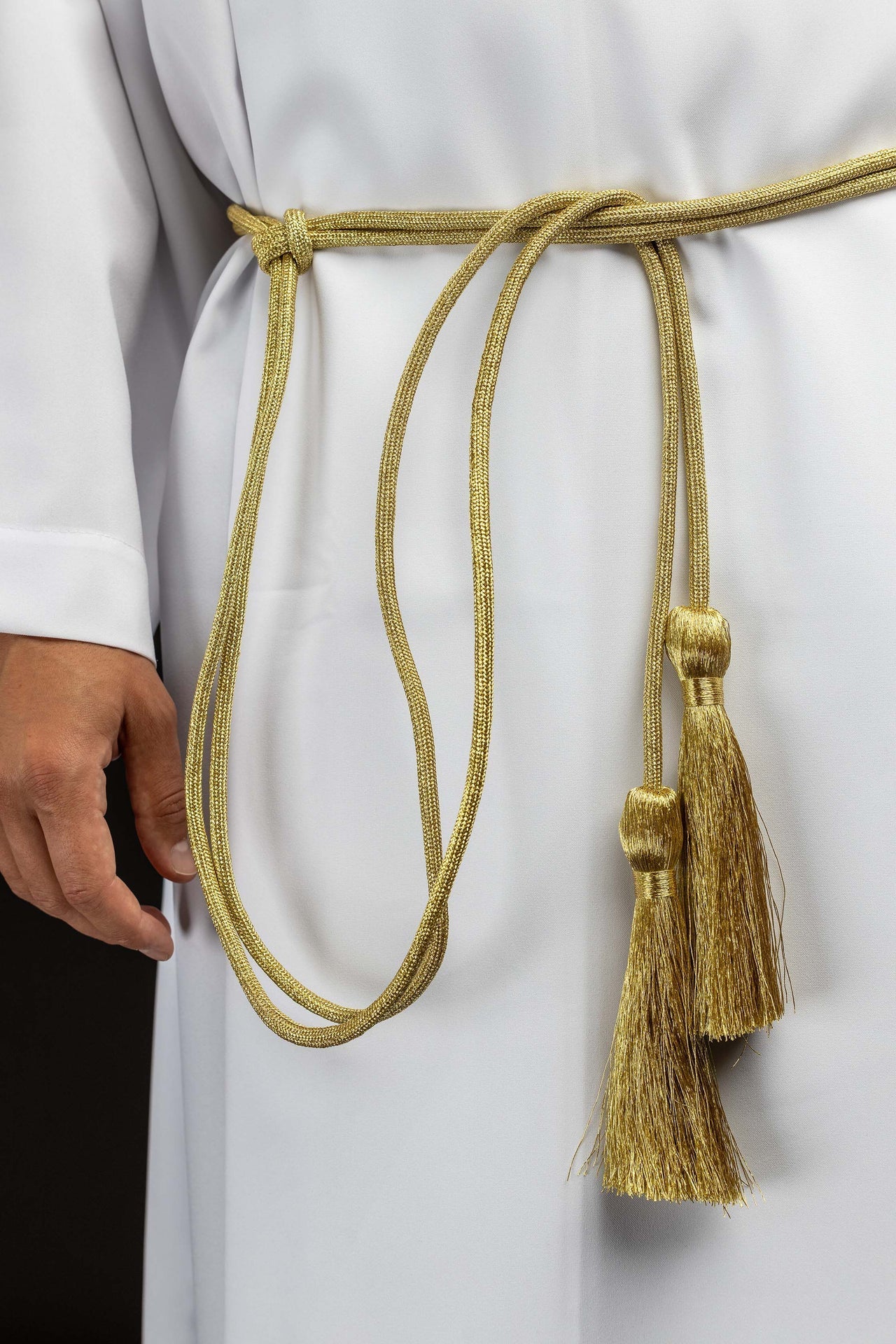
Liturgical colours: white (Christmas, Easter), purple (Advent, Lent), green (Ordinary Time), red, gold and more — to match the liturgical season.
-
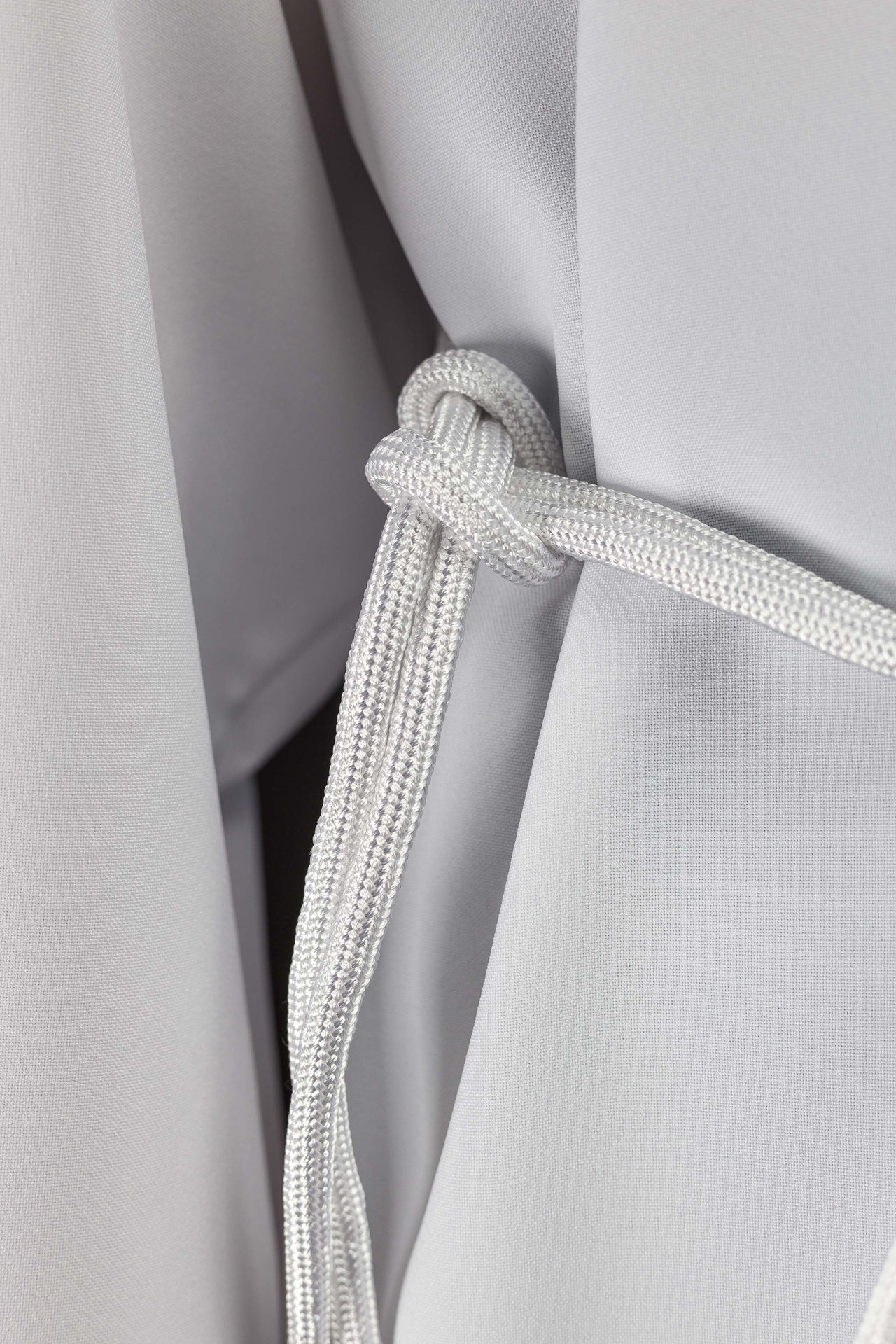
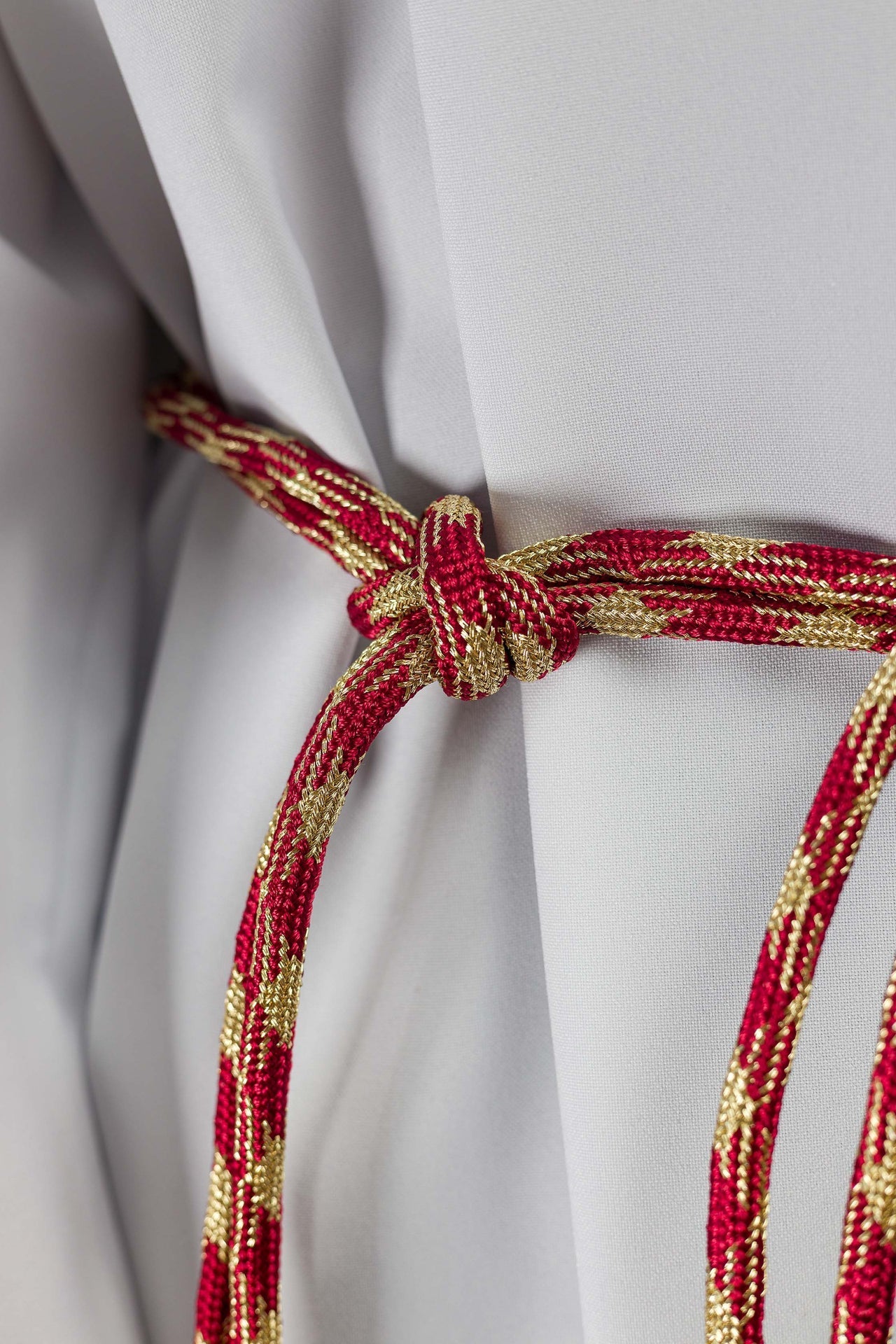
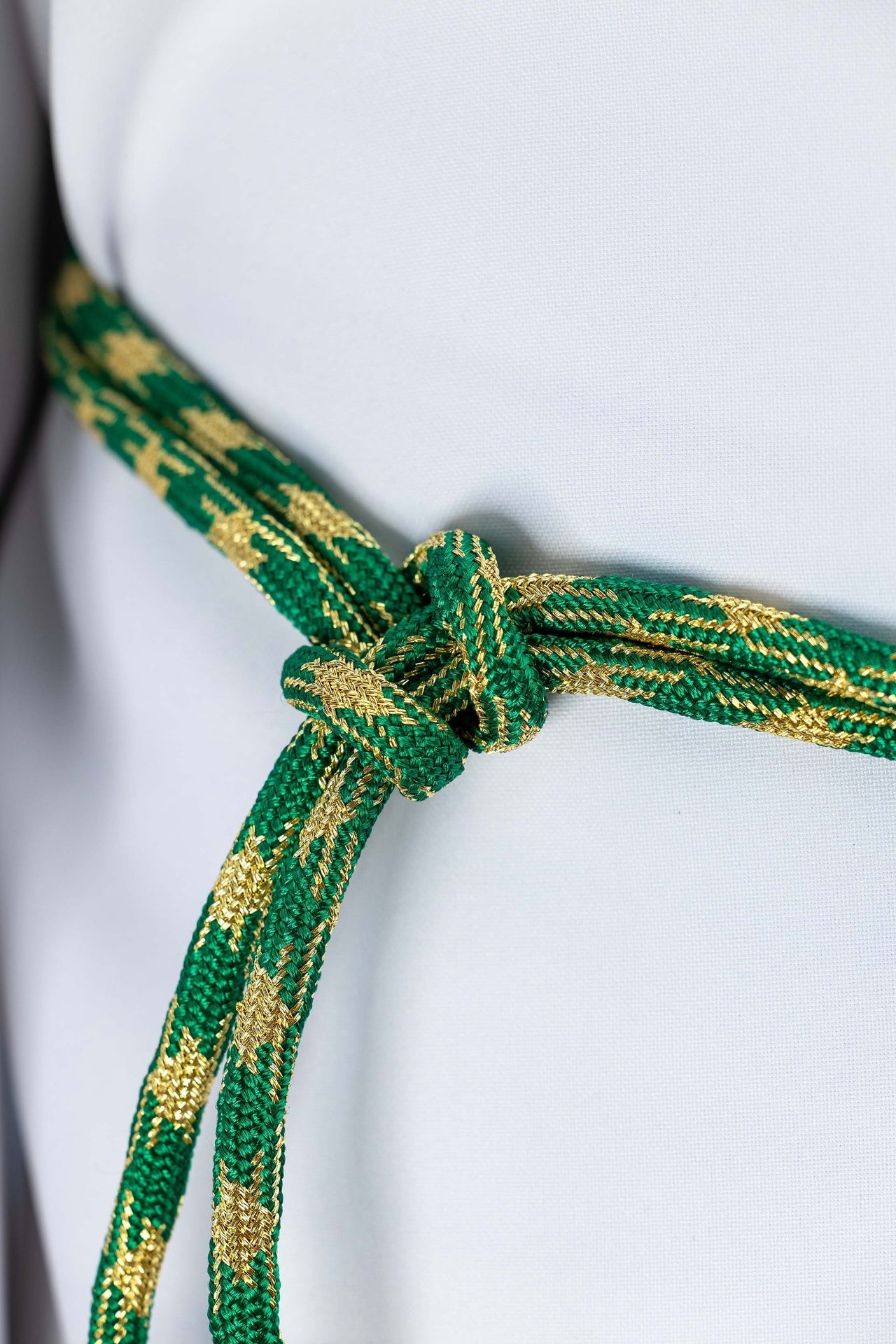
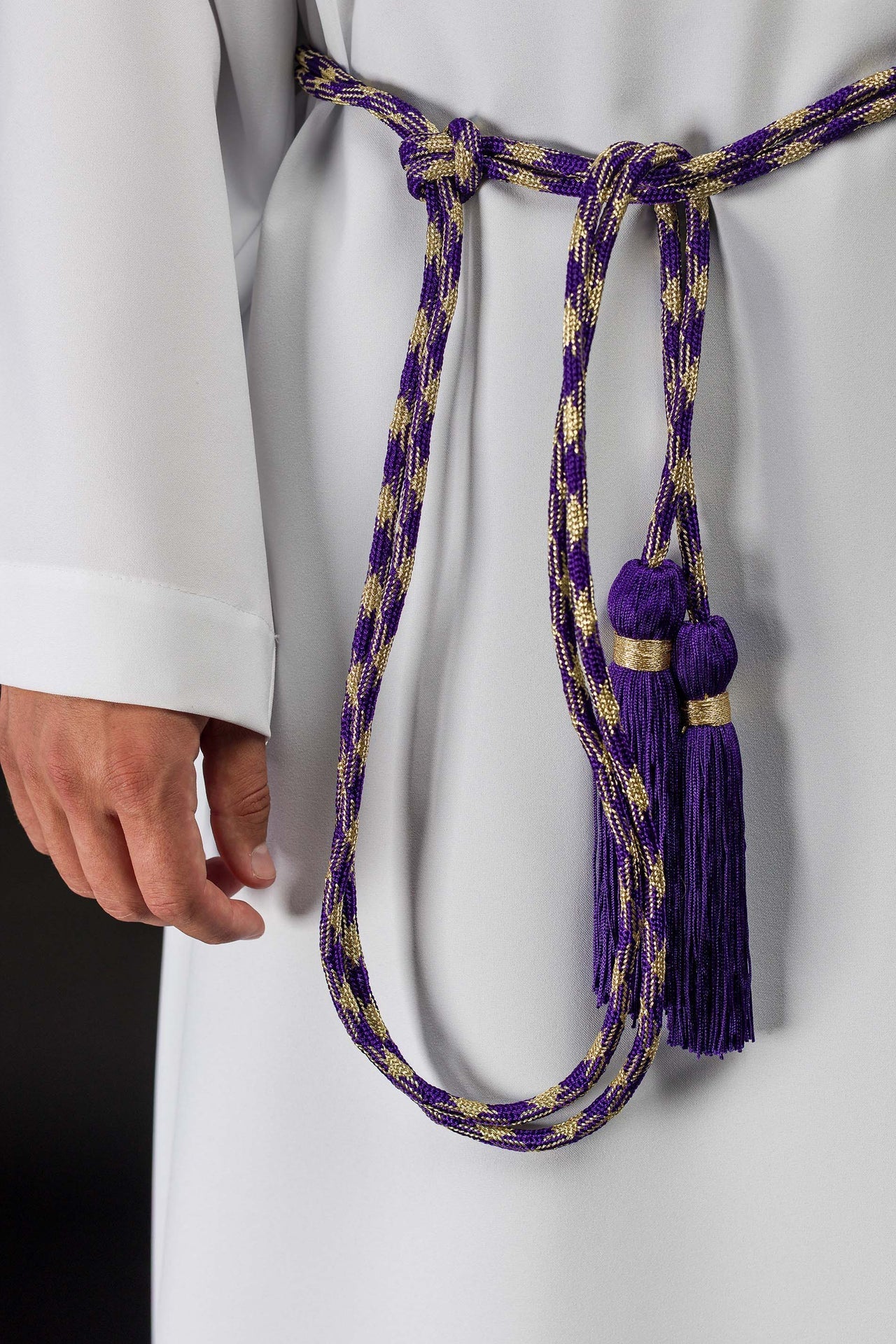
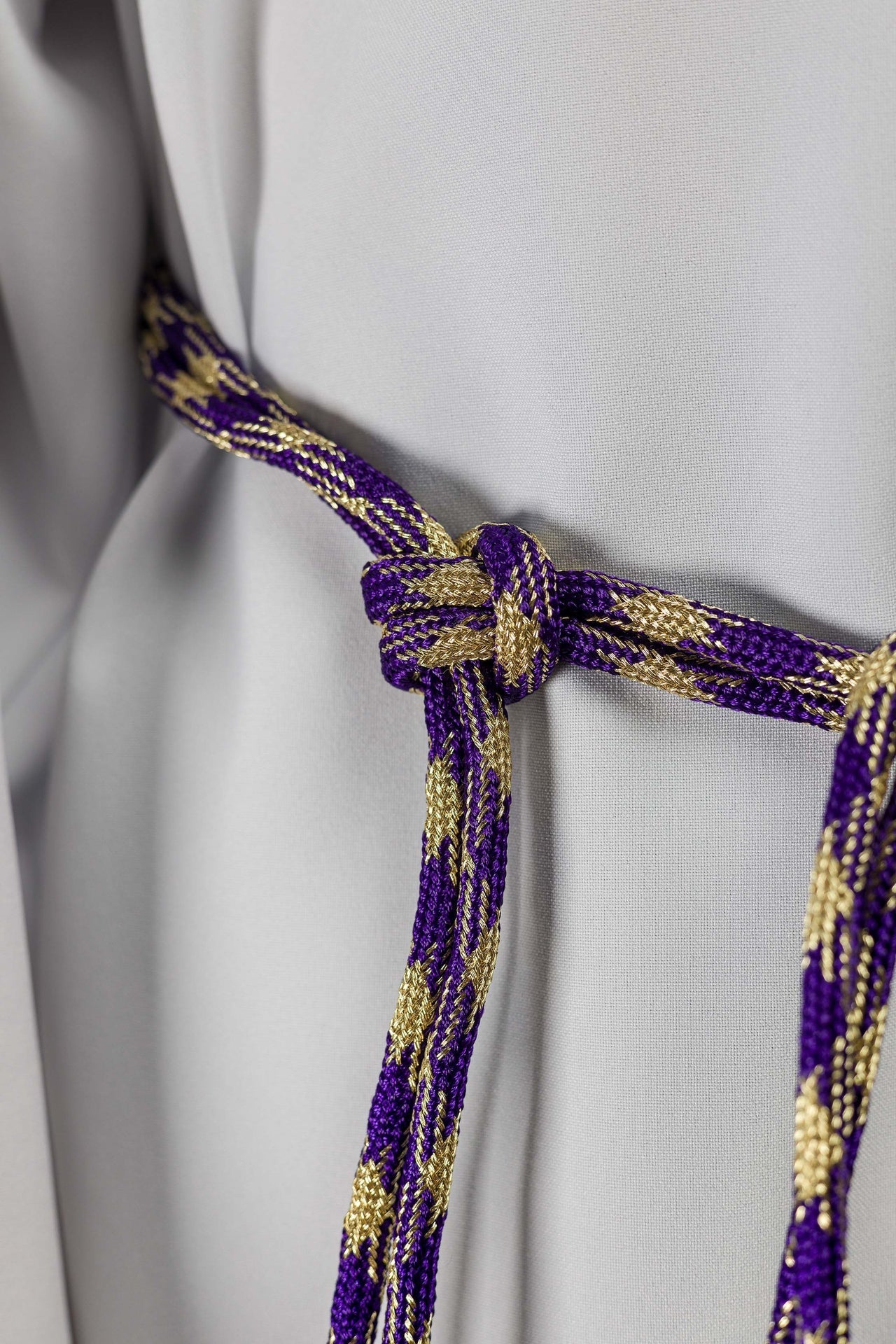
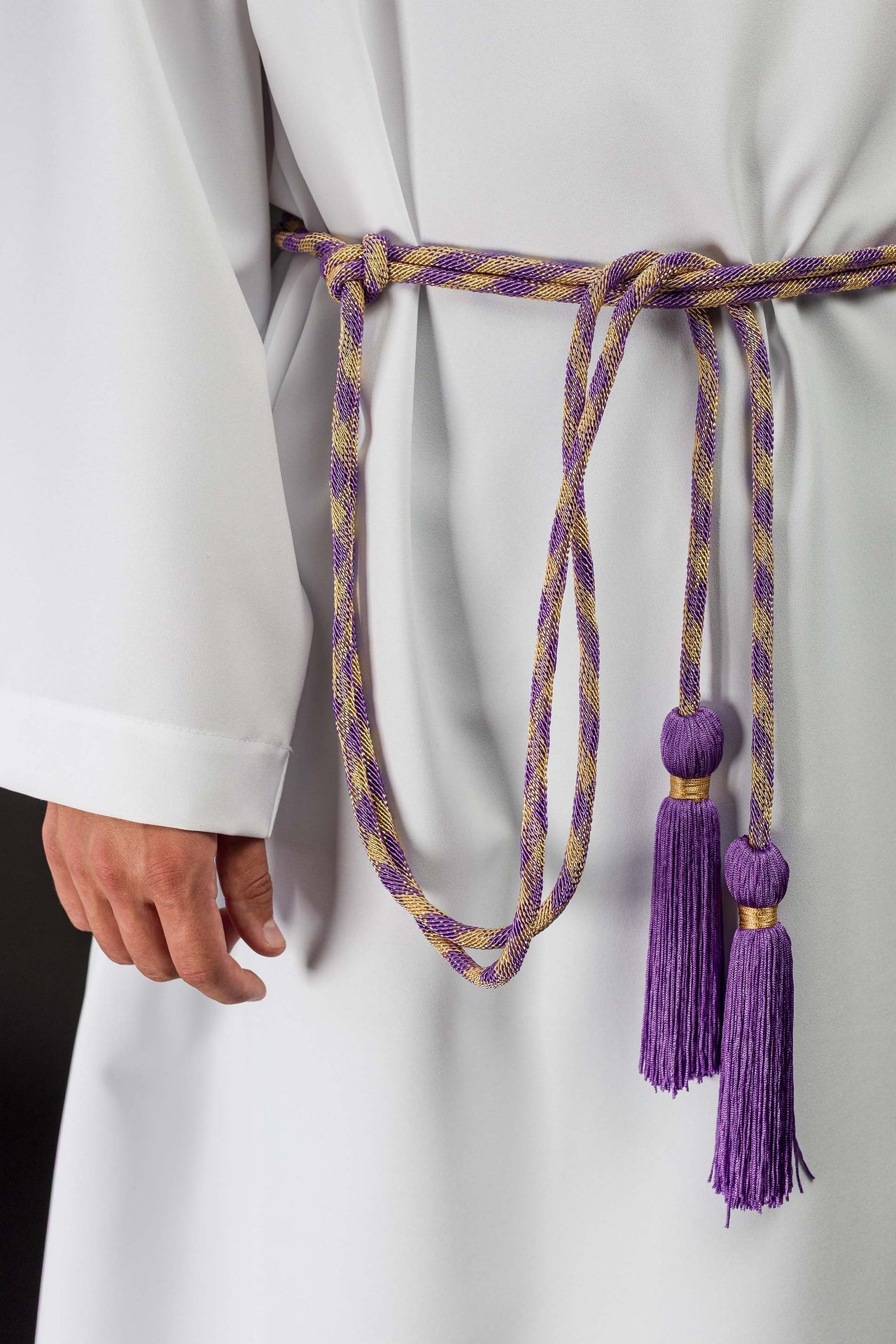
Functional design: long rope-like or braided cords with tasseled or knotted ends, easily tied around the waist over the alb.
-
For clergy and ministers: suitable for priests, deacons and altar servers — completing the full liturgical attire.
Explore our selection of cinctures and find the perfect belt to match your alb or cassock. Whether for daily liturgies or solemn celebrations, our cinctures combine tradition, spirituality and craftsmanship.
Wprowadzenie do cinctur
The cincture to nieodłączny element stroju liturgicznego, noszony wokół talii przez duchownych i ministrantów podczas mszy świętej oraz innych uroczystości kościelnych. Cincture, czyli pas liturgiczny, może być wykonany z różnych materiałów i występuje w różnych formach, ale zawsze pełni zarówno funkcję praktyczną, jak i symboliczną. The cincture jest używany w wielu tradycjach chrześcijańskich, takich jak Kościół rzymskokatolicki, anglikański, metodystyczny czy luterański. Dzięki niemu strój liturgiczny jest kompletny i zgodny z wymogami danej tradycji.
Rodzaje cinctur
There are two basic types of cinctures: the classic, corded belt and a wide ribbon of fabric known as a band cincture. A band cincture is a wide belt that often has a hanging section on one side. It can be made of cotton, silk, linen, or other fabrics, or in the form of a braided cord. White cincture is most often worn during ceremonial occasions, but versions in liturgical colors such as red, green, or gold are also available. When donning the cincture, clergy often recite the prayer "gird me," asking for purity and readiness for service.
Użycie cinctur w liturgii
The cincture is worn around the waist, outside the alb, and helps keep the liturgical vestments in proper order. The cincture is tied in various ways, depending on tradition—one of the most popular is the Roman knot, which provides stability and an aesthetically pleasing appearance. The cincture not only holds the alb and stole in place but also emphasizes the symbolism of purity and readiness for liturgical service. It is an element of vestment that combines practicality with spiritual significance.
Znaczenie cinctur
The cincture has a profound symbolic meaning – it is a sign of purity, abstinence, and readiness to serve. The cincture band, a wide ribbon, is often worn by higher-ranking clergy and symbolizes their office and authority. The cincture can also be a decorative element, made of ornate materials and in various colors, adapted to the liturgical season. During the Christmas season, the cincture is a popular gift for clergy and altar servers, emphasizing the importance of tradition and the spiritual dimension of service.