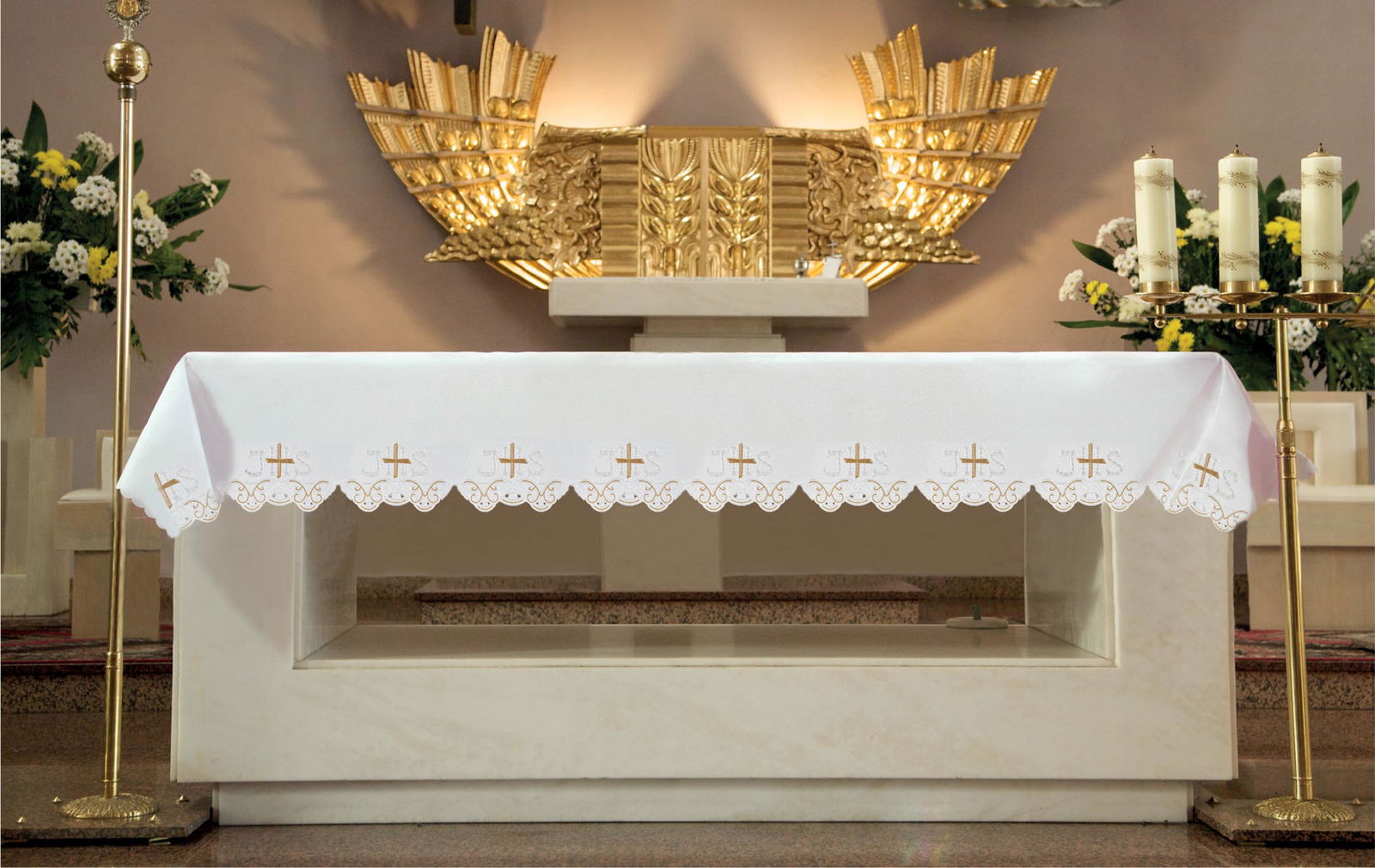
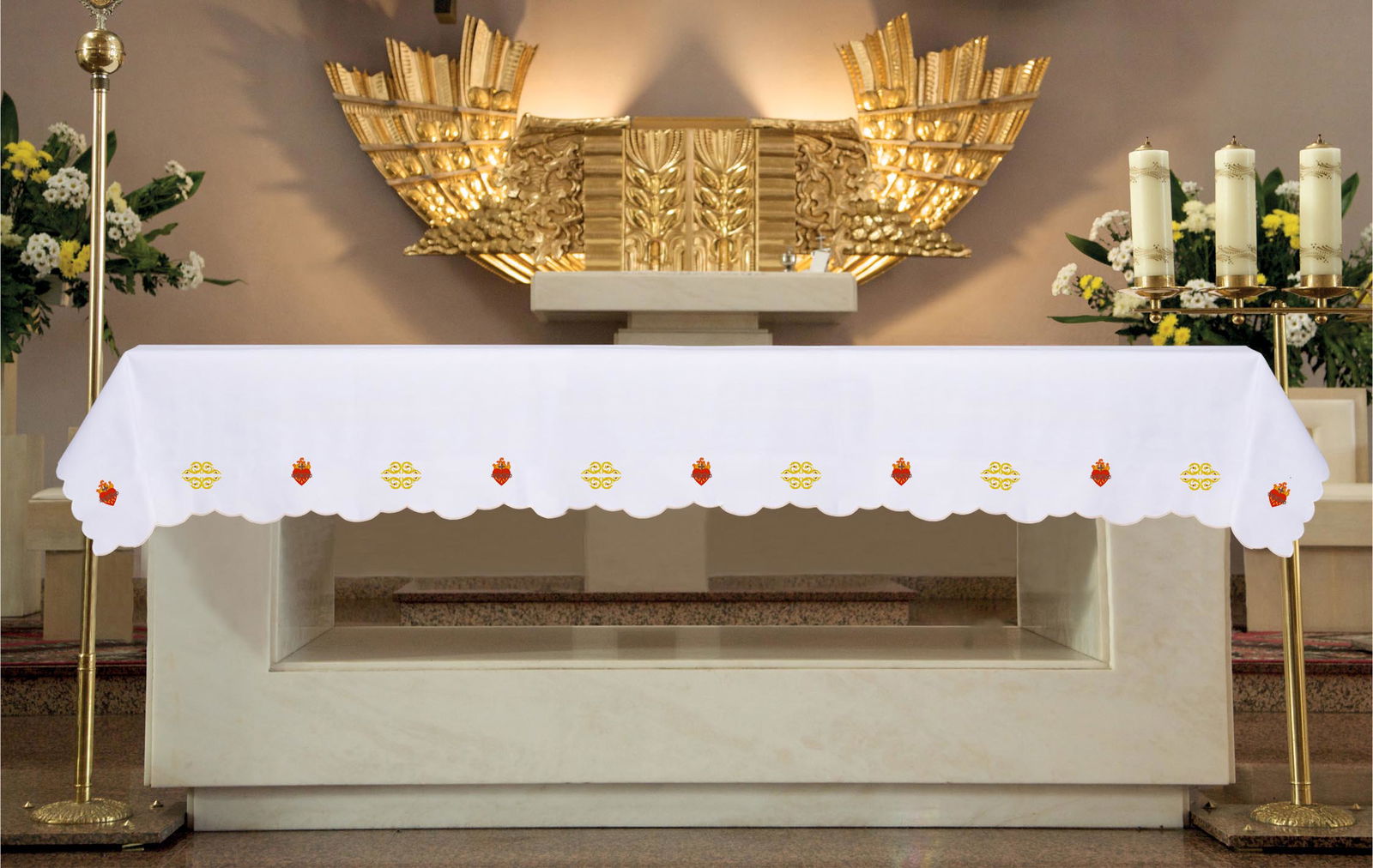
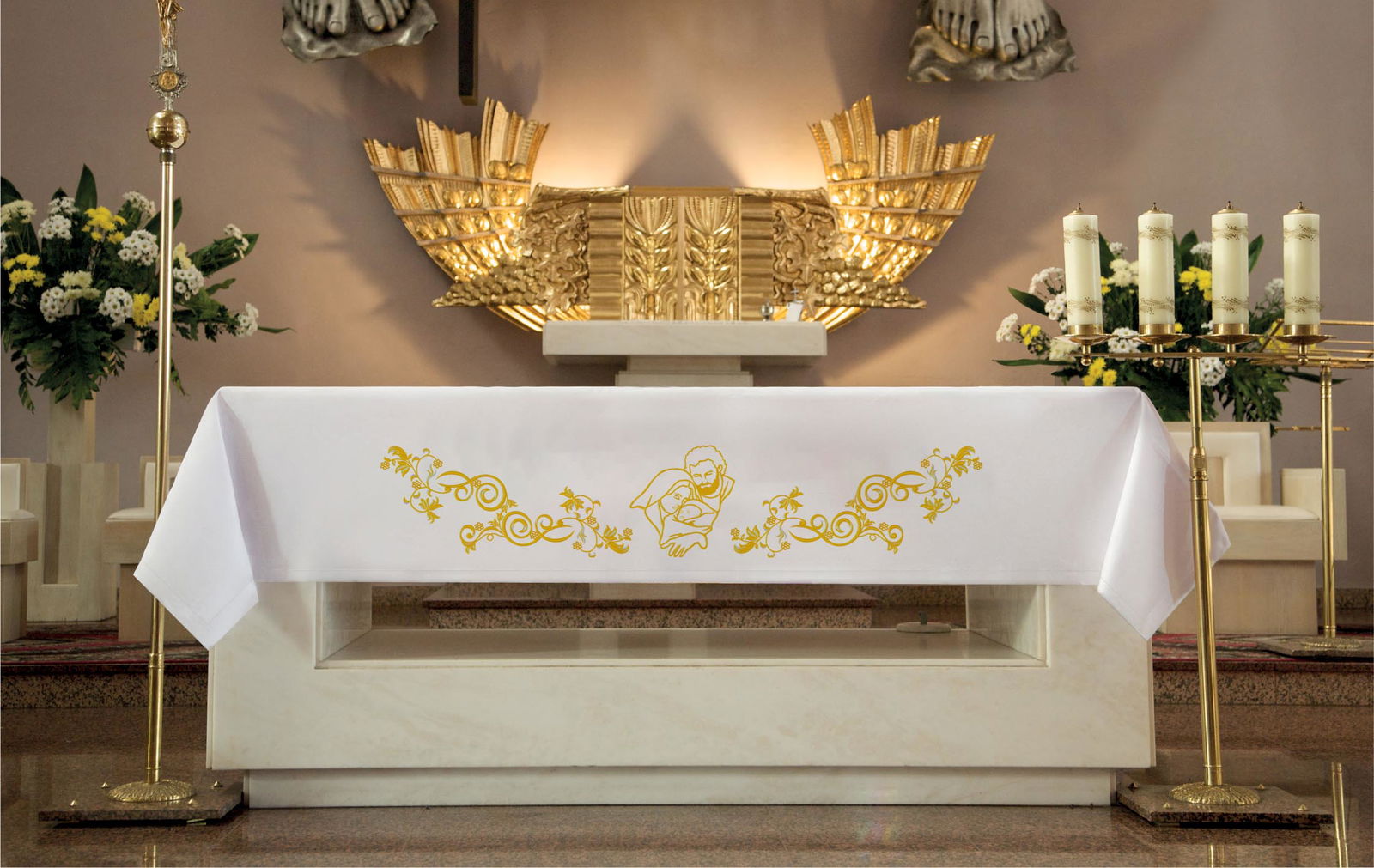
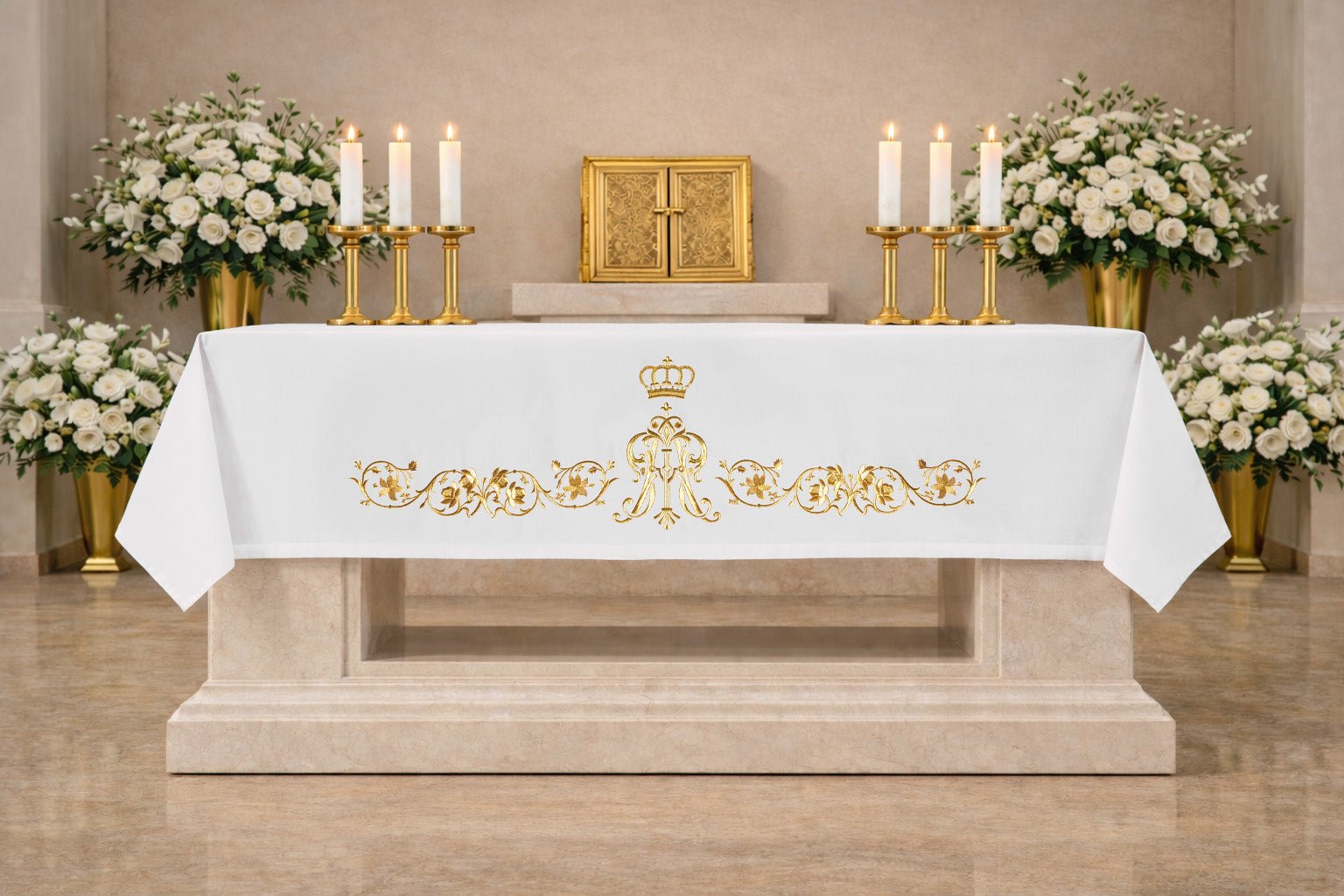
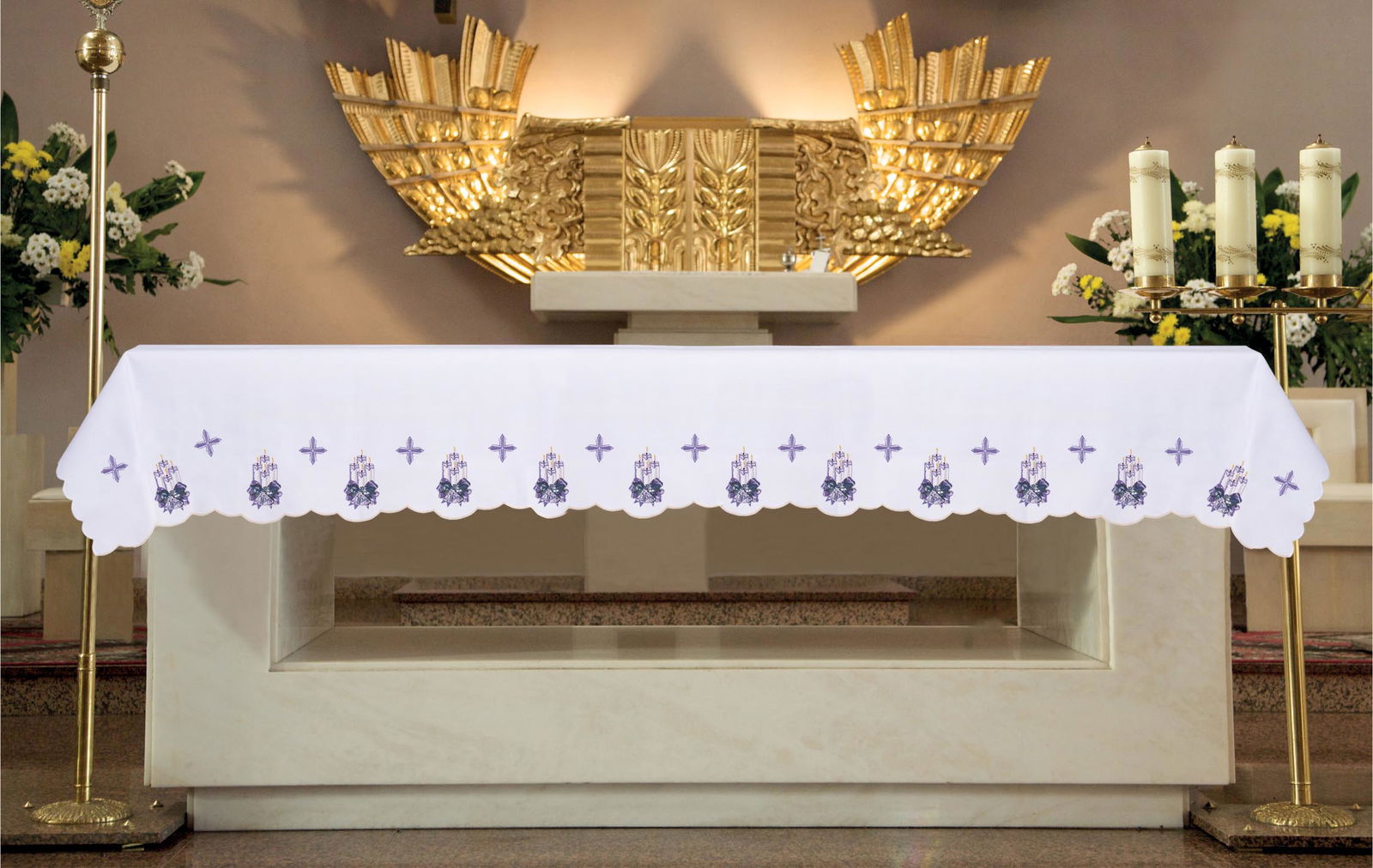
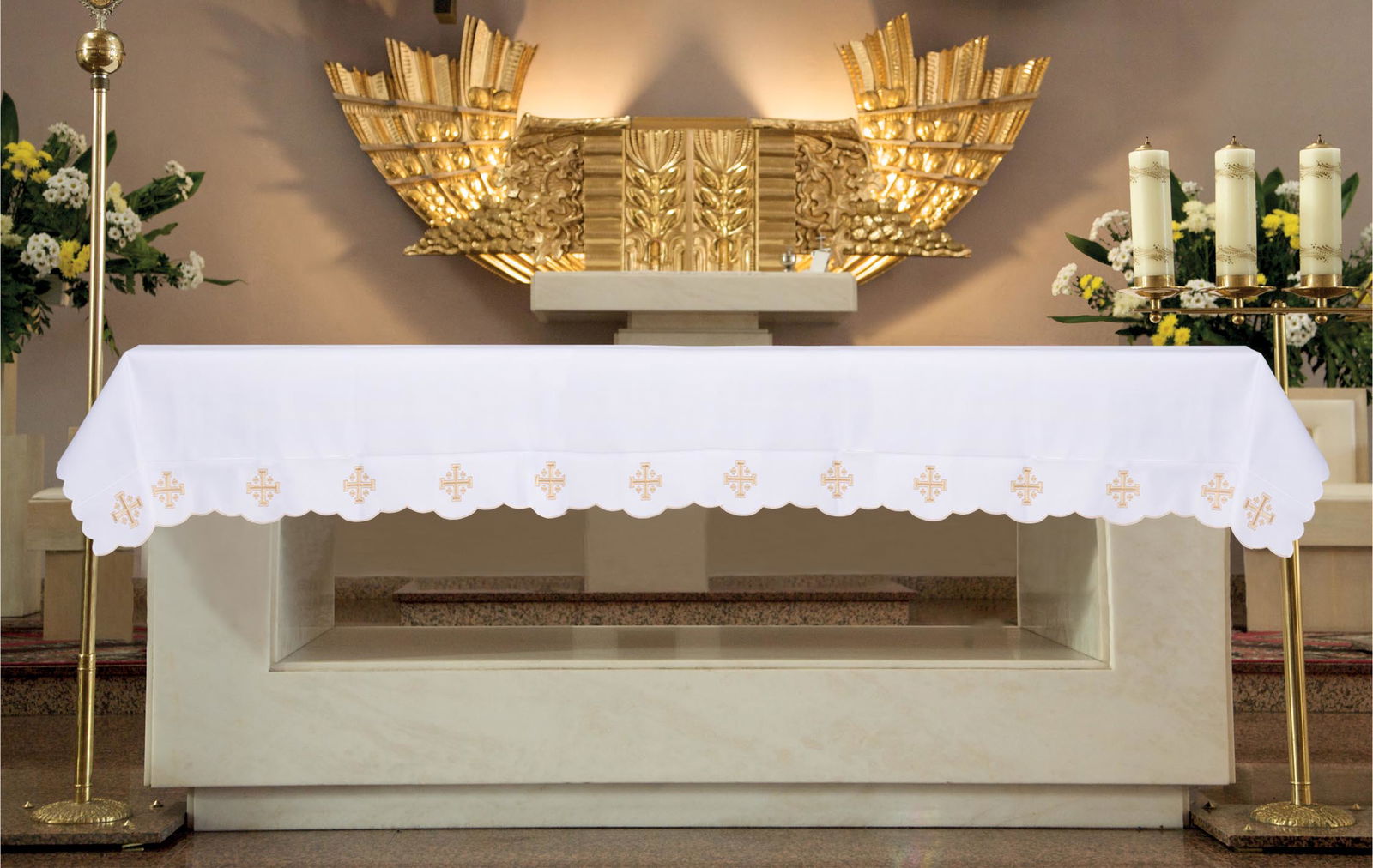
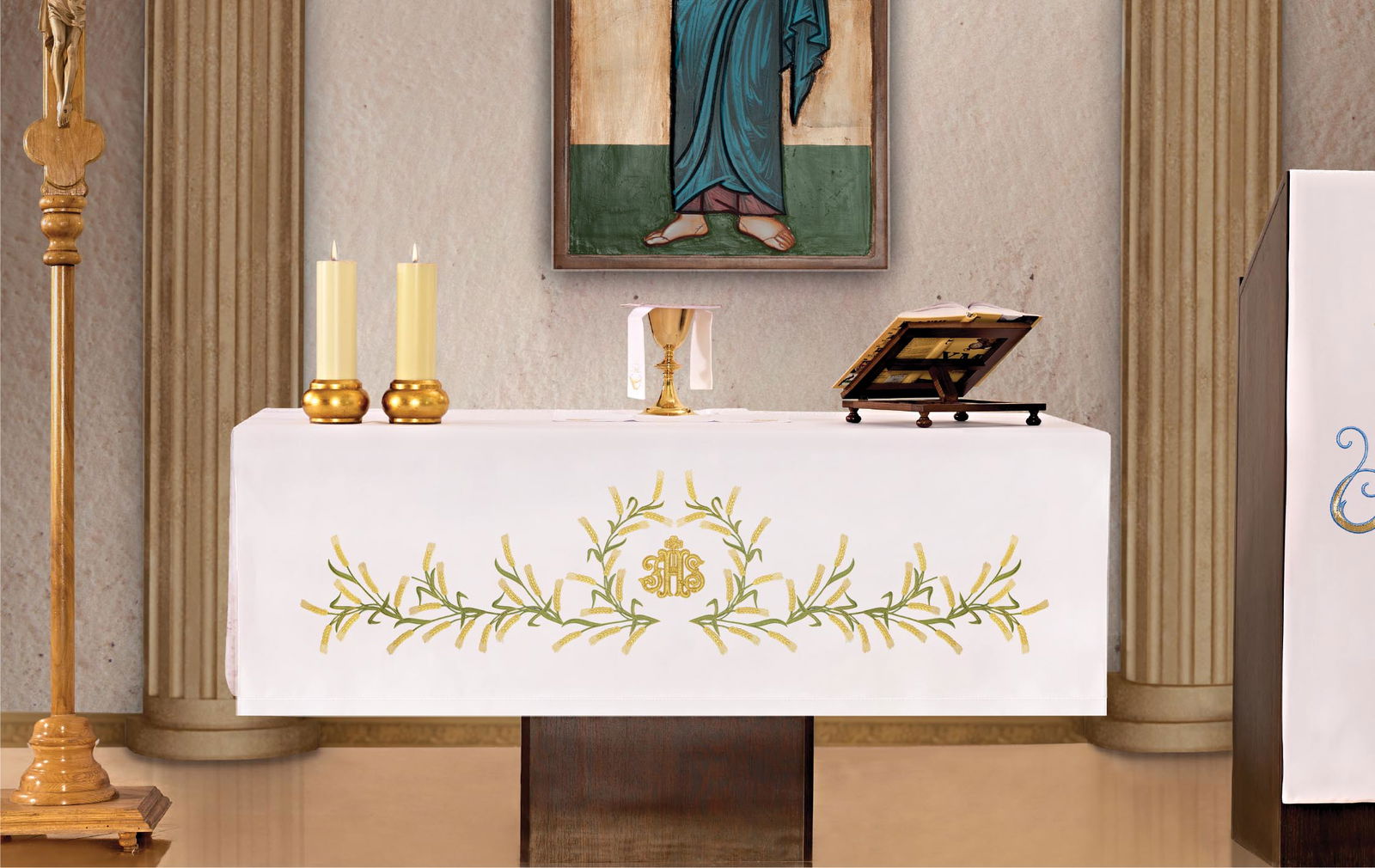
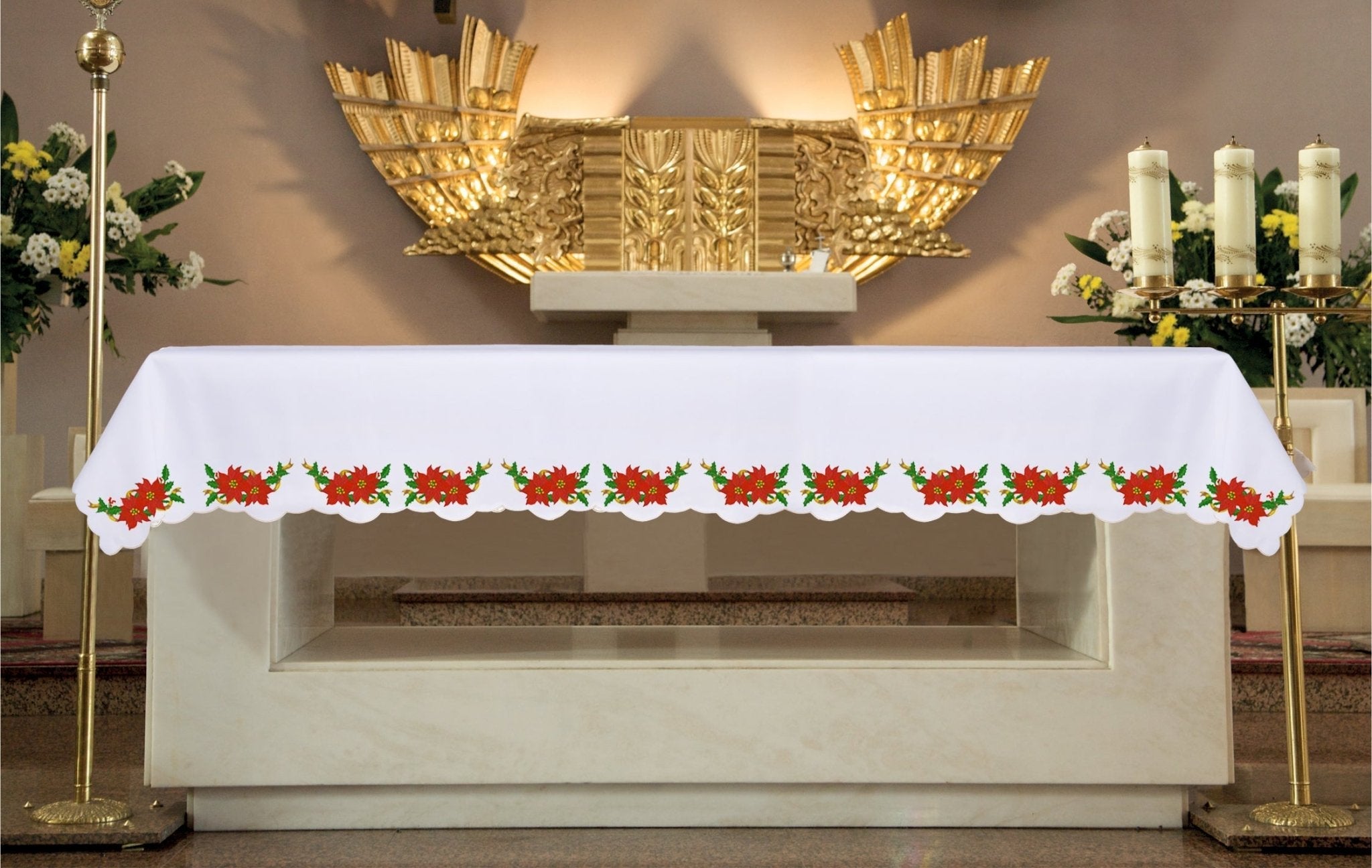
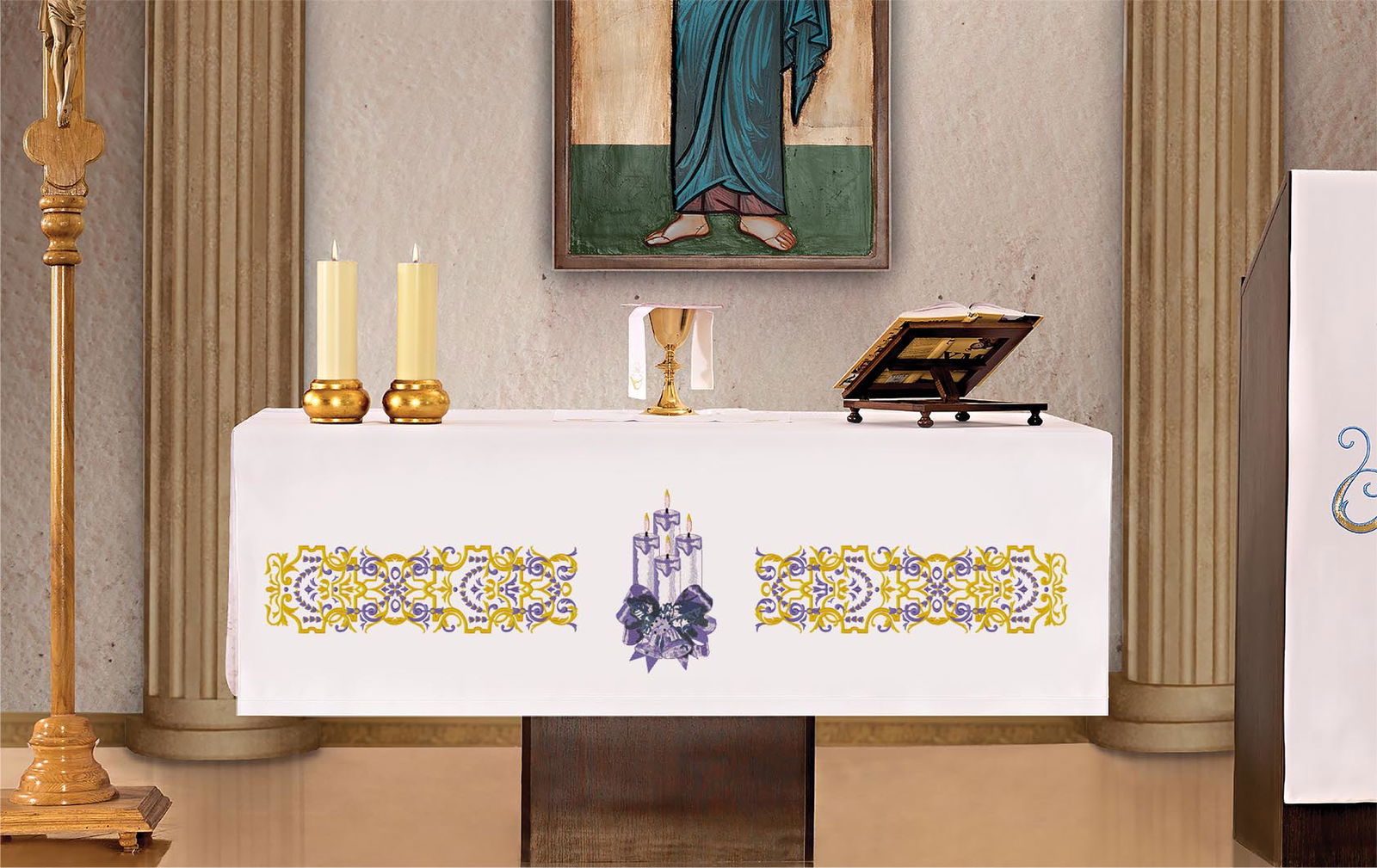
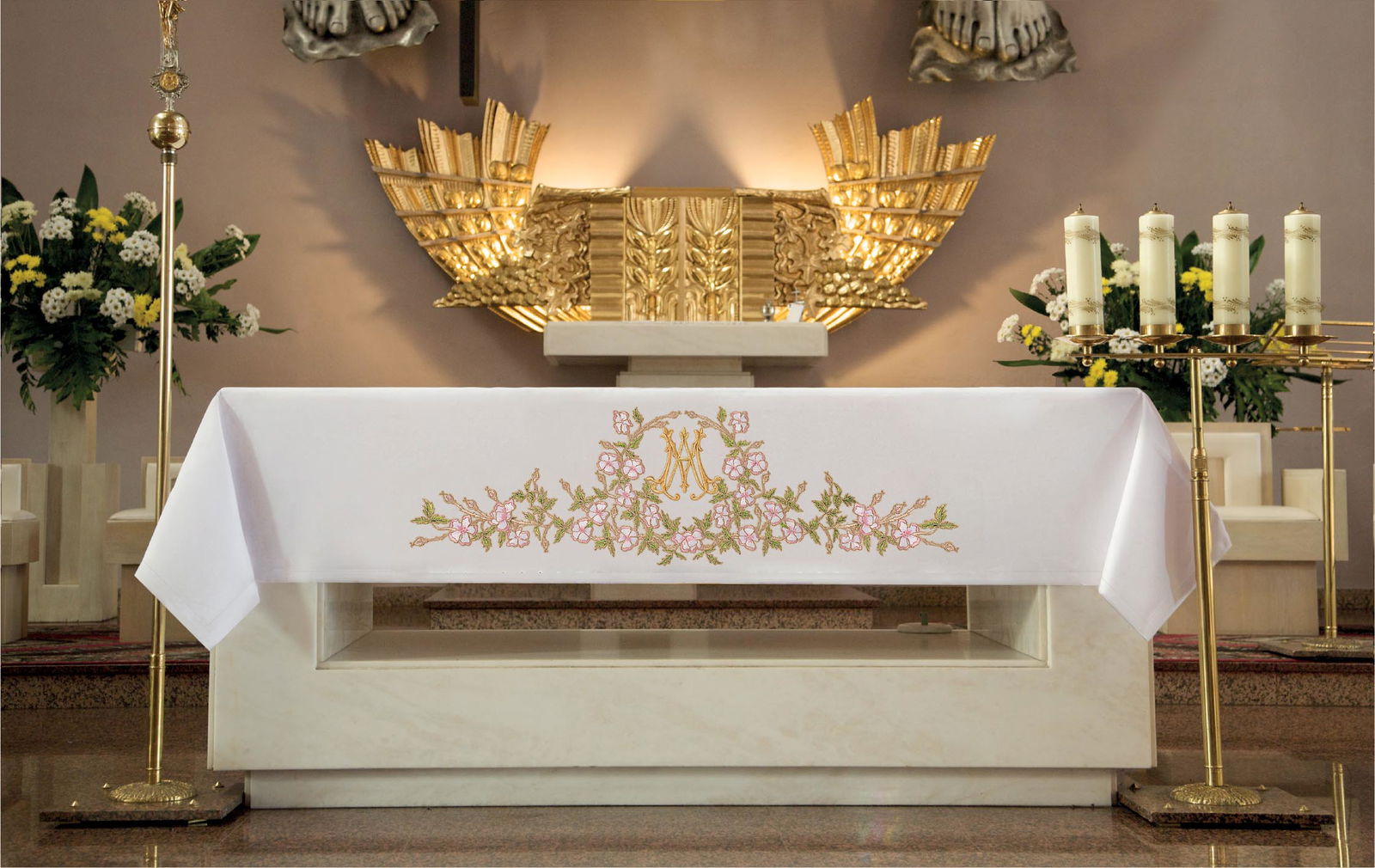
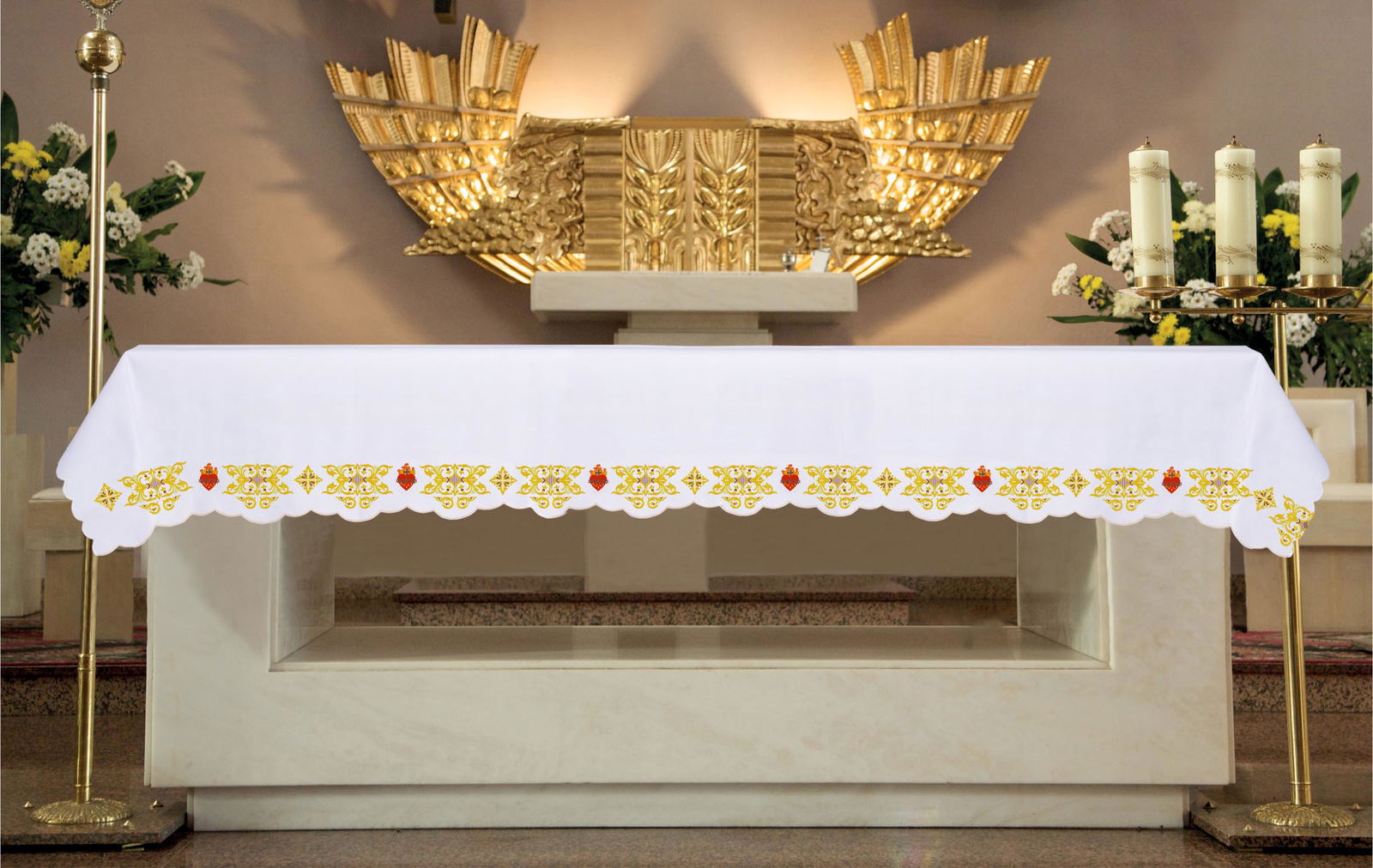
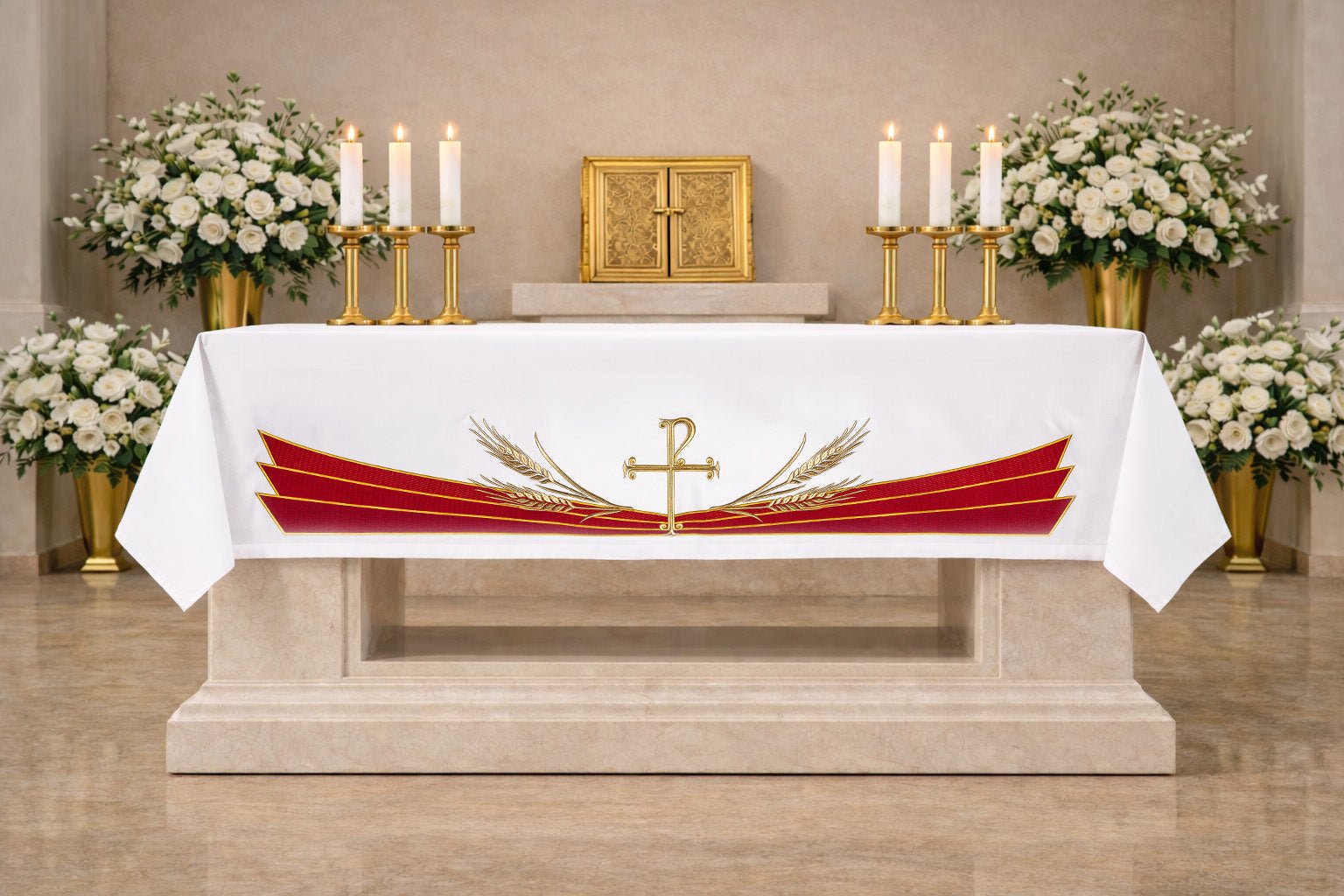
Altar Tablecloth with Frontal Embroidered
Altar tablecloths are more than just decorative pieces—they are integral elements of sacred spaces, imbued with symbolism and tradition. An altar tablecloth with frontal embroidery elevates this significance, adding a layer of artistry and reverence to the liturgical setting. This category delves into the rich history, craftsmanship, and considerations surrounding altar tablecloths with frontal embroidery, providing insight for churches, religious institutions, and individuals seeking to enhance their worship environment. Altar tablecloths are made from materials such as linen, cotton, or blends of both, with linen being preferred for its durability and traditional significance.
The Significance of Altar Tablecloths
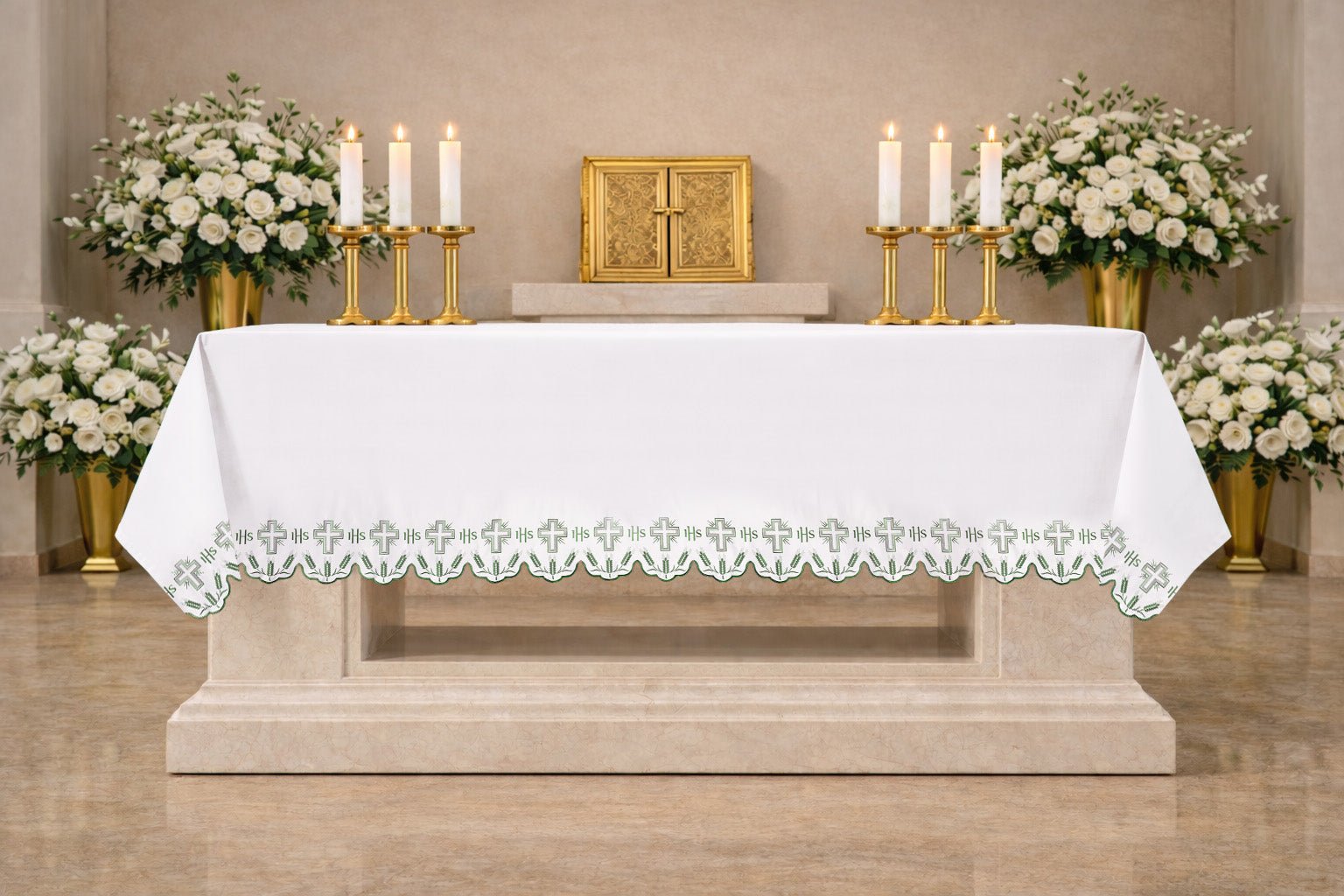
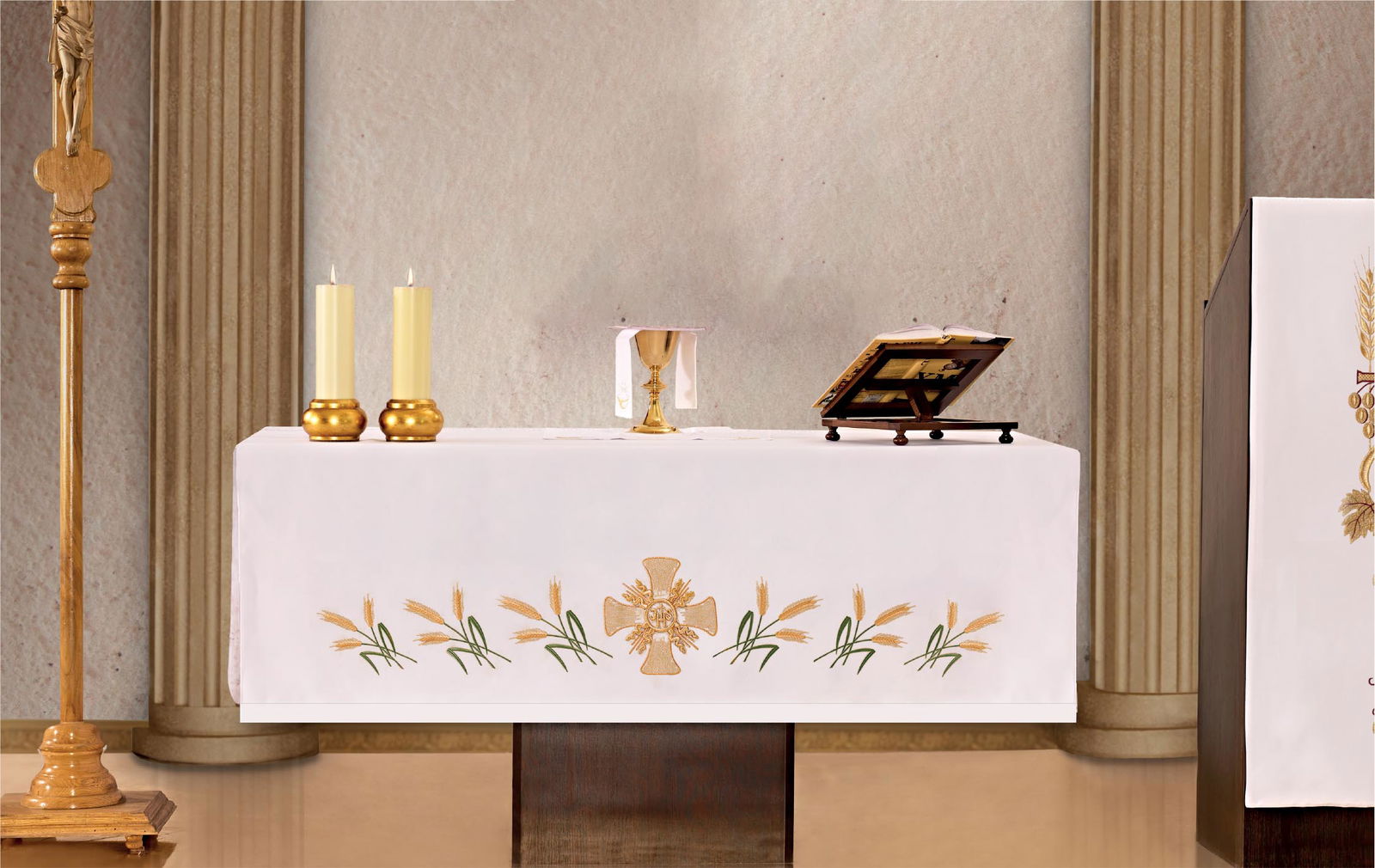
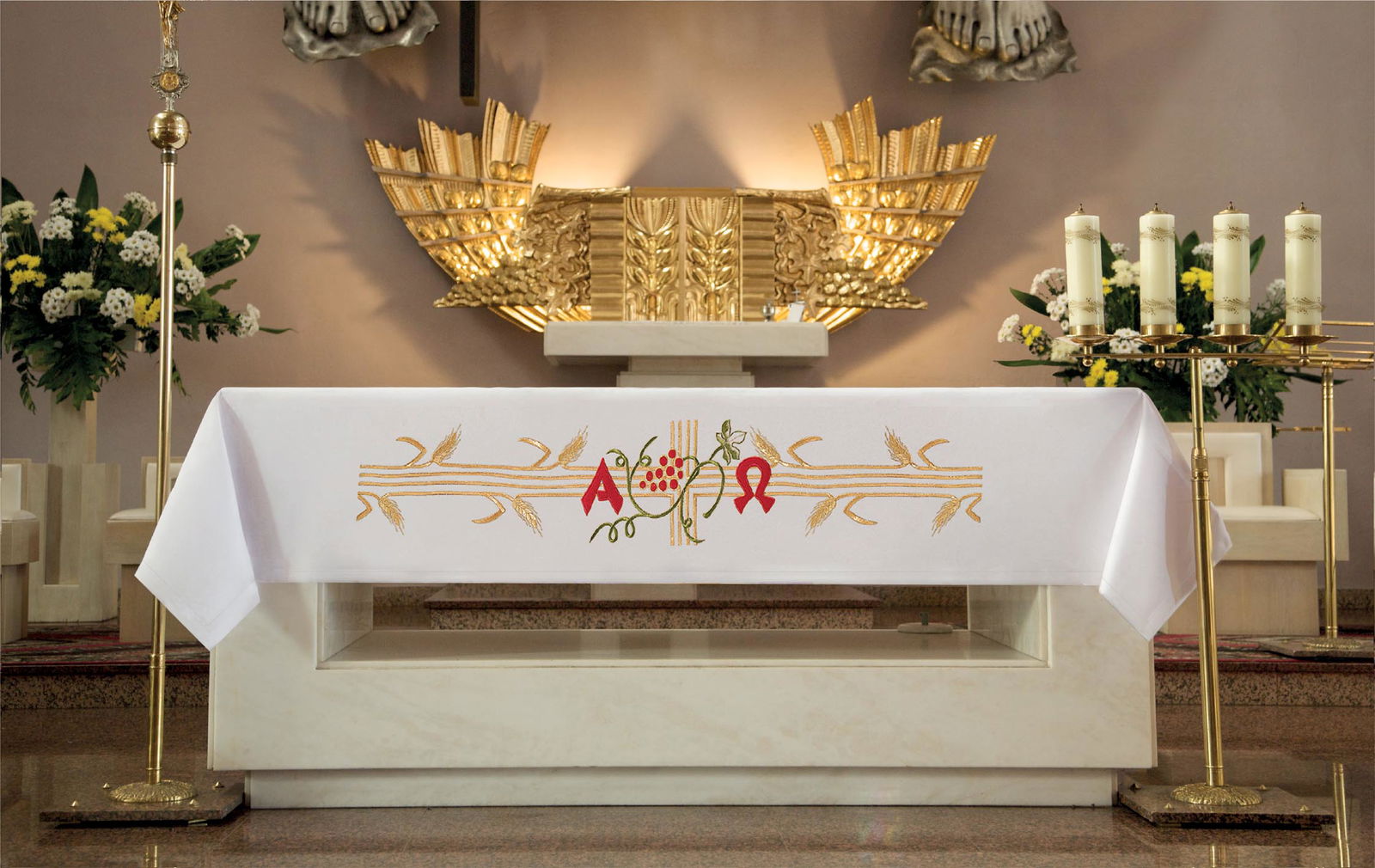
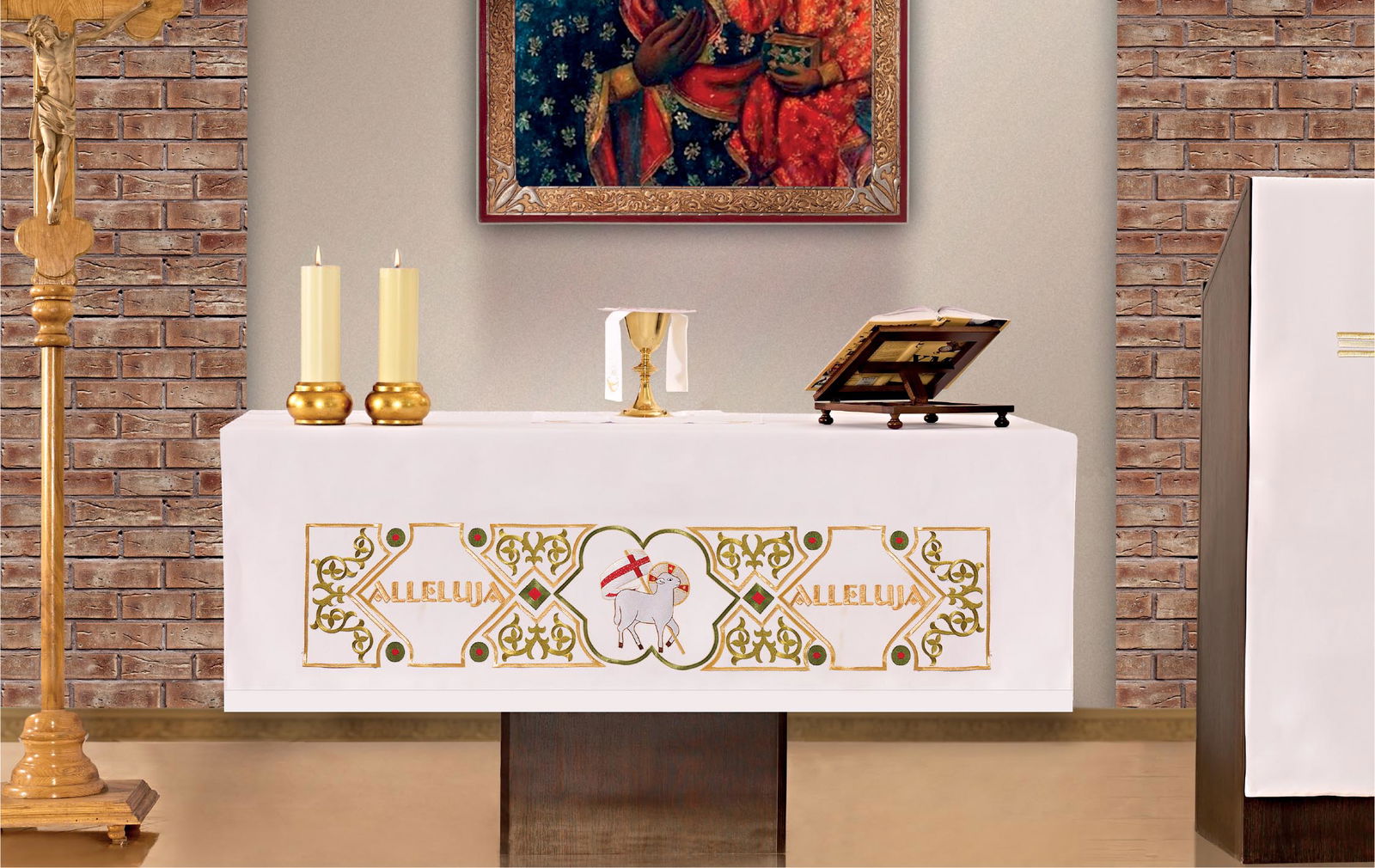
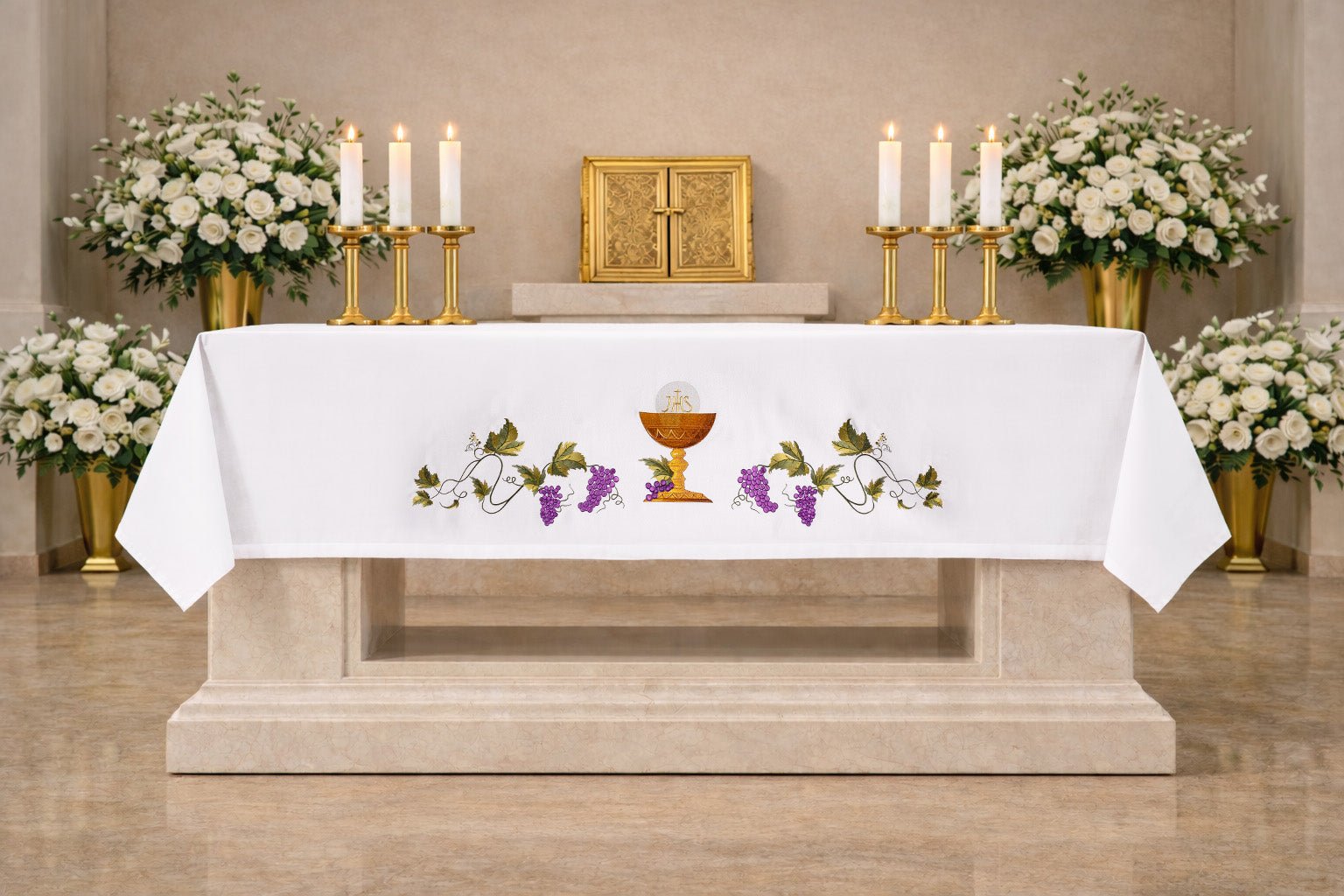
In many Christian denominations, the altar serves as the focal point of the church, representing the table of the Lord’s Supper and the place of sacrifice. The altar tablecloth, also known as the altar cloth or fair linen, drapes this sacred table, symbolizing purity, reverence, and the presence of God. According to traditional liturgical norms, the altar tablecloth should cover the entire mensa and its edges should hang over the sides, usually to the floor or about 20-30 cm. The use of altar cloths dates back to the early Church, with evidence suggesting their presence in liturgical practices as early as the 4th century. The date of the introduction of altar cloths as a standard element is significant: early Christian churches used a white altar cloth, a practice continued until the 8th century. The use of altar cloths became obligatory in the Catholic Church in the 7th century by decree of Pope Boniface III, and in the 9th century, the Roman Church introduced the requirement of three altar cloths, which became the liturgical standard. References to historical and liturgical sources, such as the 1552 Book of Common Prayer, confirm the continuity and authority of these customs. Over time, the design and materials of altar cloths have evolved, but their fundamental purpose remains the same: the altar tablecloth fulfills a deep symbolic and functional role, honoring the altar and enhancing the worship experience.
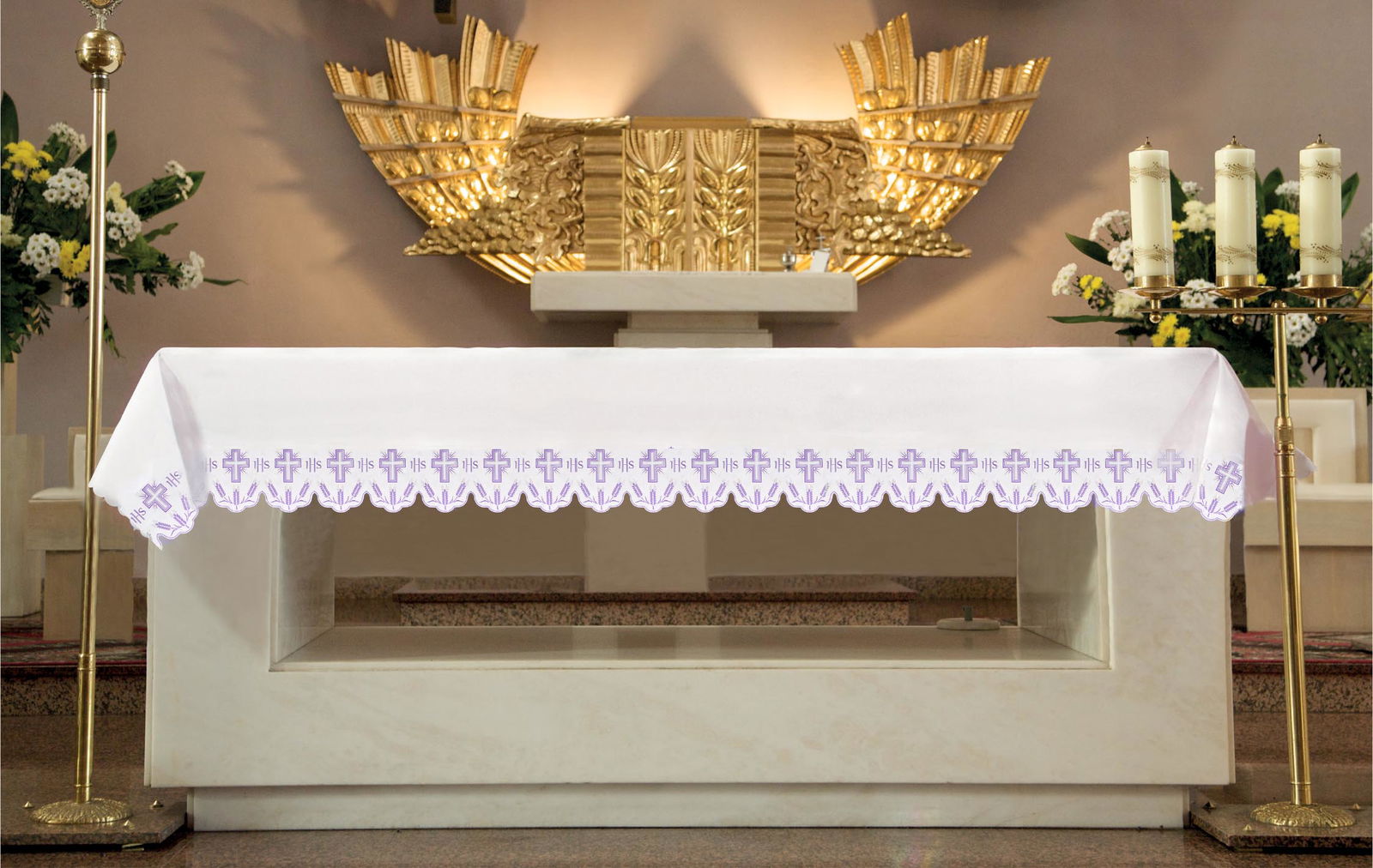
Different colors and materials are often used for altar cloths to correspond with the liturgical season. For example, white is commonly used for feasts and celebrations, while purple is used during Lent and Advent. The choice of fabric, such as linen, cotton, or silk, also contributes to the overall aesthetic and symbolic meaning of the altar cloth. The quality and craftsmanship of the altar tablecloth reflect the dedication and respect offered to God.
The Art of Frontal Embroidery
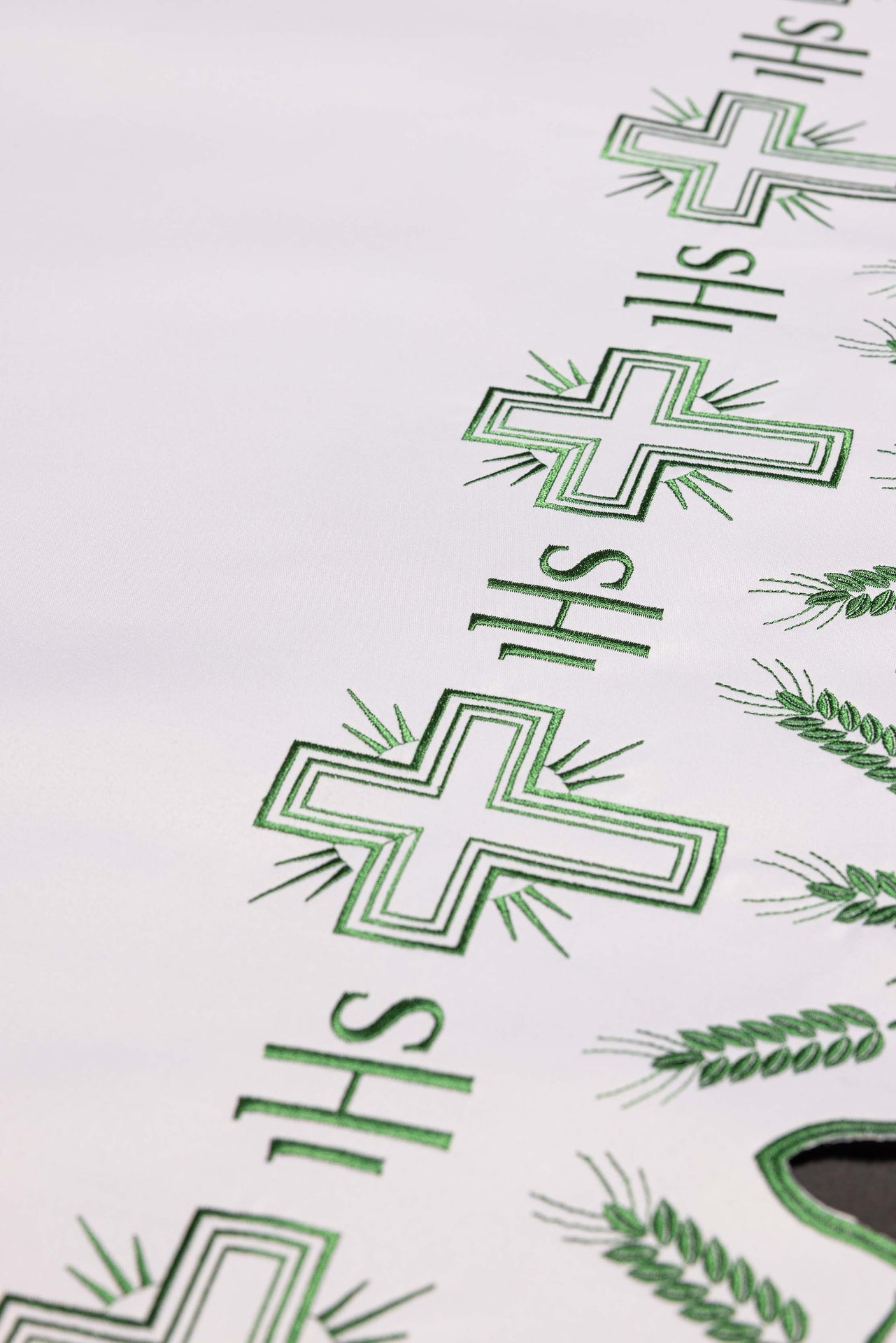
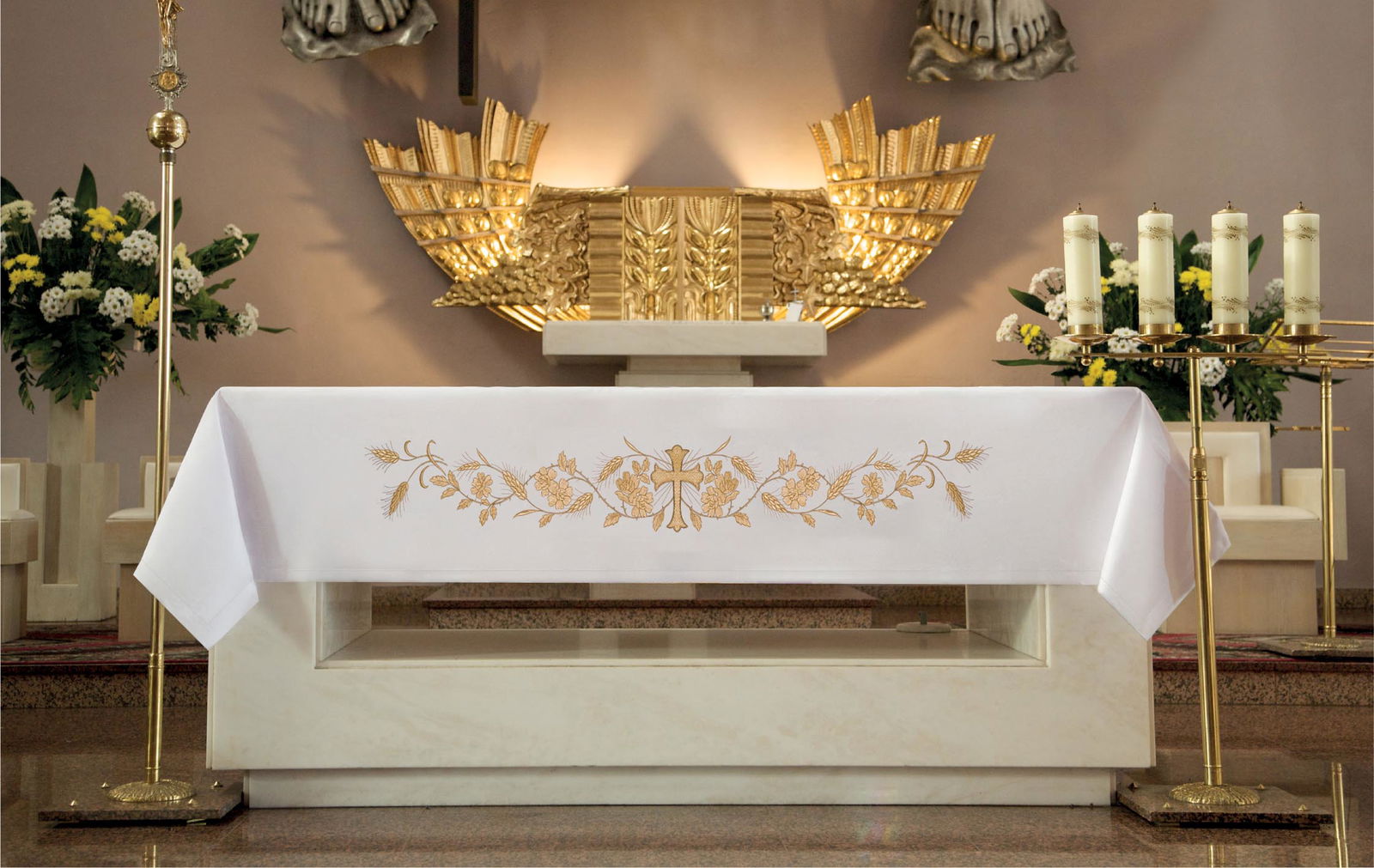
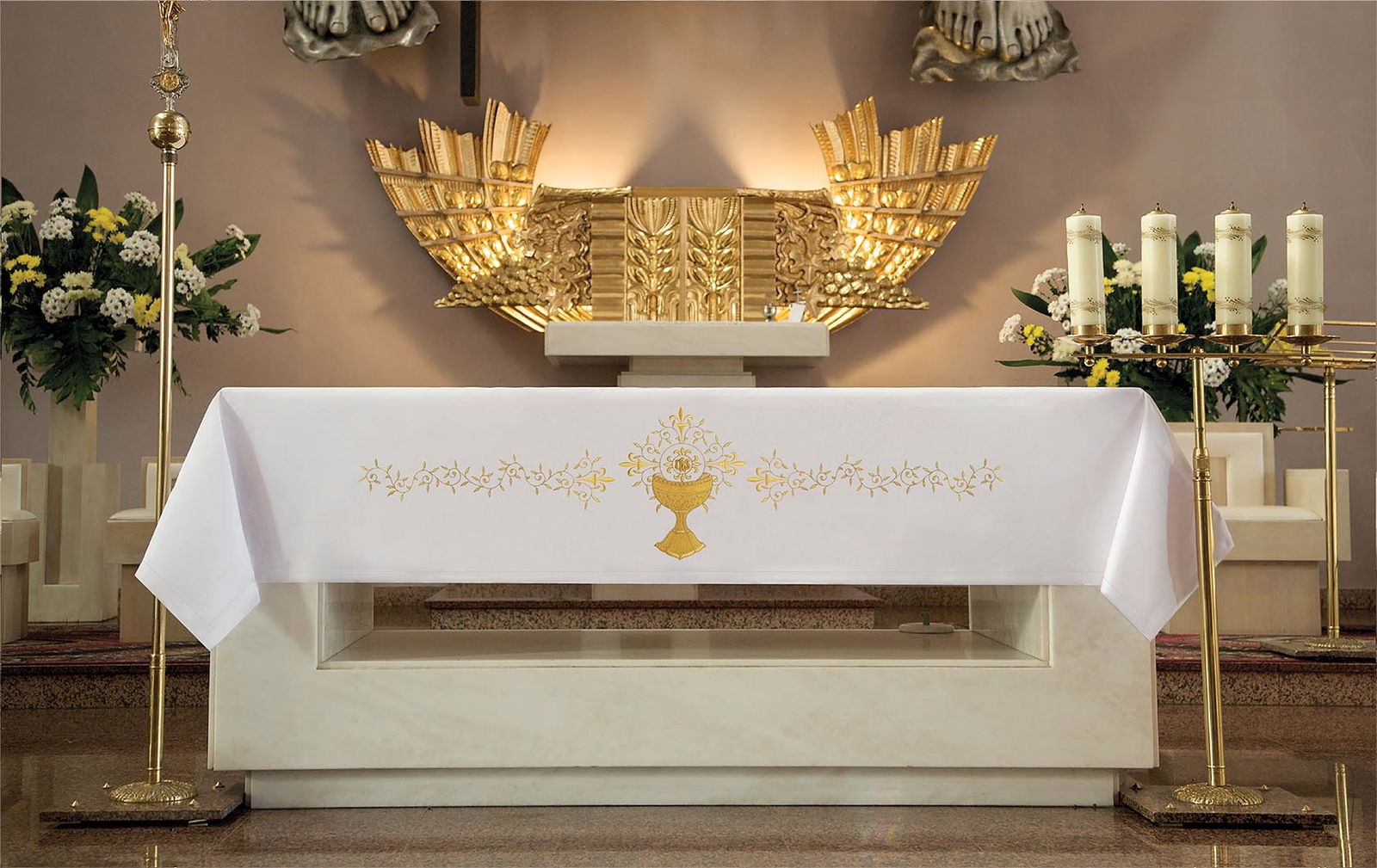
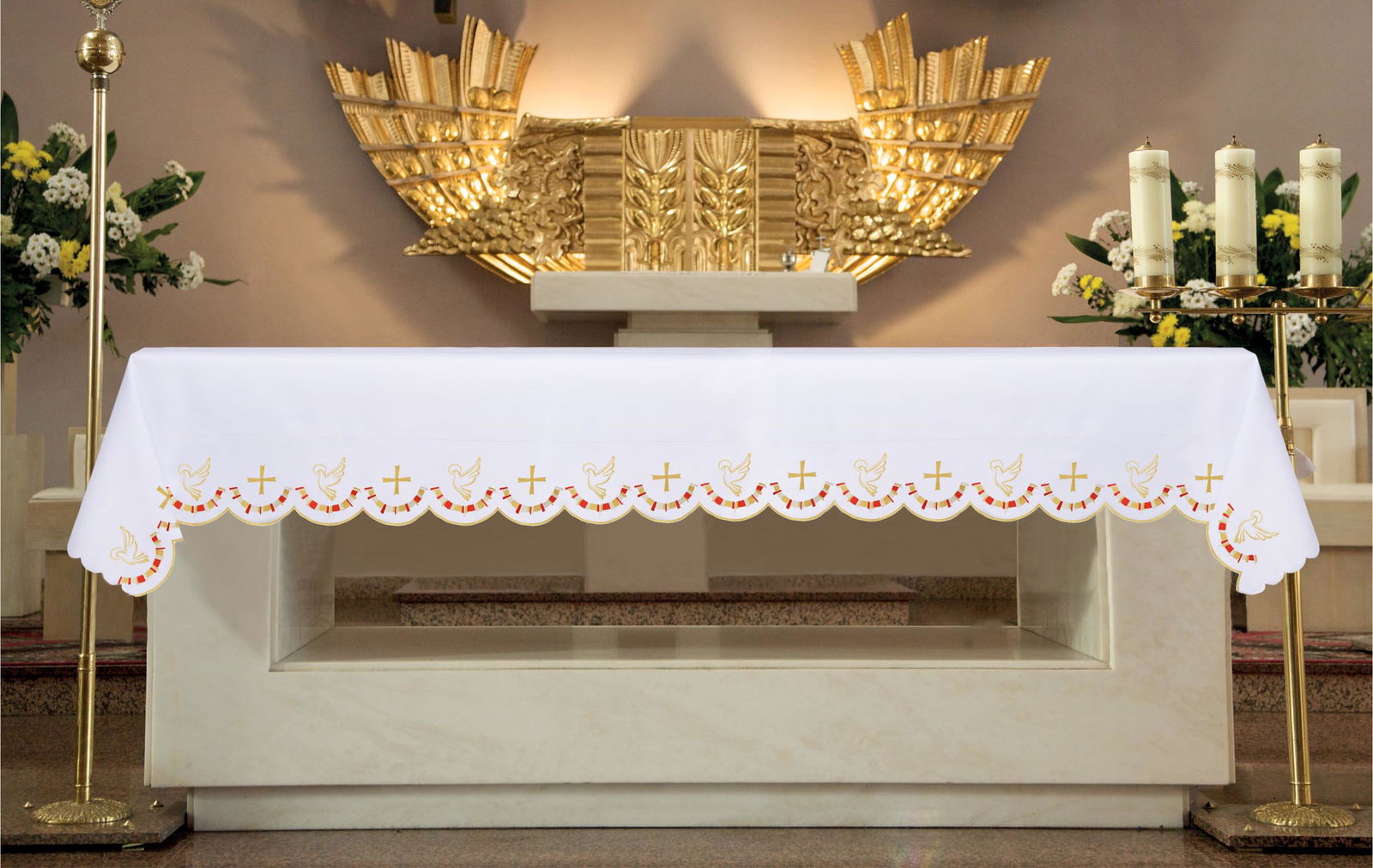
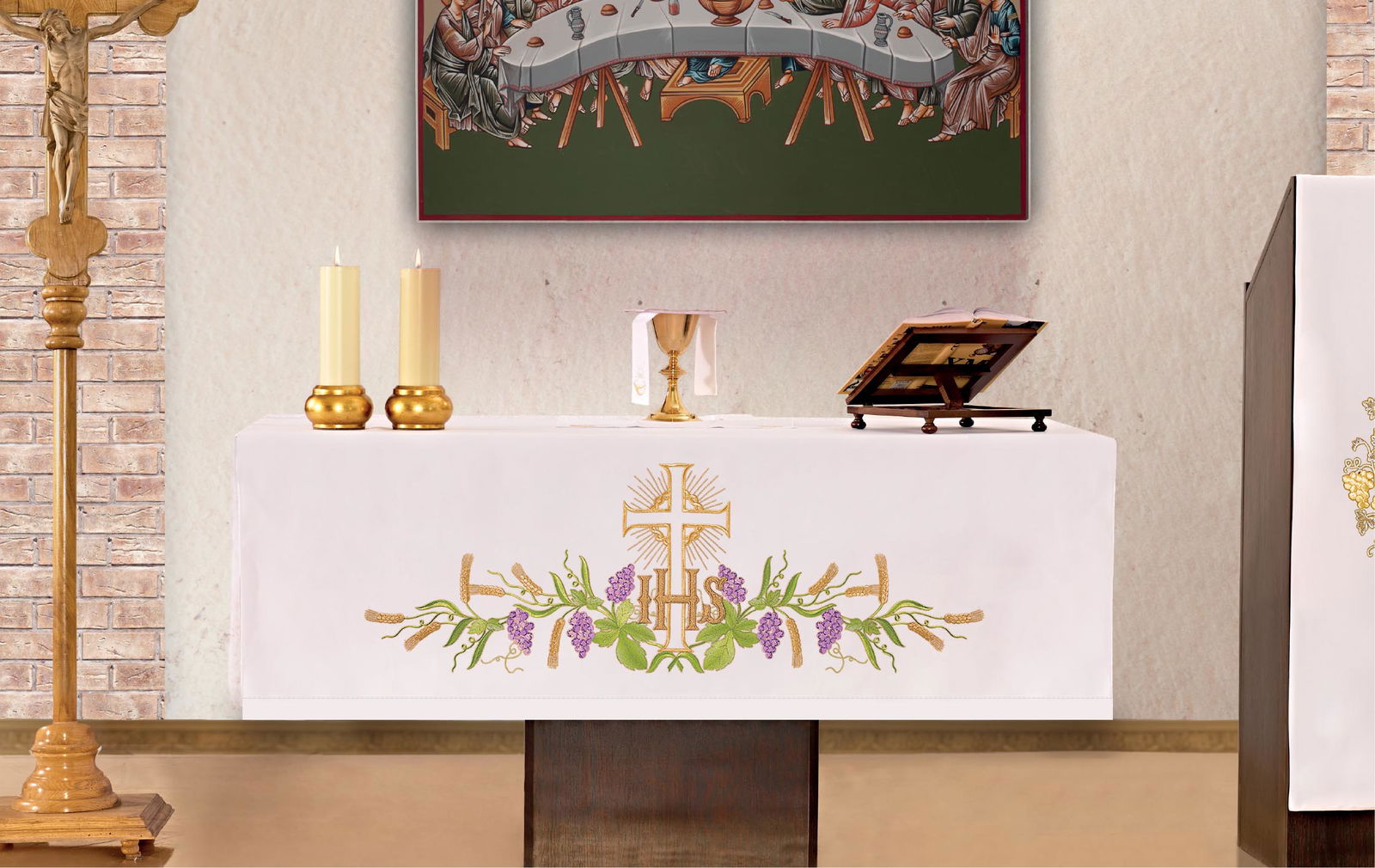
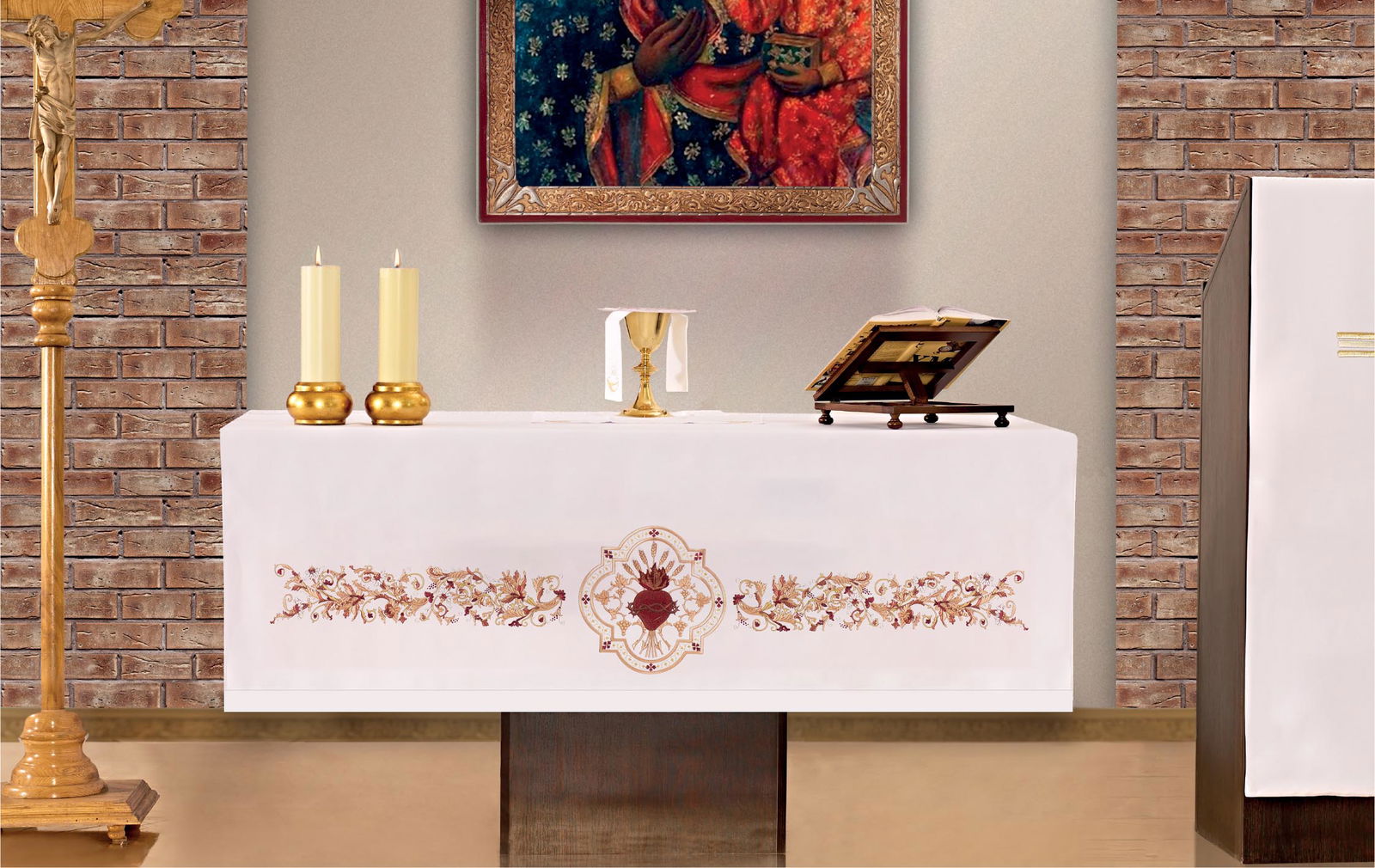
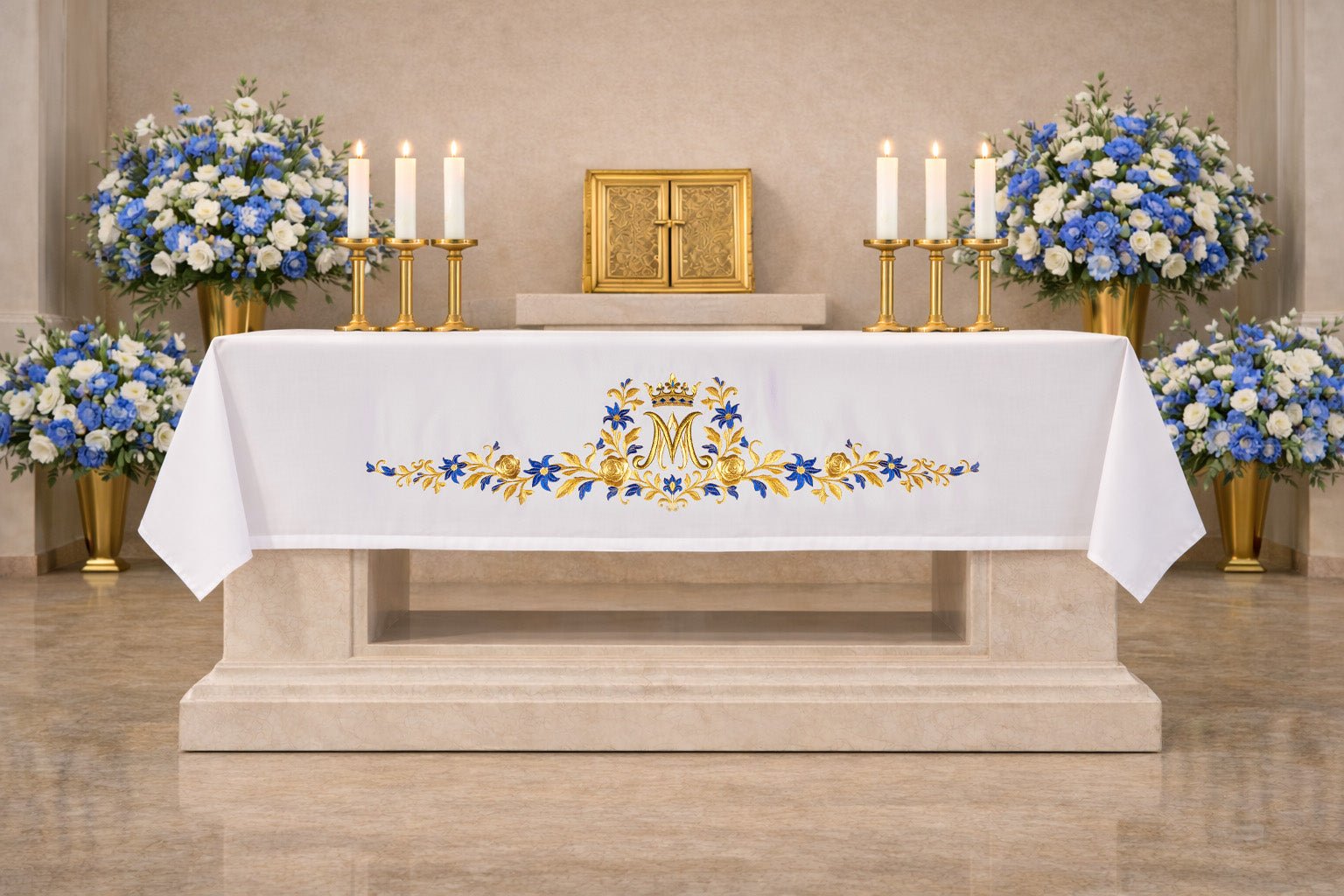
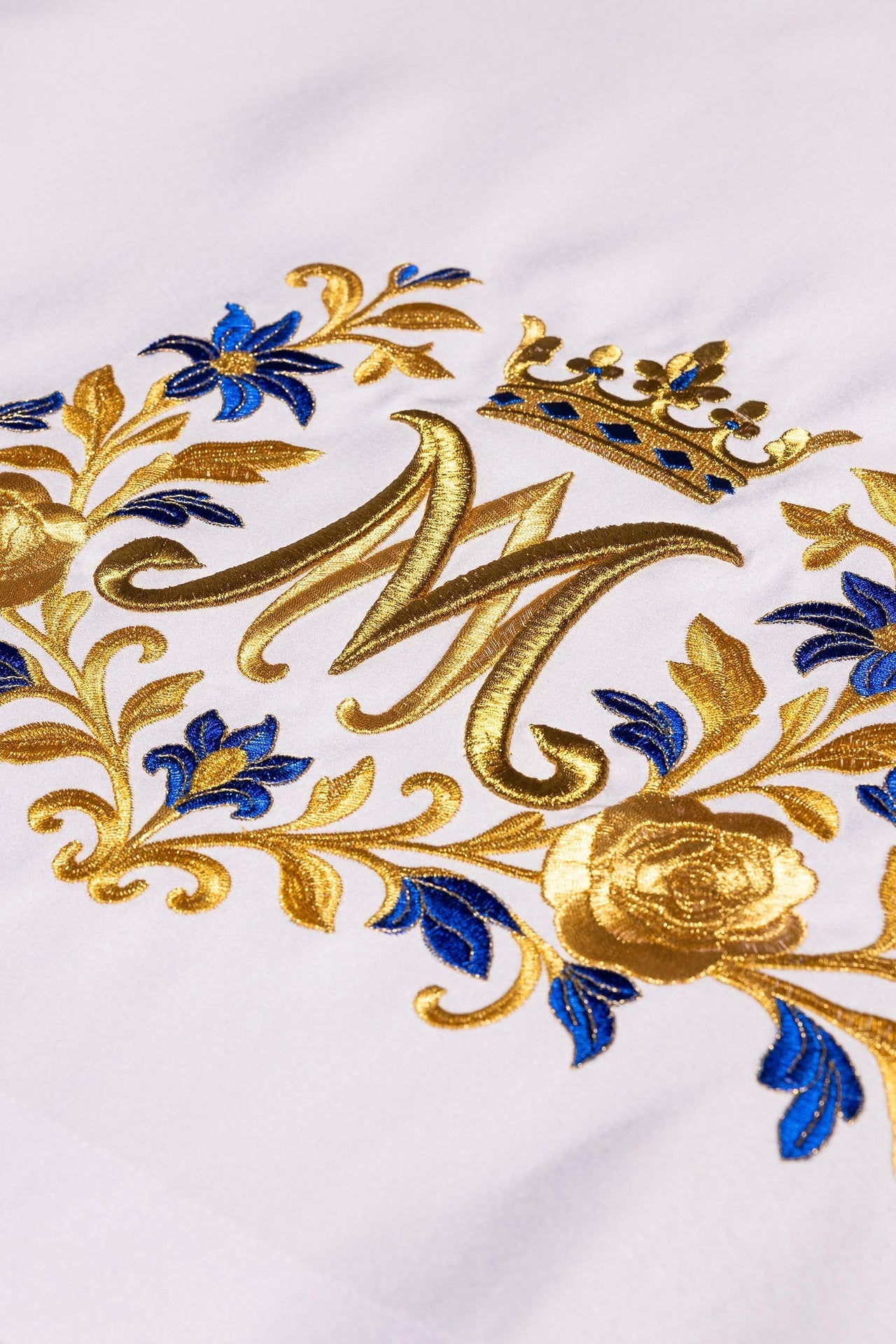
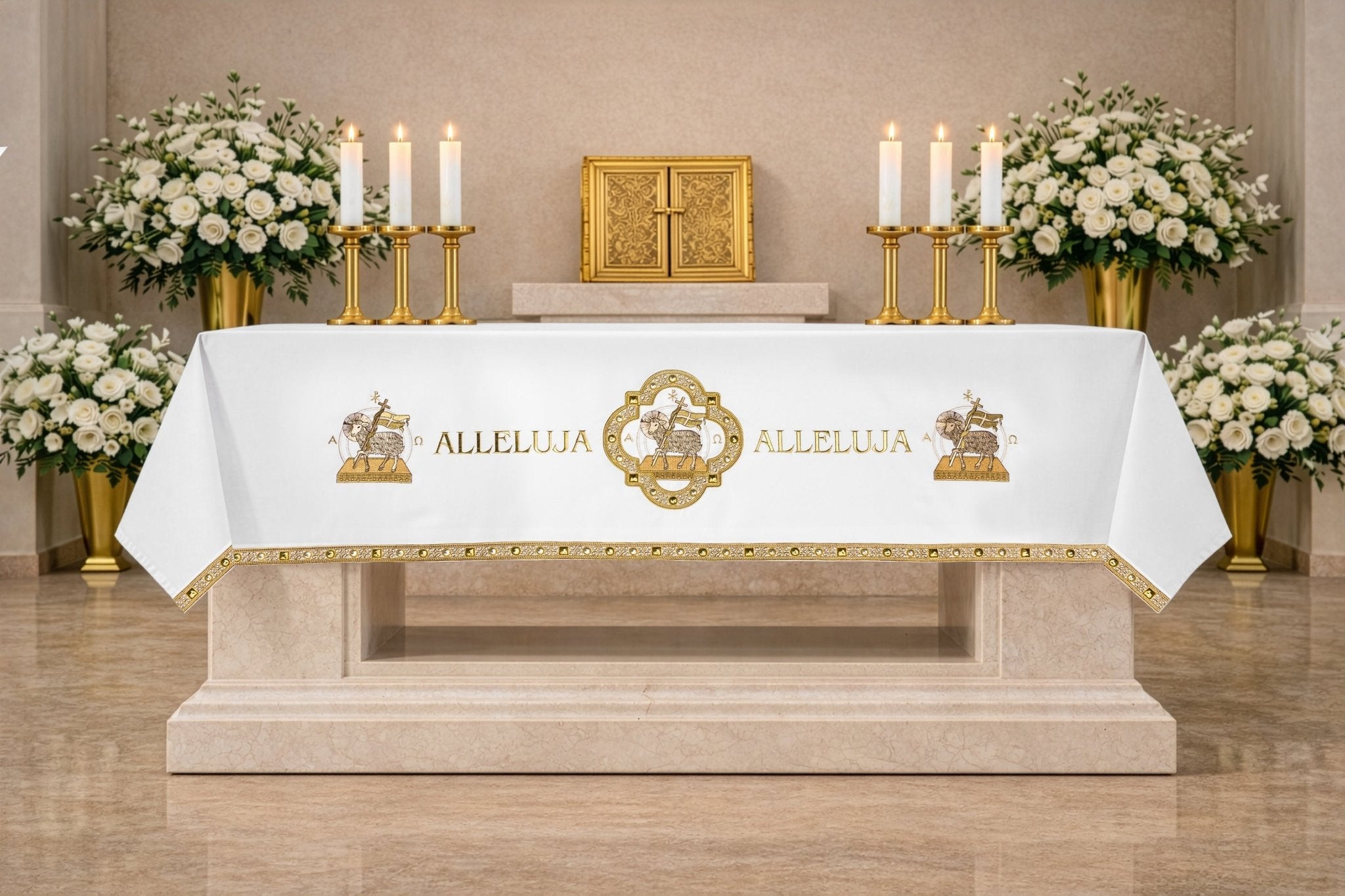
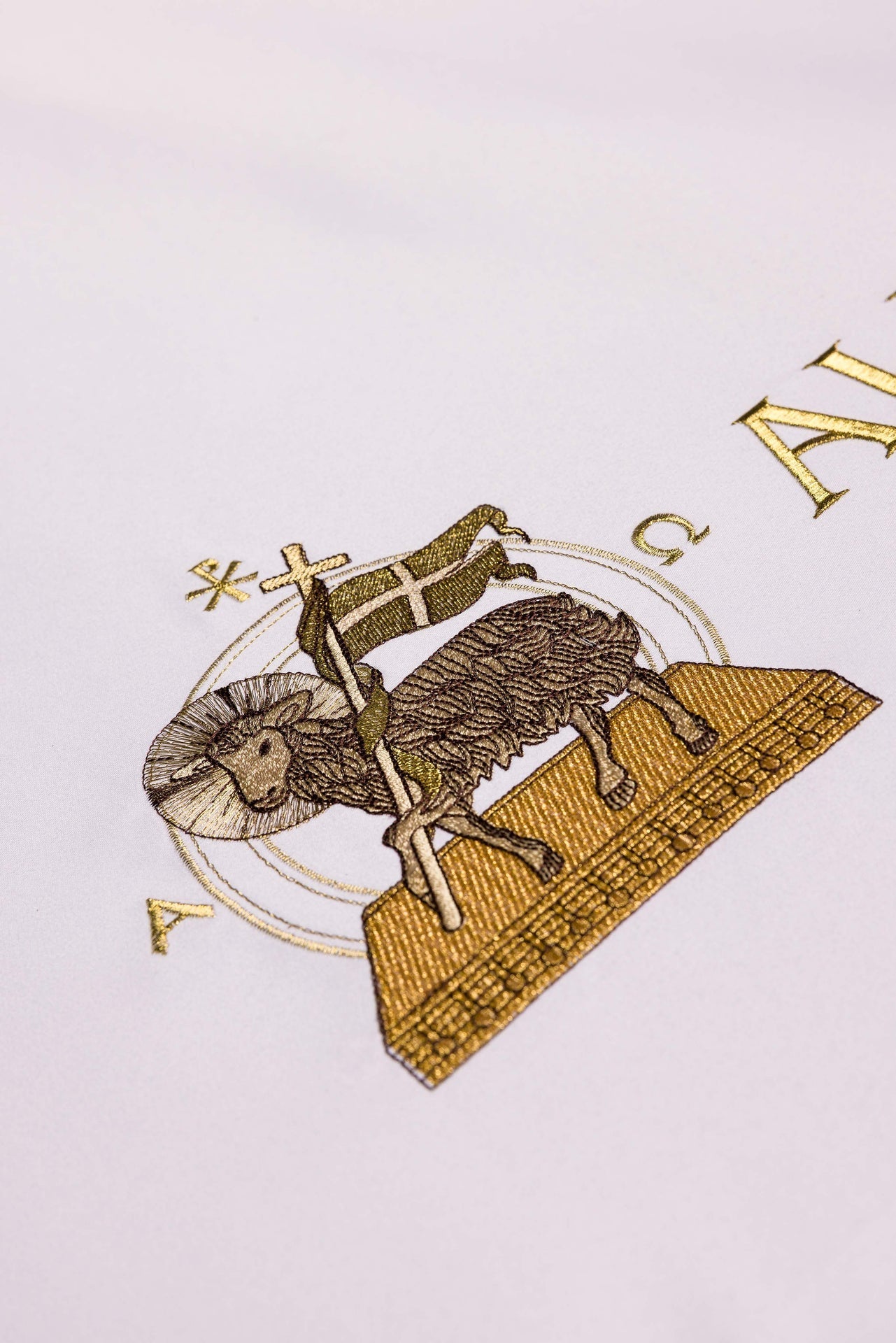
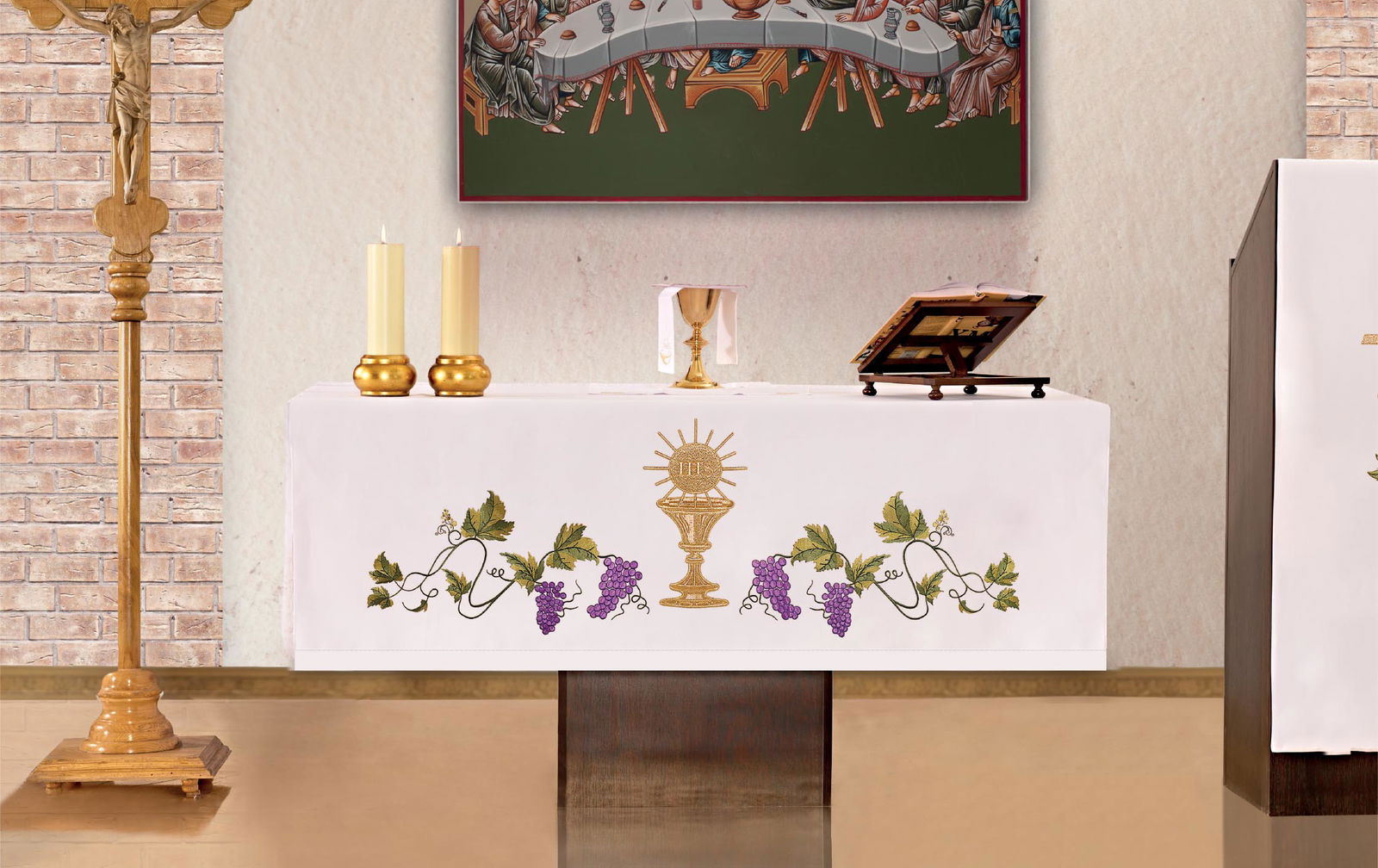
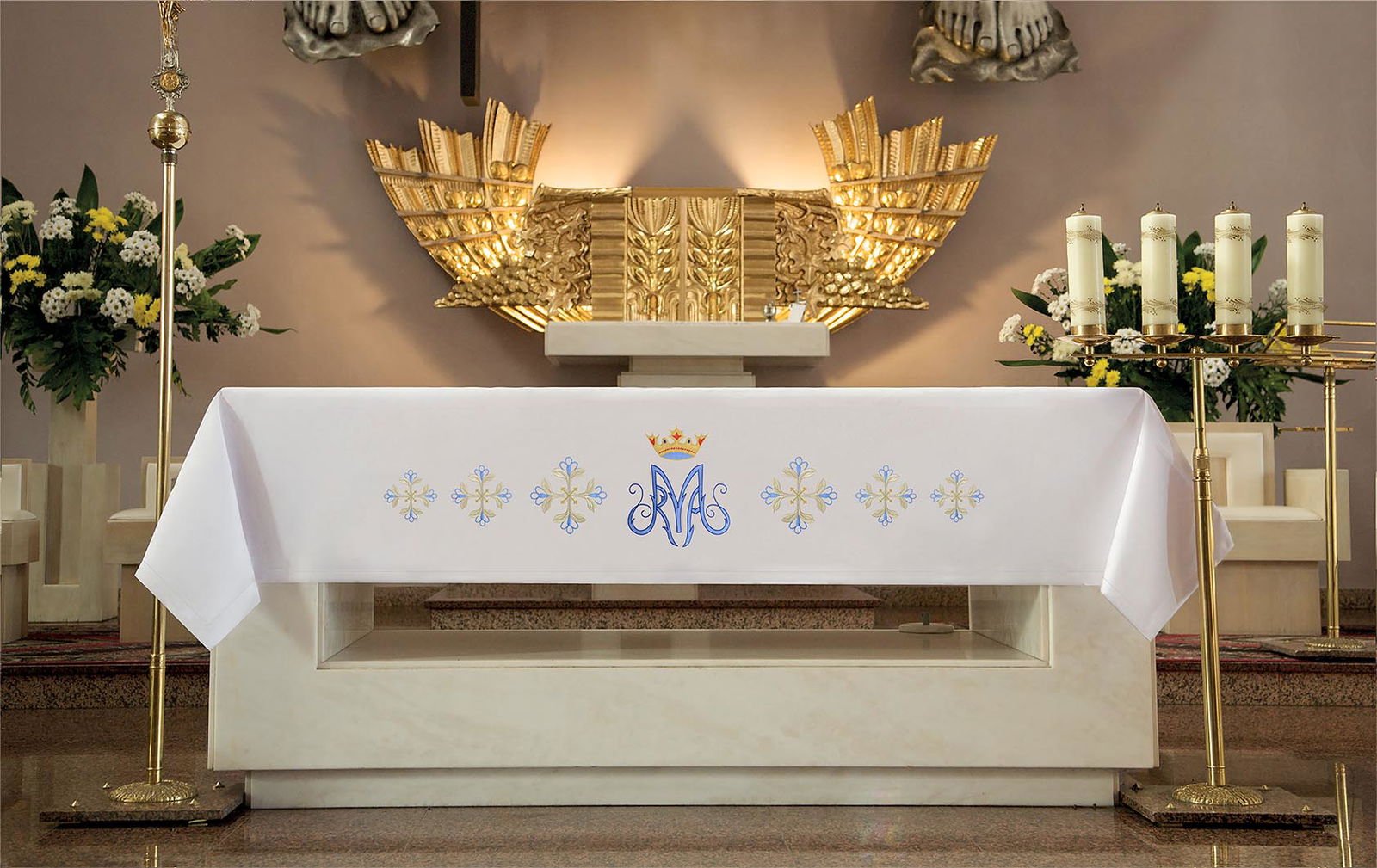
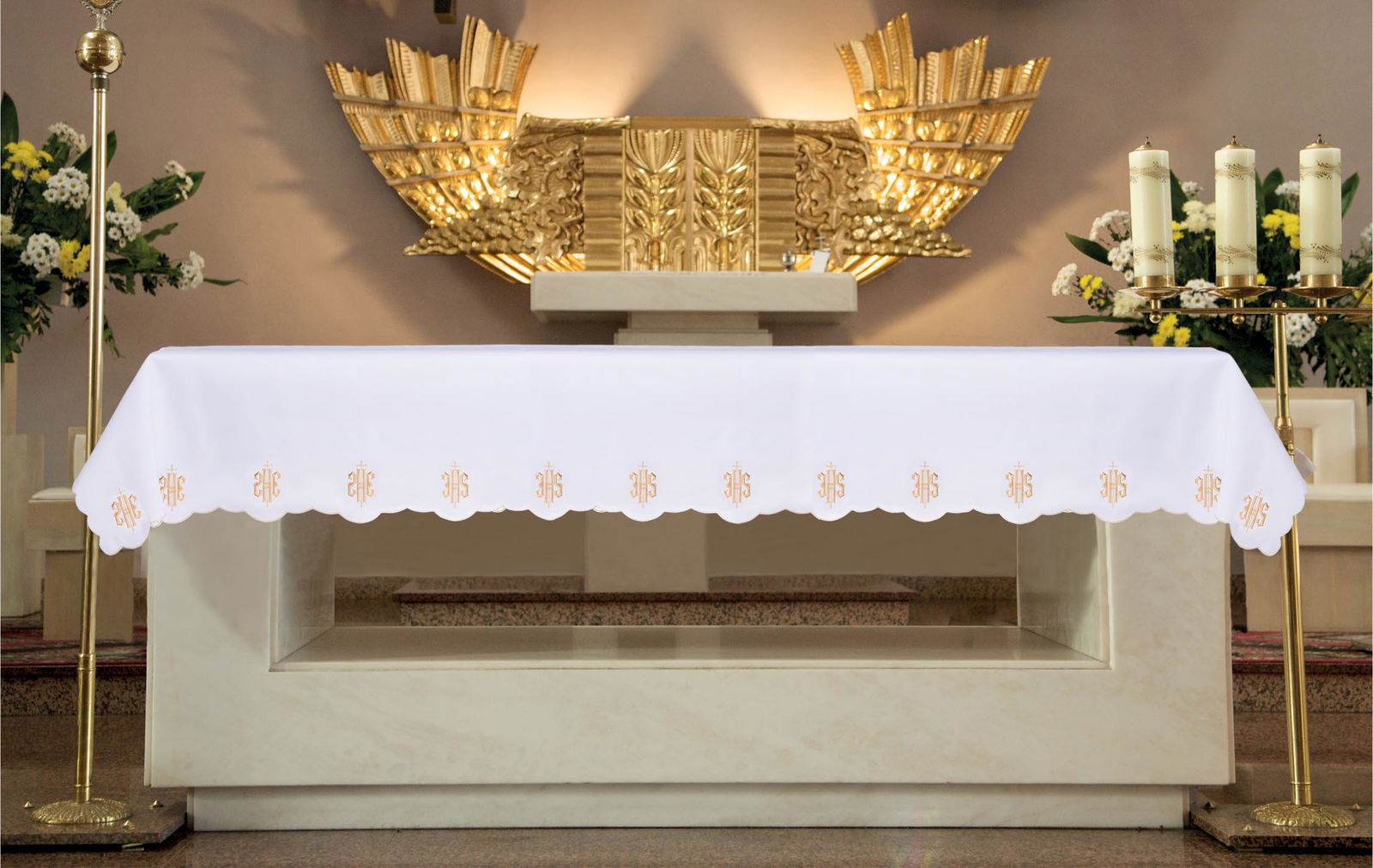
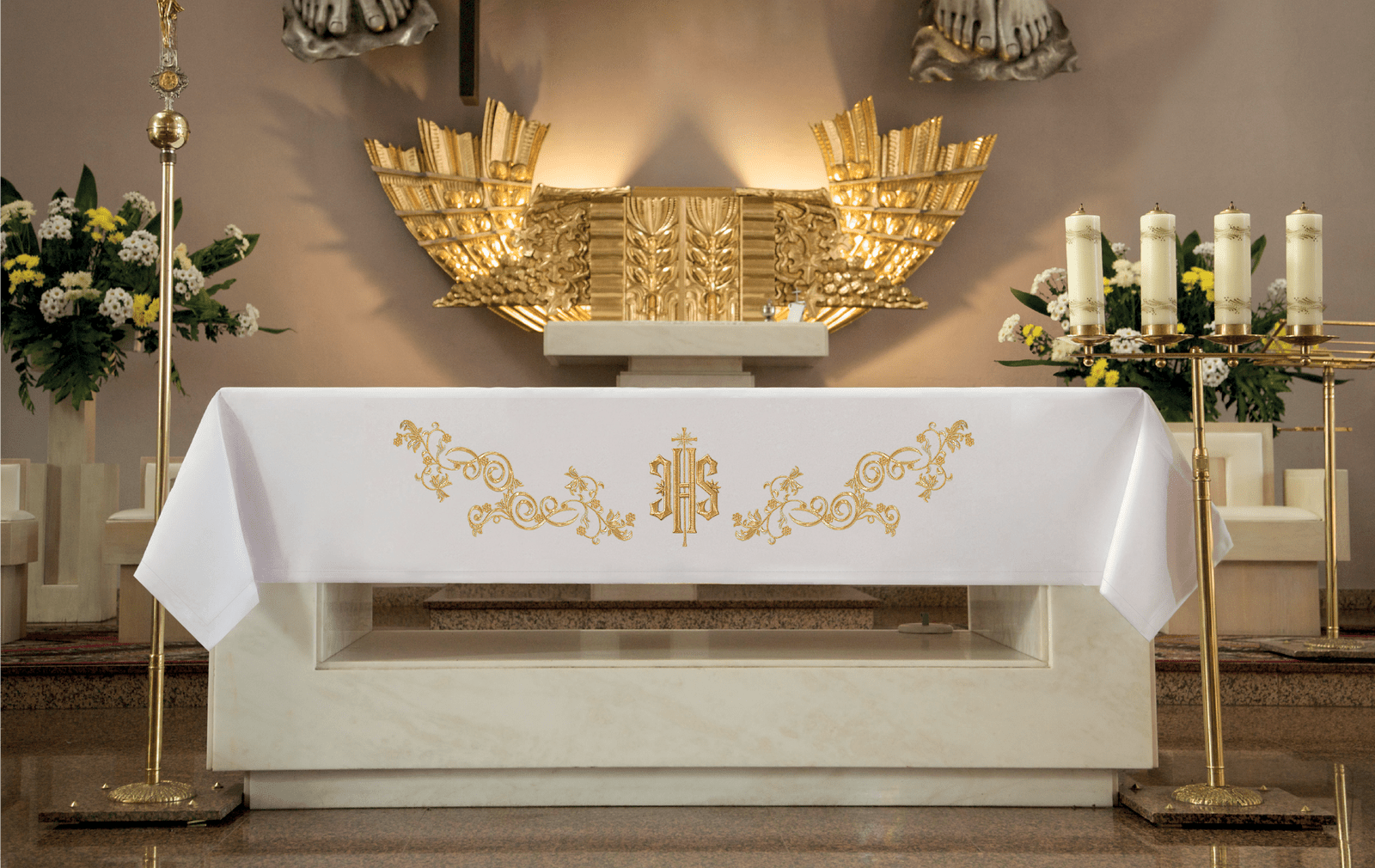
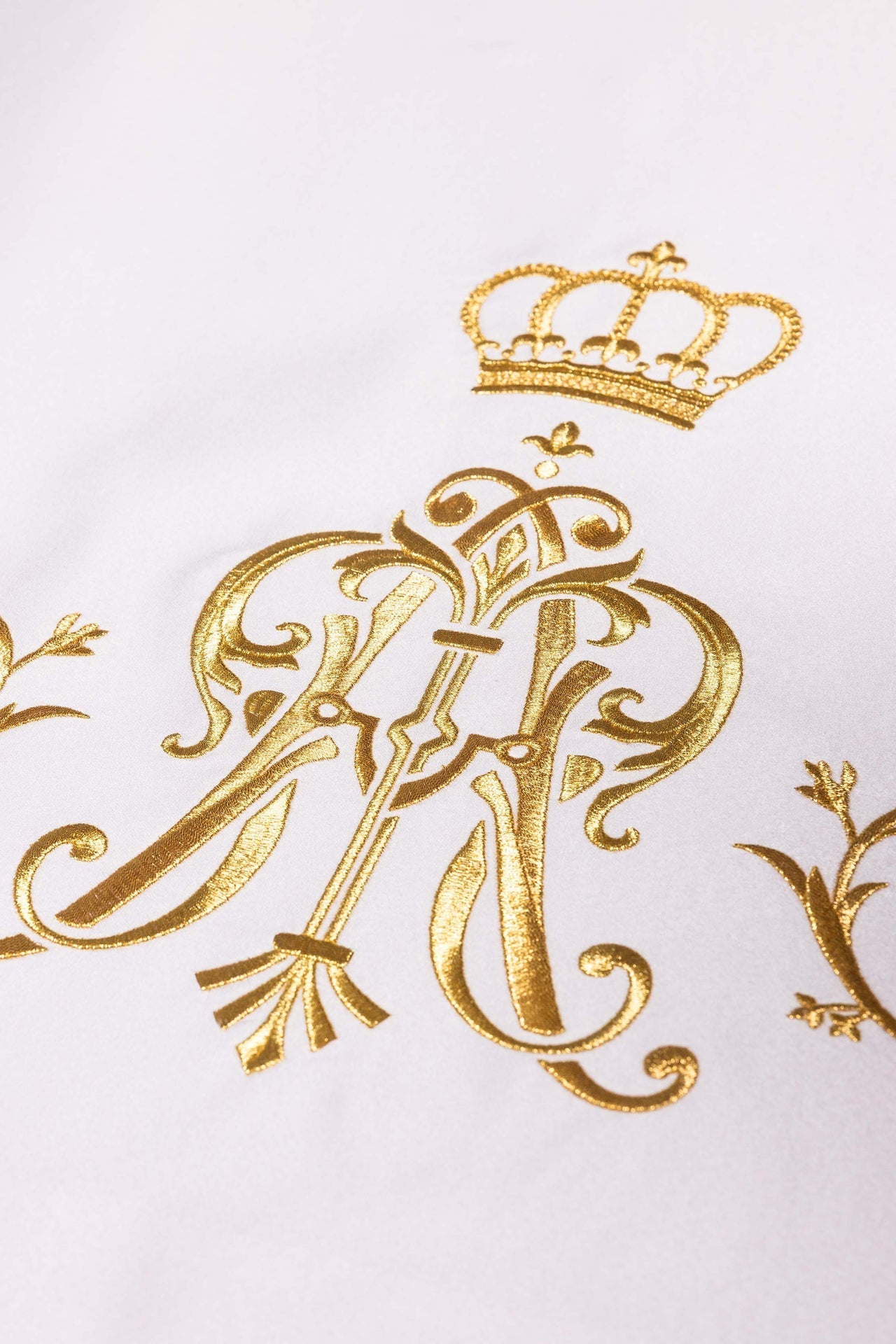
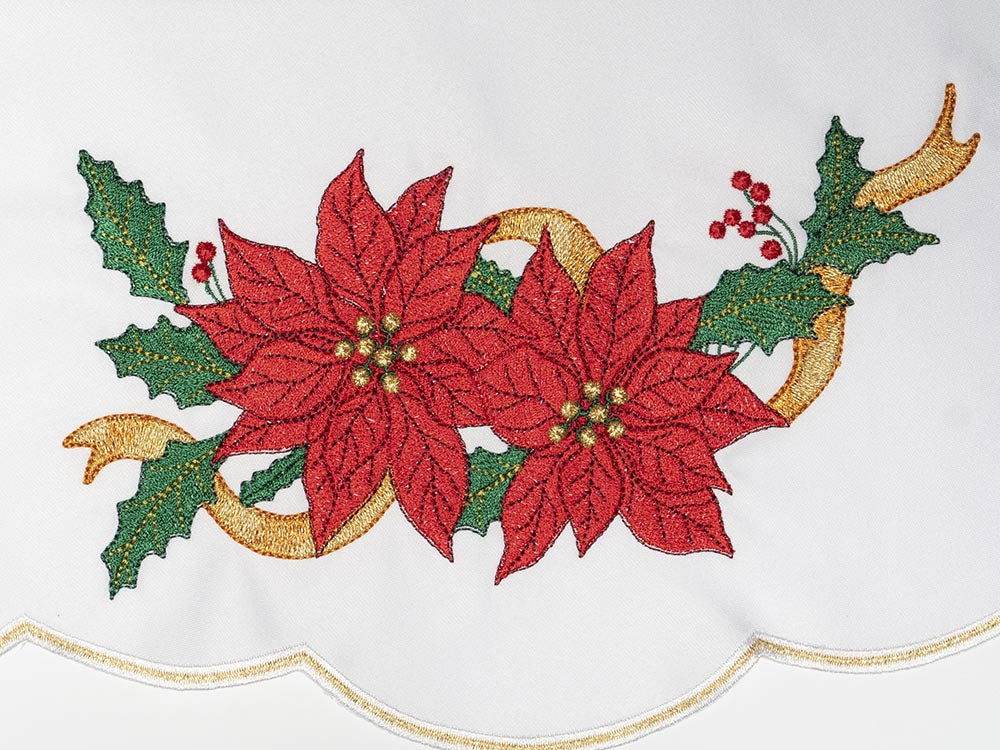
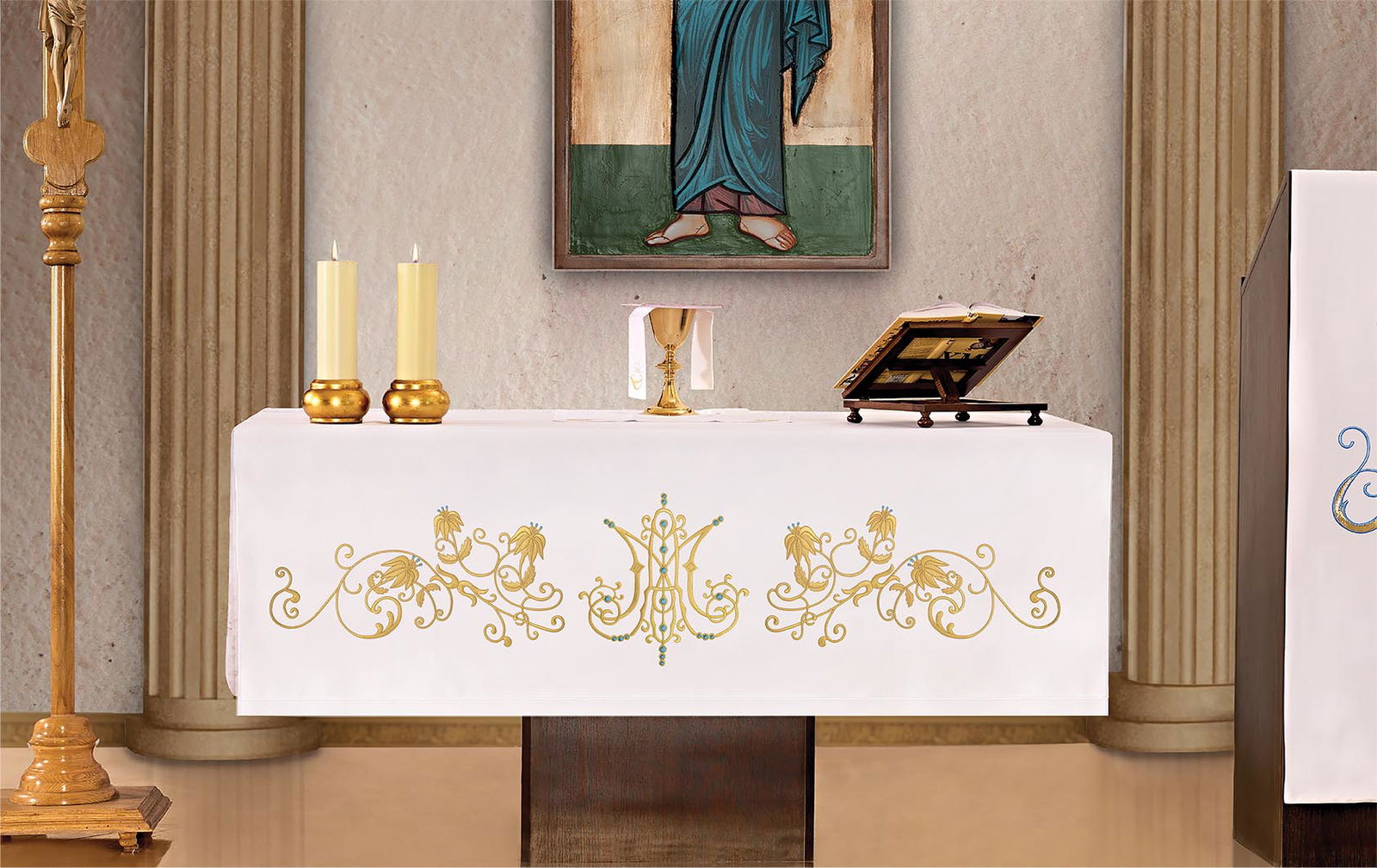
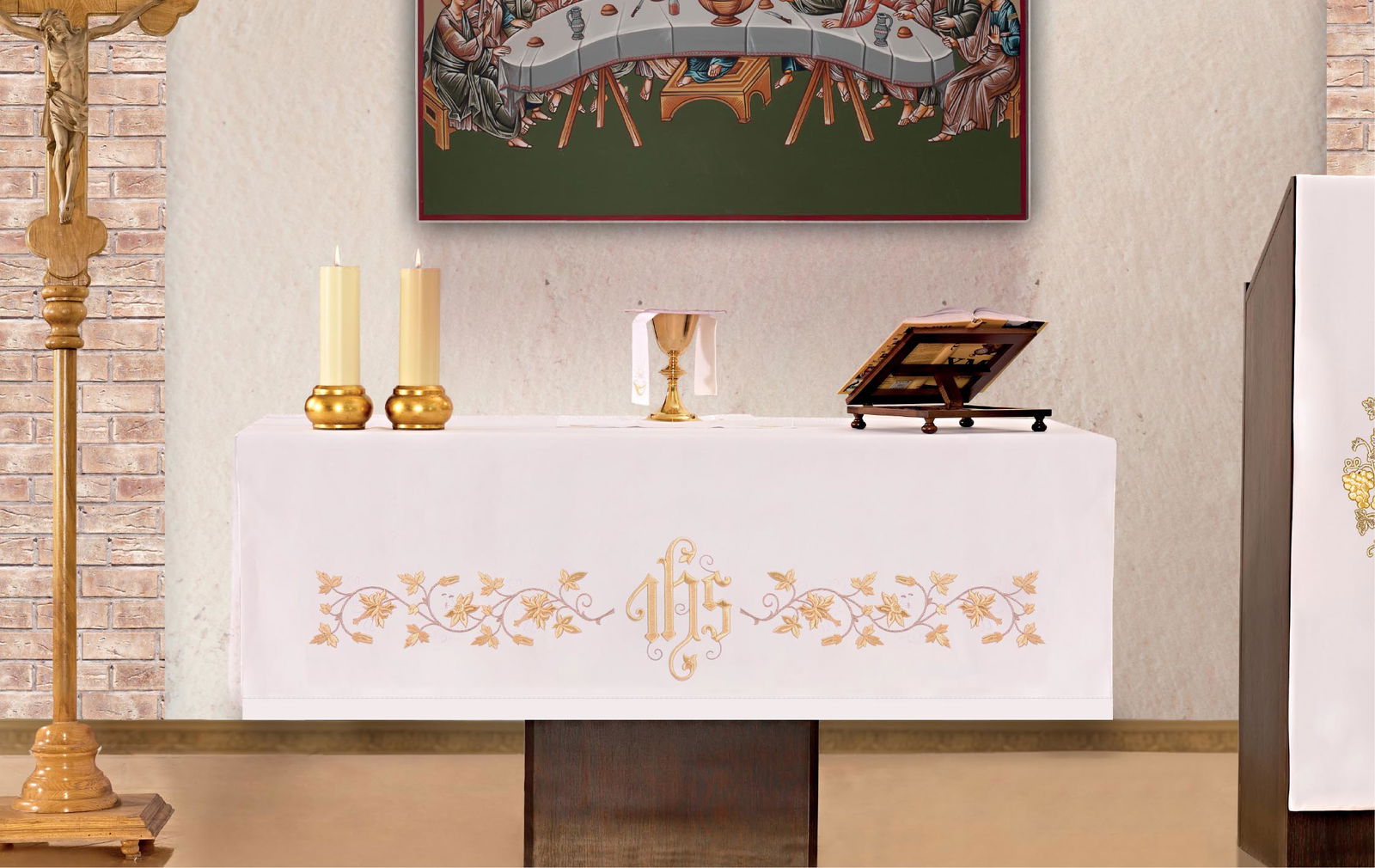
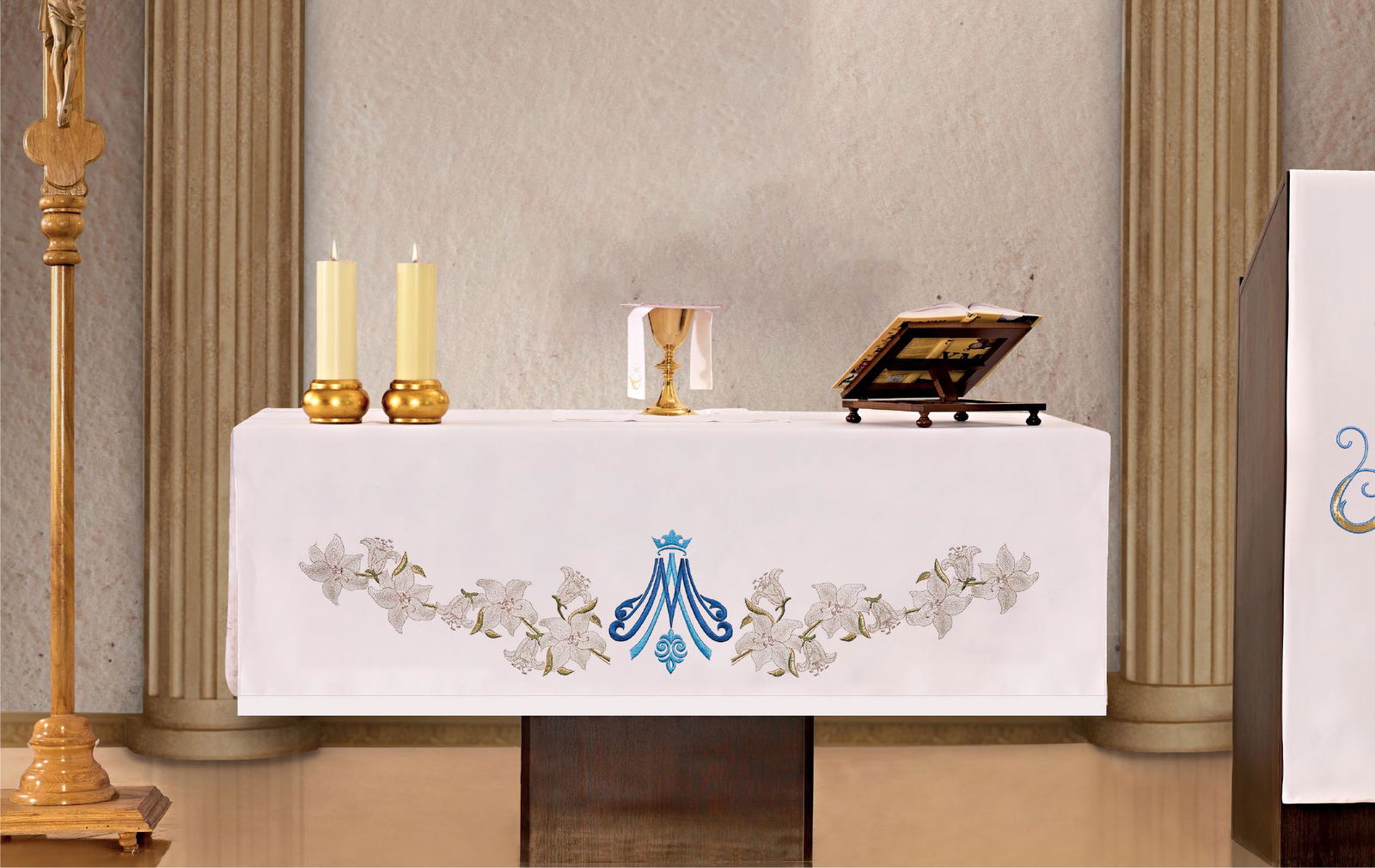
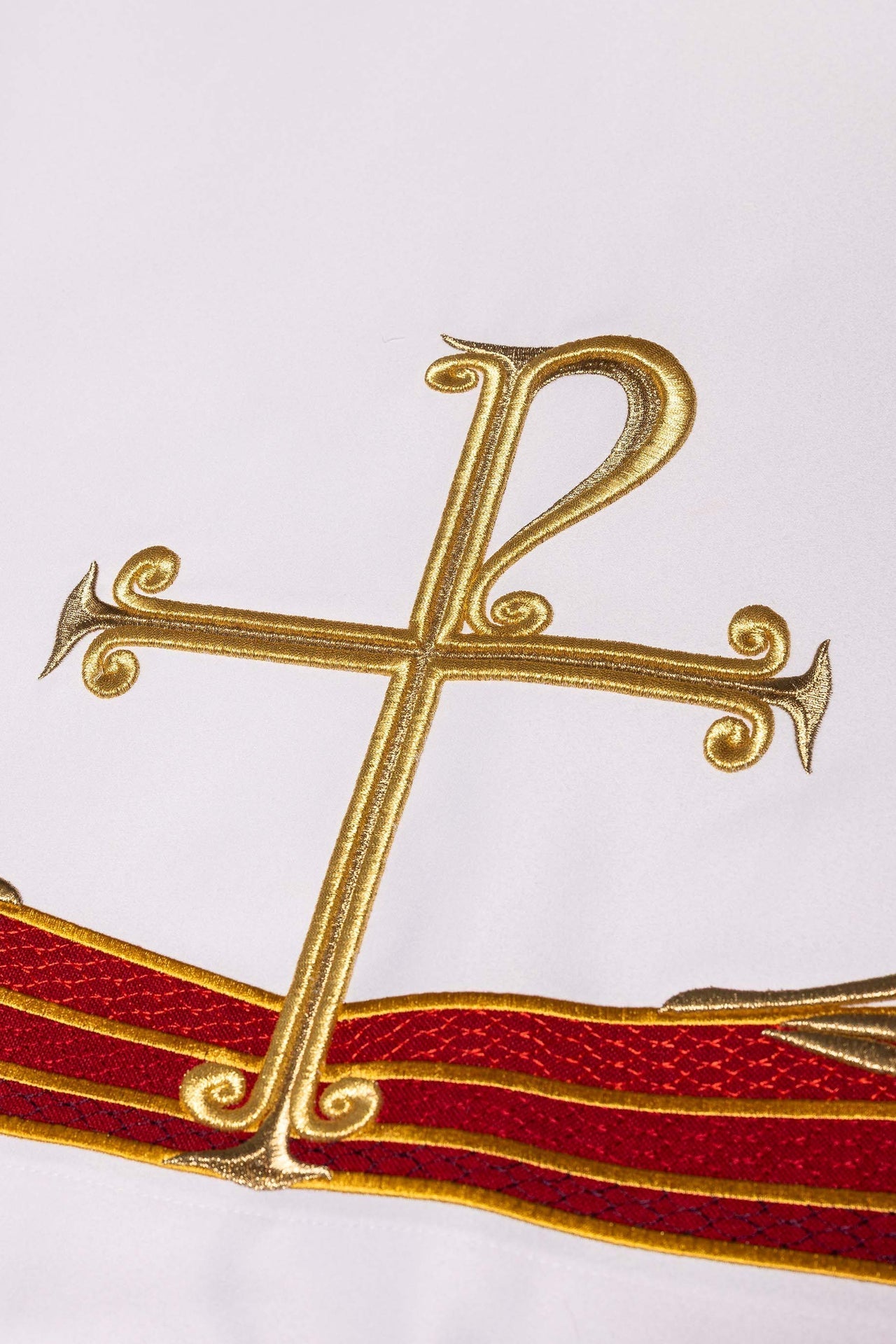
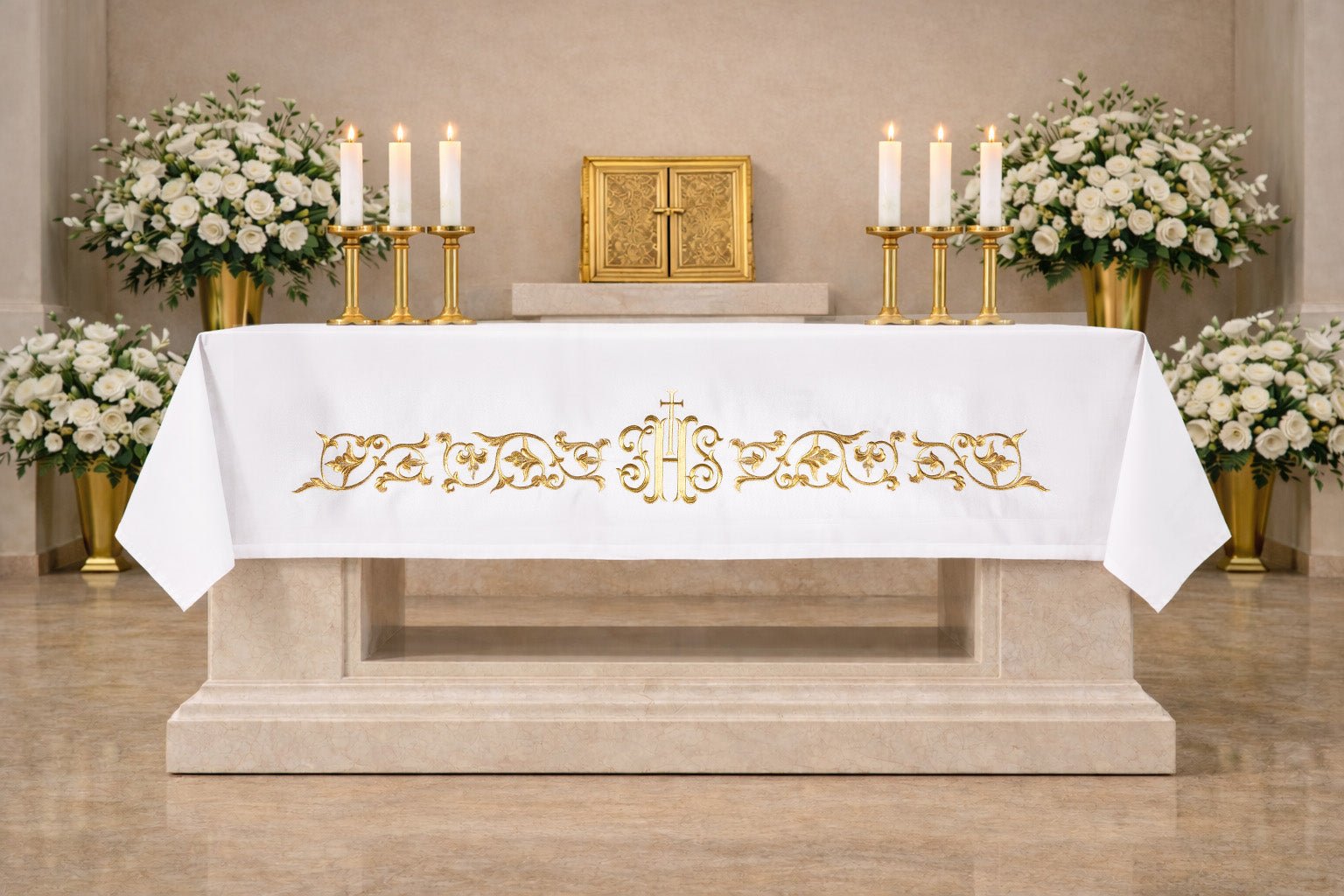
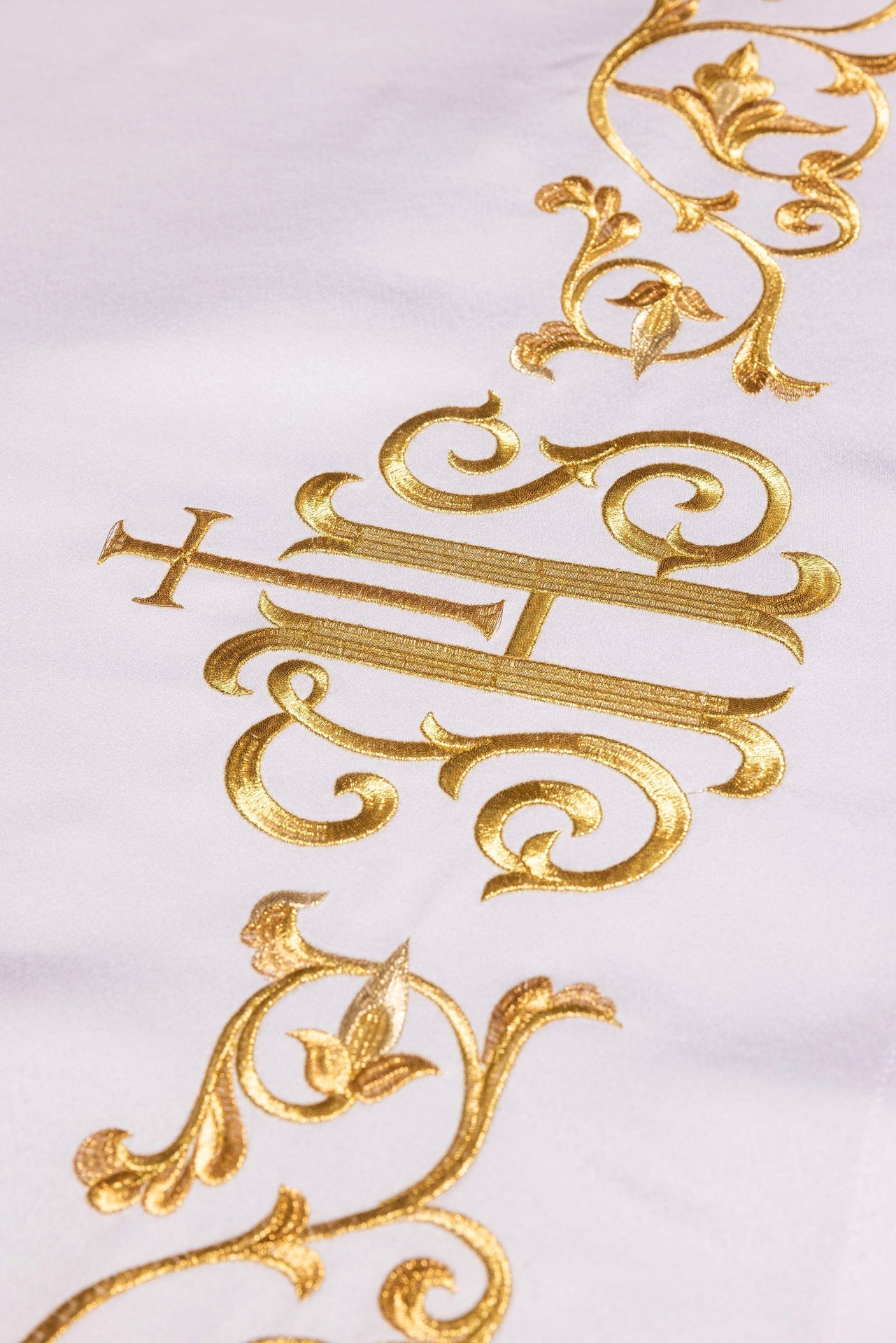
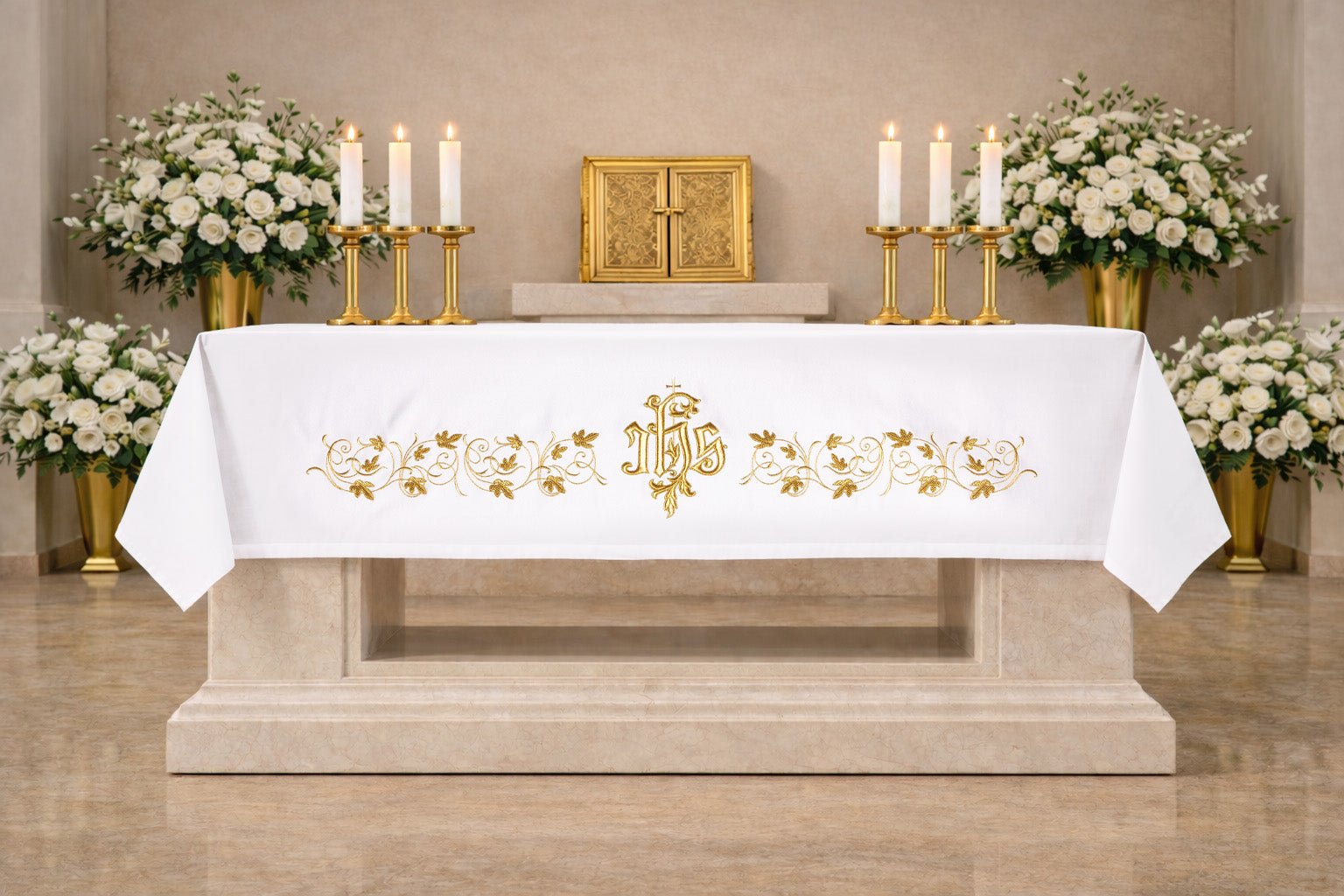
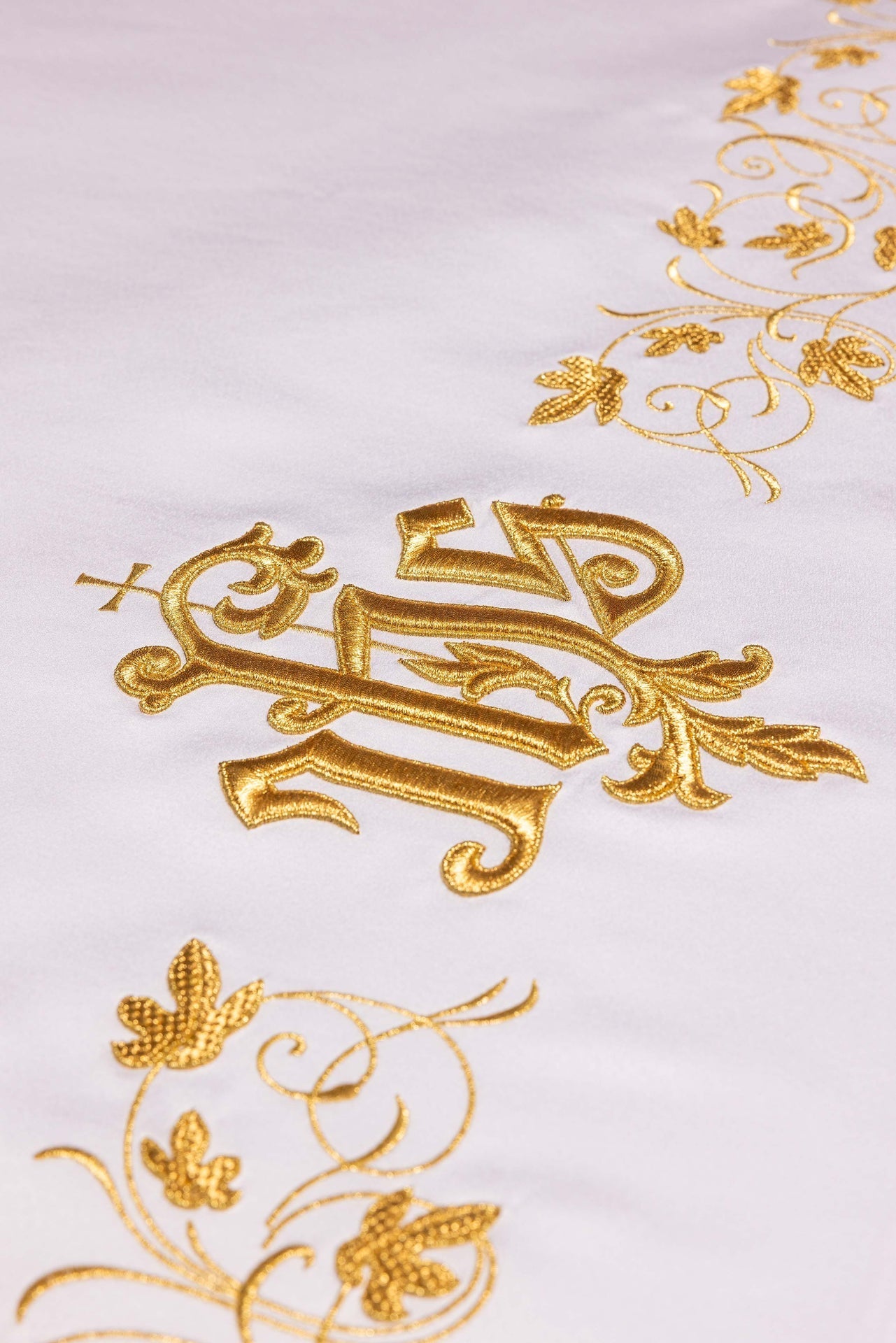
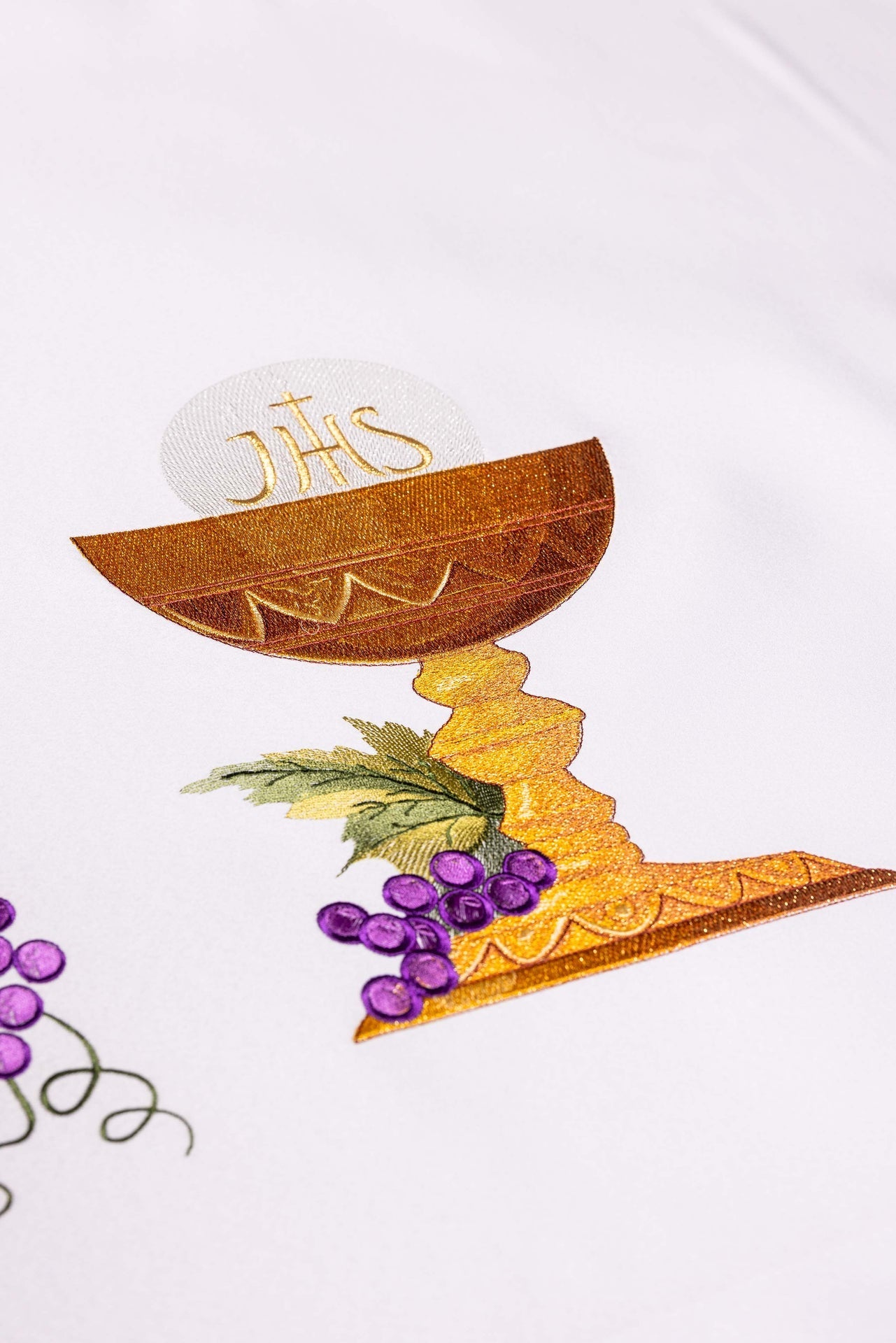
Frontal embroidery is the embellishment of the front panel of the altar tablecloth with intricate designs and motifs. This art form transforms a simple piece of fabric into a visual representation of faith, tradition, and artistic skill. The embroidery can depict a wide range of religious symbols, including crosses, doves, lambs, grapes, wheat, and various saints or biblical scenes. The use of color, texture, and stitch techniques adds depth and dimension to the embroidery, creating a captivating focal point for the altar.
Historically, frontal embroidery was often created by skilled artisans within monastic communities or by dedicated members of the church. These embroiderers poured their time, talent, and devotion into crafting these sacred textiles, viewing their work as an act of worship. The designs were often inspired by biblical texts, theological teachings, and local artistic traditions. Today, while some altar tablecloths with frontal embroidery are still handcrafted, many are produced using modern techniques, such as machine embroidery, which allows for greater precision and efficiency.
Materials and Techniques
The creation of an altar tablecloth with frontal embroidery involves careful selection of materials and mastery of various embroidery techniques. The base fabric is typically a high-quality linen or cotton, chosen for its durability, absorbency, and aesthetic appeal. Linen (100%) is considered a noble and traditional material, valued for its durability and the way it drapes elegantly over the top of the altar. Cotton is a popular choice due to its ease of care and washing. The most commonly used materials for altar tablecloths are linen, cotton, and polyester-cotton blends. Linen-cotton blends combine the elegance of linen with the easy maintenance of cotton. The material of the altar tablecloth should be durable, easy to keep clean, and absorbent, as well as resistant to frequent washing and easy to iron. High-quality polyester and stain-resistant fabrics are also used for convenience, especially in parishes with a large number of daily Masses. When choosing the size or design, it is important that the altar tablecloth is similar in dimension or style to other altar elements, such as the frontal or antependium, to maintain harmony and proportion in the altar decoration. The altar tablecloth should cover the top of the altar completely and often features decorative elements like embroidery or crosses on this upper surface.
The embroidery threads can be made of silk, cotton, wool, or metallic fibers, depending on the desired effect and the overall design. The choice of materials influences the texture, color, and longevity of the finished product.
Several embroidery techniques are commonly used in frontal embroidery, including:
-
Needlepoint: A technique that involves stitching through a stiff canvas, creating a dense and durable embroidered surface.
-
Cross-stitch: A simple and versatile stitch that forms a distinctive X pattern, often used for geometric designs and lettering.
-
Satin stitch: A smooth and lustrous stitch that covers a large area of fabric, creating a solid and elegant appearance.
-
Goldwork: The use of metallic threads, such as gold or silver, to create shimmering and opulent designs.
-
Appliqué: The process of attaching fabric shapes to the base fabric, creating a layered and textured effect.
The combination of these techniques, along with the skill and creativity of the embroiderer, results in a unique and meaningful work of art.
Choosing the Right Altar Tablecloth
Selecting the right altar tablecloth with frontal embroidery requires careful consideration of several factors, including the size of the altar, the liturgical season, the style of the church, and the overall aesthetic. It is important to choose a tablecloth that fits the altar exactly, matching the mensa’s dimensions, with sufficient overhang so the cloth hangs gracefully over the sides—typically extending several inches or about six inches from the edge to create a dignified and balanced appearance. The design and color of the embroidery should be appropriate for the liturgical season and the specific occasion. Altar linens can vary in design, with options for embroidery and different sizes to fit various altar dimensions, often requiring customization to fit the mensa precisely. Properly set altar linens are essential for each service, ensuring the altar is prepared in accordance with liturgical standards.
Consider the following factors when choosing an altar tablecloth:
-
Size: Measure the altar accurately to ensure a proper fit. The tablecloth should fit exactly to the altar’s dimensions and typically hang several inches beyond the edge of the altar on all sides.
-
Material: Choose a durable and easy-to-care-for fabric that complements the style of the church. Linen and cotton are popular choices for their natural beauty and practicality.
-
Embroidery Design: Select a design that reflects the theological themes and artistic traditions of your church. Consider the symbolism and meaning of the various motifs.
-
Color: Choose colors that correspond with the liturgical season and the specific occasion. Consult the liturgical calendar for guidance on appropriate color choices.
-
Style: Consider the overall style of the church and choose a tablecloth that complements the architectural features and other liturgical furnishings.
By carefully considering these factors, and ensuring the altar linens are set properly for each service, you can select an altar tablecloth with frontal embroidery that enhances the beauty and reverence of your worship space.
Care and Maintenance
Proper care and maintenance are essential to keep your altar tablecloth with frontal embroidery beautiful and long-lasting. Follow these guidelines to ensure that your tablecloth remains in excellent condition for years to come:
-
Cleaning: It is recommended to hand wash the tablecloth in low temperatures or use a gentle machine wash with a mild detergent. Avoid harsh chemicals or bleach, which can damage the fabric and embroidery.
-
Drying: Air dry the tablecloth on a flat surface, away from direct sunlight. Avoid using a dryer, which can cause shrinkage and damage to the embroidery.
-
Ironing: Iron the tablecloth on a low setting, using a pressing cloth to protect the embroidery. Avoid ironing directly over the embroidered areas.
-
Storage: To keep altar linens clean and ready for church ceremonies, store the tablecloth in a clean, dry place, away from dust and moisture. Fold it carefully or roll it up to prevent creases and wrinkles.
-
Professional Cleaning: For delicate or heavily embroidered tablecloths, consider professional cleaning by a textile specialist.
By following these care instructions, you can ensure that your altar tablecloth with frontal embroidery remains a cherished part of your church’s liturgical heritage.
Liturgical Colors and Their Meanings
The colors used in altar cloths and frontal embroidery are not arbitrary—they are deeply symbolic and tied to the liturgical calendar. Understanding these colors can help in selecting the appropriate altar cloth for different times of the year.
-
White: Represents purity, holiness, innocence, and the joy of the Resurrection. Used during Christmas, Easter, and other festive occasions.
-
Red: Symbolizes blood, fire, and passion. Used on Pentecost, Good Friday, and feasts of martyrs.
-
Green: Represents hope, life, and growth. Used during Ordinary Time.
-
Blue: Symbolizes devotion, fidelity, and is traditionally used in some regions for Marian feasts or as decorative embroidery on altar tablecloths, often alongside white, red, and green, reflecting historical and religious customs.
-
Purple: Symbolizes penance, preparation, and royalty. Used during Advent and Lent.
-
Gold: Represents glory, majesty, and divinity. Often used as an alternative to white on major feasts.
-
Rose: A softer version of purple, used on Gaudete Sunday (Advent) and Laetare Sunday (Lent) as a sign of hope amidst penance.
The Role of Embroidery in Religious Art
Embroidery has long been a significant art form in religious contexts, serving as a means to express faith, devotion, and artistic skill. In addition to altar cloths, embroidery is used to adorn vestments, banners, and other liturgical textiles. The intricate designs and meticulous craftsmanship of these embroidered pieces reflect the dedication and reverence of the artists who create them.
Embroidery in religious art often incorporates symbolic imagery, drawing from biblical narratives, theological teachings, and local artistic traditions. The use of color, texture, and stitch techniques adds depth and dimension to the imagery, creating a visual language that communicates spiritual truths and evokes emotional responses.
Modern Interpretations of Altar Tablecloths
While traditional designs and techniques remain popular, modern interpretations of altar tablecloths with frontal embroidery are also emerging. These contemporary designs may incorporate abstract patterns, geometric shapes, or unconventional color palettes, reflecting the evolving artistic sensibilities of the church. The use of sustainable materials and ethical production practices is also becoming increasingly important in the creation of modern altar cloths.
Despite the variations in style and materials, the fundamental purpose of the altar tablecloth remains the same: to honor the altar and enhance the worship experience. Whether traditional or modern, the altar tablecloth serves as a visual reminder of the sacredness of the space and the presence of God.
Custom Embroidery and Personalization
Many churches and individuals choose to commission custom embroidery for their altar tablecloths, allowing for a personalized touch that reflects their unique identity and theological convictions. Custom embroidery can incorporate specific symbols, names, dates, or messages, creating a meaningful and lasting tribute. Dates are often included to commemorate significant liturgical events or anniversaries. See examples of custom embroidery to appreciate the detail and craftsmanship that can be achieved. Working with a skilled embroiderer or textile artist can ensure that the design is executed with precision and artistry.
Personalization can also extend to the choice of materials and colors, allowing for a truly bespoke altar tablecloth that complements the specific needs and preferences of the church. Whether a simple monogram or an elaborate biblical scene, custom embroidery adds a personal and meaningful dimension to the altar cloth.
The Altar Tablecloth as a Symbol of Unity
The altar tablecloth serves as a symbol of unity within the church community. Placed upon the holy altar, which is the central and most sacred place in the church, the tablecloth acts as a cover that both protects and honors the altar. This cover not only preserves the sanctity and cleanliness of the holy space but also reflects respect and reverence during liturgical celebrations. It is a shared object that is used in every service, representing the common faith and shared worship of the congregation. The act of preparing the altar and placing the tablecloth upon it can be a communal effort, involving members of different ages and backgrounds. This shared responsibility fosters a sense of belonging and strengthens the bonds of community.
The altar tablecloth also symbolizes the unity between the earthly and heavenly realms. It is a tangible reminder that the worship space is a place where heaven and earth meet, where believers can encounter the presence of God and participate in the sacred mysteries of the faith.
Preserving the Tradition of Altar Tablecloths
The tradition of using altar tablecloths with frontal embroidery is a valuable part of the church’s liturgical heritage. By preserving this tradition, we honor the past, celebrate the present, and inspire the future. Again, returning to and repeating these traditional practices ensures that their meaning and beauty are not lost over time. Encouraging the creation and use of high-quality altar cloths, supporting skilled artisans, and educating future generations about the symbolism and significance of these sacred textiles are all essential steps in preserving this rich tradition.
By investing in beautiful and meaningful altar tablecloths, churches can enhance their worship spaces, inspire their congregations, and contribute to the ongoing legacy of religious art and craftsmanship.
The Intersection of Art and Faith
The creation of an altar tablecloth with frontal embroidery is truly where art and faith intersect. The artist's skill is employed in service of the divine, and the resulting work becomes a medium through which faith is expressed and experienced. The careful selection of materials, the meticulous stitching, and the thoughtful design all contribute to a piece that is both beautiful and spiritually significant.
In a world that often separates the sacred from the secular, the altar tablecloth with frontal embroidery serves as a powerful reminder that art can be a vehicle for worship, and that beauty can be a pathway to the divine.
The Enduring Appeal of Handcrafted Textiles
In an age of mass production, the enduring appeal of handcrafted textiles, like altar cloths with frontal embroidery, lies in their uniqueness, authenticity, and the personal touch of the artisan. Each piece is a one-of-a-kind creation, bearing the marks of the maker's hand and reflecting their individual skill and creativity. The time and care invested in creating these textiles imbue them with a special quality that cannot be replicated by machines.
Choosing a handcrafted altar tablecloth is a way to support independent artisans, promote sustainable practices, and invest in a piece that will be treasured for generations to come.
Conclusion
Altar tablecloths with frontal embroidery are more than just decorative items—they are powerful symbols of faith, tradition, and artistic expression. Among these, the fair linen is a specific type of altar linen: a long white cloth, often made of good heavy linen, firmly hemmed with sides about 1.5 inches broad and ends 3 to 4 inches wide. Traditionally, the fair linen may be embroidered with five crosses—one at each corner and one in the center—symbolizing the five wounds of Jesus. The fair linen should cover the top of the altar and typically hang down over the ends, reaching to within about six inches of the floor, but not exceeding these dimensions to maintain proper liturgical tradition and aesthetics. Historically, churches had strict guidelines for altar linens, ensuring that the fair linen was always present and properly maintained. The sacristy is where altar linens, including the fair linen and the corporal—a small square cloth of linen or cotton placed under the paten and chalice—are prepared and stored before services. By understanding the significance of these sacred textiles, choosing the right tablecloth for your church, and caring for it properly, you can enhance your worship space and contribute to the ongoing legacy of religious art. Whether traditional or modern, simple or elaborate, the altar tablecloth serves as a visual reminder of the sacredness of the space and the presence of God.