Church Bells: A Comprehensive Guide
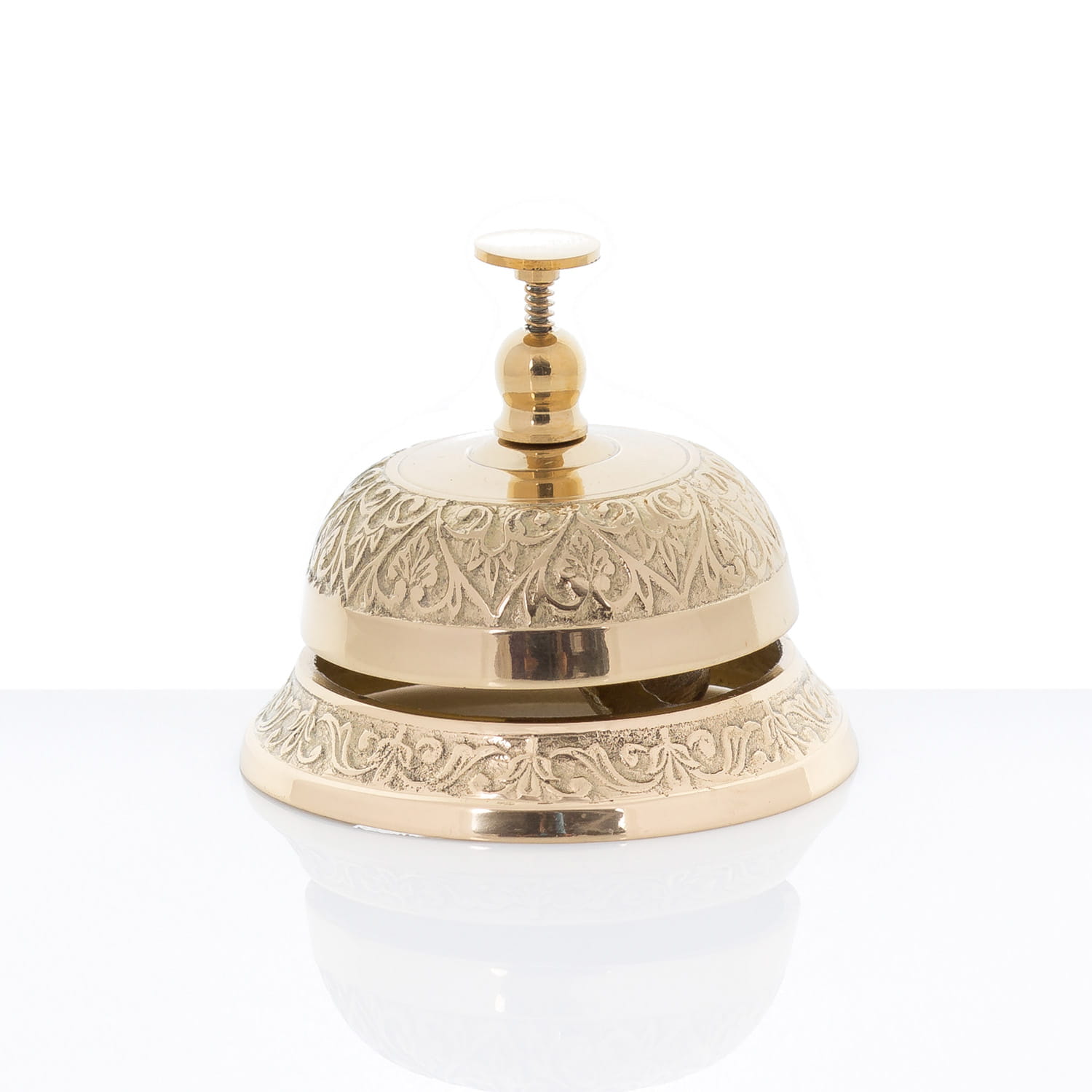
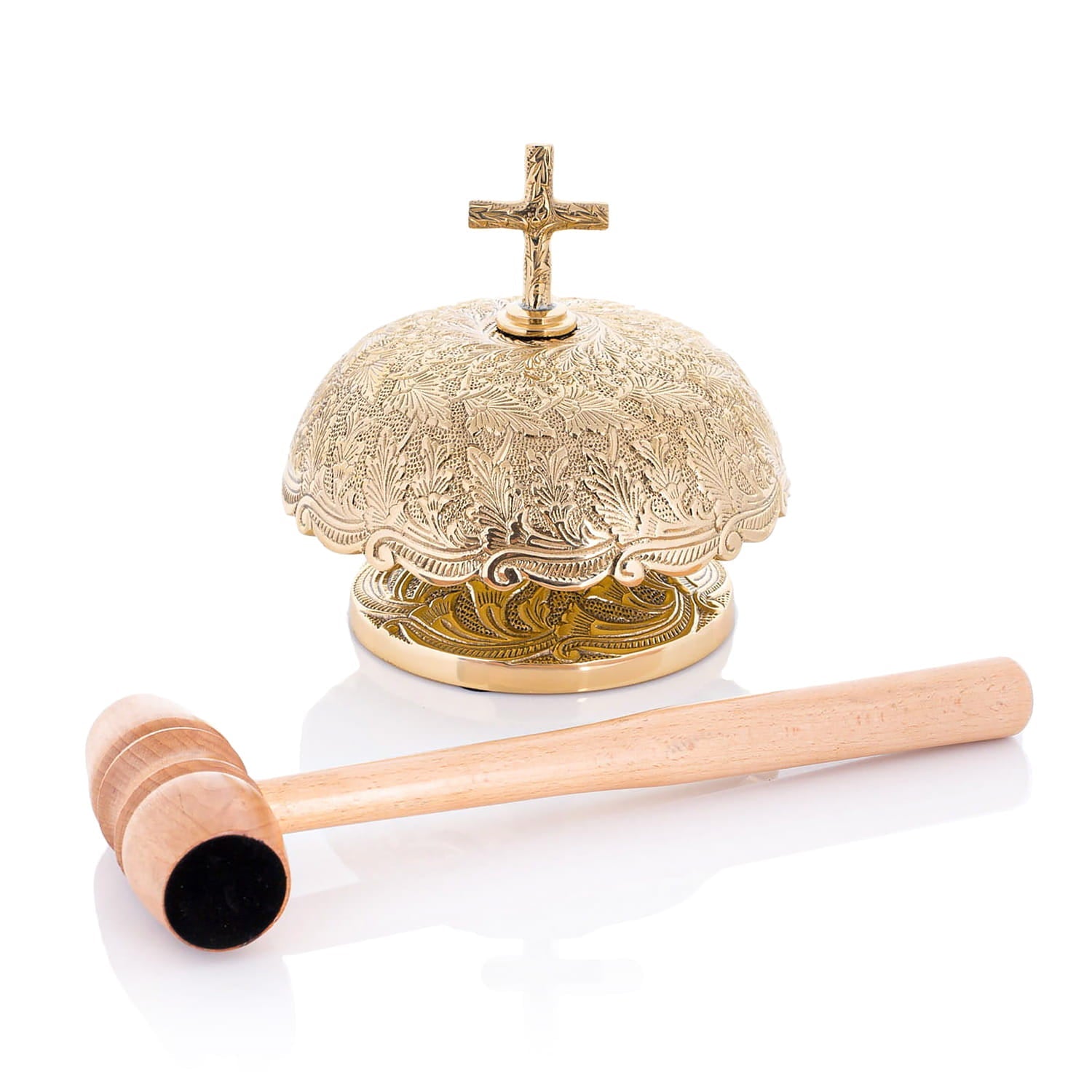
Welcome to our “Bells” collection — a curated selection of sacred and liturgical bells designed for churches, chapels and worship spaces. Throughout history, church bells have held deep biblical and spiritual significance, serving as a bridge between worshippers and God. Their ringing is believed to invoke the presence of angels and act as a divine word that transcends ordinary speech, symbolizing a mystical connection between heaven and earth. The use of bells in the Church dates back to the fifth century, when Saint Paulinus, Bishop of Nola, introduced them as a means to summon monks to worship. At Chasubles.com you will find high-quality church bells, altar bells, sanctus bells, and handbells, crafted to enrich the atmosphere of your liturgical services.
Our Sanctus Bells Collection
-
Church Bells (Tower Bells) — large bells, often found in cathedrals and sanctuaries, for calling the faithful to prayer and marking the beginning of services or special church events. Notable examples include the massive Tsar Bell in Moscow.
-
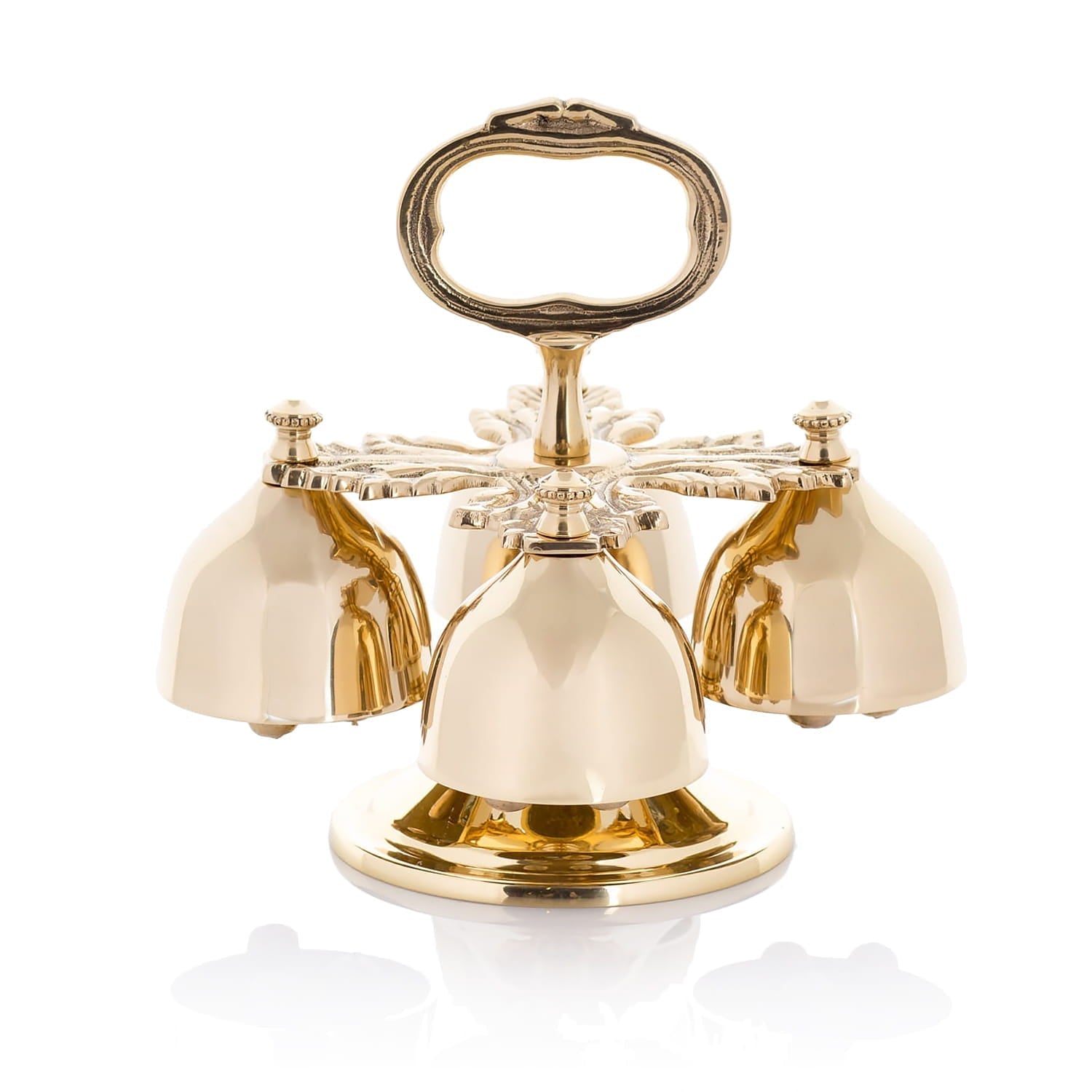
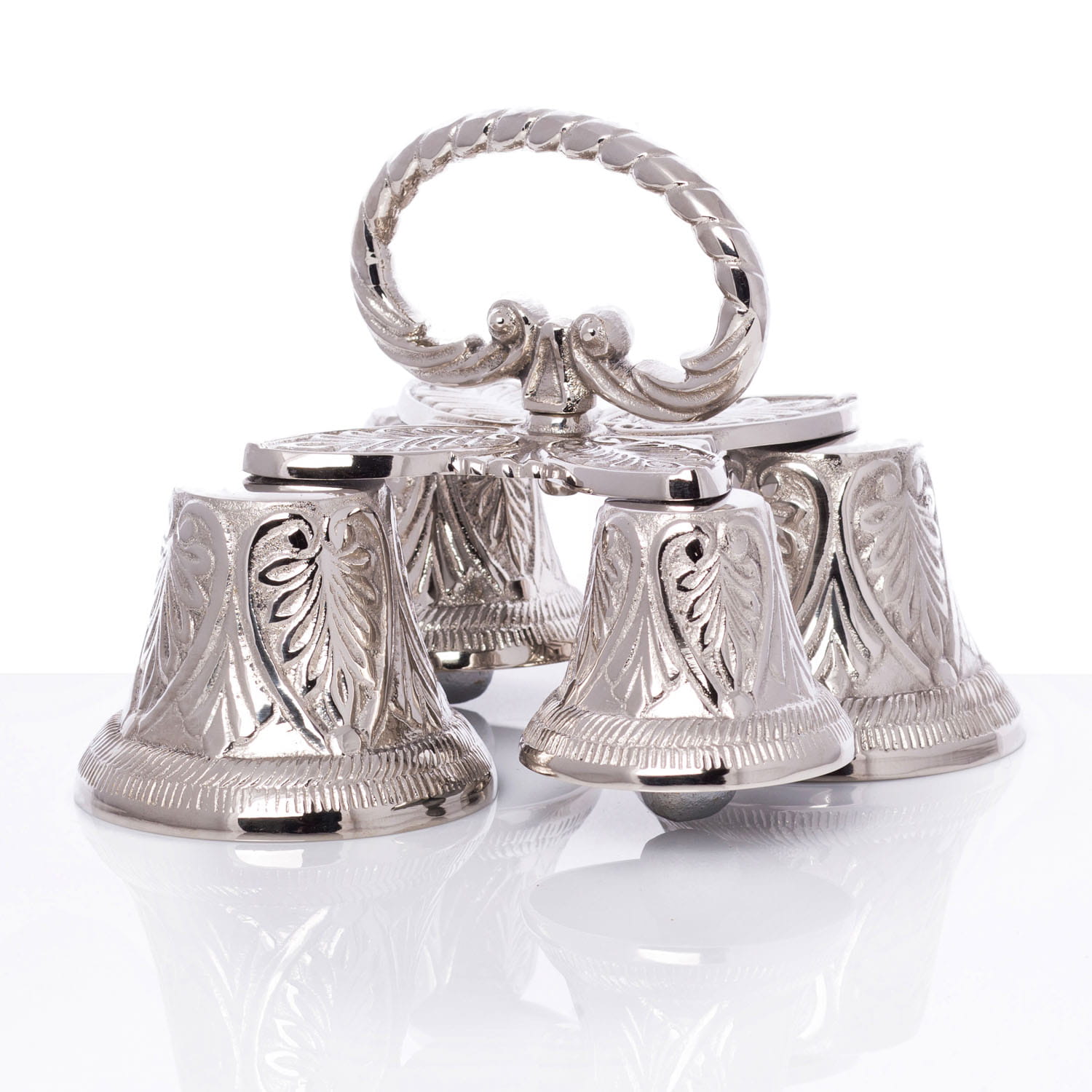
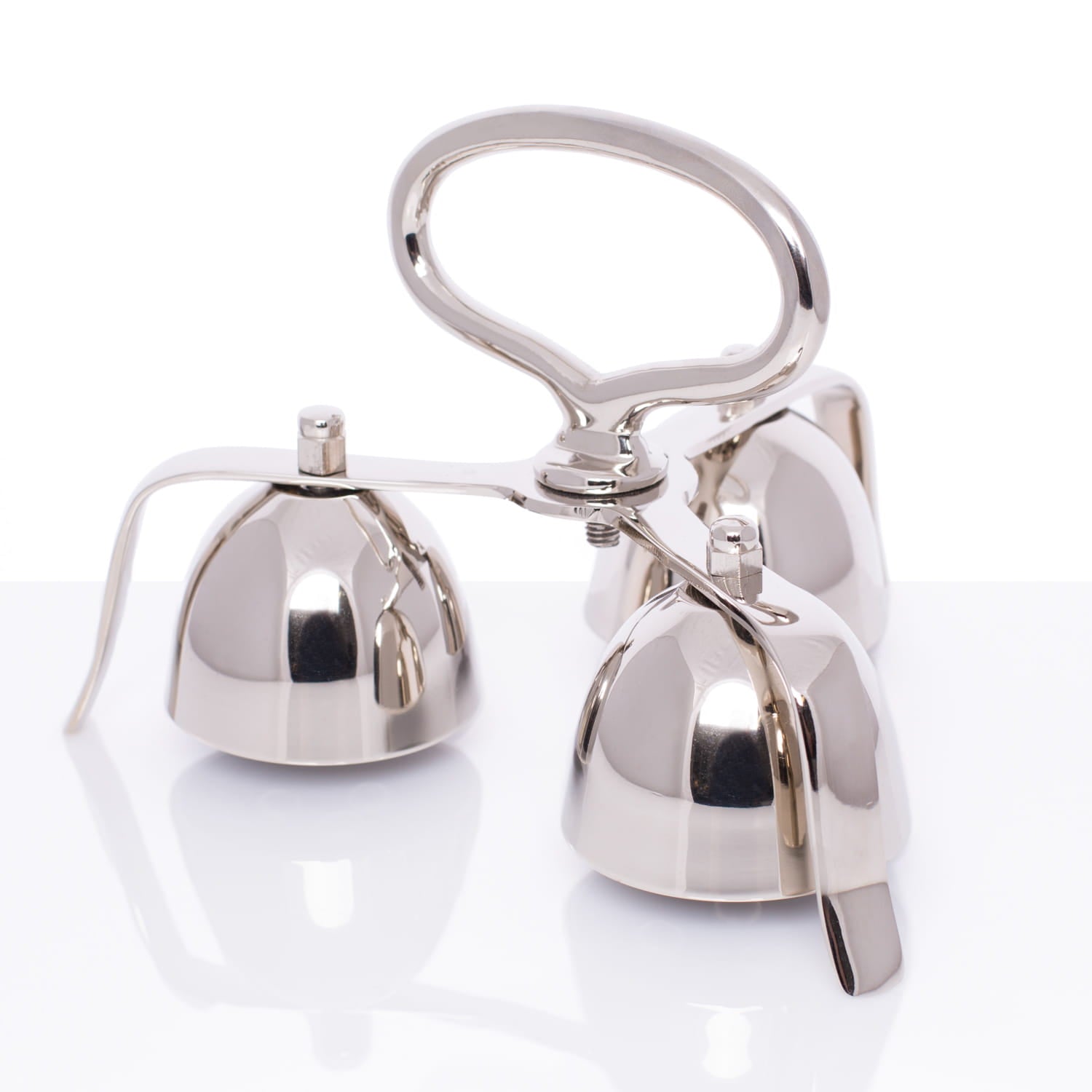
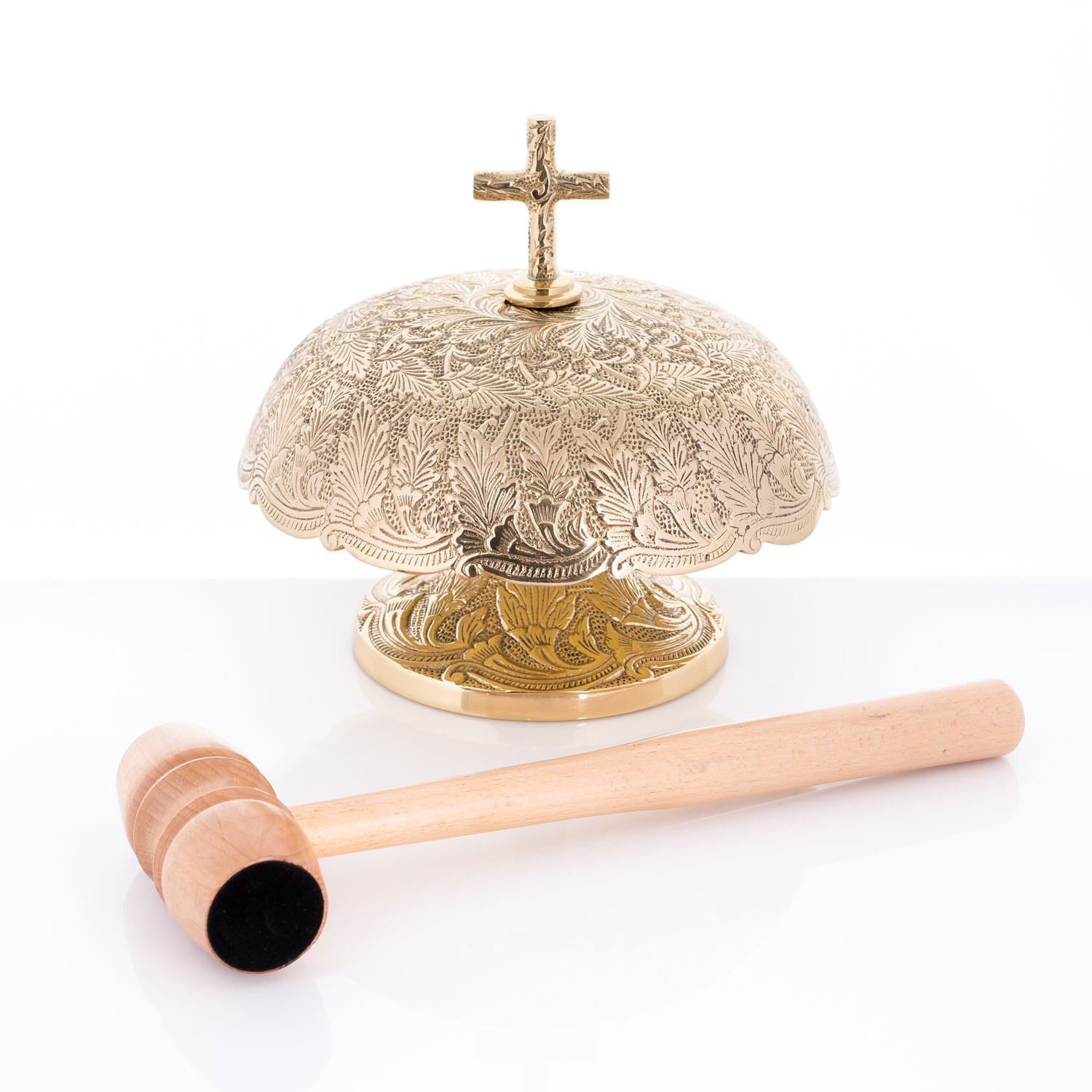
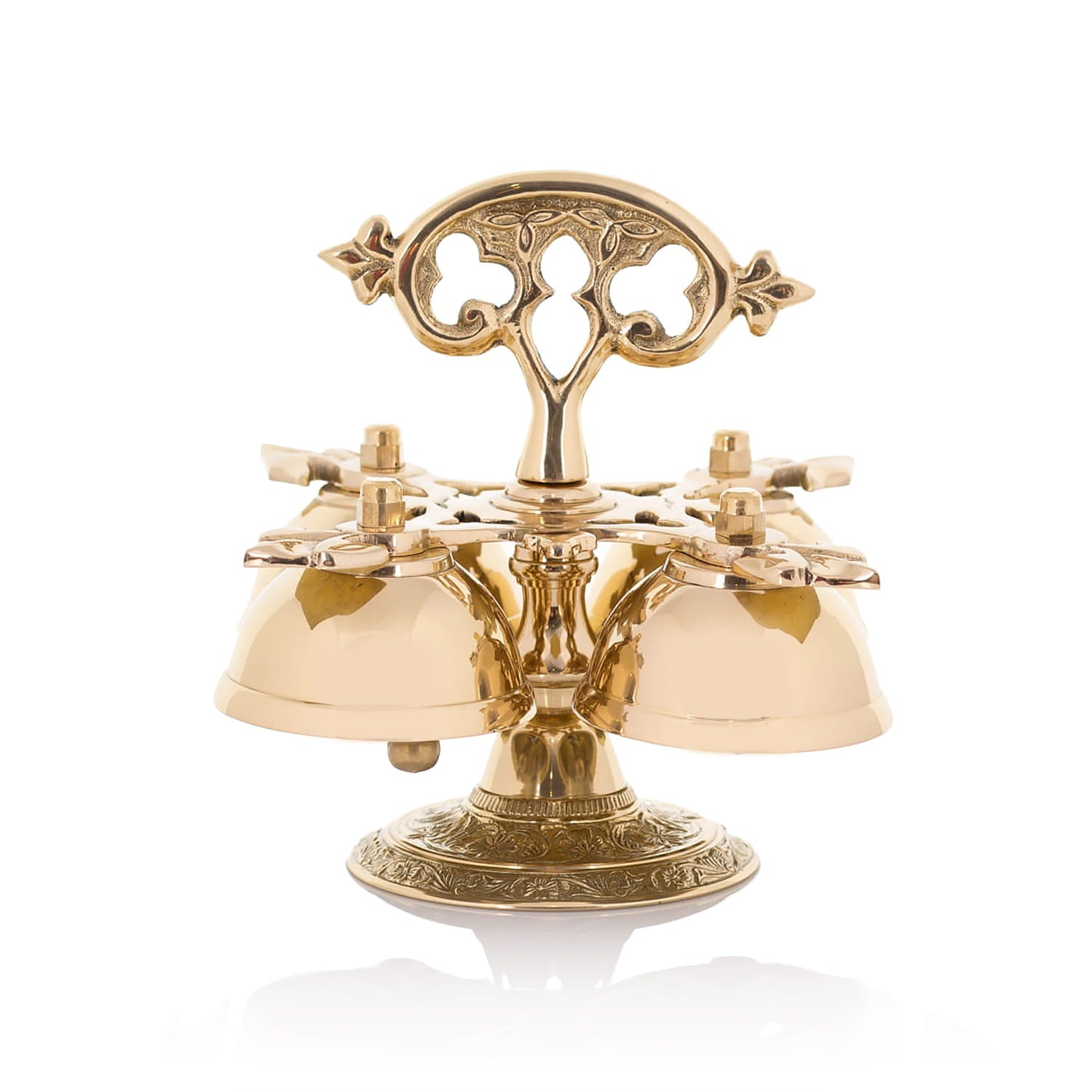
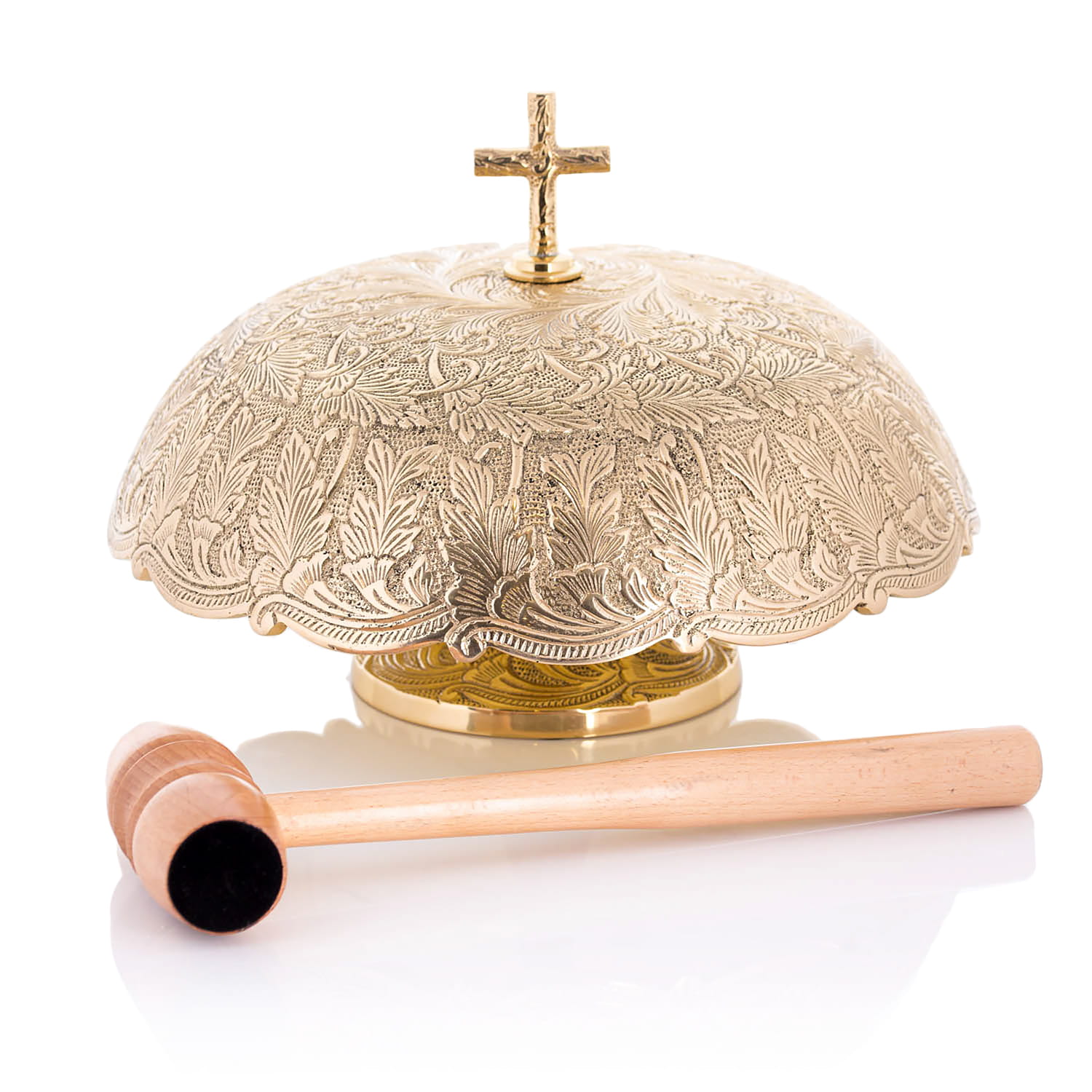
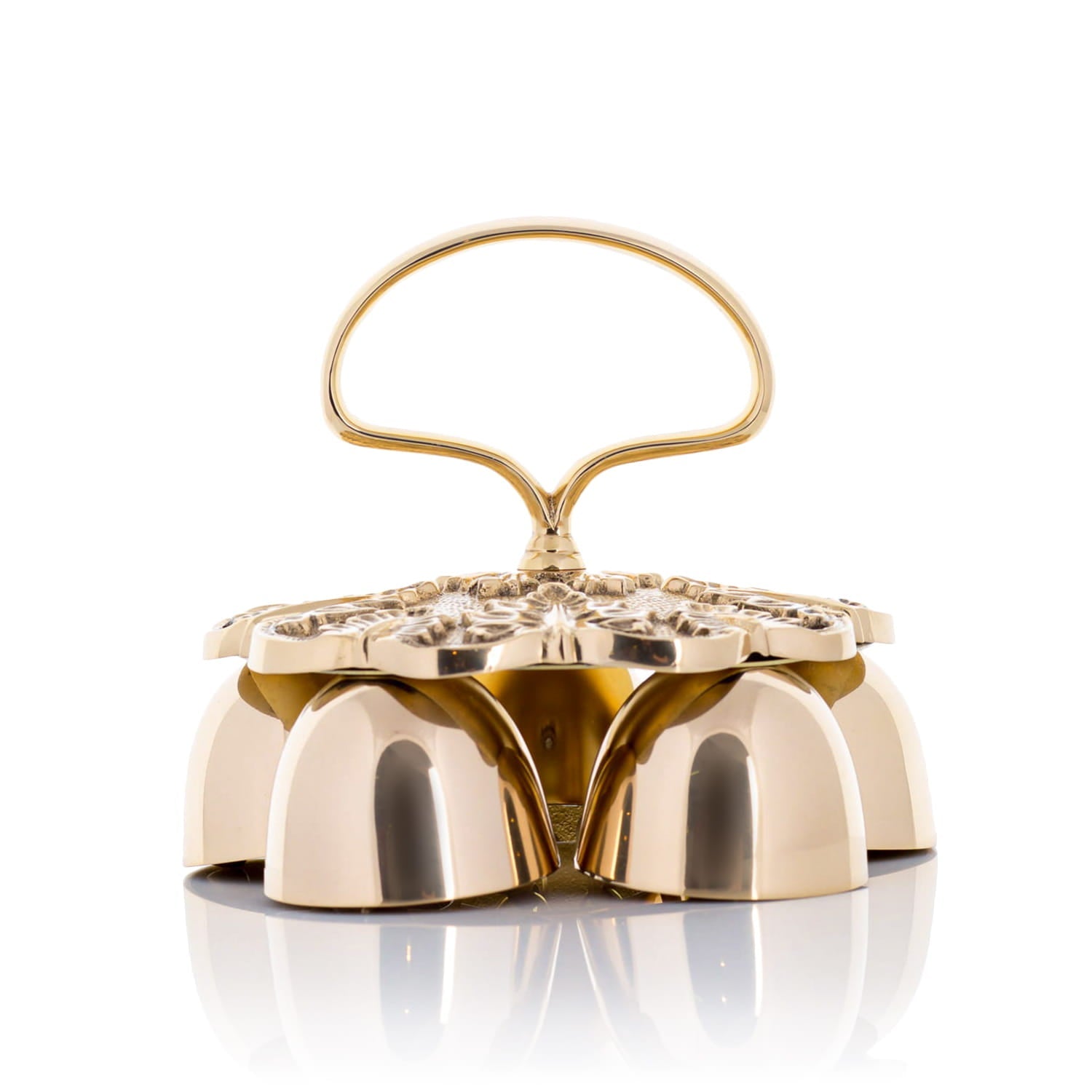
Altar Bells & Sanctus Bells — smaller bells traditionally used during Mass at key moments such as the consecration, to draw attention to the sacred actions at the altar. These bells often receive a ceremonial blessing performed by a bishop, involving holy water in a rite sometimes referred to as the baptism of the bells.
-
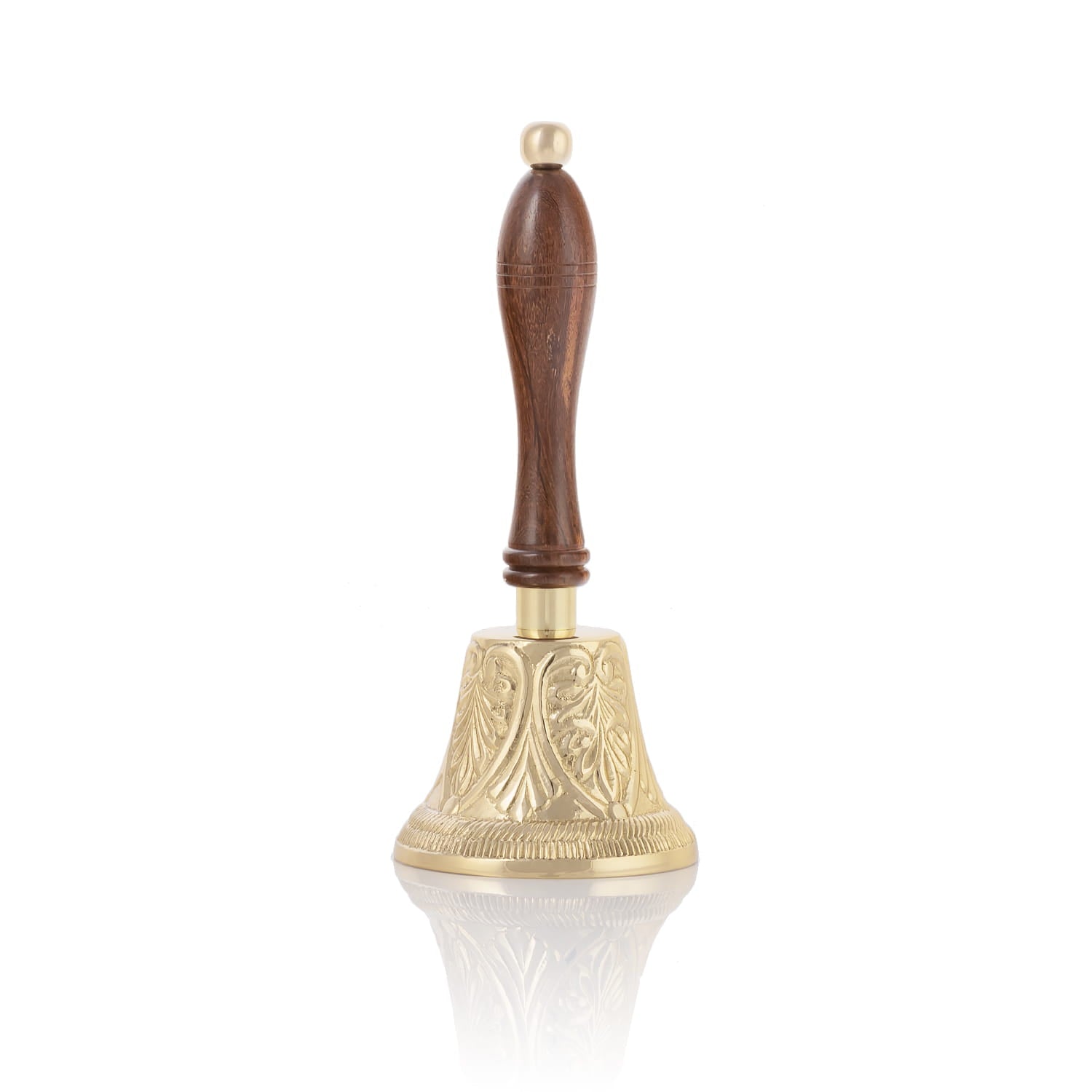
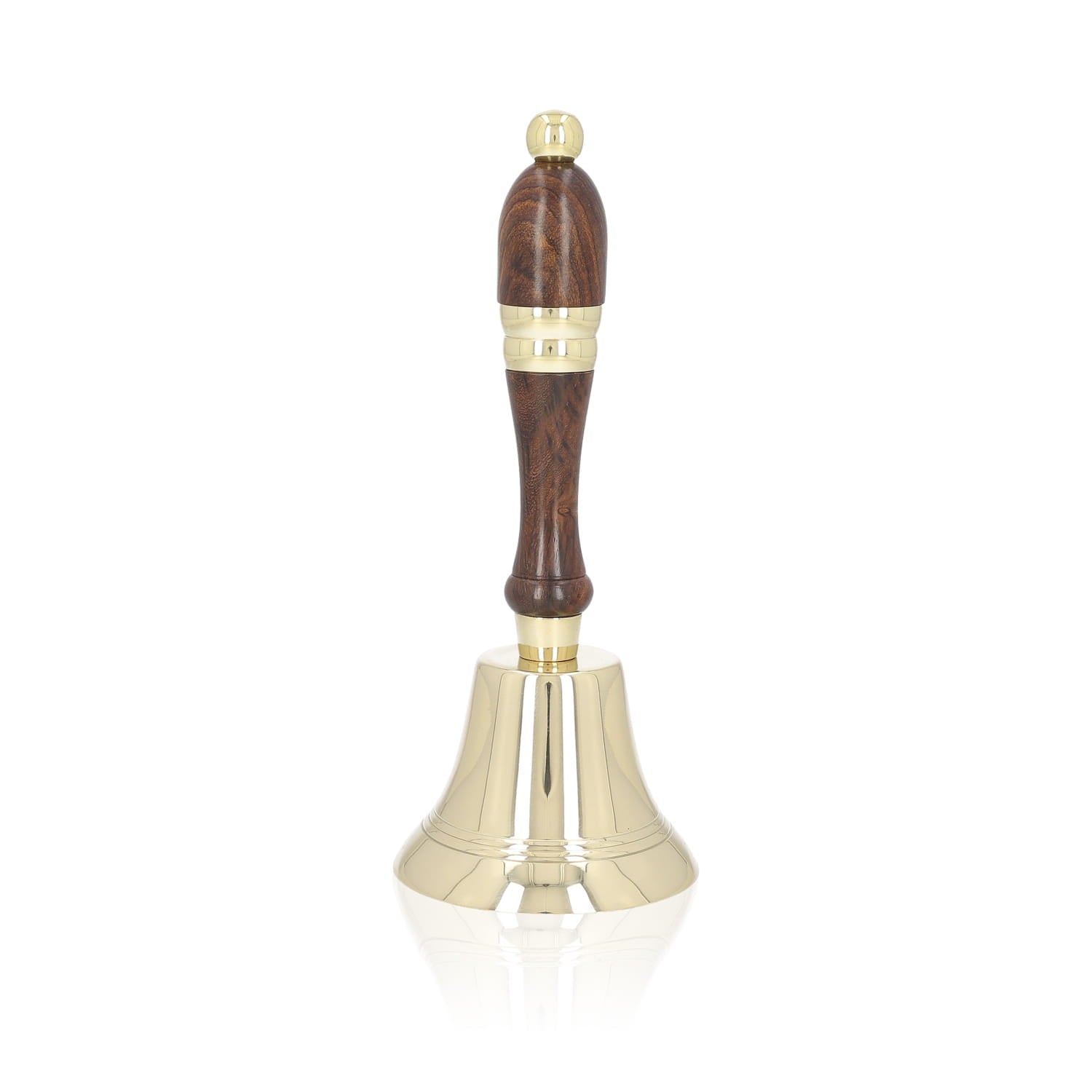
Handbells — finely tuned bronze bells, ideal for choirs or special worship music performances, valued for their harmonious sound and the importance of harmony in bell ensembles.
-
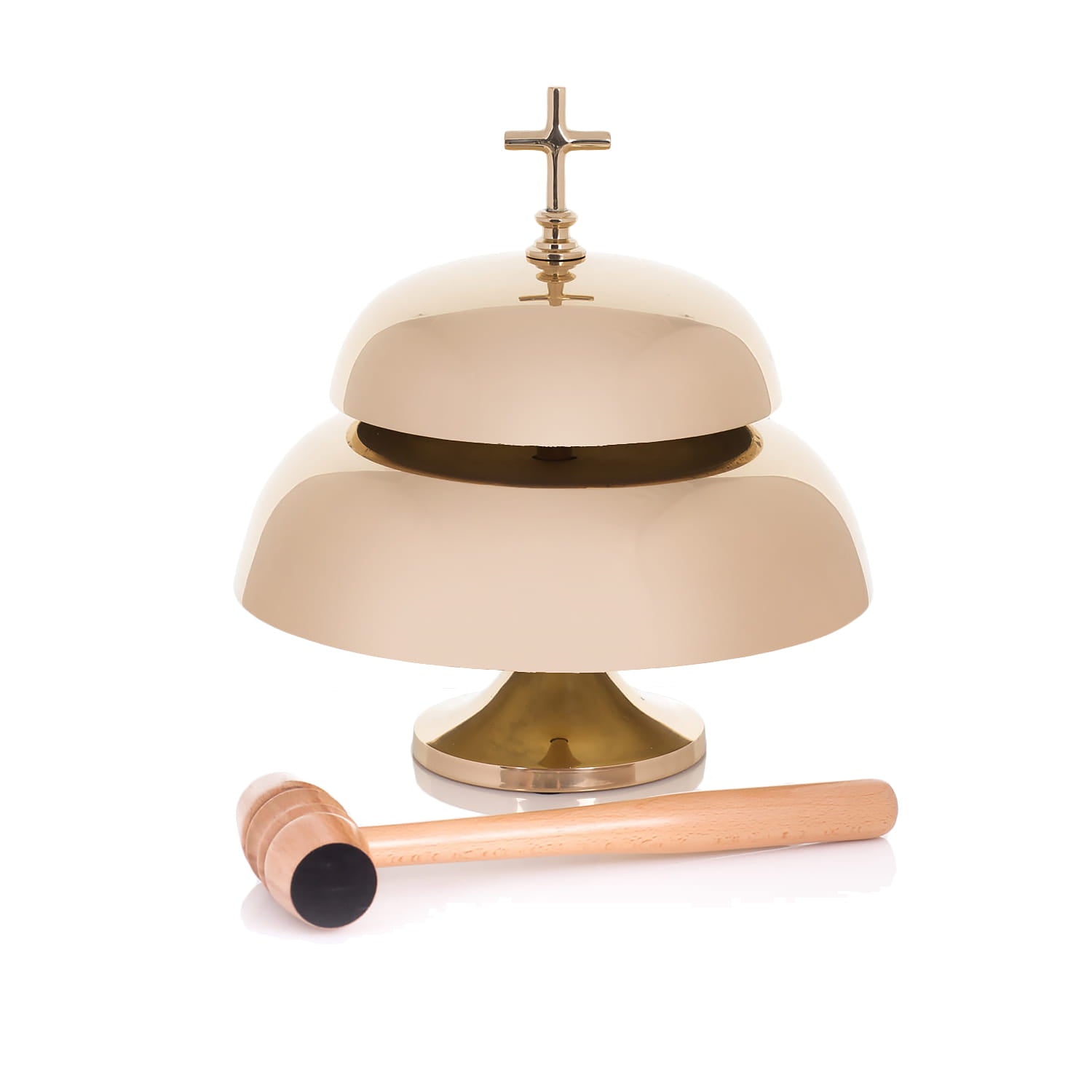
Decorative / Liturgical Bells — bells that combine craftsmanship, tradition, and aesthetic beauty, suitable for churches, chapels, or devotional spaces.
Bells contain a clapper inside, which is struck to produce sound, and bell swings (swinging the bell) is a traditional method for ringing bells.
Types of Bells
The tradition of bell ringing in the church is both ancient and varied, with each type of bell serving a unique purpose in the liturgical life of the faithful. In the Roman Catholic Church and many churches worldwide, bells are integral to worship, celebration, and solemn occasions.
Sanctus bells and altar bells are smaller bells used during Mass, especially at the altar, to mark sacred moments such as the consecration of the bread and wine into the Body and Blood of Jesus Christ. Their clear sound draws the congregation’s attention to the mystery of Holy Communion, creating a joyful noise that enhances the liturgy. These bells are often rung by altar boys or bell ringers at the direction of the priest, following the Roman Missal and general instruction.
Tower bells—sometimes called church bells—are large bells installed in towers to call the faithful to prayer, announce the start of Mass, or mark special occasions like Easter, weddings, and funerals. In some traditions, eight bells are used to create harmonious ringing, while Russian bells are known for their distinctive, resonant sound. Large bells may be swung to produce a powerful, far-reaching tone, while single bells are often reserved for ceremonial blessings or to signify important moments in the service.
Local custom and tradition influence how bells are used in each parish. For example, gloria wheels or sacring rings may be employed to produce a festive sound during Holy Communion, and bells are often rung during the Angelus or other prayers throughout the day. Bell ringing is not only a call to worship but also a way to express faith, mark the passage of time, and celebrate the life of the church community.
From the solemn toll of a single bell to the harmonious peal of many, bells remain a vital part of the liturgical tradition, connecting the congregation to centuries of worship, praise, and prayer. Whether used for blessing, celebration, or solemn reflection, church bells continue to be a powerful voice in the life of the church and the faith of its people.
Why Choose Our Bells for Bell Ringing
Our bells are crafted with care and respect for liturgical tradition, allowing their sound to be heard throughout the world—connecting communities and marking important events. Each bell produces a clear, resonant tone that enhances the sacred ambiance of liturgy, celebrations, or prayer services, often accompanied by singing to further elevate the spiritual atmosphere. Whether you seek a bell for regular Mass, special ceremonies, or musical worship, our selection offers durable and beautiful options for any ecclesiastical setting.
Beyond their musical beauty, bells have historically served as vital tools for long-distance communication, warning of emergencies, and announcing civic events. In many Christian traditions, the ringing of church bells is believed to possess apotropaic powers, warding off evil spirits, calming storms, and protecting the faithful. Churches often ring bells three times a day for prayer, with Catholic churches specifically ringing at 6 am, noon, and 6 pm for the Angelus. Bells are also rung on All Hallows' Eve, Candlemas, and Palm Sunday, while remaining silent from Maundy Thursday through the Easter Vigil. The oldest surviving circle of bells in Great Britain is found at St Lawrence Church, Ipswich, and by the ninth century, bells were common even in small parish churches across Europe, following their official sanction by Pope Sabinian in AD 604. Large temple bells in Buddhism are struck to awaken the soul.
While bells unite and inspire, their sound can also lead to community tensions. A 2013 study in Zurich found that 2.5–3.5% of residents experienced additional awakenings due to bell noise, and lawsuits over bell noise pollution have arisen in the Netherlands and elsewhere, often reflecting differences between long-time residents and newcomers.
Discover the timeless call to prayer, the solemn tones for worship, and the uplifting sound of celebration — all in one place. Browse our full “Bells” collection and find the perfect bell for your church or chapel.