Deacon Dalmatic: A Comprehensive Guide
What is a Deacon Dalmatic?
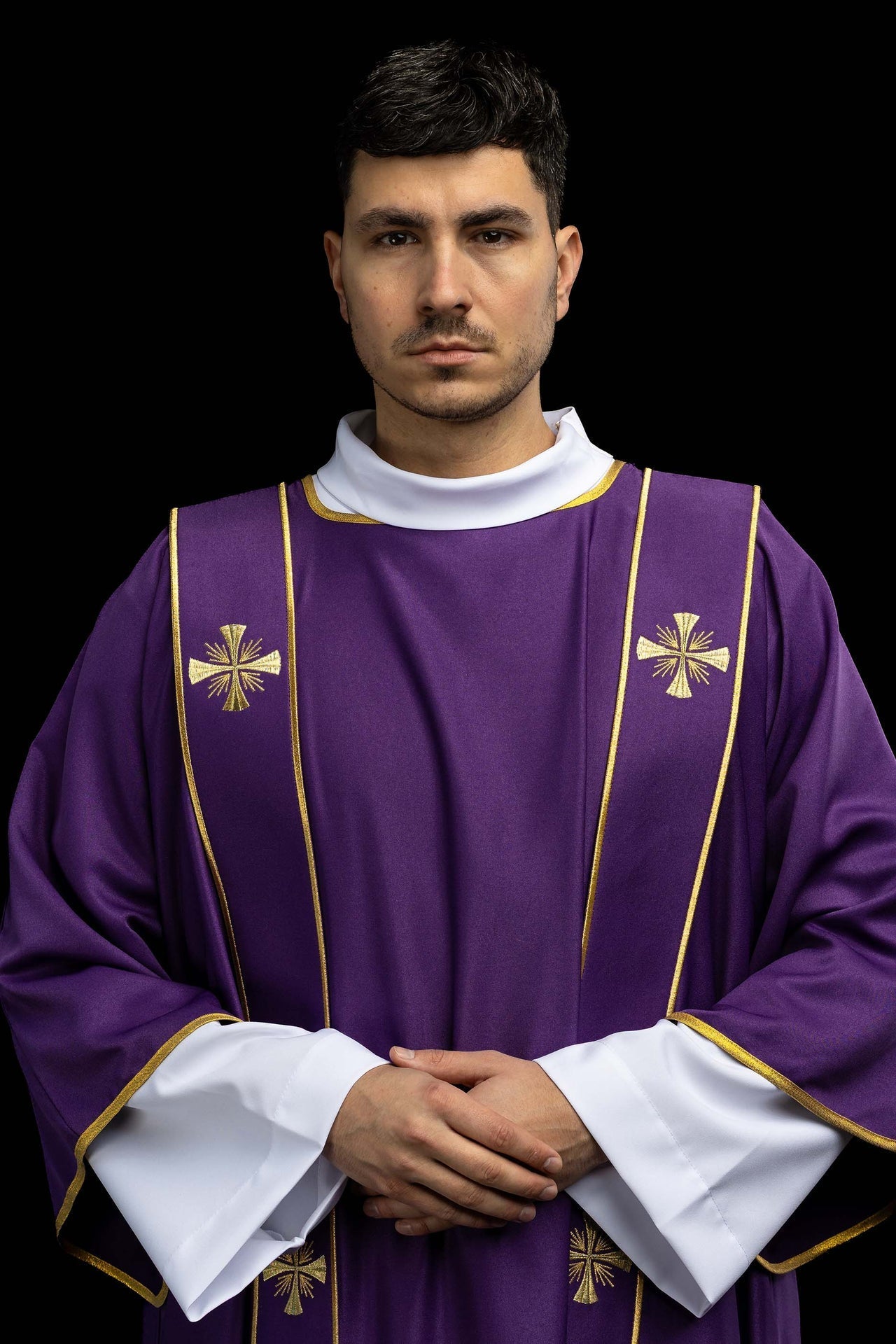
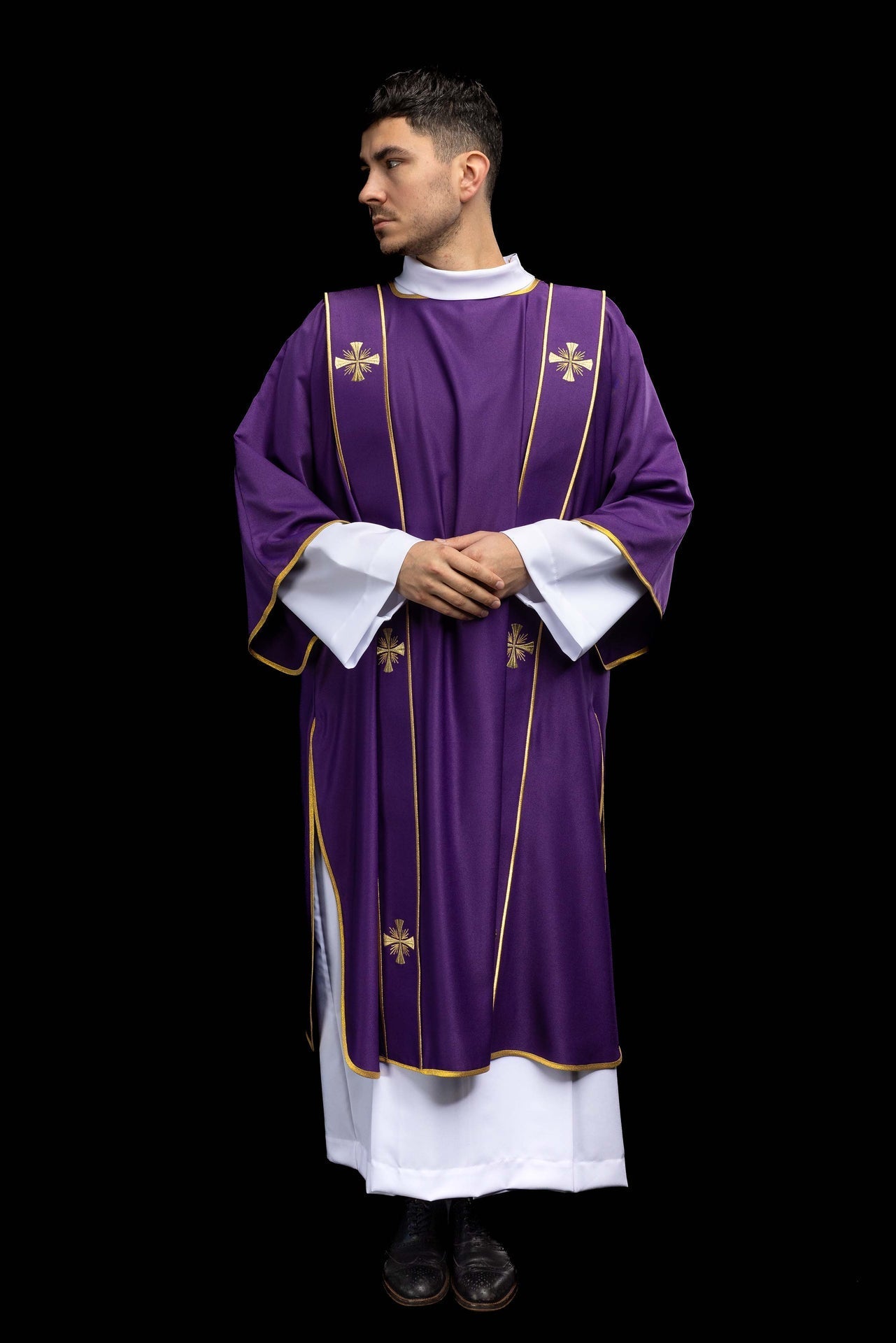
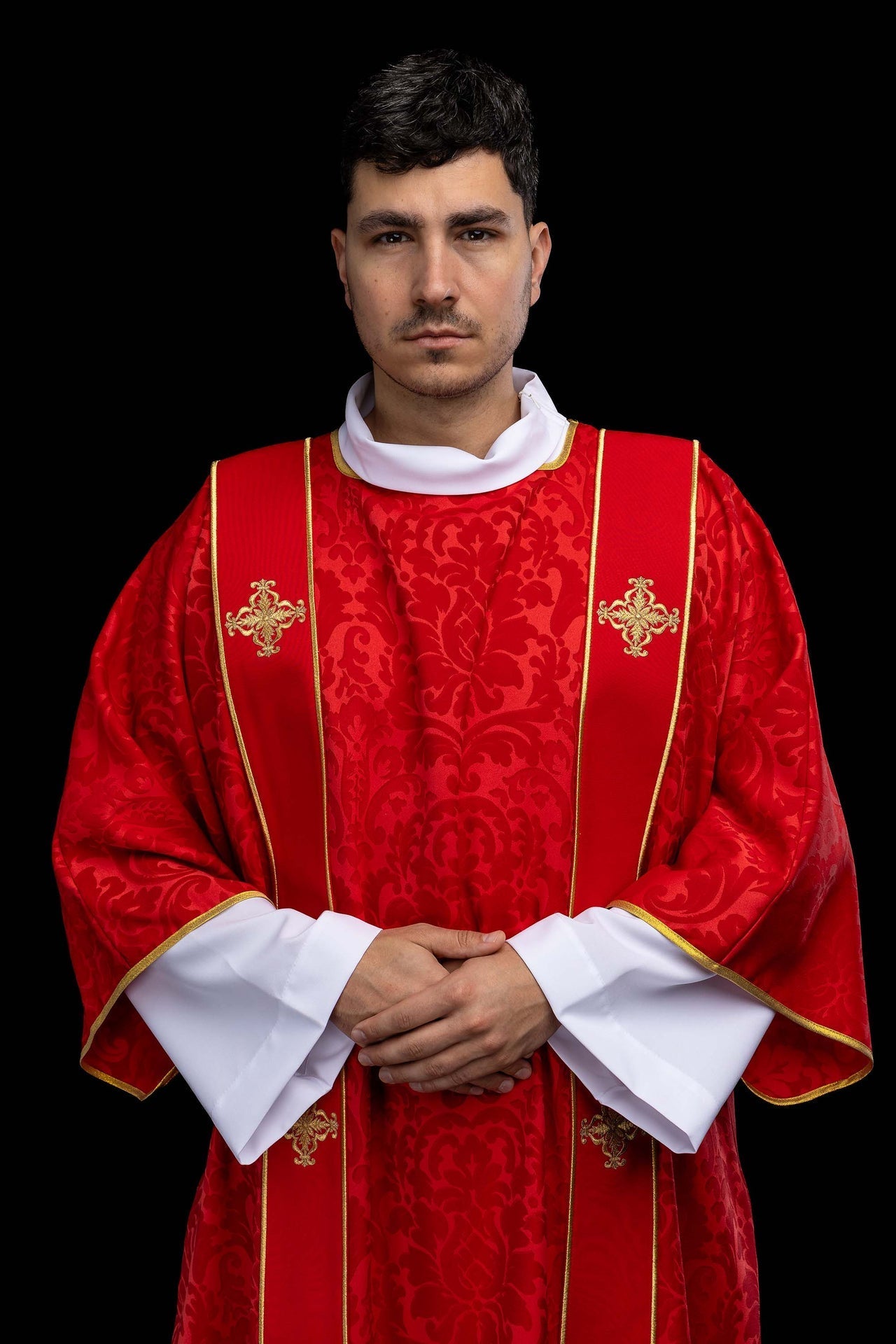
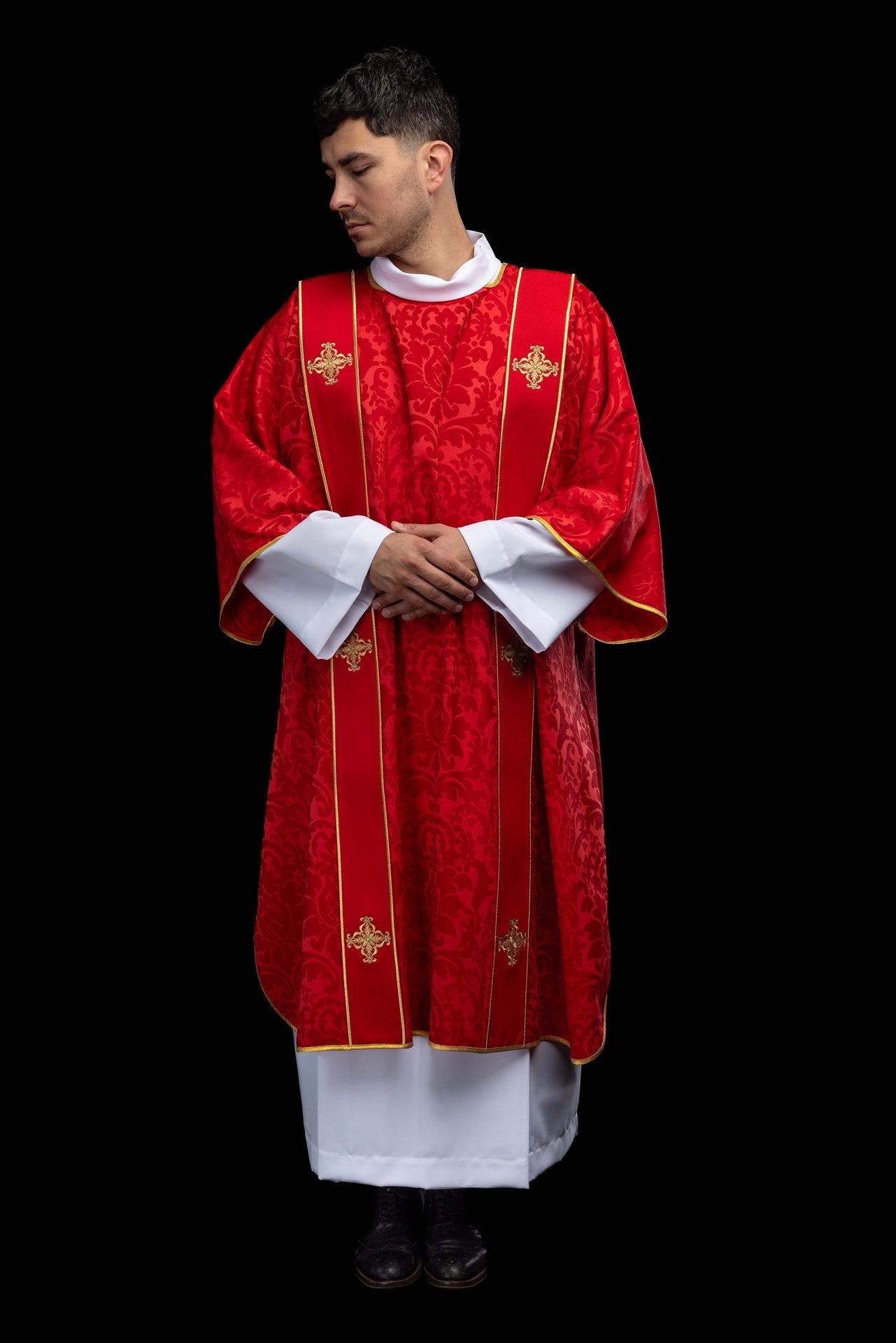
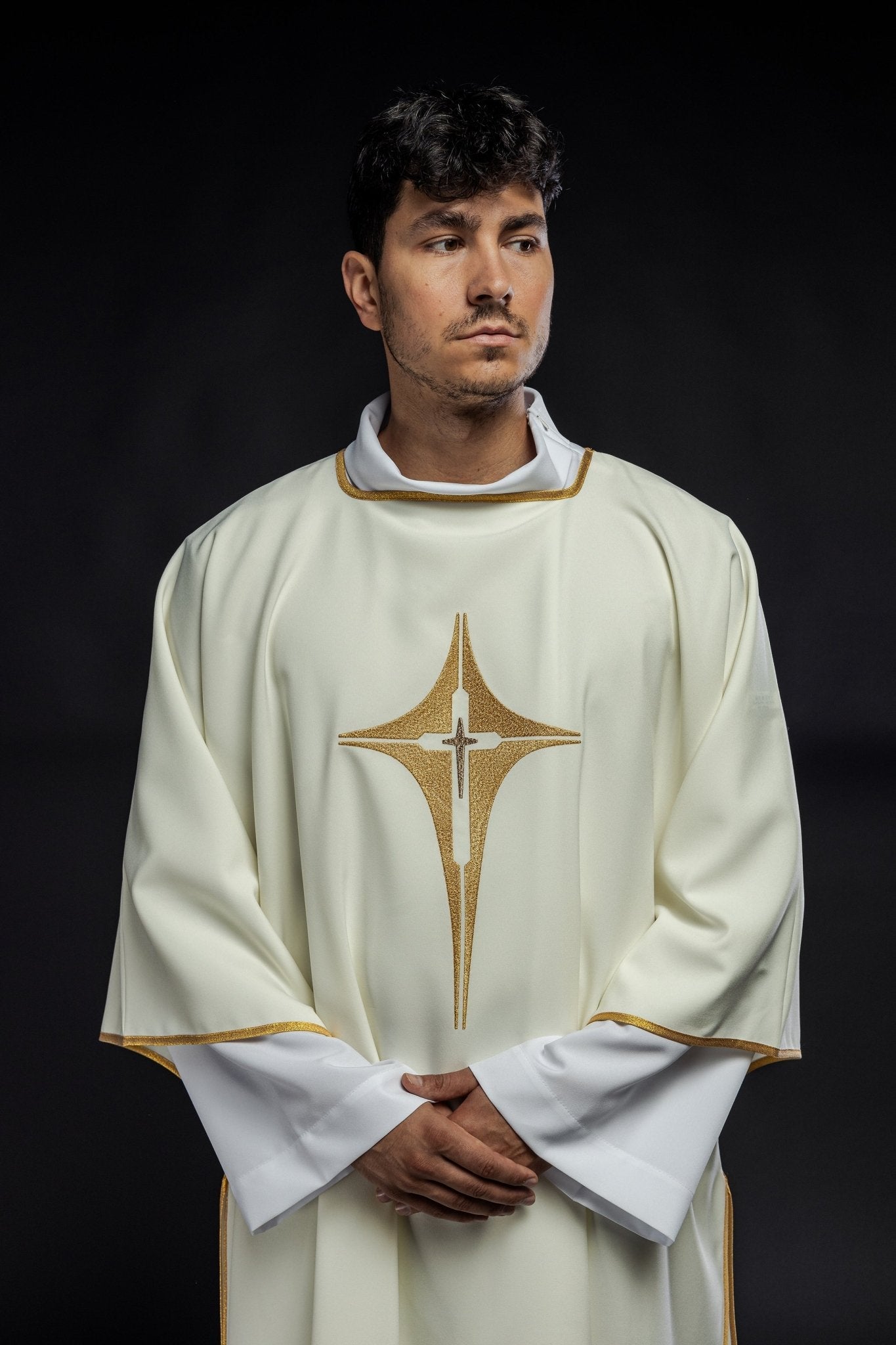
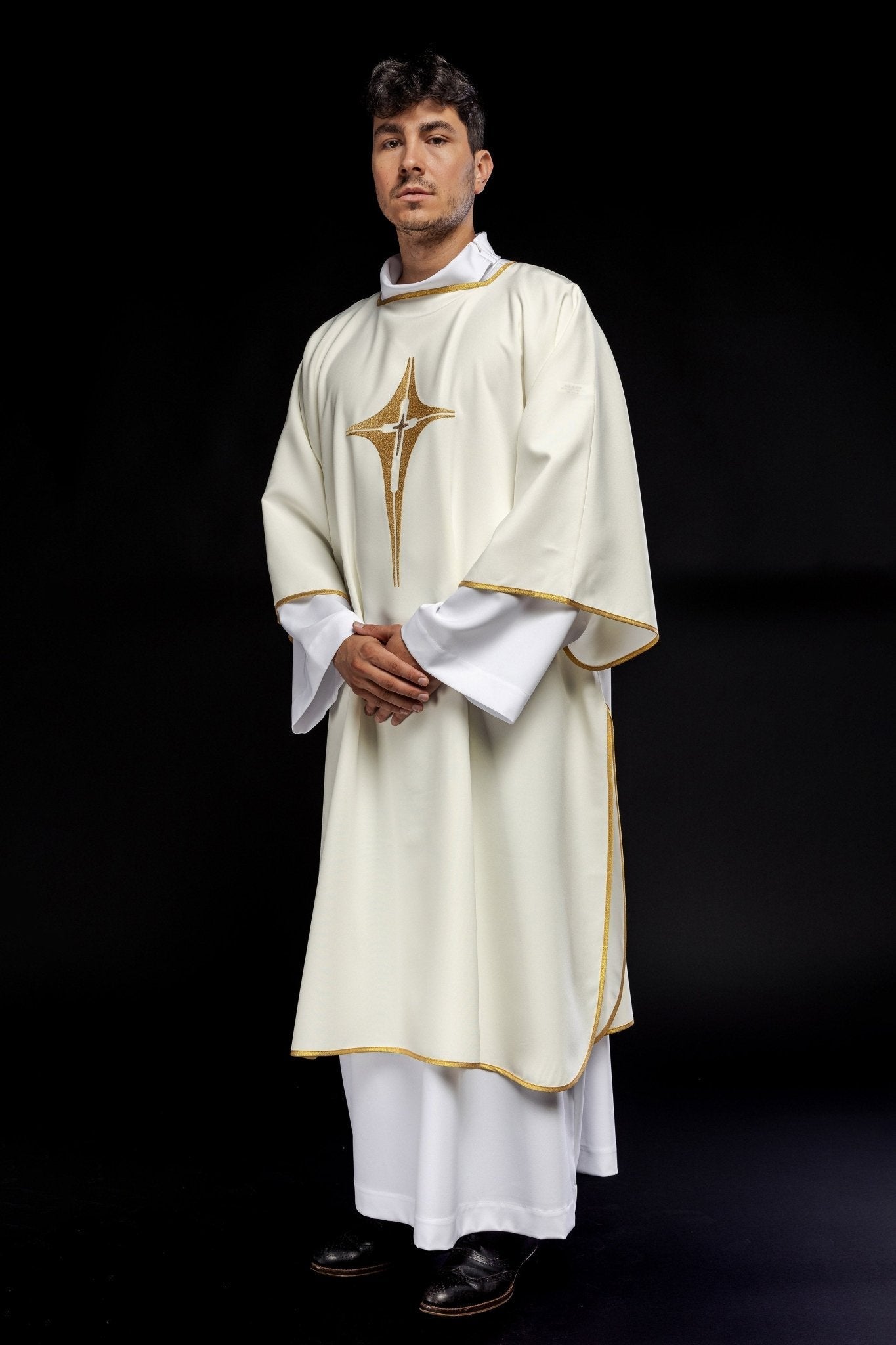
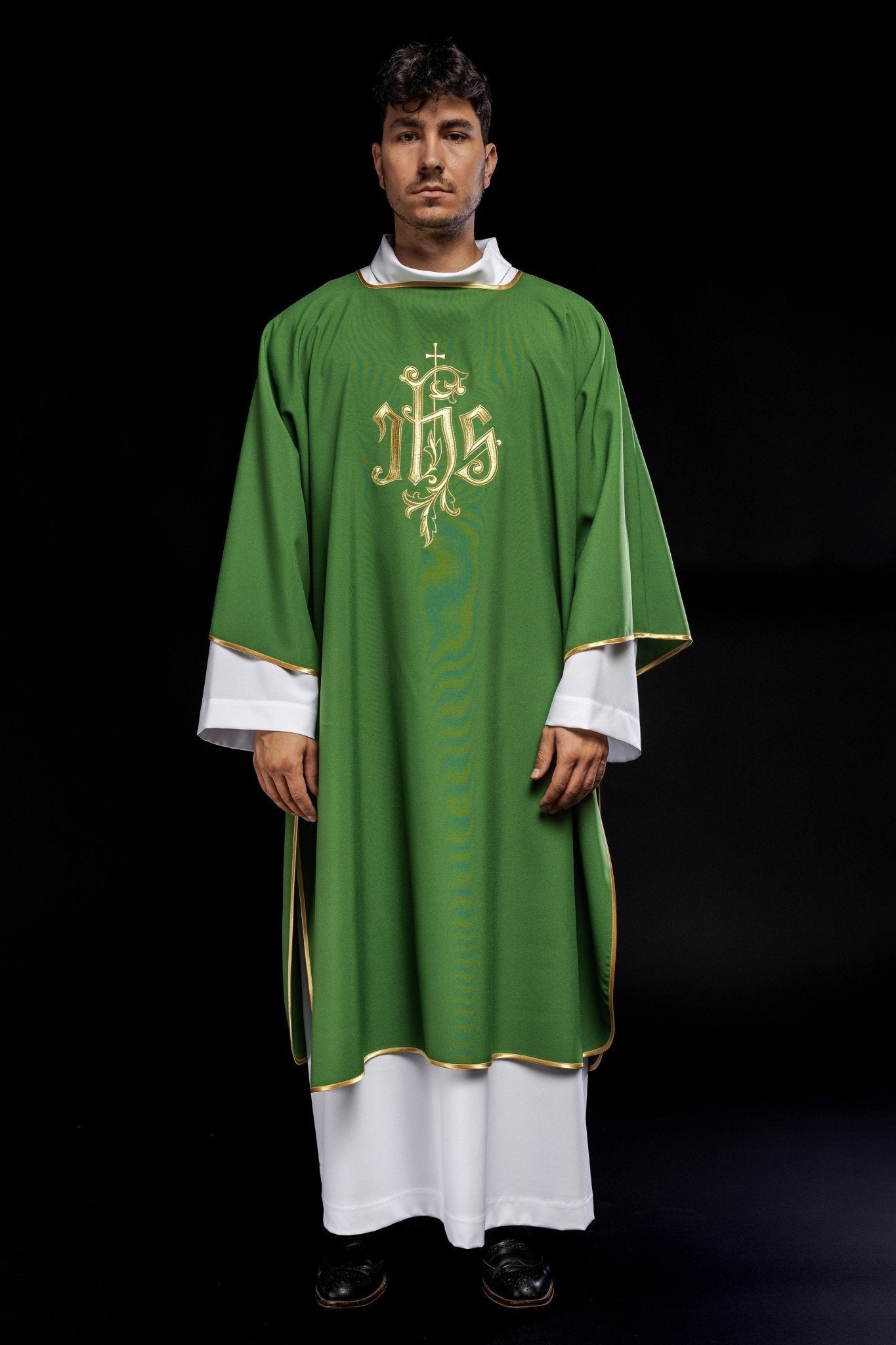
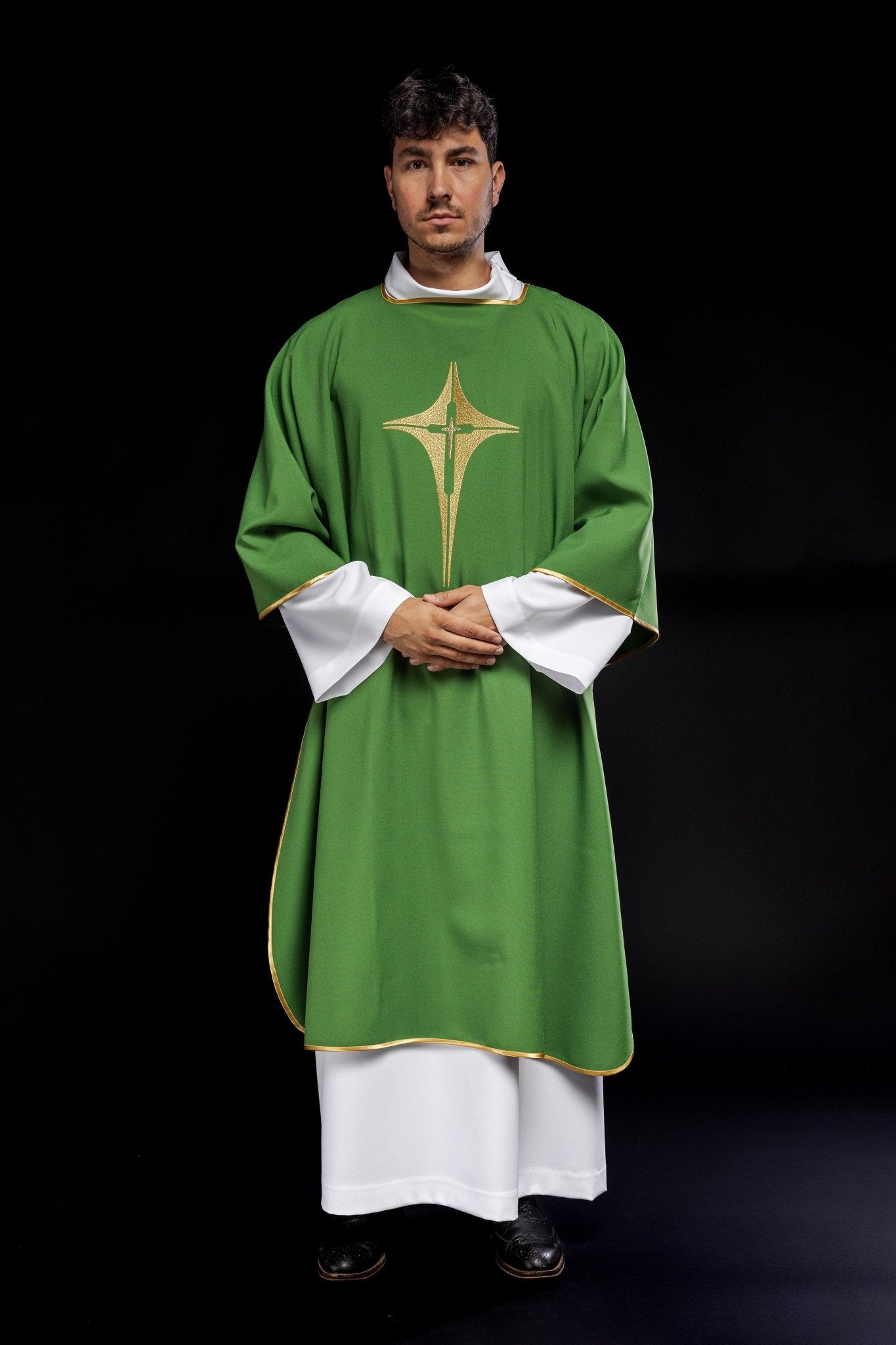
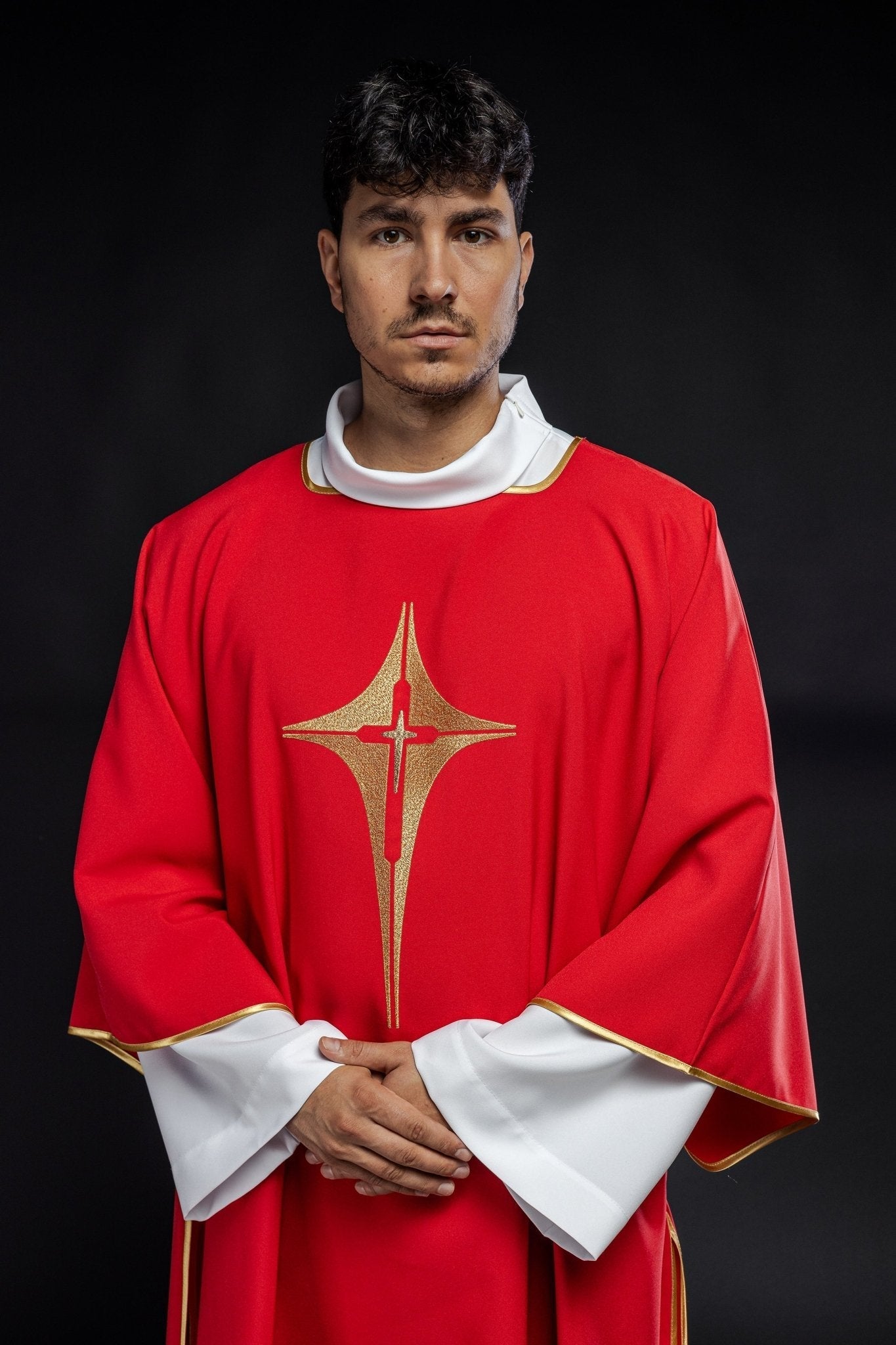
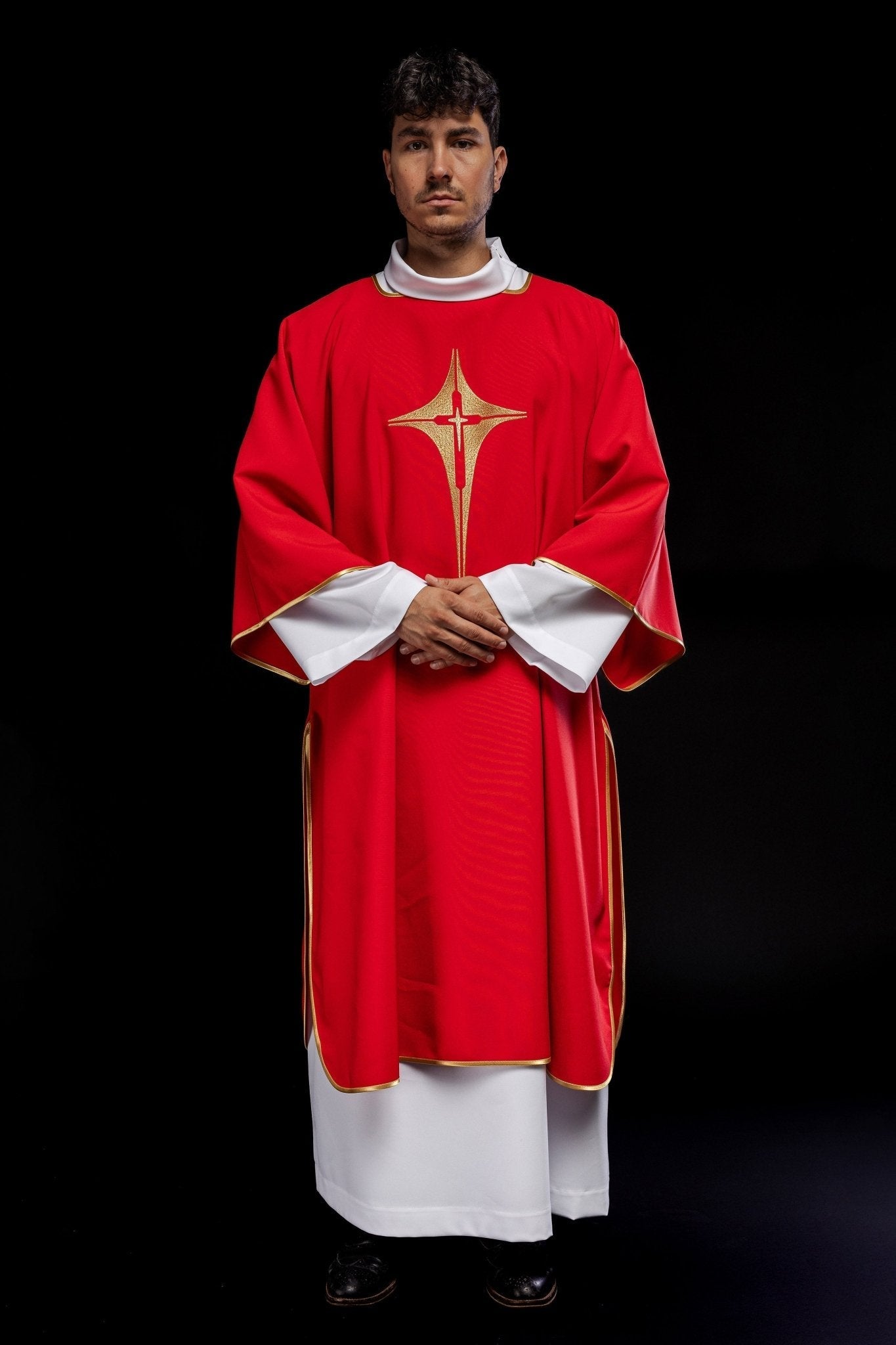
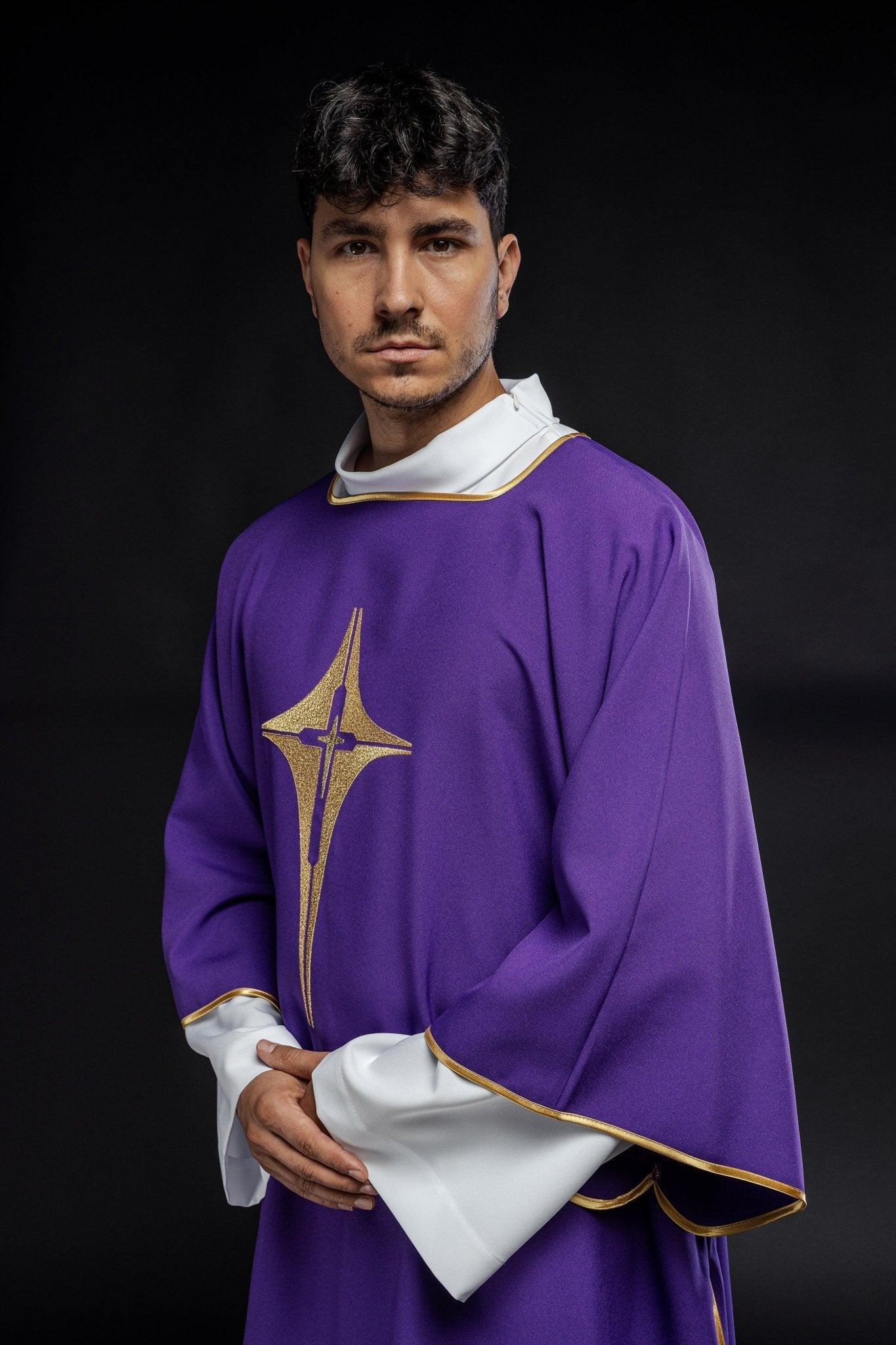
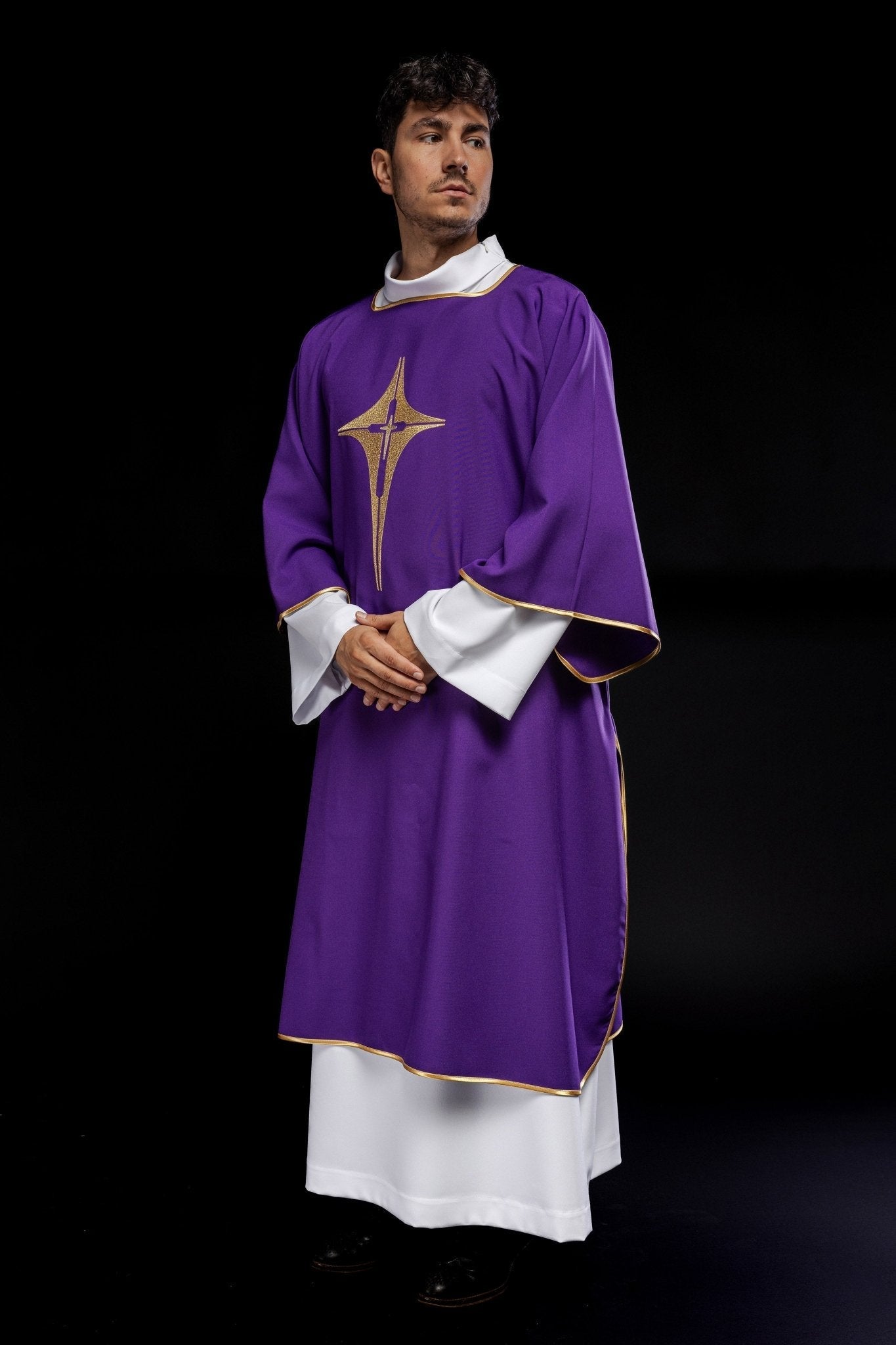
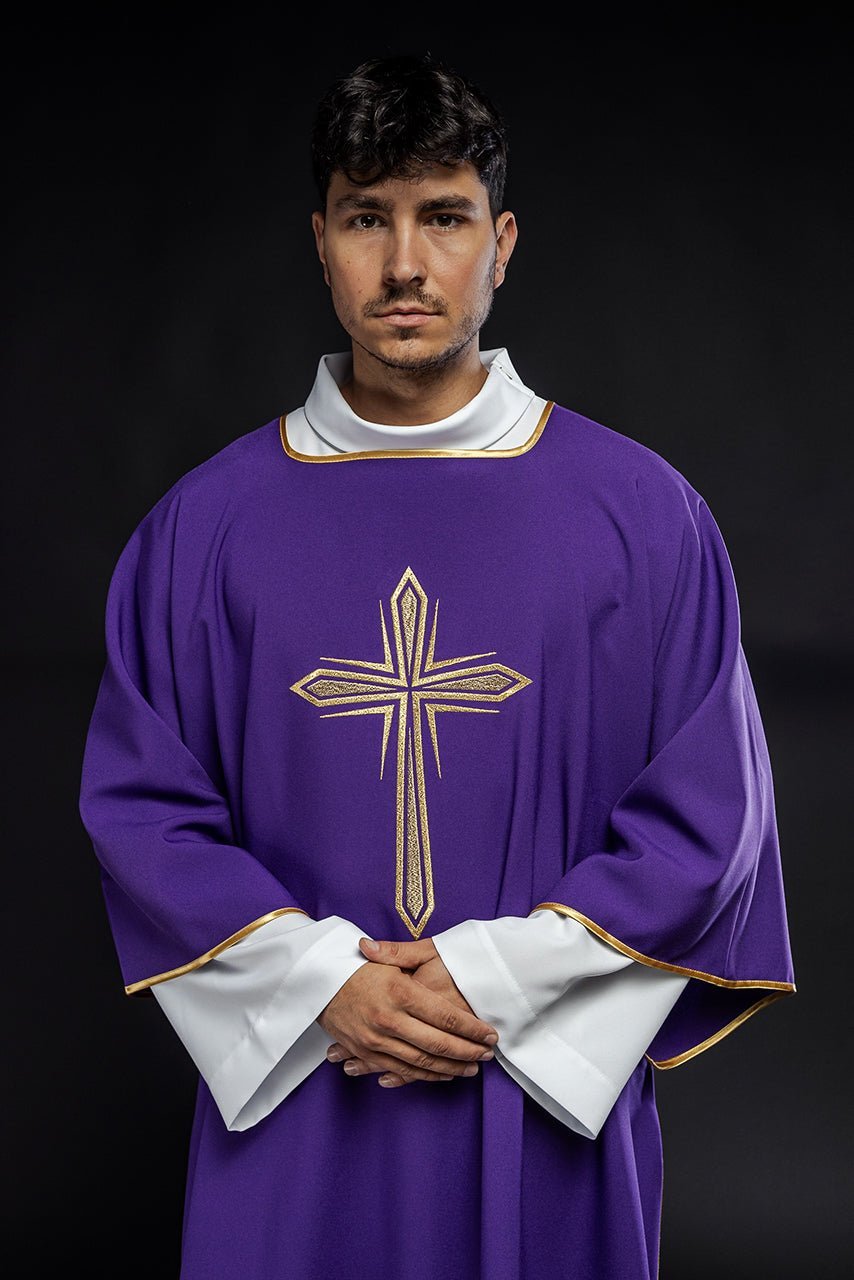
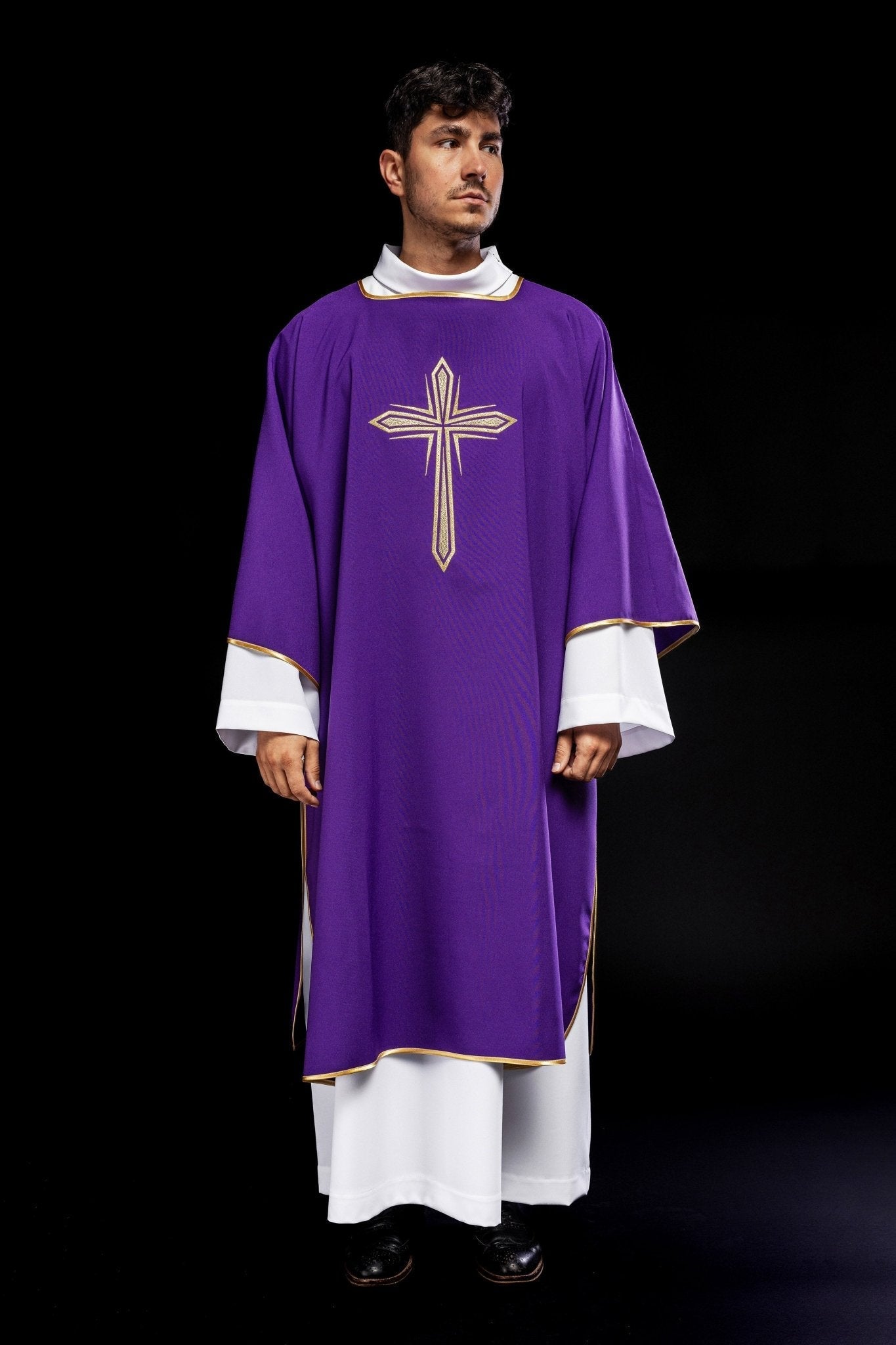
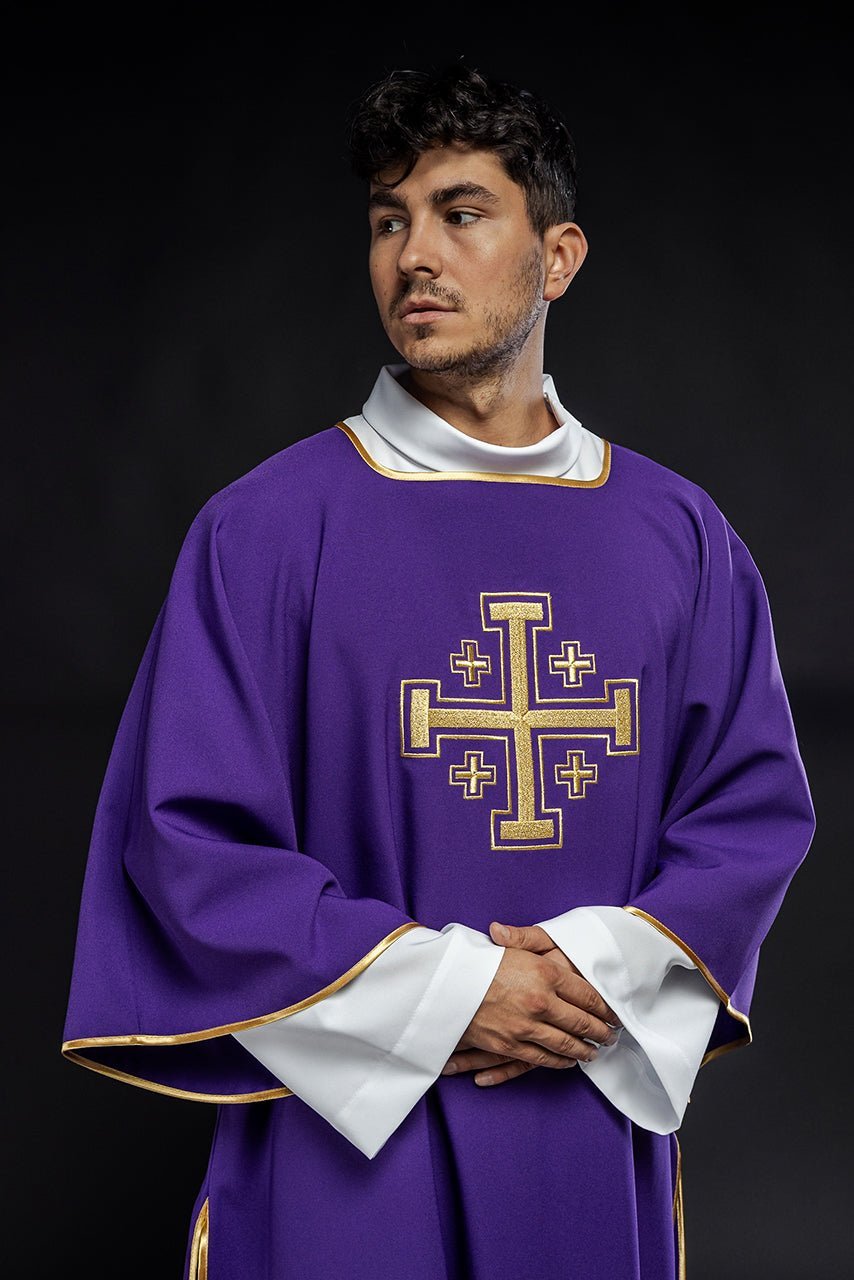
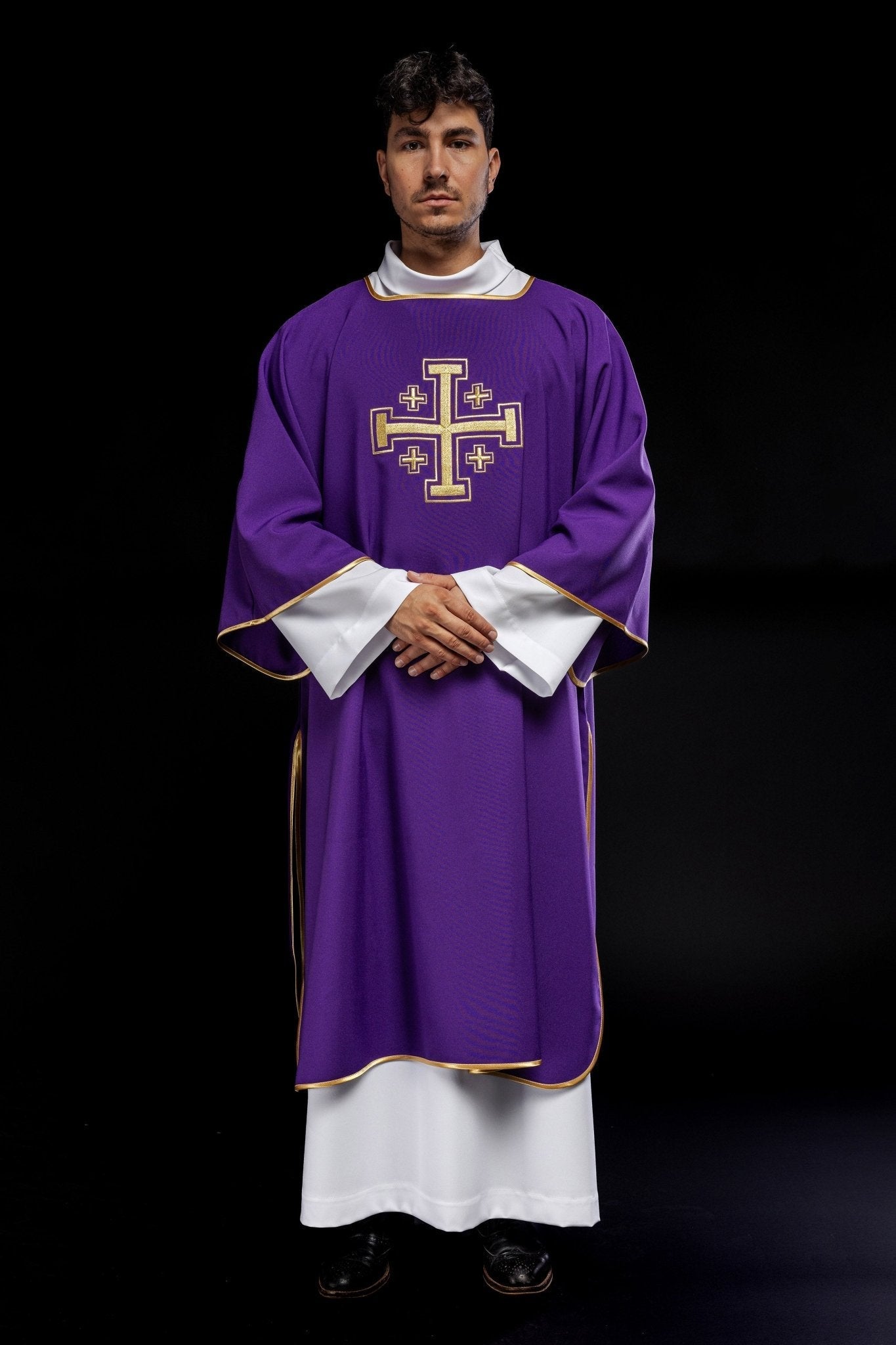
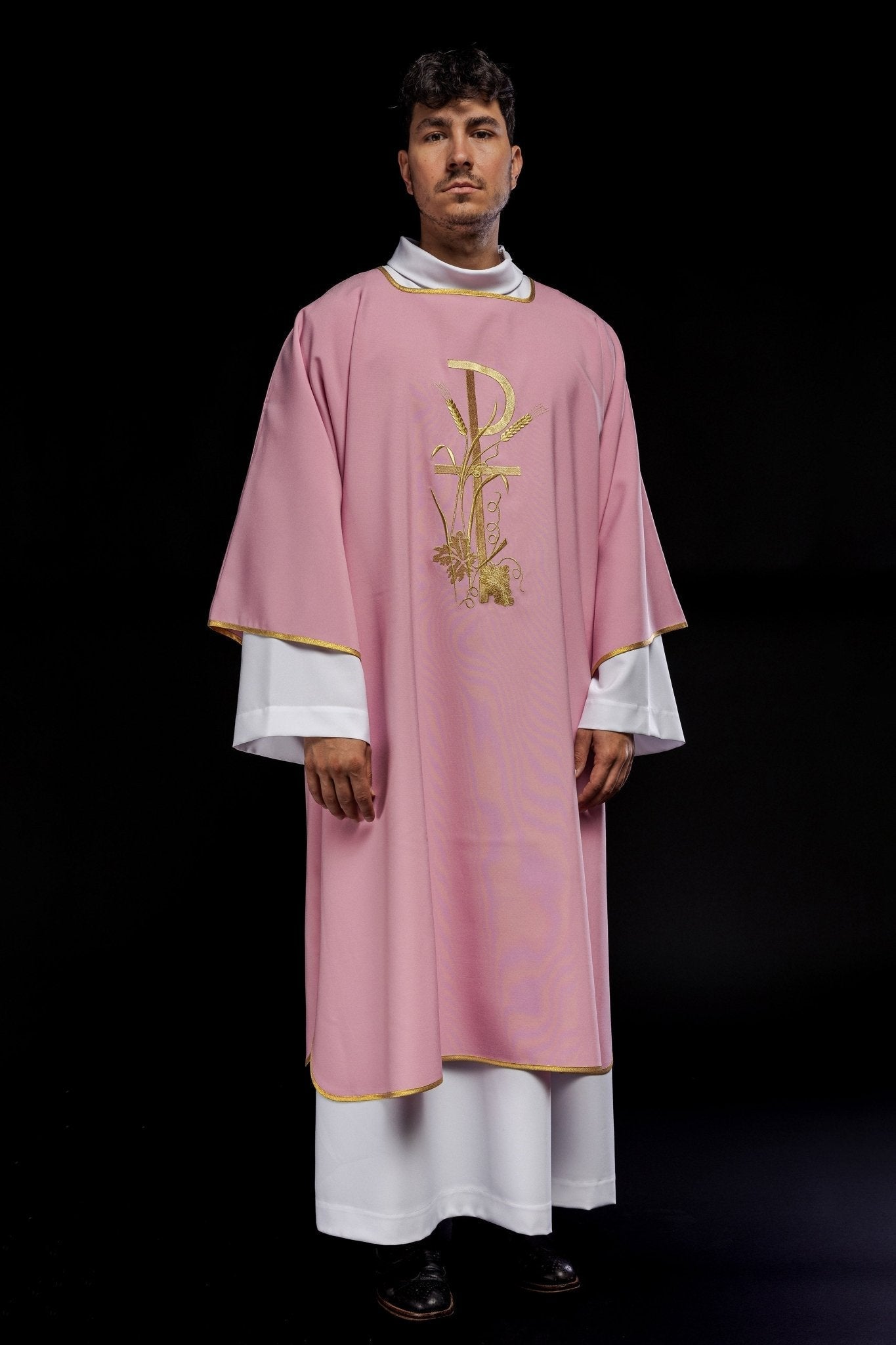
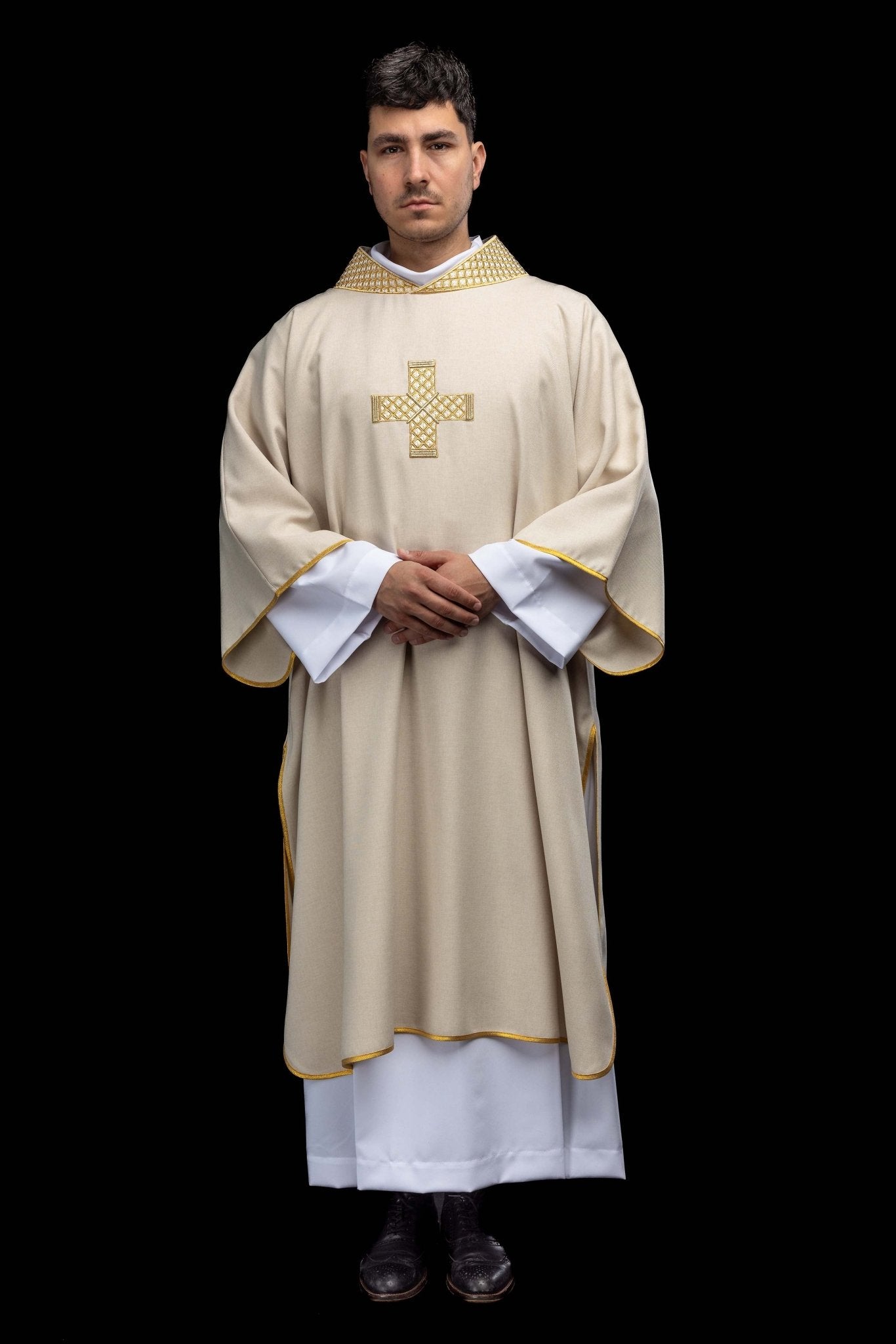
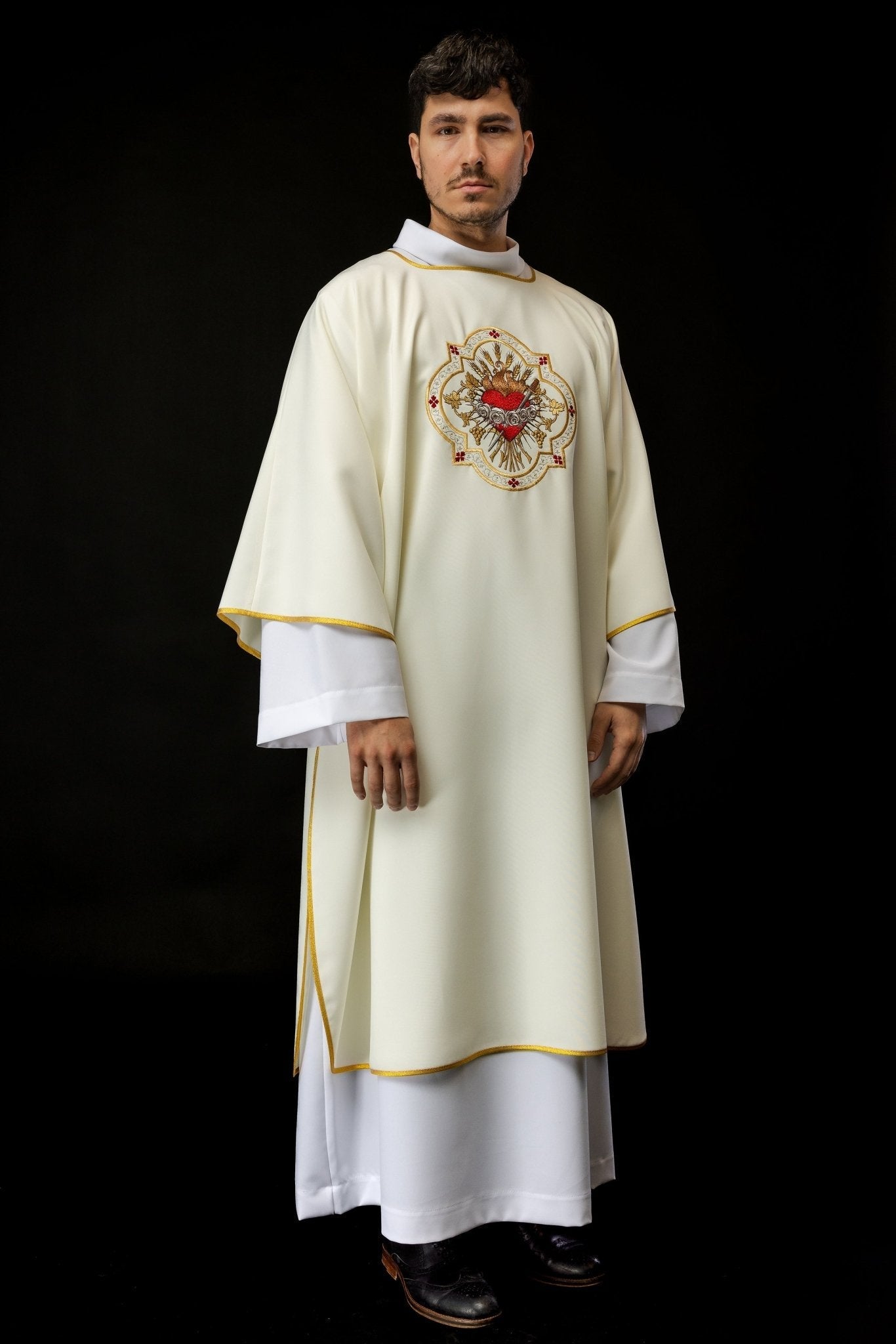
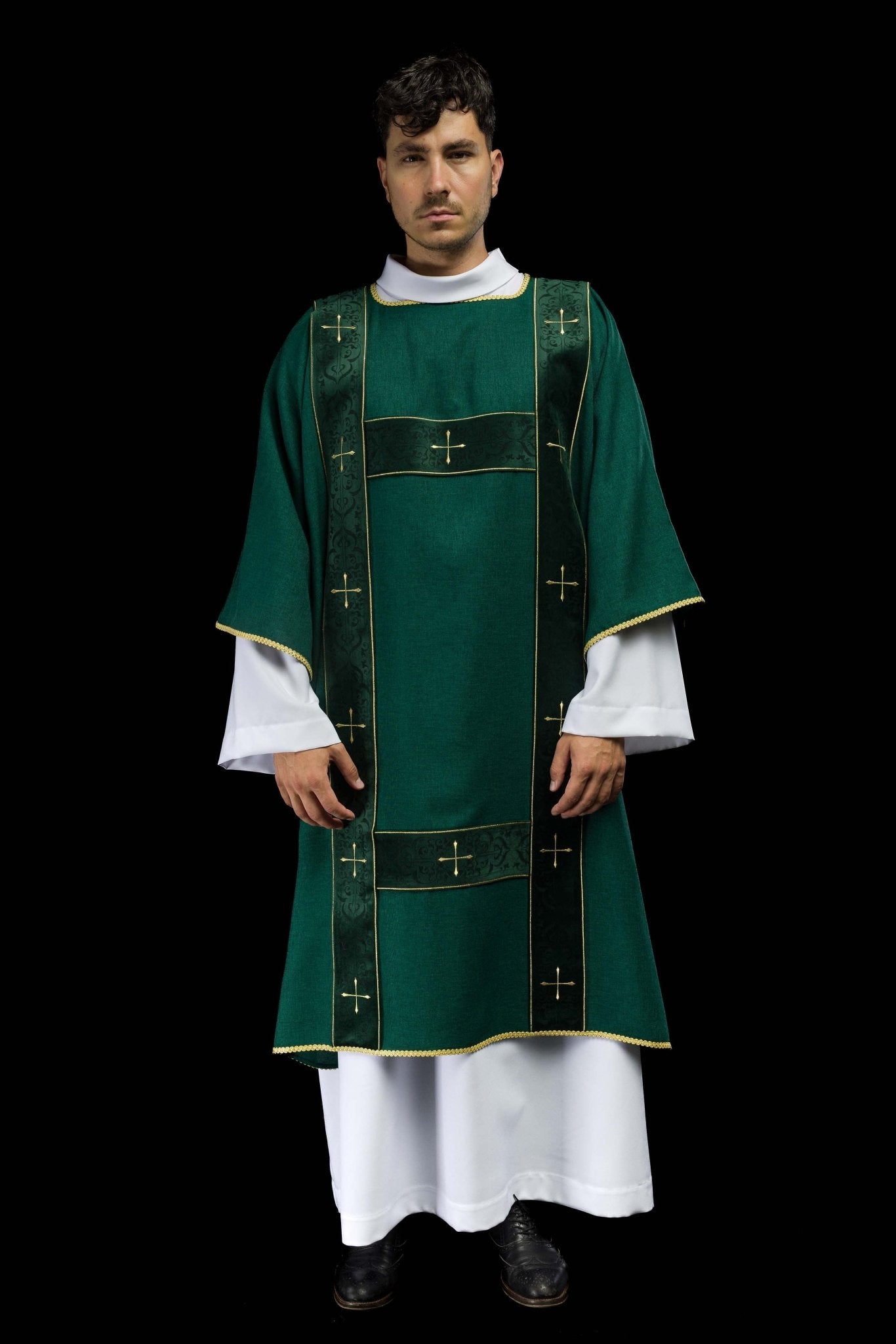
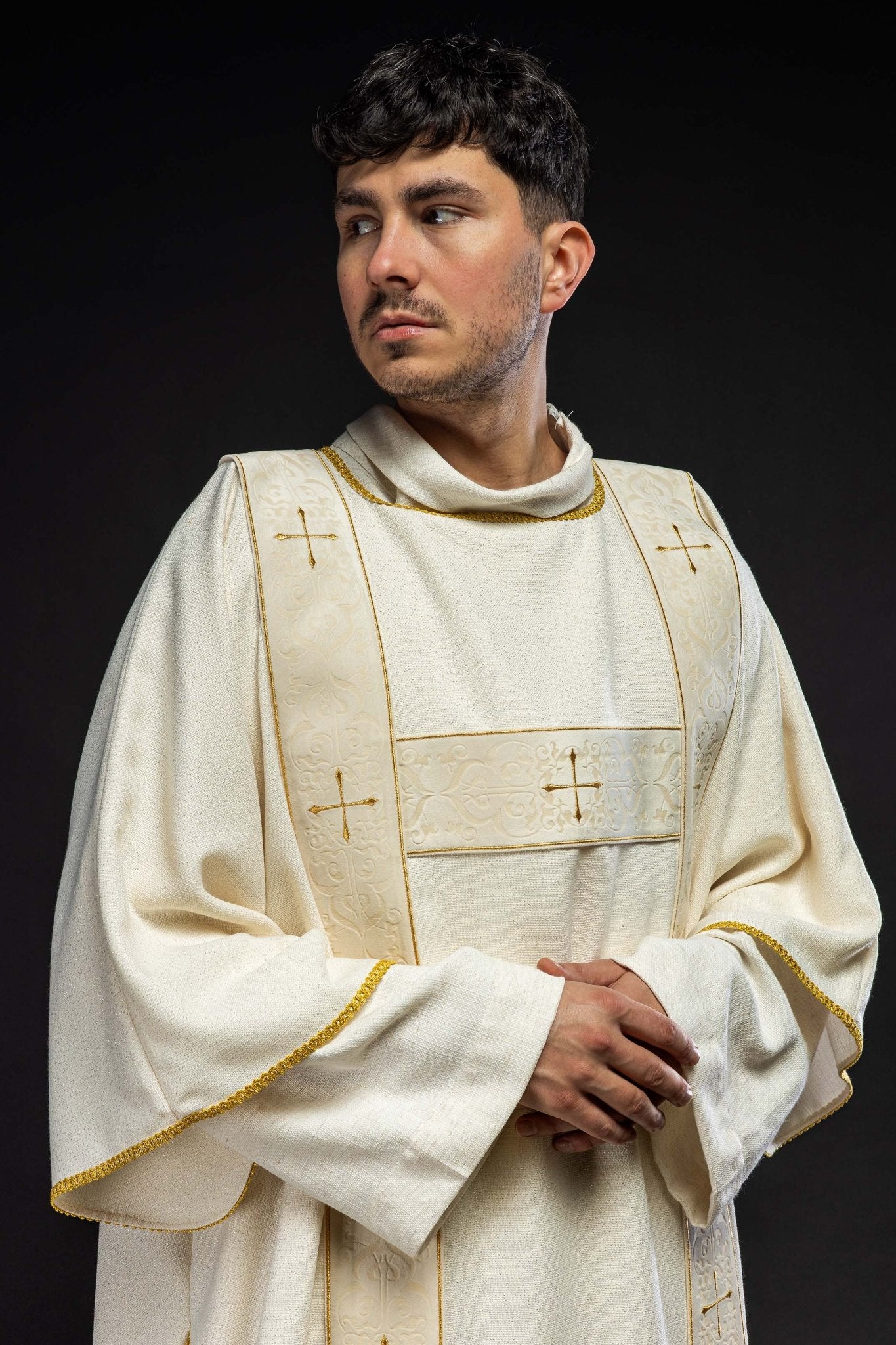
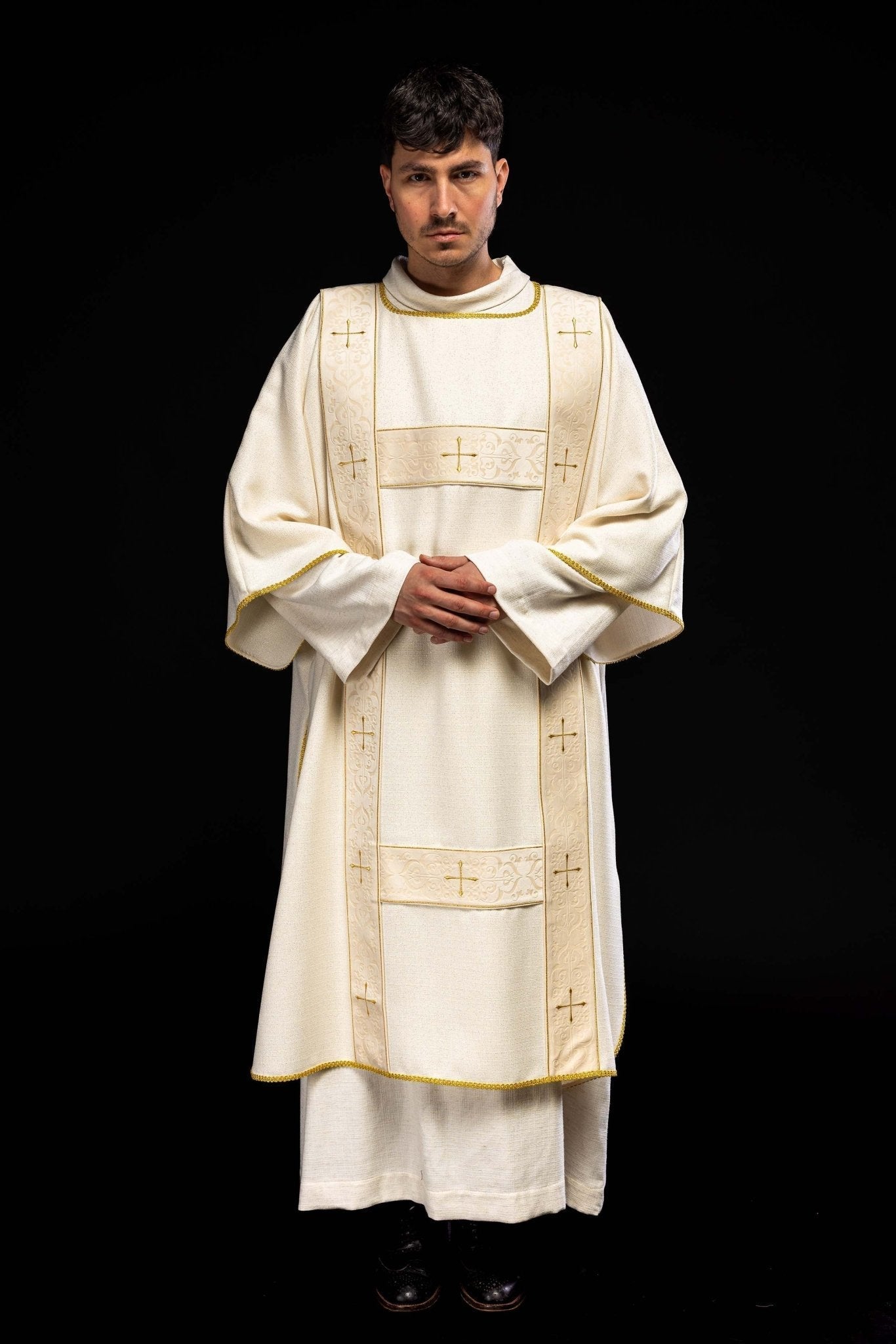
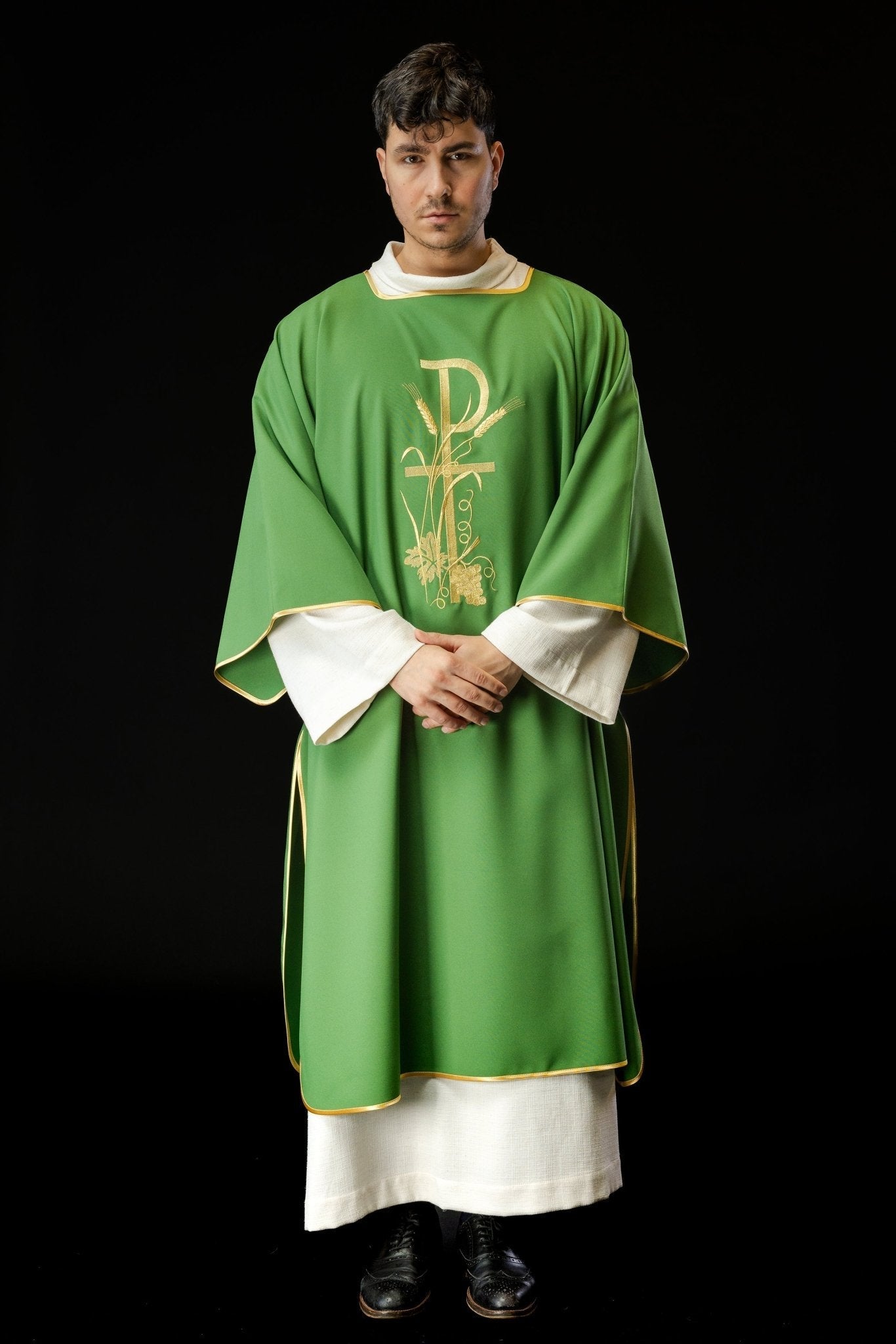
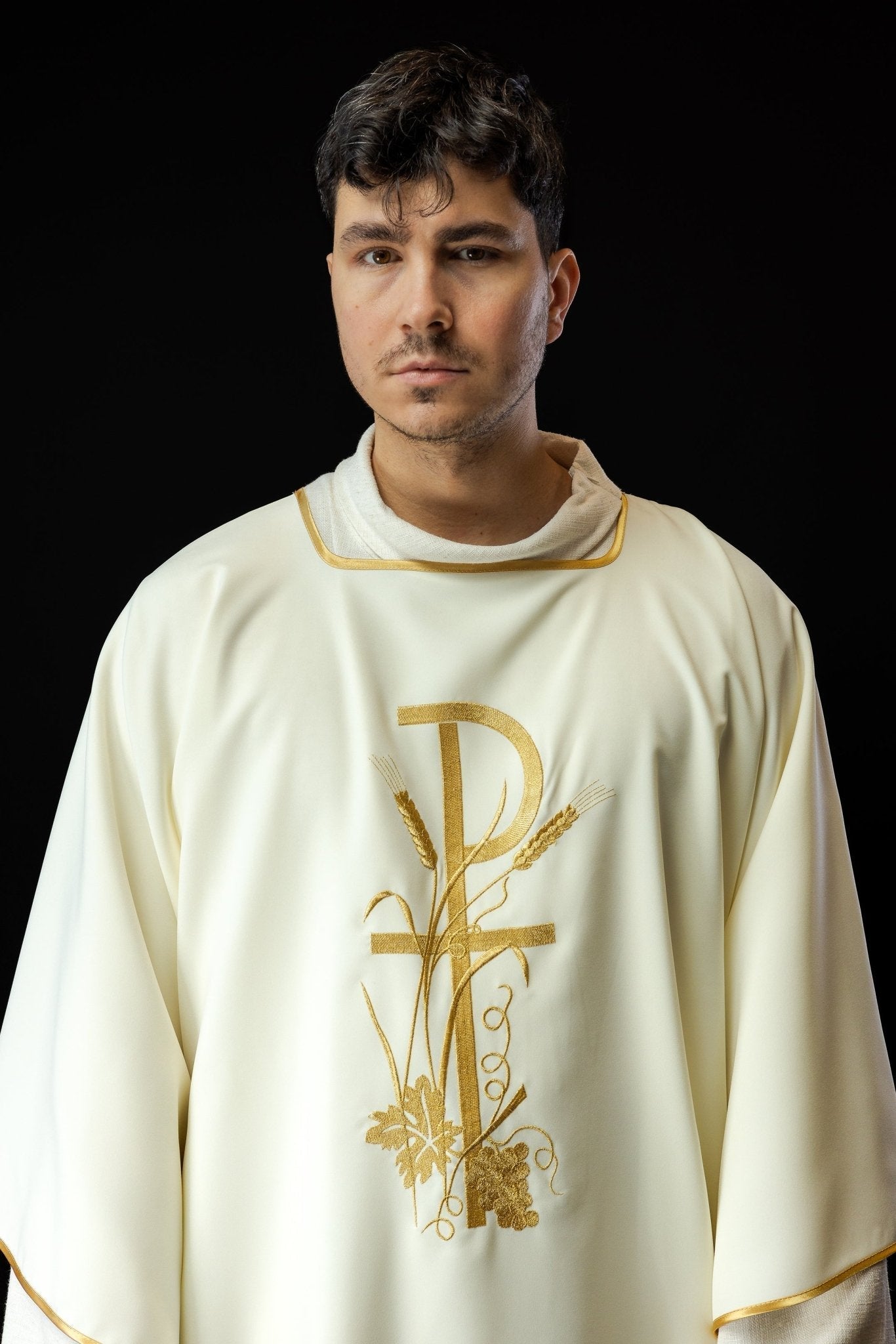
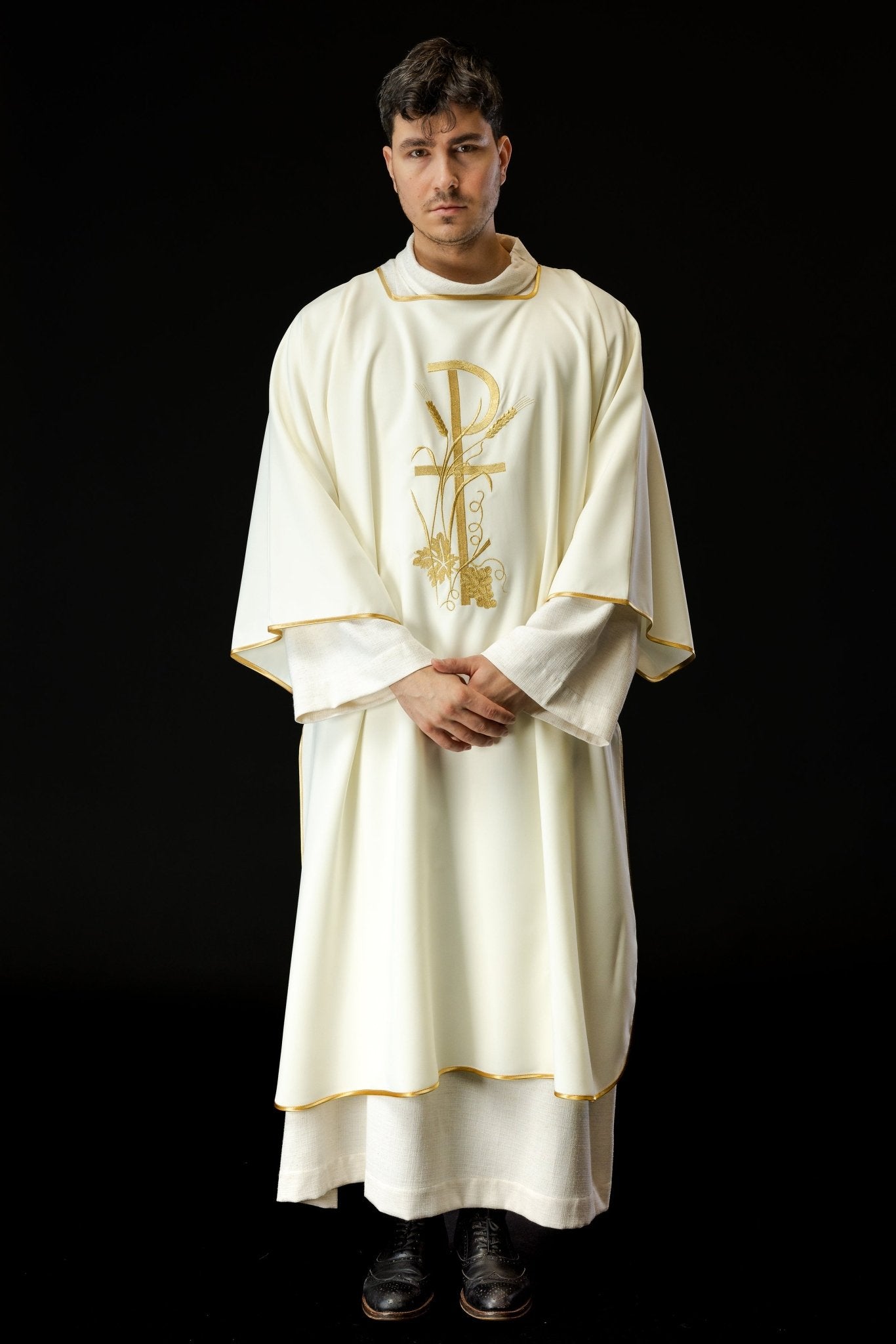
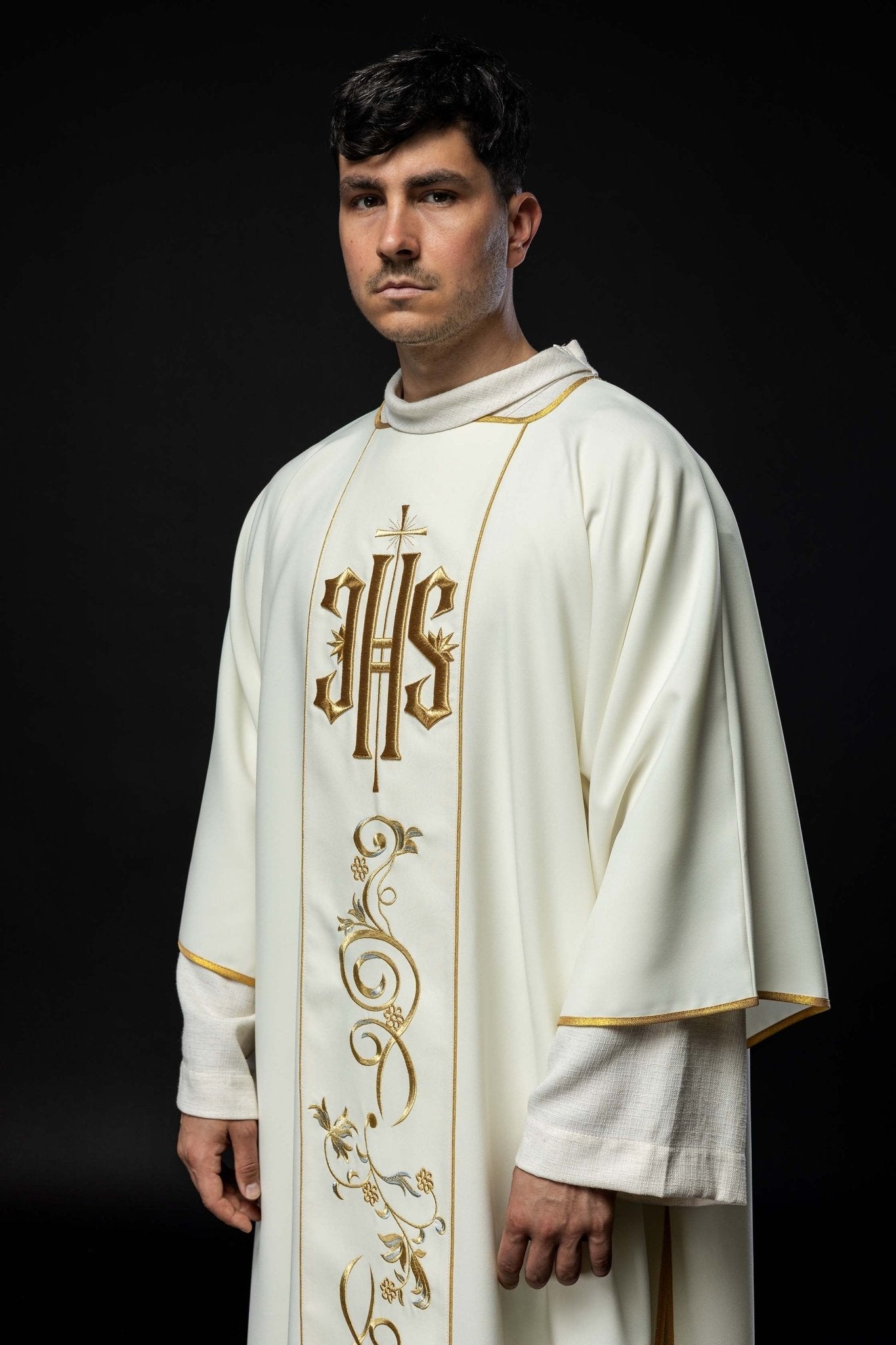
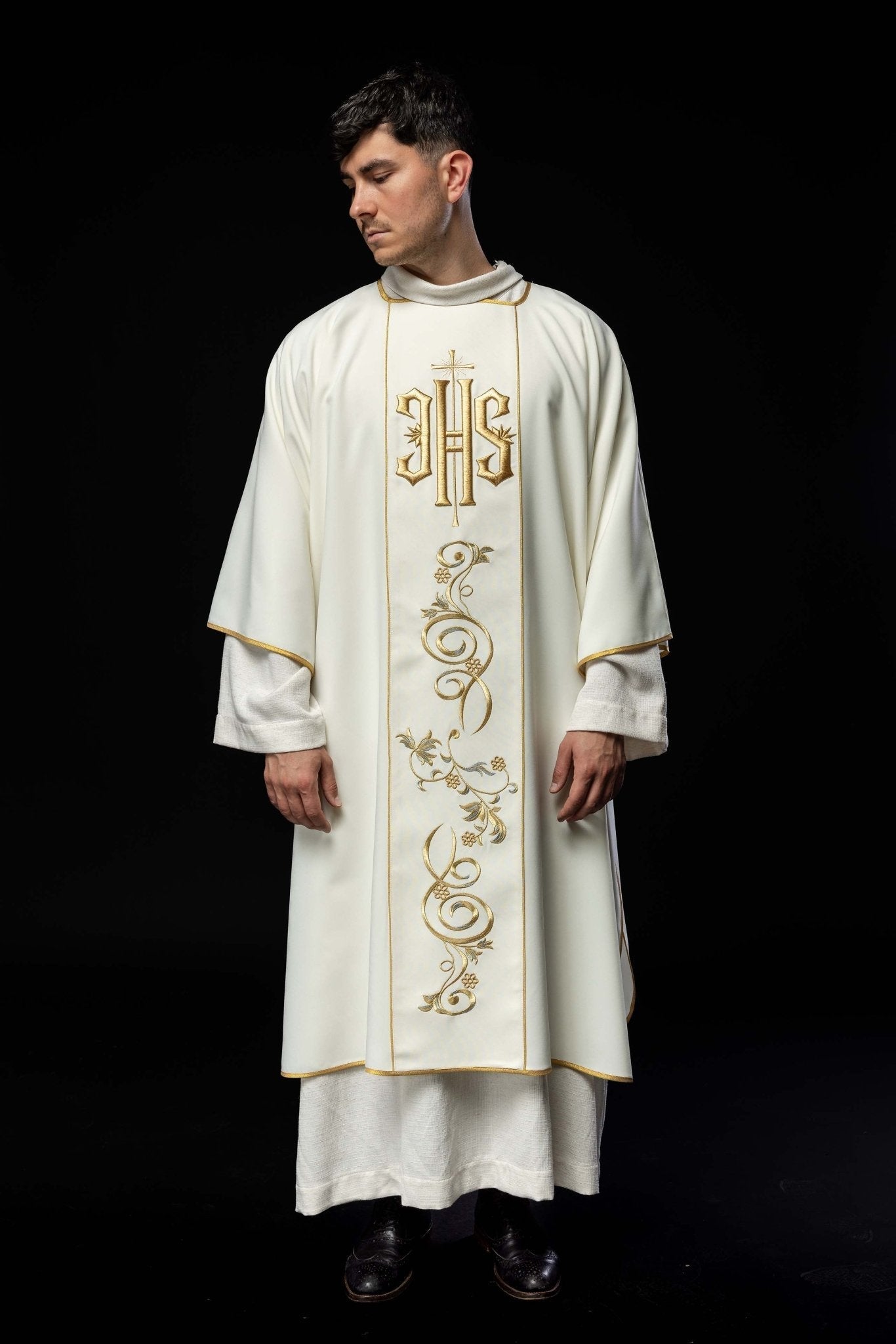
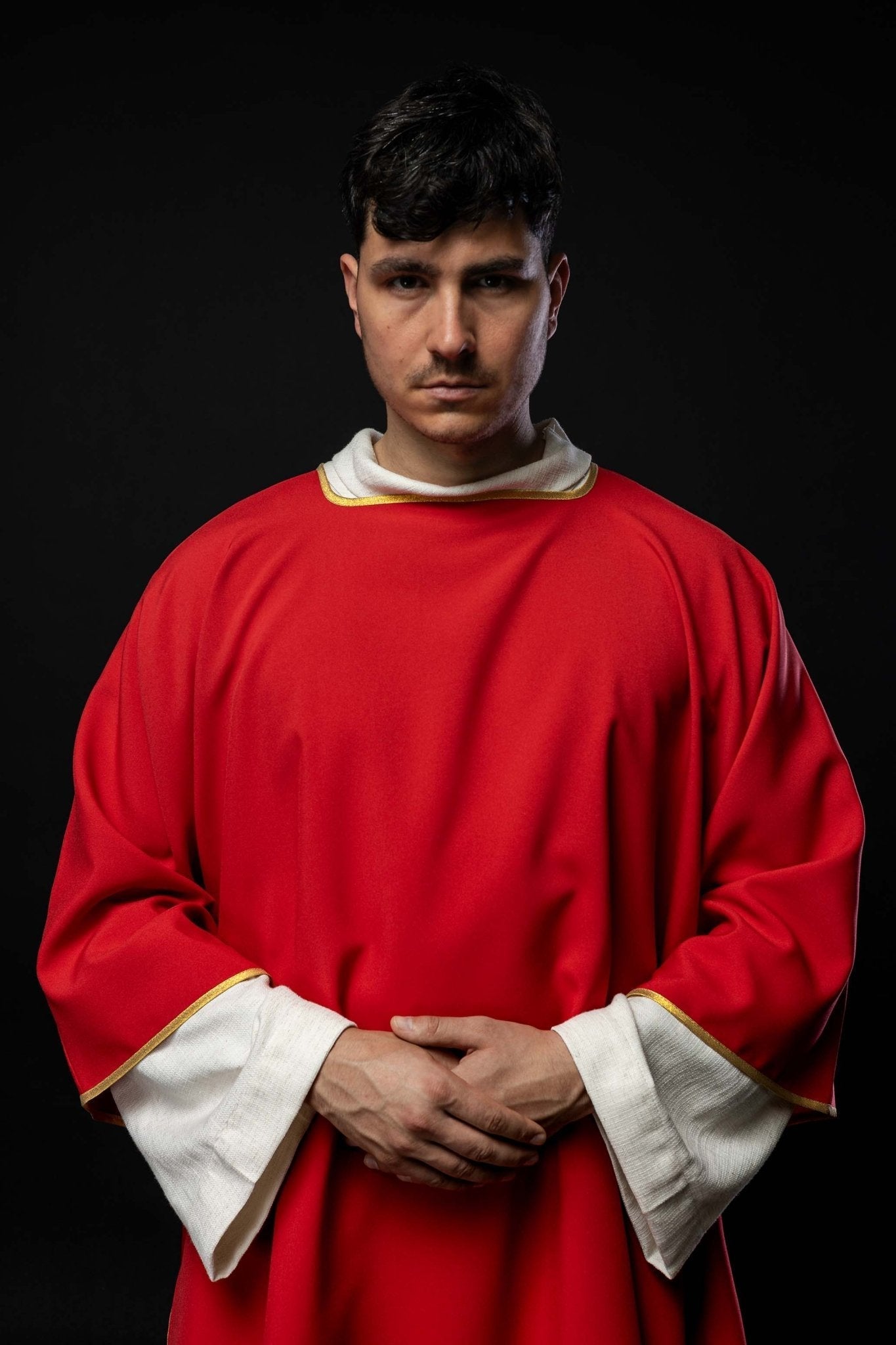
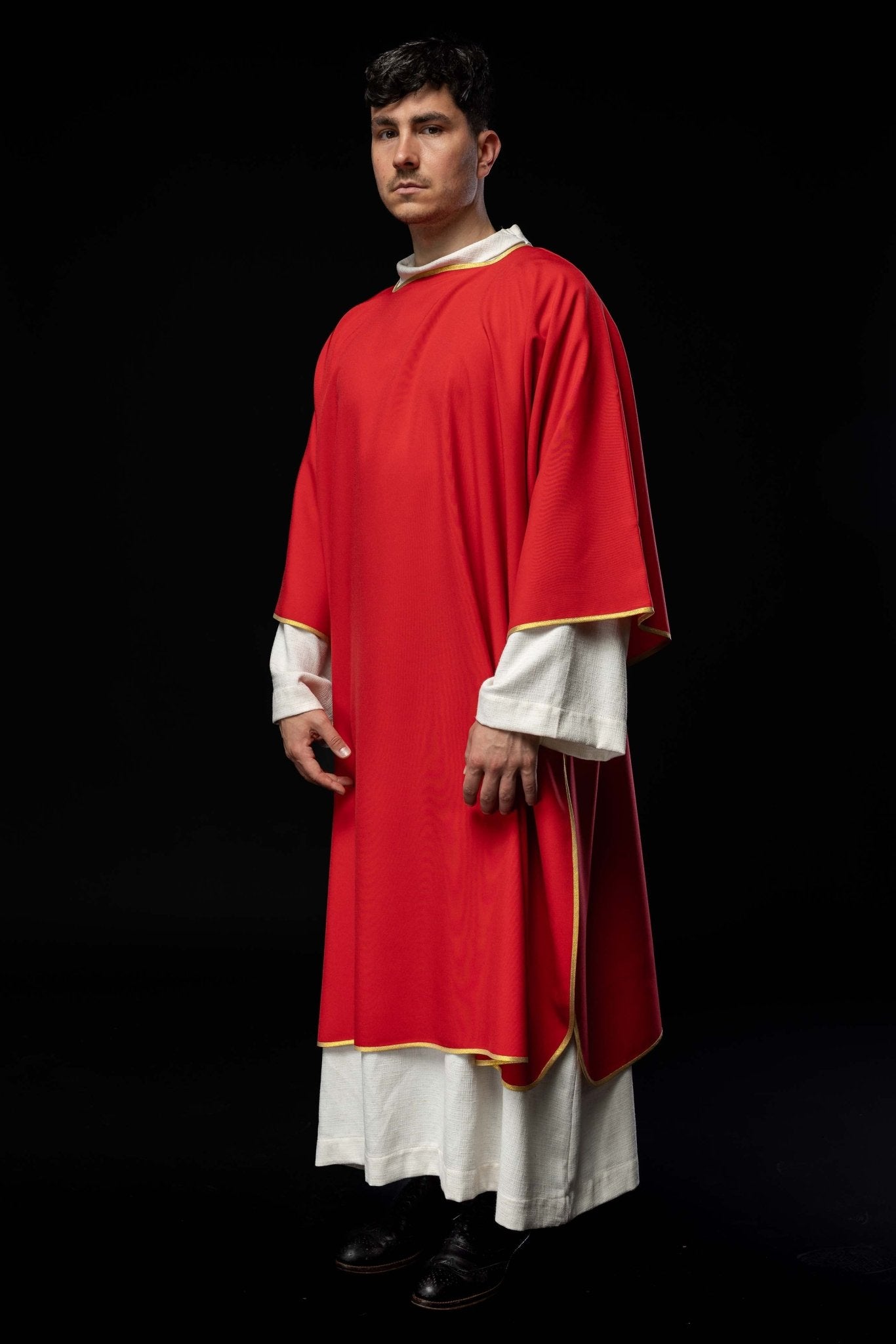
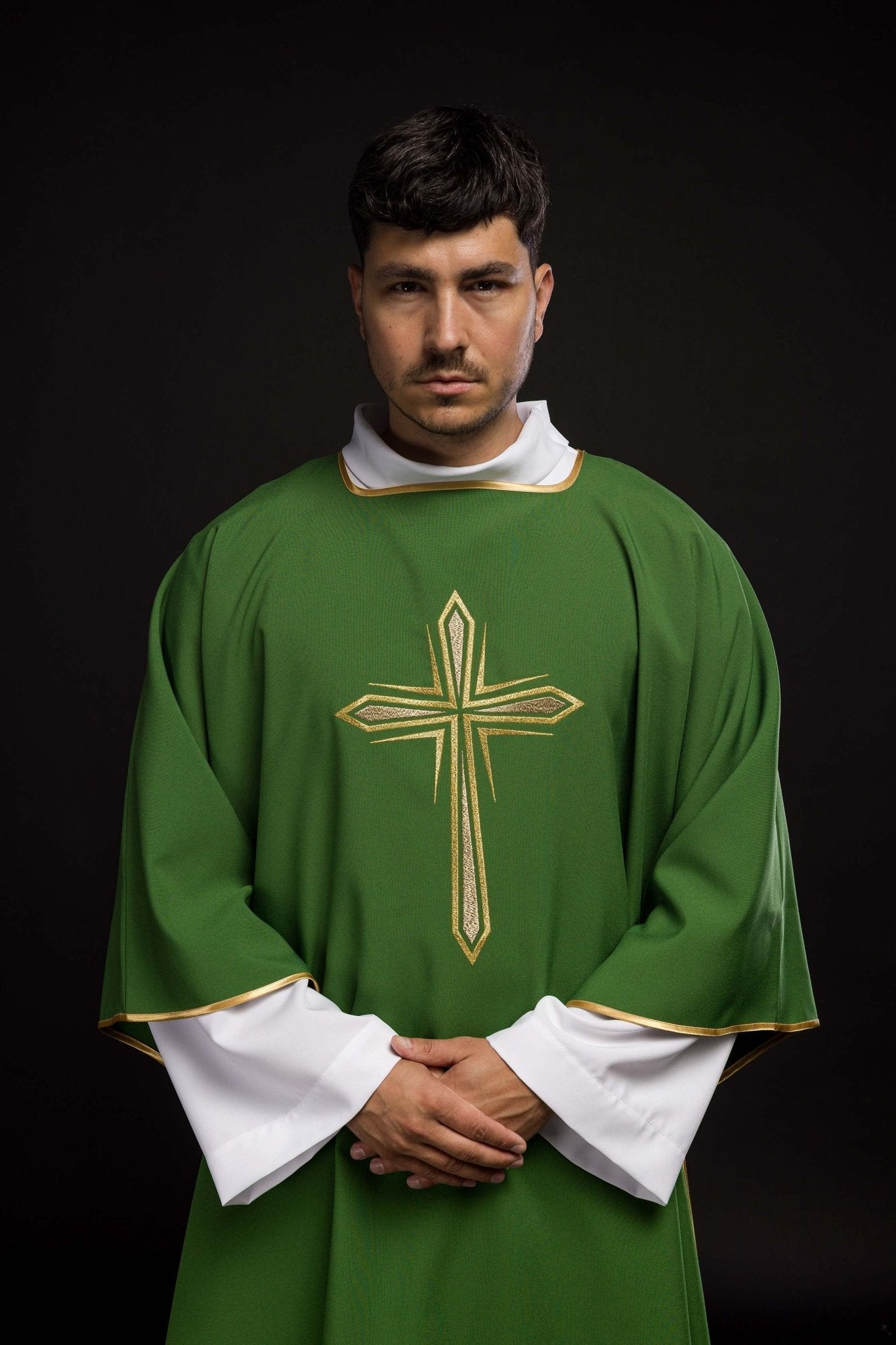
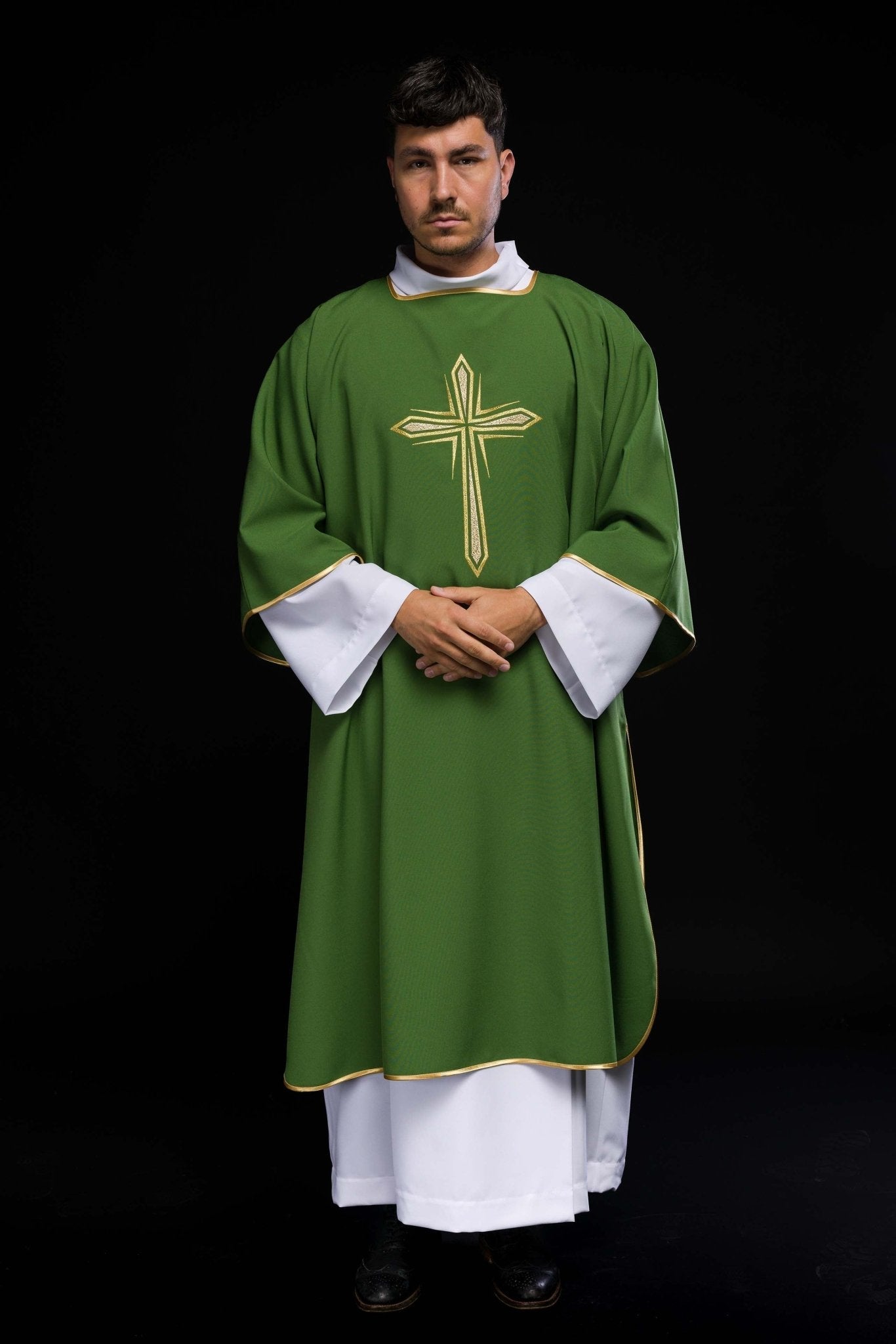
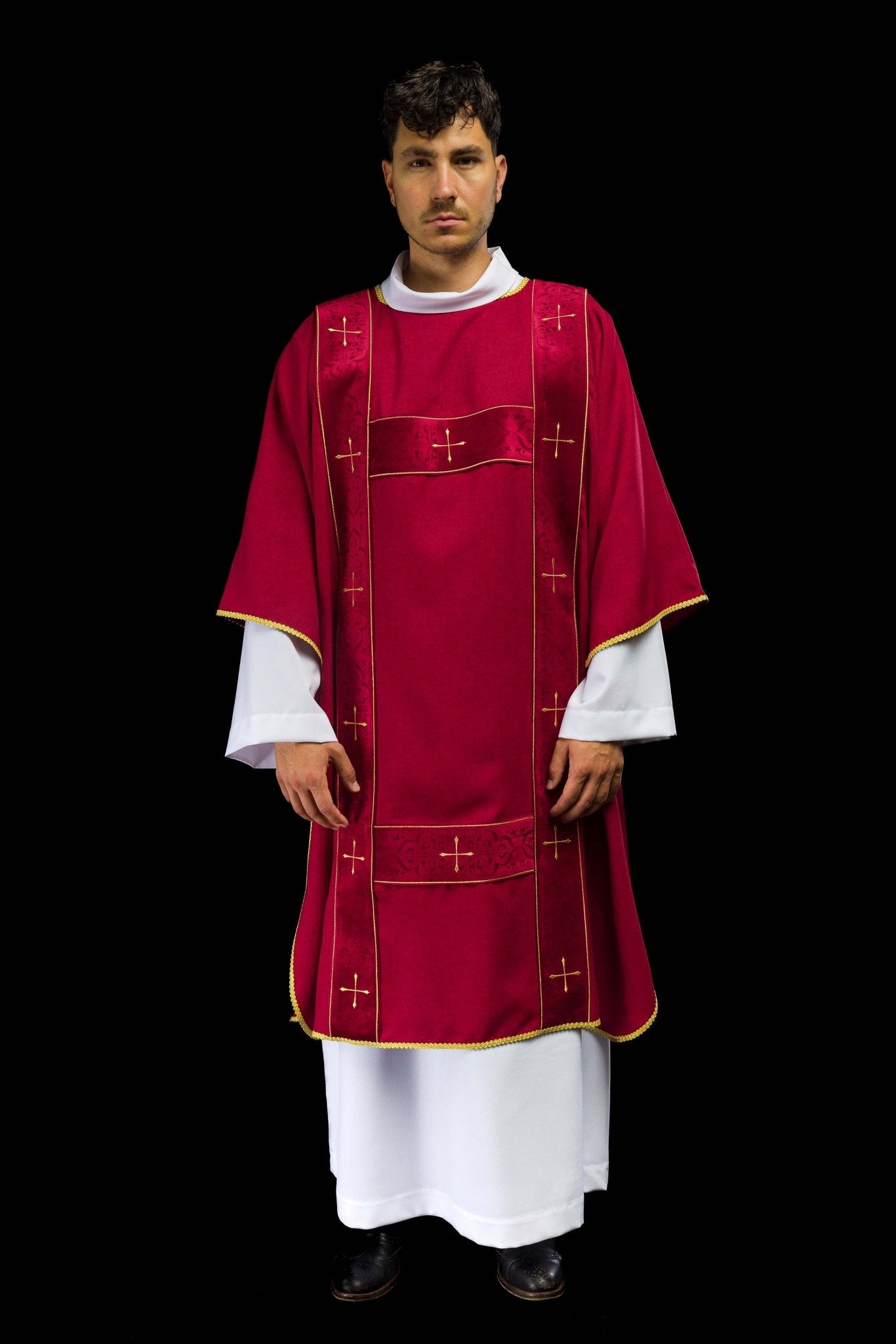
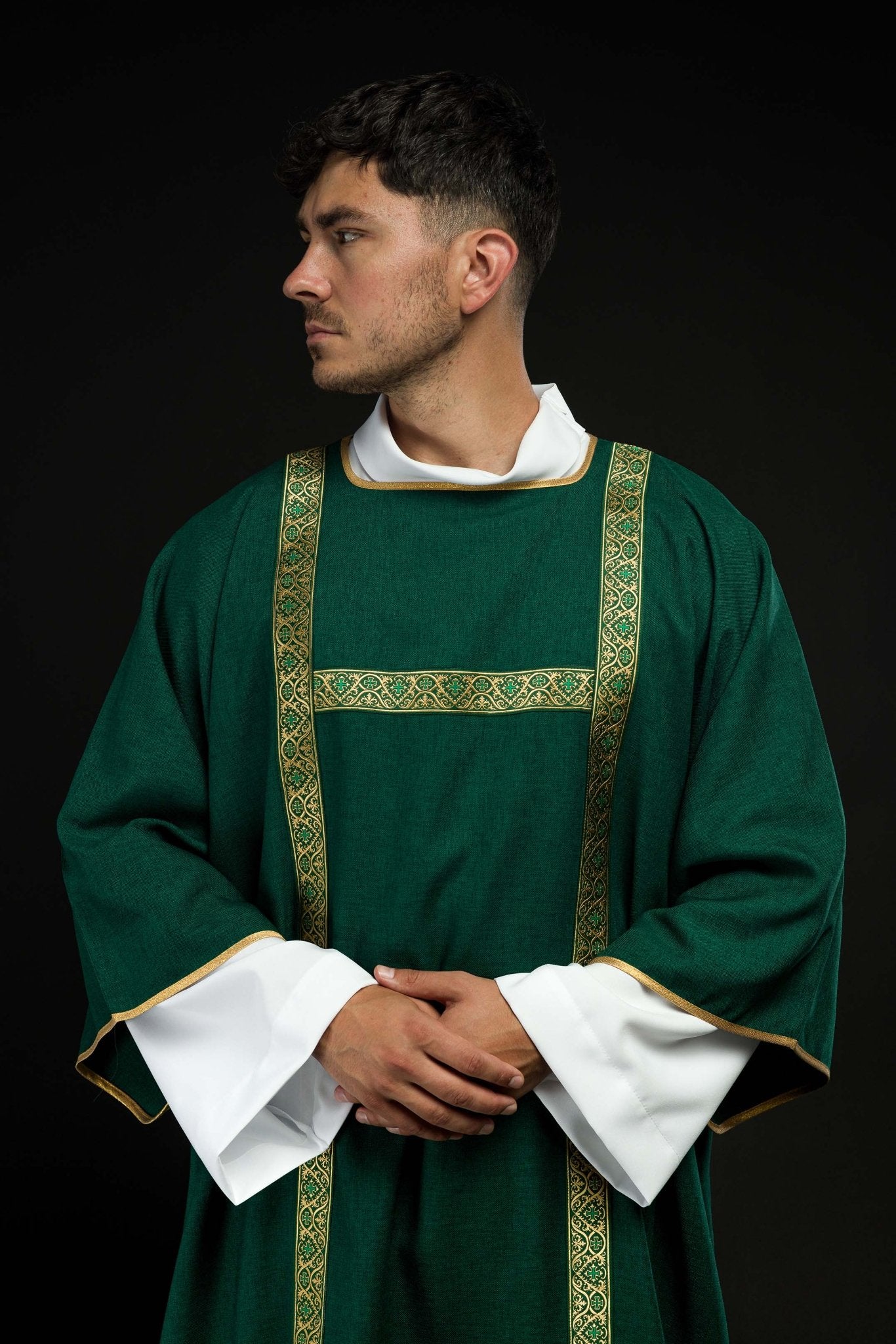
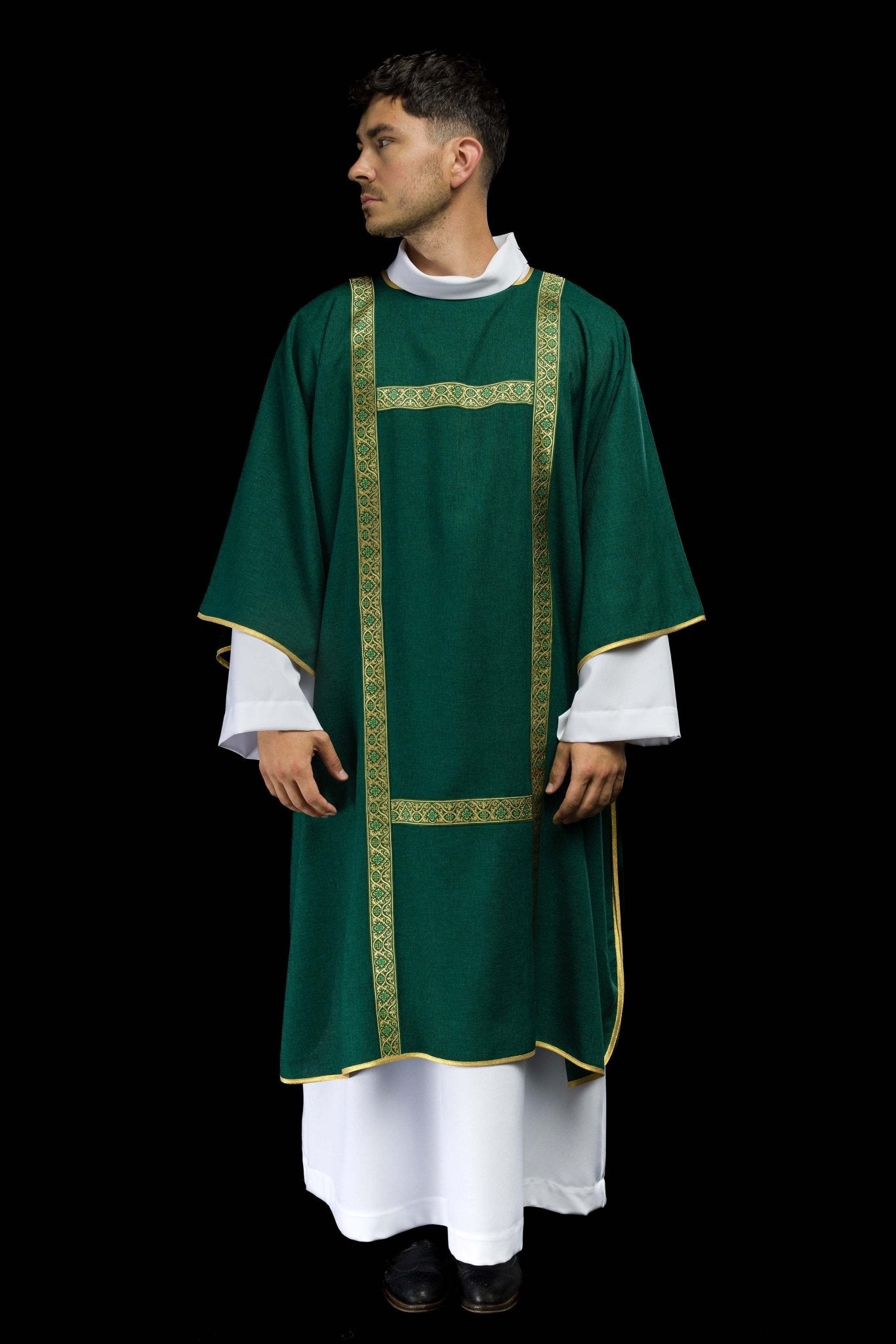
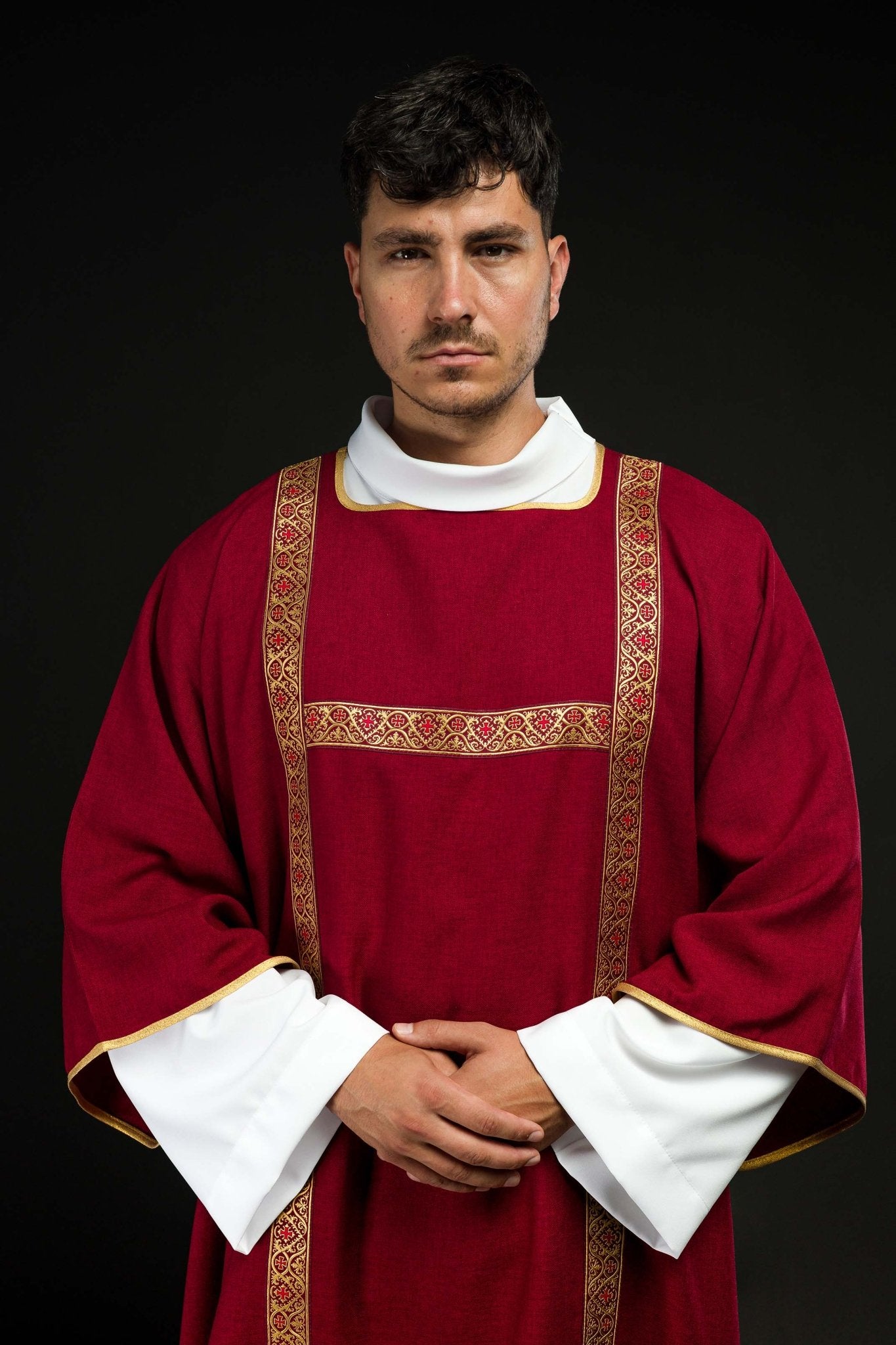
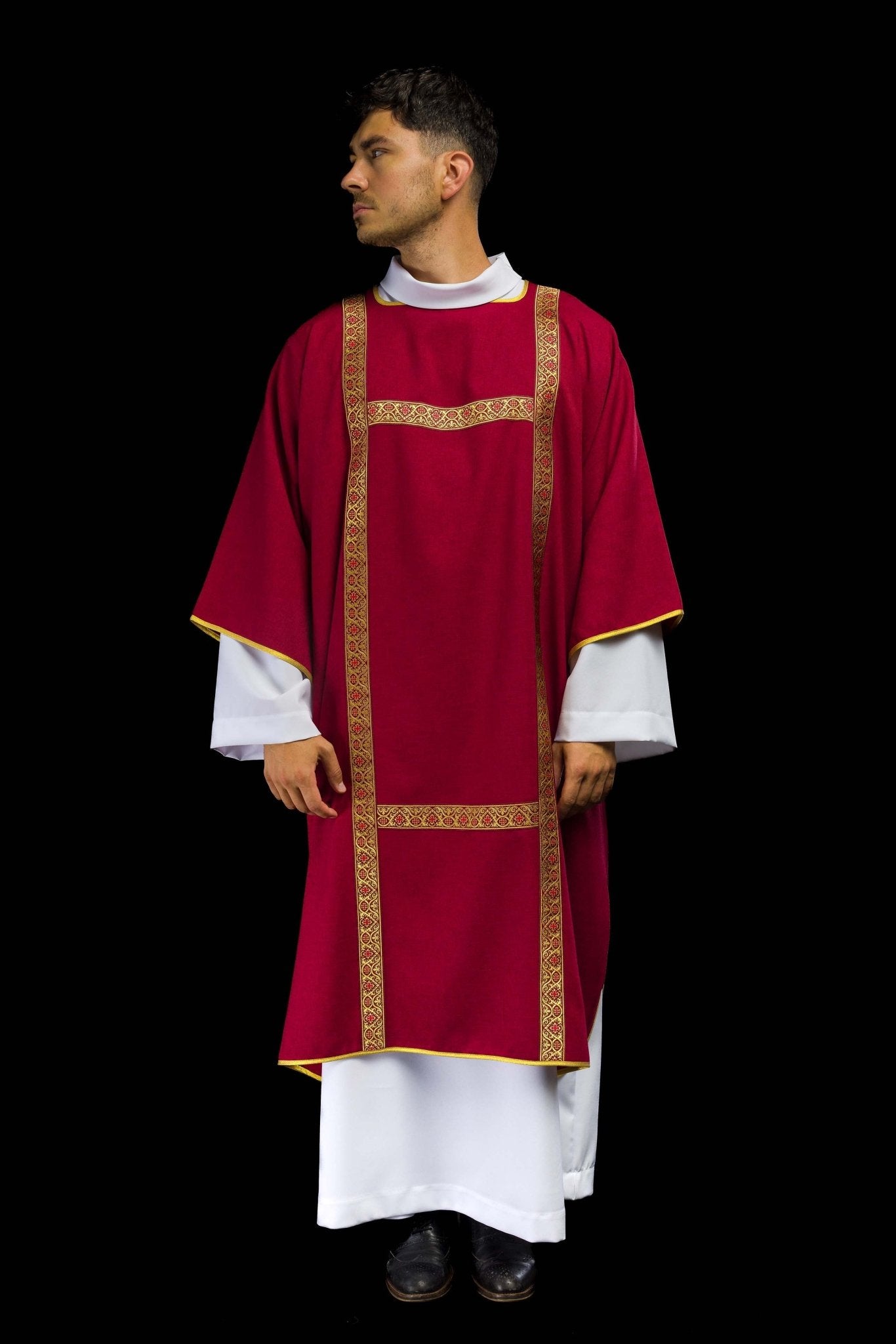
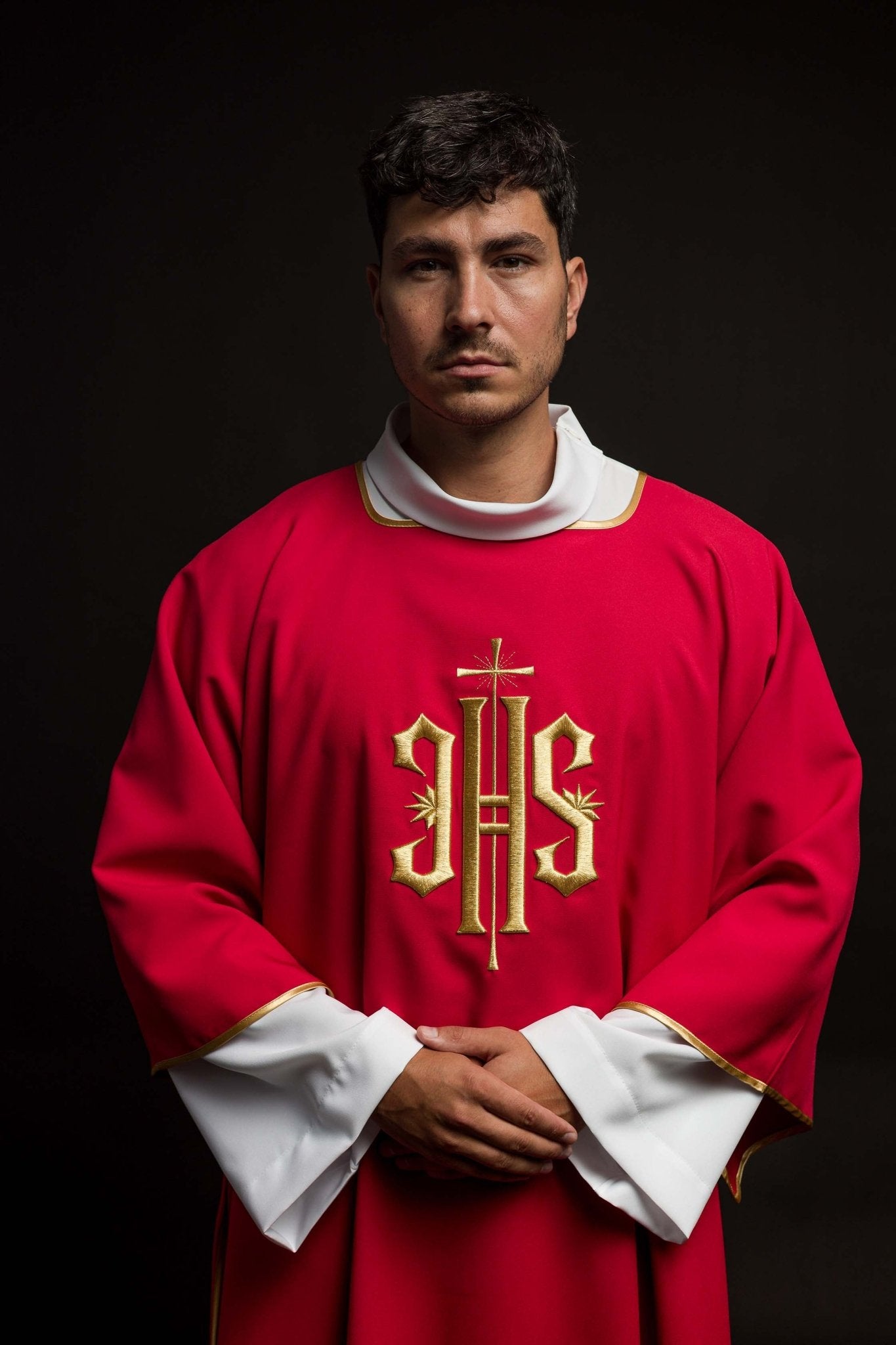
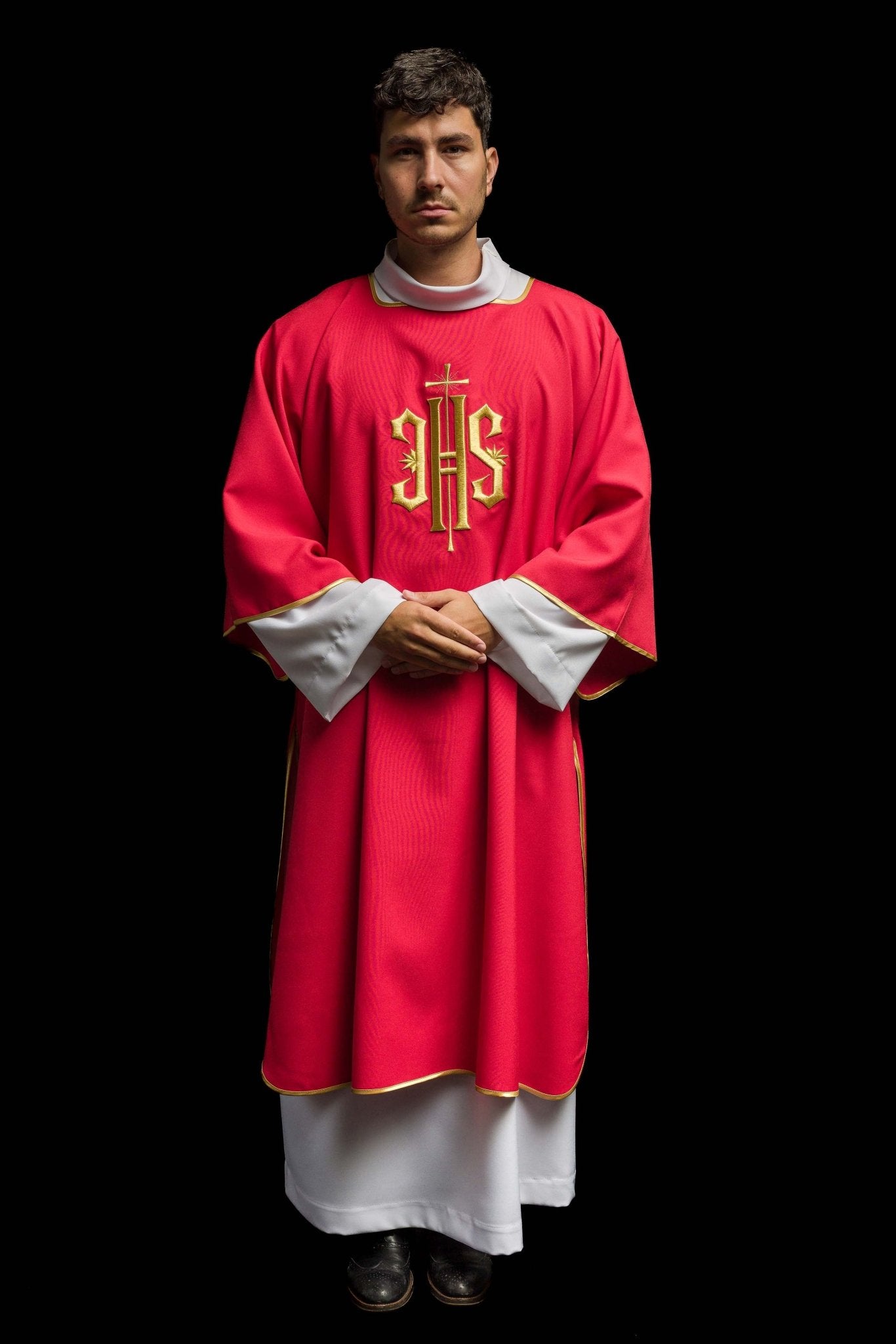
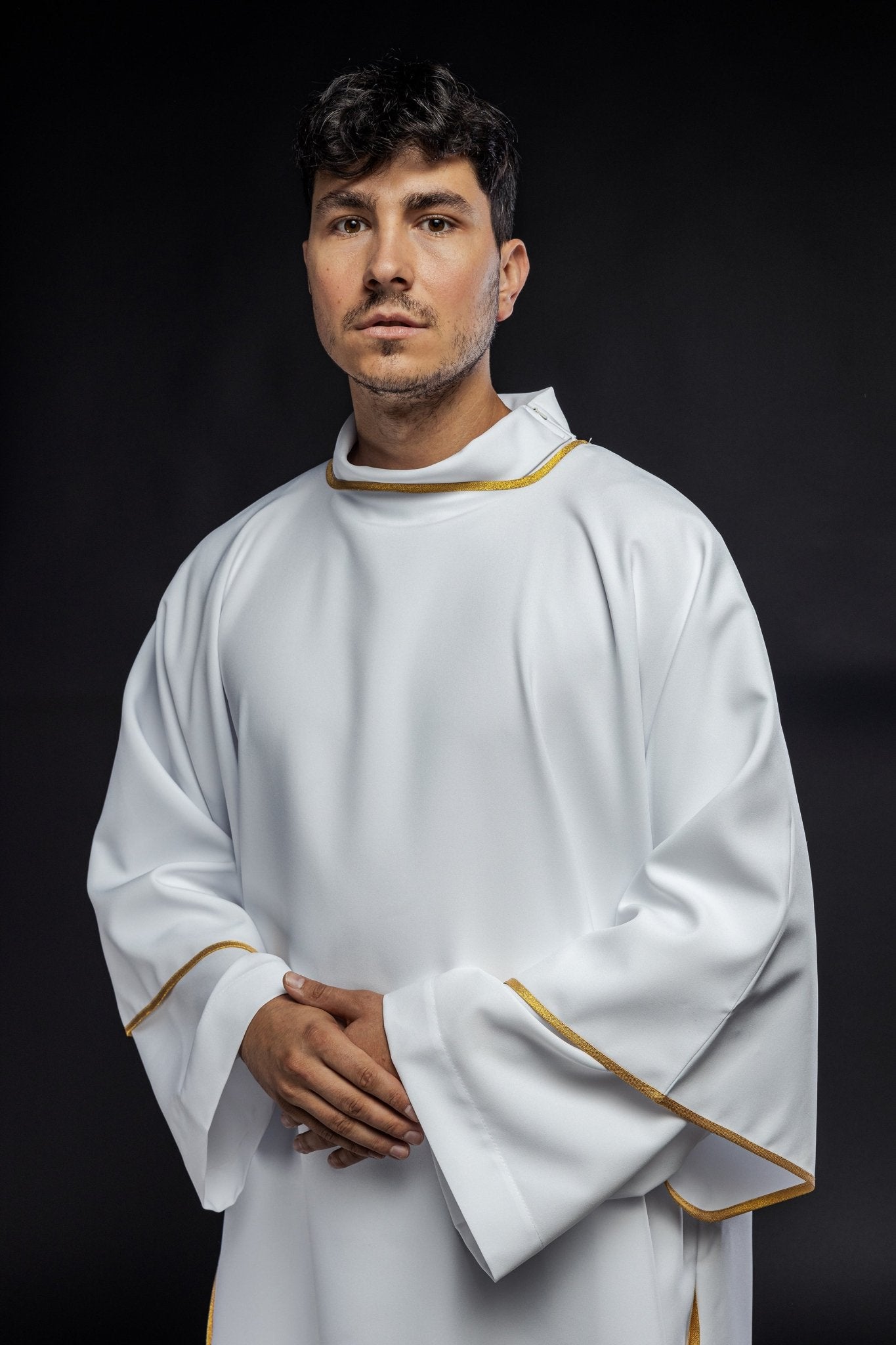
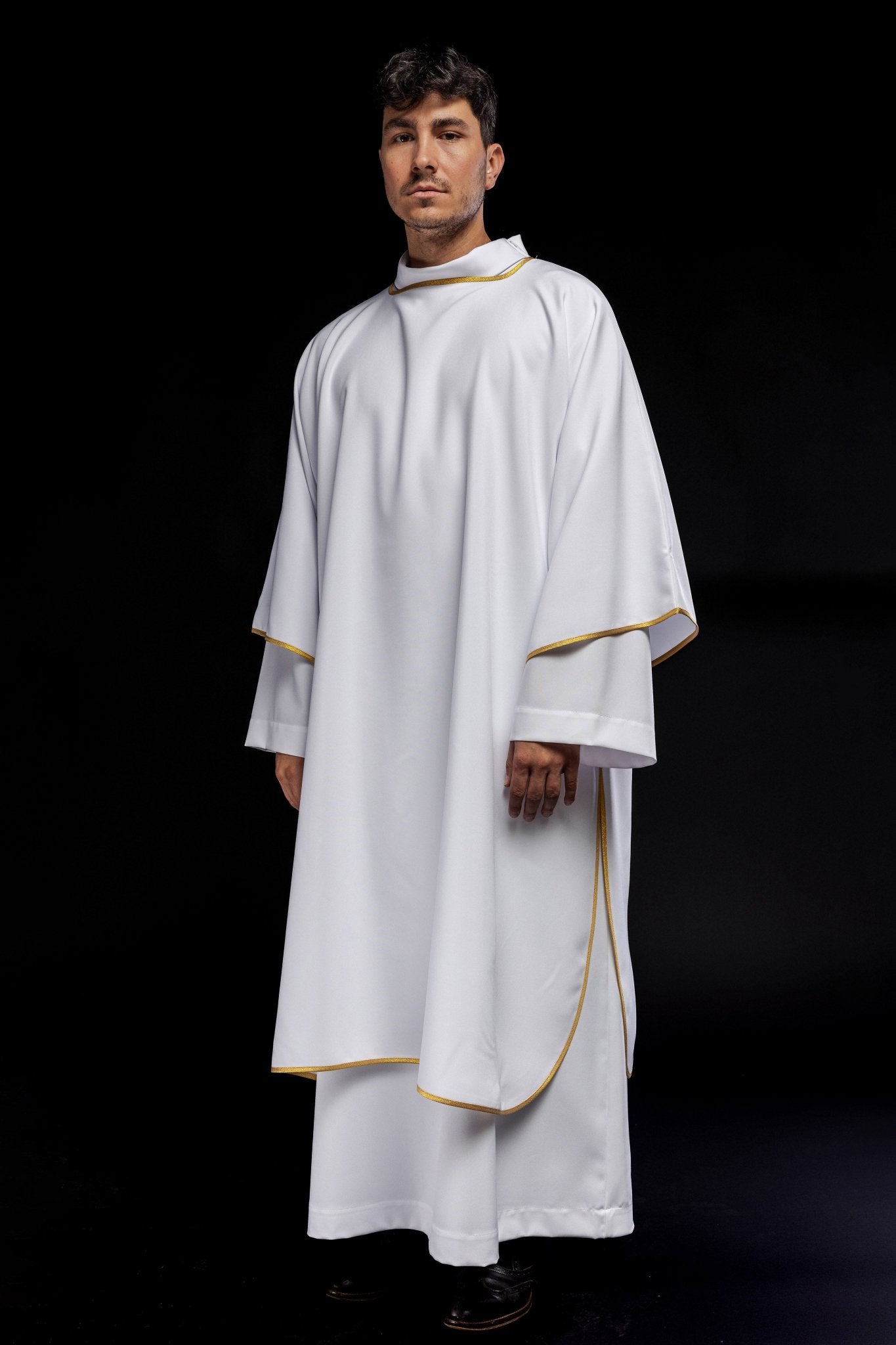
A deacon dalmatic is a liturgical vestment worn by deacons in various Christian denominations, most notably in the Roman Catholic, Anglican, and Lutheran churches. It is worn over the alb and stole, and is included as part of the deacon's official attire. Deacons wear the dalmatic during Mass, Holy Communion, baptisms, weddings, and other sacraments in the Catholic Church, as well as in Anglican, Lutheran, and Methodist traditions. It is an outer garment, typically sleeved, that distinguishes the deacon from other members of the clergy and the laity during religious services. While the dalmatic may be omitted on less solemn occasions, the Church encourages its regular use to maintain tradition and highlight the deacon’s ministry. The dalmatic is a symbol of the deacon’s service and ministry within the church.
History and Origins of the Dalmatic
The dalmatic originated in the 4th century in the Roman province of Dalmatia, now part of Croatia. Initially, it was a secular garment—a loose tunic with broad sleeves—worn by the upper classes. In the 4th century, Pope Sylvester I introduced the dalmatic as a special liturgical vestment for deacons in the Roman Church, establishing a tradition and order that would shape its symbolic role. By the 9th century, the dalmatic and pontifical dalmatic were widely used by deacons and bishops throughout Western Europe, as confirmed by ancient mosaics. This tradition extended to both western and eastern Christian liturgical practices, where the dalmatic became an important element of vestments, reflecting the order and continuity of church customs. Over time, the dalmatic evolved in style and design, mirroring changes in liturgical practices and artistic trends.
Significance and Symbolism
The deacon dalmatic holds significant symbolic meaning within the church. Its broad sleeves and cruciform shape, often adorned with red ornamental stripes, symbolize the sufferings of Christ, giving it a unique character and spiritual significance rooted in tradition. This design serves as a reminder of the deacon’s call to offer themselves as acceptable sacrifices to God and to embody virtues of service, love, and joy in Christian ministry.
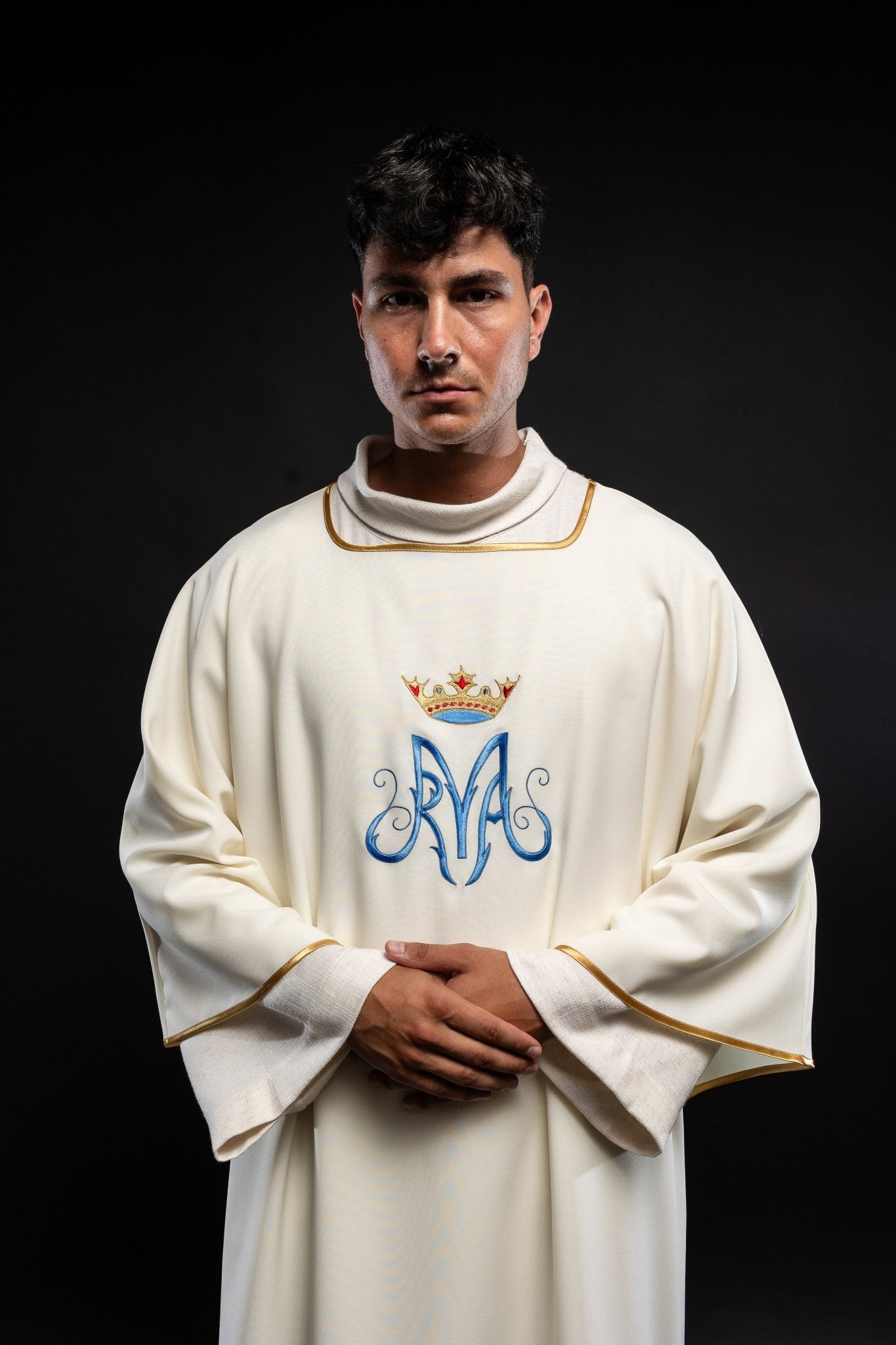
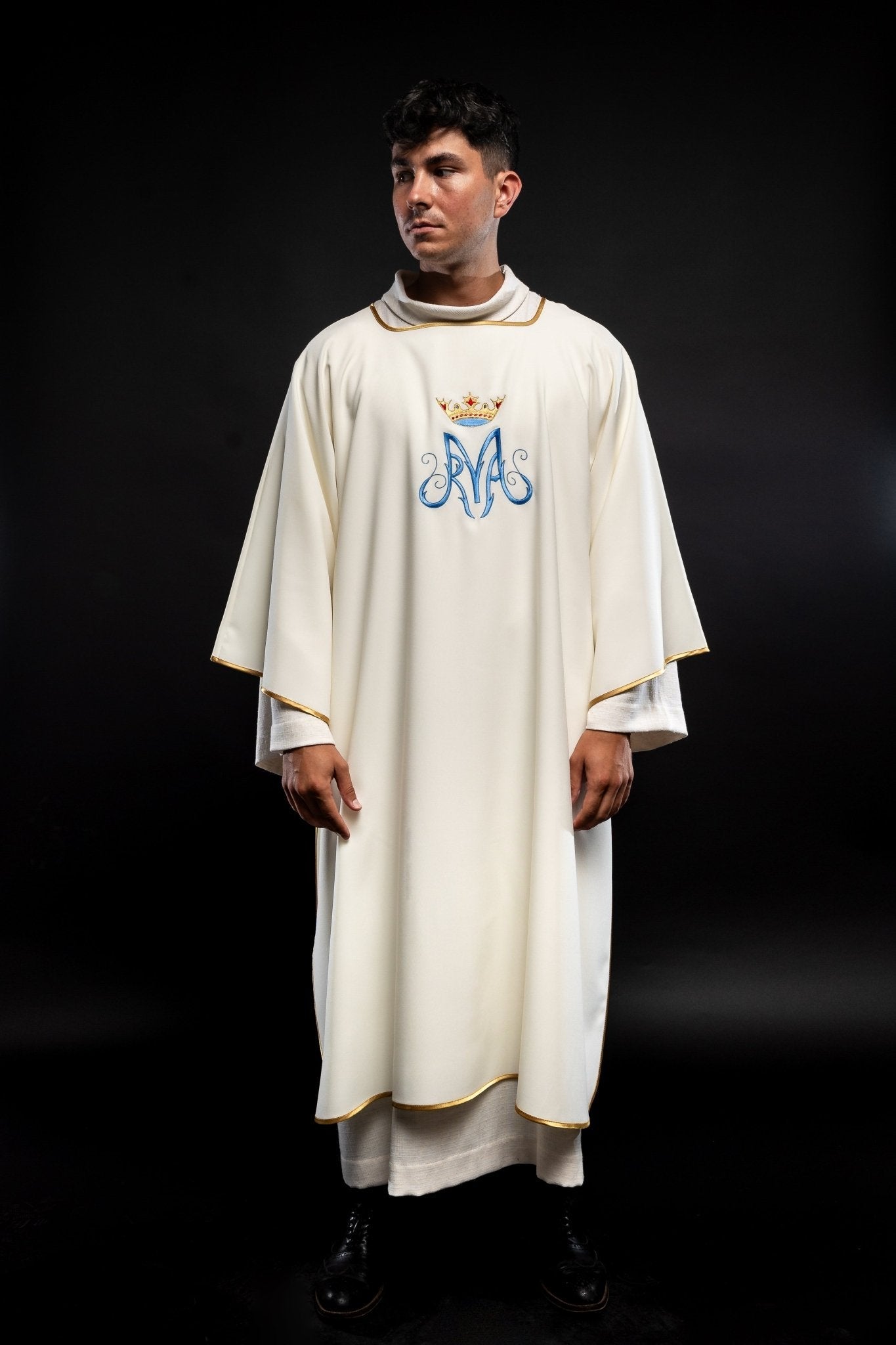
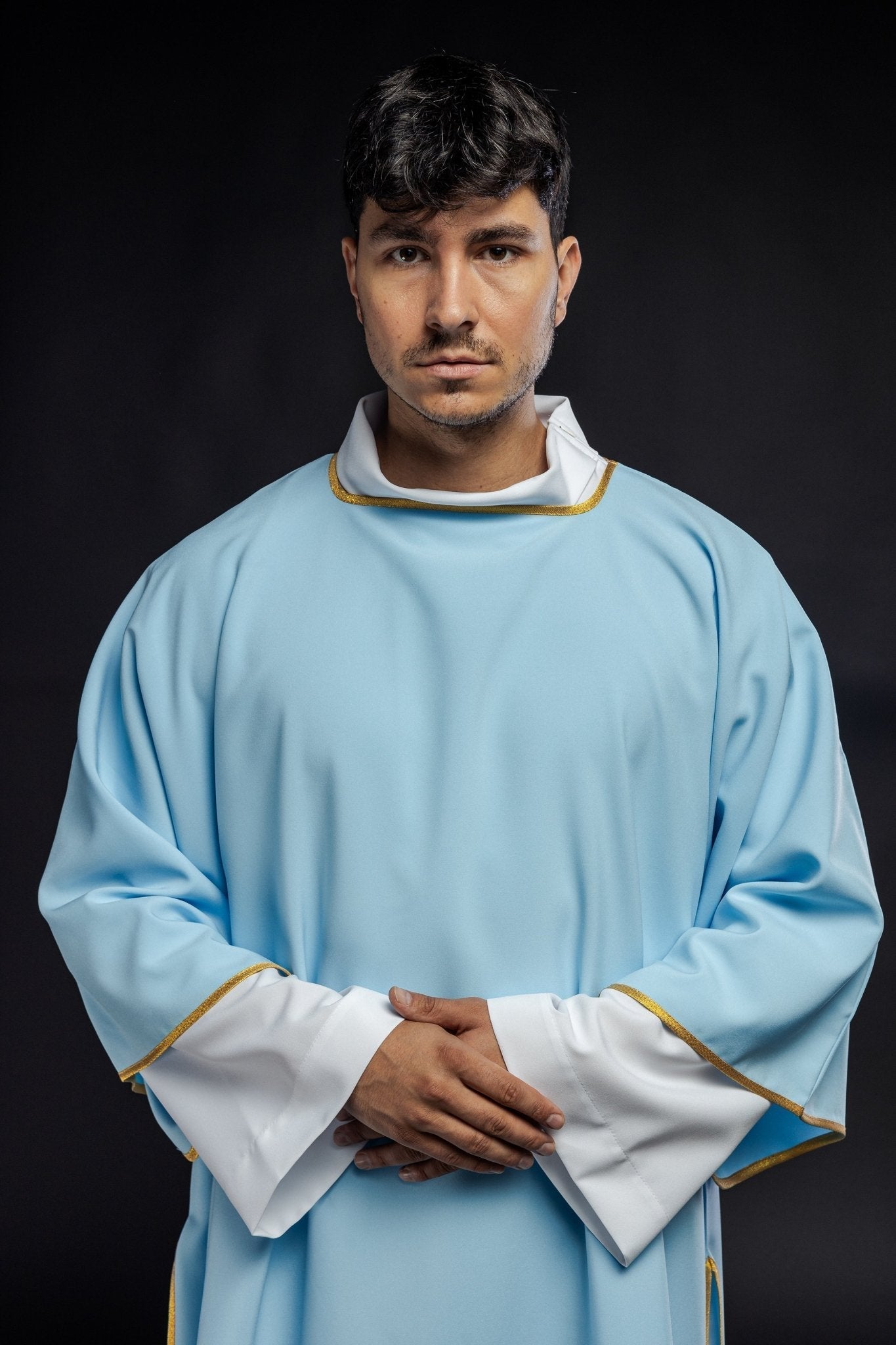
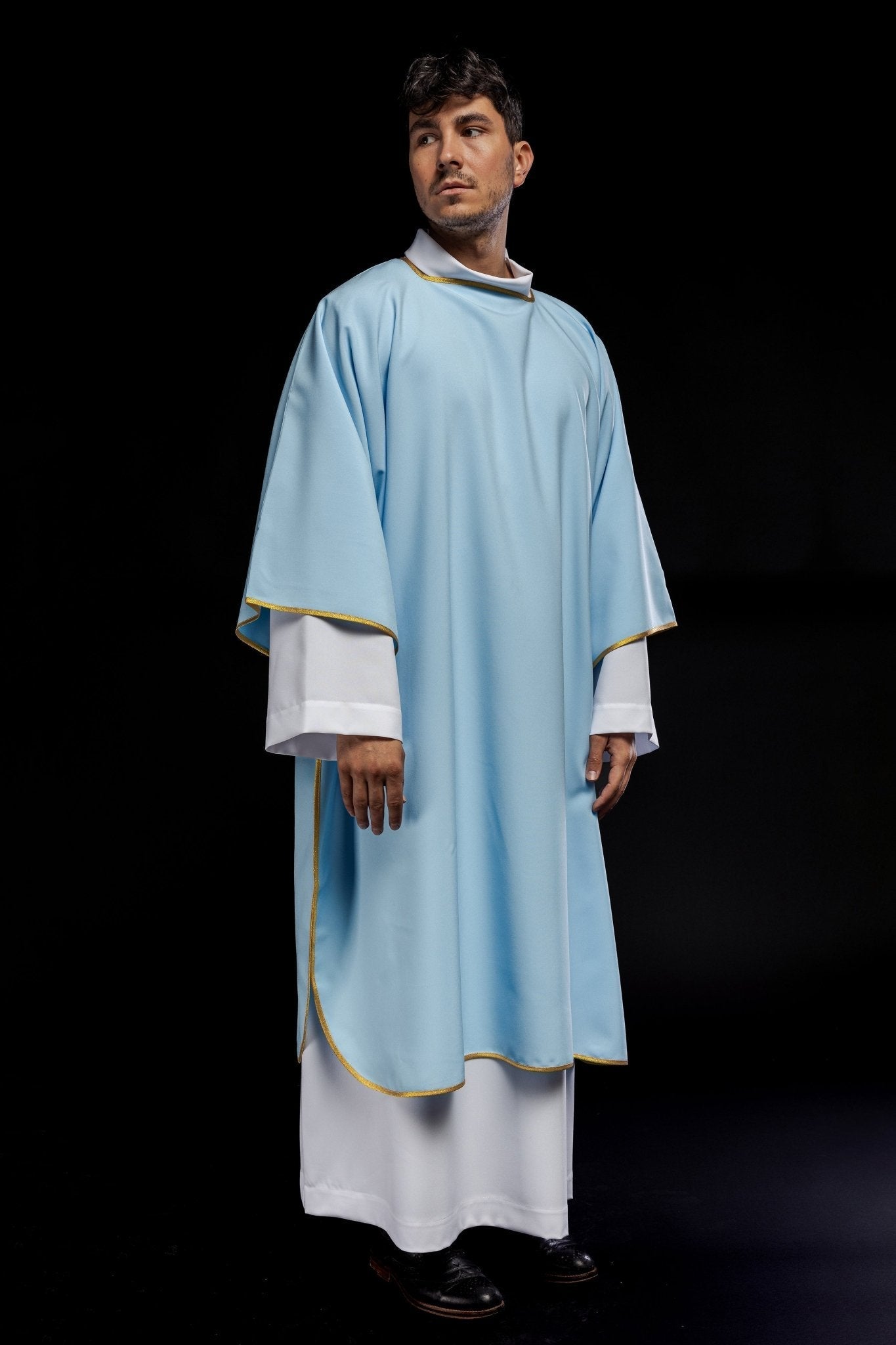
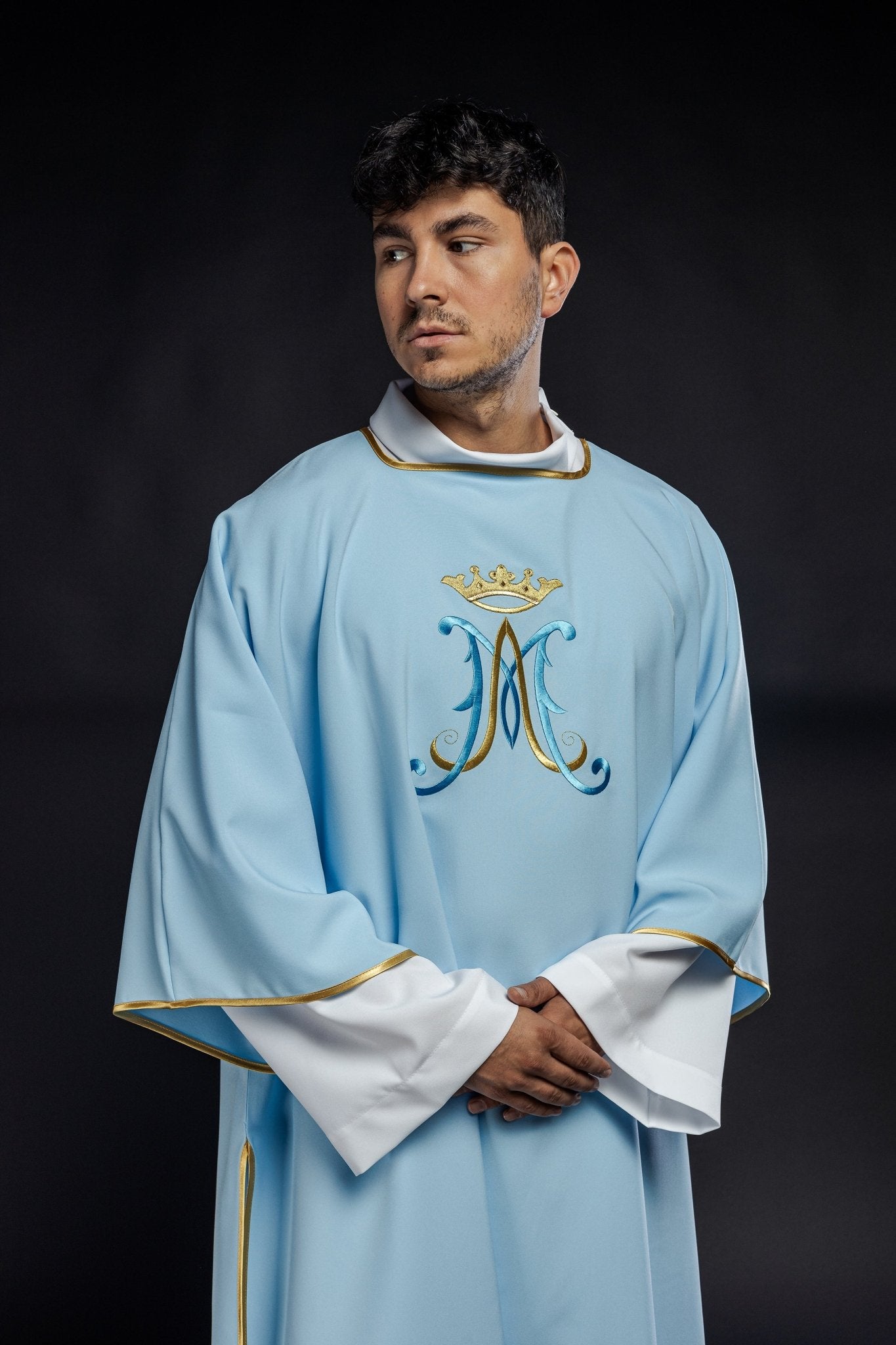
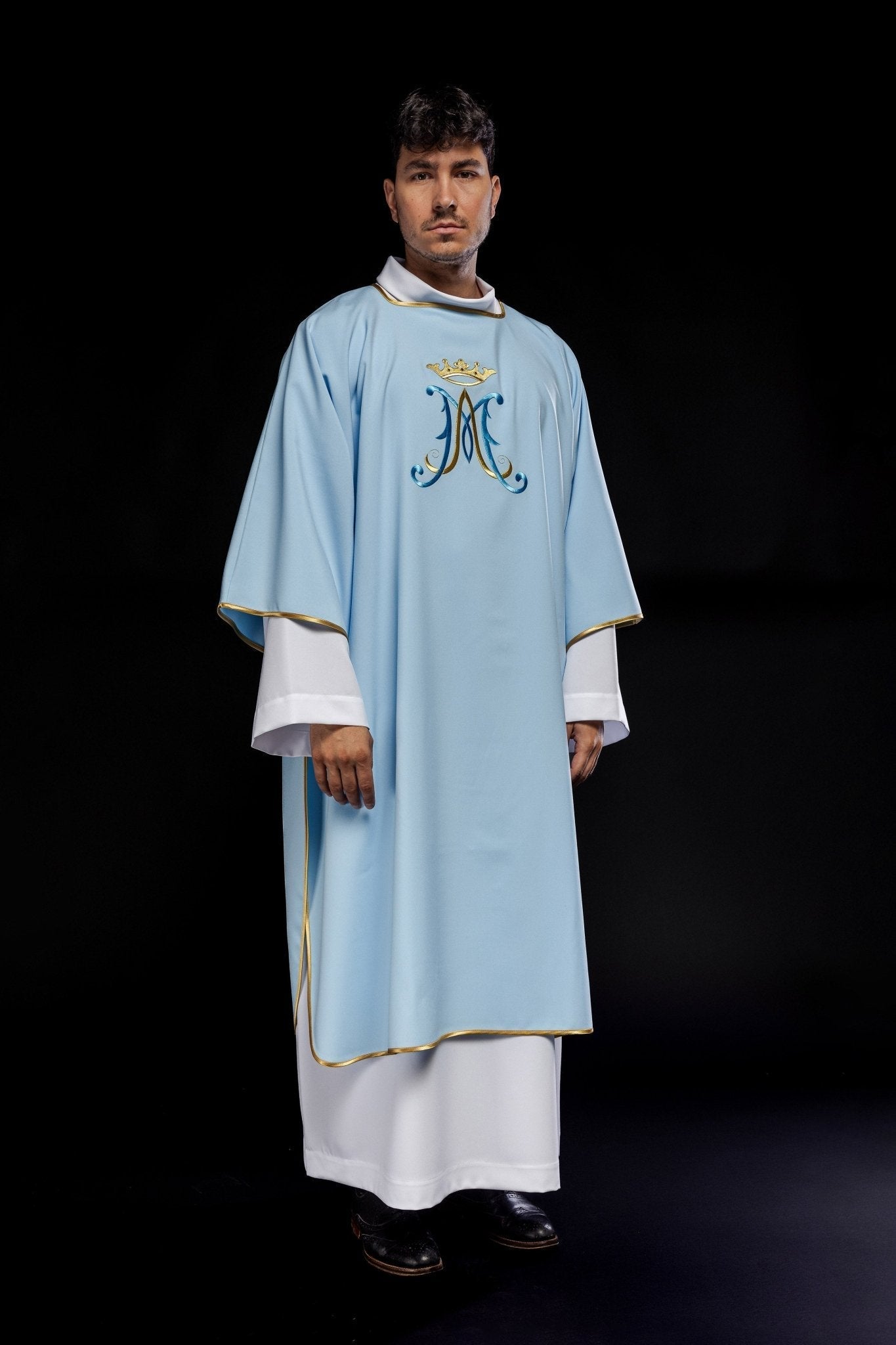
The white color of the dalmatic represents purity of soul, while blue and marian motifs are used for celebration of feasts dedicated to the Virgin Mary, reflecting the importance of Marian symbolism. The tradition of using specific liturgical colors—white for joy, red for martyrdom, purple for penance—mirrors the spiritual seasons of the Church and highlights the deacon’s role within them. During liturgical celebrations such as baptisms, the use of water is symbolically connected to the dalmatic’s role in these rites, emphasizing themes of purification and spiritual renewal. The colors and designs of the dalmatic often correspond to the liturgical season or feast day, further enhancing its symbolic significance.
Different Styles and Designs
Deacon dalmatics come in a variety of styles and designs, reflecting the diverse traditions and preferences within different Christian denominations. Some common variations include:
-
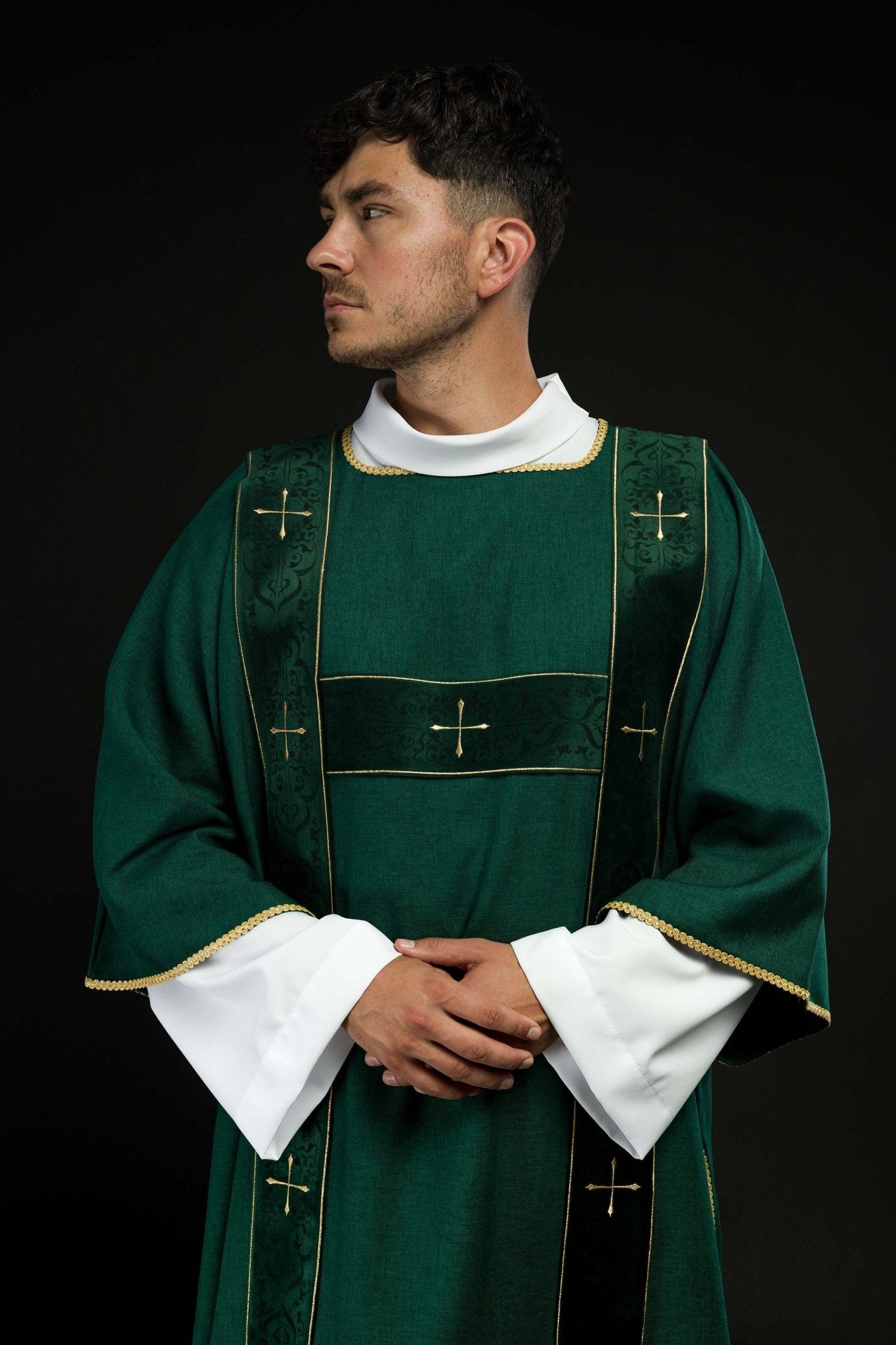
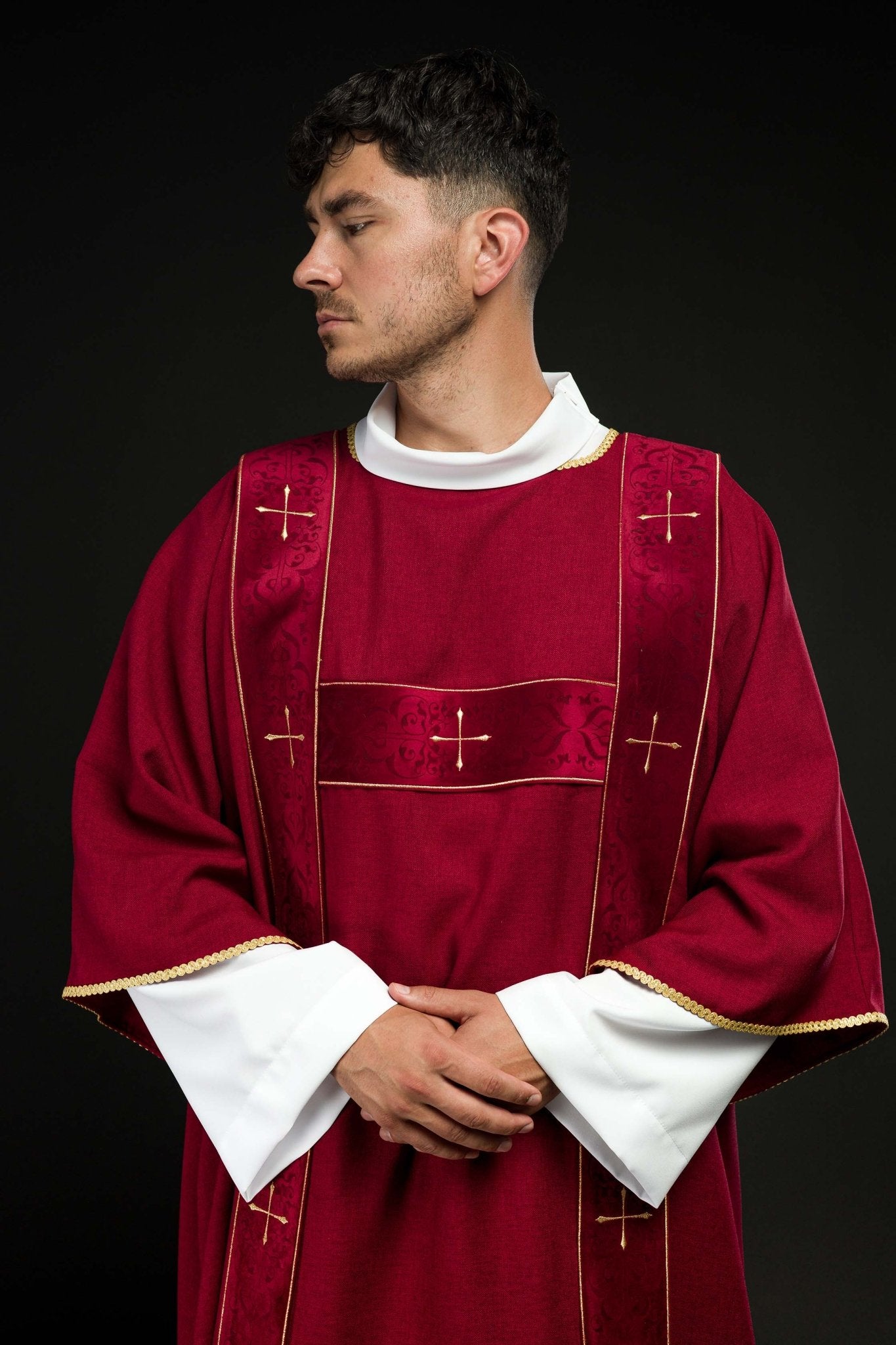
Roman Dalmatic: A wider, more traditional style with broader sleeves, typically adorned with two vertical stripes (clavi) running from the shoulder to the hem, and often forming part of a matching set with a stole.
-
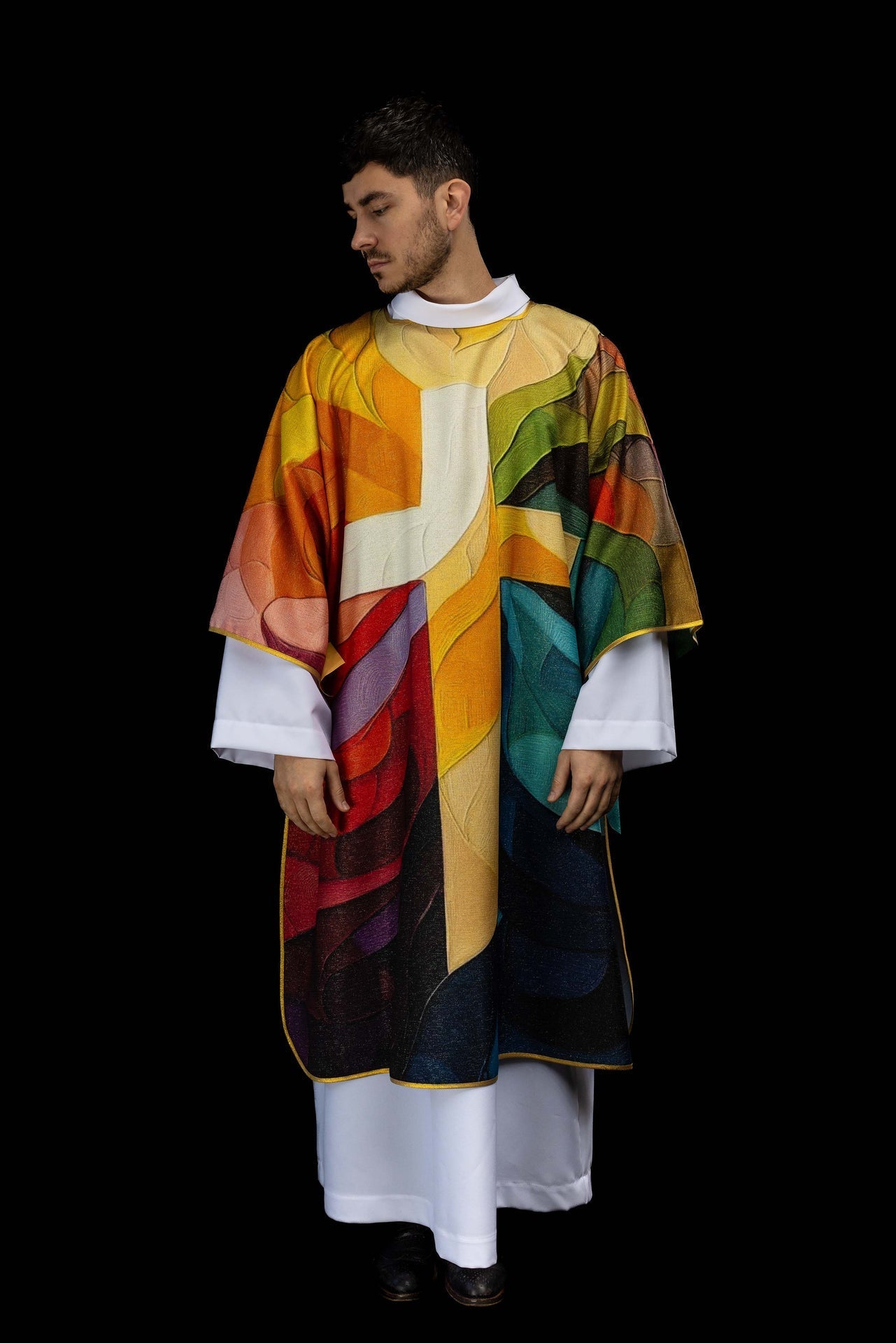
Gothic Dalmatic: A narrower style, often adorned with more elaborate ornamentation, including religious symbols, and featuring matching accessories for a harmonious liturgical appearance.
-
Monastic Dalmatic: Simpler designs, often made from natural fabrics, but still typically featuring the characteristic clavi and matching elements.
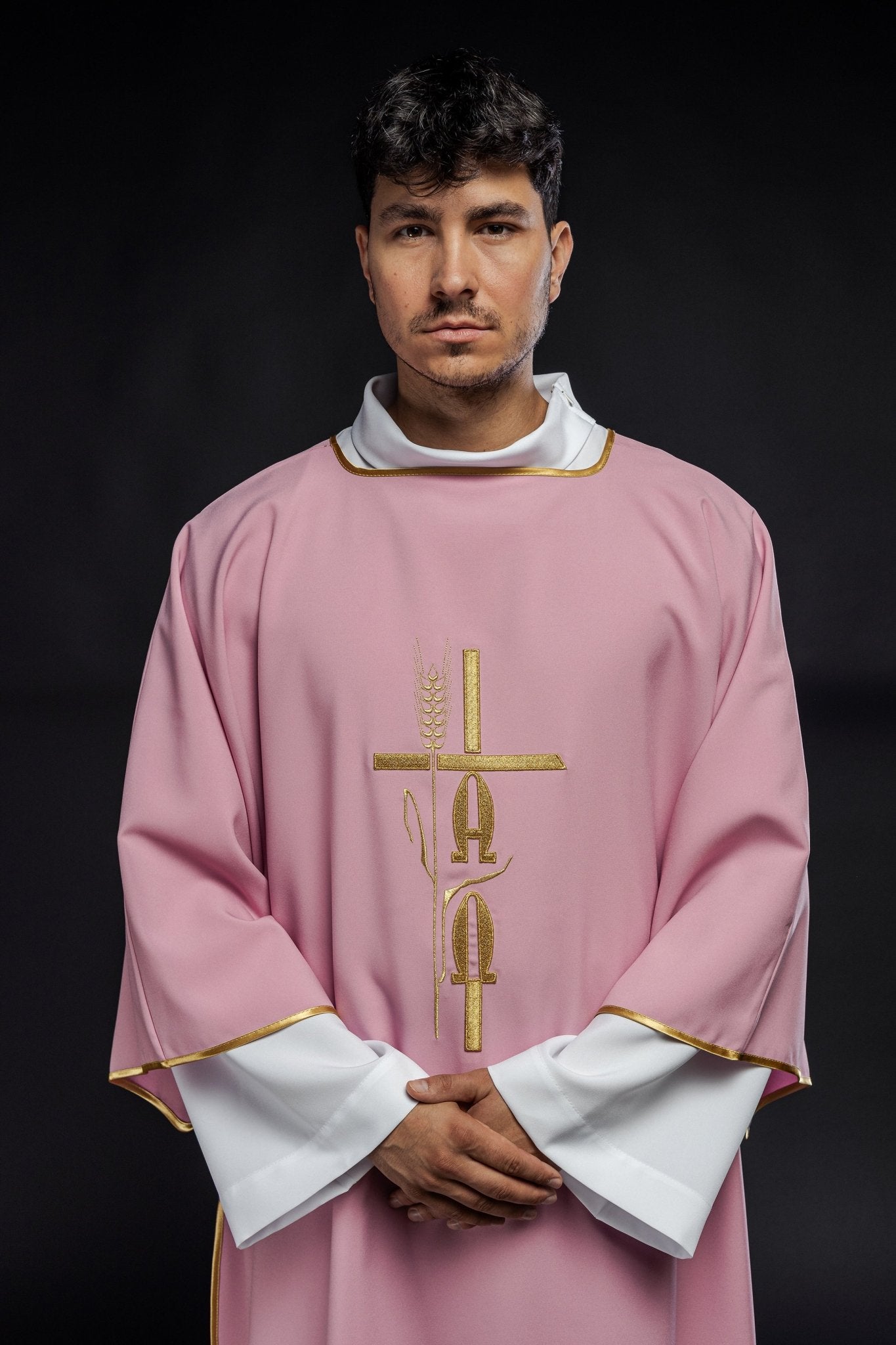
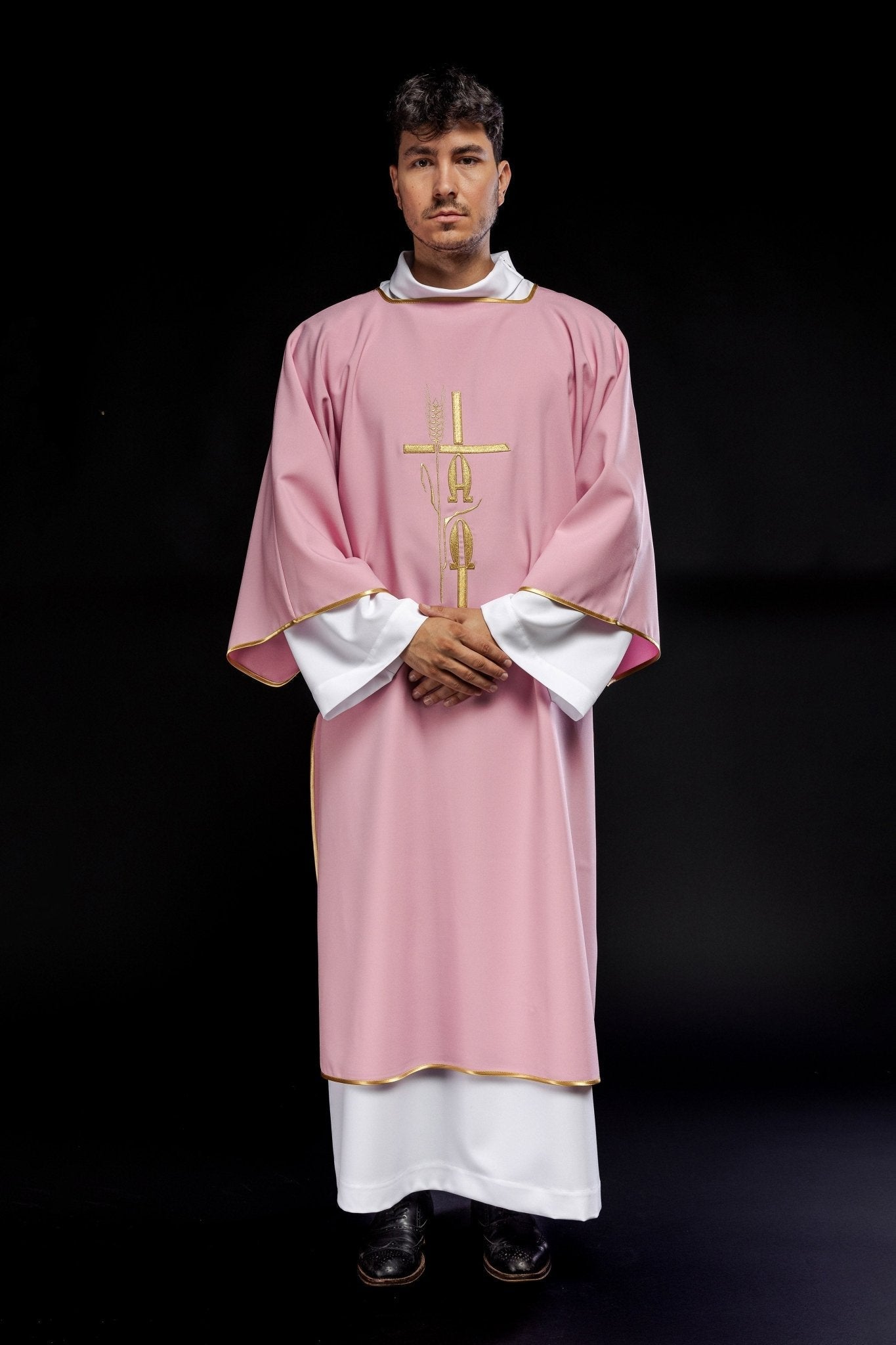
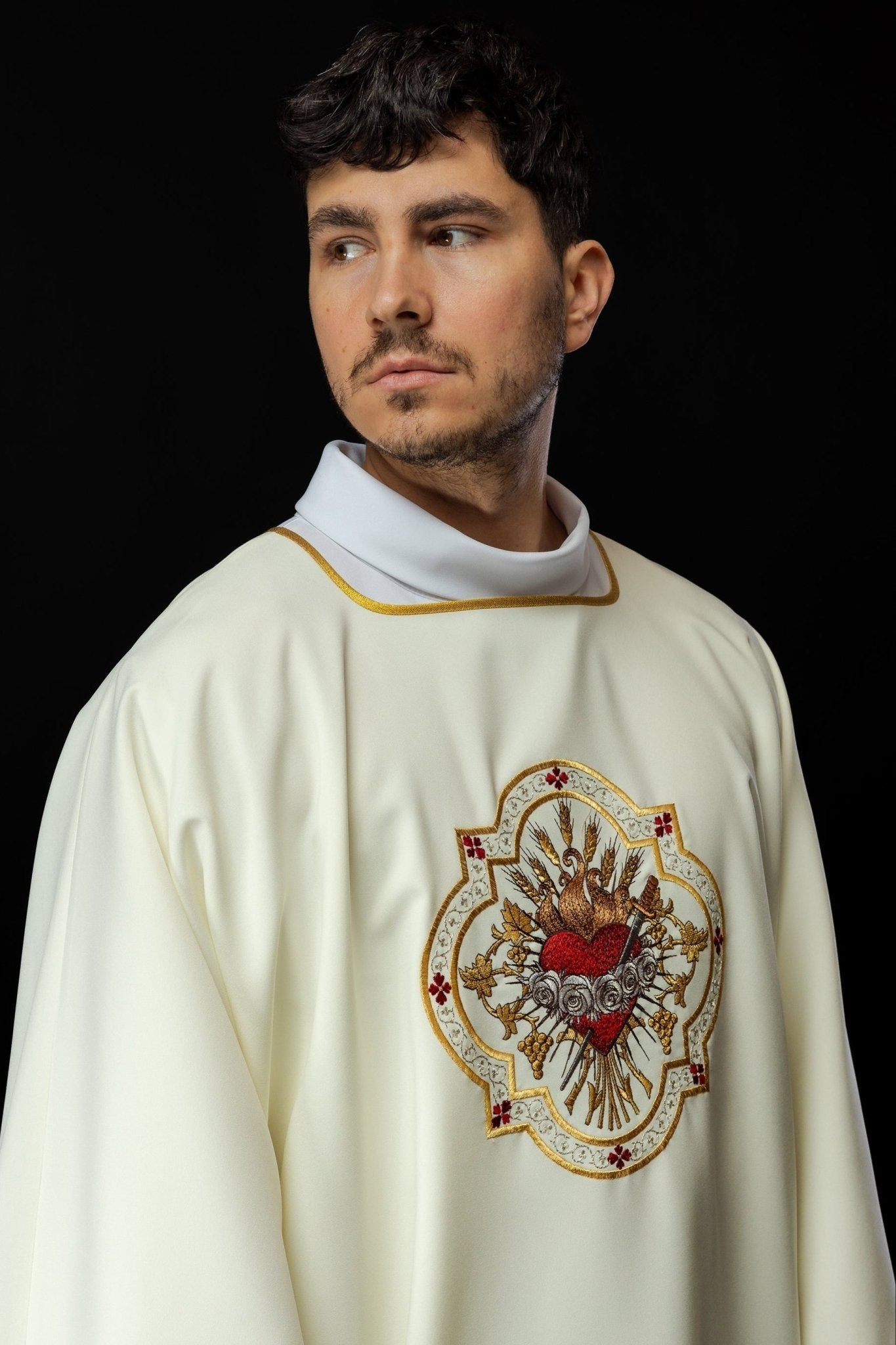
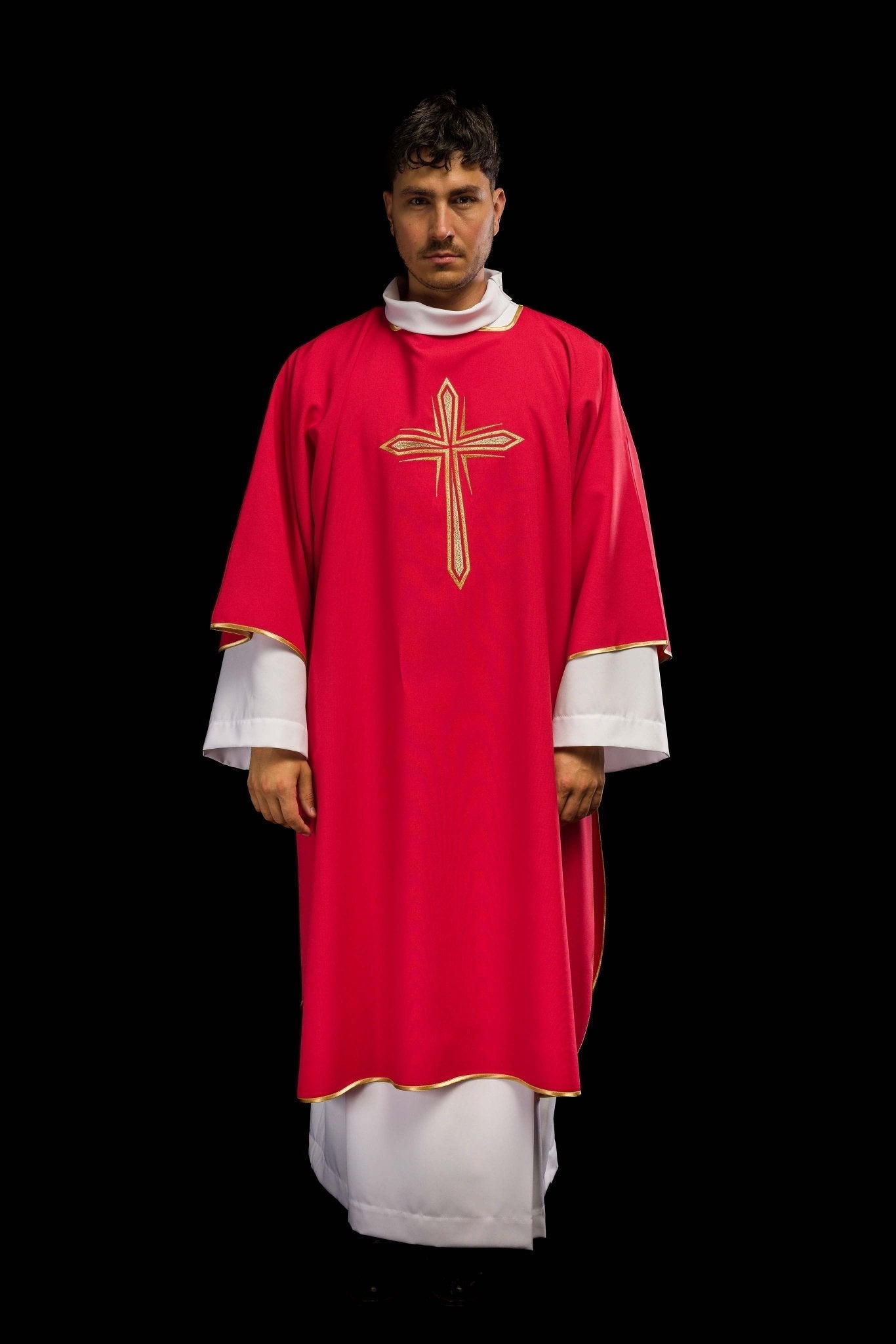
Typical dalmatics are adorned with religious symbols and decorative trims or embroidery along the sleeve edge and the hem, giving them a distinctive and sacred appearance. Modern dalmatics tend to have closed sleeves and open sides below the sleeves for comfort and practicality, while still maintaining the traditional look with matching sets and ornamented finishes.
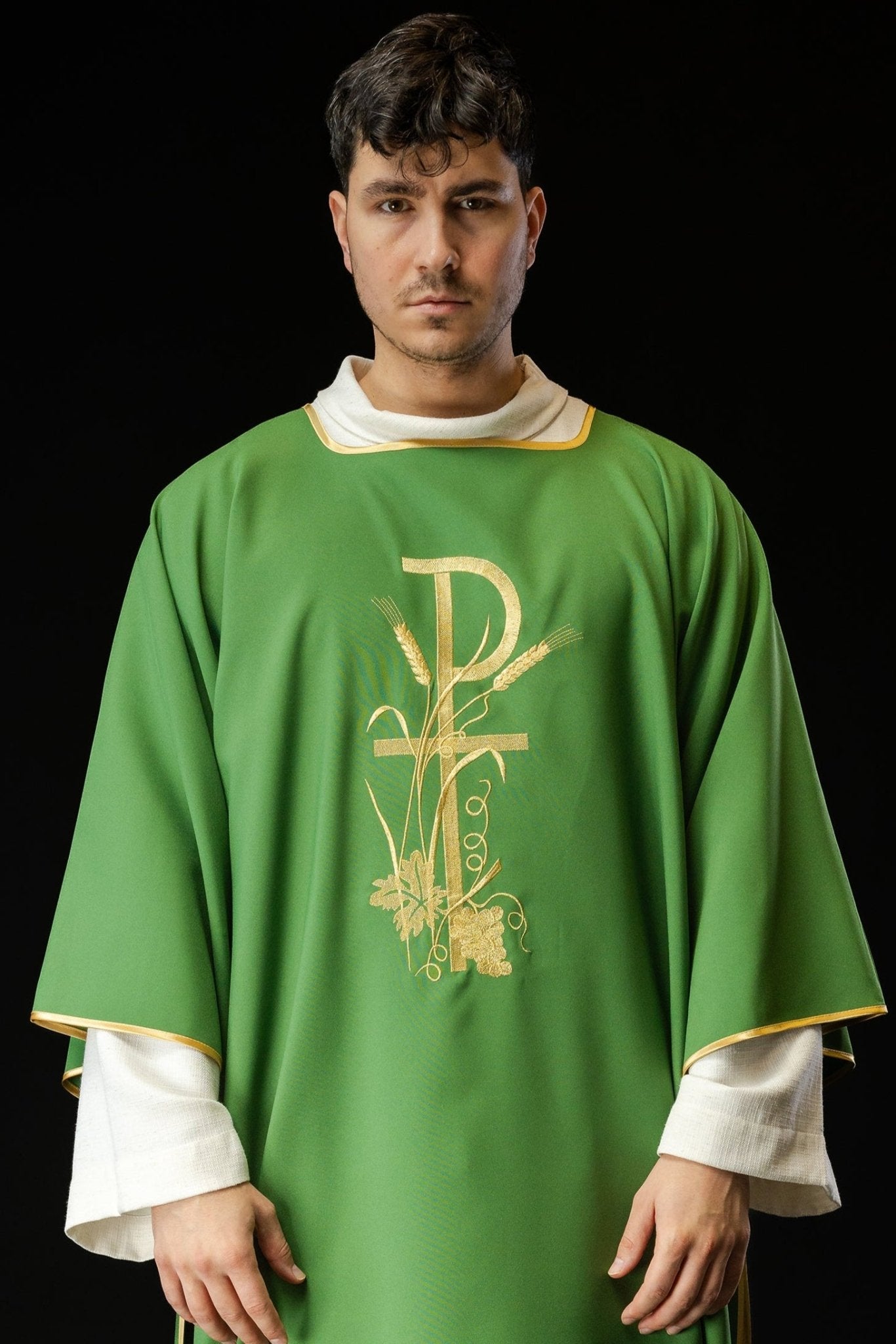
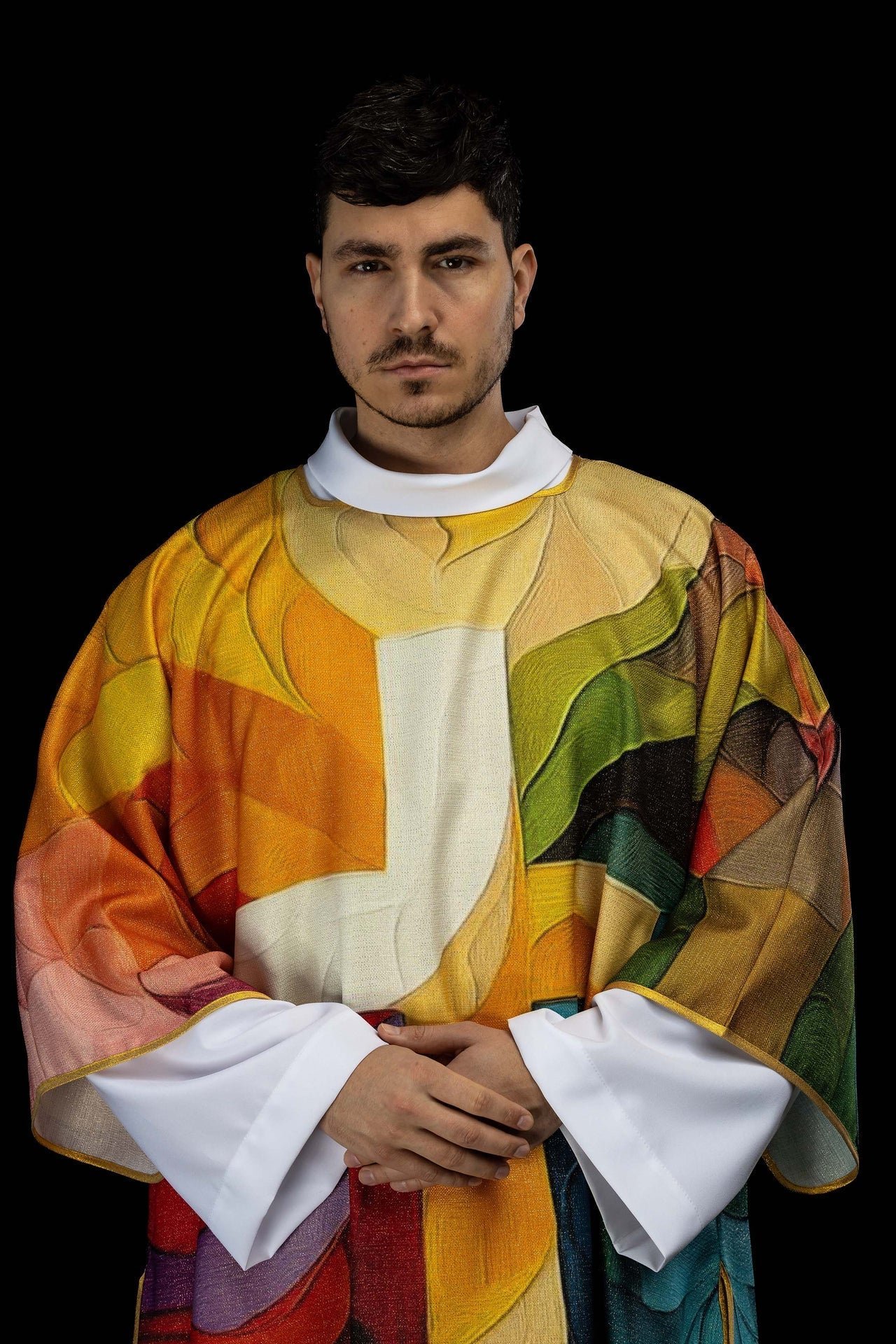
The ornamentation on a dalmatic can also vary widely, ranging from simple crosses and symbols to intricate embroidery and detailed artwork. The choice of fabric, color, and design often depends on the liturgical season, the specific occasion, and the preferences of the deacon and the church.
Materials Used in Deacon Dalmatics
Dalmatics are typically made from high-quality fabrics that are both durable and visually appealing. Traditionally, dalmatics were crafted from linen, wool, and especially silk, with silk becoming the standard choice for dalmatics from the twelfth century onward due to its elegance, durability, and symbolic richness. Today, common materials include:
-
Silk: A luxurious and traditional fabric, historically the standard and a good choice for important liturgical celebrations or traditional settings.
-
Polyester: A durable and affordable option, often used for everyday dalmatics and modern designs, as it mimics the look and feel of more expensive materials.
-
Brocade: A rich and luxurious fabric with woven patterns, often used for special occasions.
-
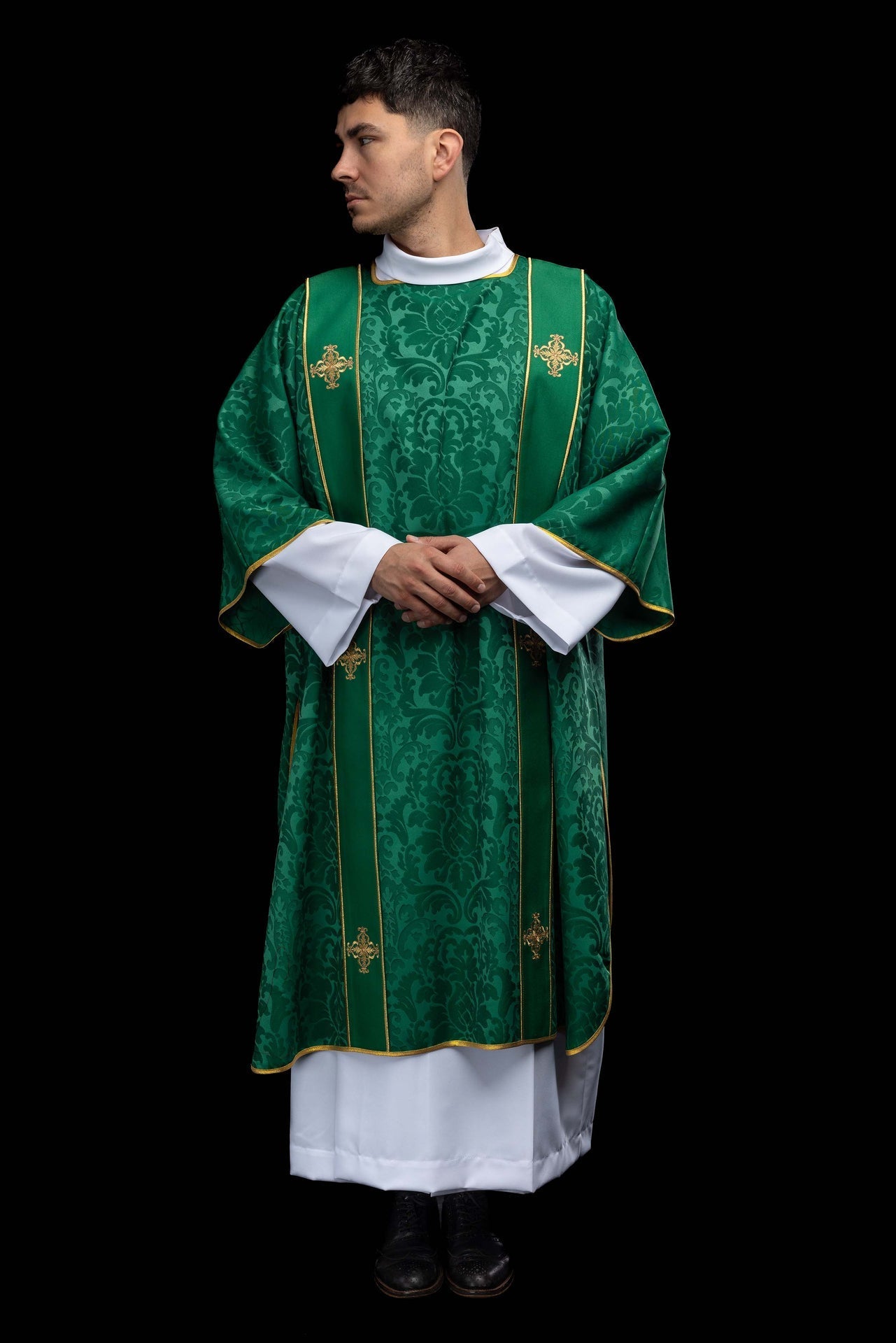
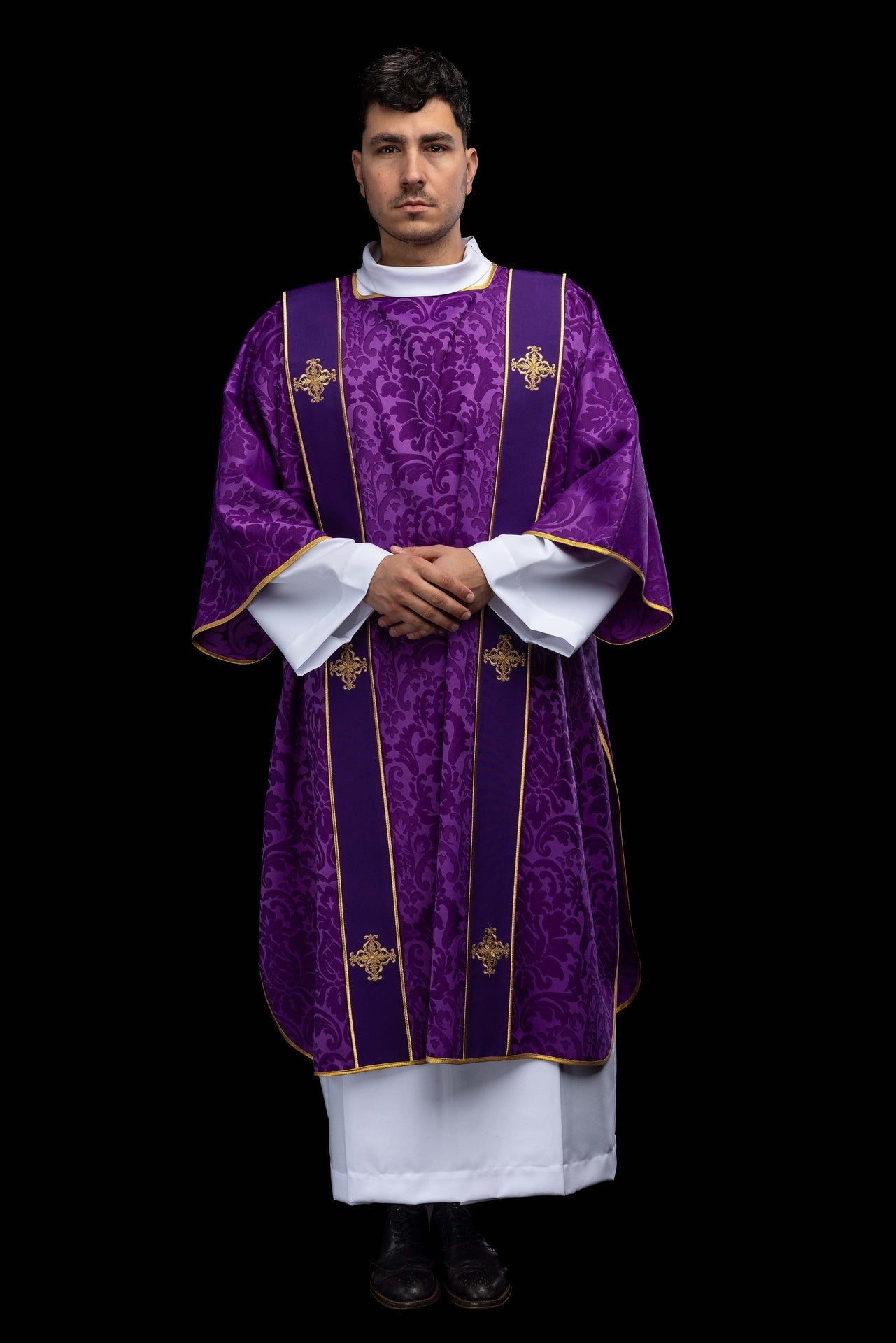
Damask: A reversible fabric with a subtle pattern, offering a balance of elegance and practicality.
-
Linen: A natural and breathable fabric, a good choice for monastic dalmatics or use during warmer months.
-
Wool: A warm and durable fabric, a good choice for colder climates or traditional vestments.
Colors and Liturgical Seasons
The colors of deacon dalmatics are carefully chosen to correspond to the liturgical seasons of the church year, and the dalmatic should be matching the liturgical color of the day for each celebration. Each color carries its own symbolic meaning and helps to create a visual representation of the liturgical calendar, reflecting the spiritual seasons of the Church and the deacon's role within them. The most common liturgical colors include:
-
White: Represents purity, joy, and glory. Used during Easter, Christmas, and other festive occasions.
-
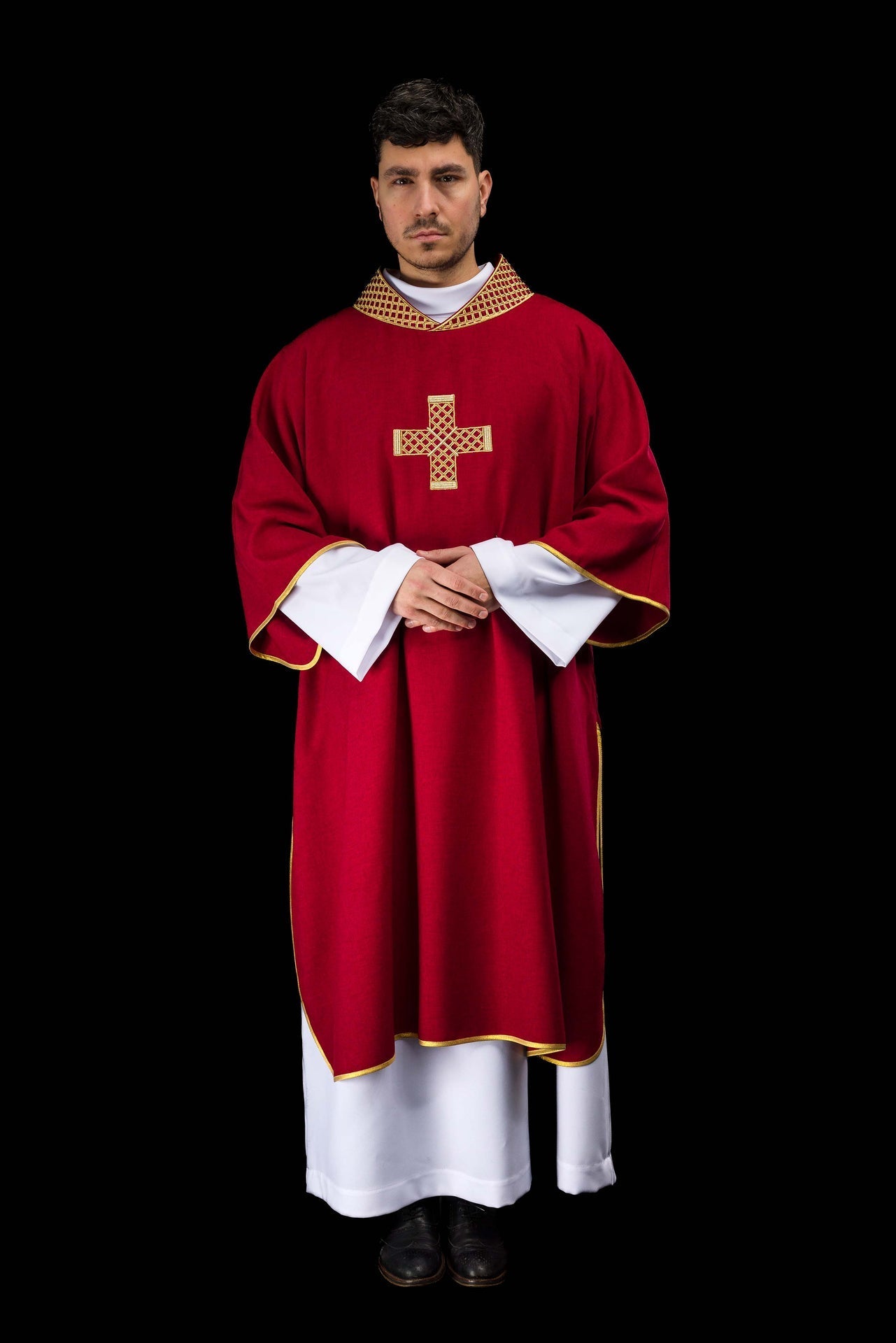
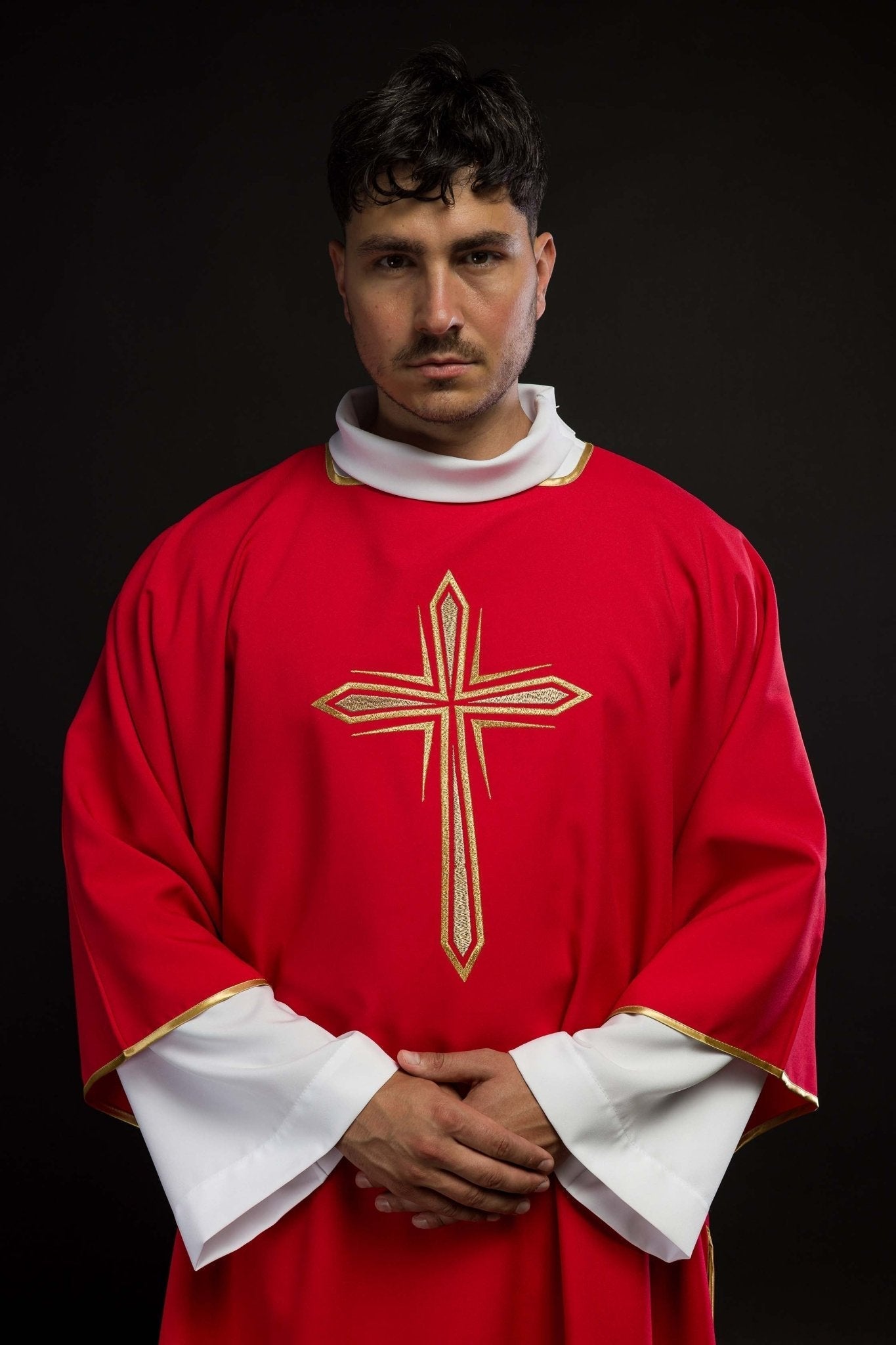
Red: Symbolizes passion, sacrifice, and the Holy Spirit. Used during Pentecost, feasts of martyrs, and Good Friday.
-
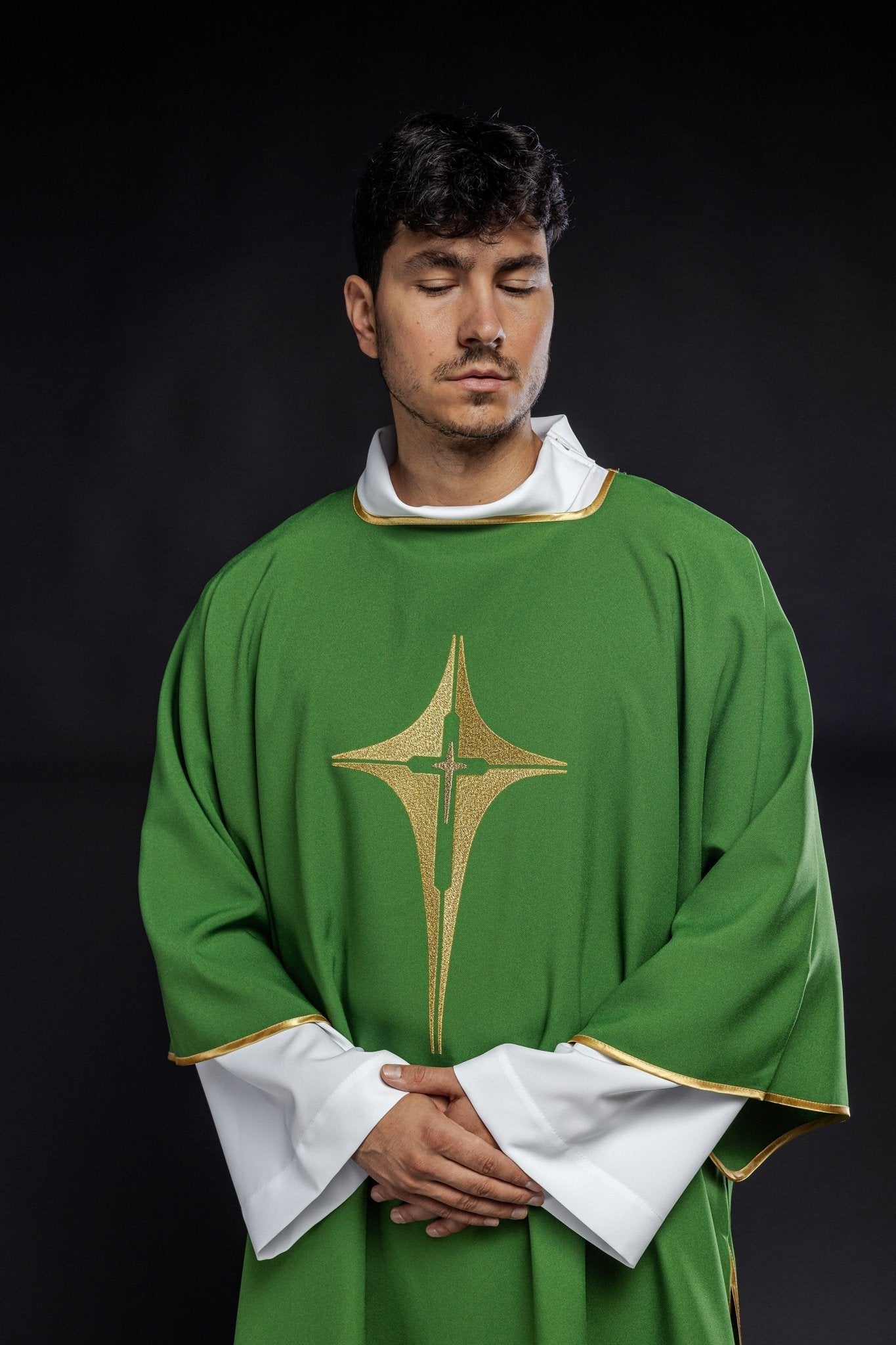
Green: Represents hope, life, and growth. Used during Ordinary Time.
-
Violet/Purple: Symbolizes penance, humility, and preparation. Used during Advent and Lent.
-
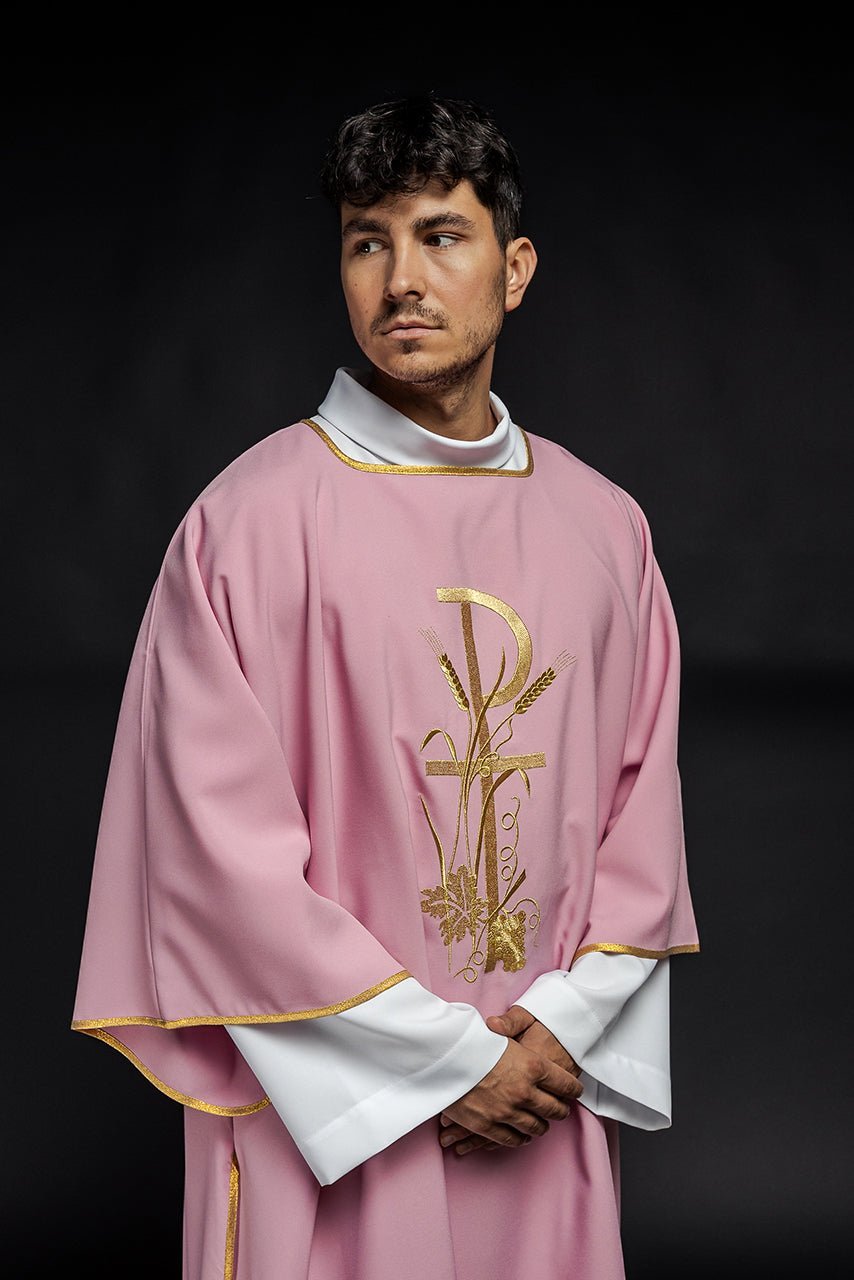
Rose: A lighter shade of purple, used on Gaudete Sunday (Advent) and Laetare Sunday (Lent) as a sign of hope and anticipation.
-
Gold: Used for solemnities and special occasions, symbolizing royalty and glory.
-
Blue: Used especially for Marian feasts and celebrations, blue is a color associated with Marian themes and the Virgin Mary, often featured in dalmatics with Marian motifs and decorations.
Choosing the Right Deacon Dalmatic
Selecting the right deacon dalmatic involves considering several factors, including:
-
Liturgical Season: Choose a dalmatic in the appropriate color for the current liturgical season.
-
Style and Design: Select a style and design that aligns with the traditions of your church and your personal preferences.
-
Fabric and Quality: Certain materials, such as lightweight wool or high-grade polyester, are a good choice for durability and comfort during extended liturgical ceremonies.
-
Fit and Comfort: Ensure that the dalmatic fits comfortably and allows for ease of movement during liturgical celebrations.
-
Set Includes: When purchasing, note that a typical set includes both the dalmatic and a matching stole, providing added value and convenience.
-
Budget: Set a budget and explore options within your price range.
Where to Buy Deacon Dalmatics
Deacon dalmatics can be purchased from a variety of sources, including:
-
Church Supply Stores: Many church supply stores offer a wide selection of dalmatics and other liturgical vestments.
-
Online Retailers: Online retailers provide a convenient way to browse and purchase dalmatics from the comfort of your home.
-
Custom Vestment Makers: For a truly unique and personalized dalmatic, consider commissioning a custom vestment maker.
Care and Maintenance
Proper care and maintenance are essential to prolong the life of your deacon dalmatic. Follow these guidelines:
-
Cleaning: Follow the manufacturer's instructions for cleaning. Some dalmatics may require dry cleaning, while others can be hand-washed.
-
Storage: Store your dalmatic in a cool, dry place, away from direct sunlight. Use a padded hanger to prevent wrinkles.
-
Repairs: Address any tears or damage promptly to prevent further deterioration.
Custom Deacon Dalmatics: Personalization and Unique Designs
For deacons seeking a truly unique and personalized vestment, custom deacon dalmatics offer an exceptional option. These bespoke garments allow for the incorporation of specific symbols, designs, and colors that hold personal significance or reflect the unique character of the deacon's ministry. Custom dalmatics can be tailored to fit perfectly, ensuring both comfort and a distinctive appearance during liturgical celebrations.
The Role of Embroidery in Deacon Dalmatics
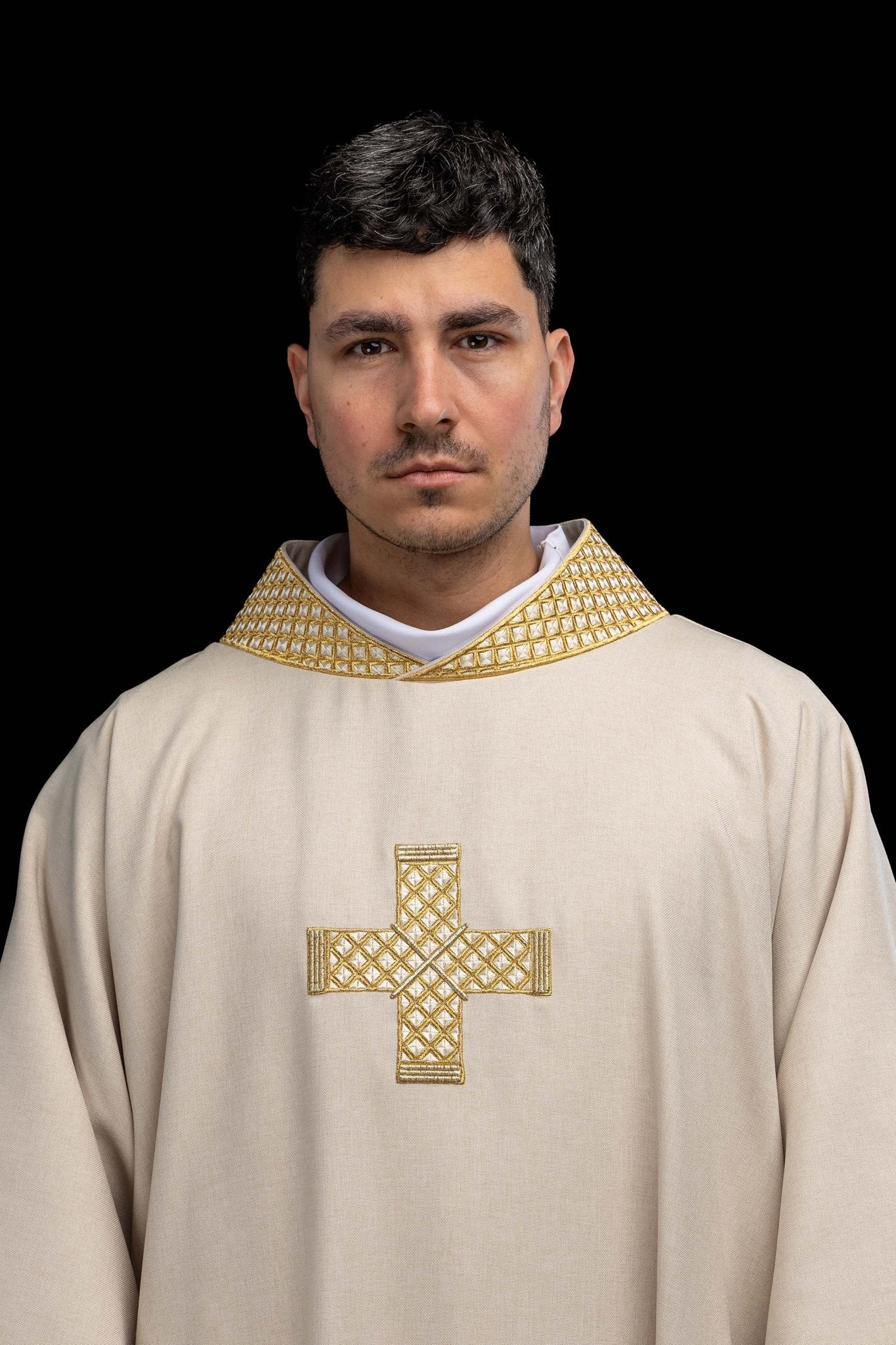
Embroidery plays a significant role in enhancing the beauty and symbolism of deacon dalmatics. These vestments are often adorned with intricate embroidery, religious symbols, or decorative motifs, emphasizing their ceremonial and sacred character. Intricate embroidery designs can depict religious symbols, biblical scenes, or personalized motifs, adding depth and meaning to the vestment. Skilled artisans use a variety of techniques, including hand embroidery and machine embroidery, to create stunning and durable designs that stand the test of time. The choice of thread colors and materials further contributes to the overall aesthetic appeal of the dalmatic.
Affordable Deacon Dalmatics: Options for Every Budget
While high-quality dalmatics can be a significant investment, affordable options are available to suit every budget. Retailers often offer dalmatics made from durable and cost-effective materials like polyester, while still maintaining a dignified and respectful appearance. Sales and discounts can also provide opportunities to acquire higher-end dalmatics at reduced prices. By carefully comparing prices and considering different materials, deacons can find a dalmatic that meets their needs without exceeding their financial means.
High-Quality Deacon Dalmatics: Investing in Excellence
For deacons who prioritize quality and craftsmanship, high-quality dalmatics represent a worthwhile investment. These vestments are typically made from premium fabrics like brocade or damask, and feature meticulous detailing and durable construction. High-quality dalmatics not only enhance the deacon's appearance but also provide a sense of dignity and reverence during liturgical celebrations. These vestments are designed to last for many years with proper care, making them a cherished and enduring part of the deacon's ministry.
Deacon Dalmatics for Sale: Finding the Perfect Vestment
The search for the perfect deacon dalmatic can be an exciting and rewarding experience. Whether browsing online retailers, visiting church supply stores, or commissioning a custom vestment maker, deacons have a wide range of options to explore. By considering factors such as liturgical season, style, fabric, fit, and budget, deacons can find a dalmatic that not only meets their practical needs but also reflects their personal faith and commitment to ministry. The right dalmatic will serve as a constant reminder of the deacon's sacred role within the church.
The Significance of the Deacon Stole
While the dalmatic is the primary vestment of a deacon, the stole is another essential element of their liturgical attire. The deacon's stole is worn diagonally across the body, from the left shoulder to the right side, signifying their role as a servant. The stole is typically made from the same fabric and color as the dalmatic, creating a cohesive and harmonious appearance. The stole serves as a visual reminder of the deacon's ordination and their commitment to serving the needs of the church and the community.
Maintaining Reverence and Dignity with Clergy Dalmatics
Clergy dalmatics, including those worn by deacons, play a vital role in maintaining reverence and dignity during liturgical celebrations. These vestments serve as a visual reminder of the sacred nature of the service and the important roles of the clergy members. By wearing appropriate and well-maintained dalmatics, deacons contribute to the overall atmosphere of worship and inspire a sense of respect and devotion among the congregation. The dalmatic is not merely a garment but a symbol of faith and service.
The Evolution of Dalmatic Designs Over Time
Dalmatic designs have evolved significantly over time, reflecting changes in liturgical practices, artistic trends, and cultural influences. Early dalmatics were often simple and unadorned, while later designs incorporated elaborate embroidery, intricate patterns, and luxurious fabrics. Modern dalmatics may feature contemporary designs that blend traditional elements with modern aesthetics. The evolution of dalmatic designs showcases the enduring creativity and artistic expression within the church.
Choosing the Right Dalmatic Pattern for Your Church
Selecting the appropriate dalmatic pattern for your church involves considering various factors, including the church's architectural style, liturgical traditions, and the preferences of the clergy and congregation. Some churches may prefer traditional patterns that evoke a sense of history and reverence, while others may opt for more contemporary designs that reflect a modern sensibility. The chosen pattern should complement the overall aesthetic of the church and enhance the worship experience.
Dalmatics as a Symbol of Service and Ministry
Above all, dalmatics serve as a powerful symbol of service and ministry within the church. These vestments remind deacons of their commitment to serving God and the community, and they inspire them to perform acts of charity, compassion, and selfless service. The dalmatic is a visible representation of the deacon's calling and their dedication to making a positive difference in the world. By wearing the dalmatic with humility and grace, deacons embody the true spirit of Christian service.