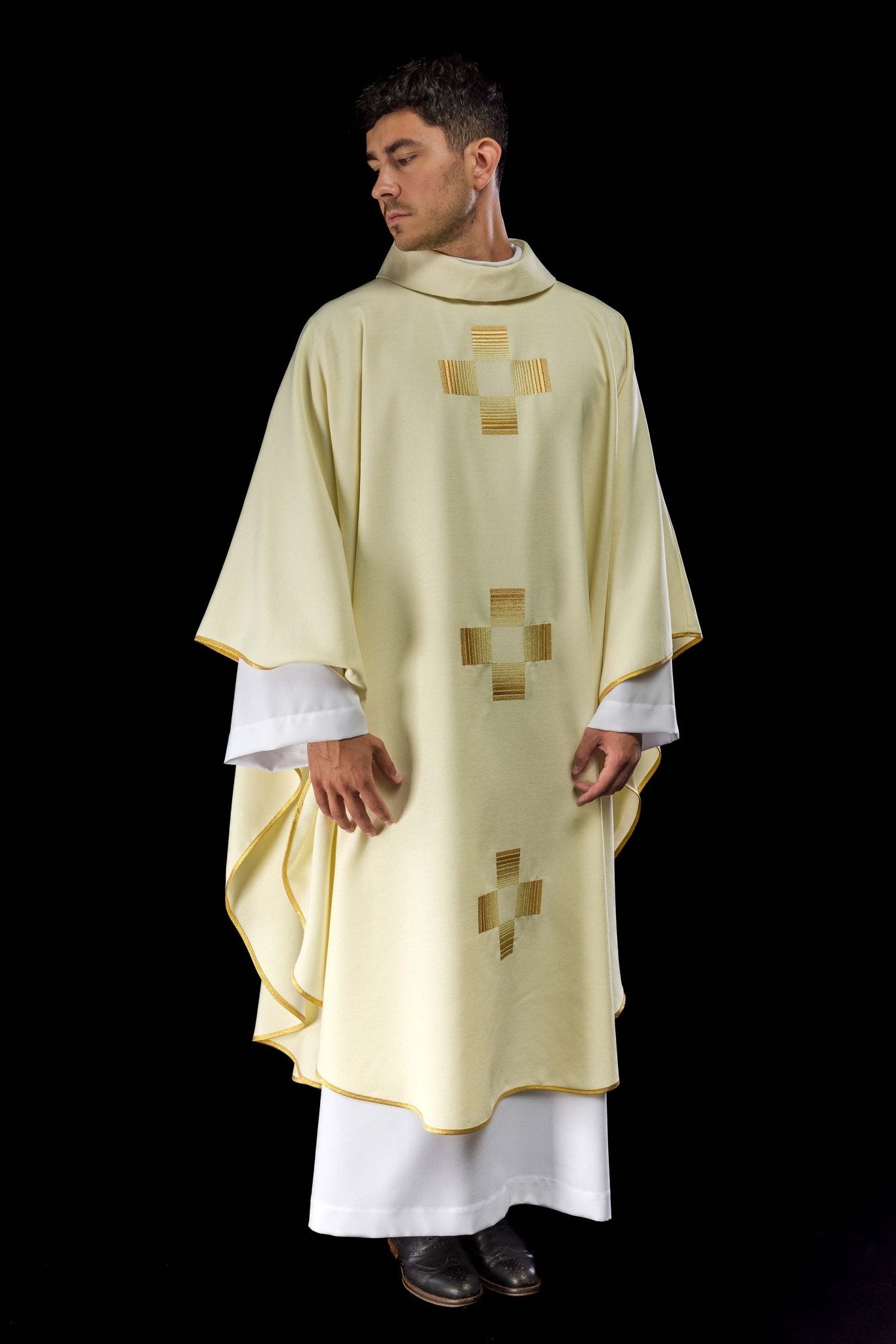
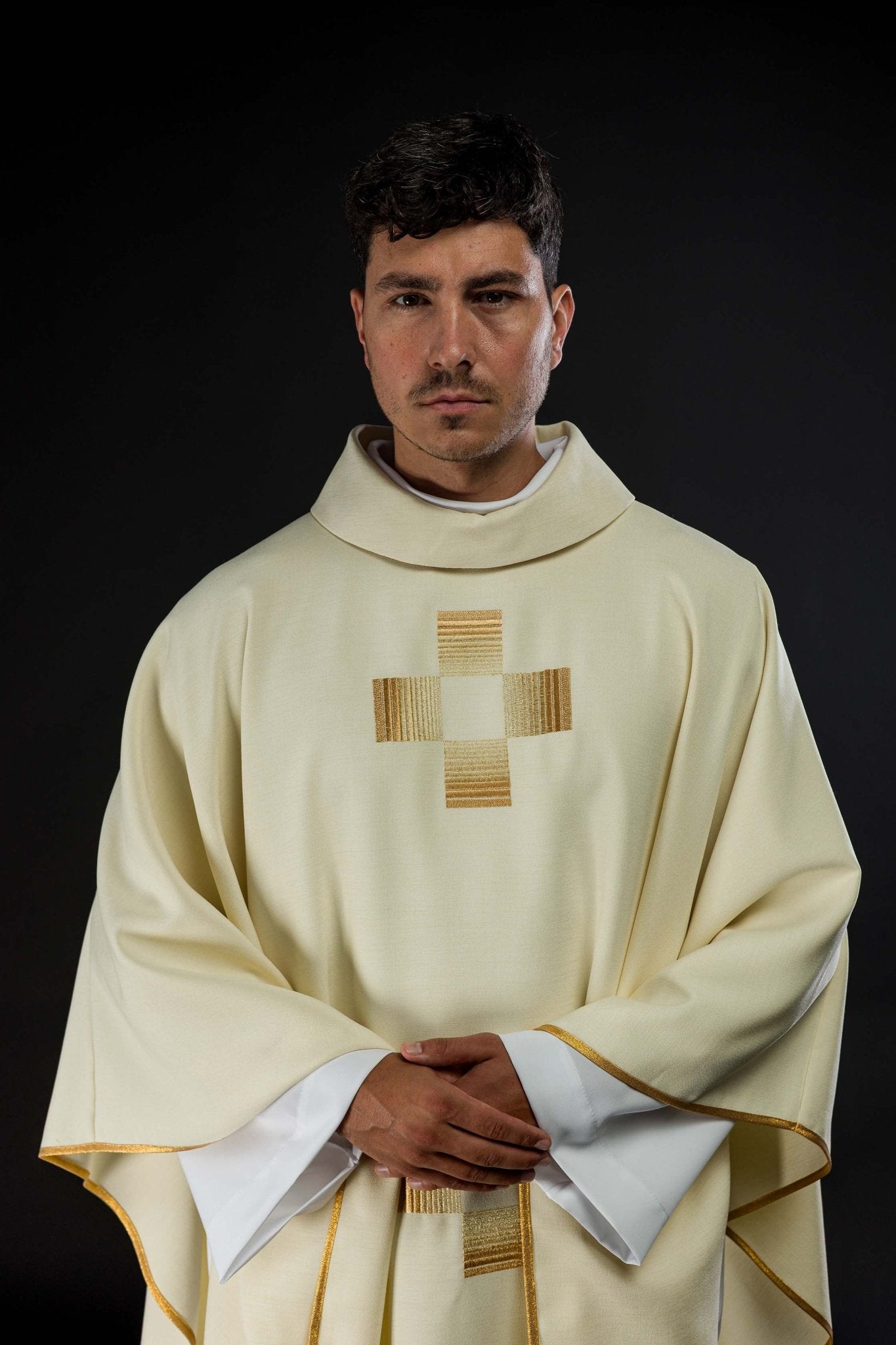
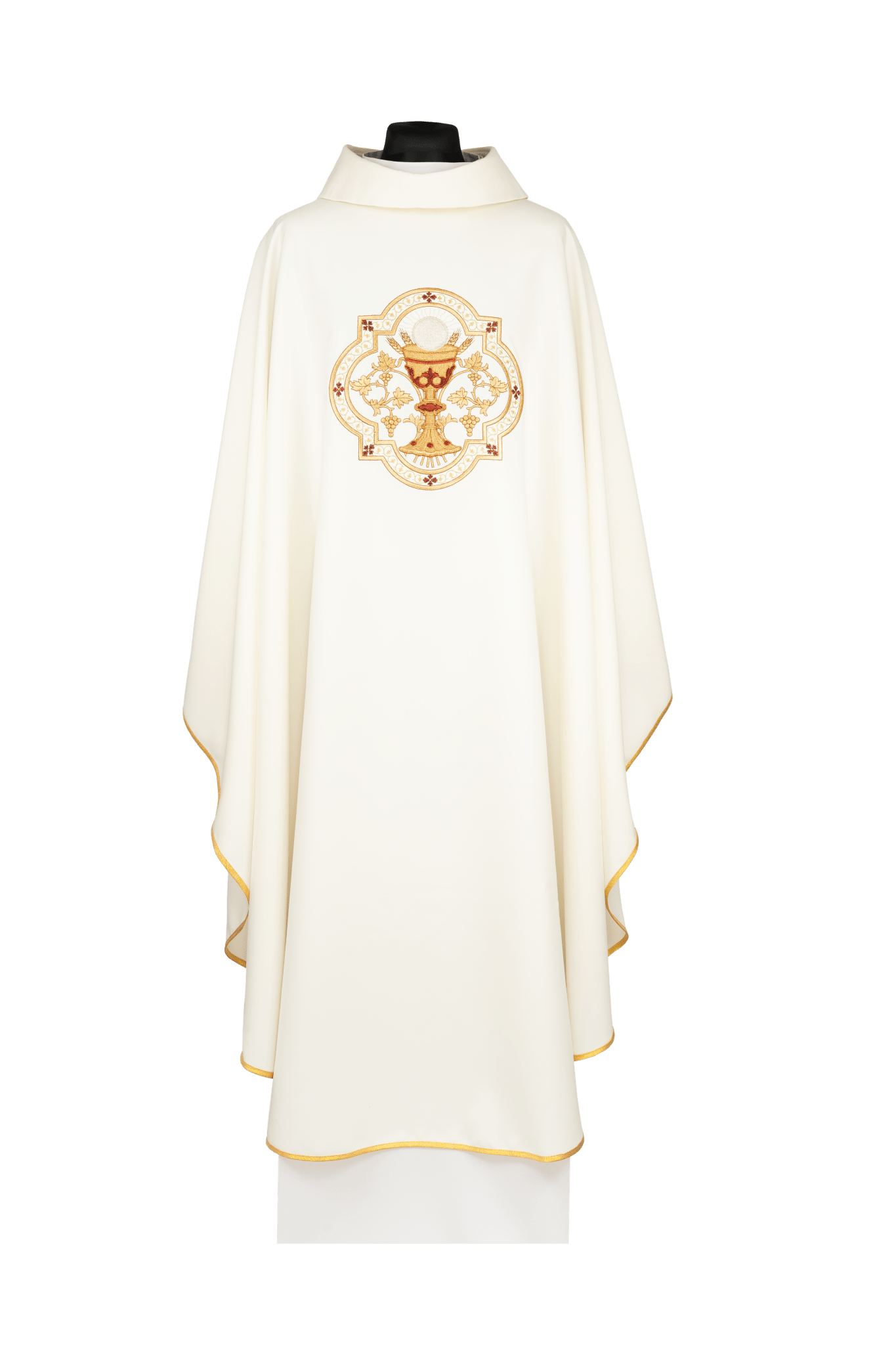
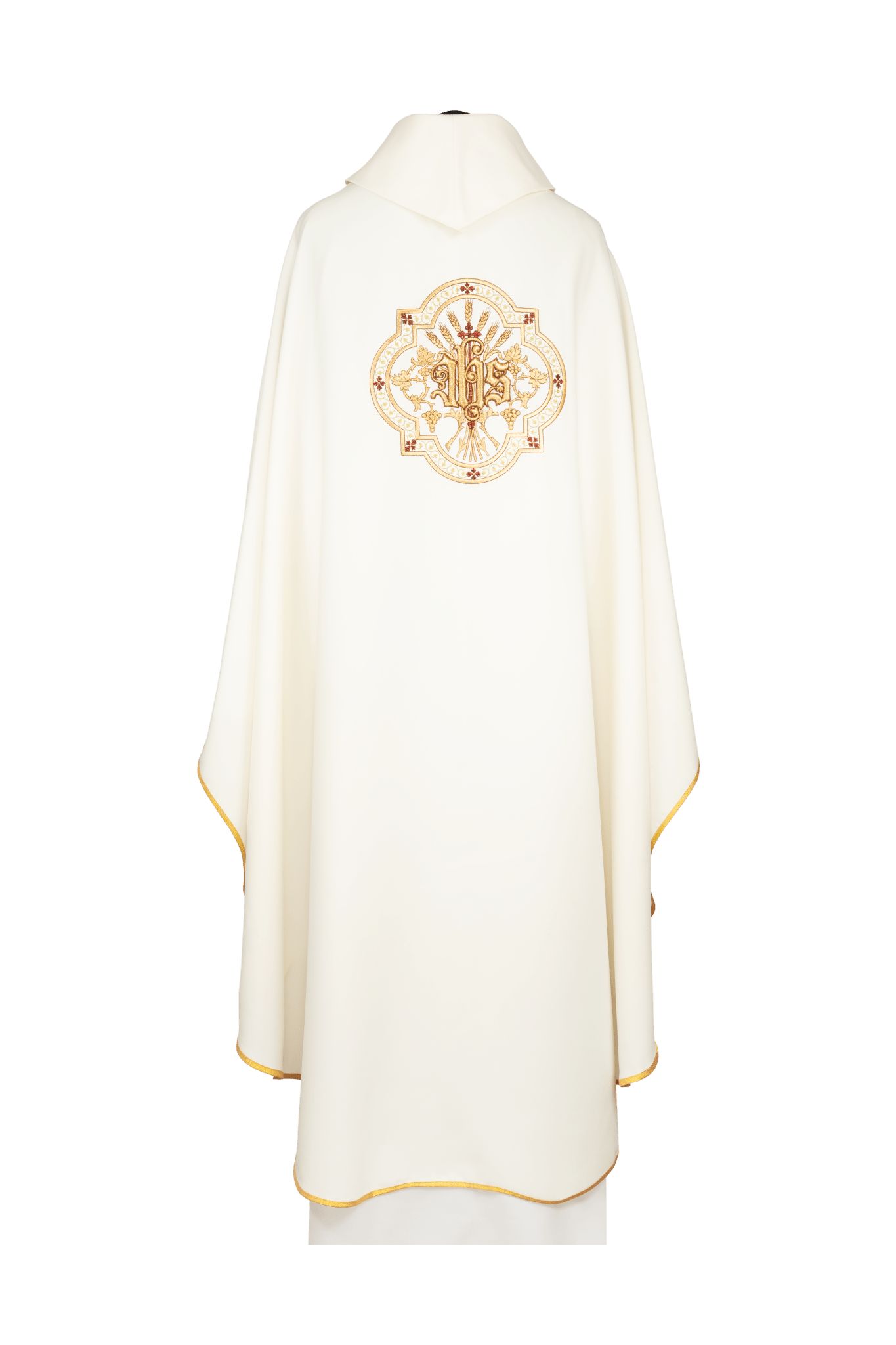
White Chasuble: Timeless Elegance for Sacred Celebrations
Introduction to Liturgical Vestments
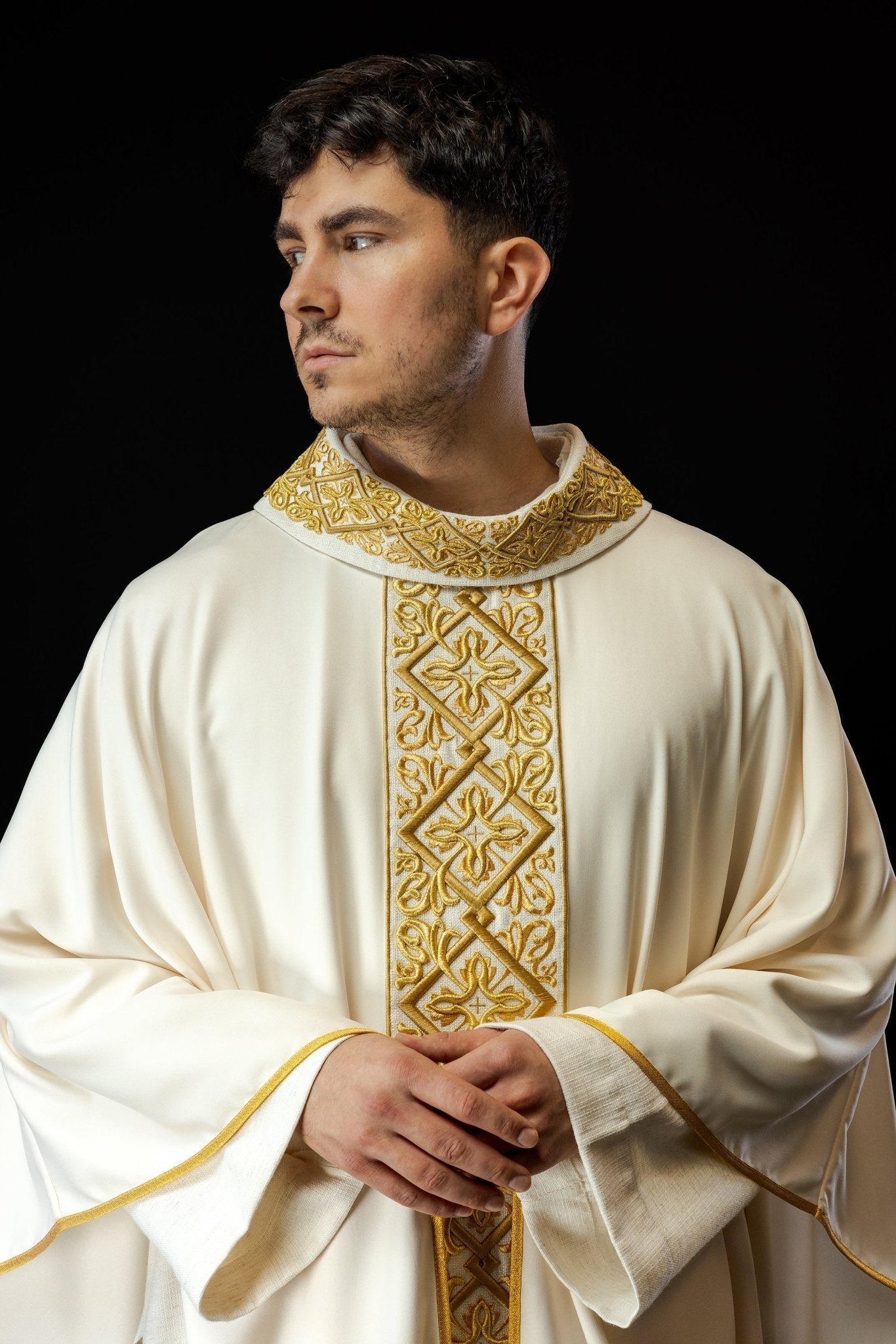
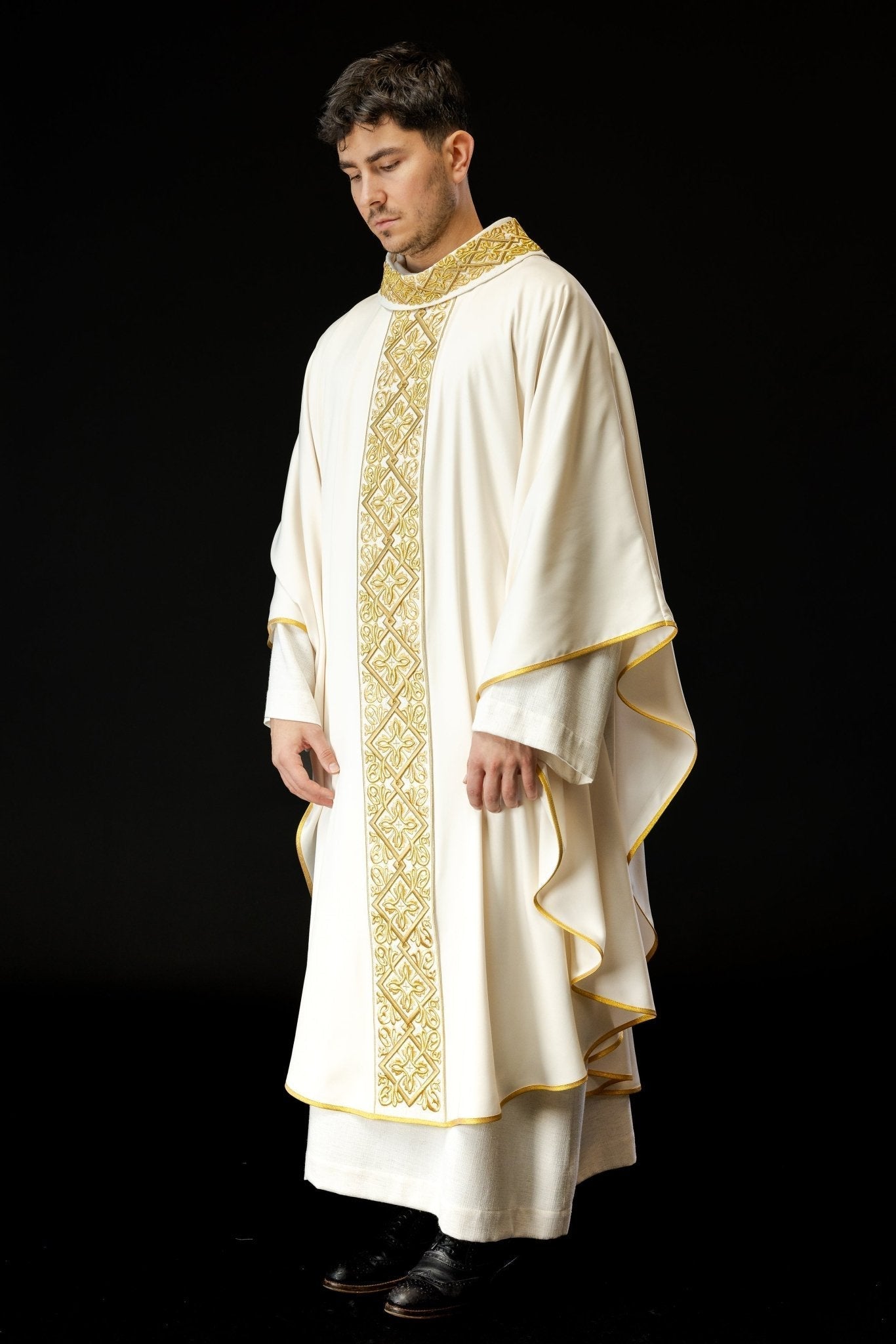
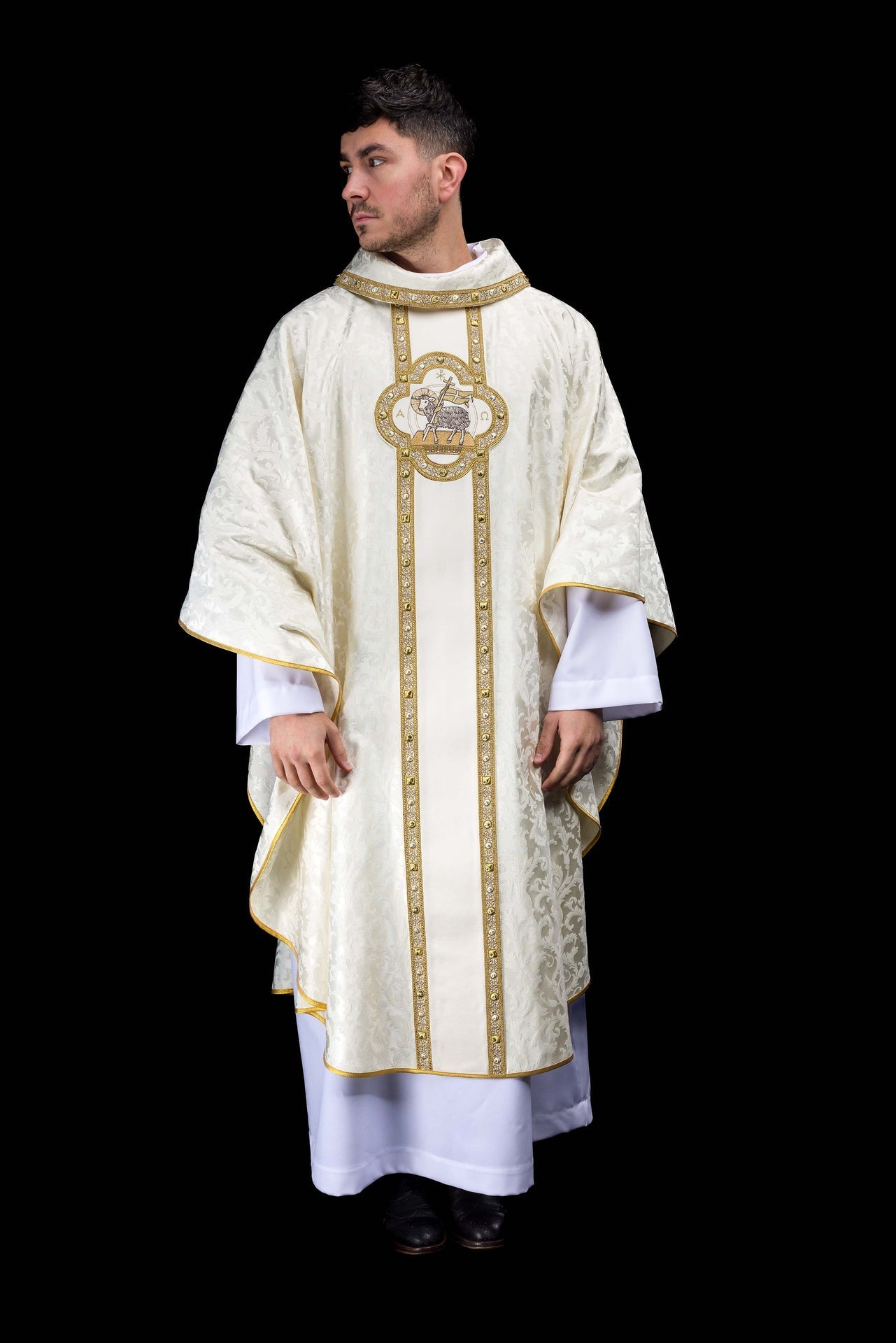
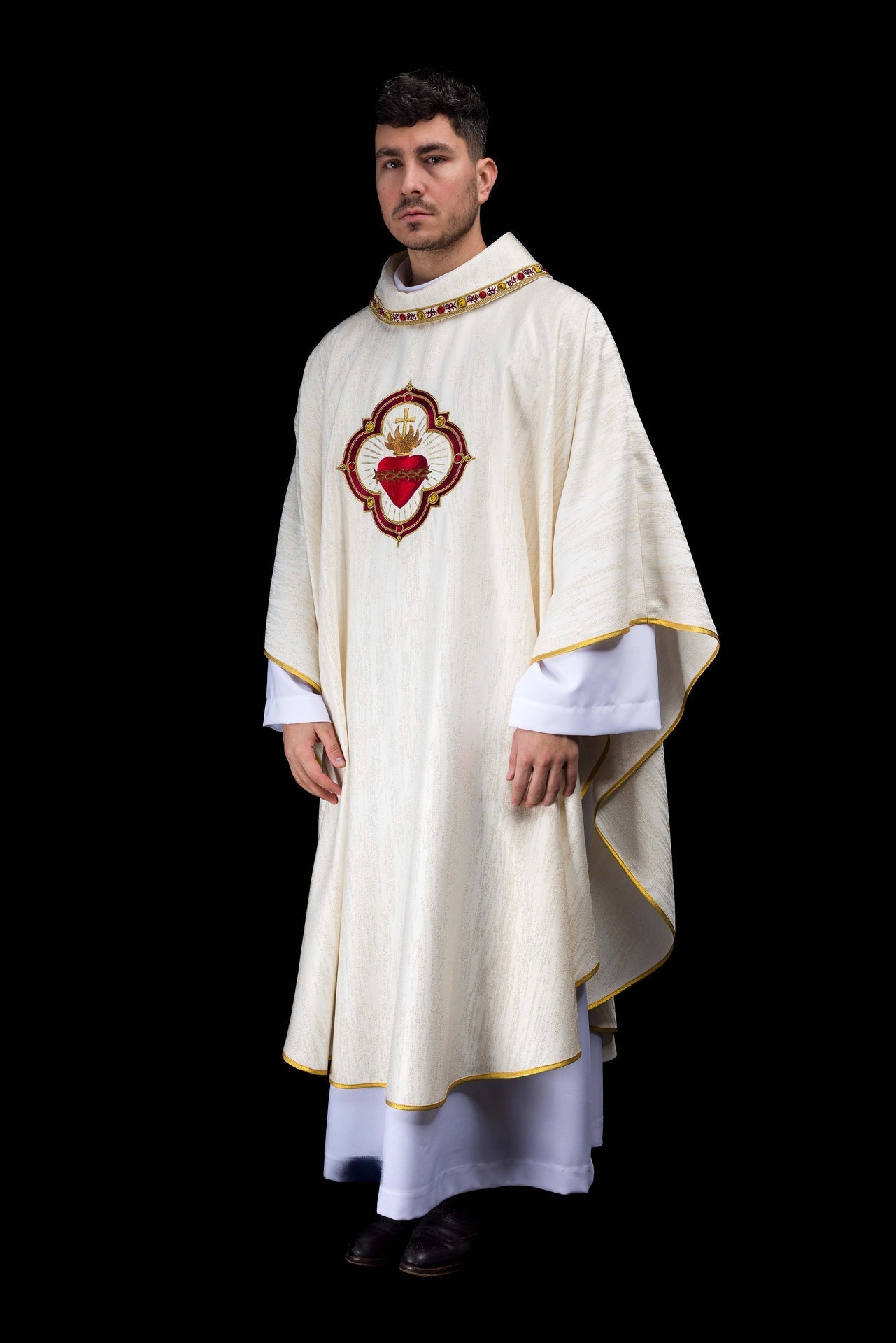
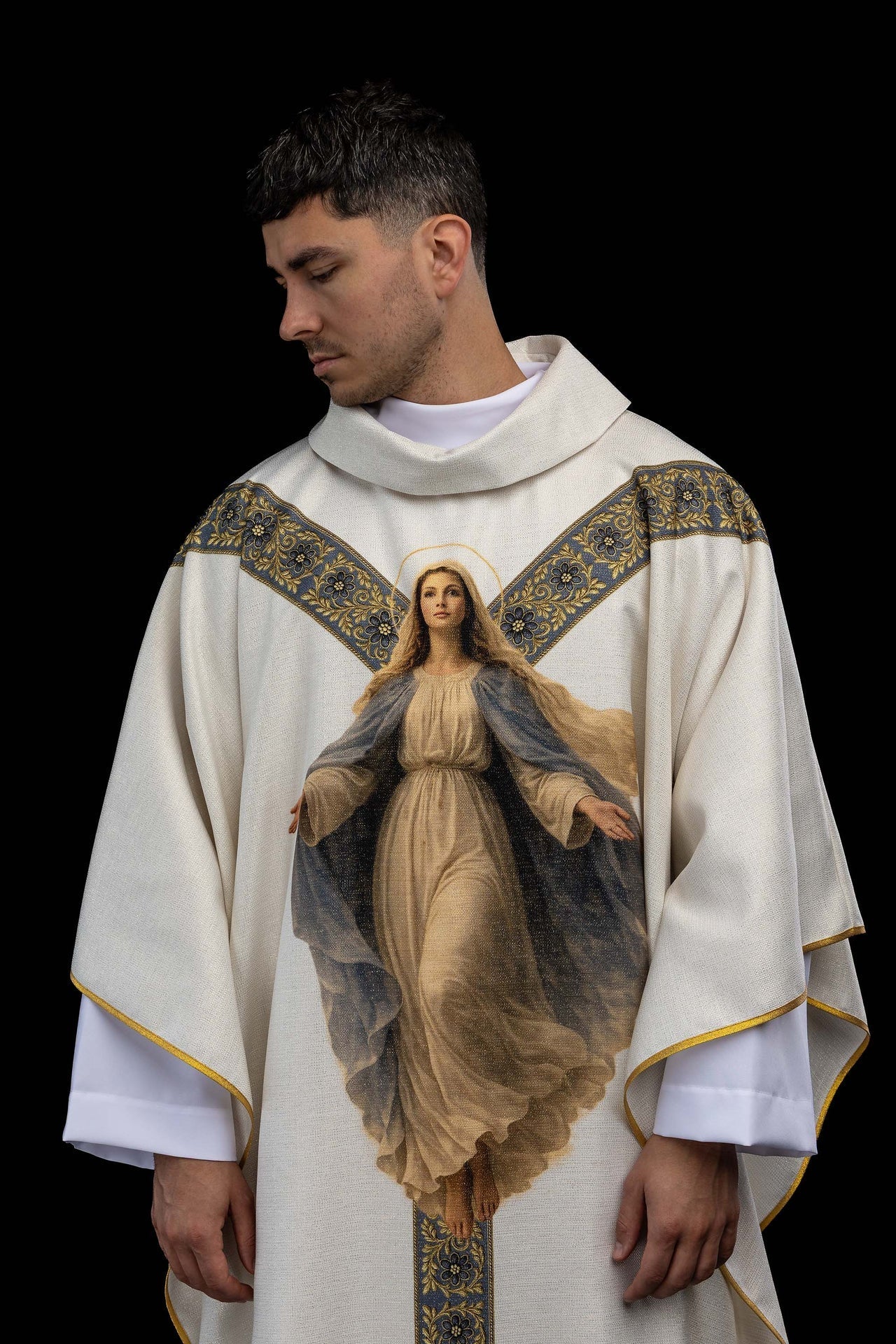
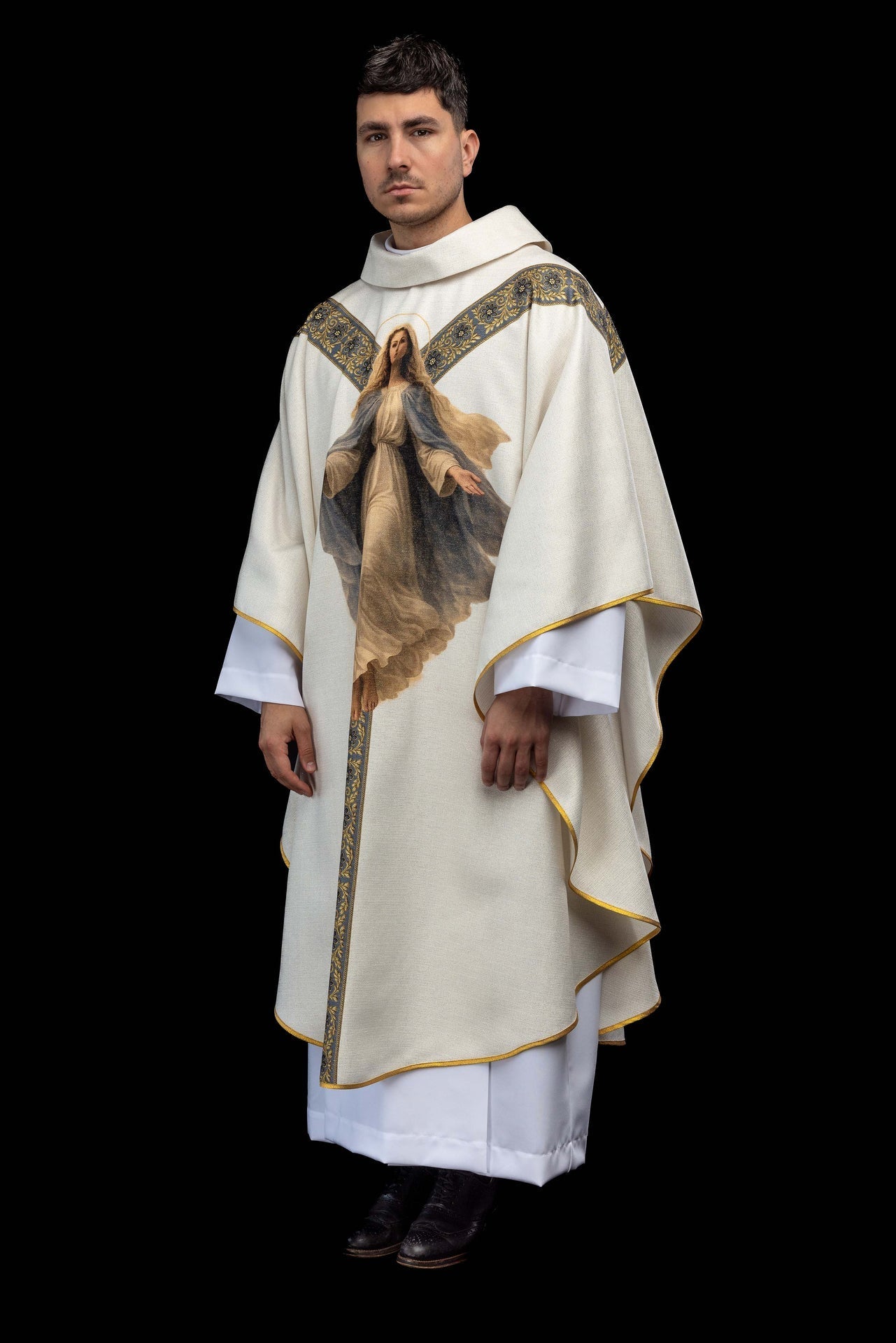
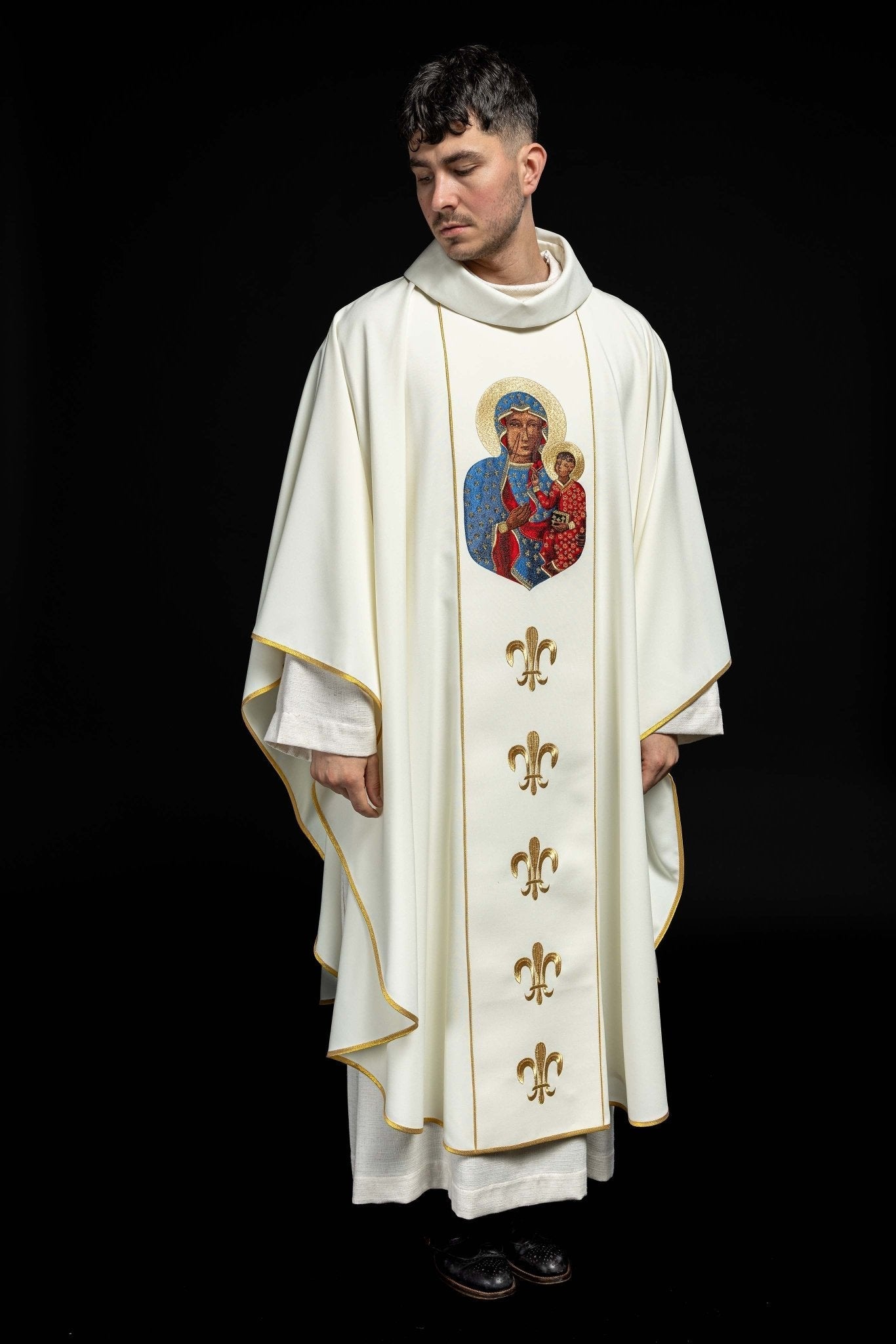
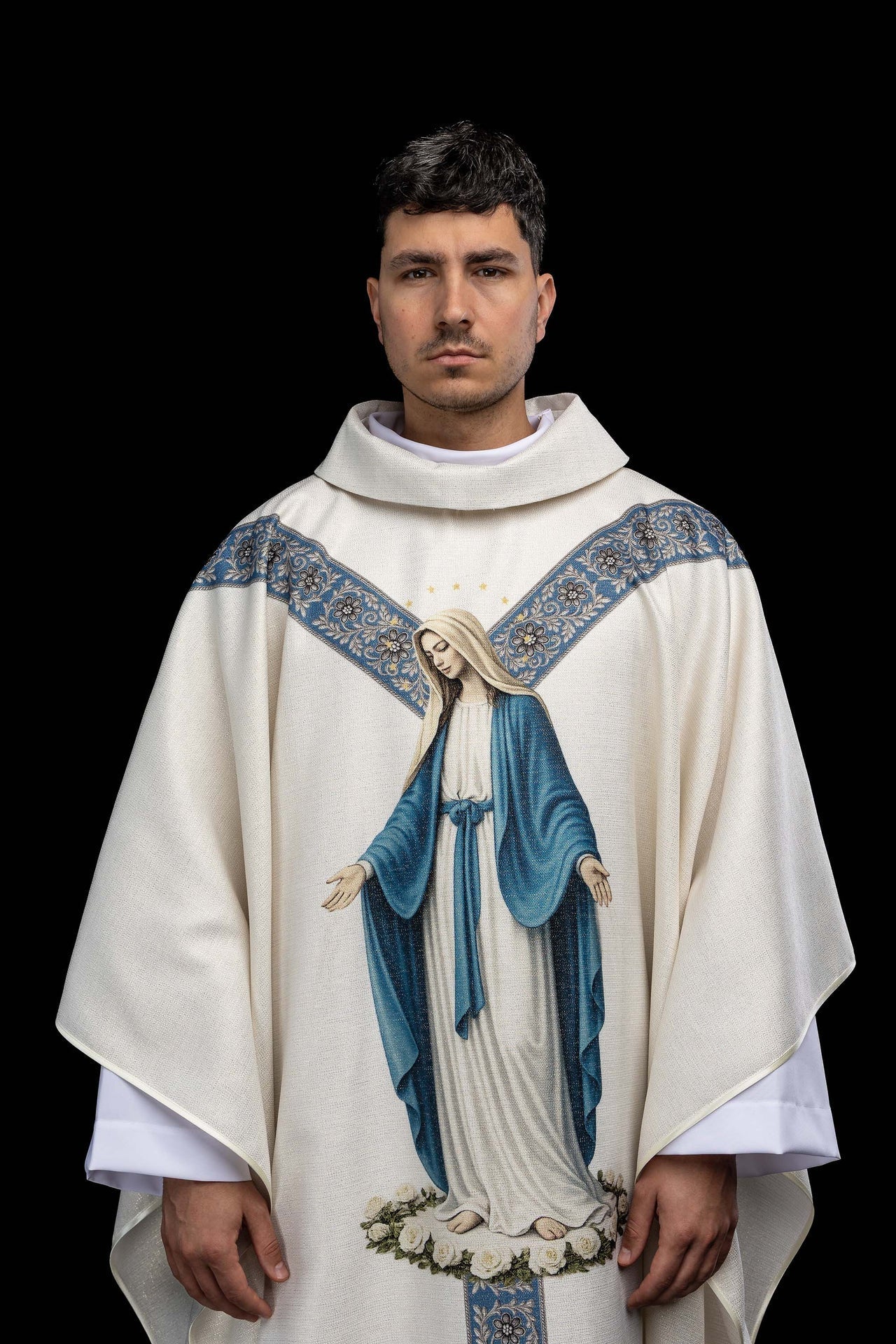
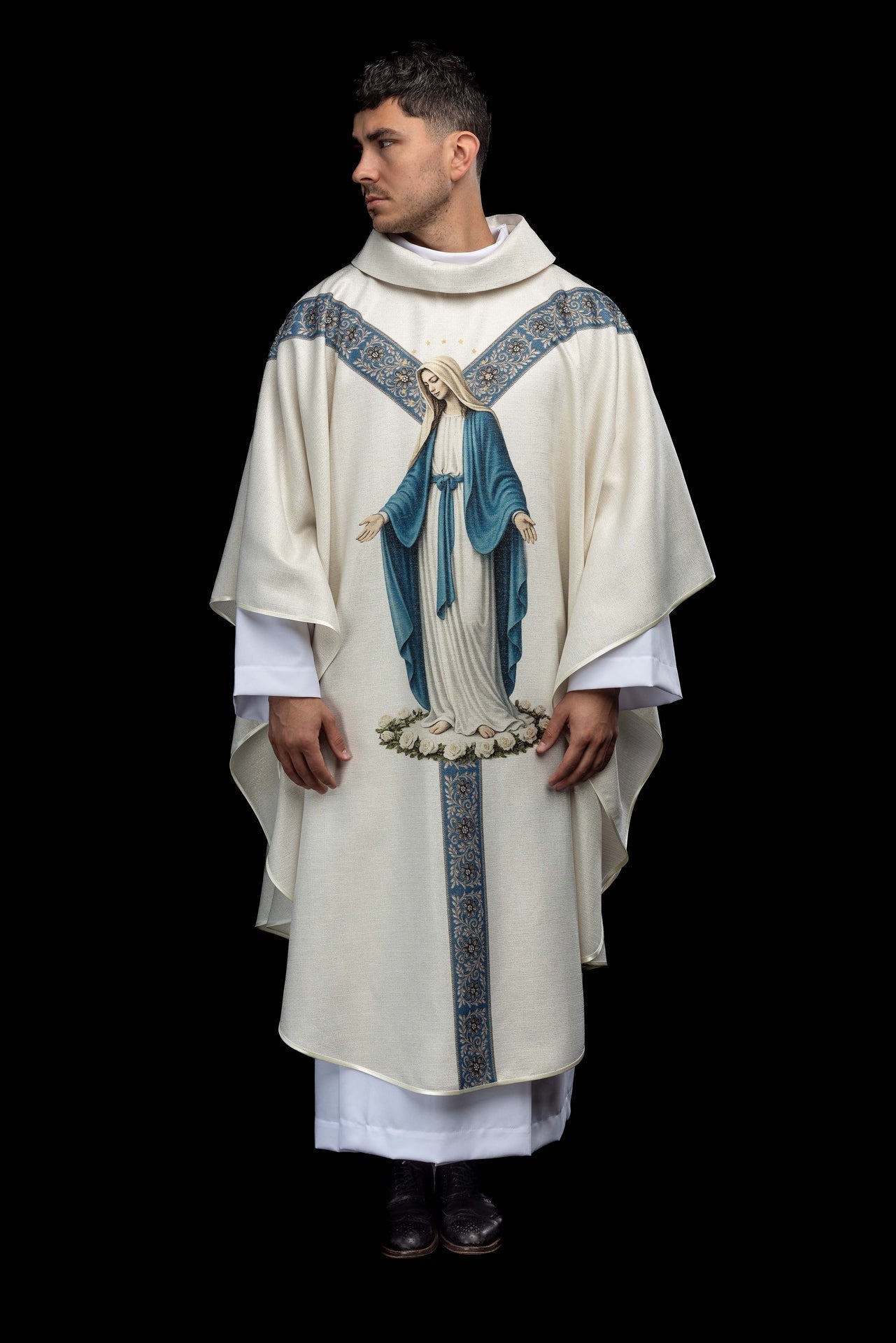
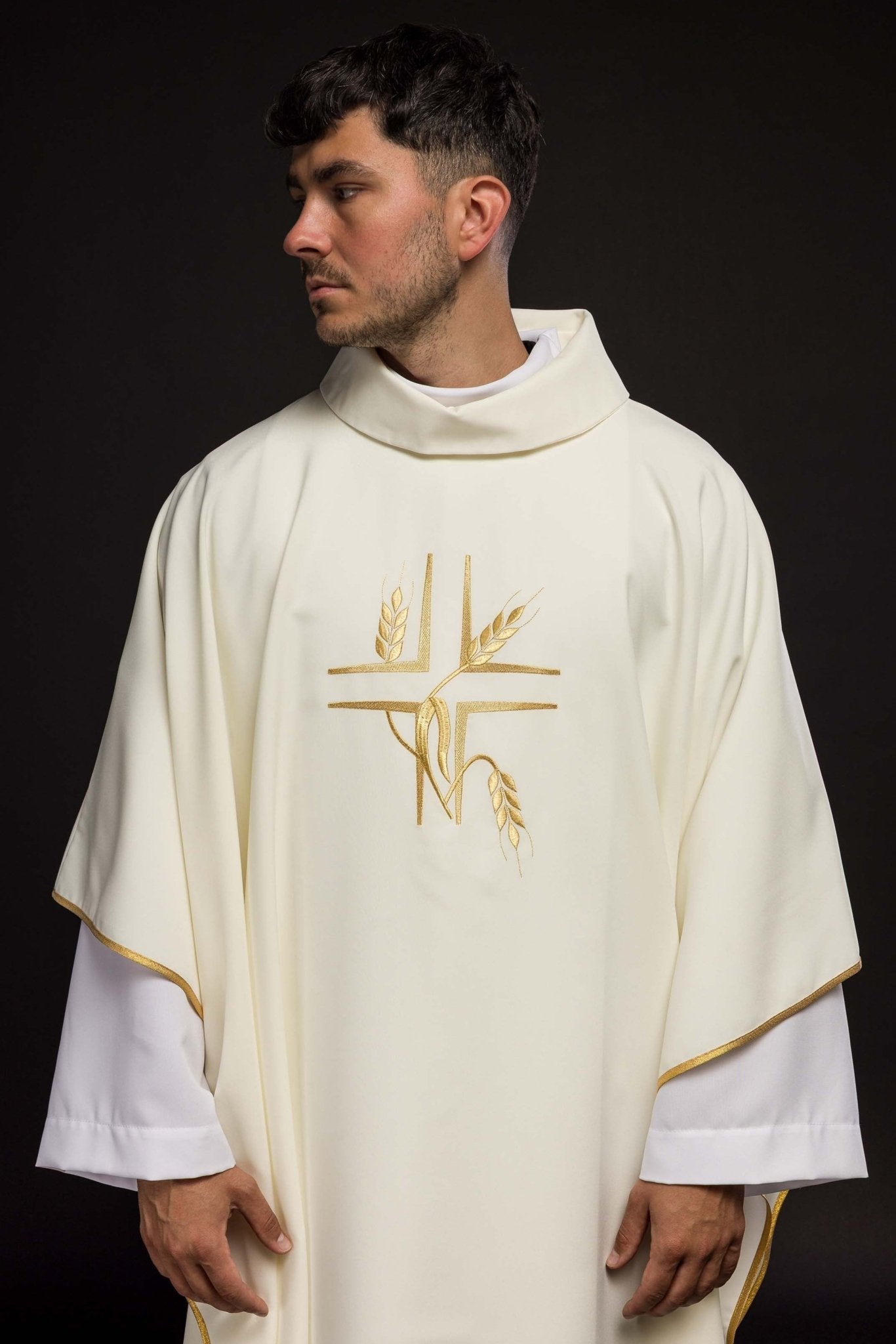
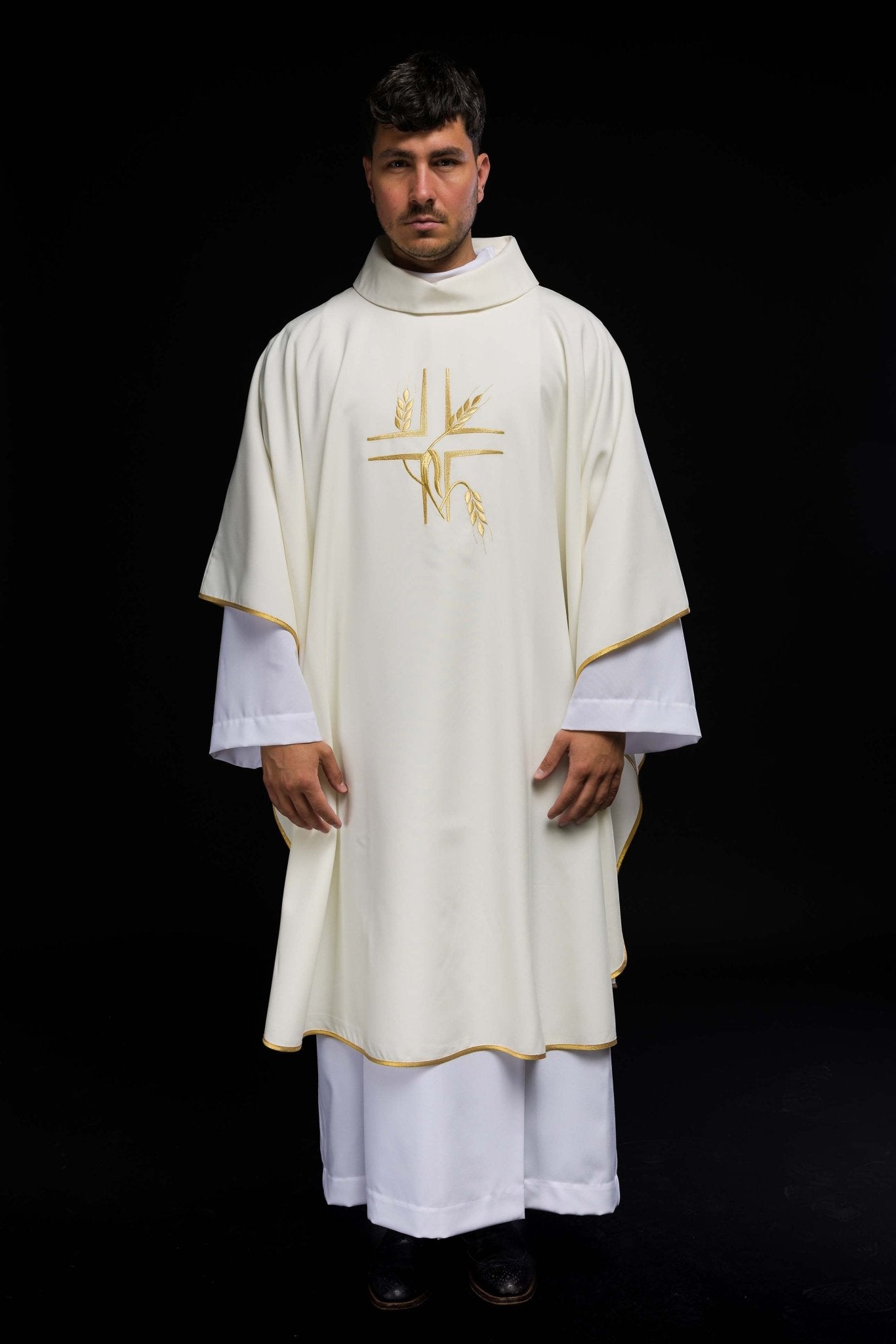
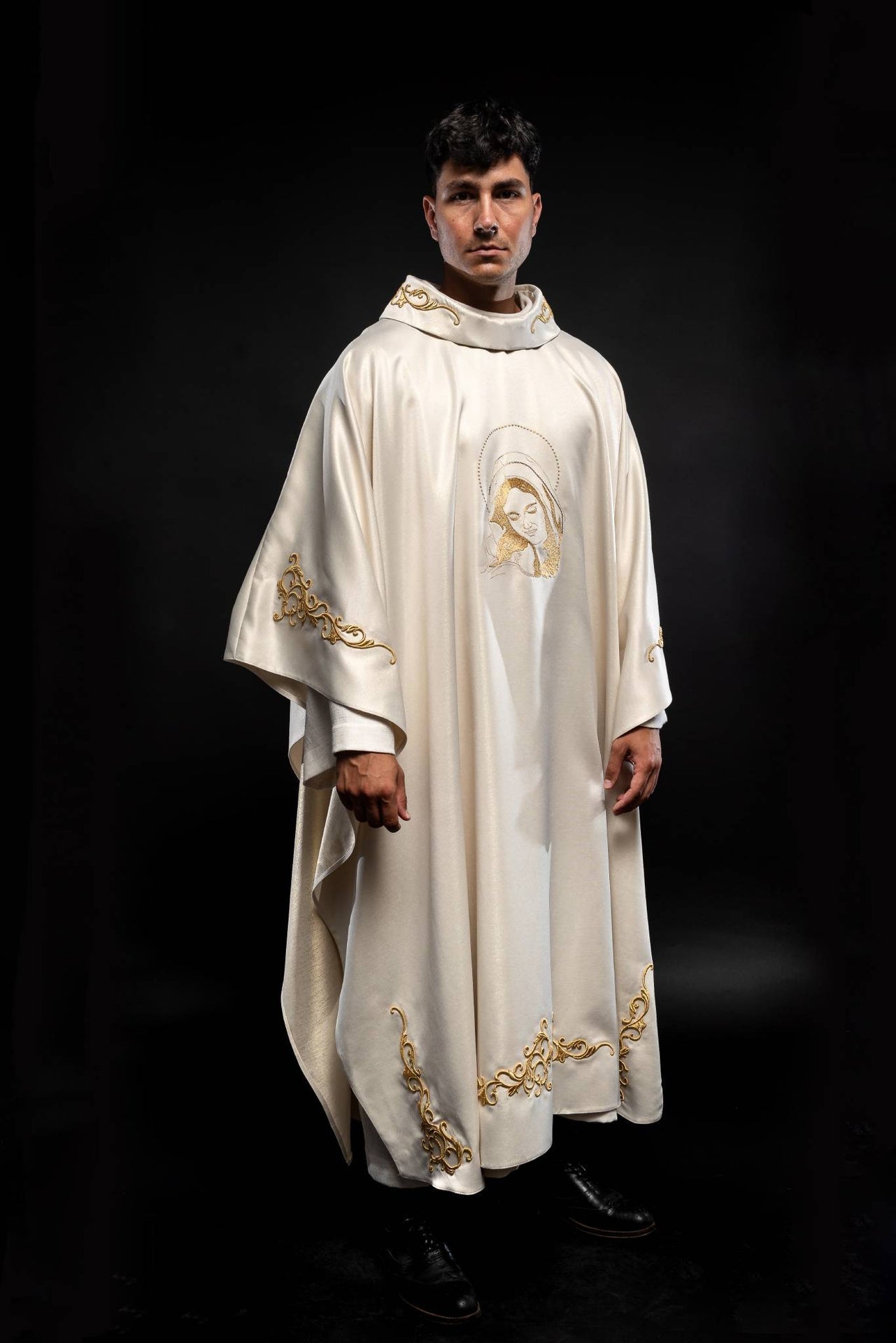
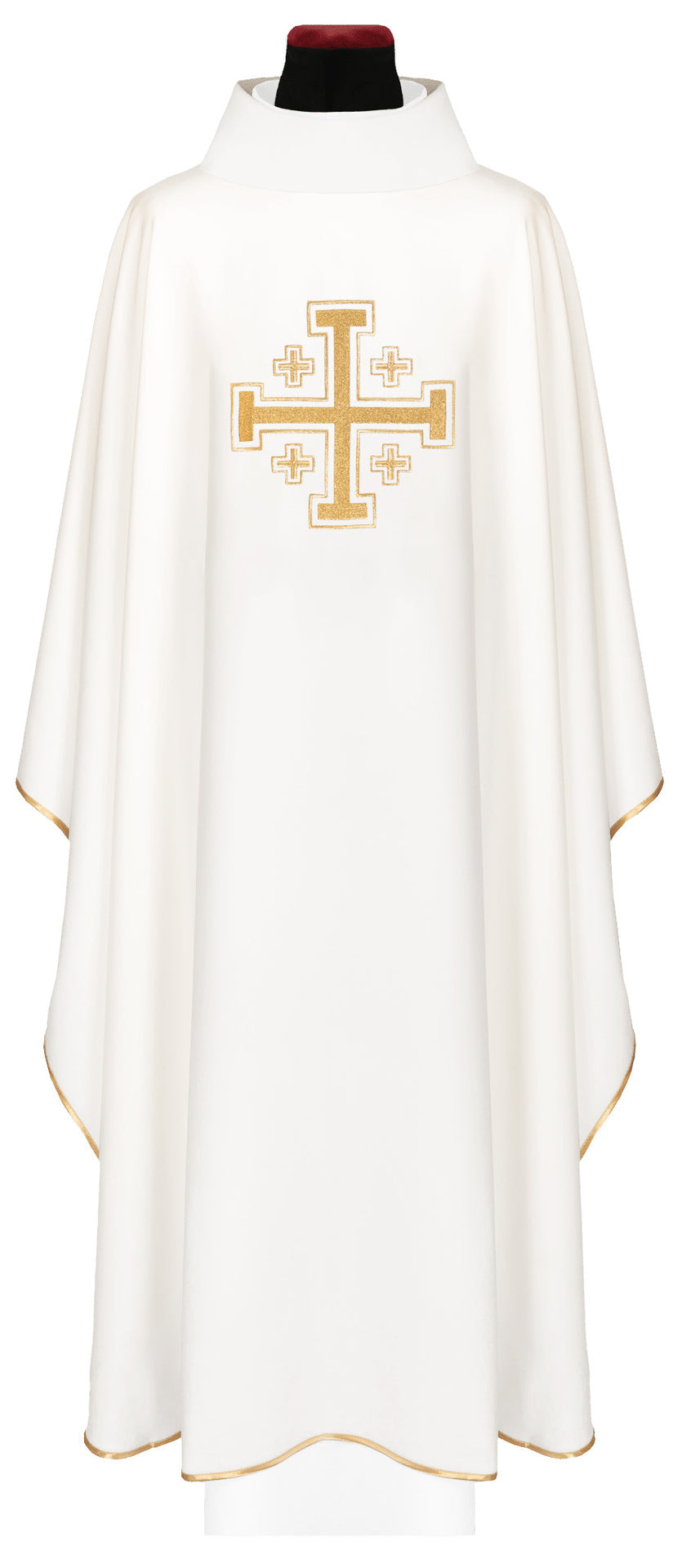
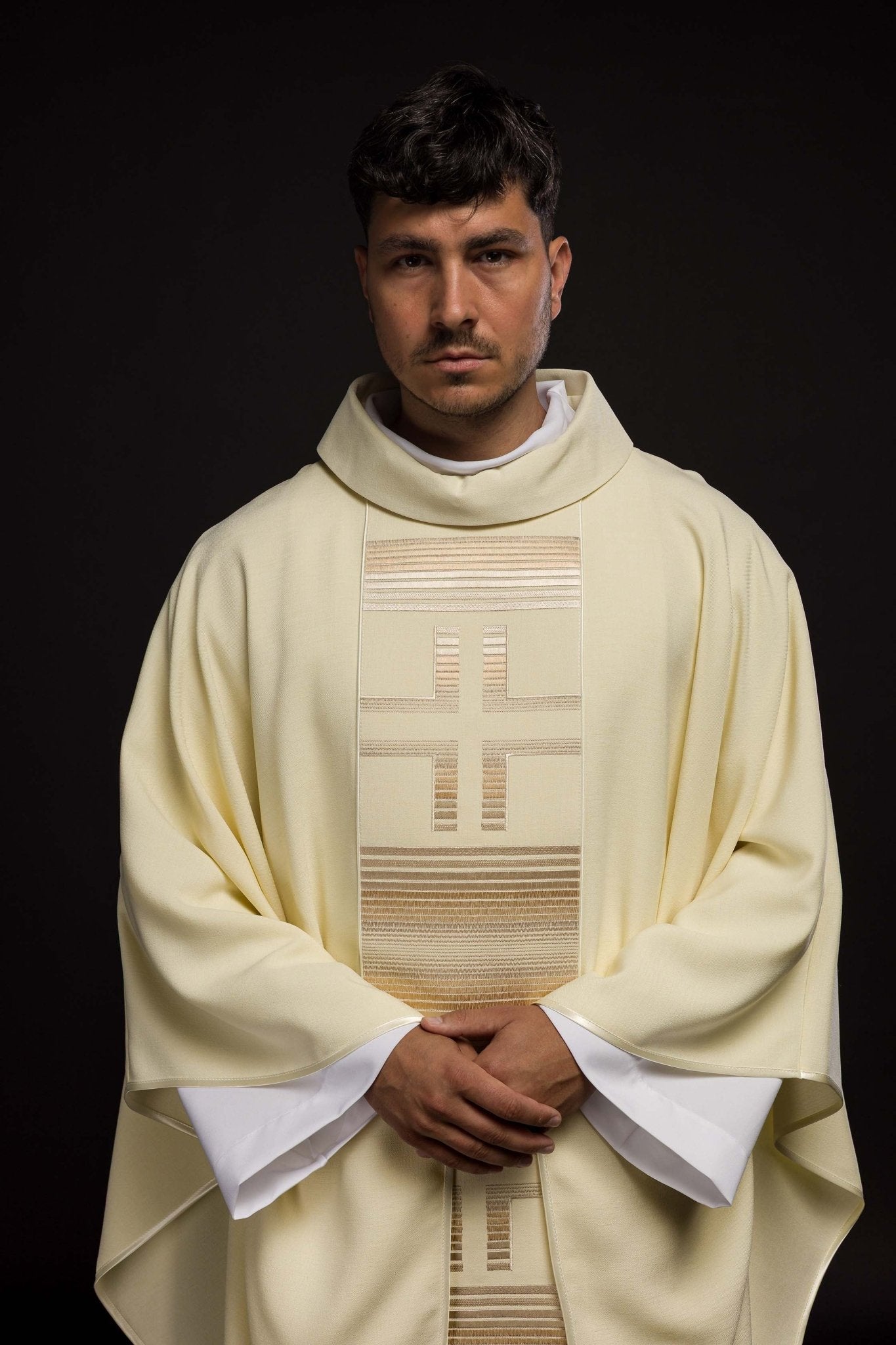
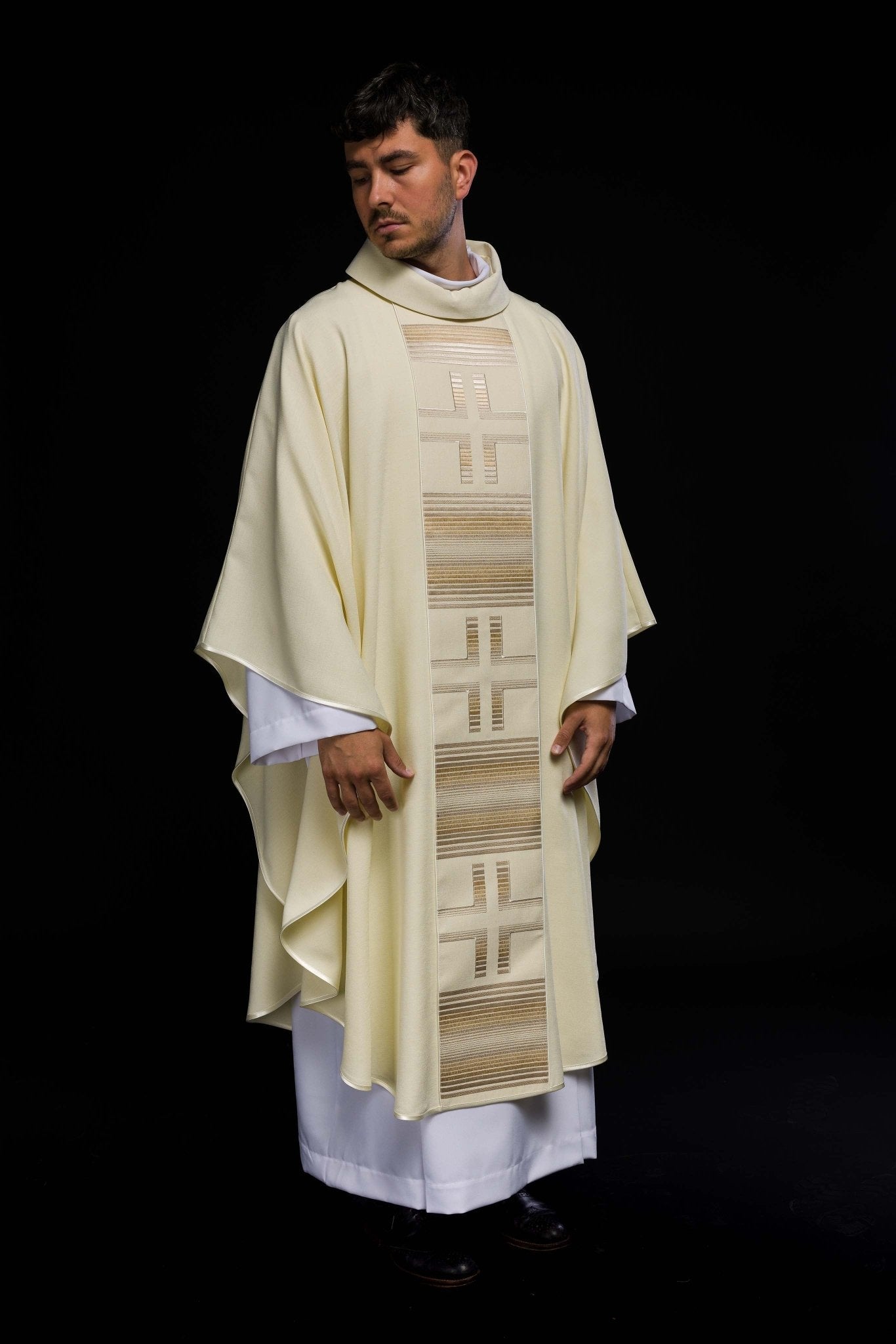
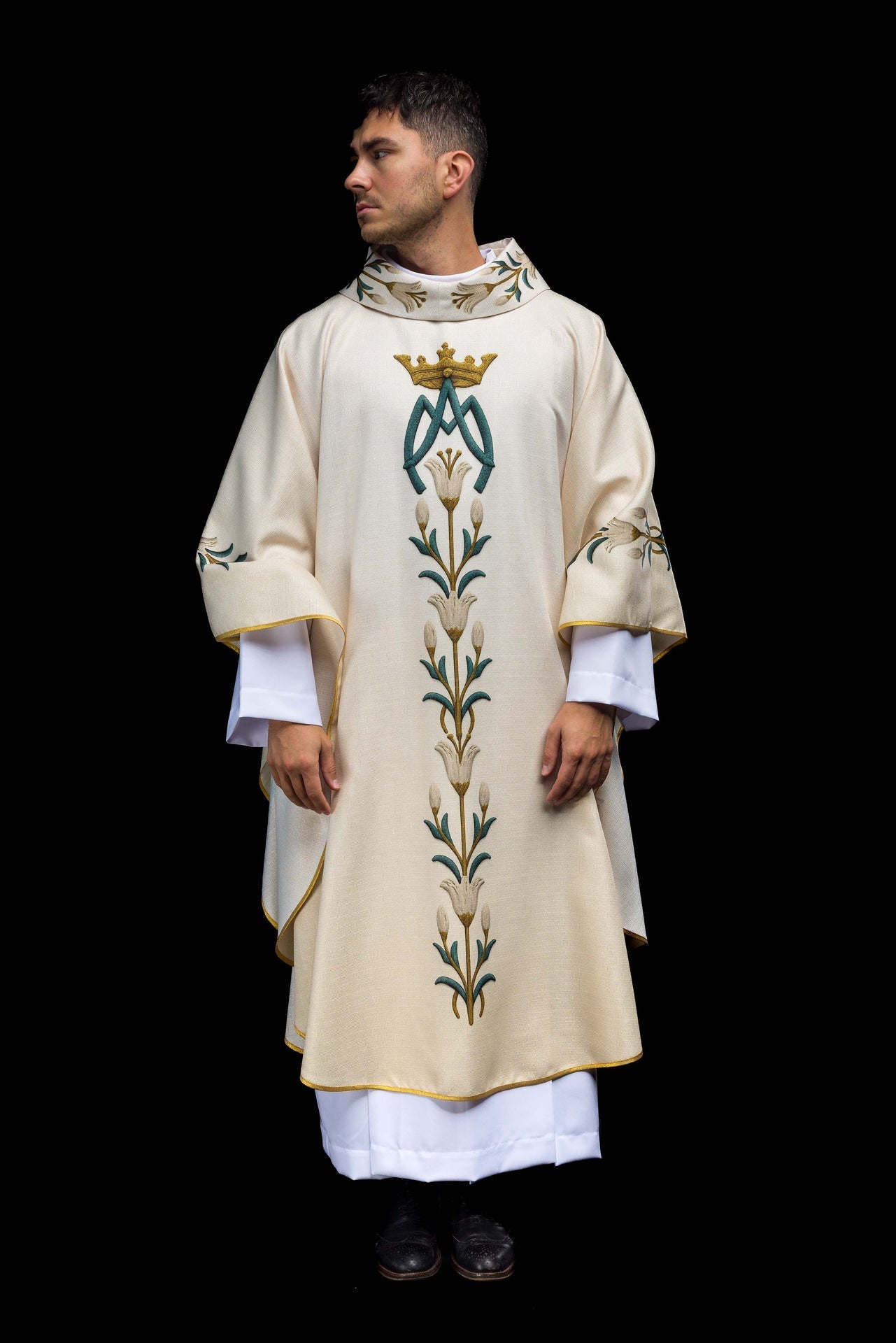
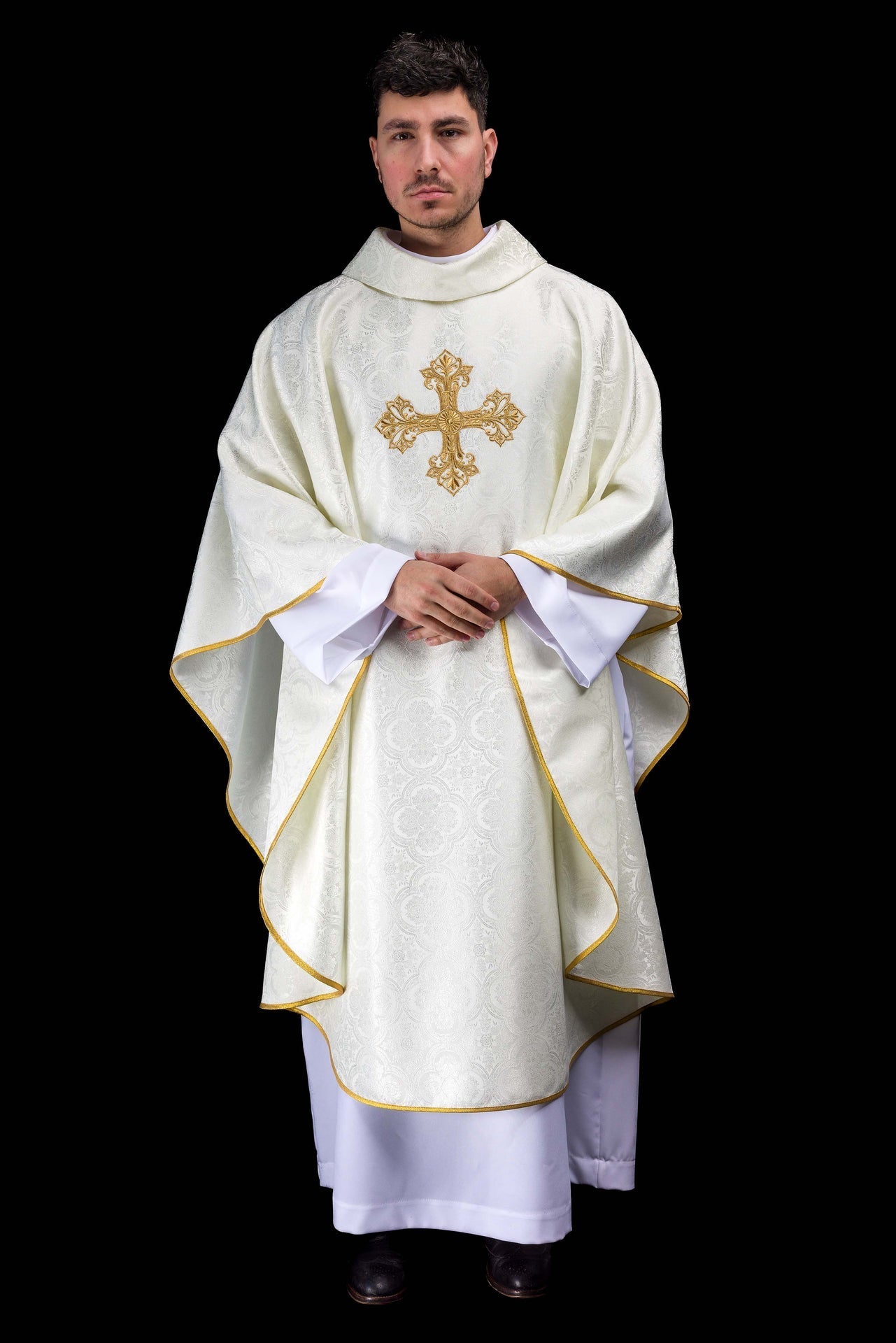
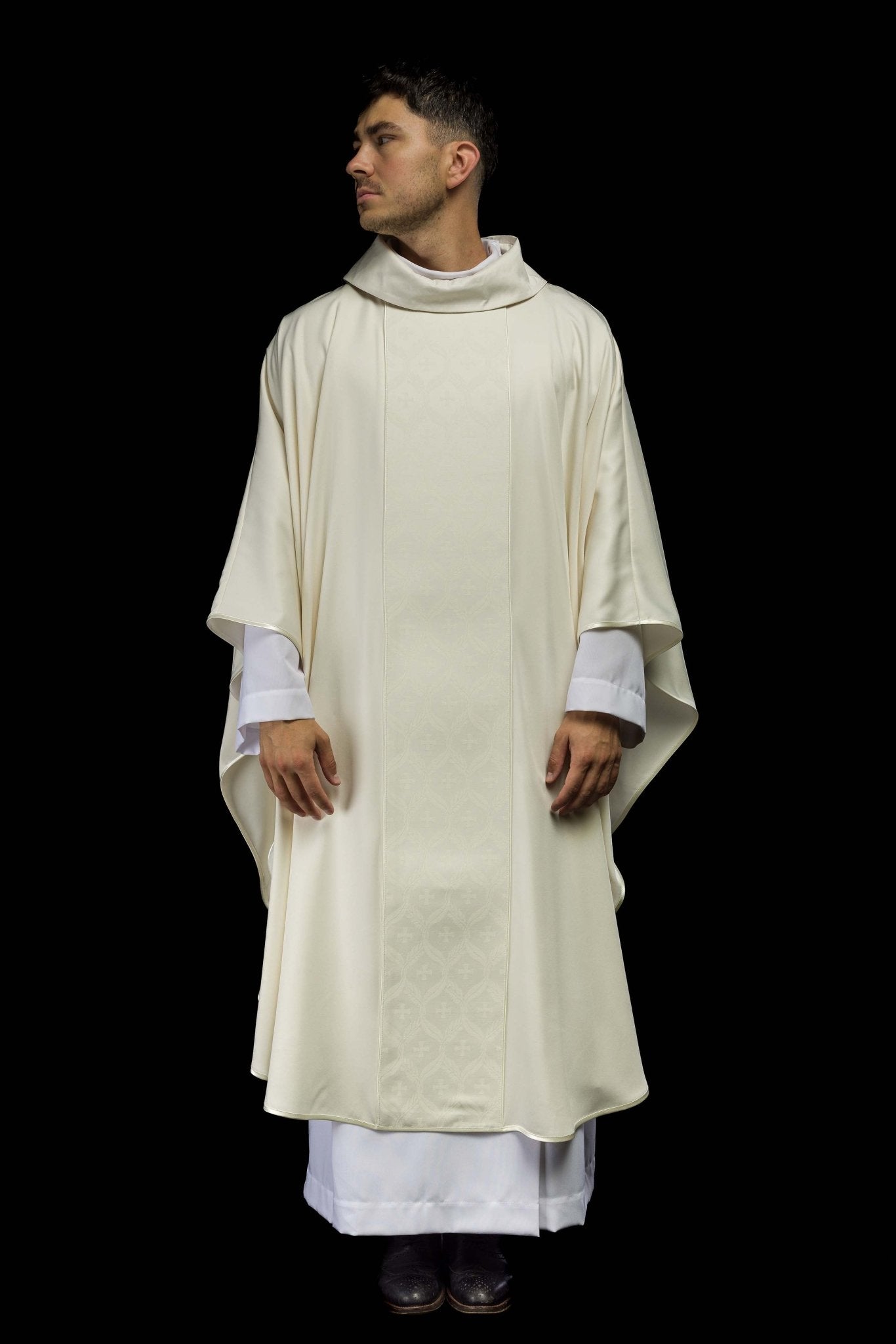
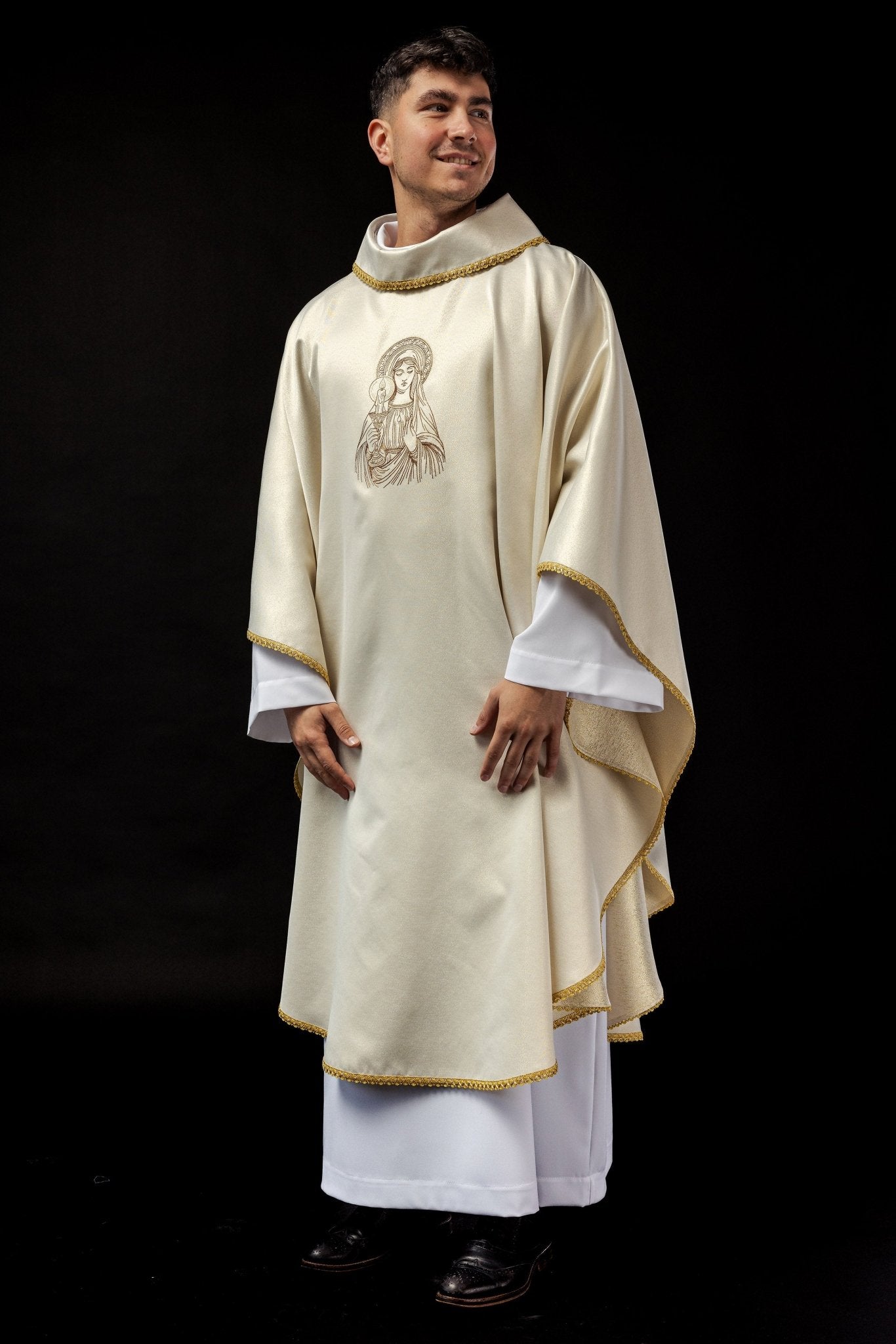
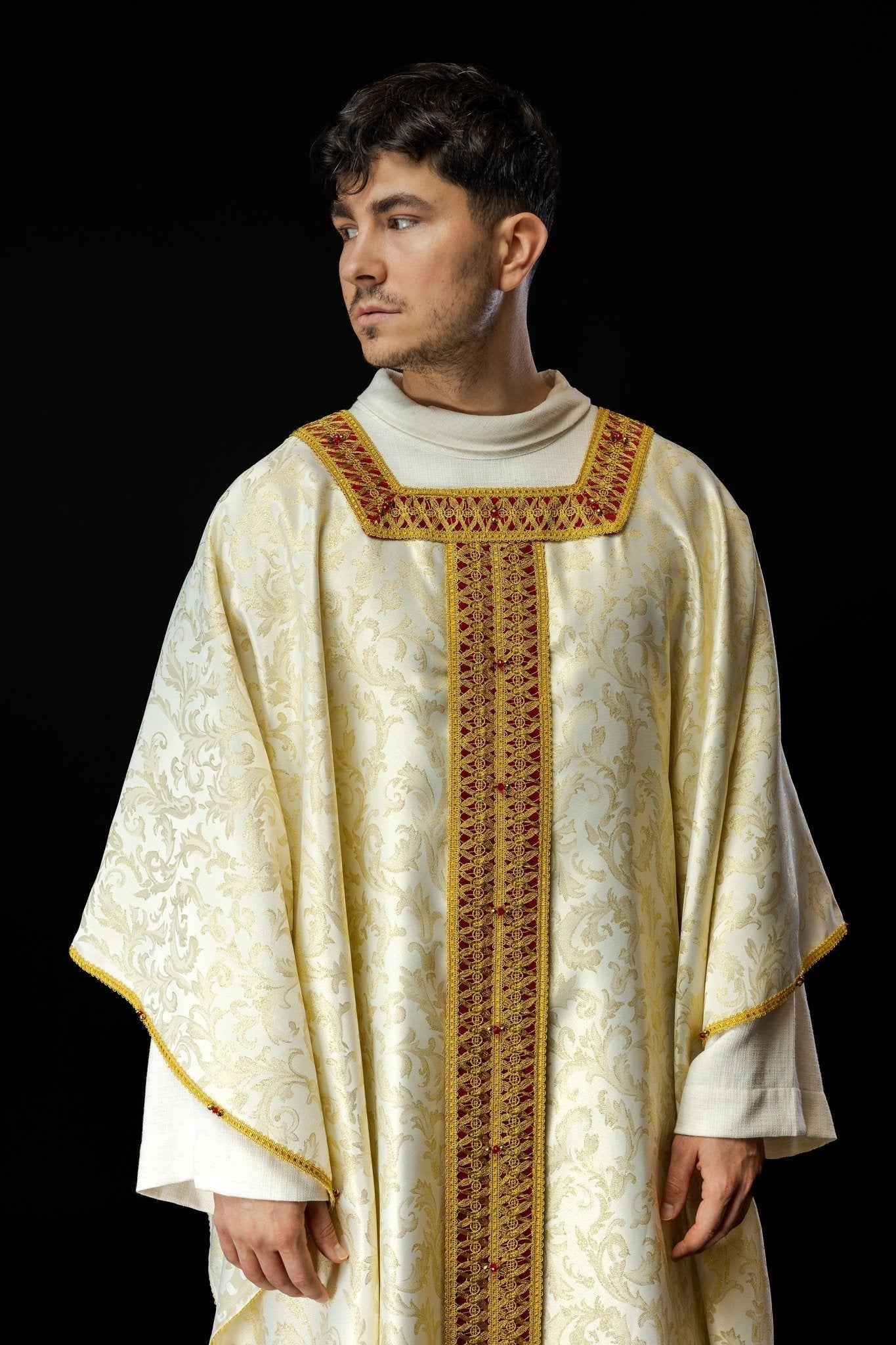
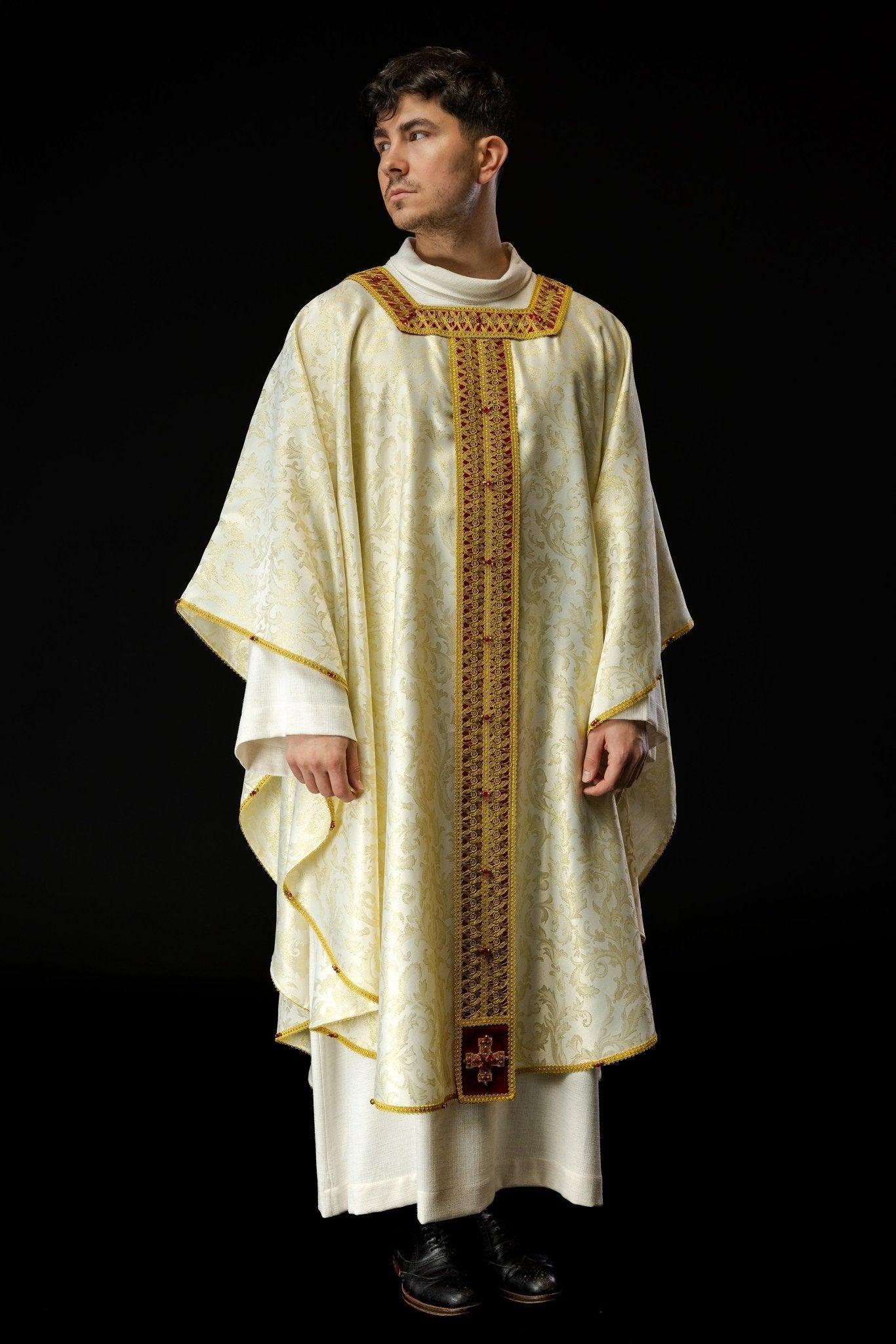
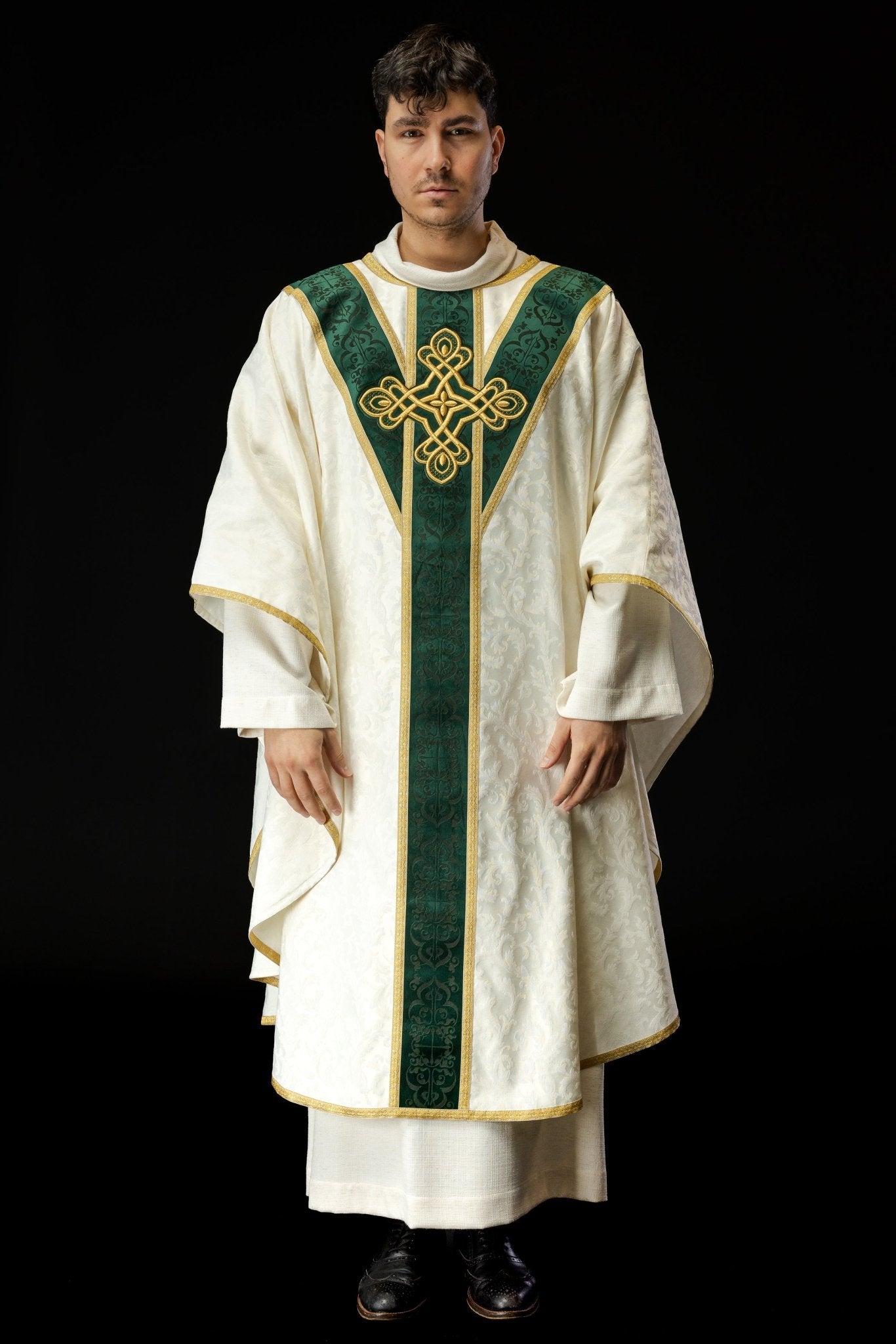
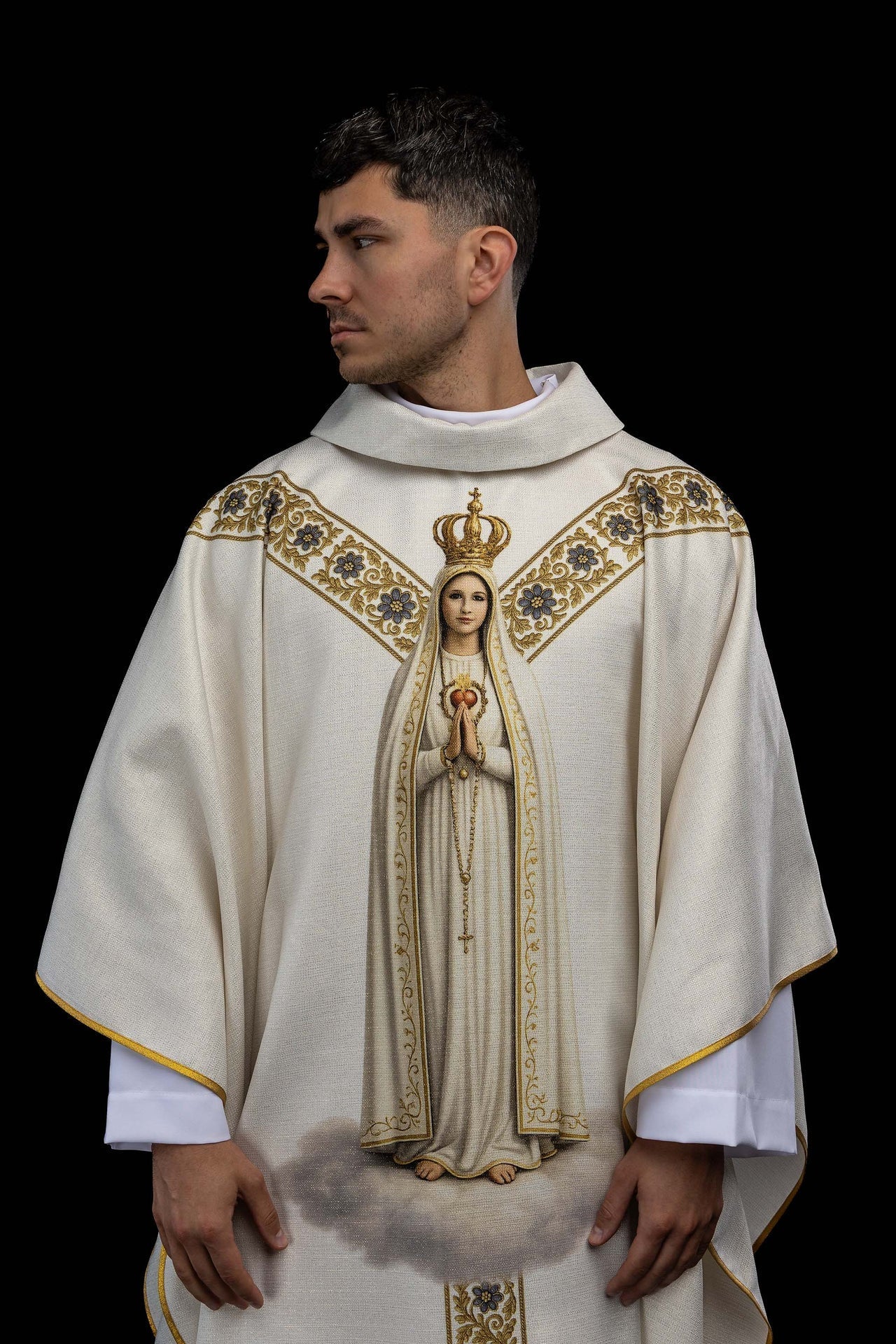
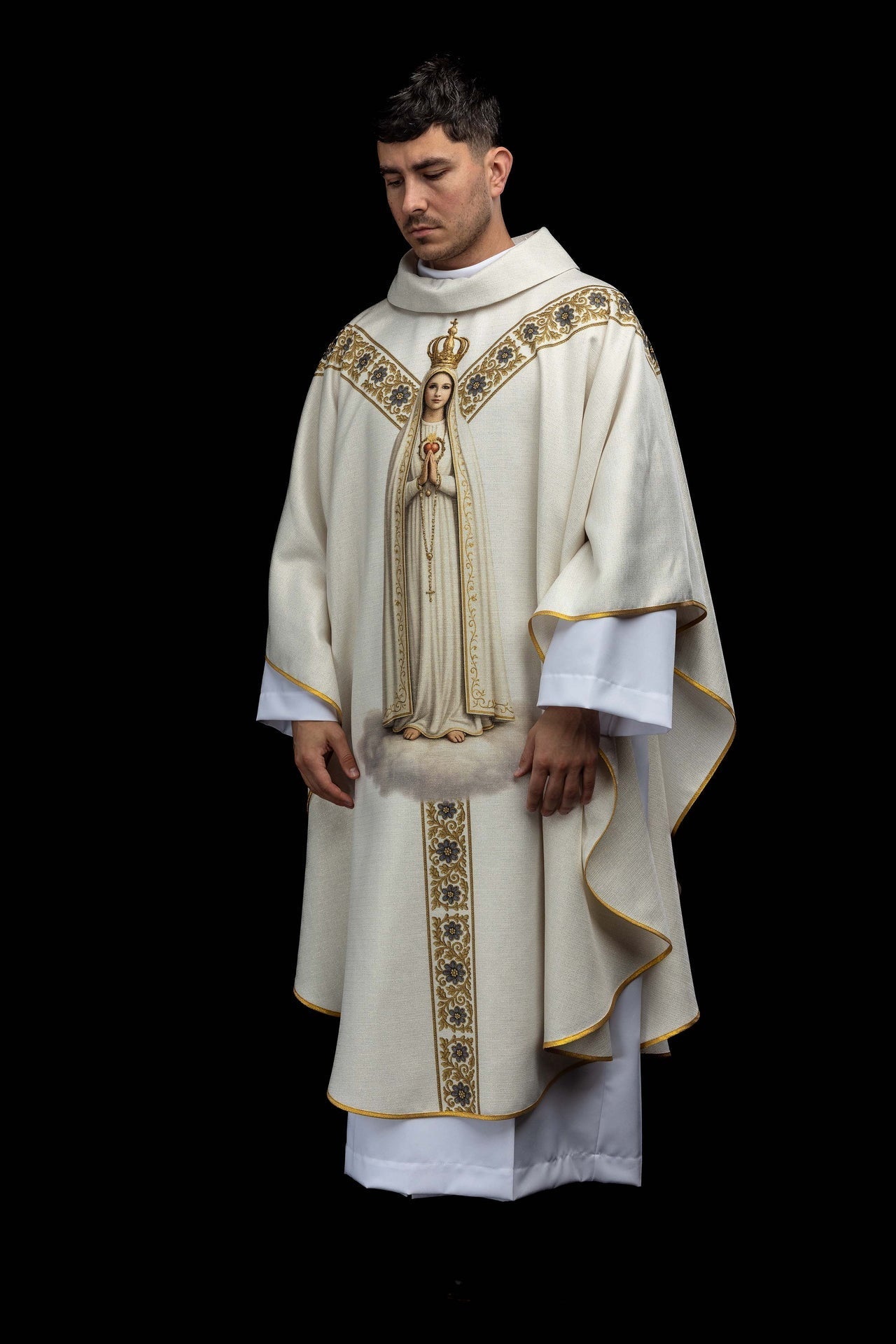
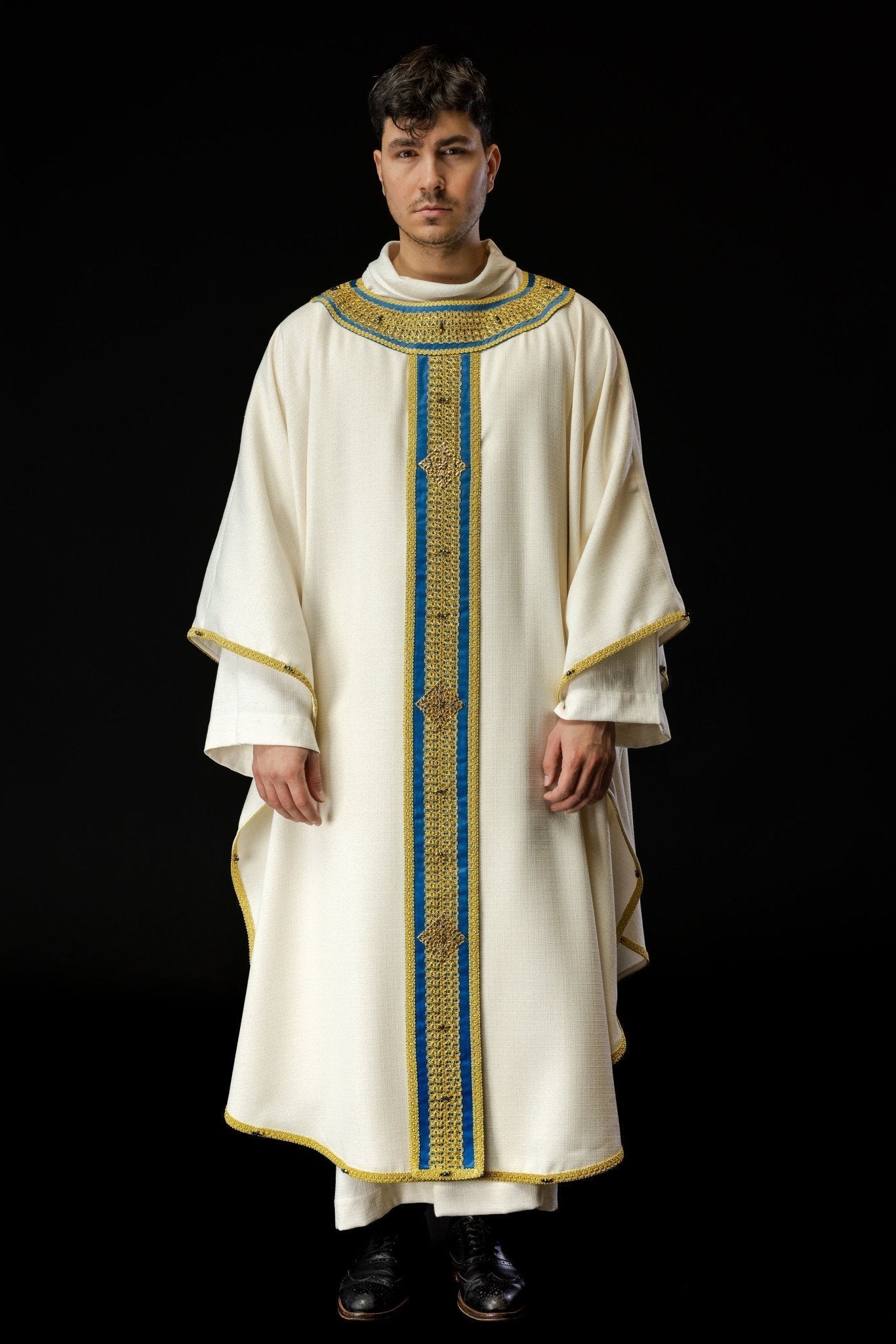
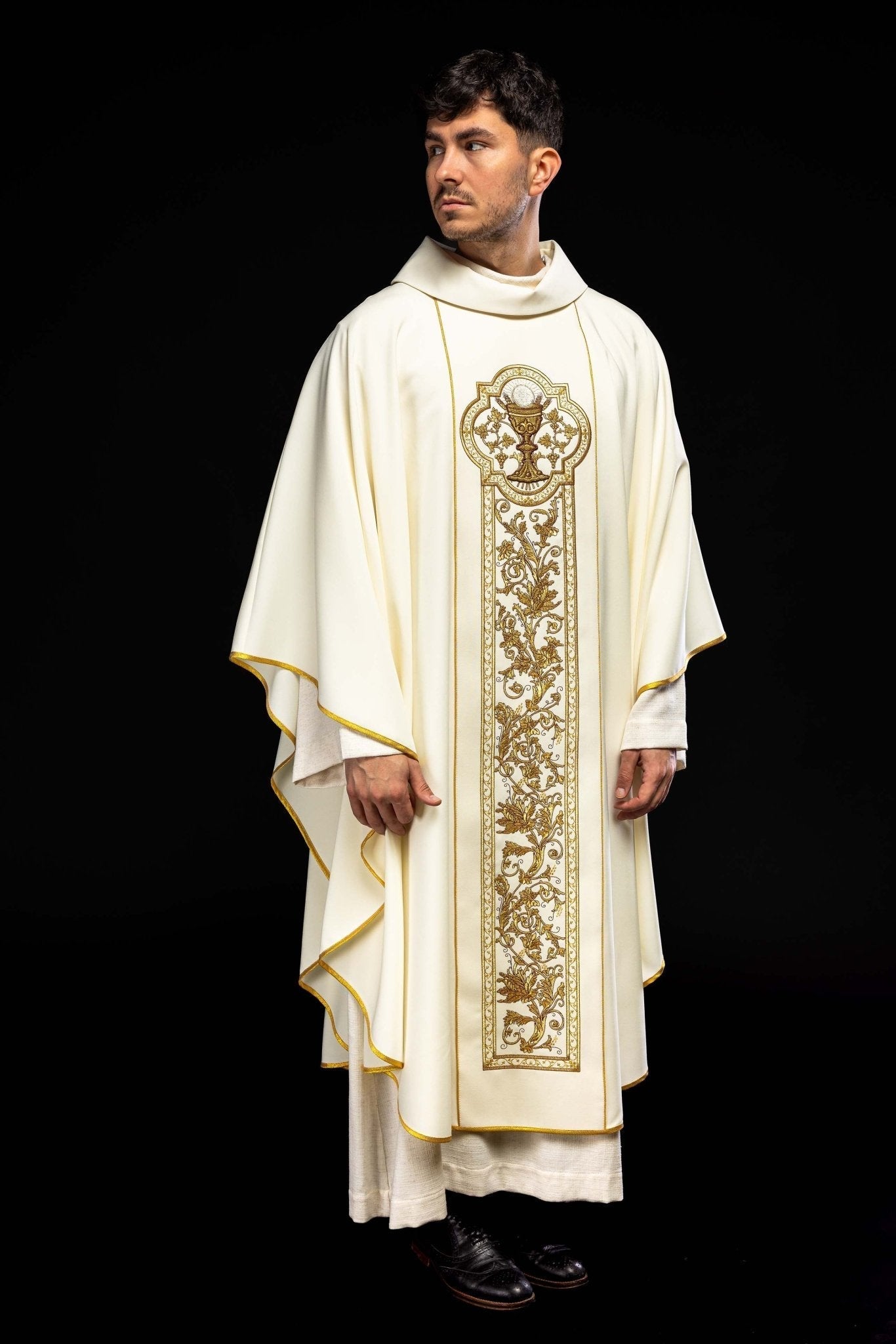
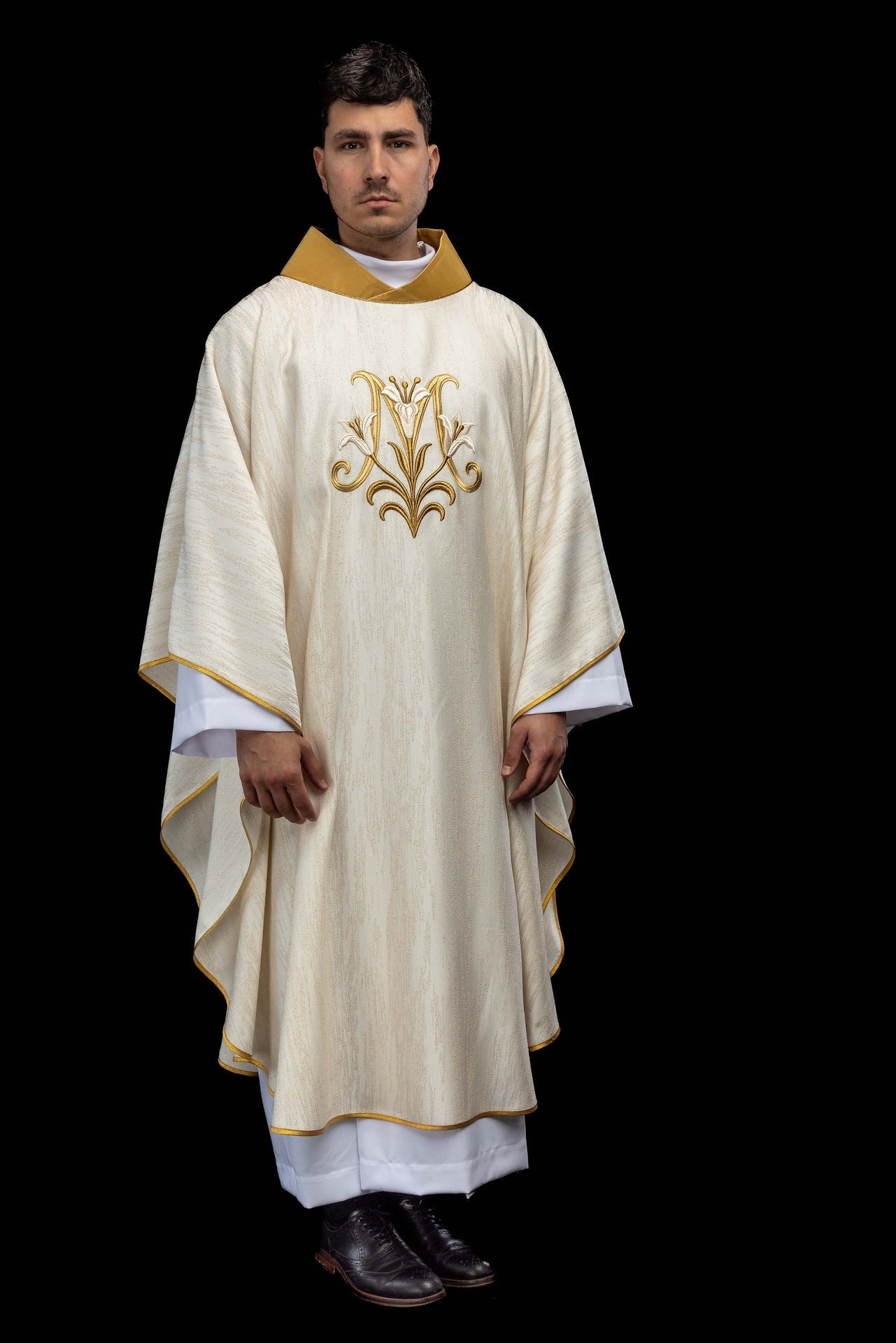
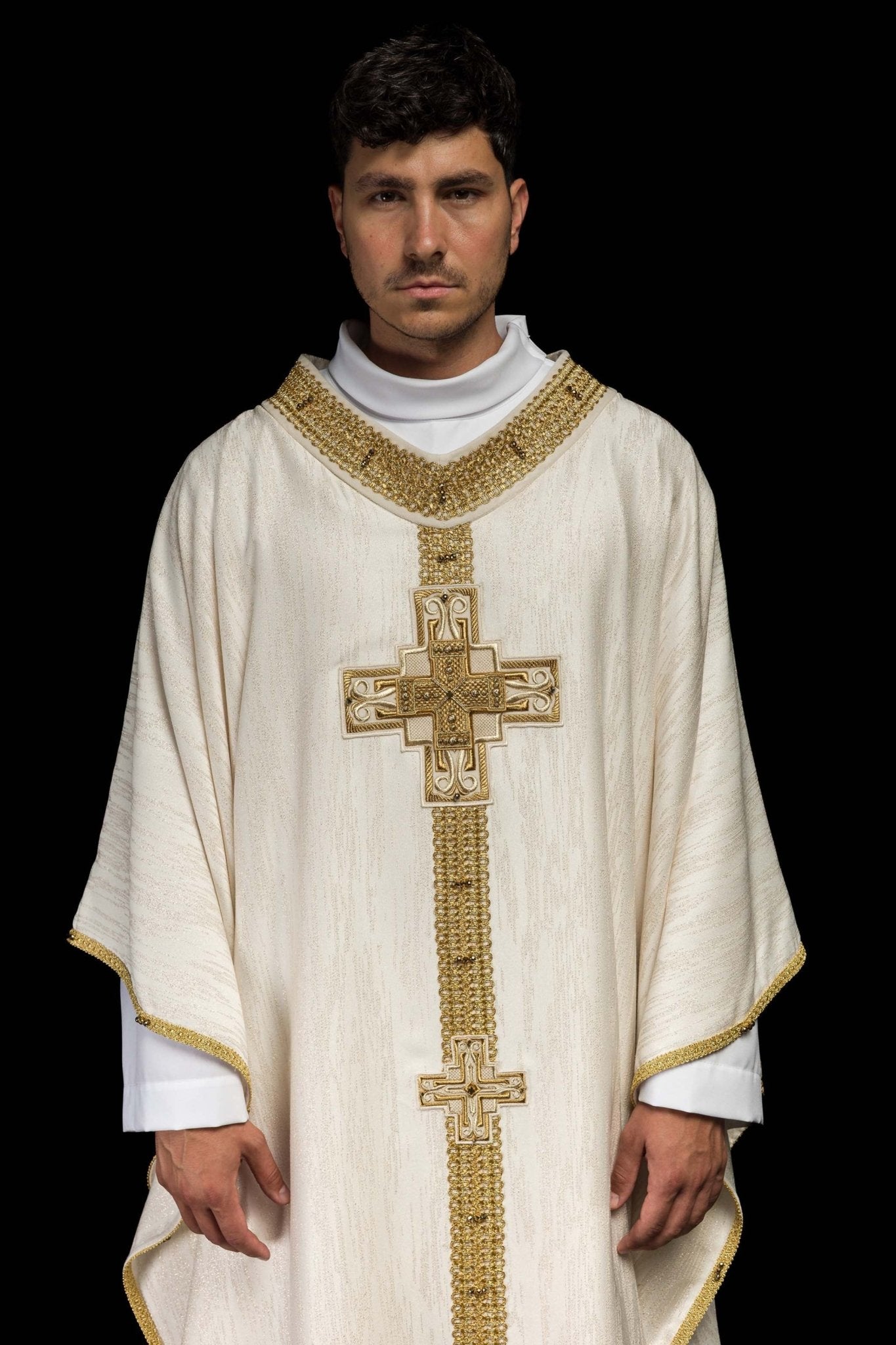
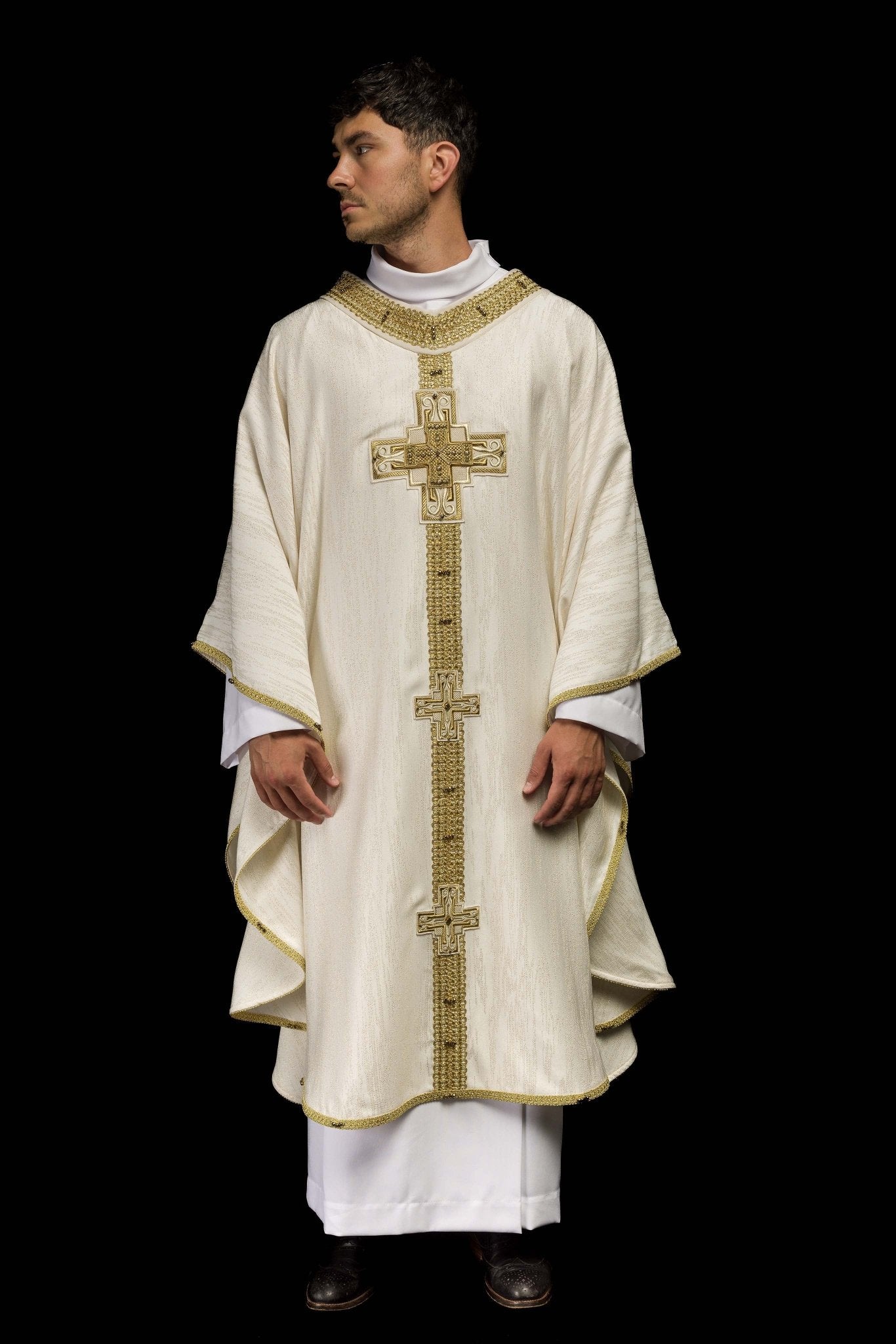
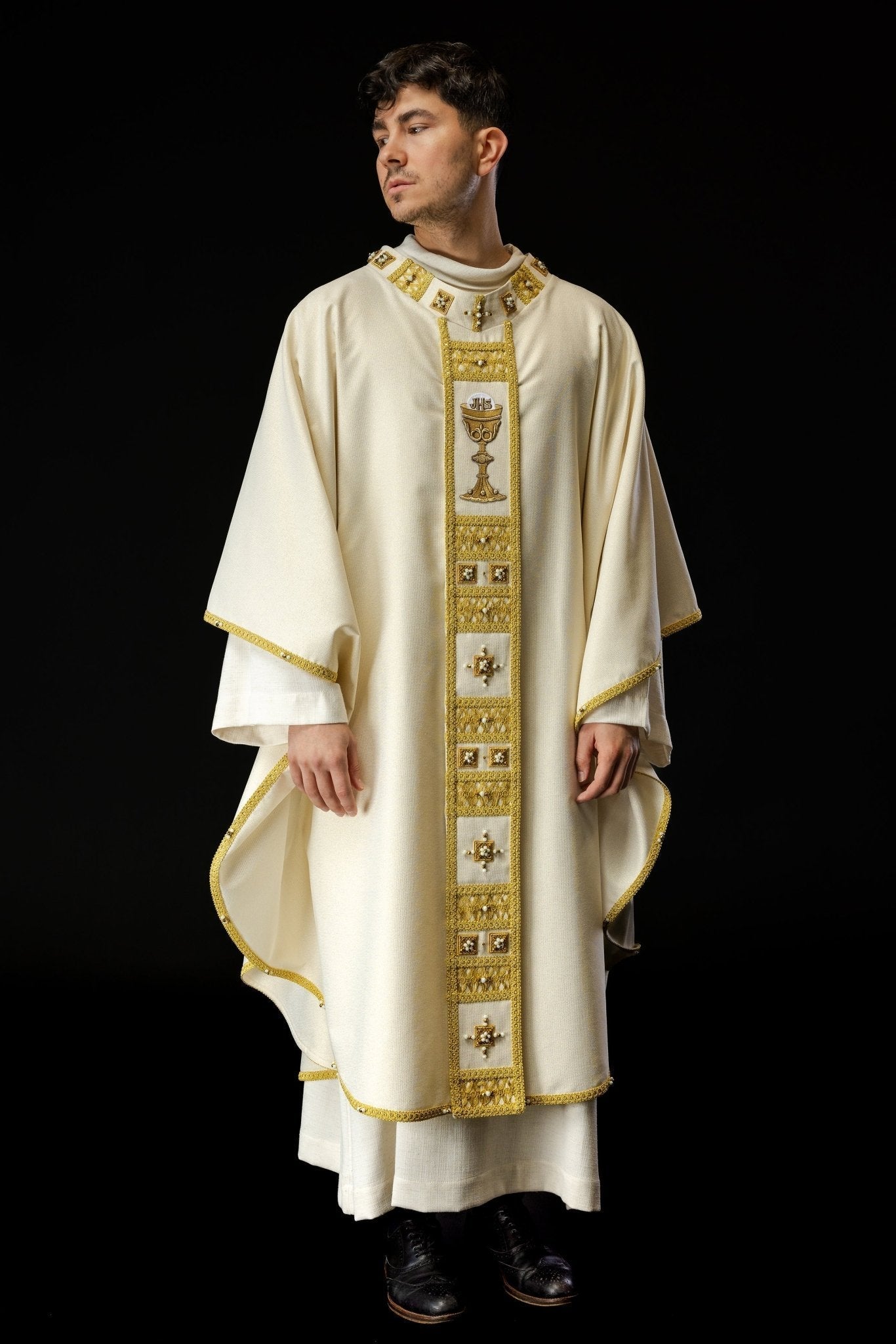
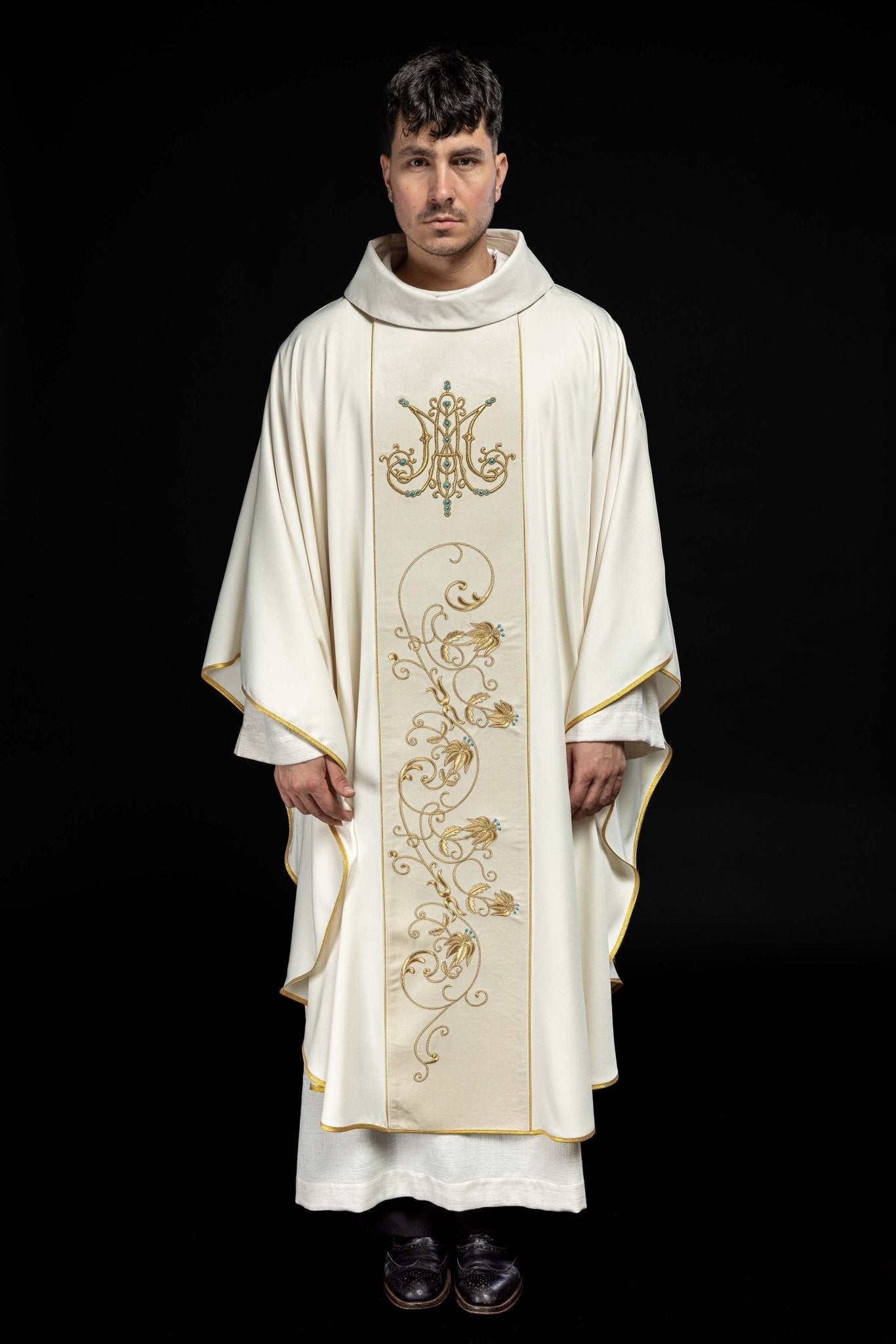
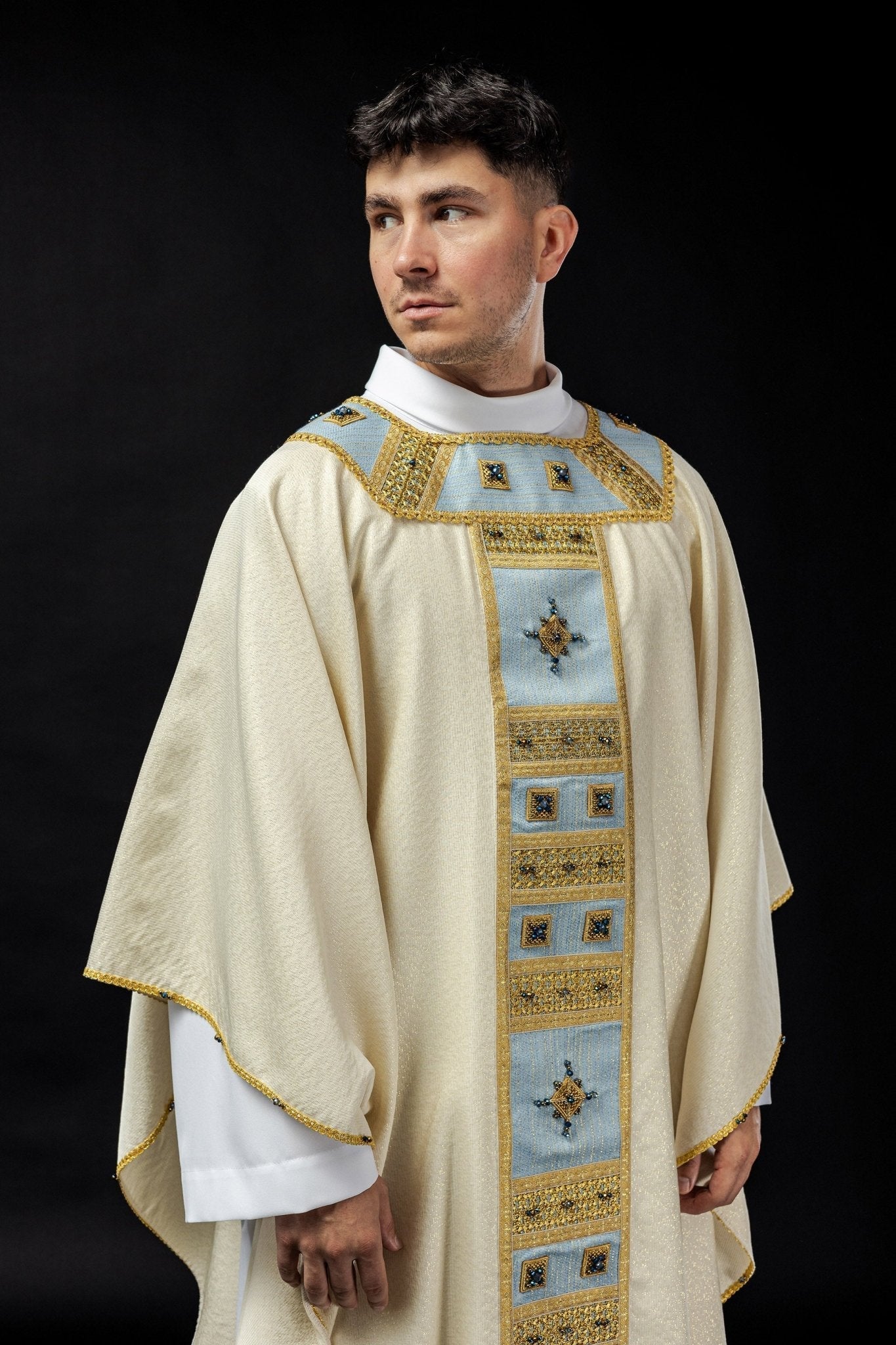
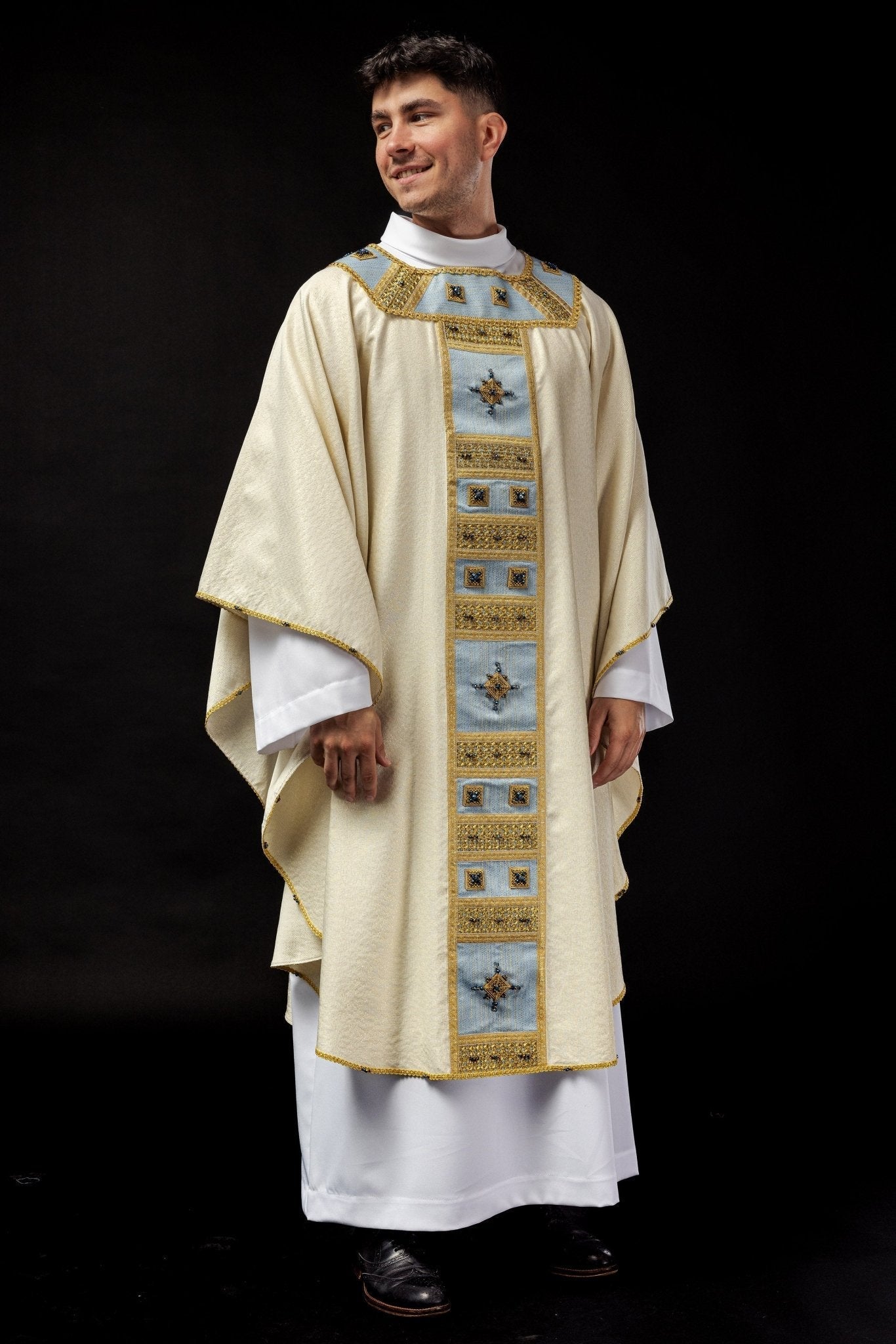
Liturgical vestments are essential garments worn by clergy during religious ceremonies, symbolizing the solemnity and spiritual significance of worship. Among these, the ecru chasuble stands out for its timeless elegance and versatility. Crafted from delicate fabrics and often adorned with intricate embroidery and gold accents, the ecru chasuble is a classic choice for both special celebrations and everyday use. Its creamy off-white hue allows it to complement various liturgical seasons, making it a favored option for clergy seeking a balance of tradition, style, and reverence. The thoughtful design and quality of these vestments not only enhance the beauty of the ceremony but also deepen the sense of meaning and connection for all participants.
The Symbolism and Significance of Ecru Chasubles
Ecru chasubles hold a special place in liturgical vestments, representing purity, joy, and solemnity. The color ecru, a creamy off-white, offers a softer, more subdued alternative to stark white, making it particularly versatile for various liturgical seasons and celebrations. Understanding the symbolism behind ecru enhances the reverence and meaning of the Mass, connecting the priest and the congregation to the deeper spiritual significance of the service.
Why Choose an Ecru Chasuble? Versatility and Timelessness
Ecru chasubles are favored for their exceptional versatility. They are appropriate for:
-
Easter Season: Representing the joy and new life of the Resurrection.
-
Christmas Season: Symbolizing the purity and light of the Nativity.
-
Solemn Feasts: Suitable for high holy days and special occasions throughout the year.
-
Ordinary Time: Providing a neutral and elegant option for regular services.
The timeless elegance of ecru ensures that these chasubles remain a staple in any church's vestment collection, transcending fleeting trends and maintaining a sense of reverence and tradition.
Materials and Fabrics for Ecru Chasubles: A Guide to Quality
The quality of an ecru chasuble depends significantly on the materials used. Here’s a breakdown of common fabrics and their characteristics:
-
Wool: A classic choice, wool offers excellent drape, durability, and a natural feel. It is breathable and provides warmth, making it suitable for cooler climates.
-
Polyester: Known for its affordability and resistance to wrinkles and stains, polyester is a practical option for everyday use. High-quality polyester blends can mimic the look and feel of natural fibers.
-
Silk: A luxurious option, silk provides a beautiful sheen and exceptional drape. It is lightweight and comfortable, but requires more delicate care.
-
Linen: Offering a natural, textured look, linen is breathable and becomes softer with each wash. It is often blended with other fibers to reduce wrinkling.
-
Brocade: This richly decorated fabric features woven patterns, often incorporating metallic threads. Brocade adds a touch of opulence and is ideal for special celebrations.
-
Damask: A classic, elegant fabric, damask is crease-resistant, stain-resistant, and maintains its shape, making it suitable for various styles of chasubles.
When selecting an ecru chasuble, consider the climate, frequency of use, and desired level of formality to choose the most appropriate fabric.
Ecru Chasuble Designs and Embellishments: From Simple to Ornate
Ecru chasubles are available in a wide range of designs, from minimalist and understated to elaborately embellished. Common design elements include:
-
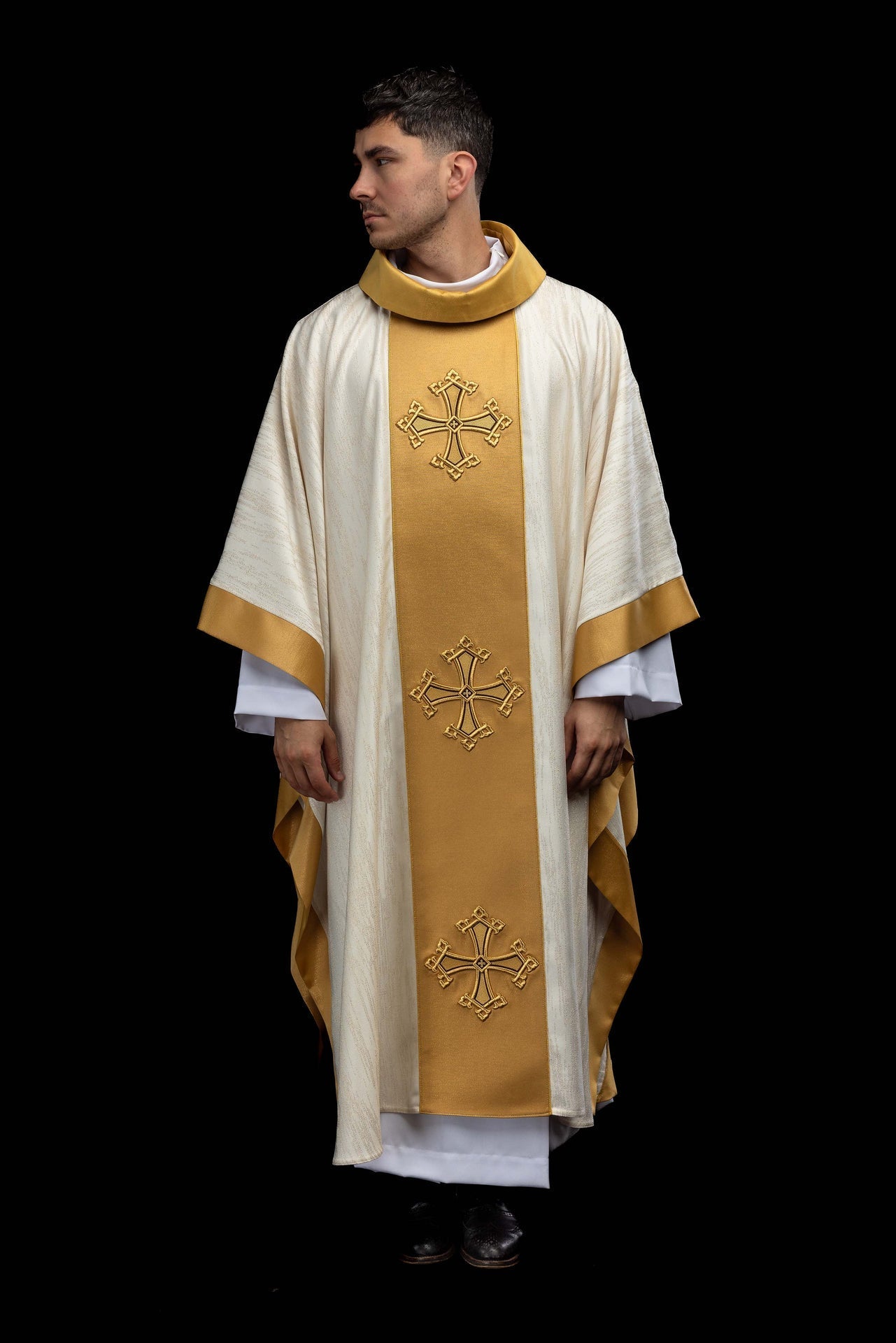
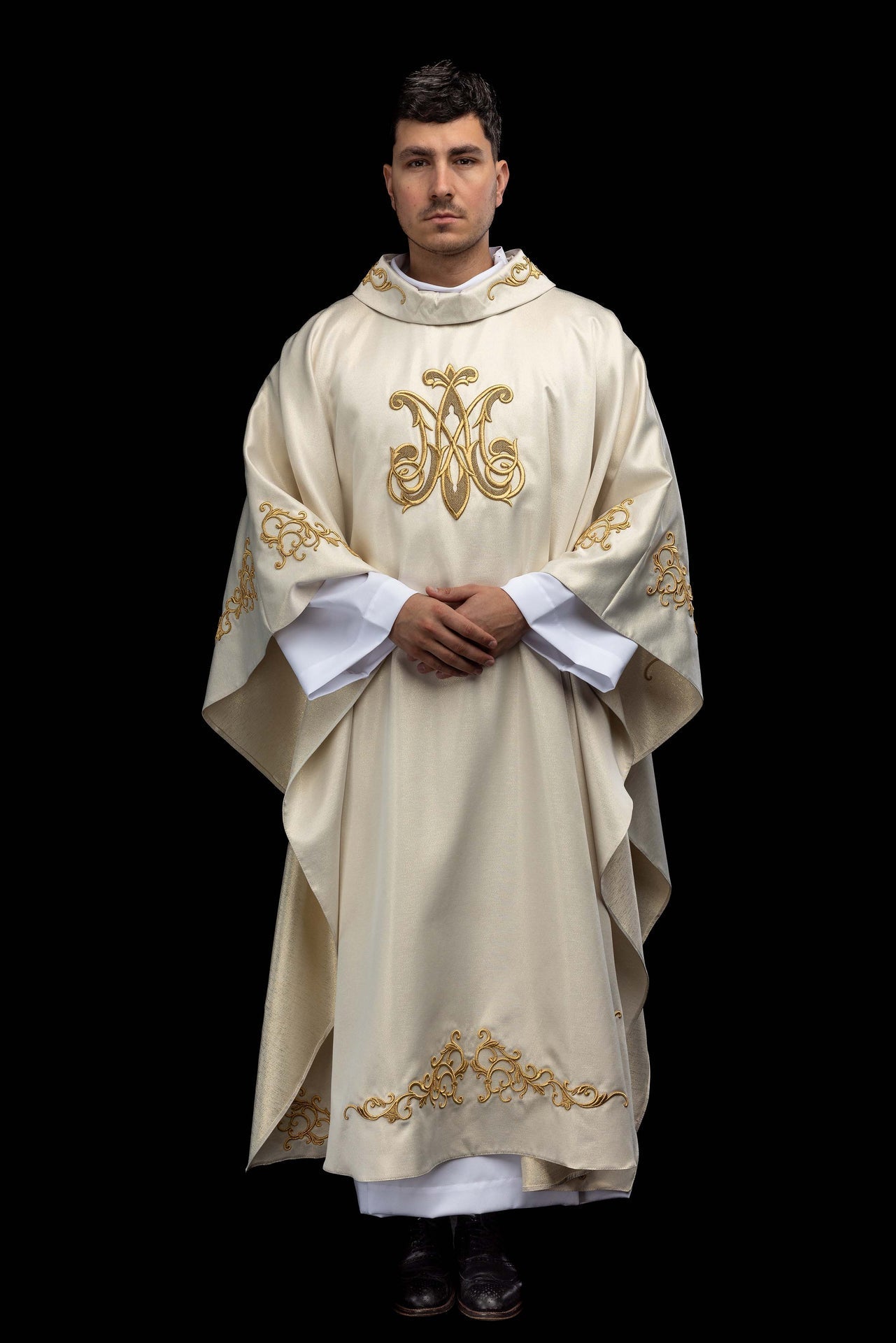
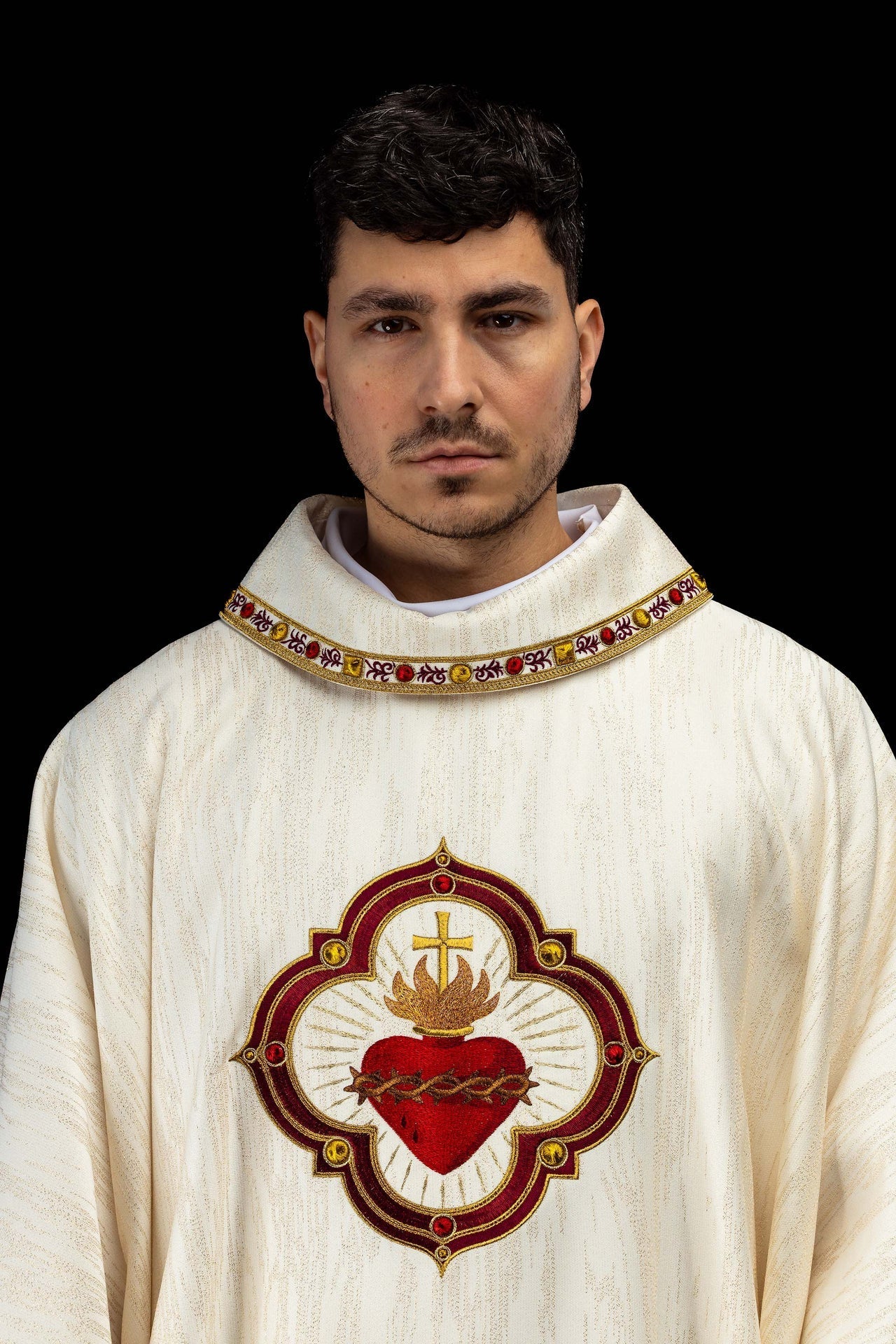
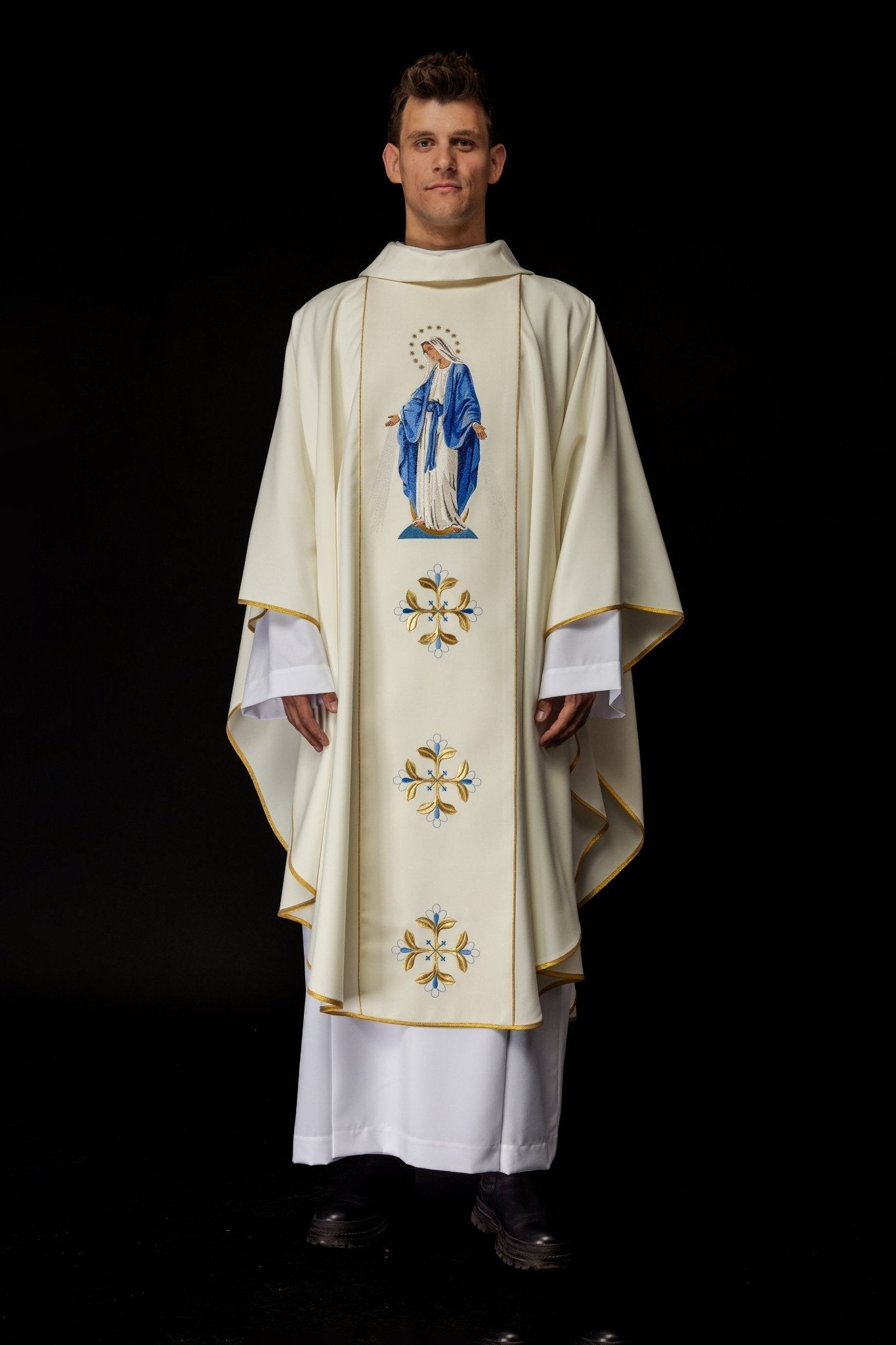
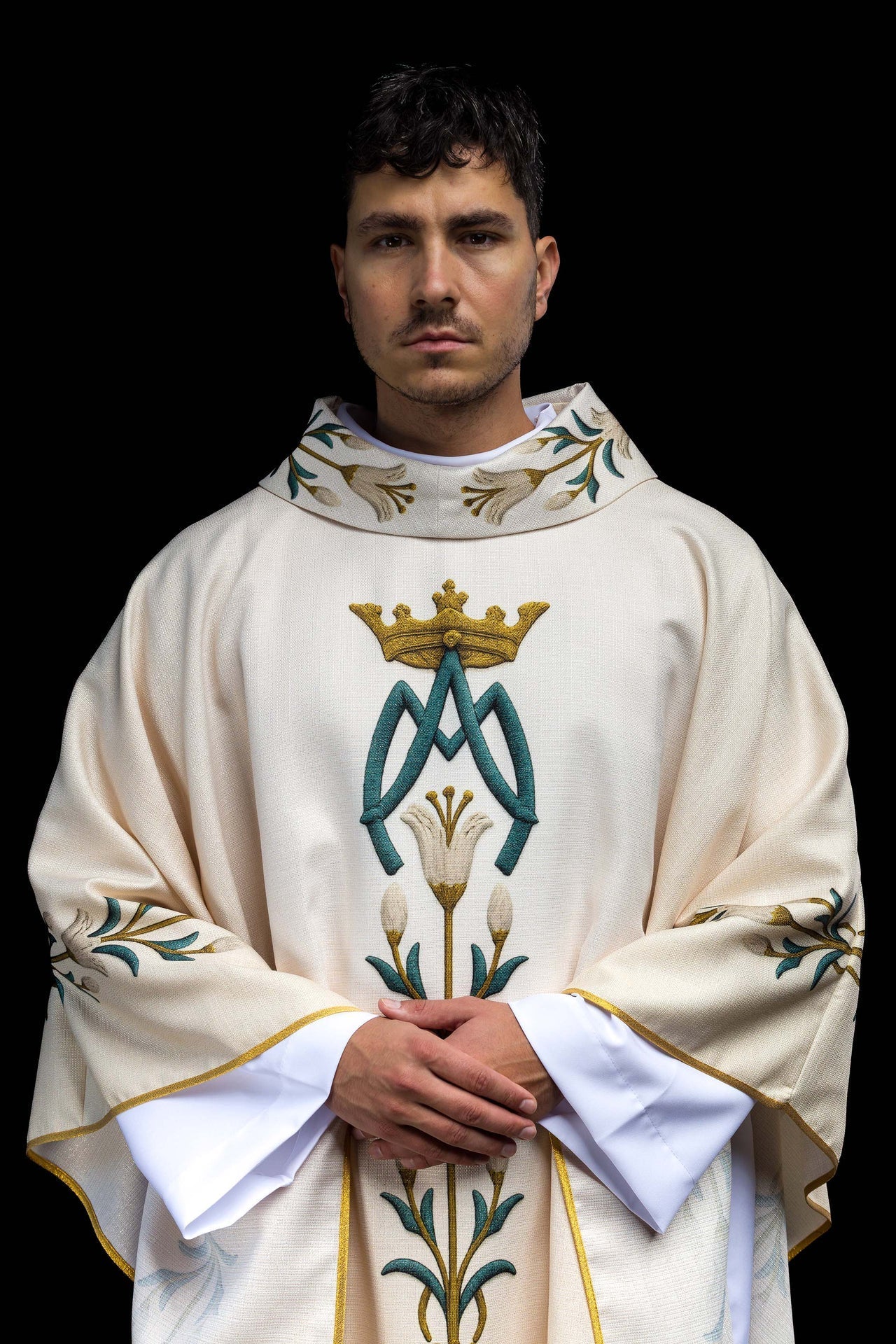
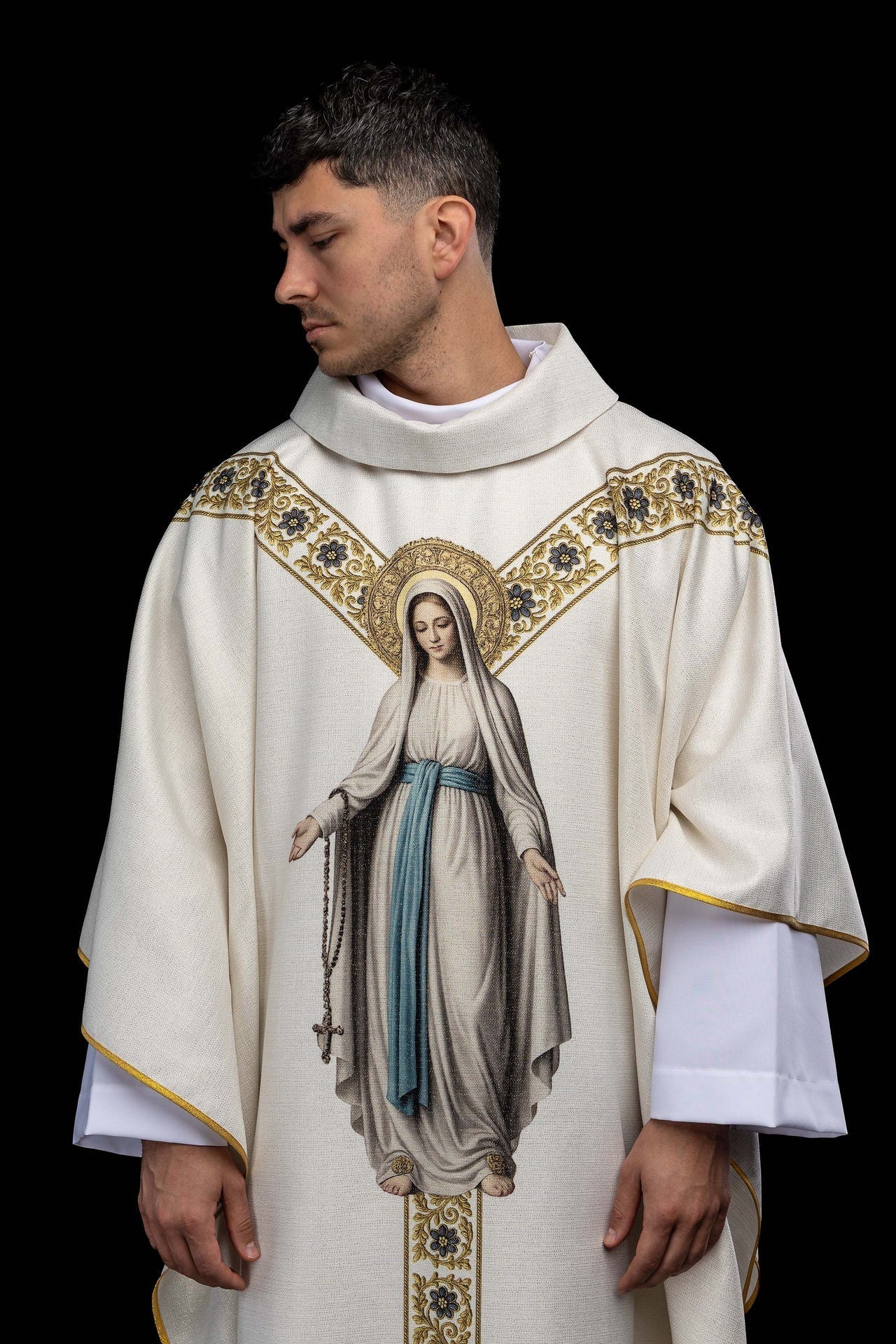
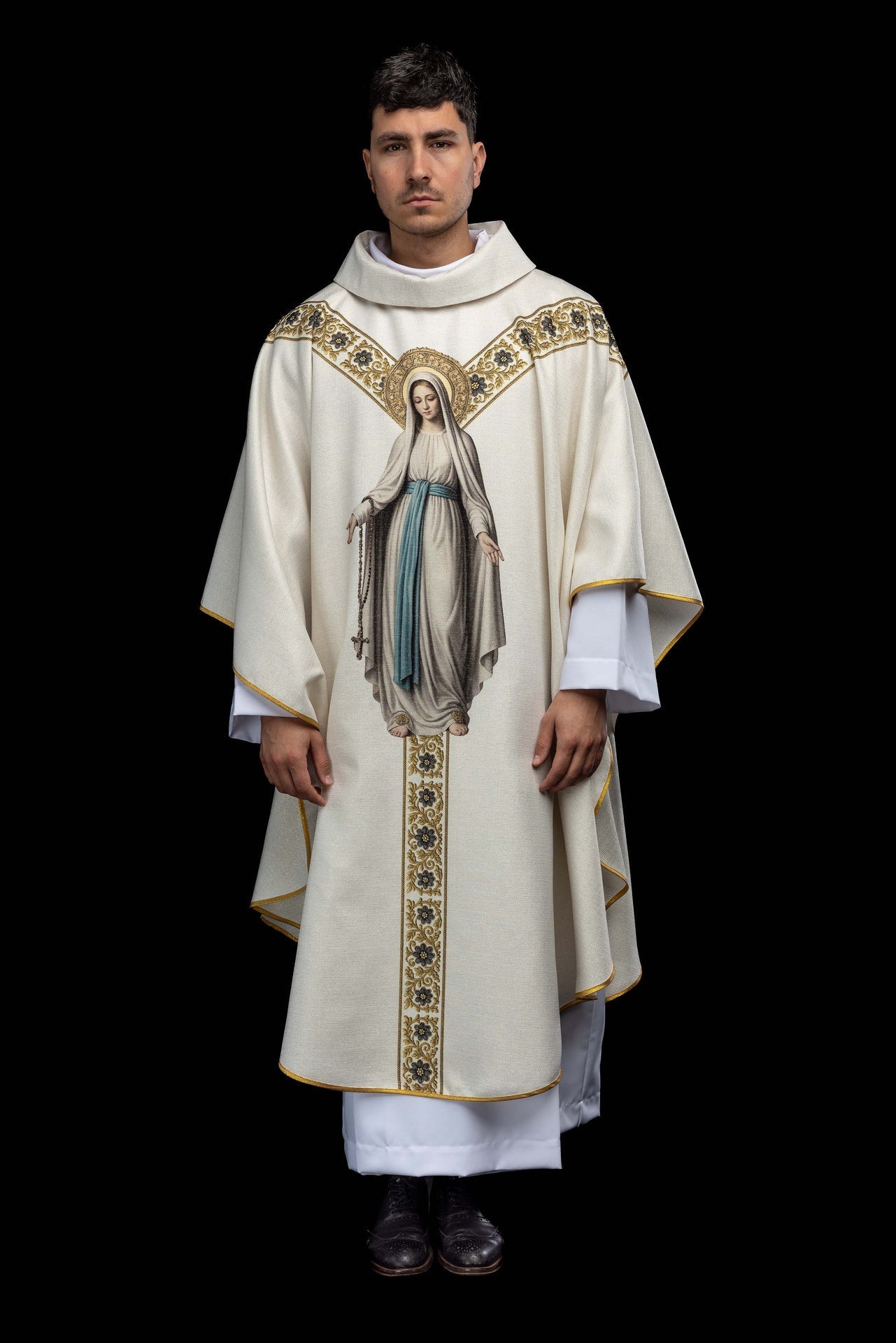
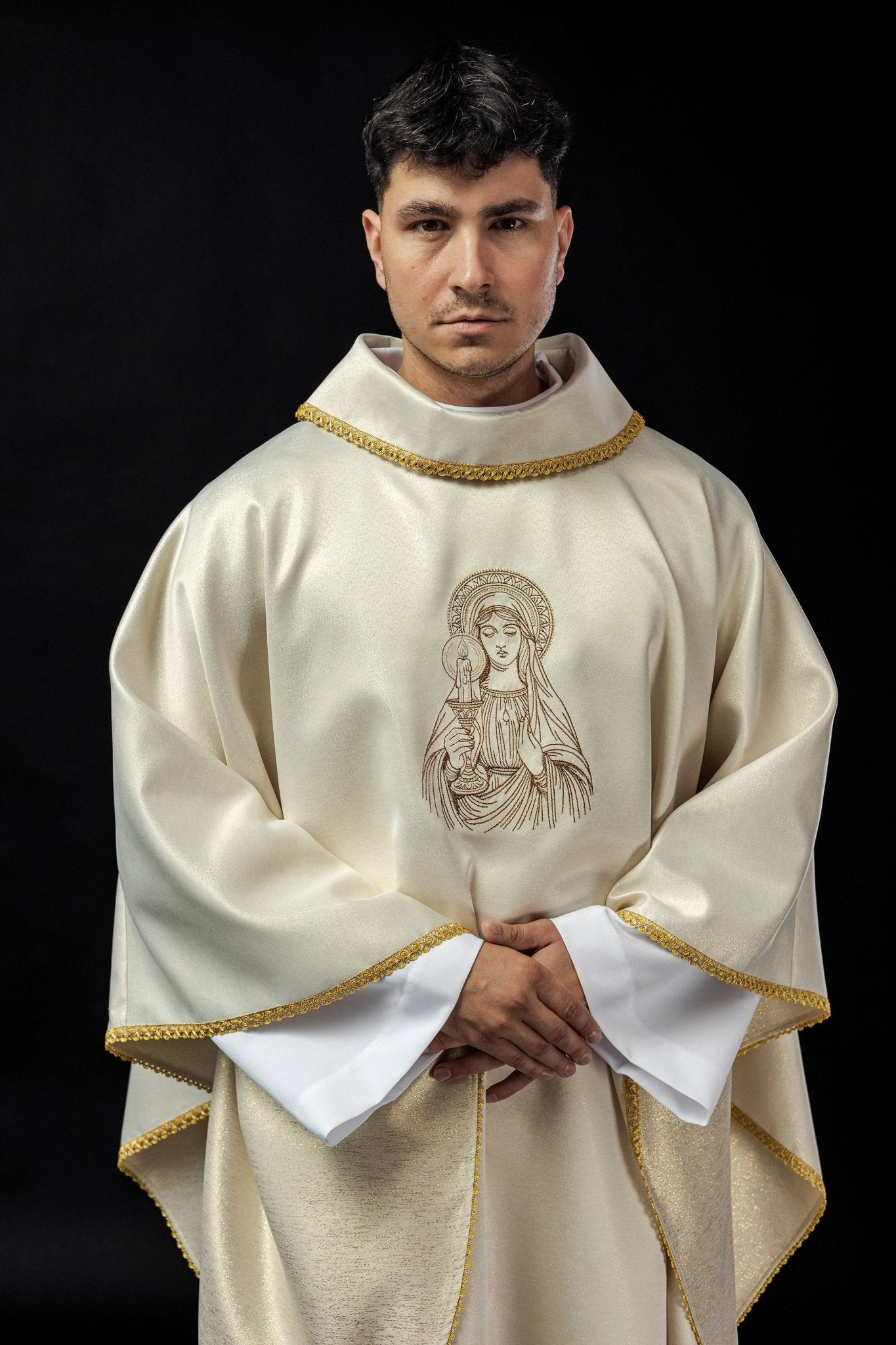
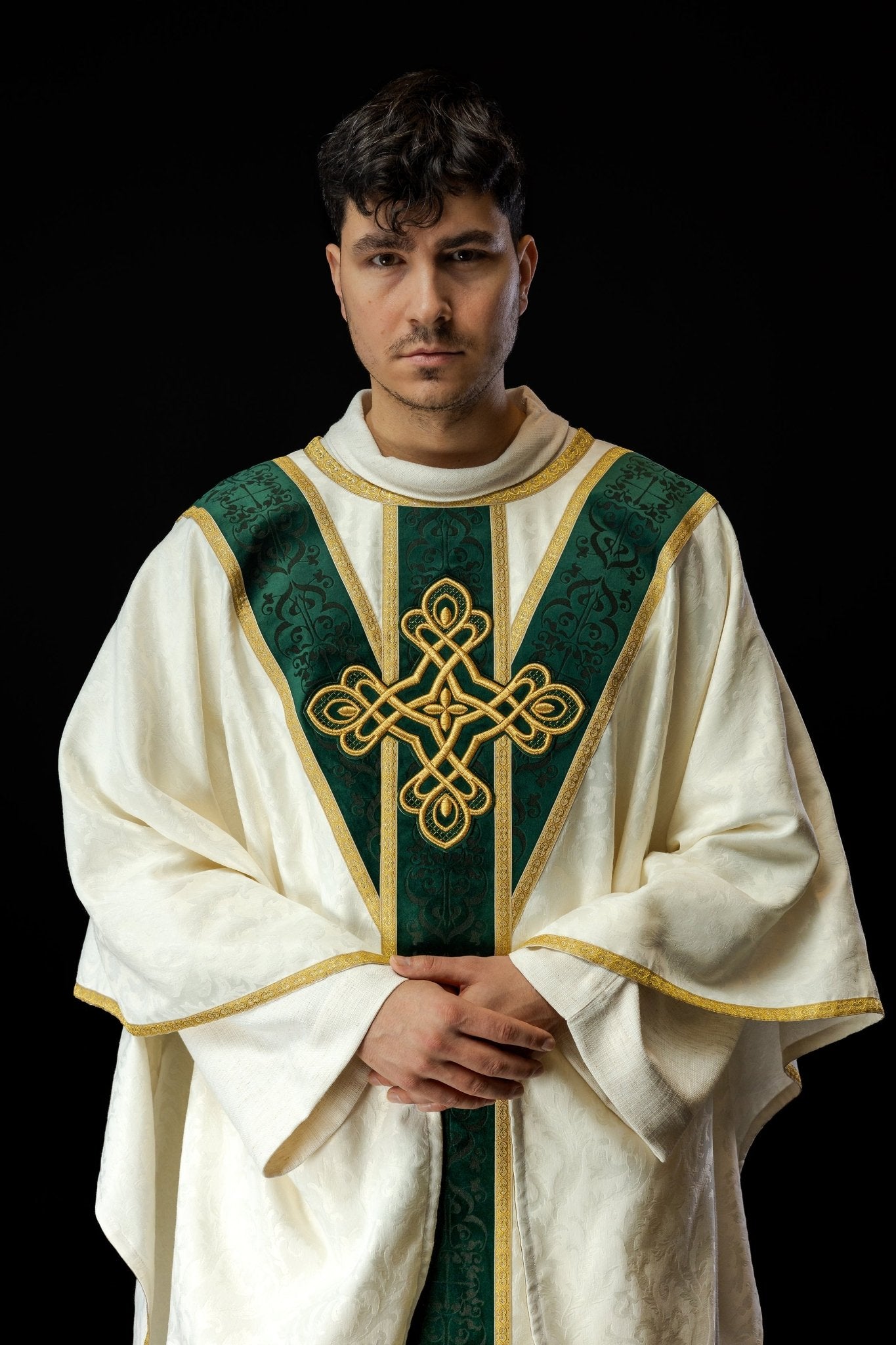
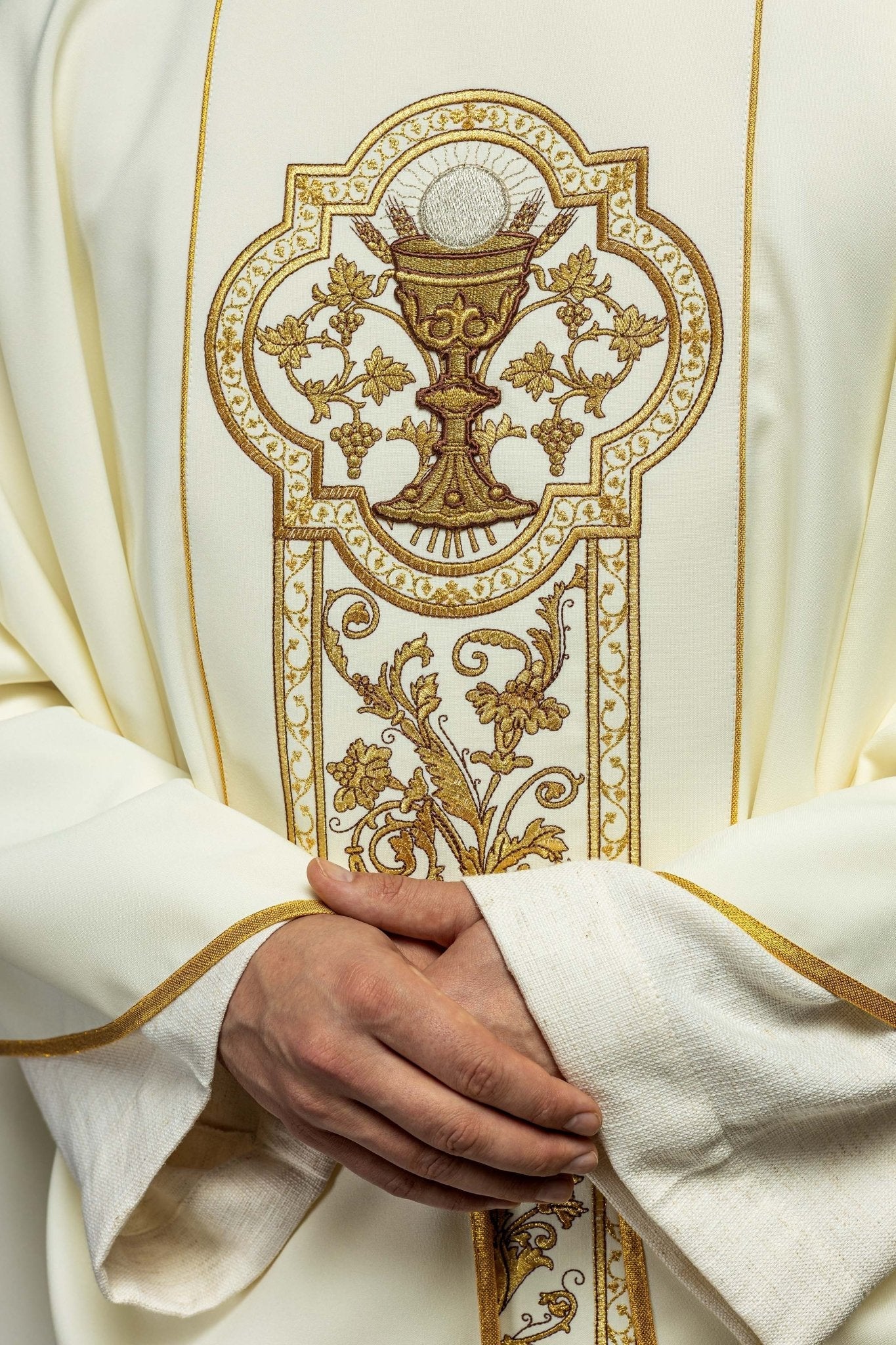
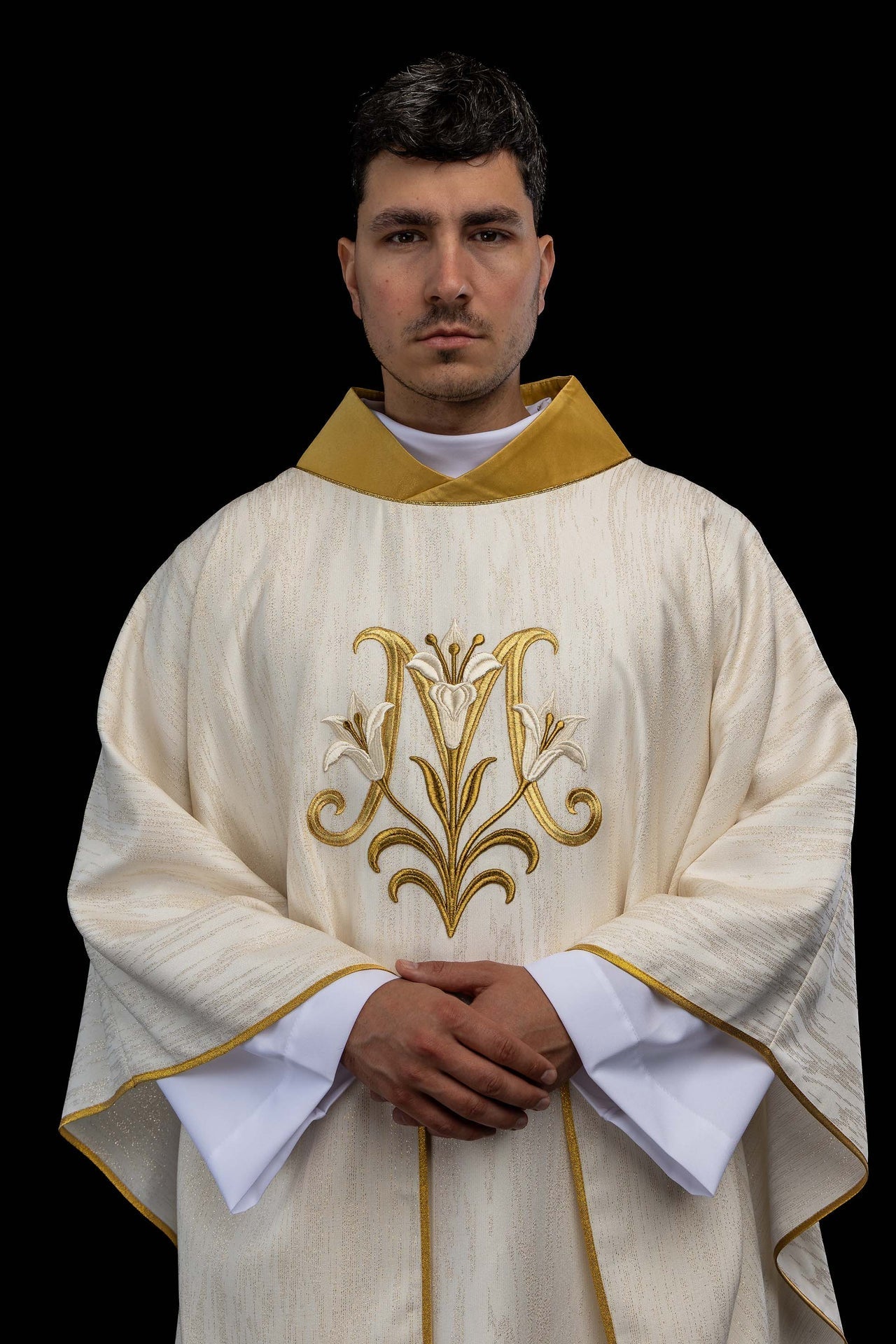
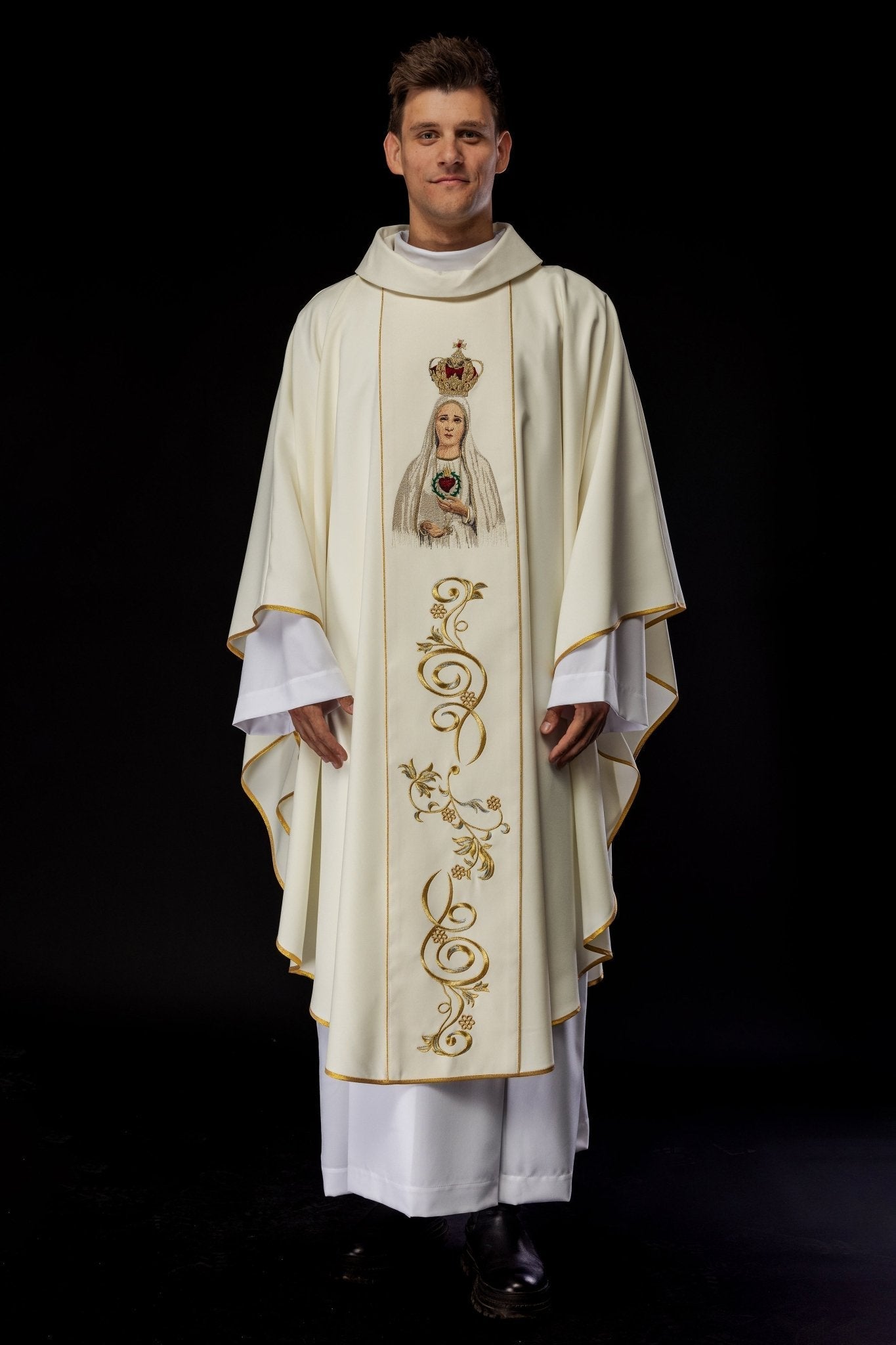
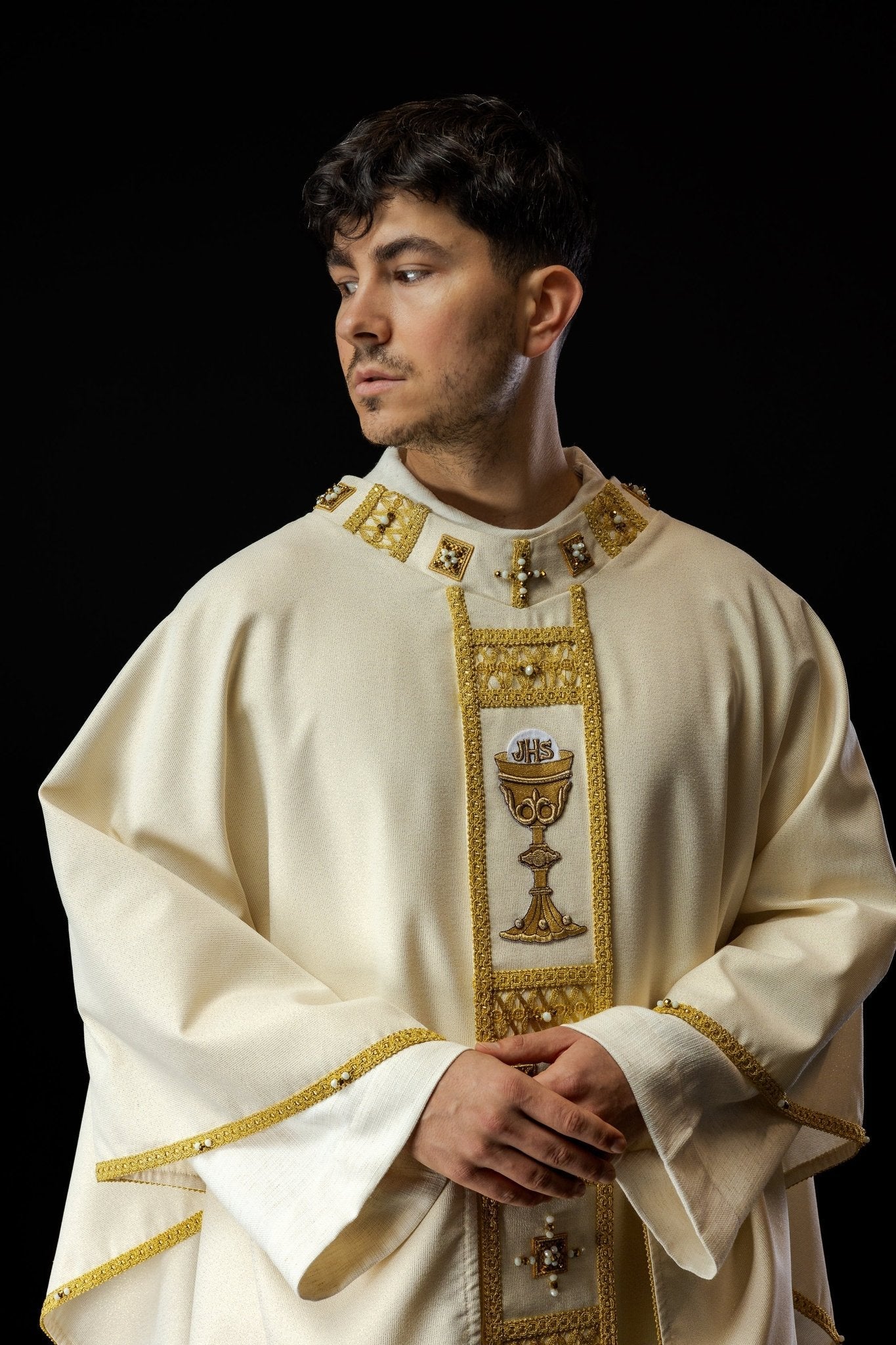
Embroidery: Intricate embroidery featuring religious symbols, such as crosses, doves, or biblical scenes, adds depth and meaning to the chasuble.
-
Appliqués: Fabric appliqués, often made from contrasting materials, create visual interest and highlight specific symbols or motifs.
-
Banding: Decorative banding along the edges of the chasuble provides a polished and refined look.
-
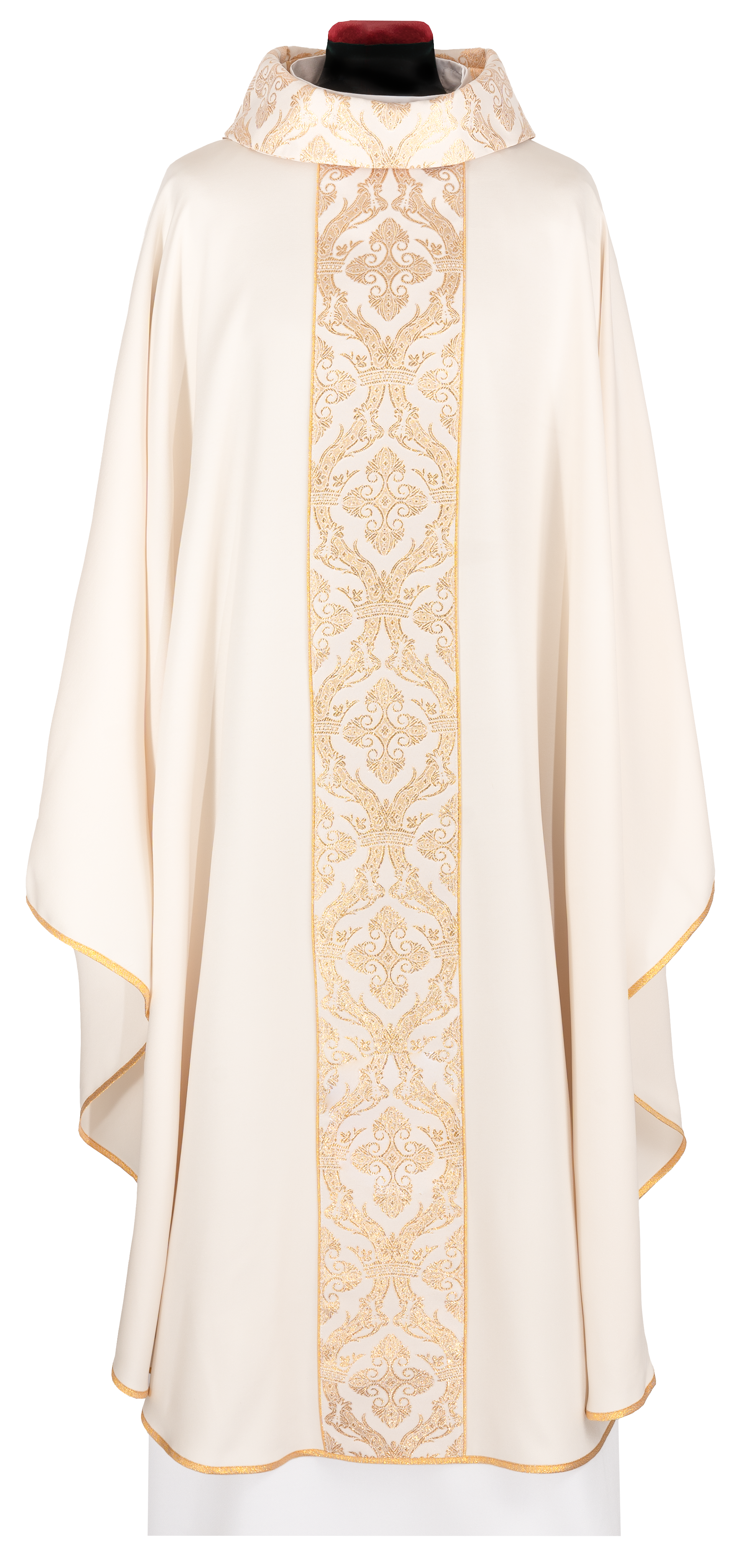
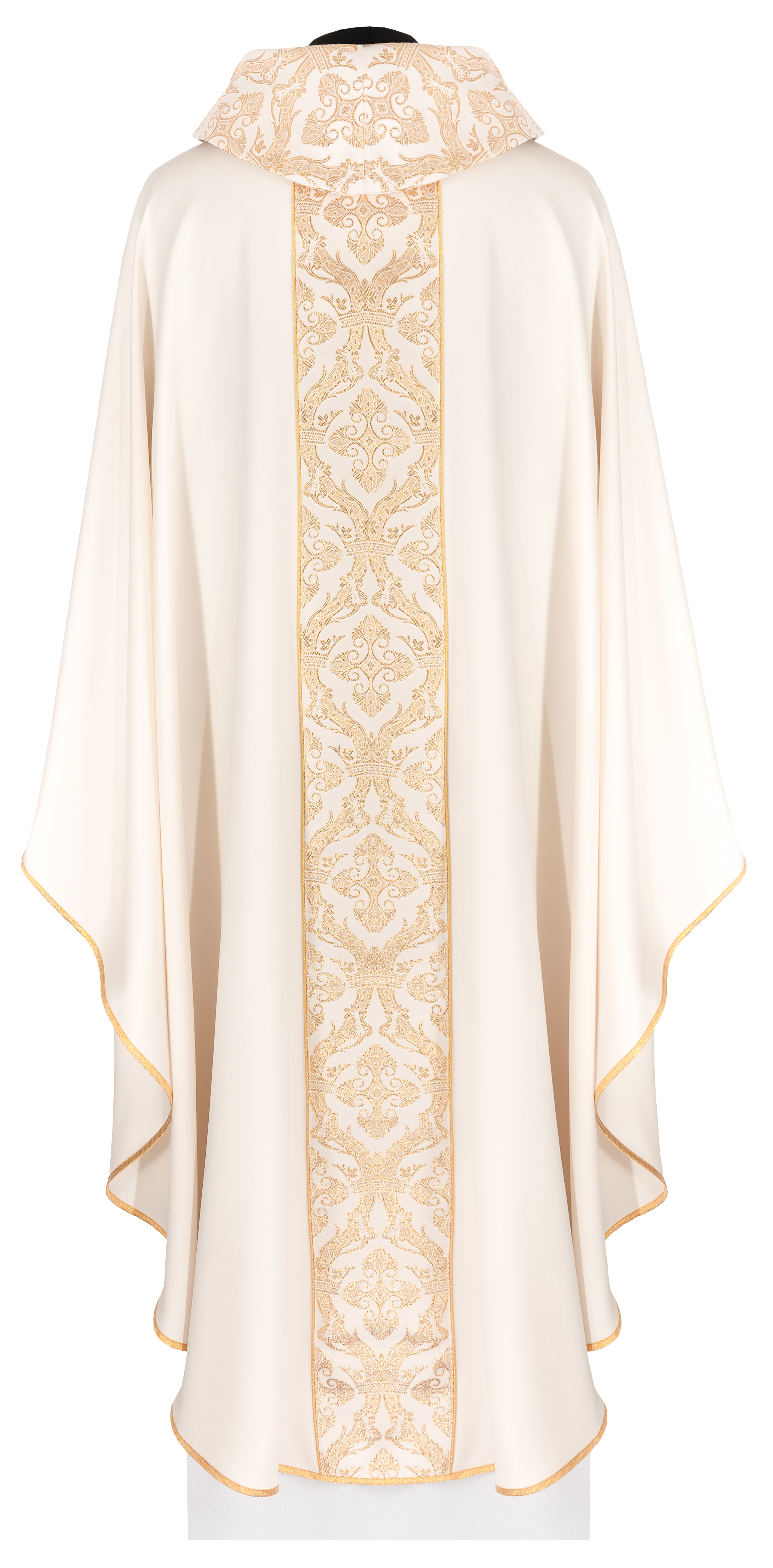
Orphreys: Vertical orphreys, typically made from contrasting fabrics, add a striking visual element and can be customized with embroidery or appliqués.
-
Hoods and Collars: Some chasubles feature hoods or collars, which can be simple or ornate, depending on the desired level of formality.
The choice of design and embellishments should reflect the style of the church and the preferences of the priest, while maintaining a sense of reverence and dignity.
Comparison to Other Chasubles
The ecru chasuble offers a distinctive alternative to other chasubles, such as those in stark white or ornate brocade. While white chasubles are traditionally associated with purity and joy, especially during Easter and Christmas, the creamy off-white of the ecru chasuble provides a softer, more refined look suitable for various liturgical seasons. Ecru chasubles often feature intricate embroidery and gold accents, adding a touch of solemnity and elegance ideal for special occasions like weddings, baptisms, and major feast days. Unlike the boldness of white or the opulence of brocade, ecru’s gentle warmth pairs beautifully with natural fibers such as linen, silk, and wool, ensuring both comfort and durability. This makes the ecru chasuble a versatile and revered choice for clergy, enhancing the sense of quality, tradition, and reverence during Mass and throughout the liturgical year.
Choosing the Right Ecru Chasuble: Fit, Style, and Liturgical Season
Selecting the perfect ecru chasuble involves considering several factors:
-
Fit: The chasuble should fit comfortably and allow for freedom of movement. Consider the priest's height and build when choosing a size.
-
Style: Choose a style that reflects the church's aesthetic and the priest's personal preferences. Options range from traditional Roman styles to more contemporary designs.
-
Liturgical Season: While ecru is versatile, consider the specific nuances of each liturgical season. For example, a chasuble with gold accents may be particularly suitable for Easter or Christmas.
-
Care and Maintenance: Consider the ease of care when selecting a fabric. Some materials require professional cleaning, while others can be easily laundered at home.
By carefully considering these factors, you can select an ecru chasuble that is both beautiful and functional, enhancing the worship experience for the priest and the congregation.
The Art of Embroidery on Ecru Chasubles: A Closer Look
Embroidery is a time-honored art form that adds exceptional beauty and meaning to ecru chasubles. Skilled artisans use a variety of techniques to create intricate designs, including:
-
Goldwork: Using metallic threads to create shimmering accents and highlights.
-
Silk Shading: Blending different shades of silk thread to create realistic and dimensional effects.
-
Needle Painting: Using fine stitches to create detailed and lifelike images.
-
Appliqué Embroidery: Combining appliqué techniques with embroidery to add texture and depth.
The symbols and motifs used in embroidery often carry deep theological significance, representing key aspects of the Christian faith. Common examples include the cross, the Lamb of God, the Virgin Mary, and various saints.
Caring for Your Ecru Chasuble: Ensuring Longevity and Beauty
Proper care is essential to maintaining the beauty and longevity of your ecru chasuble. Follow these guidelines:
-
Storage: Store the chasuble in a cool, dry place, away from direct sunlight. Use a padded hanger to prevent wrinkles and maintain its shape.
-
Cleaning: Follow the manufacturer's instructions for cleaning. Some fabrics may require professional dry cleaning, while others can be hand-washed or machine-washed on a delicate cycle.
-
Ironing: Iron the chasuble on a low setting, using a pressing cloth to protect delicate fabrics and embroidery.
-
Stain Removal: Treat stains promptly to prevent them from setting. Use a gentle stain remover and avoid harsh chemicals.
By following these care tips, you can ensure that your ecru chasuble remains a cherished part of your church's vestment collection for years to come.
Conclusion
In conclusion, the ecru chasuble is a distinguished liturgical vestment that embodies purity, joy, and solemnity, making it a classic choice for sacred celebrations across various liturgical seasons. Its timeless elegance, highlighted by delicate fabrics, intricate embroidery, and gold accents, ensures lasting appeal for both clergy and congregations. To preserve its beauty and quality, it is important to follow the manufacturer’s instructions, avoiding direct sunlight, harsh chemicals, and unnecessary wrinkles. By appreciating the symbolism, style, and proper care of the ecru chasuble, one can fully embrace its role in elevating worship, honoring tradition, and inspiring reverence during Mass, Easter, Christmas, and other special occasions. The ecru chasuble remains a testament to the enduring significance of liturgical vestments in the spiritual life of the church.