Canopy: Elevating Sacred Spaces with Church Canopies and Reverence
The Significance of Canopies in Liturgical Settings
Canopies, also known as baldachins or ciboria, have held a place of honor in religious architecture and liturgical practices for centuries. These majestic structures serve as a visual focal point, drawing attention to the most sacred elements within a church or sanctuary. More than just decorative features, canopies symbolize the presence of the divine, providing protection for the blessed sacrament and honored persons during liturgical celebrations, and creating an atmosphere of reverence and awe.
Historically, canopies were used to denote the location of relics, tombs of saints, or the high altar. They were often adorned with rich fabrics, intricate carvings, and precious metals, reflecting the importance of the space they sheltered. The Eucharistic host and chalice, as central objects of veneration, are often honored under the canopy, emphasizing their significance in the liturgy. Today, canopies continue to play a vital role in enhancing the beauty and solemnity of liturgical celebrations.
Types of Church Canopies: A Diverse Array of Styles
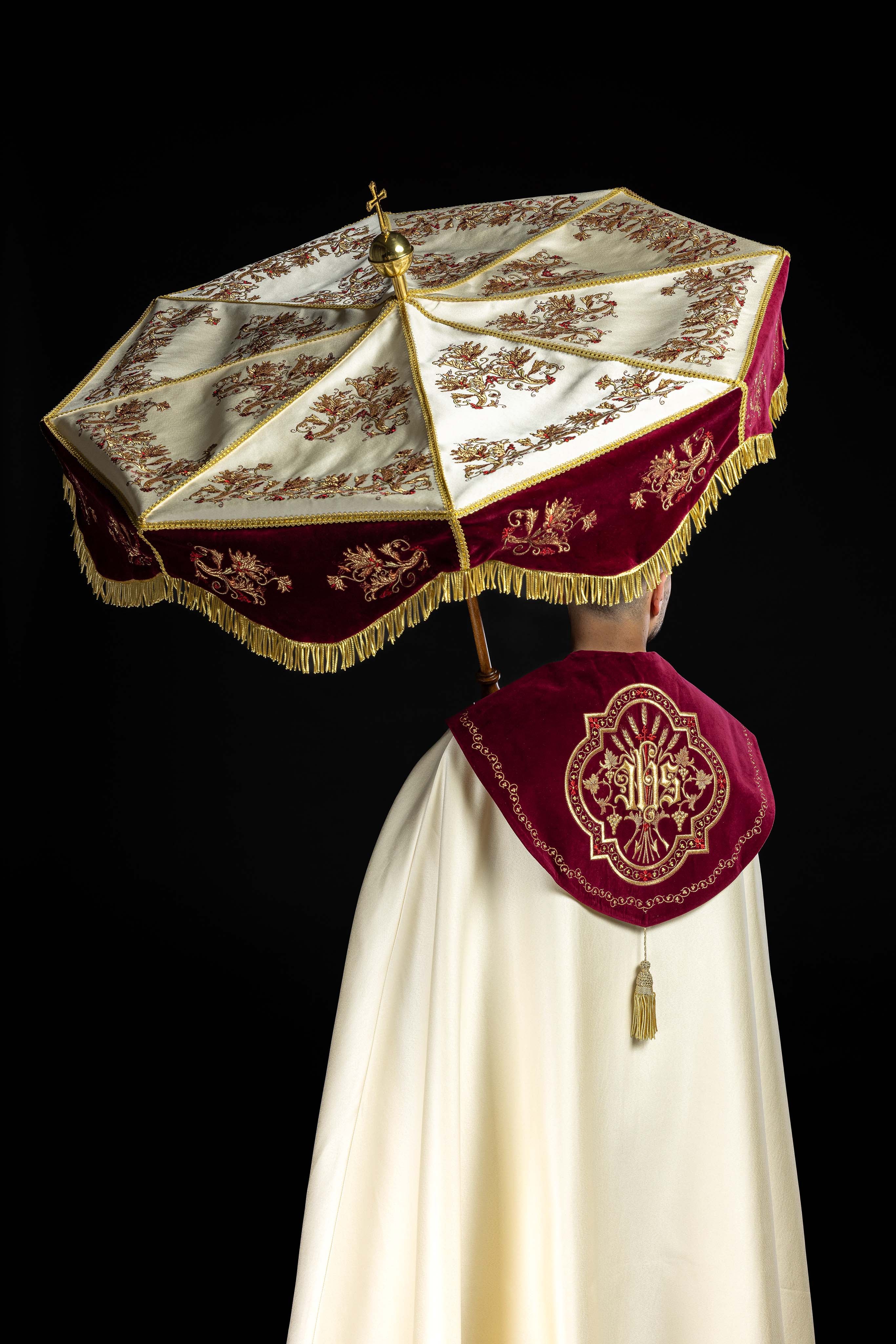
The design and construction of church canopies can vary widely, depending on the architectural style of the church, the specific liturgical purpose, and the preferences of the clergy and congregation. There are different types and variations of church canopies, often referred to by specific names such as baldachin or ciborium, each with unique features and historical significance. For example, a canopy over the altar is called a baldacchino in the Roman tradition, while a ceremonial umbrella used in processions is called an umbraculum in Catholic liturgy. Here are some of the most common types of church canopies:
Processional Canopies: Honoring the Eucharist and Religious Figures
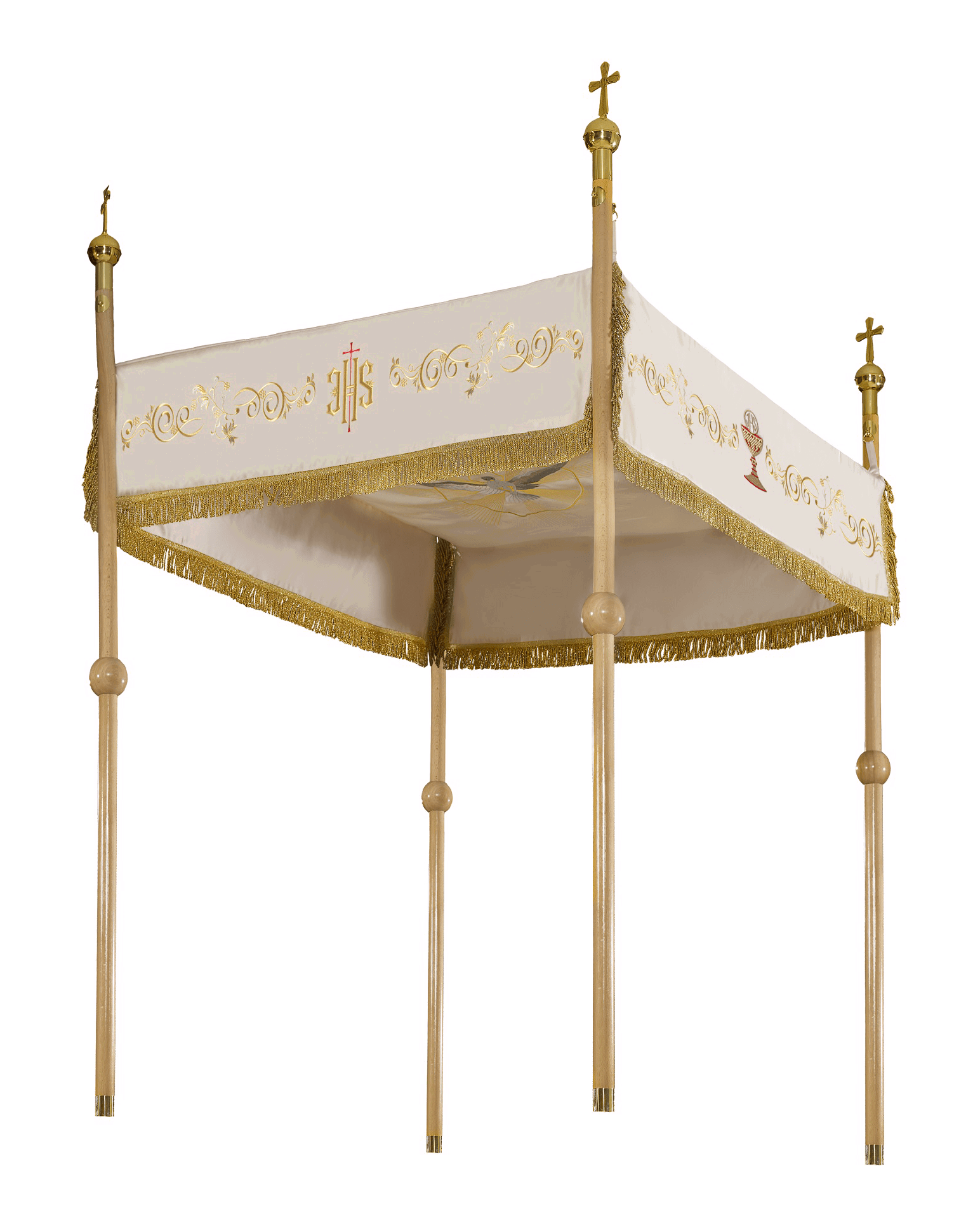
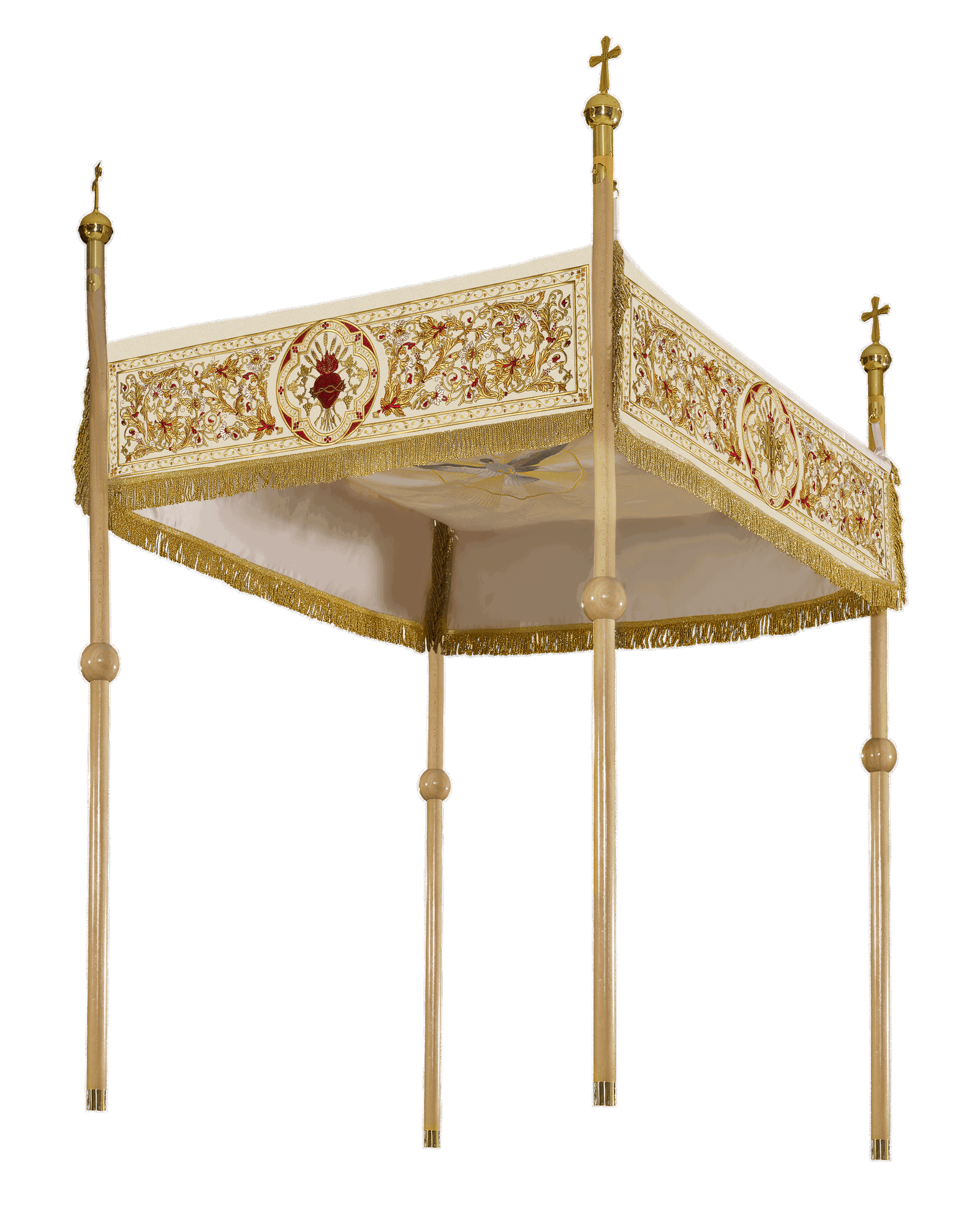
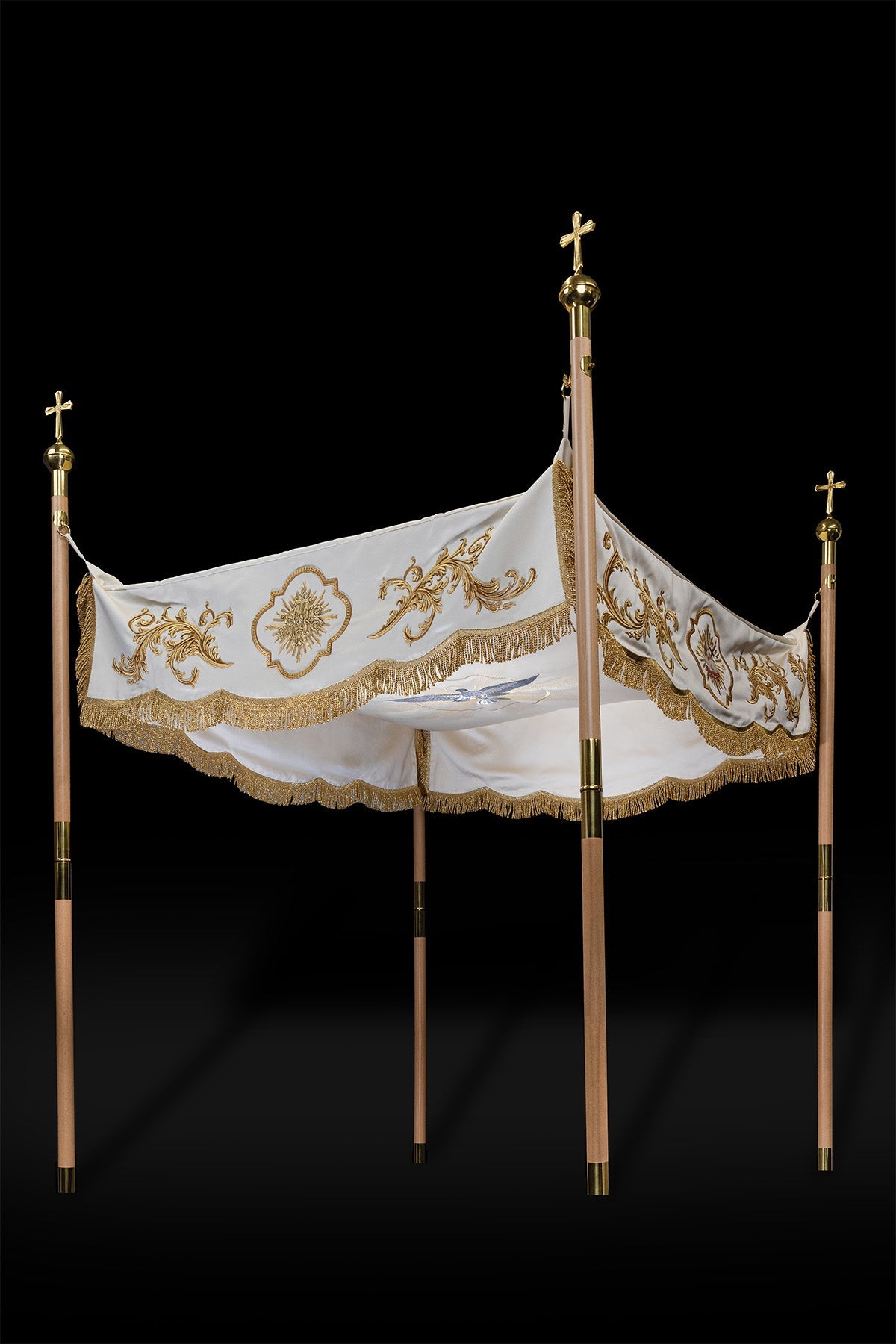
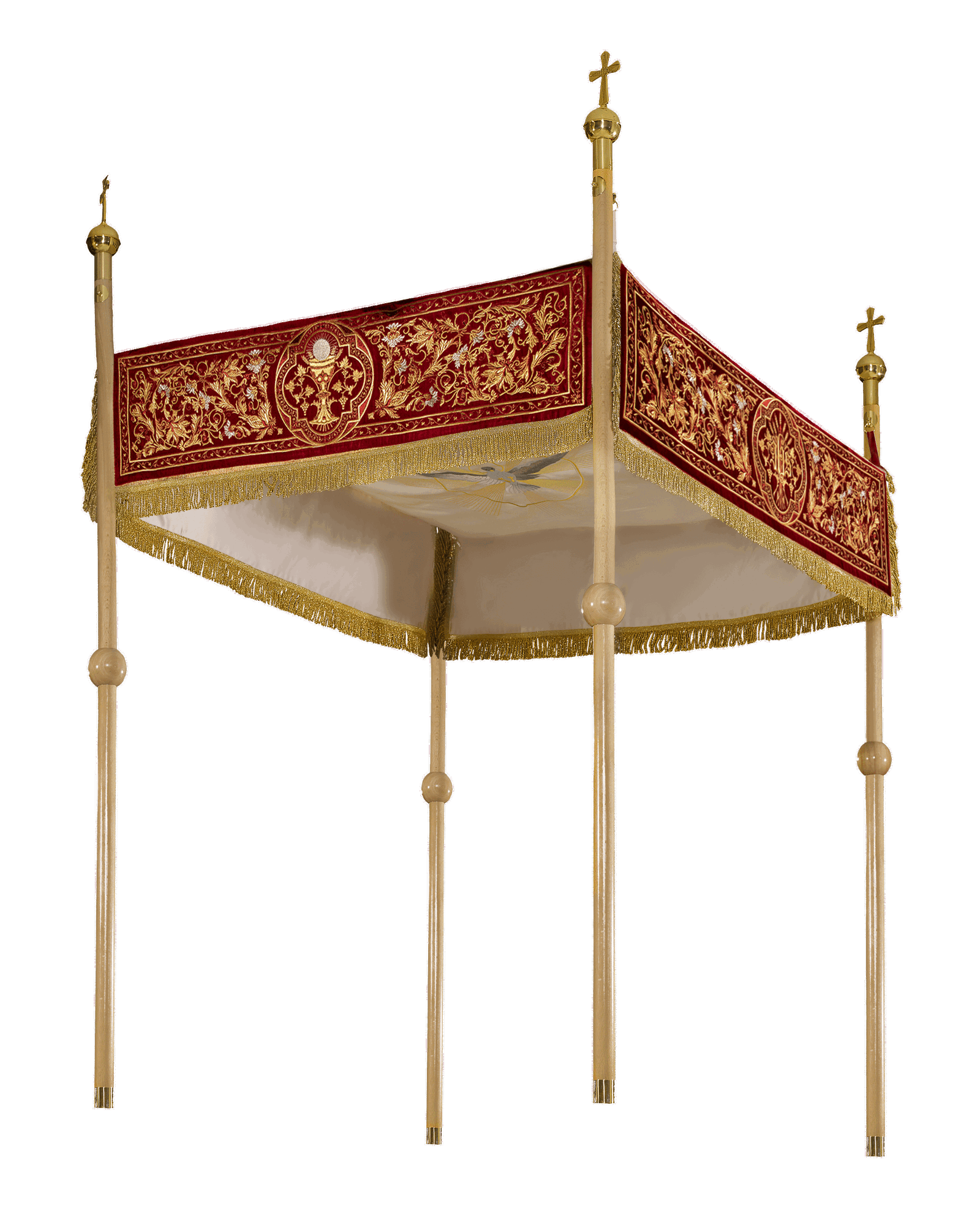
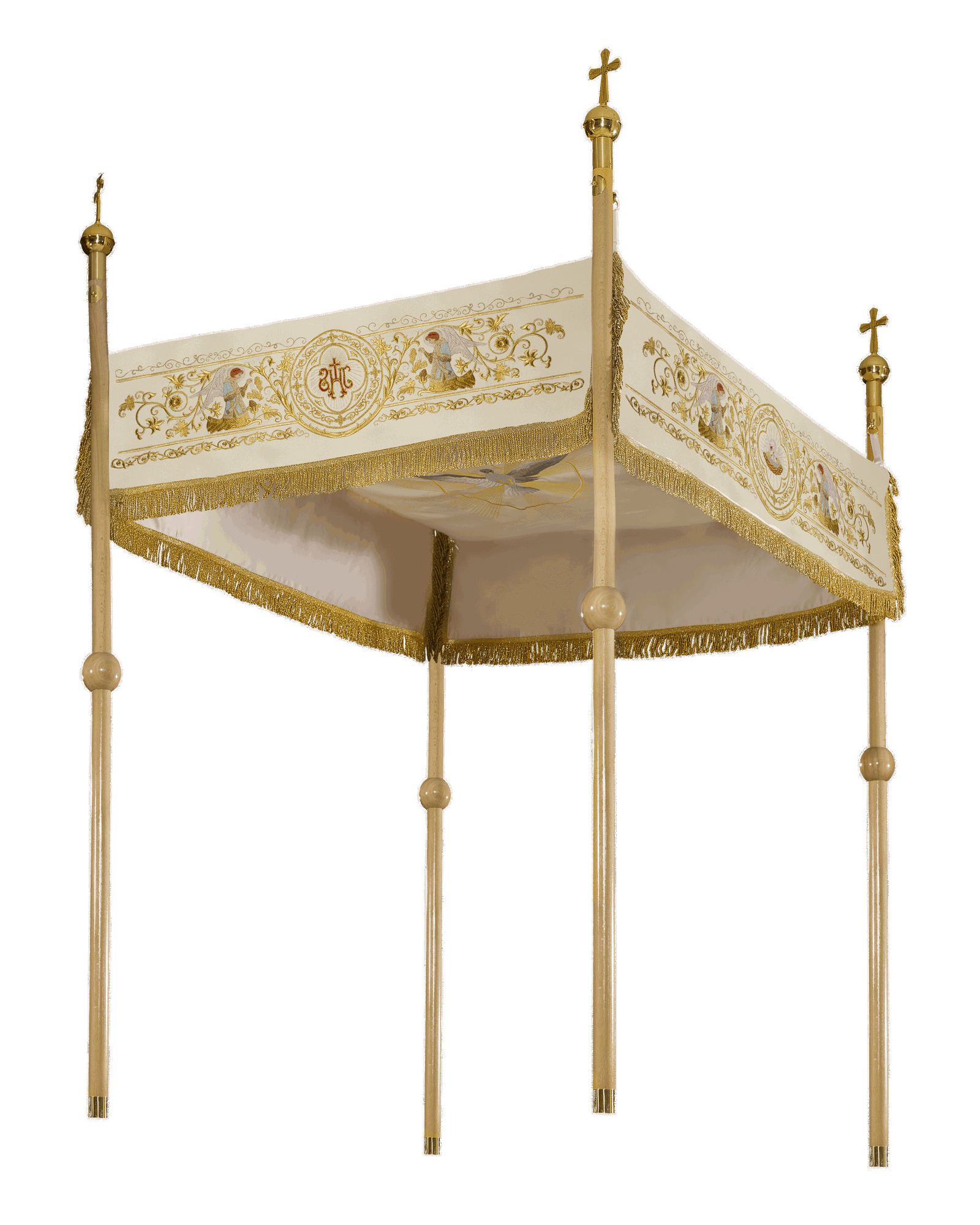
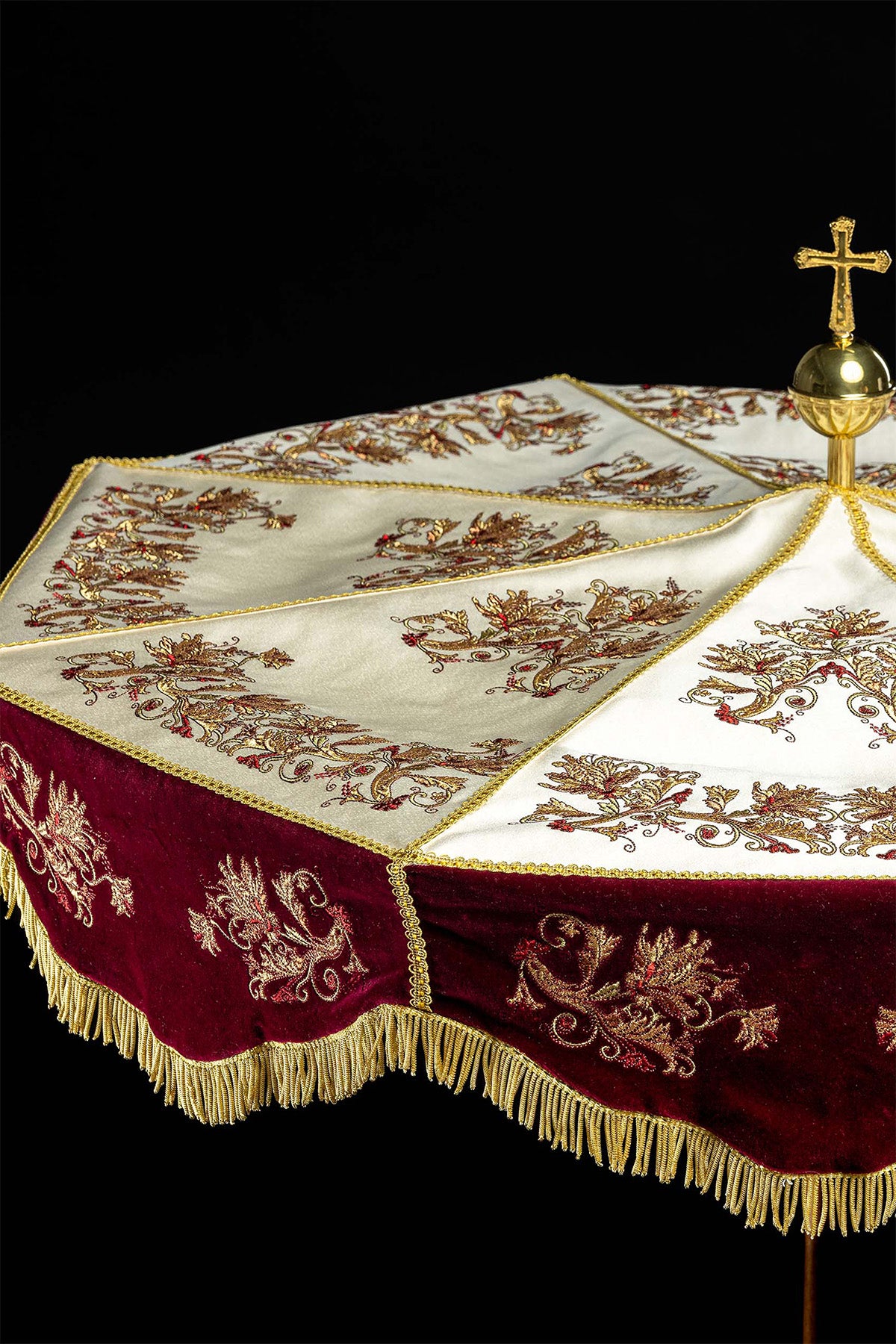
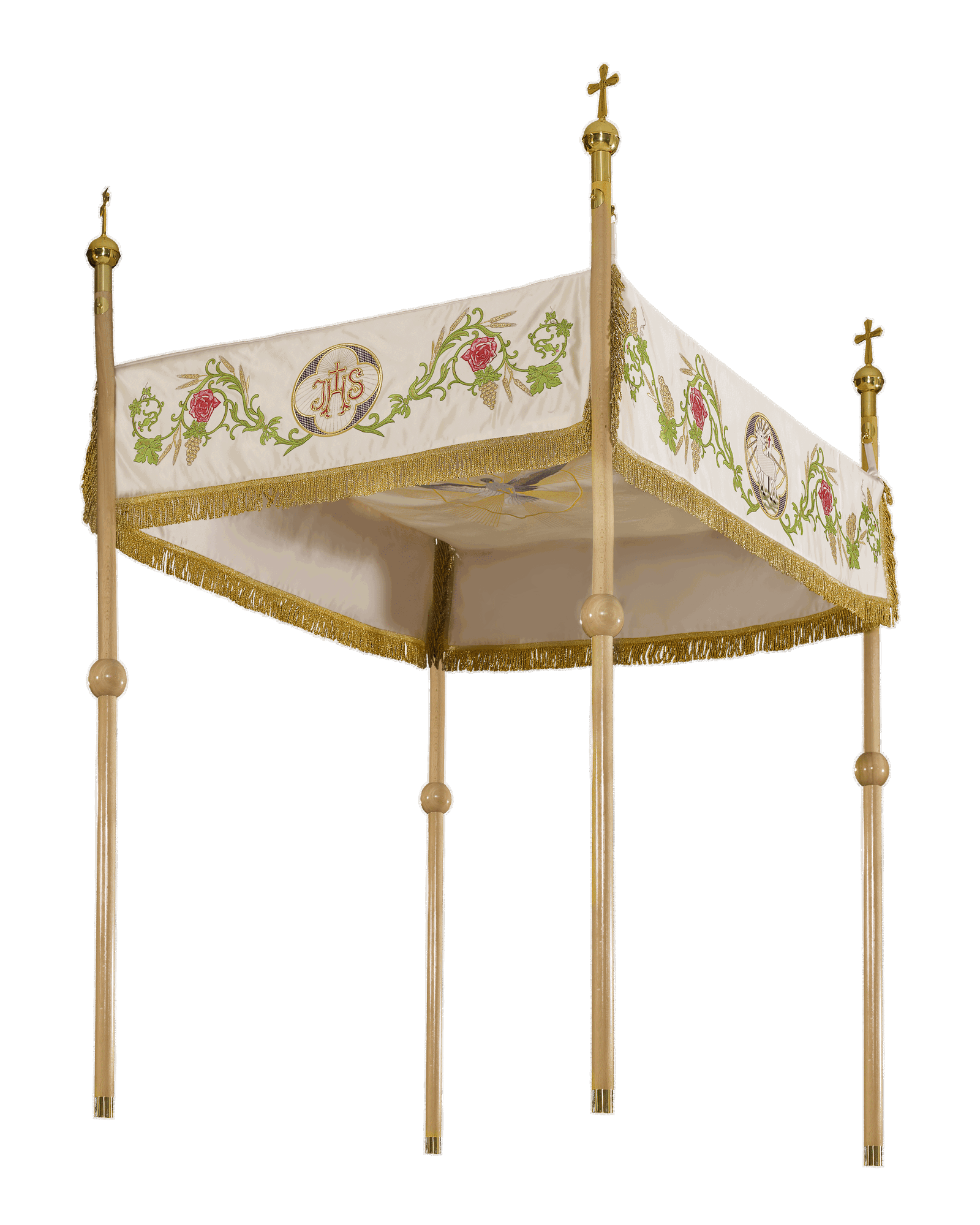
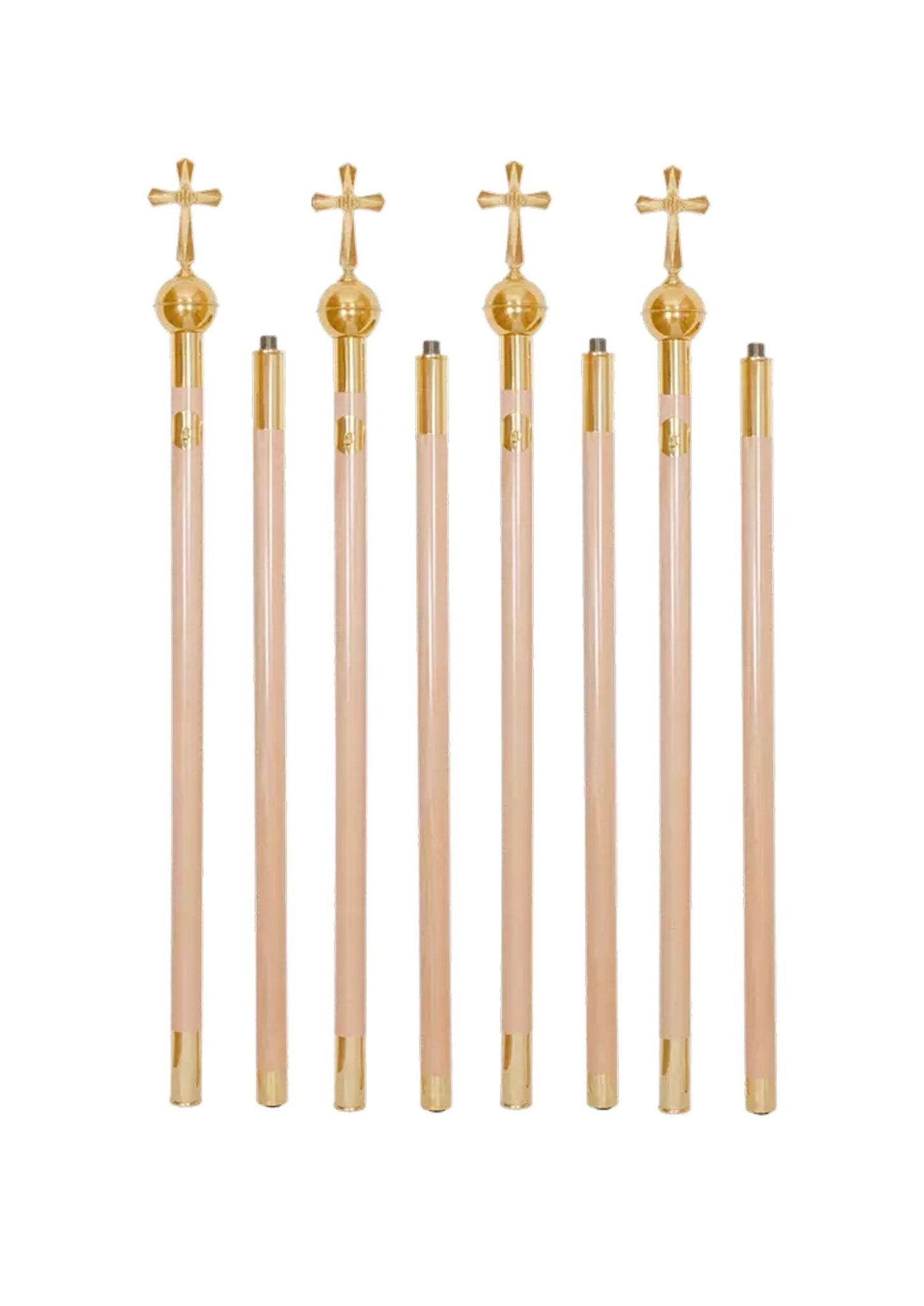
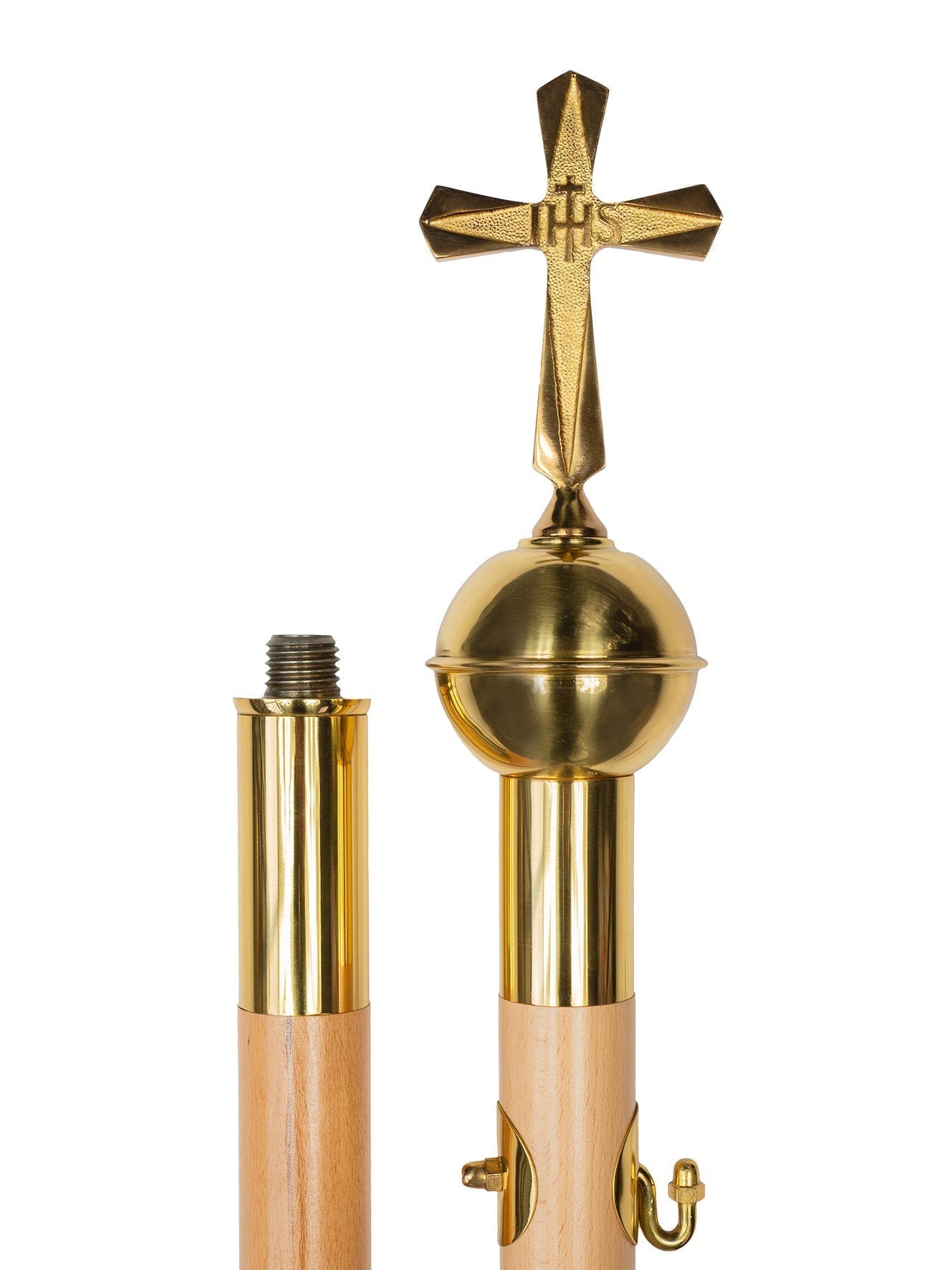
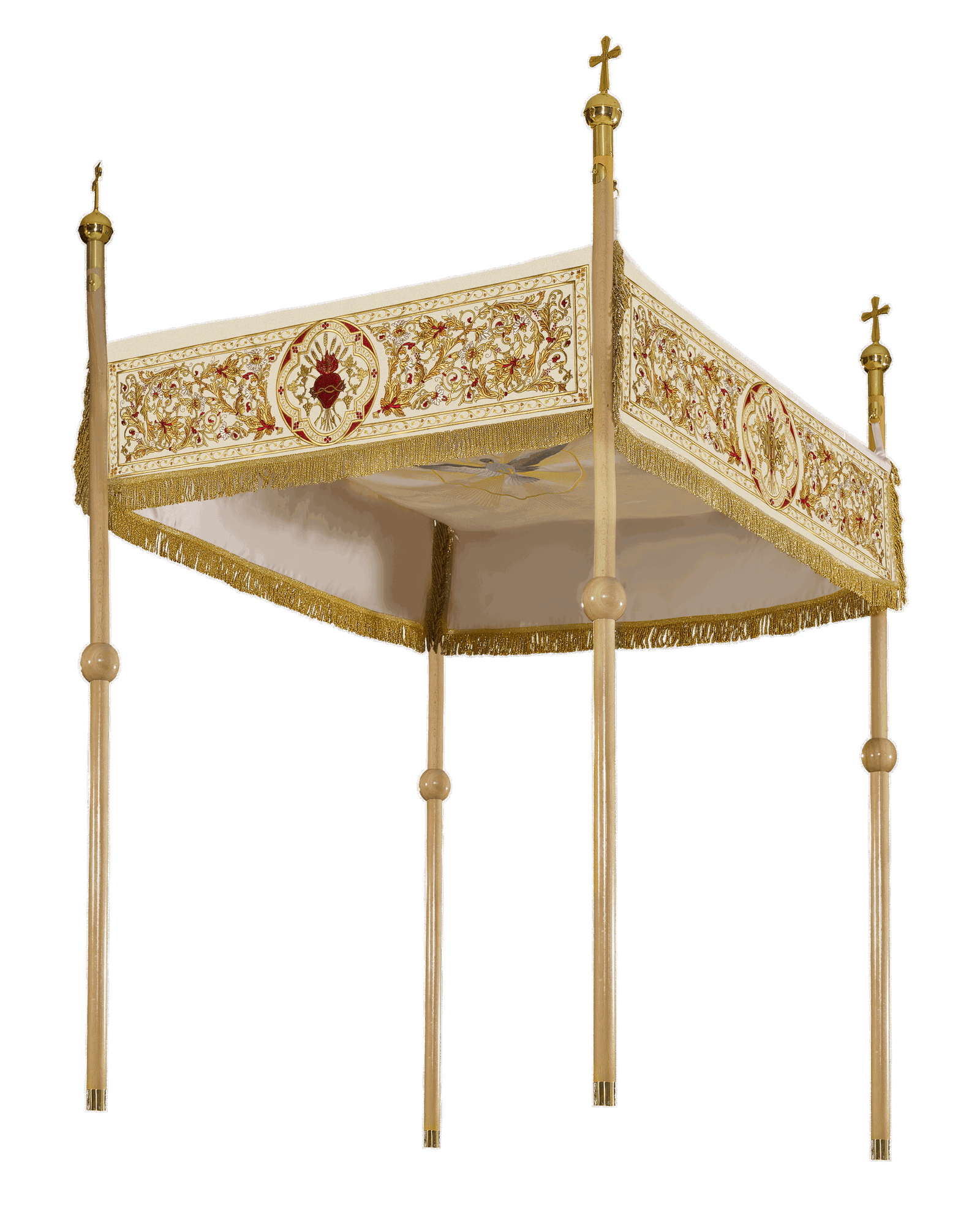
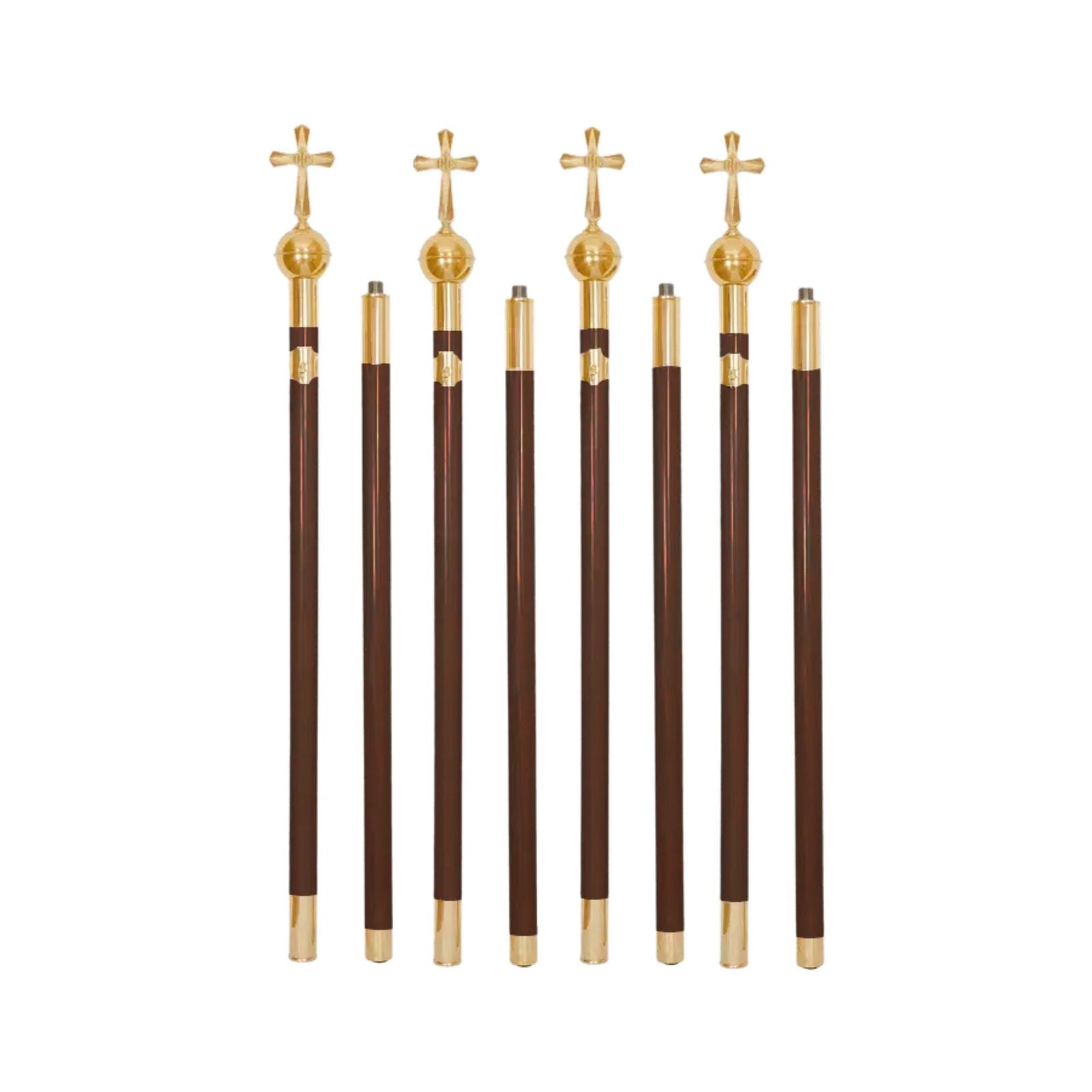
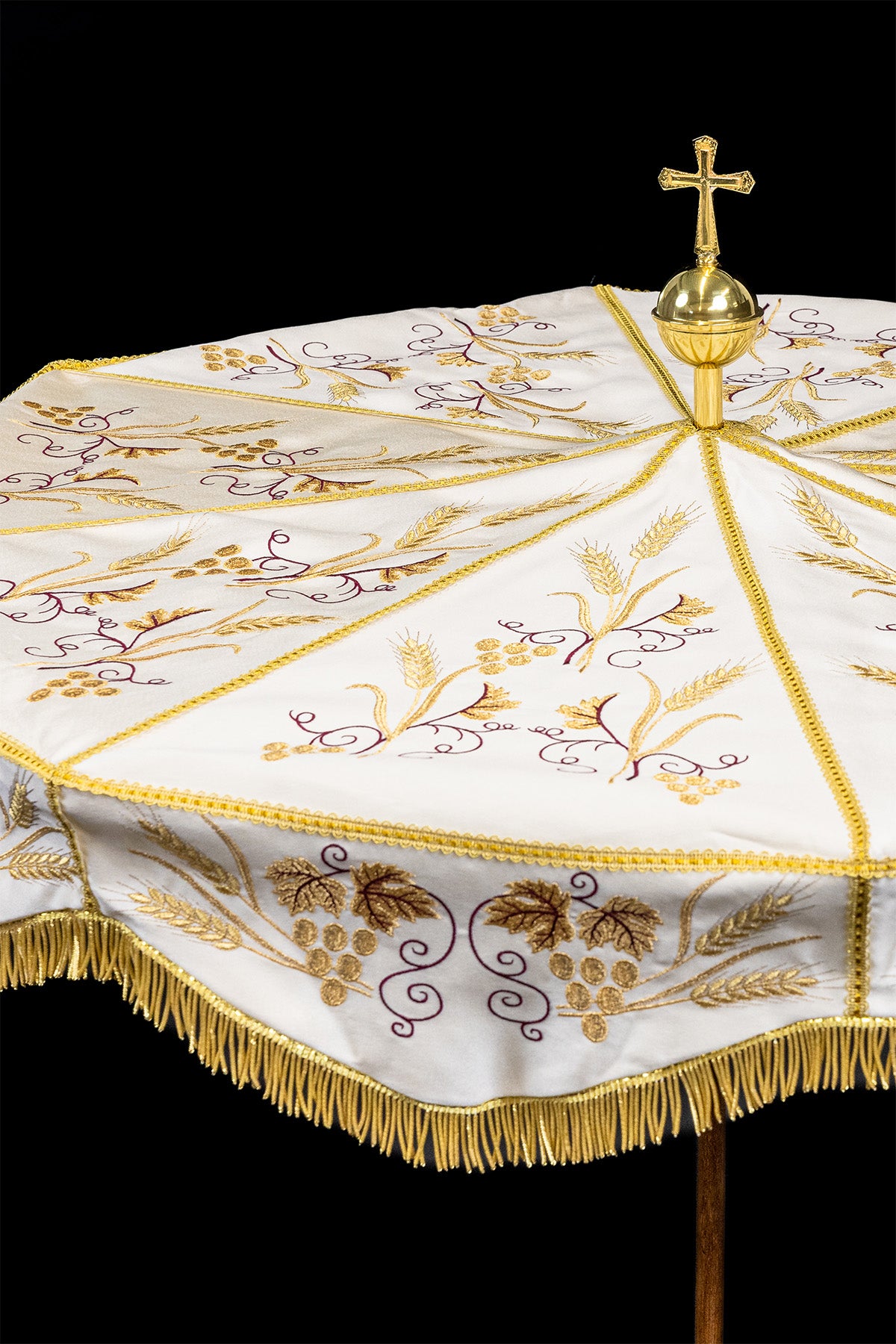
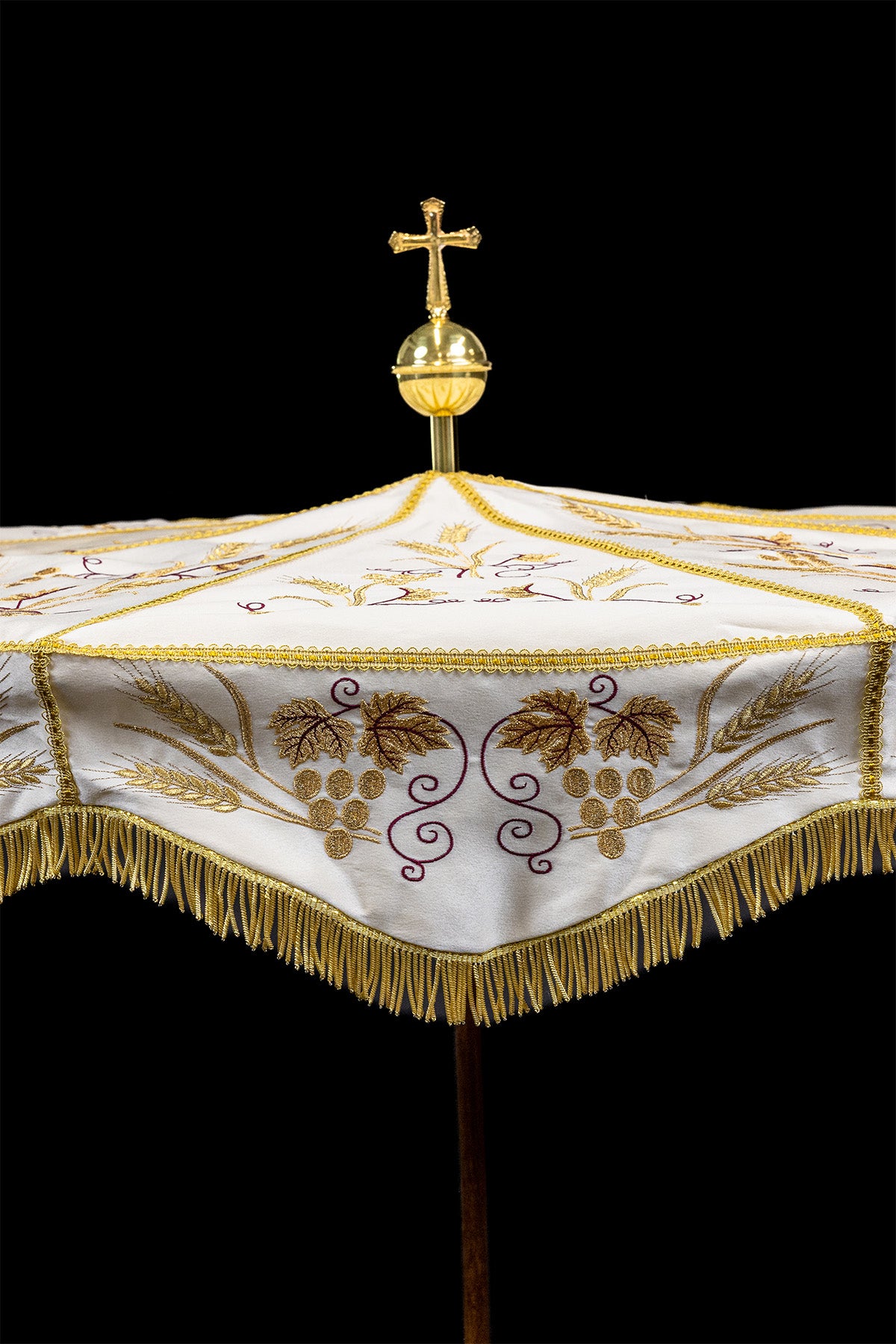
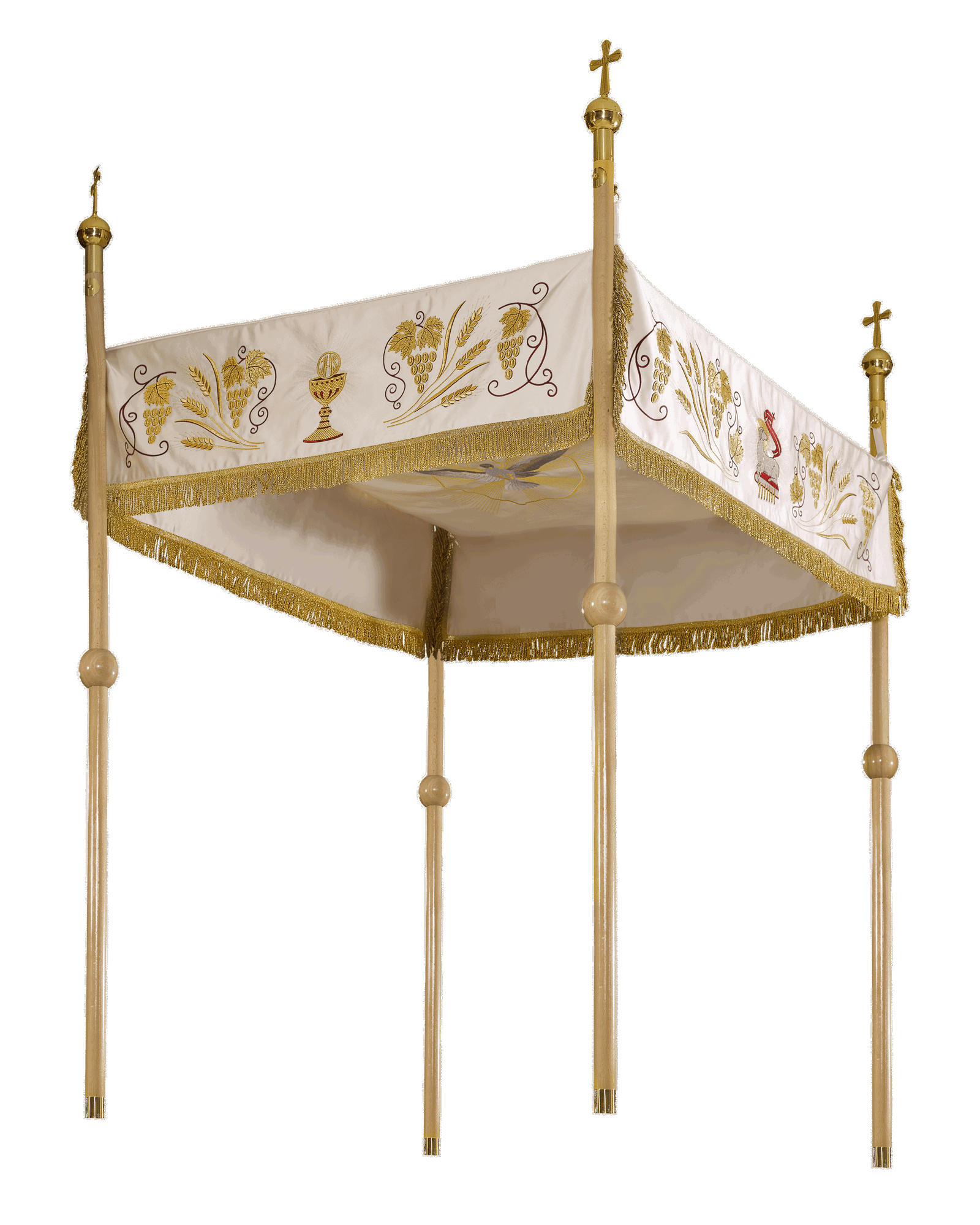
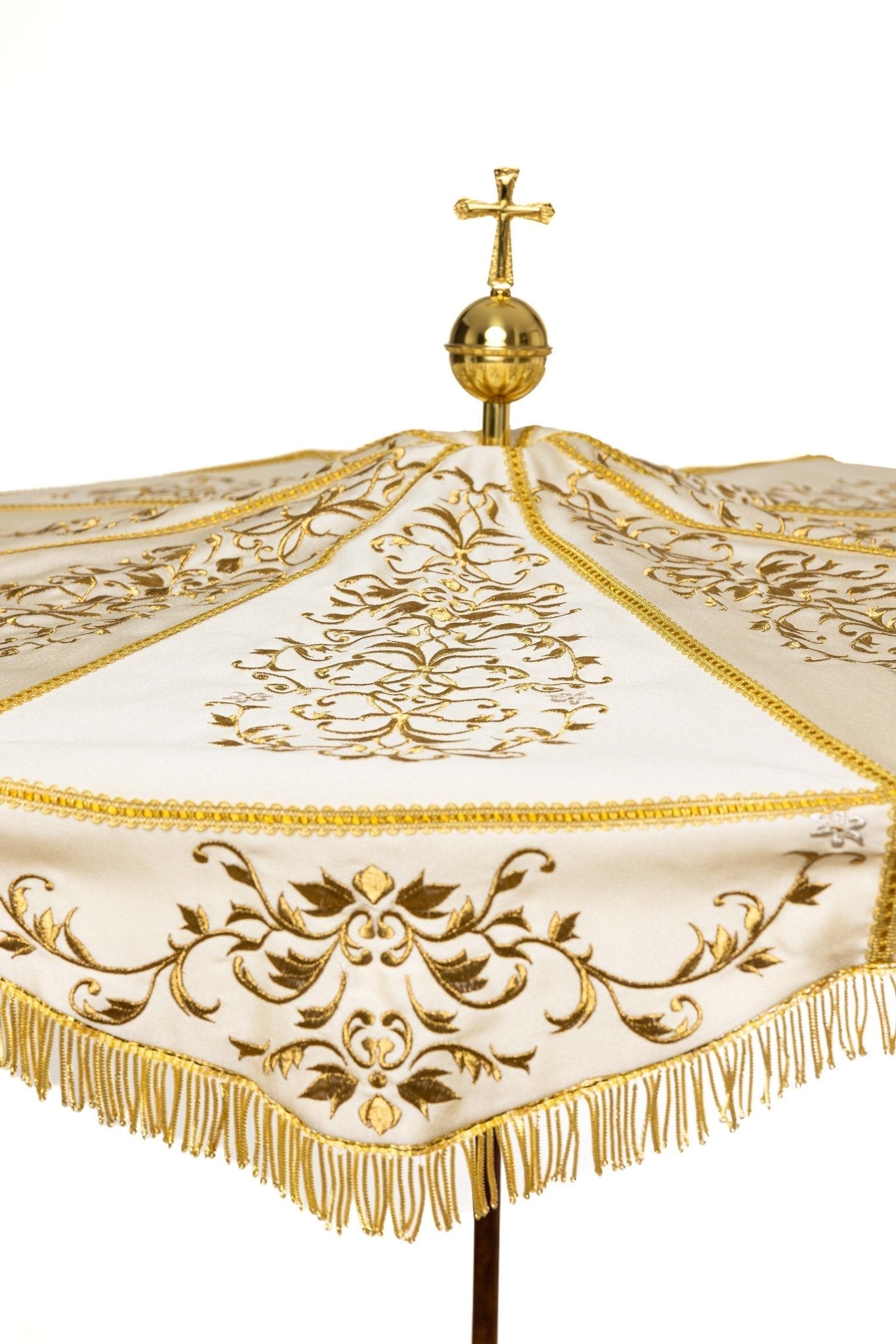
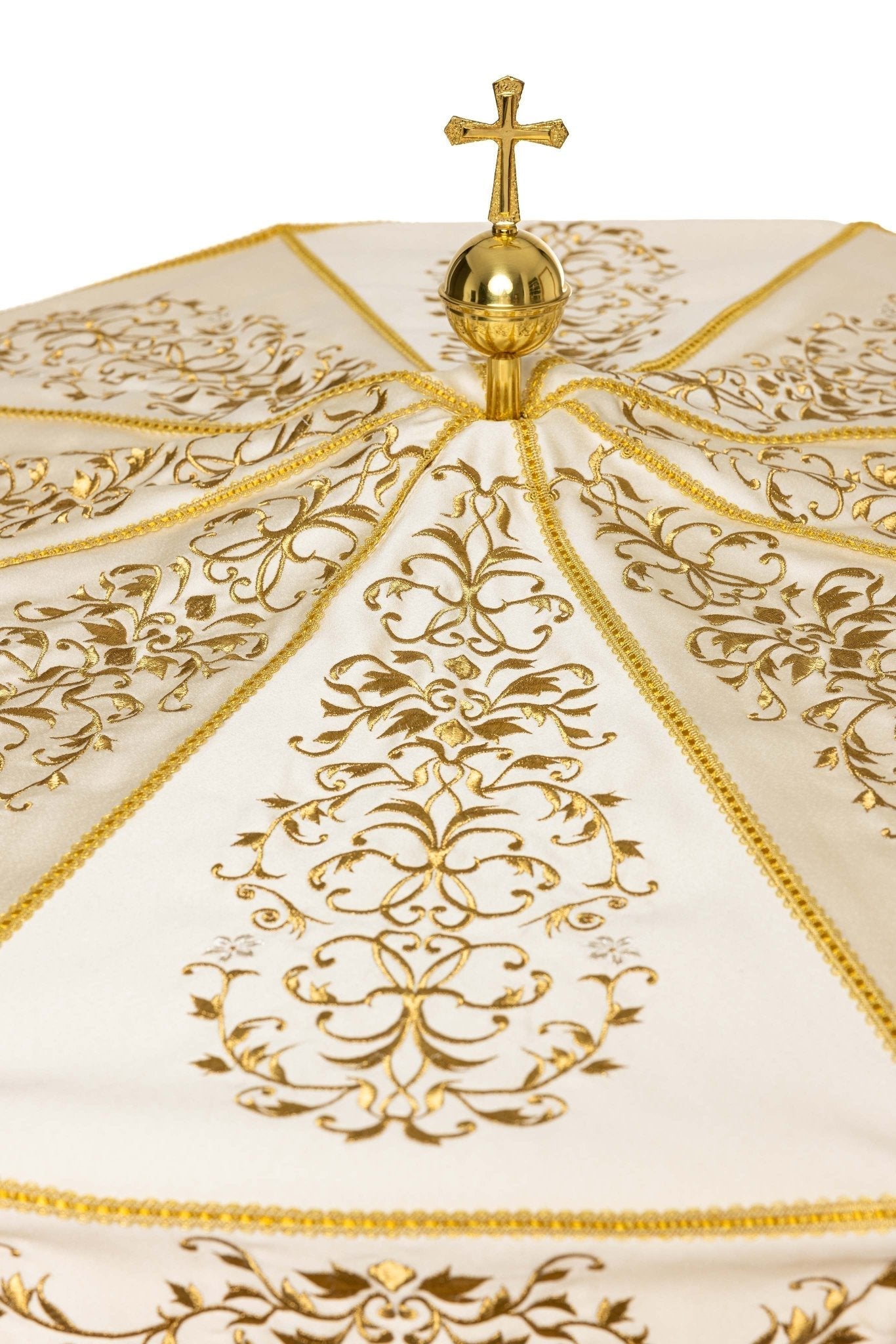
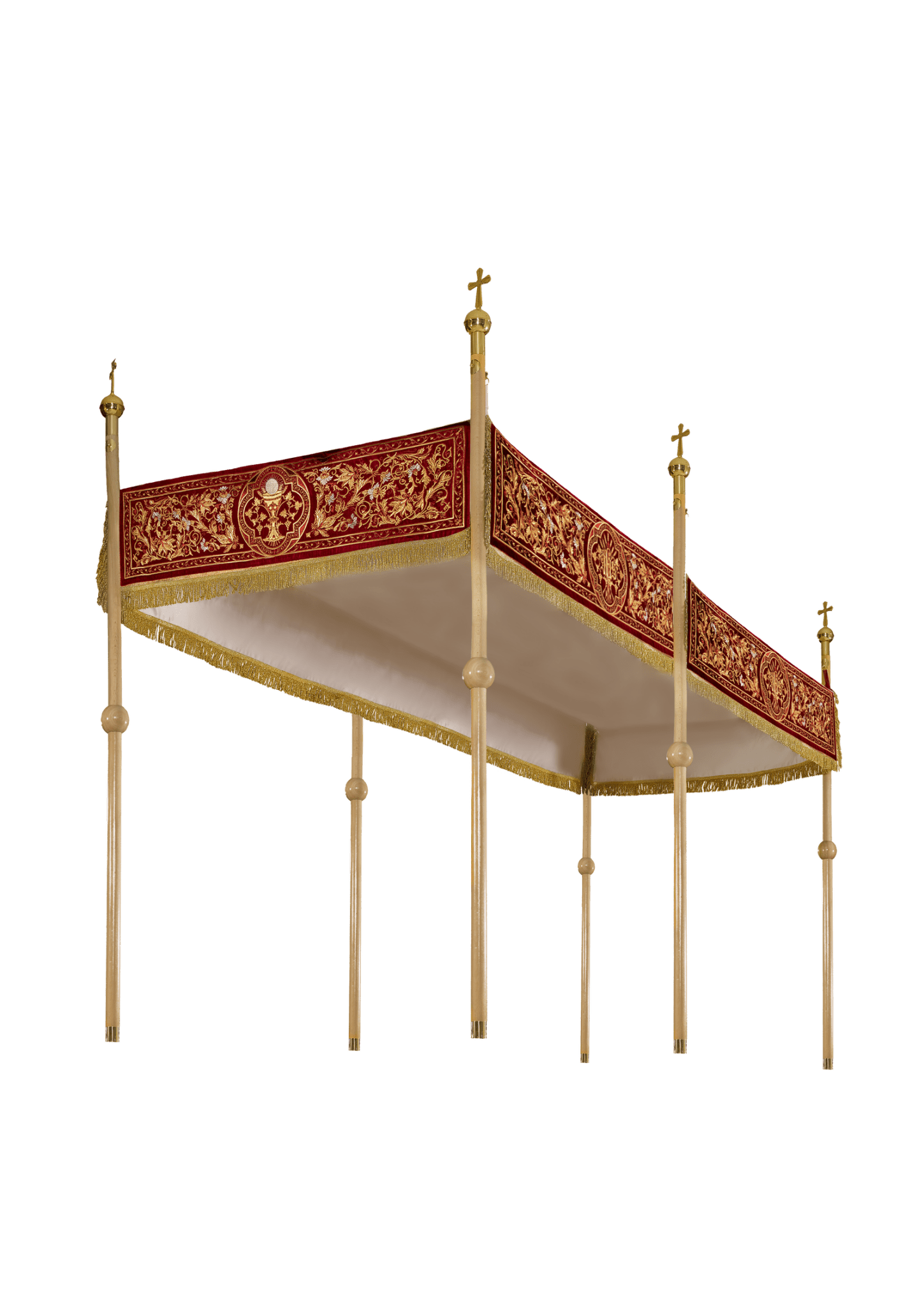
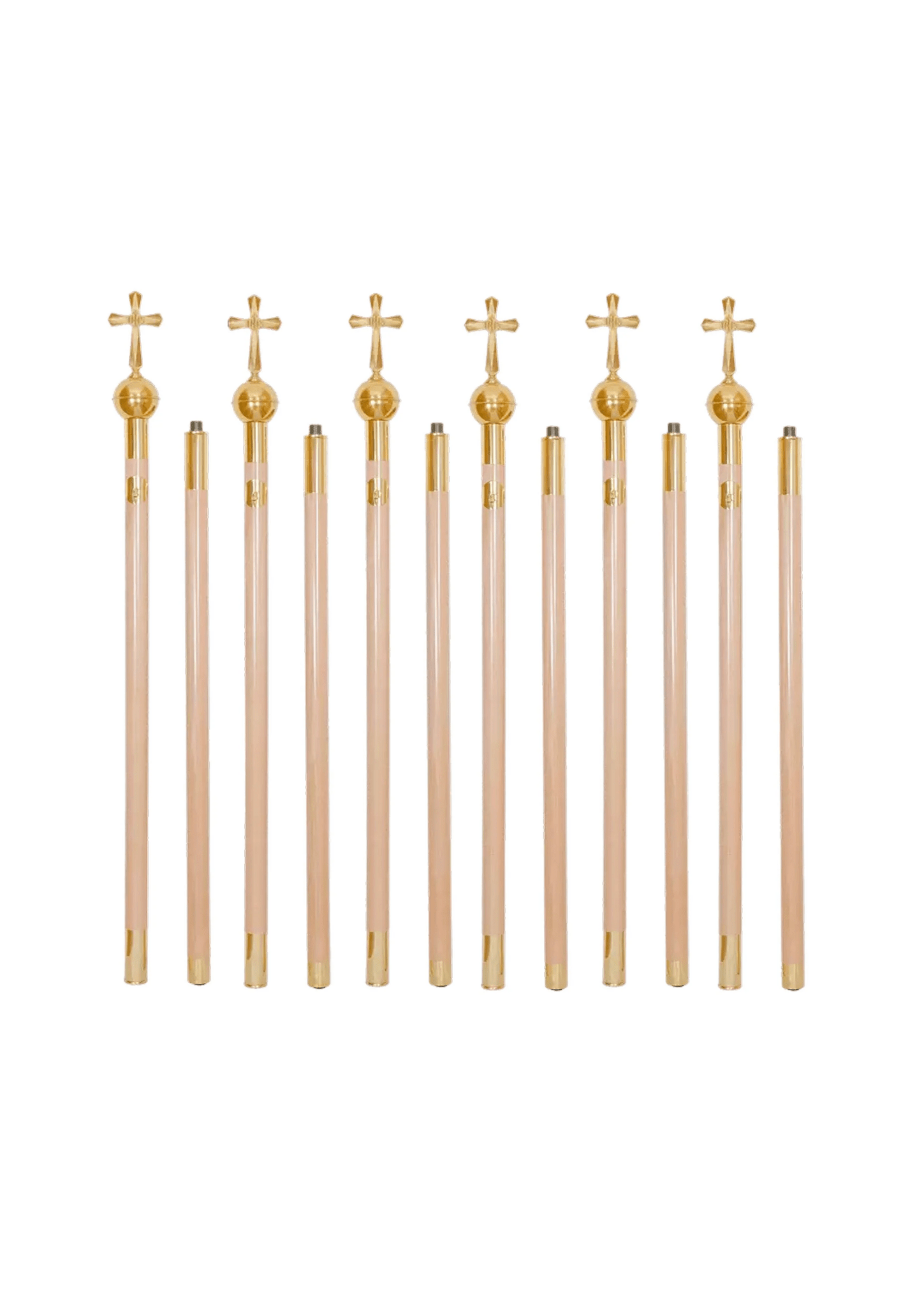
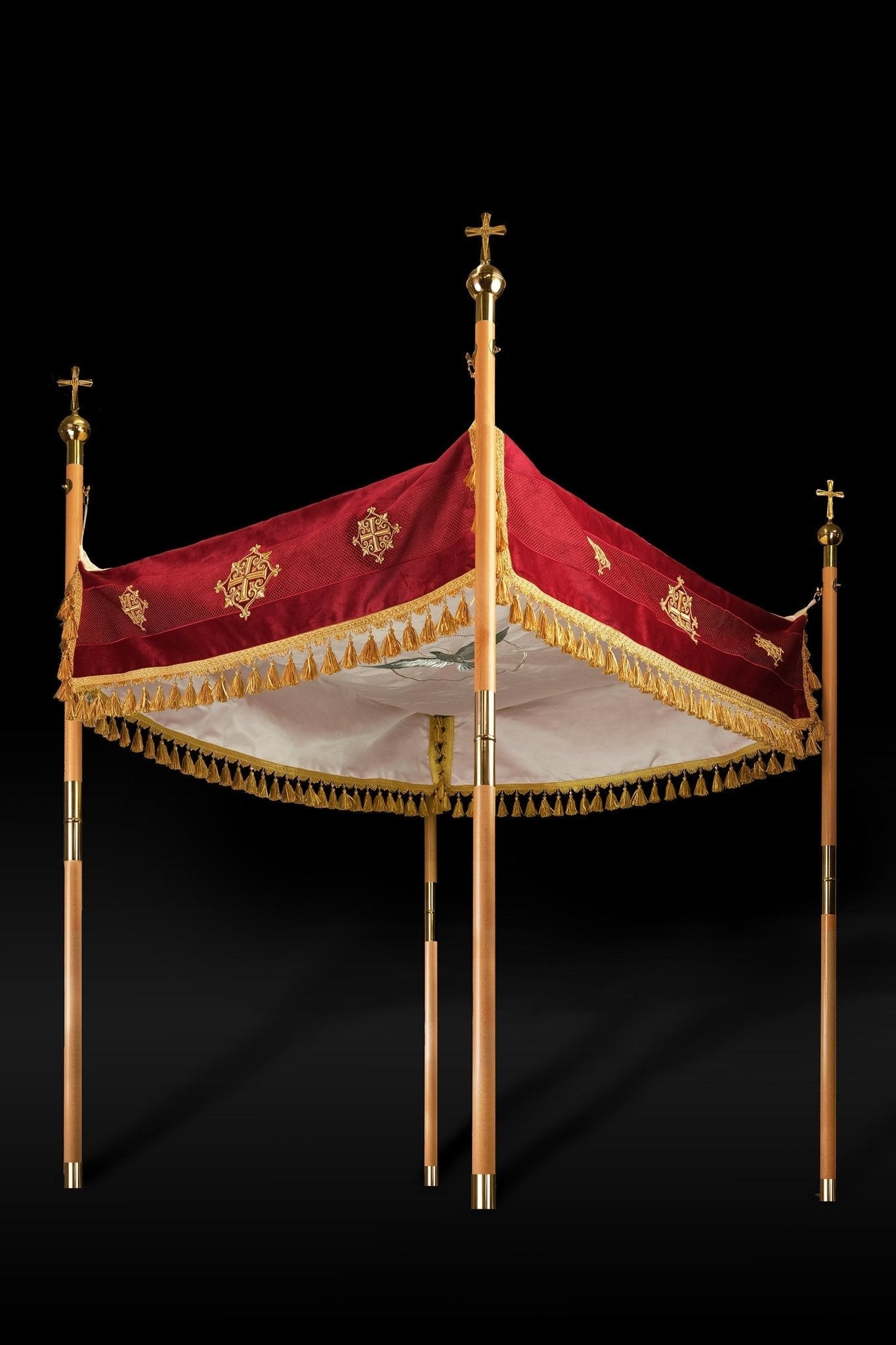
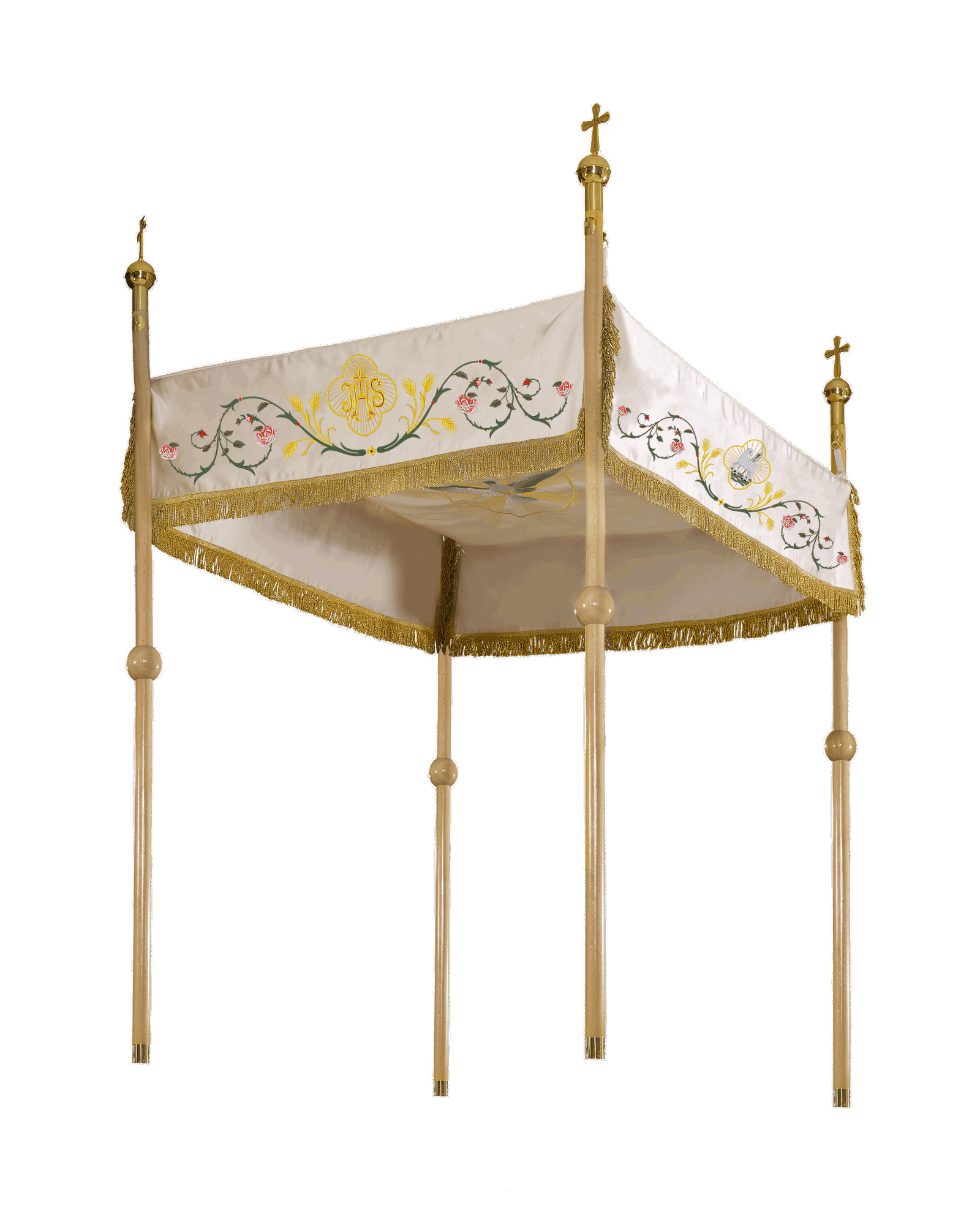
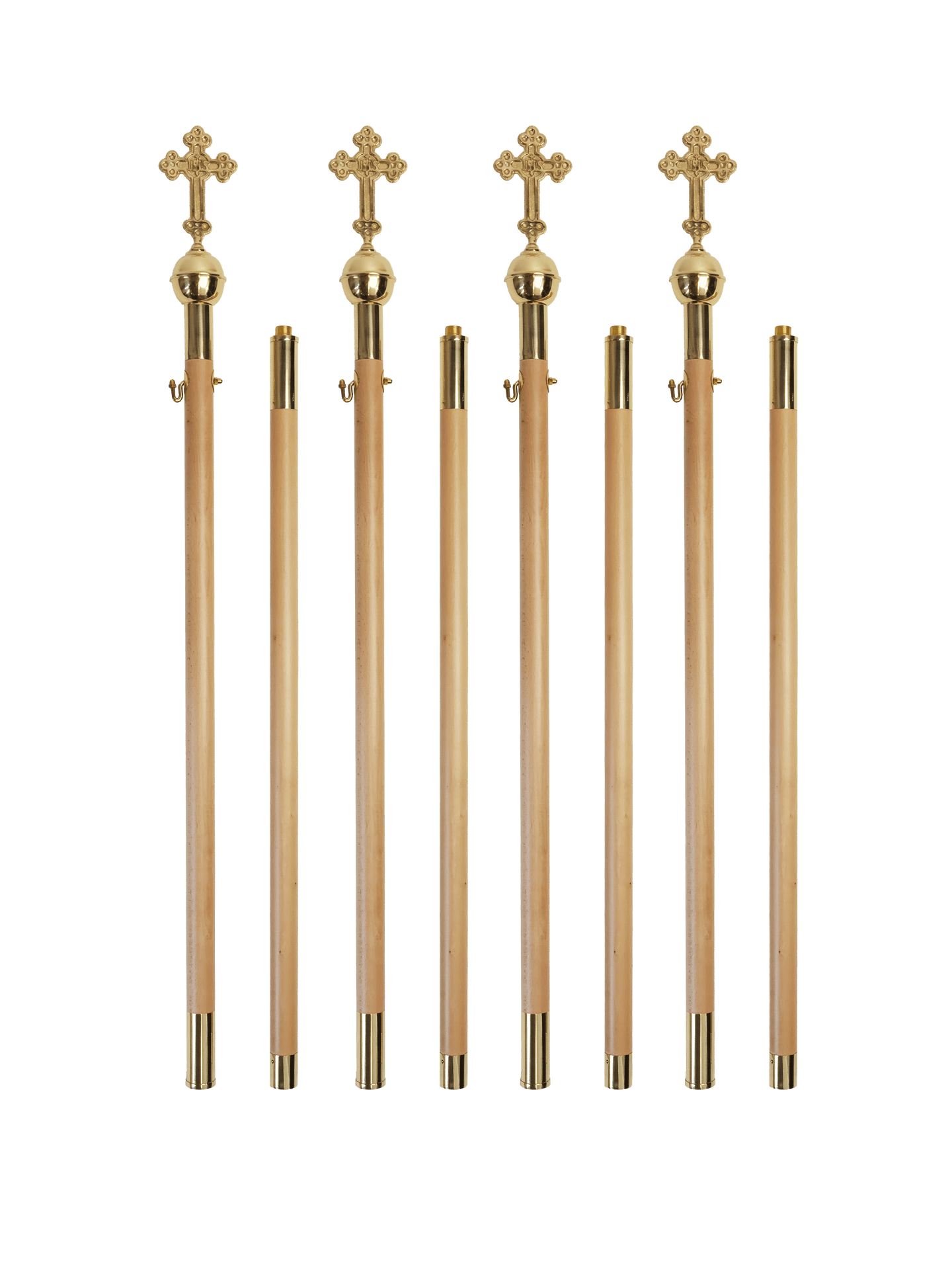
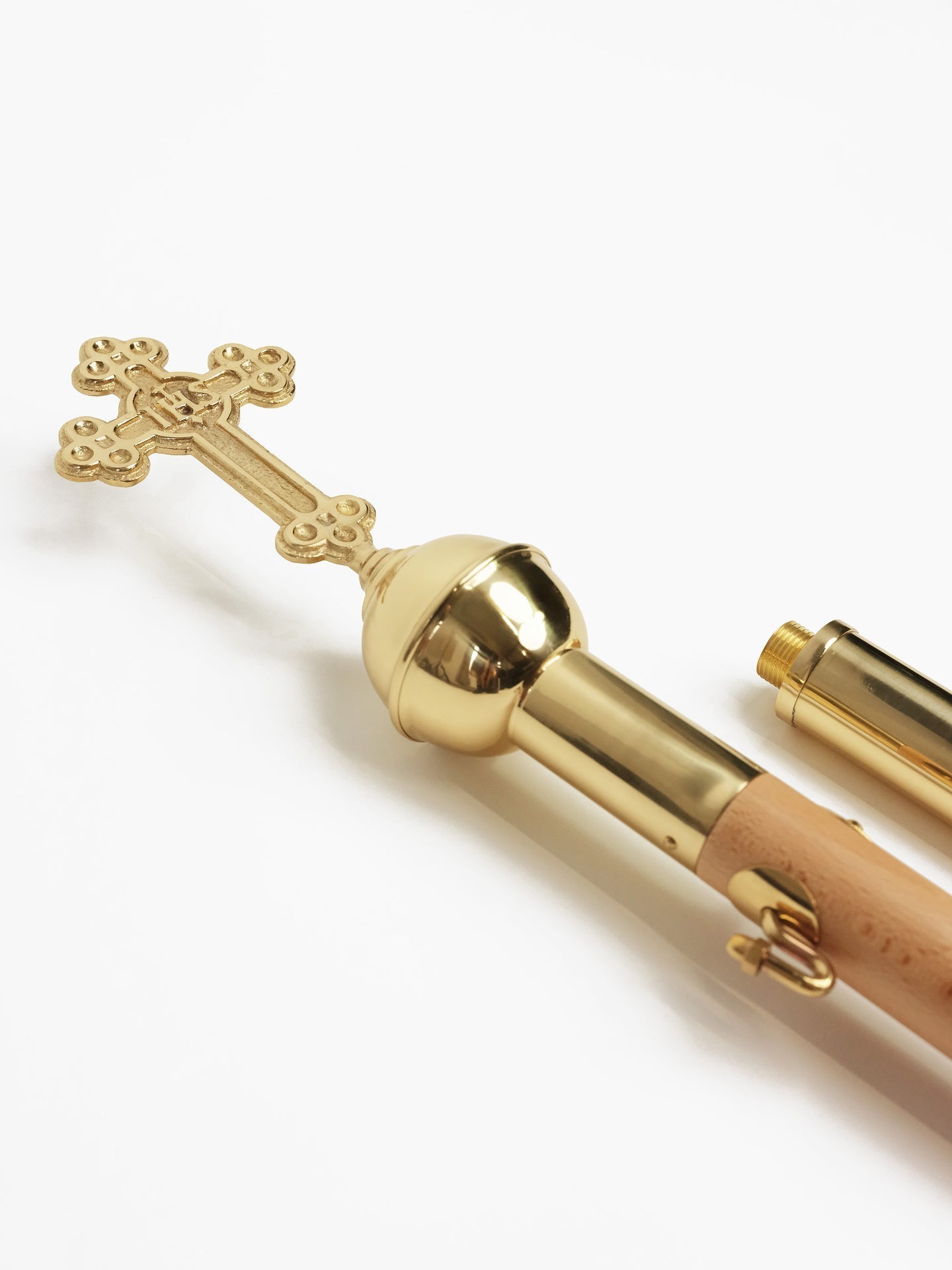
Processional canopies are portable structures used in eucharistic processions and outdoor processions, especially during significant occasions such as Corpus Christi. These canopies provide a symbolic shelter that protects the Eucharist, which is carried by a priest or deacon, from sun, rain, and other elements. A framed processional canopy typically consists of a frame supported by poles or staves, sometimes reinforced with horizontal spacer bars for added stability. Some canopies are carried using a long staff or multiple staves, and the frame is often covered with rich cloth or precious fabrics, such as cloth of gold or silk, to protect the host and chalice.
Note that the top covering is often made from waterproof material to shield against rain and inclement weather during outdoor processions. Many processional canopies are designed as portable canopies, making them easy to carry and set up, often coming as a complete set with a carrying bag for convenience. Panels can be attached or removed to provide shade or additional protection, and heavy duty versions are available for frequent outdoor use.
Examples of symbolic decorations include the dove, lamb, chalice, host, or umbrella shapes, and it is important to match the design and color of the canopy to the specific occasion. Users should not leave canopies outdoors in adverse weather, and the ease of assembly is a valued feature for those carrying and setting up these canopies.
Altar Canopies: Defining the Sacred Space of the Altar
Altar canopies, also known as baldachins, are permanent structures erected over the high altar of a church. These canopies serve to emphasize the importance of the altar as the focal point of the Mass. Altar canopies often feature a sturdy frame and may be covered with cloth or precious fabrics, sometimes incorporating gold accents for added grandeur. They can also be constructed from a variety of materials, including stone, marble, wood, or metal, and are often adorned with elaborate carvings, paintings, or mosaics. The design of an altar canopy should complement the architectural style of the church and create a sense of visual harmony.
Baptismal Font Canopies: Highlighting the Sacrament of Baptism
Baptismal font canopies are structures placed above the baptismal font, the vessel used for administering the sacrament of baptism. These canopies serve to highlight the significance of baptism as the entry point into the Christian faith. Baptismal font canopies are often smaller and more delicate than altar canopies. They may be made of wood, metal, or glass, and are often decorated with symbols of baptism, such as water, doves, or shells. Additionally, these canopies may be covered with decorative cloth or precious fabrics to enhance their visual appeal and underscore their ceremonial importance.
Statue Canopies: Honoring Saints and Religious Figures
Statue canopies are small structures placed above statues of saints or other religious figures. These canopies serve to honor the individuals depicted in the statues and to create a sense of reverence. Statue canopies are typically made of wood or metal, and are often adorned with decorative elements such as carvings, paintings, or fabrics. In many cases, the canopy is covered with cloth or precious fabrics, highlighting the importance of the figure and adding a layer of symbolic and material richness.
Materials and Craftsmanship: The Art of Canopy Construction
The construction of church canopies requires a high level of skill and craftsmanship. These canopies are often carefully crafted using precious fabrics and rich cloth, such as brocade, damask, or silk, sometimes adorned with gold to enhance their elegance and reverence. The frame is a key structural element, providing support and maintaining the shape and stability of both permanent and portable canopies. The materials used in canopy construction can vary widely, depending on the desired aesthetic and the budget of the church. Here are some of the most common materials used in church canopy construction:
Wood: A Traditional and Versatile Material
Wood is a traditional material that has been used in church canopy construction for centuries. Wood is a versatile material that can be easily carved, shaped, and finished. It can also be stained or painted to match the architectural style of the church. Some of the most popular types of wood used in canopy construction include oak, maple, and walnut.
Metal: Strength, Durability, and Ornate Detailing
Metal is another popular material for church canopy construction. Metal can provide strength and durability, and can also be intricately worked to create ornate designs. Some of the most common types of metal used in canopy construction include iron, bronze, and brass. Metal canopies are often gilded, gold plated, or painted to enhance their appearance.
Stone and Marble: Timeless Elegance and Enduring Beauty
Stone and marble are often used in the construction of altar canopies, particularly in churches with a classical or Romanesque architectural style. Stone and marble canopies are known for their timeless elegance and enduring beauty. These materials are also very durable and can withstand the test of time. Some of the most popular types of stone and marble used in canopy construction include granite, limestone, and Carrara marble.
Fabrics: Adding Color, Texture, and Symbolic Meaning
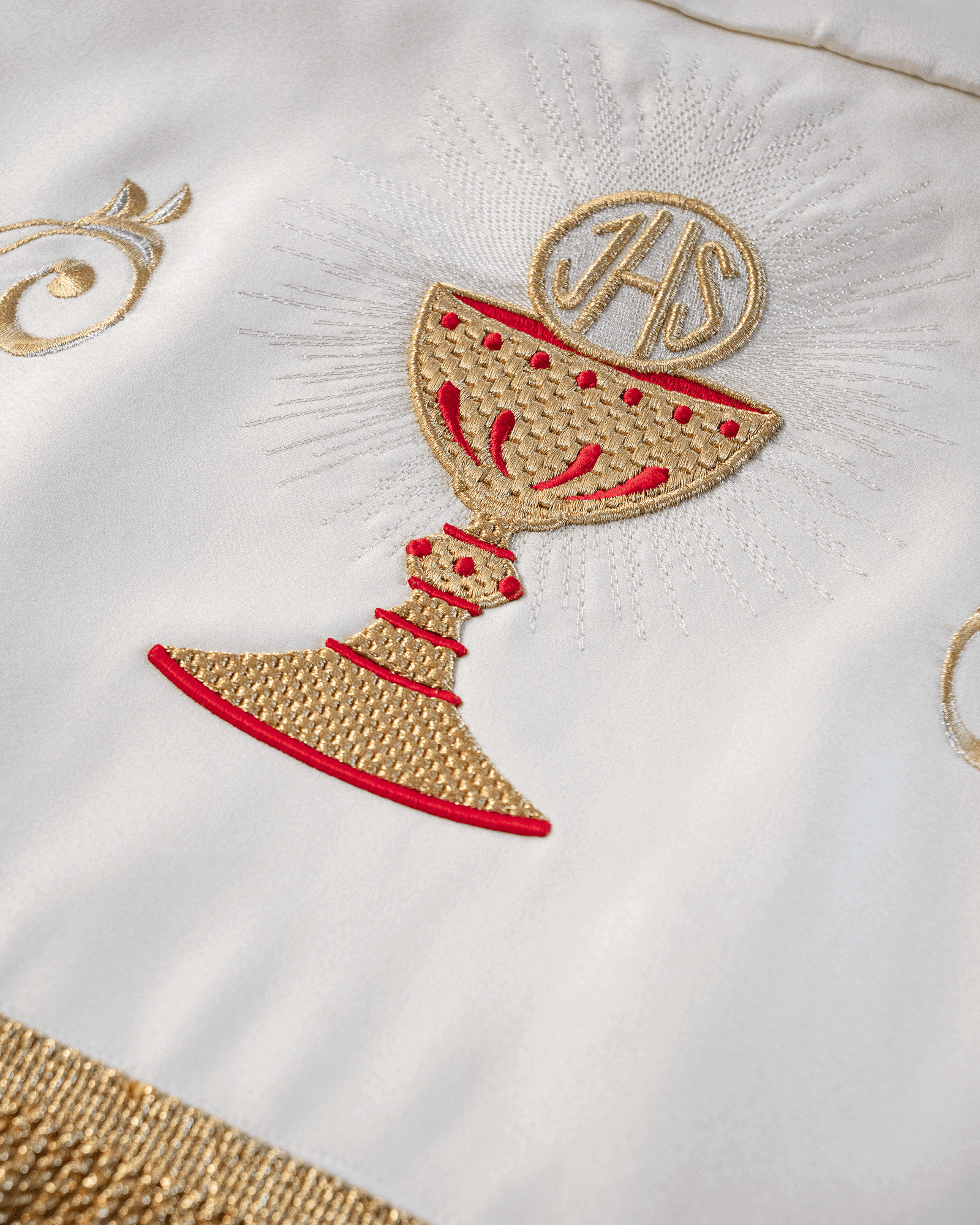
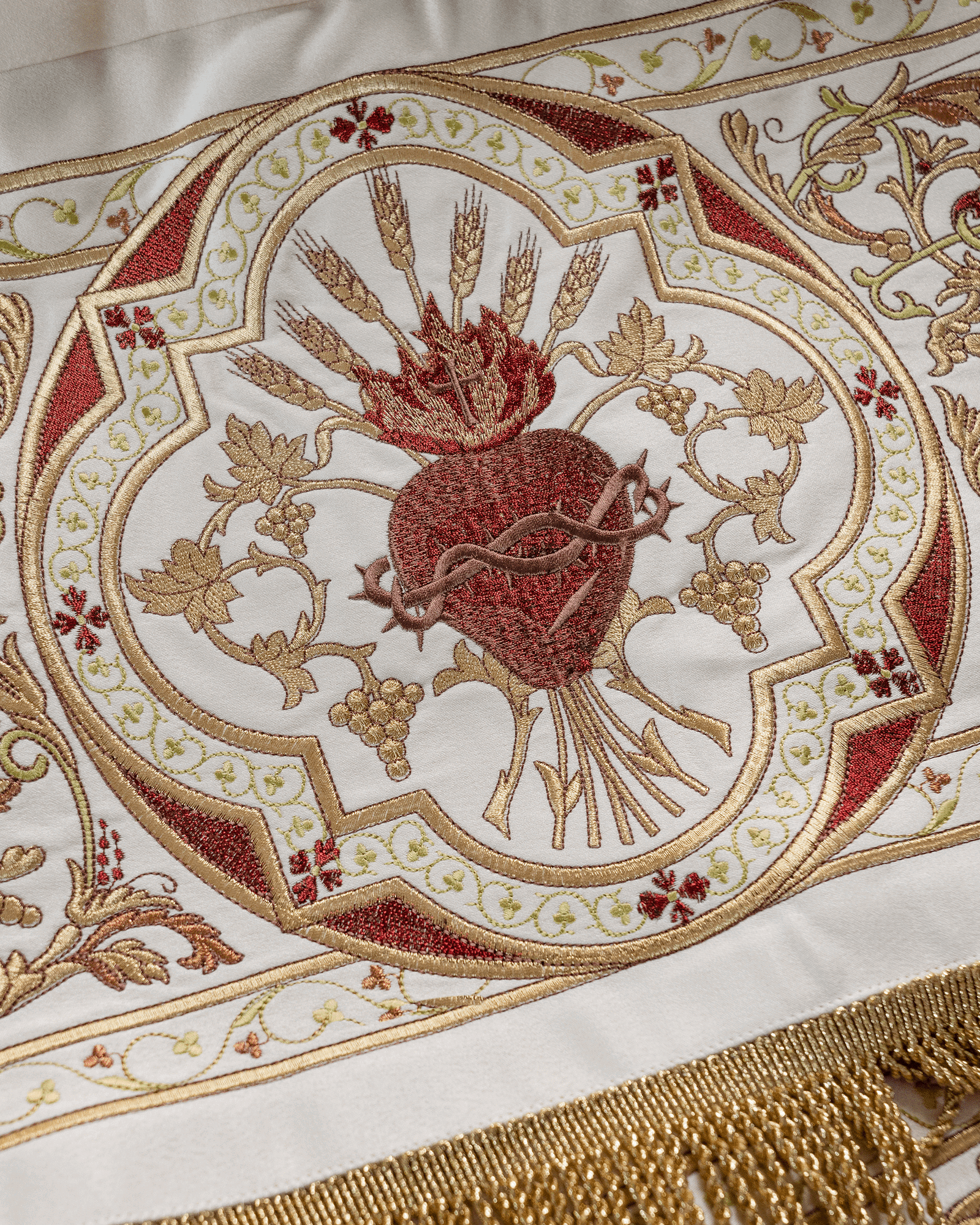
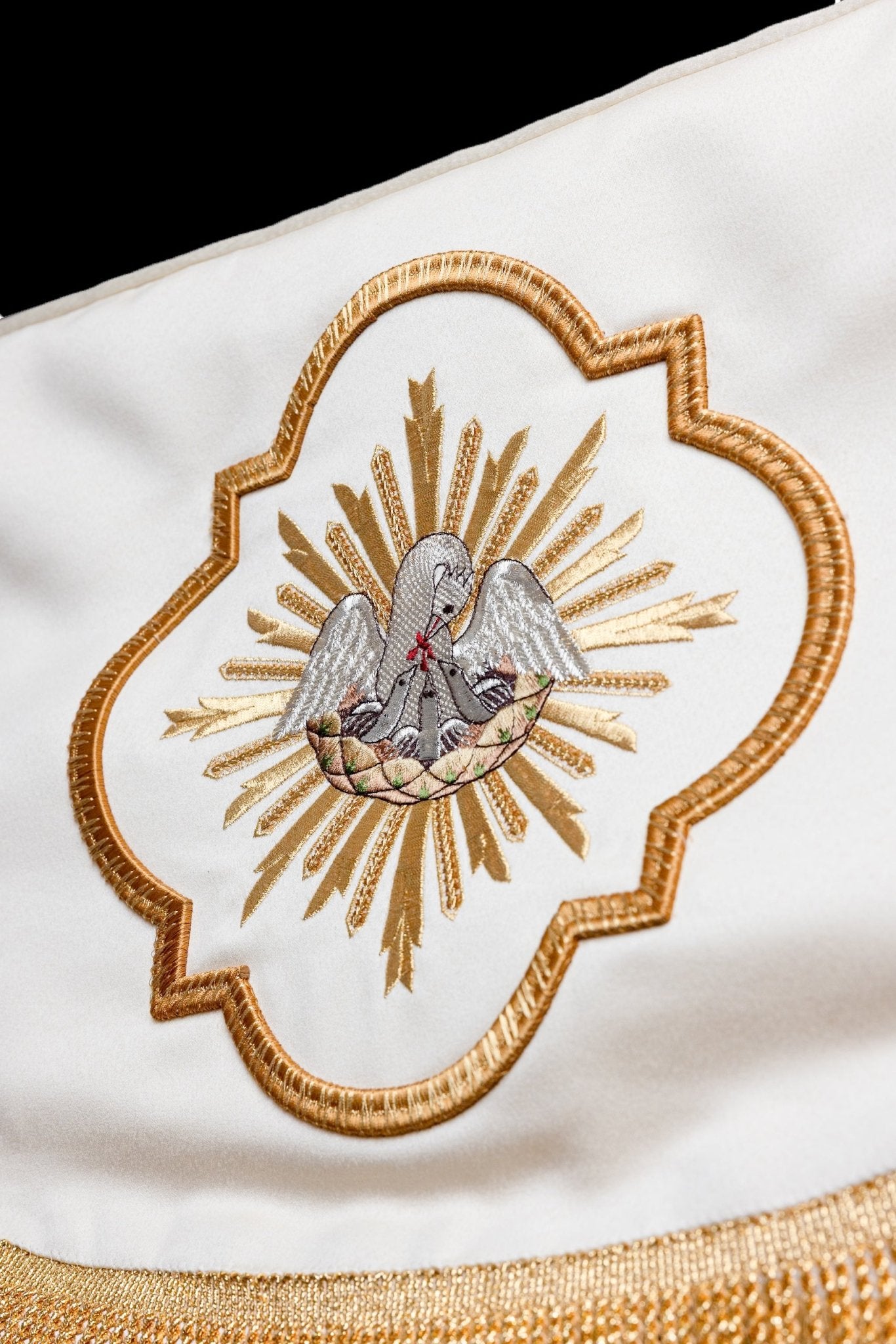
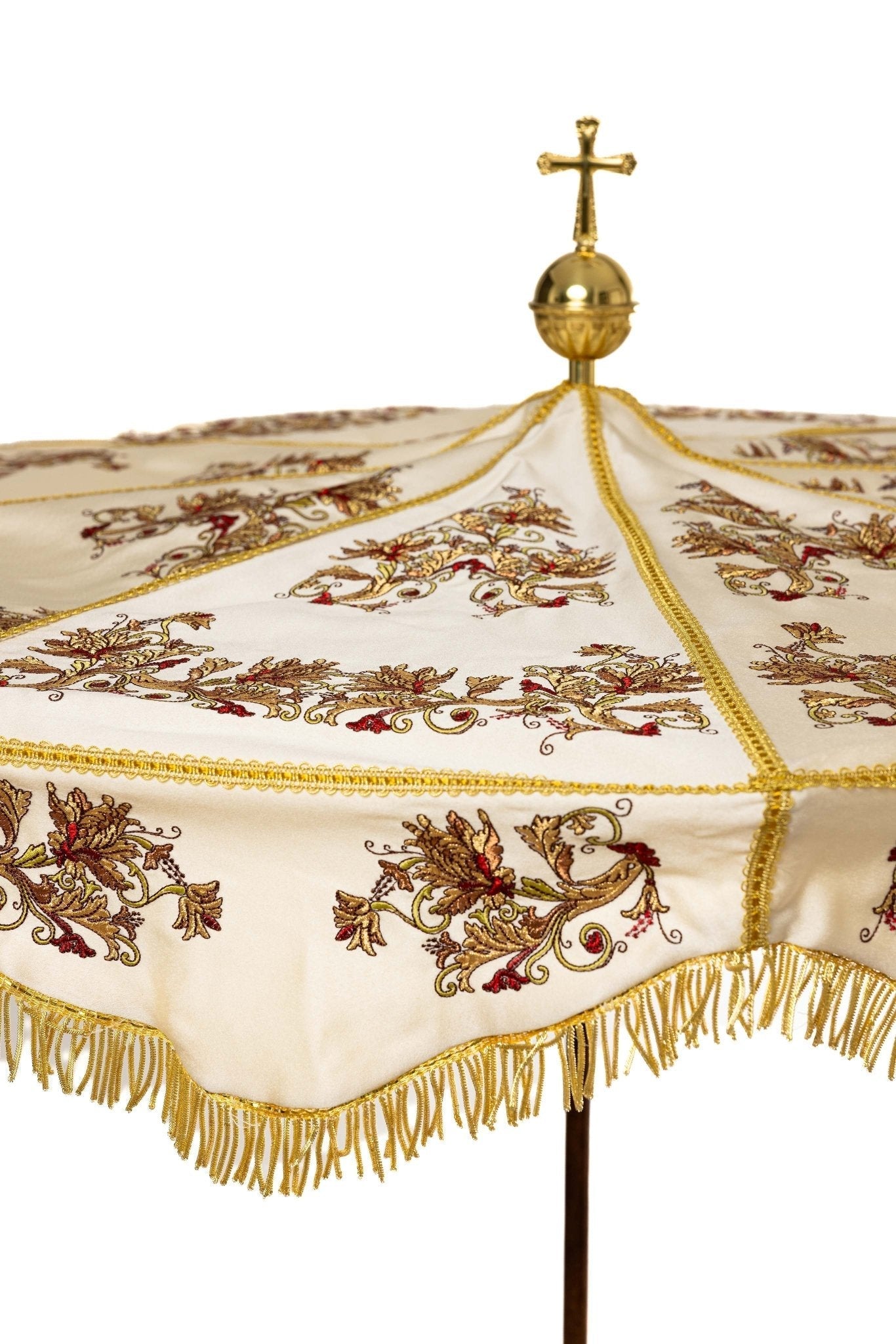
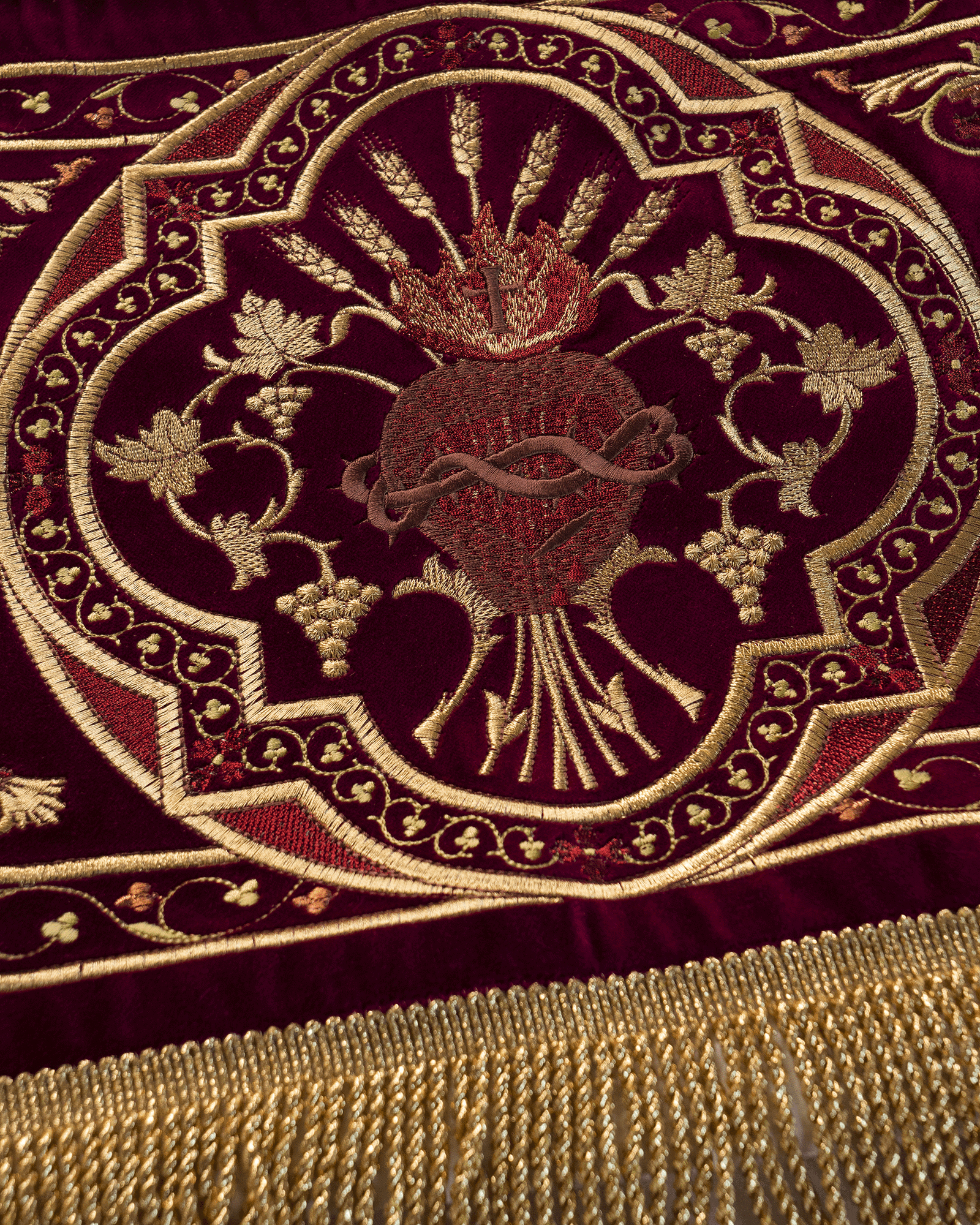
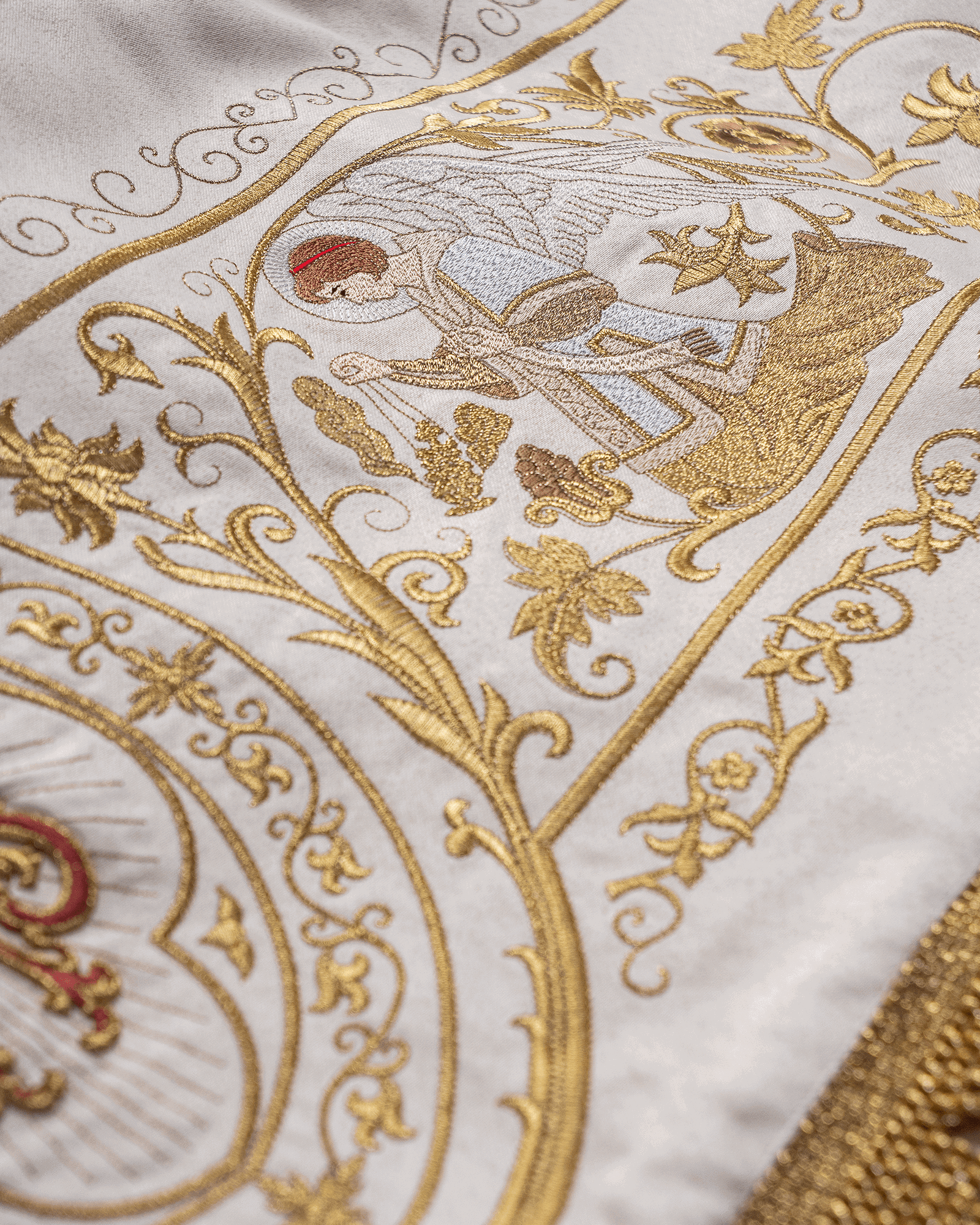
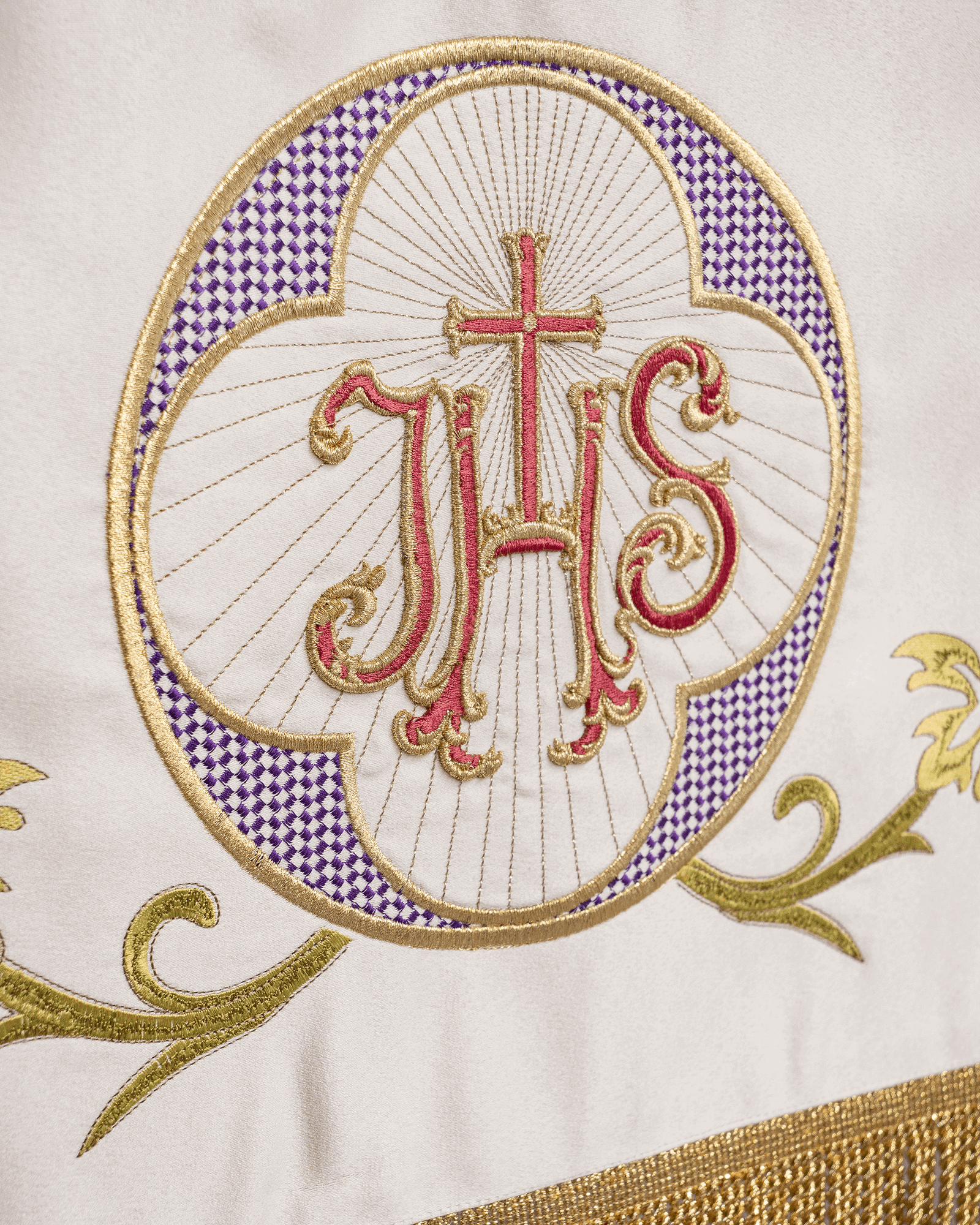
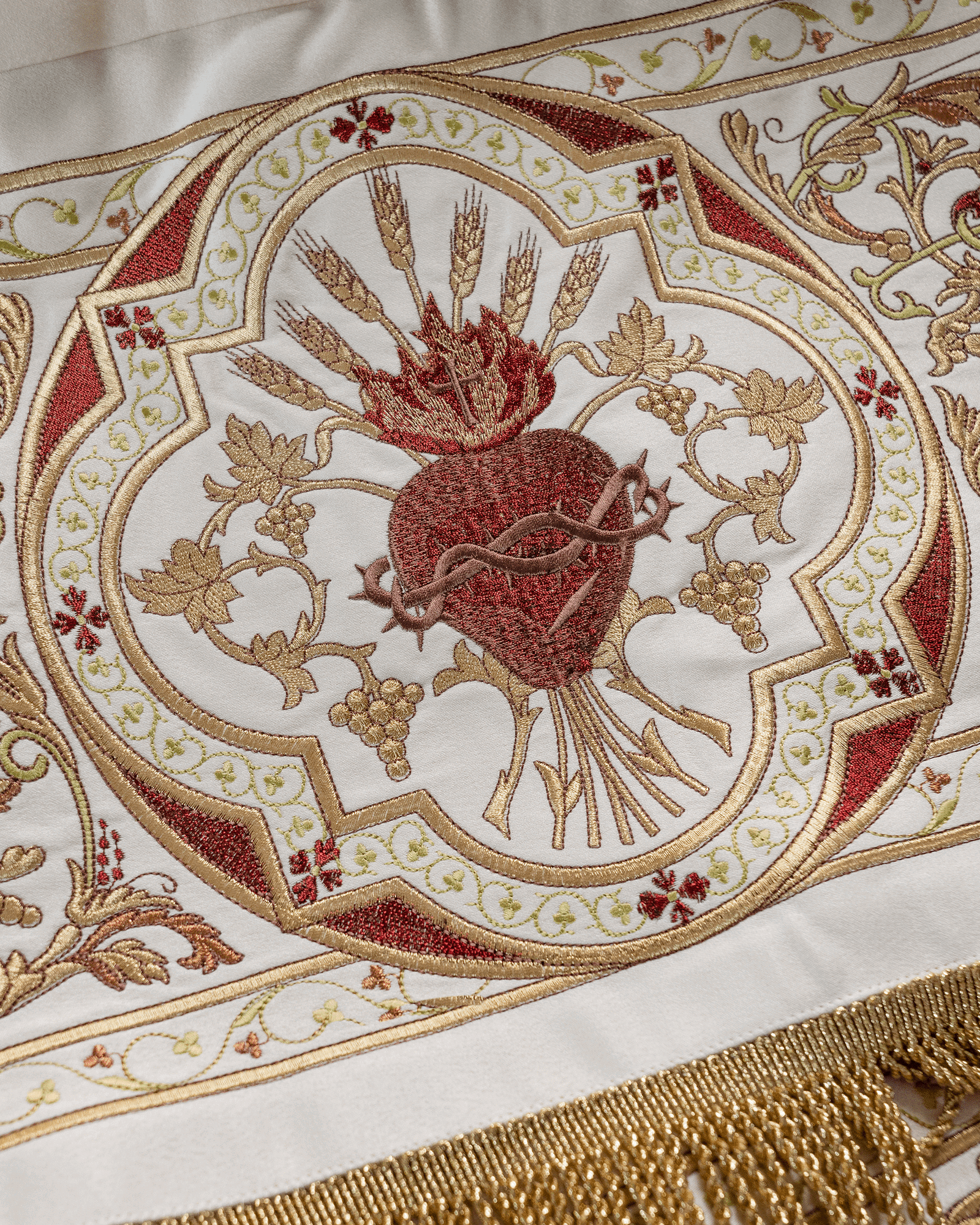
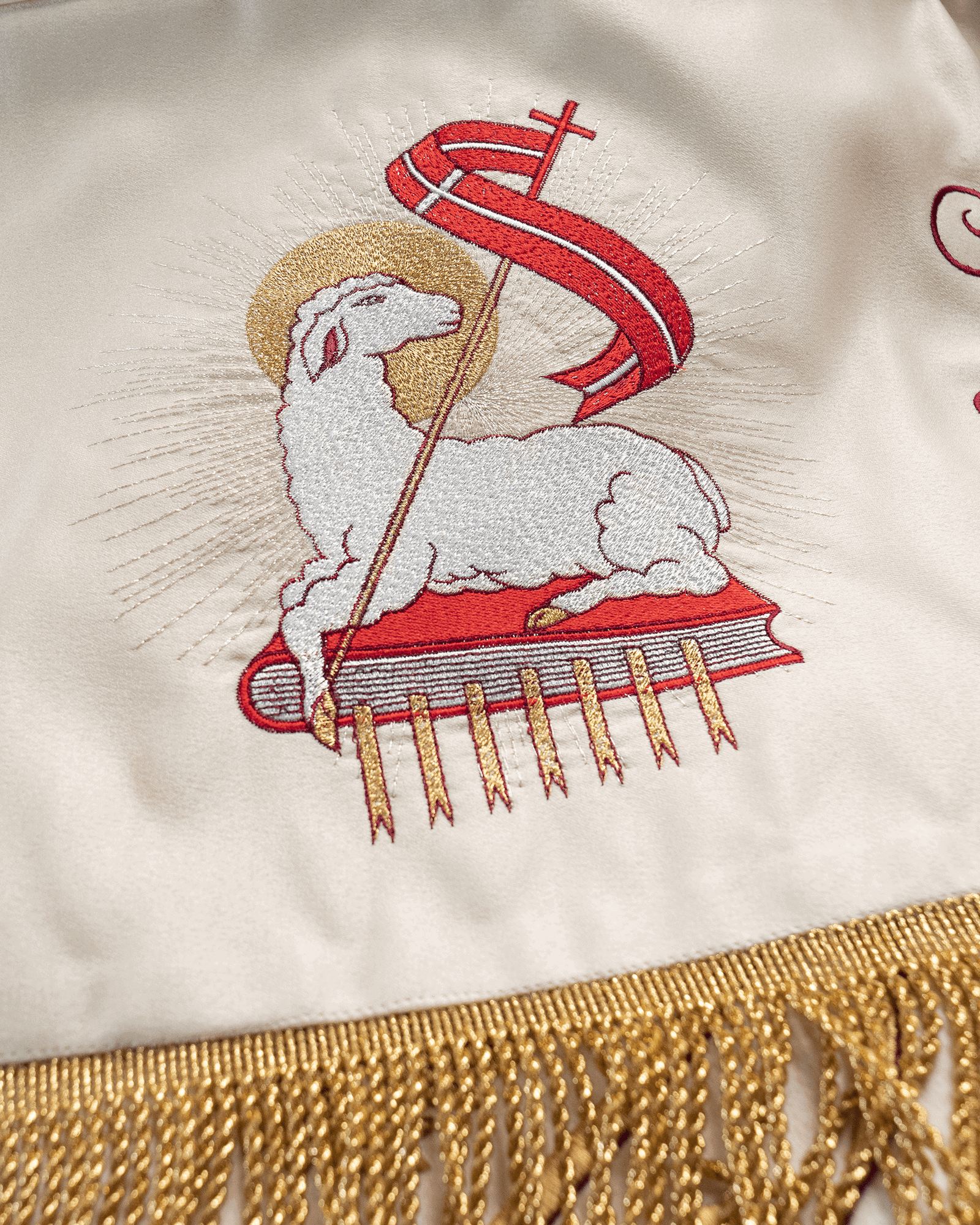
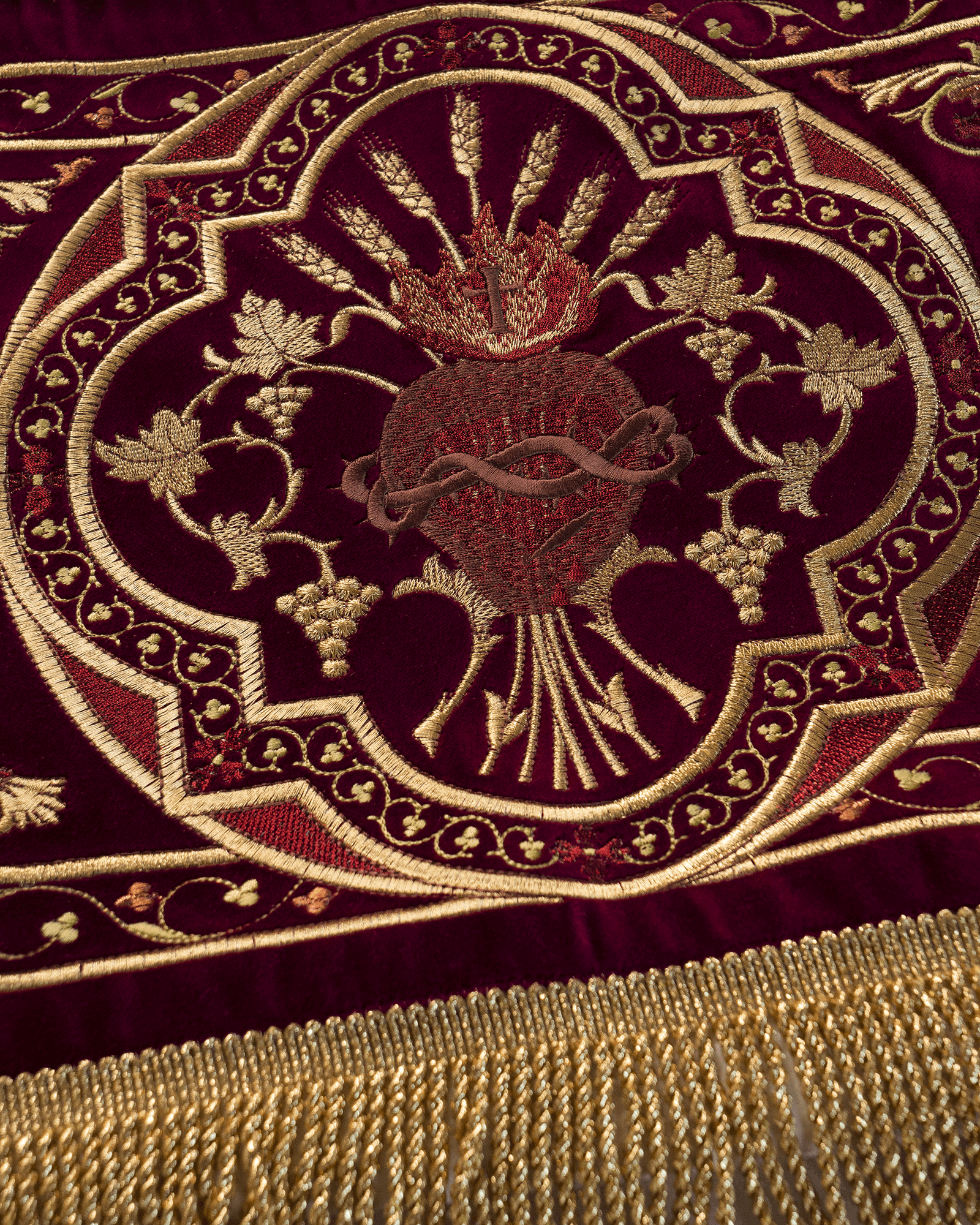
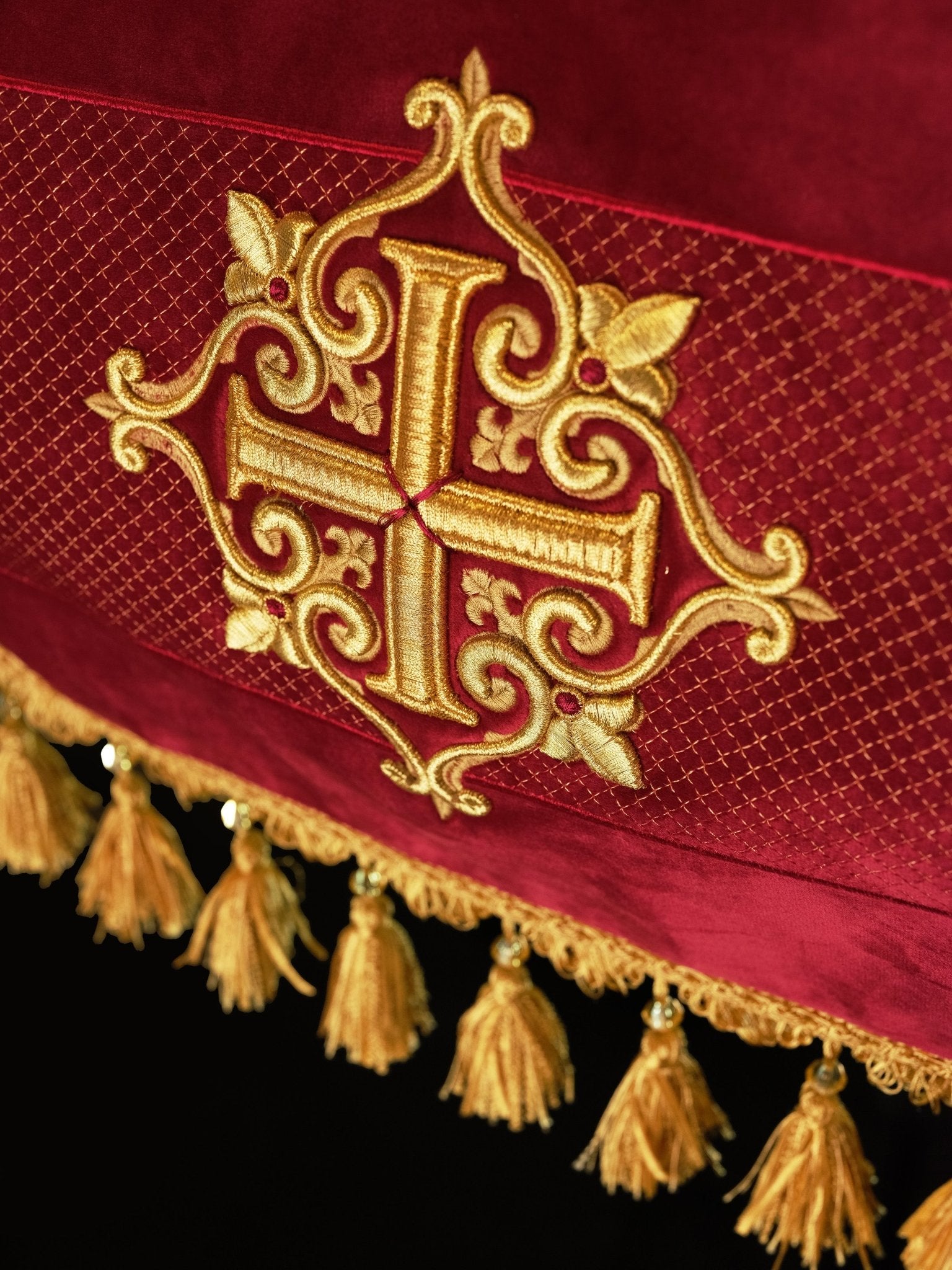
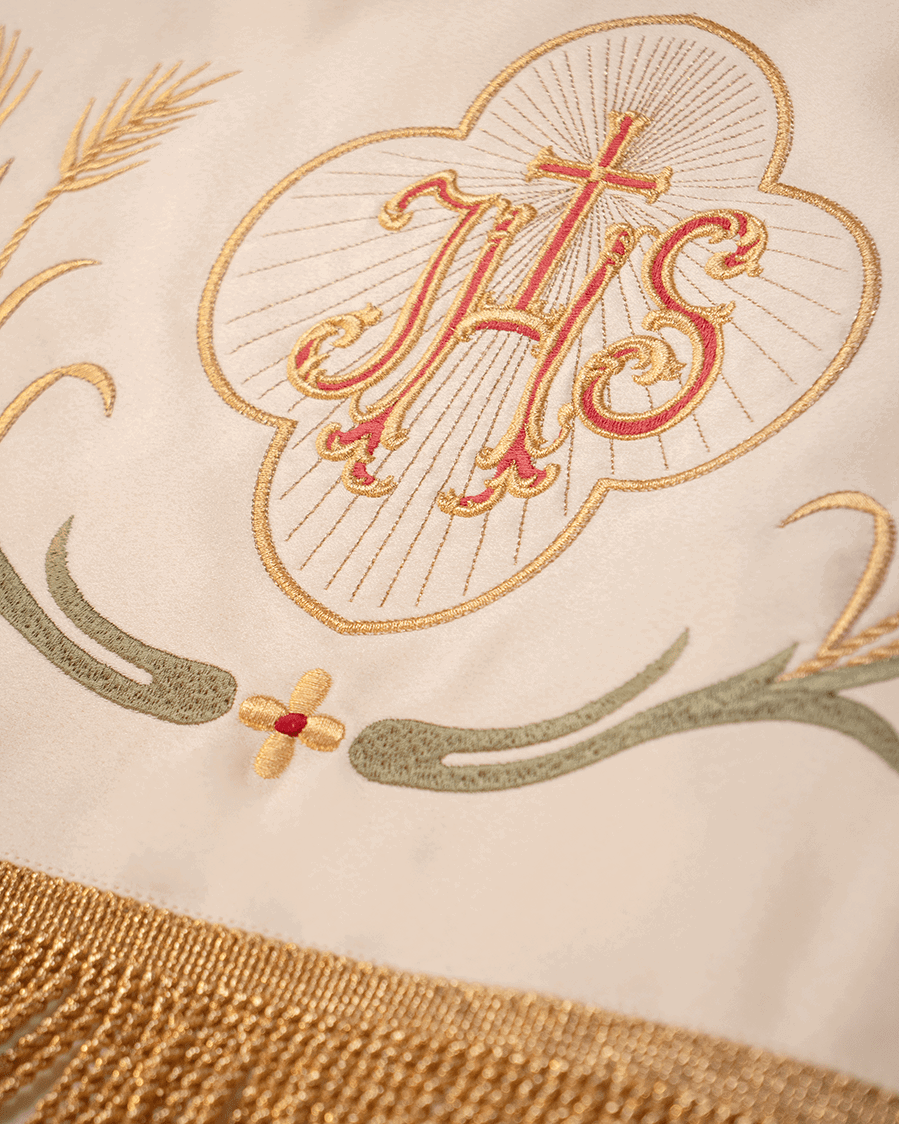
Fabrics play an important role in the design of church canopies, with rich cloth and precious fabrics such as silk, velvet, and brocade commonly used to convey elegance and reverence. These cloth materials are often adorned with embroidery that incorporates gold thread or accents, enhancing their grandeur. Frequently, symbolic elements such as the host, chalice, dove, and lamb are embroidered onto the fabric, reflecting Eucharistic and liturgical significance. The colors of the fabrics used in a canopy can also be chosen to reflect the liturgical season or the feast day being celebrated.
Design Elements: Incorporating Symbolism and Aesthetics
The design of a church canopy should incorporate both symbolism and aesthetics. Key design elements include the frame, which provides structural support and maintains the canopy's shape, and panels, which can be adjusted or removed to customize the space and enhance functionality. The canopy is typically covered with decorative fabric that not only adds beauty but also offers shade and protection. A complete canopy set may include the frame, panels, and covering, ensuring all components are organized for initial setup and effective use. The canopy should be visually appealing and should also convey a sense of reverence and awe. Here are some of the most important design elements to consider when designing a church canopy:
Shape and Proportion: Creating Visual Harmony
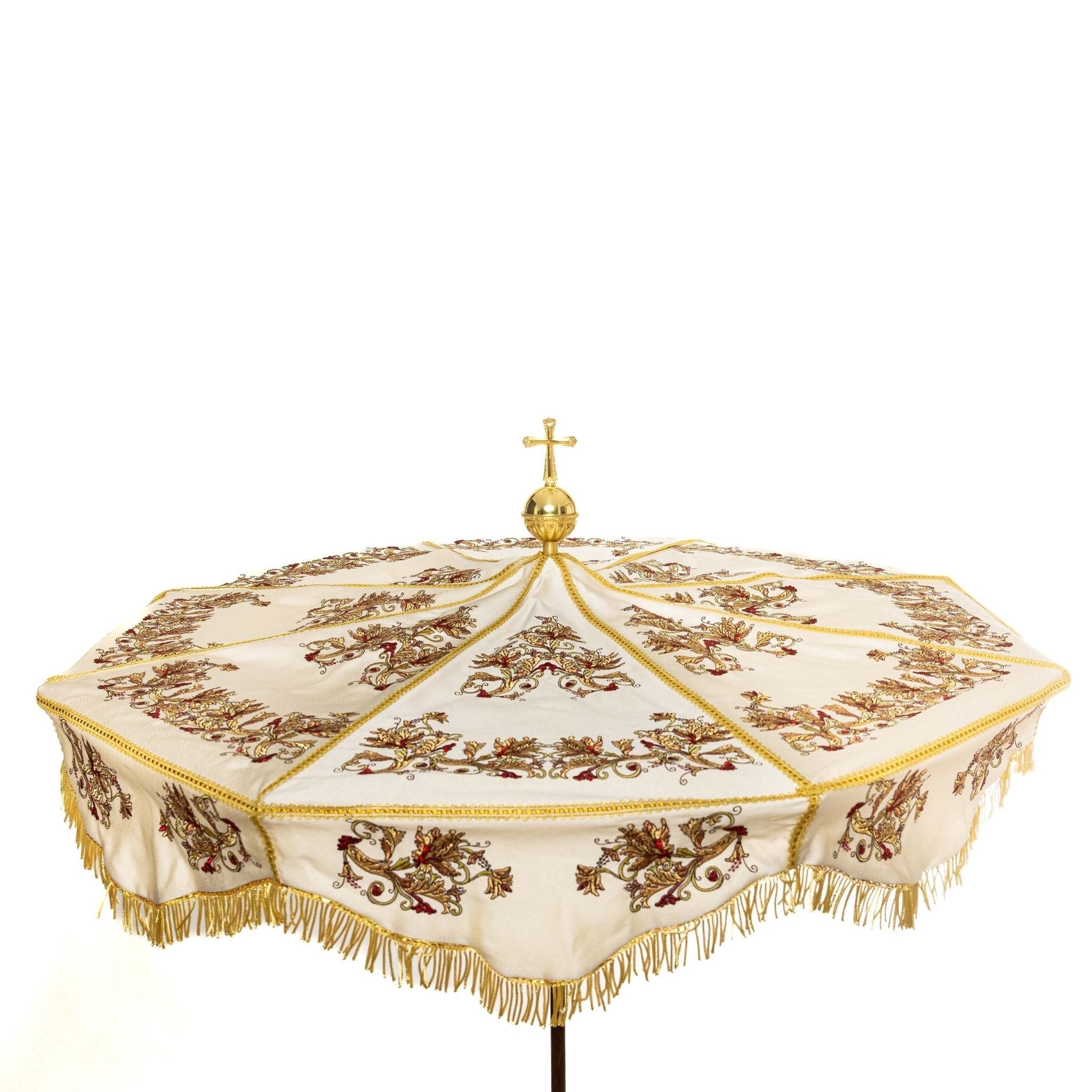
The shape and proportion of a canopy are crucial to its overall aesthetic appeal. The canopy should be in proportion to the altar, baptismal font, or statue it is sheltering. The shape of the canopy can also be chosen to reflect the architectural style of the church. For example, a church with a Gothic architectural style might have a canopy with pointed arches, while a church with a Romanesque architectural style might have a canopy with rounded arches. Some canopies, such as the ombrellino, feature a flat top, distinguishing them from more ornate or curved designs and emphasizing structural simplicity and portability.
Color and Light: Enhancing the Atmosphere
Color and light can play a significant role in enhancing the atmosphere of a church. The colors used in a canopy can be chosen to reflect the liturgical season or the feast day being celebrated. For example, white is often used during Easter and Christmas, while purple is often used during Lent and Advent. Gold is also a popular color choice for canopies, symbolizing glory and reverence, and is frequently used to emphasize the grandeur of religious celebrations. The lighting of a canopy can also be used to create a sense of drama and reverence. Spotlights can be used to highlight specific features of the canopy, while ambient lighting can be used to create a soft, warm glow.
Symbolism: Conveying Religious Meaning
Symbolism is an important element in the design of church canopies. The symbols used in a canopy can convey religious meaning and can help to educate the faithful about the teachings of the church. Some of the most common symbols used in church canopies include crosses, angels, the host and chalice as Eucharistic symbols, the dove as a symbol of the Holy Spirit, the lamb as a symbol of Christ, umbrella shapes to symbolize protection, and images of saints. These symbols can be incorporated into the canopy through carvings, paintings, embroidery, or other decorative elements.
Ornamentation: Adding Detail and Visual Interest
Ornamentation can add detail and visual interest to a church canopy. Gold accents and precious fabrics are often used to enhance the visual richness and grandeur of the canopy, reflecting reverence for liturgical traditions. The ornamentation used in a canopy should be in keeping with the architectural style of the church and should not be overly distracting. Some of the most common types of ornamentation used in church canopies include carvings, paintings, mosaics, metalwork, and embroidered symbols. These decorative elements can be used to highlight specific features of the canopy or to create a sense of overall richness and beauty.
Installation and Maintenance: Ensuring Longevity and Beauty
The installation of a church canopy should be carried out by experienced professionals. Installation may involve assembling a canopy set, which includes the frame, panels, and covering, to ensure all components are properly organized and fitted. The canopy should be securely attached to the church structure and should be properly aligned. The maintenance of a church canopy is also important to ensure its longevity and beauty. The canopy should be regularly cleaned and inspected for any signs of damage. Any necessary repairs should be carried out promptly to prevent further deterioration.
Choosing the Right Canopy: Considerations for Your Church
Selecting the right church canopy is a significant decision that requires careful consideration of several factors. Many canopies are available as a complete set, including a sturdy frame, removable panels, and a waterproof covered top, ensuring you have everything needed for initial setup or outdoor use. Here are some key aspects to keep in mind when making your choice:
Architectural Style: Complementing the Church's Design
The canopy should complement the architectural style of your church. A modern church might benefit from a sleek, minimalist canopy, while a traditional church might be better suited to a more ornate and classical design.
Liturgical Purpose: Aligning with Rituals and Traditions
Consider the primary liturgical purpose of the canopy. Will it be used for processions, to highlight the altar, or to honor a particular saint? The design and color should be chosen to suit the specific occasion or celebration, ensuring the canopy aligns with the intended use.
Budget: Balancing Quality and Affordability
Establish a budget for the canopy project. There are options available at various price points, so it's important to find a balance between quality and affordability.
Materials: Durability and Aesthetic Appeal
Choose materials that are both durable and aesthetically pleasing. For outdoor or frequent use, opt for heavy duty and waterproof materials to ensure longevity and protection from the elements. For ceremonial or decorative canopies, precious fabrics are often chosen for their beauty and symbolic significance. Consider the long-term maintenance requirements of different materials.
Craftsmanship: Ensuring Quality and Attention to Detail
Look for skilled craftsmen with experience in creating church canopies. Canopies should be expertly crafted to ensure quality and durability, so that the structure is built to last and reflects the beauty and reverence of your church.
The Enduring Legacy of Church Canopies
Church canopies are more than just architectural features they are symbols of faith, reverence, and the enduring legacy of the church. By carefully considering the design, materials, and craftsmanship, you can choose a canopy that will enhance the beauty and solemnity of your sacred space for generations to come.
Canopies as a Focal Point in Church Design
In the grand tapestry of church architecture, canopies serve as a focal point, drawing the eye and inviting contemplation. They are not merely decorative elements but integral components that contribute to the overall aesthetic and spiritual experience of the sacred space. A well-designed canopy can elevate the atmosphere of a church, creating a sense of awe and reverence that inspires worshippers.
The Role of Canopies in Enhancing Liturgical Celebrations
Canopies play a crucial role in enhancing liturgical celebrations. They provide a visual framework for important rituals and ceremonies, often protecting the blessed sacrament, host, chalice, or honored person, serving as both a symbolic and practical form of protection for these sacred objects and individuals. Whether it’s a processional canopy sheltering the Eucharist or an altar canopy highlighting the sacrifice of the Mass, these structures help to focus the attention of the congregation and deepen their understanding of the liturgy.
The Importance of Proper Canopy Maintenance
Maintaining church canopies is essential to preserving their beauty and ensuring their longevity. Regular cleaning and inspection can prevent damage and deterioration, allowing these sacred structures to continue to inspire and uplift worshippers for years to come. Proper maintenance also demonstrates a commitment to the stewardship of the church's resources and a respect for its artistic and spiritual heritage.
Choosing the Right Canopy for Your Church's Needs
Selecting the right canopy for your church's needs requires careful consideration of various factors, including architectural style, liturgical purpose, budget, materials, and craftsmanship. By taking the time to evaluate these aspects, you can choose a canopy that will not only enhance the beauty of your sacred space but also enrich the spiritual experience of your congregation.
The Timeless Appeal of Church Canopies
Church canopies have stood the test of time, remaining a cherished element of church architecture for centuries. Their enduring appeal lies in their ability to combine beauty, symbolism, and functionality, creating a space that is both visually stunning and spiritually enriching. As churches continue to evolve and adapt to the changing needs of their congregations, canopies will undoubtedly remain a vital part of their architectural and liturgical heritage.