
Sort by
7 products



Reliquaries
Reliquaries
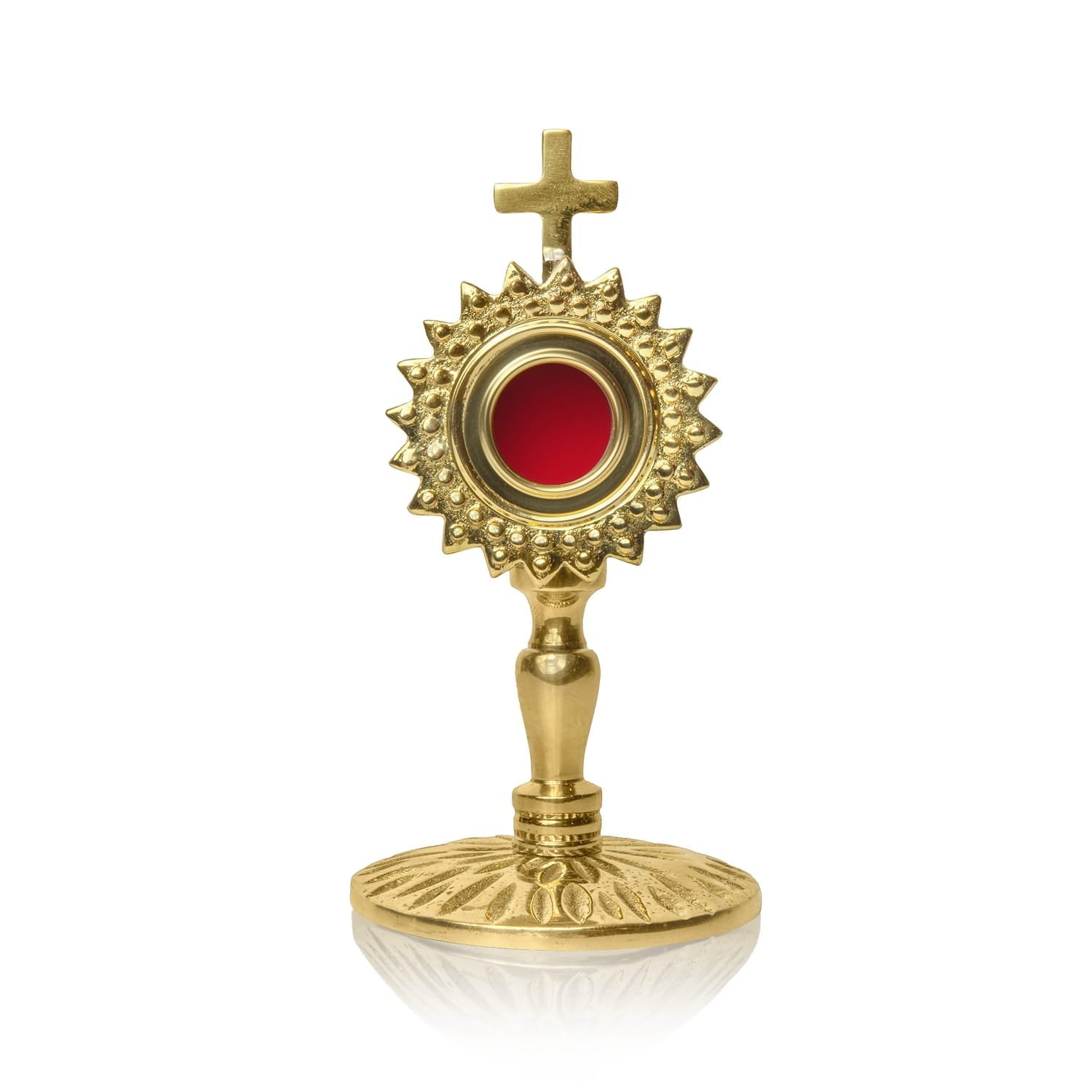
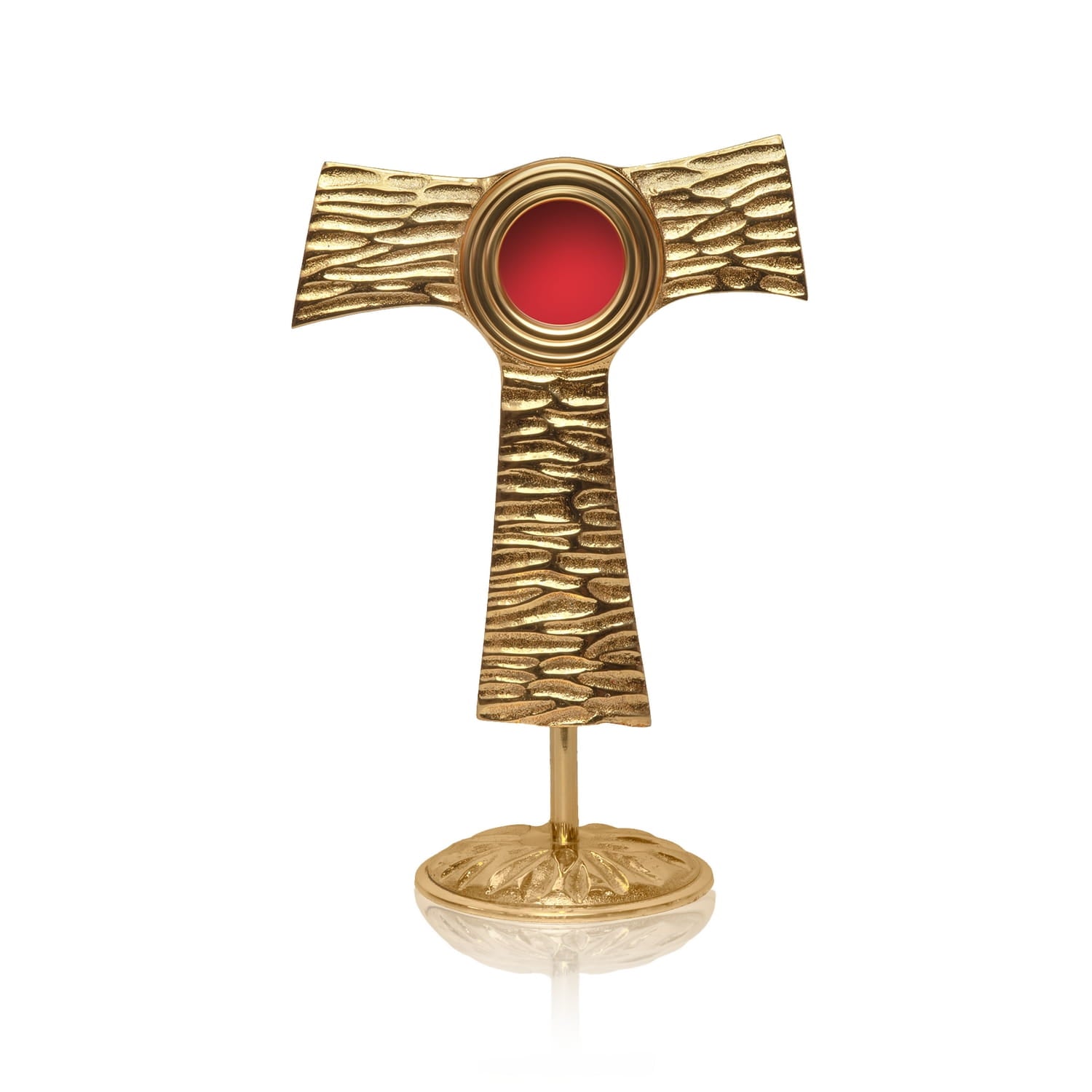
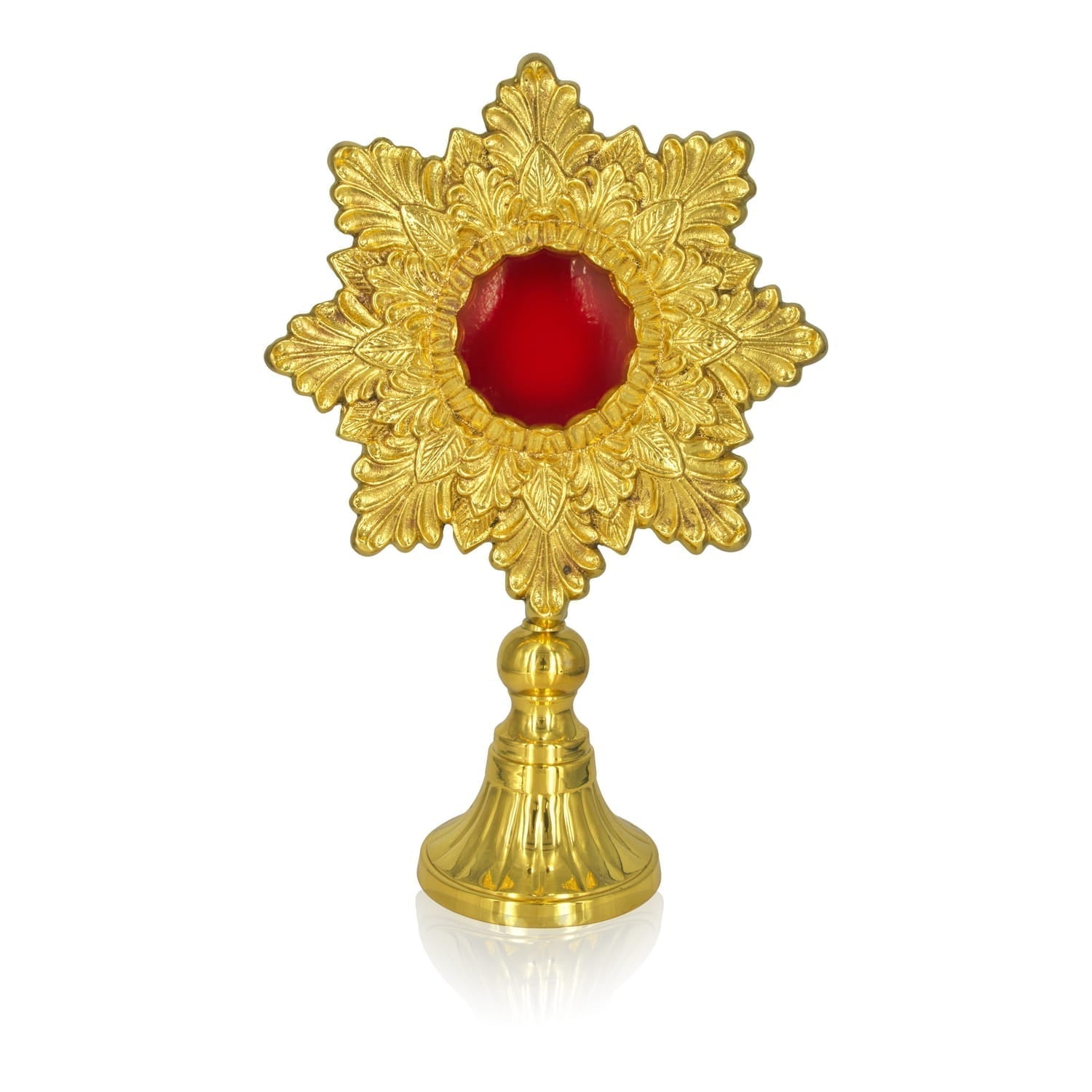
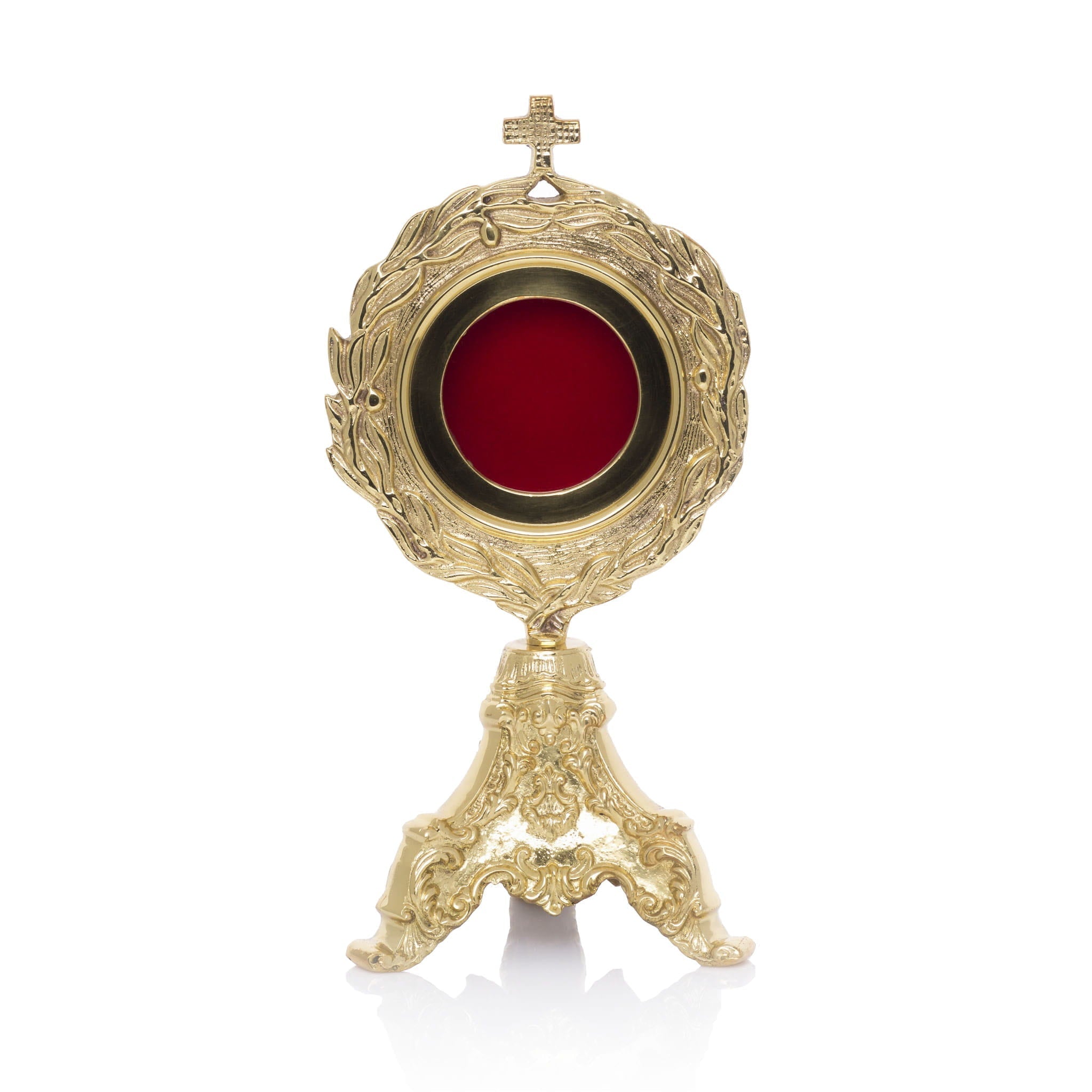
Discover our collection of reliquaries — beautifully crafted, ornate and artistic containers, as defined by the Merriam-Webster Dictionary, created to protect and display holy relics with reverence and dignity. Reliquaries may contain all types of relics, including both physical remains of saints and objects associated with them, emphasizing the completeness and diversity of their contents. The contents of these containers are of profound spiritual significance for the faithful, as relics are remains of saints or objects of their association, and reliquaries protect and display the holy for veneration. Some reliquaries, such as philatories, are transparent, allowing viewers to see the contents inside without opening them. It is important to note that while reliquaries may resemble idols in form, they are not idols, but sacred containers for relics—serving not as objects of worship themselves, but as pious memorials and symbols of the holy, honoring the divine.
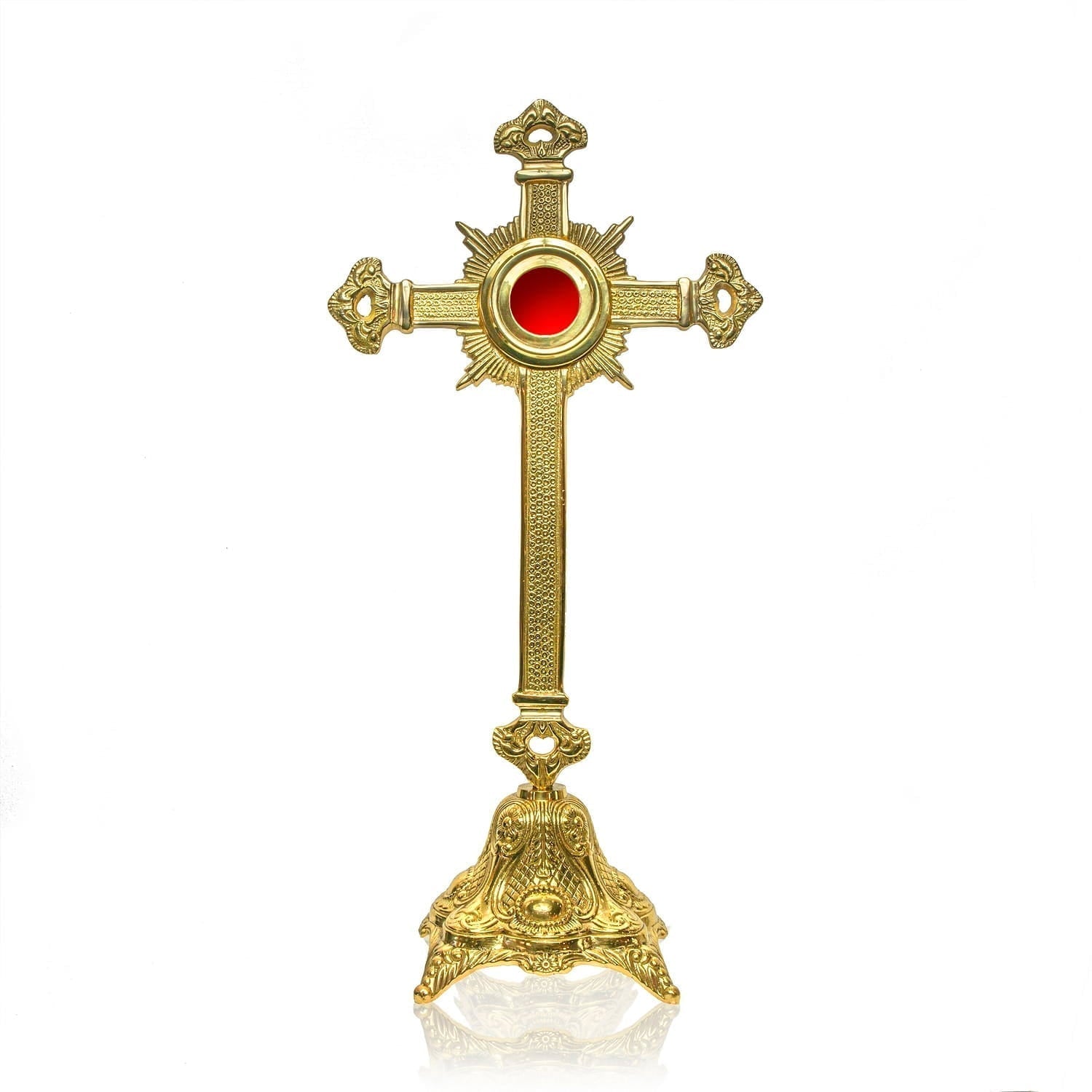
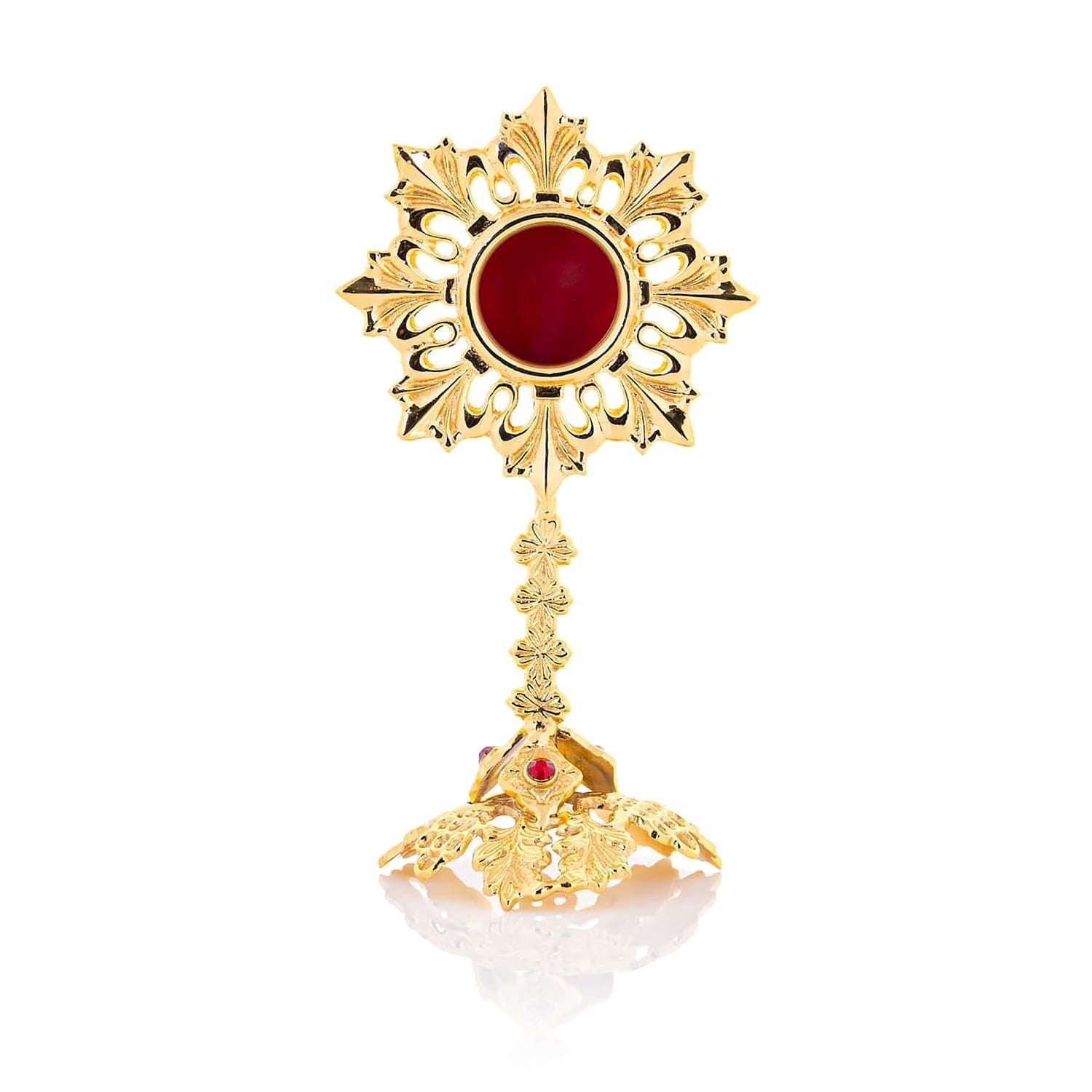
At Chasubles.com, we offer reliquaries made from high-quality metal or brass, with ornate decoration and stable bases — perfect for secure placement in church settings.
Reliquaries are not only protective vessels, but also focal points for veneration and prayer, allowing the faithful to connect with the holy legacy of saints.
Browse our selection now to find a reliquary that honors tradition and enhances the sacred atmosphere of your church or chapel.
Introduction
Reliquaries have been a central element of religious practice for more than one century, with their major development beginning from the 9th century onward. In the Middle Ages, the veneration of relics and reliquaries came to rival the sacraments in the daily life of the medieval church, highlighting their major role in Christian worship. It was believed that the body of a saint, preserved within a reliquary, provided a spiritual link between life and death, and between man and God. From the time of Charlemagne, it became obligatory for every altar in medieval churches to contain a relic, further emphasizing their importance. Then, in the following centuries, reliquaries evolved from simple containers to more individualized and visible constructions, reflecting changes in artistic style and devotional practices. The most significant reliquaries were often valued more than gold, jewels, or other precious objects, as they embodied both material and spiritual worth. They serve as vessels that preserve the sacred relics of saints and religious figures, enabling the faithful to connect with the divine. Reliquaries play a vital role in preserving and transmitting sacred traditions, forming a bridge between the past and the present. To this day, reliquaries continue to serve an important role in many churches and shrines, attracting pilgrims and faithful from around the world.
History of Reliquaries in the Middle Ages
The history of reliquaries dates back to the Middle Ages, when they began to be made as containers for the remains of saints and other important religious figures. Some reliquaries were of French origin or style, reflecting the exceptional French artistic heritage in their creation and decoration. Reliquaries were considered symbols of the divine presence and were venerated by the faithful, often becoming focal points of worship and pilgrimage, believed to perform miracles such as healing the sick or blessing devotees. Scholarly works and edited volumes (eds) on the history and art of reliquaries provide in-depth analysis of their significance in medieval culture.
Over time, reliquaries evolved, being crafted from increasingly precious materials such as gold, silver, ivory, gems, and enamel to reflect their sacred purpose and to protect the relics they housed. Techniques such as cloisonné enameling and gilding were commonly used, enhancing their intricate designs and visual appeal. Reliquaries were often covered with narrative scenes from the life of saints, and their decoration reflected common Christian themes, making them appropriate for use by any community and enhancing their cultural significance. During the later Middle Ages, some reliquaries were designed in the form of a monstrance, housing the relic in a glass capsule mounted on a column for display. In the Middle Ages, reliquaries became an integral part of religious practices, and their production and collection became common among churches and monasteries. Today, reliquaries are considered valuable historical and cultural relics that allow us to understand the religious and artistic practices of bygone eras.
Types of Reliquaries
There are many types of reliquaries, each with its own unique form and function. Some reliquaries are designed as small, portable containers that can be carried by the faithful, while others are large, stationary structures that serve as focal points for veneration. Reliquaries can be made of various materials, such as wood, metal, glass, and enamel, and can contain various types of relics, including bones, clothing, and other objects. Popular types of reliquaries include cross-shaped reliquaries, head-shaped reliquaries, and heart-shaped reliquaries.
Materials and Craftsmanship
The materials and craftsmanship used to create reliquaries are very important, as they reflect the religious values and practices of the era in which they were created. Reliquaries can be made of expensive materials such as gold, silver, and enamel, symbolizing the value and respect accorded to the relic. The craftsmanship involved in creating reliquaries can be very complex, requiring years of experience and practice. Many reliquaries are decorated with scenes from the lives of saints, further enhancing their value and significance.
Reliquaries of Saints
Reliquaries of saints are particularly important because they contain relics of individuals considered saints by the Church. These reliquaries may be designed to reflect the life and work of the saint and may contain various types of relics, including bones, clothing, and other objects. Some reliquaries of saints are considered very important and are kept in special shrines or churches, where they are venerated by the faithful. An example of such a reliquary is the reliquary of St. John, which contains relics of this saint and is kept in a special shrine.
Significance of Reliquaries
Reliquaries have played a key role in religious practices from the Middle Ages to the present day. They are not only containers that house and protect the relics of saints, but also symbols of the presence of the sacred in the lives of the faithful. Made of materials such as gold, silver, precious stones, or enamel, they emphasize the value and uniqueness of their contents. For the faithful, reliquaries are a place of encounter with spirituality, enabling prayer and contemplation upon the relics of the saint. Many churches and museums host exhibitions displaying both small and monumental reliquaries that have witnessed history and religious practices for centuries. Their presence in churches strengthens the sense of community and connects generations of believers with tradition.
Reliquaries in Art
Reliquaries are also exceptional works of art, reflecting the artistic styles and techniques of different eras. In the Middle Ages, they were created from materials such as ivory, enamel, glass, or gold, often taking the form of figures, crosses, or miniature structures. Decorations depicting scenes from the lives of saints, biblical motifs, or floral ornaments emphasize both the religious and artistic dimensions of these objects. Some reliquaries are shaped like pendants or small containers that could be carried with oneself. Today, during exhibitions in museums and churches, reliquaries can be seen as a fragment of the history of sacred art, combining a desire for contact with the sacred with the mastery of ancient craftsmen. Their presence inspires both the faithful and art lovers, demonstrating the profound intertwining of religion and art throughout the centuries.

Express Shipping
Delivery within 1-3 days

Free delivery
on orders over 199 USD

Made in Poland, EUROPE
since 1991